阿尔法工场研究院

Search documents
4143万家族信托被法院击穿,富人最后的避风港塌了?
阿尔法工场研究院· 2025-07-14 17:35
Core Viewpoint - The recent court ruling declaring a domestic family trust "invalid" has sparked significant discussion in the wealth management sector regarding the asset protection capabilities of family trusts, highlighting that the safety of trusts is not determined by their geographical location but by the legality of the assets and the professionalism of their structure [1][2][4]. Group 1: Domestic Family Trusts - The case involving the family trust of an individual named Cui, which was ruled invalid by the court, was primarily due to the illegal source of the assets involved, as Cui was convicted of bribery and fraud [7][12]. - The trust in question was likely not a standard family trust managed by a domestic trust company but rather a private fund lacking risk isolation capabilities [10][11]. - The ruling emphasizes that the effectiveness of a trust relies on the legality of the asset sources and compliance with trust laws, rather than inherent flaws in the domestic trust system [14][15][19]. Group 2: Growth and Safety of Domestic Trusts - The scale of domestic family trusts has rapidly increased, surpassing 5 trillion yuan by the end of 2023, demonstrating their potential for reliable risk isolation when established in compliance with legal standards [17]. - Key safety features of compliant domestic trusts include asset independence from the grantor's liabilities and protection of marital property through pre-marital trust establishment [17][18]. - The security of domestic trusts fundamentally depends on adherence to legal regulations and the separation of ownership, management, and beneficiary rights [19]. Group 3: International Trusts and Risks - High-profile cases, such as that of Zhang Lan's offshore trust, illustrate that international trusts are not inherently safer than domestic ones, as they can also be subject to legal challenges and asset claims [20][23][40]. - Zhang Lan's case revealed that retaining control over trust assets can lead to the trust being deemed ineffective, emphasizing the importance of proper trust structure and compliance with legal requirements [35][39]. - The complexities of international trusts can lead to hidden risks, including tax compliance issues and legal conflicts across jurisdictions, which can complicate asset management and increase costs [48][49]. Group 4: Trust Structure and Design - The safety of both domestic and international trusts hinges on three core principles: the legality of the assets, the professionalism of the trust structure, and the alignment with family needs [50][72]. - Trusts must ensure complete transfer of ownership to the trustee, clear beneficiary rights, and the selection of qualified trustees to mitigate risks [53][66]. - Trust structures should be adaptable to changing family circumstances and legal environments, allowing for necessary adjustments to maintain effectiveness [55][67]. Group 5: Common Misconceptions - There is a prevalent misconception that offshore trusts serve solely as tax evasion tools; however, recent regulations have significantly reduced their effectiveness in this regard [60][61]. - Trusts require ongoing management and oversight, contrary to the belief that they can be set up and forgotten [62][63]. - The size of the trust does not correlate with its safety; rather, the design and compliance of the trust structure are critical [65].

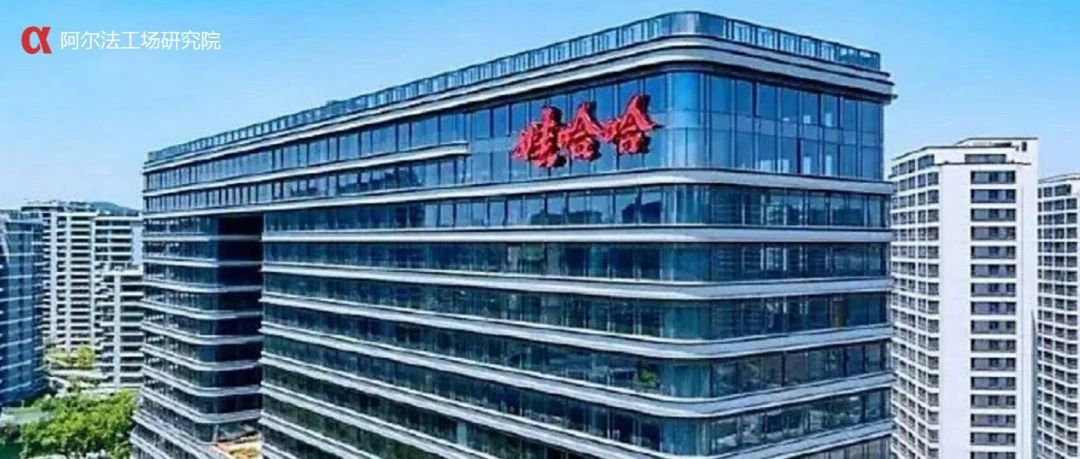
娃哈哈百亿“遗产案”,谁拿到了真遗嘱?
阿尔法工场研究院· 2025-07-14 17:35
Core Viewpoint - The internal family conflict within the Zong family, particularly regarding the inheritance of Wahaha Group, has escalated into a legal battle, potentially impacting the company's future and governance structure [1][2][17]. Group 1: Family Conflict and Legal Proceedings - Zong Fuli, seen as the sole successor of Wahaha Group, is facing a lawsuit from three half-siblings who claim to be the illegitimate children of the late Zong Qinghou, seeking to reclaim $1.8 billion in trust benefits and a 29.4% equity stake in the company, valued at over 20 billion RMB [1][2][7]. - The three plaintiffs, Zong Jichang, Zong Jieli, and Zong Jisheng, allege that Zong Qinghou established an offshore trust for them, which has not been fully funded, leading to disputes over asset management and potential asset transfer by Zong Fuli [3][5][9]. - The legal battle includes a request for a restraining order against Zong Fuli to prevent her from handling the trust assets, alongside claims for interest and damages due to alleged asset transfers [5][9]. Group 2: Implications for Wahaha Group - The outcome of the lawsuit could significantly affect Zong Fuli's position and the overall ownership structure of Wahaha Group, as the plaintiffs could gain legal recognition as heirs if they successfully establish paternity and challenge the validity of Zong Qinghou's will [17][18]. - The complexity of the case involves cross-border inheritance laws and trust regulations, which may prolong the legal proceedings for 3 to 5 years, creating uncertainty for the company's governance [9][19]. - Wahaha Group has stated that the family dispute is an internal matter and does not impact the company's operations, but legal experts suggest that a successful claim by the plaintiffs could disrupt the current control and management of the company [17][18]. Group 3: Background and Future Considerations - The conflict stems from a lack of clear inheritance distribution by Zong Qinghou, who had previously presented Zong Fuli as his only child, leading to public perception issues and potential brand trust erosion for Wahaha [18][19]. - Experts recommend that family businesses implement transparent and legally compliant wealth transfer strategies to avoid such disputes, emphasizing the importance of clearly defined beneficiary roles and trust structures [19].
专家访谈汇总:事关稳定币,上海市国资委召开学习会
阿尔法工场研究院· 2025-07-13 05:29
Group 1: Guolian Minsheng Securities Performance - Guolian Minsheng Securities achieved a net profit of 1.129 billion yuan in the first half of 2025, representing a year-on-year increase of approximately 1183% [1] - Even after excluding the merger impact, the company's performance still showed a year-on-year growth of 168%, indicating strong synergy effects post-merger [1] - The investment banking business, particularly in IPO projects, has been a significant growth driver for Guolian Minsheng Securities, ranking high in the number of sponsorships [1] - The strategic focus is on industrial investment banking, technology investment banking, and wealth management, aiming for leapfrog development through a comprehensive business model [1] - The integration path of Guolian Minsheng Securities lays a foundation for enhancing competitiveness in the international investment banking arena [1] Group 2: Rare Earth Market Dynamics - On July 10, 2025, Northern Rare Earth and Baotou Steel announced a price increase for rare earth concentrates, leading to a strong rebound in the rare earth permanent magnet sector with a net capital inflow of 3.536 billion yuan and a price increase of 5.15% [2] - The price increase reflects a fundamental change in the supply-demand structure, indicating a restructuring of the rare earth permanent magnet industry chain [2] - Continuous rectification of black rare earth mines has led to the closure of over 30% of illegal mining operations in major production areas, resulting in a compliance production capacity ratio of 82% [2] - Despite a slight increase of 5% in rare earth mining quotas for 2025, 80% of the quotas are concentrated in leading companies, diminishing the bargaining power of smaller enterprises [2] - The domestic electric vehicle penetration rate is expected to exceed 45% in 2025, with annual demand for rare earth magnetic materials projected to reach 150,000 tons, nearly five times the demand in 2020 [2] - The price surge is driven by a combination of replenishment demand and new demand following a significant inventory reduction in 2024 [2] - Upstream companies are expected to see profit surges, while midstream magnetic material companies face significant cost pressures [3] Group 3: Pharmaceutical Sector Performance - On July 11, 2025, innovative drug concept stocks performed well, with major stocks like Kelaiying and WuXi AppTec hitting the limit up [3] - As of July 10, 2025, WuXi AppTec's financing balance reached 3.333 billion yuan, marking a new high in nearly two weeks, with a net buying amount of 179 million yuan over the past five days [3] - 92.3% of companies that have disclosed mid-year profit forecasts expect net profit growth or turnaround, with several companies projected to exceed 100% net profit growth [3] - The medical sector indices are at relatively low valuation points, suggesting potential investment value in the sector [3] Group 4: Stablecoin Market Developments - On July 11, 2025, the stablecoin concept stocks saw a strong rebound, with Guotai Junan International's stock price rising over 10% and its market value exceeding 60 billion HKD [4] - Guotai Junan International's mid-year profit forecast indicates a projected net profit of 515 million to 595 million HKD for the first half of 2024, representing a year-on-year growth of 161% to 202% [4] - The Shanghai State-owned Assets Supervision and Administration Commission is increasing its focus on the future development trends and strategies for cryptocurrencies and stablecoins [4] - The new stablecoin regulations in Hong Kong, effective August 1, 2025, provide a clear regulatory framework, stimulating market enthusiasm for stablecoin concepts [4] Group 5: Coking Coal Market Trends - The Central Financial Committee emphasized the need to accelerate the exit of backward production capacity, raising expectations for supply-side reforms in the coal industry [5] - The closure of ports during Mongolia's Nadam Festival has intensified market expectations for coal supply tightness, contributing to a bullish sentiment in the coking coal market [5] - Despite being in a traditional demand off-season, steel mills' production demand has not declined as sharply as expected, leading to a recovery in profit margins [5] - Strong performance in coking coal prices supports coking coal prices, while production cuts and environmental inspections alleviate supply pressures [5]


估值1500亿存储芯片巨头,IPO募资用于突破DDR5良率
阿尔法工场研究院· 2025-07-13 05:29
Industry Status and Market Landscape - The global memory chip market is entering a new upcycle, with DRAM prices expected to rise by 21.3% in Q2 2025, exceeding expectations [1] - The DRAM market is dominated by Samsung (34%), SK Hynix (36%), and Micron (25%), collectively accounting for 95% of the market share [1] - Chinese manufacturer Changxin Storage has entered the competition, achieving a market share of 6% in Q1 2025, with expectations to increase to 8% by the end of the year [1] Changxin Storage Fundamental Analysis - Changxin Storage, established in 2016, is the only domestic IDM company capable of independent DRAM design and production [2] - The company completed a financing round of 10.8 billion yuan in March 2024, with a pre-financing valuation of 140 billion yuan; in December 2024, Country Garden sold 1.56% of its stake for 2 billion yuan, corresponding to a valuation of 128.2 billion yuan; the latest market valuation in 2025 has reached 150 billion yuan [2] - The main product, LPDDR5, is close to international performance levels, but DDR5 technology lags behind leading companies by 3-4 years [2] - In Q1 2025, production capacity reached 200,000 wafers, with an expected annual production increase of 68% to 2.73 million wafers [2] - The customer base includes domestic smartphone brands such as Xiaomi and Vivo, highlighting significant localization advantages [2] Competitive Disadvantages Analysis - Profitability is challenged with a gross margin of 32%, significantly lower than Samsung's 61%, and government subsidies account for 53% of profits [4] - Supply chain risks exist due to reliance on imported key equipment, indicating a need for increased domestic production [5] Major Competitors Comparison - Changxin Storage has not yet entered the HBM field, where SK Hynix holds a 70% market share; the 18.5nm process technology is behind international giants' 14nm and below [7] - The company has a patent portfolio of 13,449, which is only a fraction of that held by international leaders, facing risks from Micron's 337 investigation [7] - Comparison of key players shows Changxin's market share at 6% in Q1 2025, with significant gaps in technology and patent reserves compared to Samsung, SK Hynix, and Micron [9] Development Prospects - The funds raised from Changxin Storage's IPO will focus on improving DDR5 yield, currently at 80% [10] - In the short term, the target of 6% market share relies on domestic substitution benefits; in the long term, breakthroughs are needed in cutting-edge fields such as integrated storage and computing chips [10]

lululemon打下的江山,要被“男版lulu”摘桃子了
阿尔法工场研究院· 2025-07-13 05:29
Core Viewpoint - The yoga apparel market is becoming increasingly competitive, with both international and domestic brands vying for market share, particularly in China [2][3]. Group 1: Market Dynamics - The British yoga brand Sweaty Betty has been acquired by the Chinese e-commerce company Baozun, indicating a shift towards local management for better market adaptation [4][15]. - Alo Yoga, another prominent American brand, is expanding its presence in Asia, with plans to open its first store in China by 2025, following successful launches in other Asian countries [5][22]. - Lululemon, currently the market leader, is facing challenges as its revenue growth in China has been declining, prompting a strategic shift to focus on lower-tier cities [6][40]. Group 2: Financial Performance - Sweaty Betty's parent company, Wolverine Worldwide, has reported a significant decline in revenue and gross profit over the past three years, with a drop of approximately $1 billion in revenue [11][12]. - In contrast, Alo Yoga has seen substantial growth, with sales exceeding $1 billion in 2022, marking a nearly 100% year-over-year increase [21]. - Lululemon's revenue growth in China has shown a downward trend, with quarterly growth rates fluctuating and expected to stabilize between 25% to 30% moving forward [38][39]. Group 3: Competitive Strategies - Sweaty Betty's previous failure in China was attributed to a lack of localized marketing and consumer engagement, which the brand aims to rectify through its partnership with Baozun [25][32]. - Alo Yoga differentiates itself by positioning as a lifestyle brand, offering a broader range of products beyond apparel, which may enhance its appeal in the competitive landscape [17][21]. - Lululemon is adapting its strategy by expanding into lower-tier cities, where consumer spending power is rising, while also facing the risk of diluting its brand image [41][45].

大中华区成“最差市场”:耐克为何抓不住中国年轻一代?
阿尔法工场研究院· 2025-07-13 05:29
Core Viewpoint - Nike's decline in the Chinese market is attributed to strategic misjudgments, loss of competitive focus, and the fading of market dividends, rather than merely "traffic fatigue" or a "promotional environment" [22] Group 1: Financial Performance - Nike's revenue for the fiscal year 2025 was $46.3 billion, a 10% year-over-year decline [1] - Revenue from the Greater China region was $6.586 billion, down 13% year-over-year, equating to a loss of approximately $959 million [1][2] - Overall net profit decreased by 44% to $3.2 billion [2] Group 2: Market Competition - Local brands such as Anta, Li Ning, and Xtep are experiencing strong growth, with Anta leading the industry with over 100 billion RMB in revenue [7] - Emerging brands like On and HOKA are also gaining market share, further challenging Nike's dominance [7] - Local brands have demonstrated effective market positioning, with Xtep focusing on the running segment through acquisitions [8] Group 3: Pricing and Consumer Preferences - Local brands offer comparable quality at lower prices, making them more appealing to consumers who prioritize value [10] - The shift in consumer sentiment has led to a decline in loyalty towards international brands like Nike, especially among younger consumers [23] Group 4: Product Strategy and Quality Issues - Nike's production shift to Vietnam has resulted in quality complaints from consumers, impacting brand perception [12][21] - The lengthy product development cycle due to supply chain inefficiencies has hindered Nike's responsiveness to market trends [21] Group 5: Marketing and Brand Engagement - Nike's marketing strategy relies heavily on top-tier athletes, which may not resonate with younger consumers who prefer relatable influencers [24] - The brand has been slow to engage in popular platforms like Douyin, missing opportunities to connect with the youth market [47] Group 6: Strategic Changes and Future Outlook - Nike's "Win Now" strategy aims to address current challenges, including leadership changes and a focus on local market needs [42][44] - The strategy includes simplifying product lines and increasing promotional activities to clear inventory and attract consumers [52][56] - Future success will depend on Nike's ability to understand and respond to local consumer demands more effectively than competitors [56]


董事会被血洗前,“疫苗之王”抛出75亿美元“清仓式”分红计划
阿尔法工场研究院· 2025-07-11 03:30
Core Viewpoint - The article discusses the ongoing power struggle within Sinovac Biotech, highlighting the recent shareholder meeting where SAIF Partners successfully removed the current board and appointed its own nominees, indicating a significant shift in control and strategy within the company [2][4][5]. Group 1: Board Restructuring - On July 9, 2023, Sinovac Biotech held a special shareholder meeting where shareholders voted to dismiss the current board and elect ten new directors nominated by SAIF Partners, resulting in a board dominated by the Yin Weidong faction [2][4][5]. - The new board members include Simon Anderson, Fu Shan, Jiao Shuge, Li Jiaqiang, Lu Yulin, Qiu Yumin, Wang Yu, Xiao Ruiping, Yan Yan, and Yin Weidong [6]. - The previous board meeting was marked by controversy, as the current chairman Li Jiaqiang called for a recess, preventing shareholder participation, which led to further tensions [8][9]. Group 2: Dividend Strategy - Prior to the board reshuffle, Sinovac announced a total dividend plan of up to $7.5 billion, which is perceived as a strategy to gain shareholder support while potentially depleting cash reserves to weaken future control by opponents [2][10]. - The proposed dividends include a special cash dividend of $55 per share, a second special cash dividend of $19 per share, and a third special cash dividend ranging from $20 to $50 per share, which could result in shareholders receiving up to $124 per share in total dividends [10]. - The total dividend payout could reach $7.448 billion, while the company's total market value is reported to be less than $500 million, indicating a significant cash outflow relative to its market capitalization [10][25]. Group 3: Historical Context and Internal Conflict - The internal conflict at Sinovac has persisted for nearly a decade, primarily between co-founders Yin Weidong and Pan Aihua, leading to various aggressive tactics including attempts at privatization and shareholder dilution [12][16][17]. - The struggle intensified with actions such as seizing company seals and power outages, alongside the implementation of a "poison pill" strategy to dilute shares held by opponents [17][18]. - The company was forced to suspend trading on NASDAQ in February 2019 due to governance issues, reflecting the severity of the internal disputes [18]. Group 4: Financial Health and Future Outlook - Sinovac reportedly has $10.3 billion in cash and cash equivalents, but the proposed dividend payments could consume over 70% of this cash, leaving only $2 billion for operational needs [25]. - The company faces challenges with its core product, the "Kexing" vaccine, which is reportedly facing production halts, alongside a limited pipeline of revenue-generating products [26][27]. - The new board plans to reserve only $2 billion for operational funds post-dividend, raising concerns about the company's sustainability and future direction amidst ongoing shareholder disputes [28].

专家访谈汇总:上市公司业绩暴增超50倍,引爆稀土概念股
阿尔法工场研究院· 2025-07-11 03:30
Group 1: Rare Earth Industry - Northern Rare Earth's net profit for the first half of 2025 is expected to be between 900 million to 960 million yuan, representing a year-on-year growth of 1882.54% to 2014.71% [1] - The rare earth permanent magnet concept stocks surged on July 10, with the rare earth permanent magnet index rising by 2.92%, and stocks like Northern Rare Earth and Jingyuntong hitting the daily limit [1] - The strong performance of the rare earth market is driven by optimistic expectations for the industry, particularly with stable high prices and increasing demand from sectors like new energy vehicles and wind power [1] - The price of praseodymium and neodymium oxide increased by 11.68% year-on-year in the first half of the year, with prices stabilizing after a recovery in demand from downstream magnetic material companies [1] - Recent easing of export control policies for rare earths has further boosted market expectations, indicating a potential phase of increased industry prosperity [1] Group 2: Real Estate Market - Guangzhou's new housing market saw a significant increase in June 2025, with new home registrations reaching 6,796 units, a nearly 17% year-on-year growth [2] - The "housing ticket" policy and special loan support have been identified as key drivers for the surge in new home transactions, addressing the mismatch in supply and demand for resettlement housing [2] - The acquisition of existing residential properties by Guangzhou Anju Group has facilitated the city's efforts to stabilize the housing market and address inventory issues [2] Group 3: Economic Indicators - The core CPI, excluding food and energy prices, grew by 0.7% year-on-year, marking a 14-month high, indicating the effectiveness of policies aimed at boosting domestic demand [3] - Despite the rise in CPI, the overall price level remains low, with persistent downward pressure on PPI reflecting challenges in corporate profitability [3] - Strengthening domestic demand through policy measures is crucial for reversing the downward price trend, with expectations for gradual improvement in CPI in the second half of the year [3] Group 4: Bond Market - The People's Bank of China announced the expansion of the "Southbound Bond Connect" mechanism, allowing non-bank institutions like insurance companies to participate, enhancing cross-border investment channels [4] - The number of bonds under the "Southbound Bond Connect" increased significantly, indicating sustained interest from domestic institutions in the Hong Kong bond market [4] - The expansion of investor eligibility in the "Southbound Bond Connect" is expected to optimize asset allocation and improve investment returns for participating institutions [4]
大品牌换经销商很正常,但无人接盘已成为新常态
阿尔法工场研究院· 2025-07-11 03:30
Core Viewpoint - The fast-moving consumer goods (FMCG) industry is facing a significant crisis as distributors are increasingly unwilling to take on major brands, leading to a potential collapse of the distribution channel system [10][11][52]. Group 1: Distributor Dynamics - Historically, when manufacturers wanted to change distributors, there were many willing to take over, but now major brands are struggling to find new distributors as many are voluntarily exiting [3][5]. - Distributors are now actively reducing their operations, cutting ties with brands that do not provide immediate profitability, regardless of whether they are large or small [28][48]. - The shift from distributors merely complaining about profitability to outright refusing to engage in business marks a critical change in the industry [26][27]. Group 2: Channel Environment Stages - The deterioration of the channel environment can be categorized into three stages: 1. Deterioration of manufacturer-distributor relationships due to issues like stock pressure and unprofitability [15]. 2. A worsening channel environment characterized by increased control by manufacturers over distributor sales teams and the rise of direct supply models that limit distributor opportunities [20][22]. 3. Active contraction by distributors, who are now cutting brands that do not yield profits, indicating a severe crisis in the deep distribution model [25][29]. Group 3: Challenges in Brand Management - Major brands are losing their ability to innovate and push new products, which is essential for maintaining market relevance [36][40]. - The traditional dual-driven model of brand and channel distribution is failing, leading to an over-reliance on channel-driven strategies that disrupt the overall distribution system [41][40]. - Frequent changes in distributors are damaging brand reputation and market stability, making it increasingly difficult to find new distributors willing to take on the brands [43][45]. Group 4: Future Directions for Manufacturers and Distributors - Manufacturers need to rethink their channel strategies, focusing on direct supply to large retailers and fostering new types of operators who can drive innovation [58][59]. - Distributors have several options moving forward, including engaging with B2B platforms, transitioning to operational roles, or reducing their market presence [61][62][64]. - The emergence of new operational models that integrate online and offline strategies is crucial for revitalizing the industry and ensuring sustainability [66][70].
云英谷IPO:中国显示芯片第一股,毛利率仅2.5%
阿尔法工场研究院· 2025-07-11 03:30
Core Viewpoint - The article highlights the rapid growth of the display driver IC (DDIC) market, driven by the increasing penetration of AMOLED technology and the domestic production of display panels in China, while also addressing the challenges faced by Yunyinggu in terms of profitability and customer concentration [1][2][8][13]. Industry Status and Future Trends - The global DDIC market is expected to reach $12.93 billion by 2025, with AMOLED driver chips projected to exceed 20% market share, becoming the fastest-growing segment [2]. - The penetration rate of AMOLED panels in smartphones has increased from 30% in 2020 to 55% in 2024, driving demand for high-end AMOLED DDICs [2]. - Domestic production of display panels in China is accelerating, with local production expected to rise from less than 10% in 2019 to 30% by 2025, significantly boosting local DDIC demand [2]. - Yunyinggu is projected to sell 51.4 million units in 2024, increasing its global market share from 1.2% to 4.0% [2]. Yunyinggu IPO Core Highlights - Yunyinggu submitted its IPO application to the Hong Kong Stock Exchange in June 2025, with a valuation of 8.3 billion yuan [4]. - The company is the largest AMOLED display driver chip supplier in mainland China and the fifth largest globally, holding a 4.0% market share [4]. - Yunyinggu possesses a full-stack self-research technology with 27 domestic and 49 overseas patents, including industry-first LTPO and high-resolution Real-RGB AMOLED driver chips [5]. - Major shareholders include Qualcomm China, Xiaomi Yangtze River Industry Fund, Huawei Hubble Investment, and BOE [6]. - Revenue growth from 2022 to 2024 is projected at 551 million yuan, 720 million yuan, and 891 million yuan, respectively, with a compound annual growth rate of 27.3% [7]. Yunyinggu's Main Shortcomings - Despite its advantages, Yunyinggu faces several challenges: - Weak profitability, with gross margin dropping from 31.9% in 2022 to 2.5% in 2024, and a mere 0.3% gross margin for AMOLED display driver chips [8]. - High customer concentration, with the top five customers contributing 90.2% of revenue and the largest customer accounting for 54.1% [9]. - Relatively weak technical reserves, with only 76 patents compared to over 2000 patents held by competitors like Novatek [10]. - Risks associated with the fabless model, with TSMC being the largest supplier at 74.5%, and the top five suppliers accounting for 97.2% of procurement [11]. Industry Competitive Landscape Comparison - The competitive landscape shows various players with distinct strengths and weaknesses: - Samsung LSI holds over 70% market share in AMOLED with a gross margin of 38% but faces losses due to high adoption rates in Galaxy products [12]. - Novatek is the largest independent supplier globally with a gross margin of 40% but has slightly inferior AMOLED technology compared to Samsung [12]. - Yunyinggu is the leading supplier in mainland China for AMOLED (3.8%) and Micro-OLED (40.7%) but has a gross margin of only 2.5% and high customer concentration [12]. - Jichuang Beifang has an 18% market share in China's LCD smartphone DDIC but lacks sufficient AMOLED technology accumulation [12]. - Synaptics is a major supplier of high-end TDDI with a gross margin exceeding 45% but has a narrow product line [12]. Conclusion and Recommendations - Yunyinggu, as a leading player in the AMOLED driver chip market, has achieved rapid growth through technological breakthroughs and local industry chain advantages [13]. - However, the company must address its weak profitability and high customer concentration issues [13]. - Future strategies should focus on transitioning to high-end products, expanding into automotive and industrial applications, and enhancing supply chain diversification management [14]. - With the deepening of the domestic display industry chain, if Yunyinggu can resolve its current shortcomings, it has the potential to secure a more significant position in the global market [14].