Z Potentials

Search documents
深度|第一块机器人生产的电池,已经跑在异国的公路上
Z Potentials· 2025-12-24 03:13
01 引言:一场期望与现实的脱节 对于产线而言,99%和99.9%的成功率并非小数点后的差异,而是正常运行与意外停线的分水岭。一个在实验室能实现90%成功率的模型,在要求无限接近 100%可靠性的产线上,其价值趋近于零。 2. 系统融合度:从"外来展品"到"内嵌要素" 在商业环境中,机器人并非独立运作的孤岛,而必须作为生产要素无缝嵌入现有体系。这不仅是物理空间的适配,更是数据流与工作流的深度整合。它能 否与工厂的MES(制造执行系统)对话?它的作业节拍能否与上下游工序完美衔接? 2025年的具身智能领域,正上演着一出冰火两重天的戏剧。一边是资本与产业的热切期望——摩根士丹利AlphaWise针对中国企业高管的调研揭示,高达 62%的受访者计划在未来三年内采用人形机器人。而另一边,却是产品成熟度仍在"补课"的尴尬现实:同一批受访者中,对现有产品感到满意的比例竟不足 23%。 这种巨大的温差,并非简单的技术问题,而是一场深刻的"价值认知危机"。行业长期沉浸在炫目的demo 演示中,将预售订单的成绩误读为商业成功的信 号。当聚光灯下的机器人还在表演概念时,真正的市场需求早已指向了那些要求近乎"零失误"的真实生产环境 ...


速递|Snowflake的“第二曲线”?AI产品年收破亿后,拟10亿美元收购应用监测初创Observe
Z Potentials· 2025-12-24 03:13
Core Viewpoint - Snowflake is in talks to acquire application monitoring startup Observe Inc. for approximately $1 billion, which could be its largest acquisition to date [3]. Group 1: Acquisition Details - Observe Inc. specializes in observability tools that help developers monitor application performance and identify service disruptions [3]. - The acquisition will position Snowflake in direct competition with software companies like Datadog and Cisco's Splunk [3]. - Observe has raised over $470 million since its founding in 2018, with a recent valuation of $848 million [4]. Group 2: Previous Acquisitions - Last year, Snowflake acquired TruEra AI, a startup focused on monitoring the performance of large language model applications, although the deal amount was not disclosed [4]. Group 3: Financial Performance - Snowflake's stock has risen 43% this year, bringing its market capitalization to approximately $77 billion [6]. - The company reported a quarterly revenue growth of 29% to $1.21 billion, exceeding growth expectations by 3 percentage points [6]. - Snowflake has slightly raised its product revenue growth forecast for the fiscal year ending January from 25% to 27% [6]. Group 4: AI Product Launch - Recently, Snowflake began selling AI products aimed at automating customer tasks, achieving an annualized revenue of over $100 million [5].
深度|狂飙、徘徊与转身:2025 年中国AI从业者浮世绘
Z Potentials· 2025-12-23 06:19
Core Viewpoint - The emergence of DeepSeek-R1 signifies a pivotal moment for Chinese innovation on the global stage, indicating a shift towards accelerated technological advancement and a redefined direction for the industry [1]. Group 1: Collective Narrative Amidst Chaos - The year witnessed parallel experiences of success and confusion within the same industry, with some companies achieving explosive growth while others reassess their strategies [5][6]. - DeepSeek maintained a strong position in application downloads, while competitors like Doubao also saw significant user engagement [6]. - Companies like Baichuan Intelligence and Zero One Matter are pivoting towards specific sectors, showcasing strategic differentiation among the so-called "AI Six Tigers" [7]. - The rapid iteration of AI models has left many entrepreneurs in a state of indecision, grappling with whether to embrace new trends or stick to established paths [7]. Group 2: Value Inquiry and Choices in 2025 - Practitioners are increasingly questioning the essence of technology and its practical applications, moving beyond theoretical discussions to real-world implications [13]. - The discourse on platforms like Zhihu reflects a shift in focus from immediate outcomes to long-term technological potential and sustainable practices [14][20]. - The concept of "density" in AI development is emerging, emphasizing quality over sheer size, as highlighted by industry experts [17]. Group 3: Observations from Practice - The interactions on Zhihu illustrate a dynamic exchange of ideas, where individuals document their experiences and uncertainties, contributing to a collective understanding of the industry's evolution [21][30]. - The narrative of personal journeys in the tech space reveals a transition from theoretical exploration to practical application, with many professionals sharing their challenges and decisions [20][31]. - The ongoing discussions emphasize the importance of individual contributions to the broader AI landscape, highlighting the need for continuous questioning and adaptation in an uncertain environment [33].

速递|Cursor收购潮最新一例:AI生成的代码“保险”Graphite,收购估值超2.9亿美元
Z Potentials· 2025-12-23 06:19
Core Insights - Cursor has acquired AI code review and debugging startup Graphite, with the acquisition price reportedly exceeding Graphite's recent valuation of $290 million [1] - The strategic significance of this acquisition lies in enhancing Cursor's capabilities in AI-driven code review, particularly through Graphite's unique "stacked pull requests" feature [1][2] - The combination of AI-assisted coding tools and AI-assisted code review tools can accelerate the entire process from code drafting to deployment [2] Company Comparisons - Other startups providing AI-assisted code review include CodeRabbit, valued at $550 million in September, and smaller competitor Greptile, which recently completed a $25 million Series A funding [3] - Cursor's co-founders have connections with Graphite's founders through the Neo Scholars program, an elite initiative by early-stage venture firm Neo [3] - Both Cursor and Graphite share common investors, including Accel and Andreessen Horowitz [4] Recent Activities - Cursor has been on an acquisition spree since its last valuation of $29 billion in November, including the recent acquisition of strategic tech recruiting firm Growth by Design [5] - In July, Cursor acquired the talent team of AI-driven CRM startup Koala for a post-money valuation of $129 million [6]
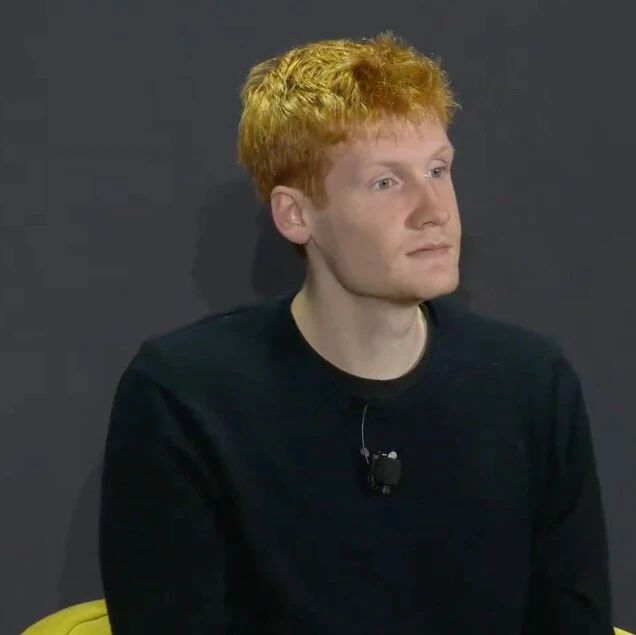
速递|微软CEO变身首席产品经理,高盛等大客户转投Cursor、Devin,纳德拉如何“沉浸式救火”
Z Potentials· 2025-12-23 06:19
Core Insights - Microsoft CEO Satya Nadella has become the company's most influential product manager, focusing on enhancing the indispensability of the Copilot AI assistant for customers [1][2] - Nadella has delegated many business functions to sales chief Judson Althoff, allowing him to concentrate on AI product development and other technical initiatives [2] - The company is facing intense competition in the AI space, particularly from Google and OpenAI, prompting Nadella to take a hands-on approach in product management and talent acquisition [3][5] Group 1: Leadership and Strategy - Nadella has become more active in internal communications, frequently engaging with top technical staff and providing direct feedback on AI product performance [2] - He has prioritized recruiting top AI talent from leading organizations like Google DeepMind and OpenAI, even approving unusually high salaries to attract them [3] - Nadella's leadership style reflects a shift towards a more involved and hands-on approach, reminiscent of past tech leaders during critical company transitions [5][6] Group 2: Product Development and Challenges - Microsoft is under pressure to improve the functionality of its AI tools, particularly the Copilot features in Office 365, which have not met automation expectations [7][8] - Despite having over 100 million monthly users for Copilot, Microsoft lags behind competitors like Google's Gemini and OpenAI's ChatGPT in user engagement [10] - The company has faced challenges in retaining clients for its GitHub Copilot, as some have shifted to newer coding tools, indicating a decline in market share [11][12] Group 3: Market Position and Competition - Microsoft is leveraging its strong cloud and software business to gain a competitive edge in the AI market, but there are concerns about the sustainability of its AI business model [7][8] - Nadella has acknowledged the need to enhance Copilot's capabilities to compete effectively against emerging AI tools and maintain customer interest [9][15] - The company is at risk of losing clients who may opt for free AI tools over paid subscriptions, emphasizing the need for compelling value propositions [16]


喝点VC|拒绝21岁创业?红杉对话AI独角兽ElevenLabs、Lovable CEO:先攒够这3类经验再出发
Z Potentials· 2025-12-22 03:40
Core Insights - The article discusses the rapid growth and challenges faced by two European AI startups, ElevenLabs and Lovable, highlighting their innovative approaches to technology and management [2][3][4]. Group 1: Company Background and Vision - ElevenLabs, co-founded by Mati Staniszewski, focuses on audio technology breakthroughs, creating voice generation systems that understand context and convey emotions [2]. - Lovable, co-founded by Anton Osika, aims to upgrade open-source tools into an AI development platform, enabling non-technical users to build software quickly [2][3]. - Both companies emphasize the importance of creating products for the 99% of people who cannot code, aiming to democratize technology [3][10]. Group 2: Growth Strategies and Challenges - The founders discuss the importance of having experienced talent in scaling operations, noting that the European startup ecosystem lacks individuals with experience in scaling from zero to one and one to a hundred [3][65]. - They emphasize the need for effective delegation and team building during rapid growth phases, which often come with chaos and confusion [4][14]. - The conversation highlights the balance between maintaining control and empowering teams, with both founders sharing their learning experiences in leadership roles [14][15][19]. Group 3: Team Building and Management - The article outlines the strategies for recruiting talent, with a preference for experienced professionals in critical roles while also integrating high-potential individuals [19][22]. - Both companies utilize a mixed team structure, combining experienced professionals with emerging talent to foster innovation and adaptability [22][23]. - The founders stress the importance of creating a supportive culture that encourages open communication and collaboration among team members [52][53]. Group 4: Market Position and Competitive Landscape - The founders acknowledge the competitive pressures from major players like OpenAI and Anthropic but express confidence in their focused approach to voice technology [33][34]. - They discuss the unique advantages of operating in Europe, such as a diverse talent pool and the ability to cater to global markets due to favorable time zones [52][53]. - The article concludes with a call for more experienced entrepreneurs to engage in the European startup ecosystem to foster growth and innovation [65][66].

速递|Yann LeCun(杨立坤)新公司AMI Labs聚焦“世界模型”,寻求超50亿美元估值融资
Z Potentials· 2025-12-22 03:40
Core Insights - Renowned AI scientist LeCun has confirmed the establishment of a new startup named "Advanced Machine Intelligence" (AMI), with LeCun serving as Executive Chairman and Alex LeBrun as CEO [1][2] - AMI is reportedly planning to raise €500 million (approximately $586 million) at a valuation of €3 billion (around $3.5 billion) even before its official launch [2] - AMI is developing a world model AI, which aims to address the structural hallucination issues of large language models (LLMs) by understanding environments and simulating causal relationships [3] Company Overview - LeCun, a professor at NYU and former VP and Chief AI Scientist at Meta, is recognized for his contributions to reinforcement learning and is a recipient of the prestigious A.M. Turing Award [3] - The world model AI being developed by AMI is seen as a potential solution to the inherent uncertainties of LLMs, which can lead to misinformation [3] Funding and Market Position - The valuation and funding goals of AMI are considered ambitious, especially in comparison to other AI startups, such as "Mind Machine Lab," which was valued at $12 billion during its seed round [2][3] - Nabla, the company from which LeBrun is transitioning, has raised a total of $120 million, including a $70 million Series C round completed in June [6][7] Leadership Transition - LeBrun is transitioning from CEO of Nabla to CEO of AMI, while Nabla's COO, Delphine Grol, will temporarily manage Nabla during this transition [4][6] - LeBrun has indicated that Nabla is experiencing significant growth, with annual recurring revenue expected to exceed $1 billion [7]

速递|前Splunk高管创自动AI运维,Resolve AI跻身独角兽,估值突破10亿美元
Z Potentials· 2025-12-22 03:40
Core Insights - Resolve AI, an AI startup, has completed a Series A funding round led by Lightspeed Venture Partners, achieving a public valuation of $1 billion, although the actual mixed valuation is lower due to a multi-round financing structure [2][3] - The company, founded by former Splunk executives, aims to automate site reliability engineering (SRE) tasks, addressing the challenges of maintaining complex software systems in distributed cloud environments [3][4] - Resolve AI's annual recurring revenue is approximately $4 million, and the specific scale of the recent funding round has not been disclosed [2][3] Company Background - Resolve AI was co-founded by Spiros Santos and Mayank Agarwal, who have a long-standing collaboration dating back to their graduate studies at the University of Illinois [2][3] - This is not their first entrepreneurial venture together; they previously co-founded Omnition, which was acquired by Splunk in 2019 [3] Market Context - The automation solution provided by Resolve AI is crucial as companies face increasing difficulties in finding and retaining skilled SRE personnel to manage system reliability [3] - The competitive landscape includes other AI SRE startups like Traversal, which recently raised $48 million in a Series A round led by Kleiner Perkins and Sequoia Capital [4]
Z Product | Product Hunt最佳产品(12.8-14),华人打造的AI音乐站
Z Potentials· 2025-12-21 02:24
Core Insights - The article highlights the top productivity tools of the week, focusing on their unique features and target audiences, emphasizing the integration of AI to enhance user experience and efficiency [1]. Group 1: ClickUp 4.0 - ClickUp 4.0 is described as a productivity operating system that consolidates tasks, collaboration, and AI agents into a single workspace [2][3]. - It aims to address the fragmentation of tools for medium to large teams and fast-growing companies, providing project management and knowledge collaboration in one platform [4]. - Key features include a unified workspace, AI agents for task summarization and automation, and built-in meeting functionalities that streamline the workflow [5][6]. Group 2: Incredible - Incredible is positioned as a deep work AI agent engine that offers low-cost, high-efficiency solutions for teams [7][9]. - It targets operations, sales, customer service, and data teams looking to automate repetitive tasks with a focus on accuracy and cost reduction [10]. - Core functionalities include data-driven actions to prevent hallucinations, extended memory capabilities, and significant cost savings compared to traditional agent solutions [11][12]. Group 3: SnapTodo - SnapTodo is a visual weekly planning tool that allows users to quickly input tasks and utilize AI for automatic scheduling [13][14]. - It is designed for individuals and small teams who prefer a lightweight, collaborative approach to task management [15]. - Features include a drag-and-drop interface for task organization and AI assistance in prioritizing and scheduling tasks [16][17]. Group 4: PlanEat AI - PlanEat AI is an AI meal planner that creates a weekly menu and shopping list based on health goals and dietary preferences [18][20]. - It targets busy individuals who want to maintain a healthy diet without the hassle of planning meals [21]. - Key highlights include personalized meal planning, smart shopping lists, and the ability to reuse settings weekly [22][23]. Group 5: MultiDrive - MultiDrive is a disk cloning and backup tool designed for Windows users, offering professional-grade features for everyday use [24][25]. - It caters to a wide range of users, from families to IT enthusiasts, simplifying complex disk management tasks [26]. - Core features include full disk cloning, backup and restore capabilities, and secure data erasure options [27][28]. Group 6: ACE Studio 2.0 - ACE Studio 2.0 is an integrated music workstation that combines AI singers, instruments, and song generation into a single workflow [29][32]. - It is aimed at independent musicians and producers looking to create high-quality music without extensive resources [33]. - Key functionalities include a diverse library of AI singers, instrument generation tools, and seamless integration with existing DAWs [34][36]. Group 7: Visual Editor - The Visual Editor by Cursor allows developers to edit web pages directly in the browser with real-time code generation [37][38]. - It is designed for front-end engineers and developers seeking a more visual approach to UI adjustments [39][40]. - Features include synchronized editing between visual tools and code, enhancing the speed of layout adjustments and design iterations [41]. Group 8: Gemini Deep Research Agent - Gemini Deep Research Agent automates the research process, generating high-quality reports through multi-step planning and deep retrieval [42][44]. - It targets developers and teams needing to conduct extensive market analysis and literature reviews [45]. - Core highlights include iterative search capabilities, long-duration task execution, and high-quality output with minimal hallucinations [46][47]. Group 9: Hule Kurse - Hule Kurse is a one-stop platform integrating meal selection, ordering, delivery, and payment processes [48][49]. Group 10: HERO - HERO is a structured collaborative document platform designed for formal documents like contracts and SOPs [50][53]. - It targets legal, compliance, and operational teams managing numerous formal documents [54]. - Key features include dynamic document structures and database-style views for efficient document management [55][56].

深度|DeepMind CEO Demis: AGI还需5-10年,还需要1-2个关键性突破
Z Potentials· 2025-12-21 02:24
Core Insights - The conversation highlights the transformative potential of AGI (Artificial General Intelligence) and the need for societal readiness for its arrival, which is estimated to be within five to ten years [6][30] - Demis Hassabis emphasizes the importance of responsible AI usage and the need for ongoing discussions about AI safety and societal impacts [8][15] - The dialogue also touches on the competitive landscape of AI, particularly the race between the US and China, with the US currently holding a slight edge in algorithmic innovation [21][22] Group 1: AGI and Its Implications - AGI is seen as one of the most transformative moments in human history, requiring careful preparation from governments and leaders [6][8] - Current AI systems lack critical capabilities such as continuous learning and reasoning, which are essential for achieving true AGI [31] - The timeline for achieving AGI is projected to be five to ten years, contingent on one or two significant breakthroughs [30][31] Group 2: AI Safety and Responsibility - There is a strong emphasis on the responsible use of AI, focusing on what AI can improve and accelerate while maintaining caution in its deployment [8][15] - The potential risks of AI misuse by malicious actors and the possibility of AI systems becoming uncontrollable are significant concerns [15][20] - The need for robust AI safety measures is underscored, especially as AI systems become more autonomous [20][19] Group 3: Competitive Landscape - The US and Western countries are currently leading in AI, but the gap with China is narrowing, with Chinese models showing impressive capabilities [21][22] - The competition for AI talent is intensifying, with companies needing to attract mission-driven individuals to stay at the forefront of innovation [33] - The importance of algorithmic innovation is highlighted, with the US still holding an advantage in this area despite China's rapid advancements [22] Group 4: Technological Advancements - The integration of multimodal capabilities in AI, such as the ability to process and generate text, images, and videos, is a key focus for future developments [11][12] - The introduction of systems like Gemini 3 showcases significant advancements in reasoning depth and the ability to generate nuanced outputs [25][27] - The potential for AI to assist in various domains, including sports analytics, is also discussed, indicating its broad applicability [37][38]