国家能源局

Search documents
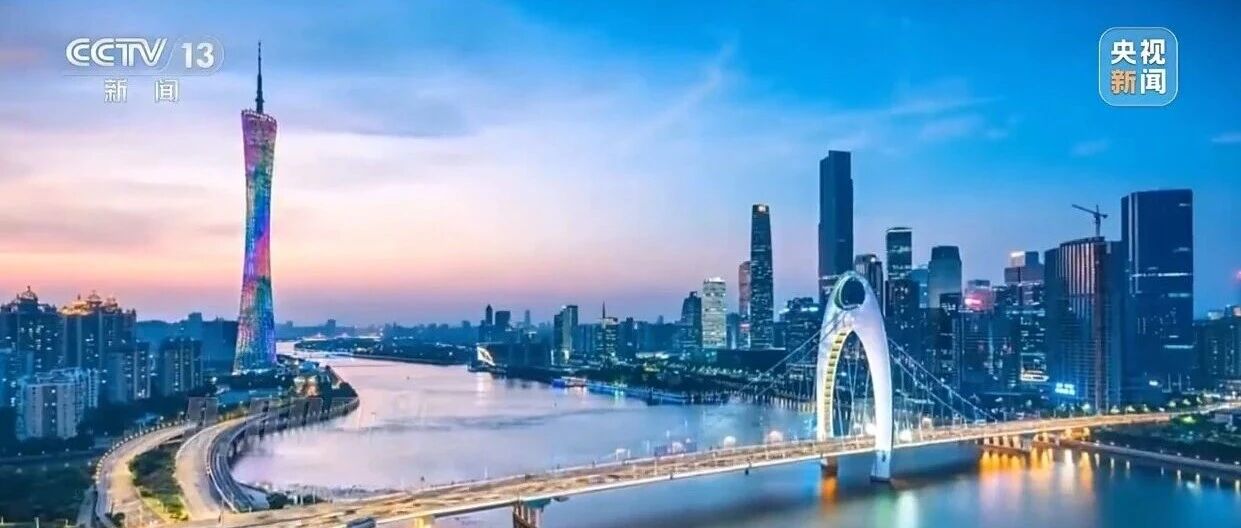
央视新闻丨藏粤直流输电工程今天启动建设
国家能源局· 2025-09-16 04:19
Core Viewpoint - The construction of the Tibet-Guangdong Direct Current Project, a key cross-provincial power transmission project under China's 14th Five-Year Plan, has commenced, aiming to deliver clean energy from Tibet to the Guangdong-Hong Kong-Macao Greater Bay Area, with a total transmission capacity of over 43 billion kilowatt-hours annually after full operation in 2029, equivalent to half of the annual output of the Three Gorges Dam [2][5]. Group 1 - The Tibet-Guangdong Direct Current Project starts in southeastern Tibet and traverses Yunnan and Guangxi, covering approximately 2,681 kilometers, with four converter stations built in Tibet and Guangdong [1][4]. - The project utilizes advanced "Ultra-High Voltage Multi-Terminal Flexible Direct Current" technology to manage the instability of renewable energy generation, ensuring a stable power supply with minimal disruption to the grid, allowing for the transmission of green electricity from Tibet to Guangdong in just 9 milliseconds [7]. - The renewable energy installed capacity at the starting point in southeastern Tibet reaches 10 million kilowatts, highlighting the region's potential for clean energy generation [4].

经济日报丨三部门发文推动电力装备行业稳增长
国家能源局· 2025-09-16 04:19
Core Viewpoint - The document outlines a plan by three government departments to promote stable growth in the electric power equipment industry from 2025 to 2026, emphasizing the importance of this sector in supporting economic growth and enhancing domestic and international market opportunities [2][3]. Group 1: Industry Goals and Performance - The electric power equipment industry aims for an average annual revenue growth rate of around 6% for traditional equipment and stable growth for renewable energy equipment from 2025 to 2026 [3]. - The production of power generation equipment is expected to remain within a reasonable range, ensuring effective supply, while the export volume of renewable energy equipment is projected to increase [3]. - Key regions and enterprises are expected to play a stronger role, with national advanced manufacturing clusters in the electric power equipment sector targeting an average annual revenue growth rate of 7%, and leading enterprises aiming for a 10% growth rate [3]. Group 2: Strategic Initiatives - The plan includes measures to improve equipment supply quality, expand domestic effective demand, actively explore international markets, accelerate equipment promotion and application, and strengthen standard support [4]. - The document emphasizes the need to optimize the industry development environment, promote digital and green transformation, and enhance collaboration across the industrial chain [4].
国家能源局综合司关于下达2025年能源领域行业标准制修订计划及外文版翻译计划的通知
国家能源局· 2025-09-16 02:48
2.2025年能源领域行业标准修订计划 3.2025年能源领域行业标准外文版翻译计划 国家能源局综合司 国家能源局综合司关于下达2025年能源领域行业标准制修订计划及外文版翻译计划的通知 国能综通科技〔2025〕137号 各有关单位: 根据国家能源局2025年标准化工作安排,现下达2025年能源领域行业标准制定计划(共计801项,见附件1)、标准修订 计划(共计402项,见附件2)及外文版翻译计划(共计64项,见附件3)。请组织各有关标准化技术委员会、标准起草单 位、翻译工作承担单位抓好工作落实。 特此通知。 附件: 1.2025年能源领域行业标准制定计划 2025年9月5日 ▼点击阅读原文,查看附件详情 ...
《求是》杂志发表习近平总书记重要文章《纵深推进全国统一大市场建设》
国家能源局· 2025-09-15 08:12
9月16日出版的第18期《求是》杂志将发表中共中央总书记、国家主席、中央军委主席习近平的重要文章《纵深推进全国 统一大市场建设》。 文章强调,建设全国统一大市场,是党中央作出的重大决策,不仅是构建新发展格局、推动高质量发展的需要,而且是赢 得国际竞争主动权的需要。我国作为全球第二大消费市场,必须把全国统一大市场建设好,增强我们从容应对风险挑战的 底气。 (来源:新华社) 文章指出,纵深推进全国统一大市场建设,基本要求是"五统一、一开放"。"五统一",就是统一市场基础制度,特别是实 现产权保护、公平竞争、质量标准等制度的统一;统一市场基础设施,打通物流、资金流、信息流,健全现代商贸流通体 系;统一政府行为尺度,地方在推动经济发展特别是招商引资时,哪些能干哪些不能干有明确规矩,不能各行其是;统一 市场监管执法,明确市场监管行政处罚裁量基准,一把尺子量到底;统一要素资源市场,促进自由流动、高效配置,减少 资源错配和闲置浪费。"一开放",就是持续扩大开放,实行对内对外开放联通,不搞封闭运行。 文章指出,要聚焦重点难点,下决心清除顽瘴痼疾。第一,着力整治企业低价无序竞争乱象。"内卷"重灾区,要依法依规 有效治理。更好发 ...

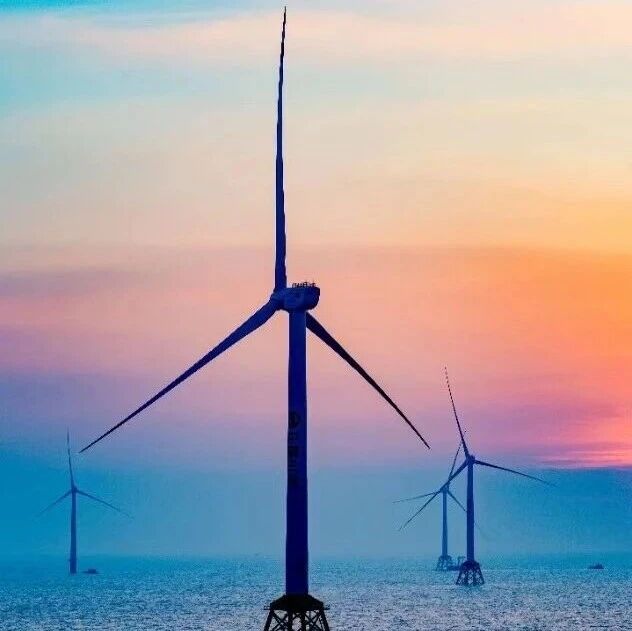
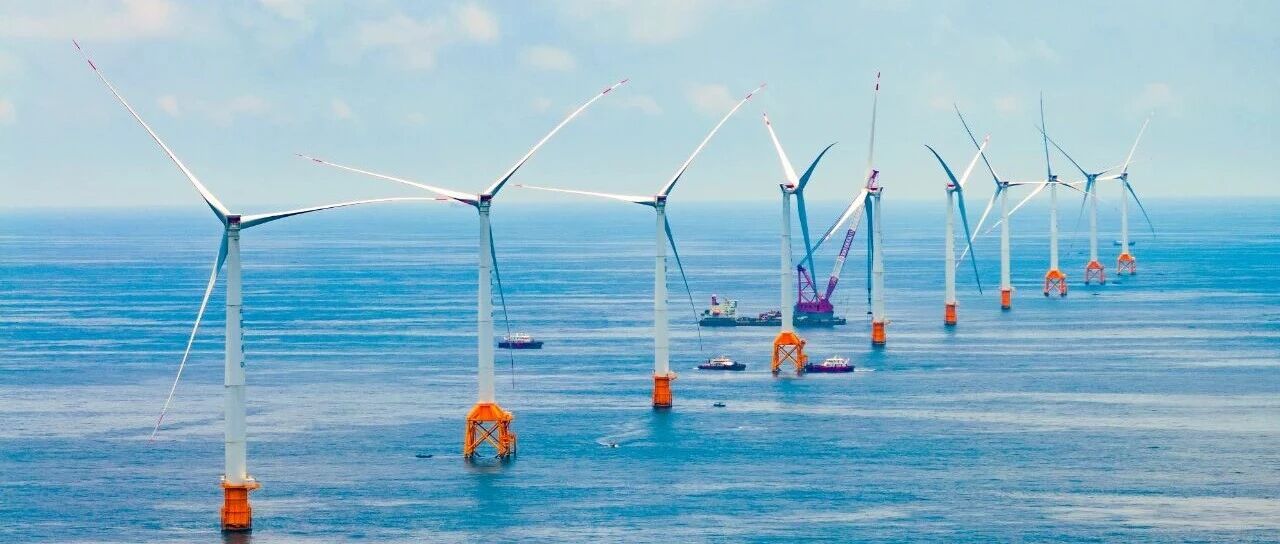
经济日报︱做强做优做大海洋产业,推动海上风电规范有序建设
国家能源局· 2025-09-14 04:09
Core Viewpoint - Offshore wind power is a crucial component of clean energy, with China leading in global offshore wind power capacity, emphasizing the importance of developing this sector for energy security and low-carbon transition [2][6]. Group 1: Characteristics and Advantages of Offshore Wind Power - Offshore wind power refers to generating electricity by constructing wind farms in coastal waters below the average high tide line, utilizing abundant offshore wind resources [4]. - China has over 18,000 kilometers of coastline and more than 3 million square kilometers of usable sea area, with a technical development potential of approximately 2.78 billion kilowatts for offshore wind energy [4]. - Compared to onshore wind power, offshore wind power has higher efficiency, is closer to load centers, and has less environmental impact [5]. Group 2: Policy and Planning - The Chinese government has strengthened top-level planning and policy design to promote the healthy development of offshore wind power, including the "14th Five-Year" modern energy system planning [6]. - Policies have been implemented to encourage the construction of offshore wind power bases and promote market-oriented reforms, with a focus on reducing costs and increasing efficiency [6][7]. Group 3: Industry Development Stages - The development of China's offshore wind power industry can be divided into three stages: pilot exploration, scale development, and comprehensive development [10][11][12]. - As of mid-2023, China's cumulative installed offshore wind power capacity reached 44.2 million kilowatts, accounting for over half of the global total [12]. Group 4: Technological and Manufacturing Advancements - China has established a complete industrial chain capable of supporting the annual addition of 10 million kilowatts of installed capacity, with over 60% of global market share in key components [7][14]. - The average capacity of newly installed offshore wind turbines in China has increased to 10 megawatts, surpassing the global average of 9.8 megawatts [13]. Group 5: Cost Reduction and Market Expansion - The average price of offshore wind turbines in China has decreased to below 2,800 yuan per kilowatt, with the levelized cost of electricity dropping to around 0.3 yuan per kilowatt-hour [15]. - The scale of offshore wind power development has created a positive cycle of technological breakthroughs, cost reductions, and market expansion [21][22]. Group 6: Cluster Development and Resource Optimization - The establishment of offshore wind power bases has accelerated the implementation of cluster development, enhancing resource efficiency and promoting high-quality growth [22]. - Key offshore wind power bases include the Shandong Peninsula, Yangtze River Delta, and Guangdong East, each contributing significantly to the overall capacity and technological advancements [20].
李强主持召开国务院常务会议 听取前期防汛救灾工作情况和提升北方地区防汛减灾能力汇报等
国家能源局· 2025-09-13 09:55
Group 1: Flood Prevention and Disaster Relief - The meeting emphasized the importance of maintaining vigilance in flood prevention and disaster relief, especially after extreme rainfall events in certain regions [3] - It was noted that while the critical flood prevention period has passed, risks from floods and typhoons still exist, necessitating ongoing efforts in disaster response and recovery [3] - The focus will be on enhancing flood prevention capabilities in northern regions through improved infrastructure and emergency response systems [3] Group 2: Promotion of Private Investment - The meeting highlighted the crucial role of private investment in stabilizing employment and the economy, with a call for practical measures to address key concerns of enterprises [4] - There is a push to expand the scope of private investment, particularly in new productive capacities, emerging service industries, and new infrastructure [4] - The government aims to create a fair competitive market environment by removing barriers to private investment and enhancing support for small and medium-sized enterprises [4] Group 3: Overseas Comprehensive Service System - The meeting discussed the need to strengthen the overseas comprehensive service system to support enterprises in international cooperation and competition [4] - It was proposed to enhance collaboration across legal, financial, and logistical services, and to establish service platforms and overseas service stations in key countries [4] Group 4: Biomedical Technology Development - The meeting underscored the importance of promoting innovation in biomedical technology and accelerating the application of research outcomes to enhance the biopharmaceutical industry [5] - There is a commitment to balancing development and safety by regulating clinical research and ensuring the quality and safety of clinical applications [5]

国家能源局综合司关于公开征求《能源行业数据安全管理办法(试行)(征求意见稿)》意见的通知
国家能源局· 2025-09-13 06:40
Core Viewpoint - The National Energy Administration has drafted the "Energy Industry Data Security Management Measures (Trial) (Draft for Comments)" to enhance data security management in the energy sector and prevent data security risks [2]. Group 1 - The draft aims to implement the decisions of the Central Committee and the State Council regarding data security [2]. - It is designed to regulate data processing activities in the energy industry and promote the safe development and utilization of data [2]. - The draft is based on several laws, including the Data Security Law and the Cybersecurity Law of the People's Republic of China [2]. Group 2 - The National Energy Administration is soliciting feedback from relevant organizations and the public within 30 days from the date of the notice [2][3]. - The accompanying systems, standards, and regulations will be developed and issued separately [2].
国家发展改革委 国家能源局关于完善价格机制促进新能源发电就近消纳的通知
国家能源局· 2025-09-12 10:24
Core Viewpoint - The notification emphasizes the importance of promoting the development and utilization of renewable energy resources, particularly wind and solar energy, to support the green and low-carbon energy transition and achieve carbon peak and carbon neutrality goals [3]. Group 1: Stable Supply Assurance - The public grid will provide stable supply assurance services for nearby consumption projects, ensuring reliable power supply and safety [3]. - Renewable energy projects must achieve a self-consumption rate of at least 60% of total available generation and 30% of total consumption, with new projects starting from 2030 required to have a self-consumption rate of at least 35% [3]. Group 2: Cost Sharing for Supply Assurance - Nearby consumption projects will fairly bear the costs of stable supply services based on the principle of "who benefits, who bears" [4]. - Projects will pay transmission and distribution fees based on capacity, with specific calculations provided for capacity fees [4]. Group 3: Equal Participation in Electricity Market - Nearby consumption projects will have equal market status with other power generation companies and users, participating in the electricity market as a unified entity [5]. - Projects must directly engage in market transactions without being represented by grid companies and will bear line loss costs for electricity sent to the grid [5]. Group 4: Implementation and Monitoring - Provincial pricing authorities are tasked with monitoring the implementation of these policies, summarizing experiences, and providing feedback for improvements [6]. - Project owners must submit applications to grid companies for network access and establish contracts that clarify responsibilities [6]. Group 5: Implementation Date - The notification will take effect on October 1, 2025, with provisions for projects already connected to the grid prior to this date [7].

“十四五”能源成就企业谈丨大潮奔涌急 风好正扬帆
国家能源局· 2025-09-12 10:14
Core Viewpoint - The article emphasizes the achievements and strategic initiatives of the National Pipeline Group in implementing the "14th Five-Year Plan," highlighting its role in ensuring energy security and promoting high-quality development in China's energy sector [3][4][9]. Group 1: Development Strategies - The National Pipeline Group has established a modern corporate governance system focused on high-quality development, addressing challenges in mergers and acquisitions through four strategies: market-oriented, platform-based, technological digitalization, and management innovation [4]. - The company has implemented a comprehensive operational framework that includes large-scale business operations, party building, supervision, and digitalization, aiming to create a world-class enterprise [4][10]. Group 2: Market System and Infrastructure - The National Pipeline Group has developed an "X+1+X" market system to promote fair and open access to oil and gas pipeline infrastructure, enhancing market efficiency and resource allocation [5]. - Since the beginning of the "14th Five-Year Plan," the company has accelerated the construction of a national pipeline network, completing investments exceeding 400 billion yuan and increasing pipeline capacity by 52% to 3,940 billion cubic meters per year [6]. Group 3: Supply and Demand Integration - The company has connected 19 major domestic gas sources and 14 LNG receiving stations, ensuring comprehensive coverage of oil and gas resources across the country [7]. - The integration of supply and demand channels has improved energy security, with significant increases in storage capacity and peak supply capabilities [9]. Group 4: Innovation and Sustainability - The National Pipeline Group is committed to innovation and green development, achieving a 97.5% localization rate for key equipment and advancing technologies in hydrogen and carbon dioxide transportation [8]. - The company has established a greenhouse gas emission accounting and verification system, actively participating in initiatives to reduce methane emissions in the oil and gas sector [8]. Group 5: Safety and Governance - The National Pipeline Group prioritizes safety in operations, implementing a comprehensive safety management system that has led to a significant reduction in production incidents [9]. - The company emphasizes the integration of party leadership with corporate governance, ensuring a transparent and accountable management structure [10][11].
国家发展改革委 国家能源局关于印发《电力现货连续运行地区市场建设指引》的通知
国家能源局· 2025-09-12 10:14
Group 1 - The core viewpoint of the article is the issuance of guidelines for the construction of continuous operation areas in the electricity spot market by the National Development and Reform Commission and the National Energy Administration [2][3]. Group 2 - The guidelines aim to continuously improve the design of the electricity market mechanism [2]. - The document is directed to various provincial and municipal development and reform commissions, energy bureaus, and relevant central enterprises for implementation [2].