红杉汇

Search documents
iPhone时刻,好久不见
红杉汇· 2025-09-09 00:03
Core Viewpoint - The article discusses the concept of the "iPhone moment," which refers to transformative technological breakthroughs that redefine user experiences and industry standards, creating new ecosystems and opportunities for entrepreneurs [3]. Group 1: Historical Context of the iPhone - The original iPhone was introduced on January 9, 2007, by Steve Jobs, featuring a 3.5-inch touchscreen and a simplified user interface, marking a significant shift in mobile technology [4]. - The initial iPhone sold 1 million units within five days and was recognized by Time magazine as the innovation of the year, highlighting its revolutionary impact on the mobile phone industry [5]. - The iPhone 3G, launched in 2008, improved download speeds by five times and introduced the App Store, which created a new ecosystem for developers, leading to an estimated $1.3 trillion in developer revenue by 2024 [6]. Group 2: Evolution of iPhone Models - The iPhone 4, released in 2010, was a milestone in design and user experience, featuring a new aesthetic with glass and stainless steel [7]. - The iPhone 4S, launched shortly before Steve Jobs' death, introduced Siri, marking Apple's first integration of AI into mobile devices [10]. - The iPhone X, released in 2017 for the 10th anniversary, featured a bezel-less design and Face ID technology, further enhancing user interaction [11]. Group 3: Conditions for an "iPhone Moment" - The emergence of an "iPhone moment" requires multiple key technologies to reach a mature stage simultaneously, enabling the creation of new product forms [15]. - A significant user experience leap is essential, transforming complex technologies into intuitive and enjoyable interactions that address fundamental user pain points [17]. - Successful innovations must reshape value chains and ecosystems, fostering collaboration among developers, suppliers, and service providers to enhance industry efficiency [19]. Group 4: Strategies to Capture an "iPhone Moment" - Companies should focus on "immature" experiences, identifying areas where current solutions are inadequate and exploring technologies that could address these gaps [24]. - Seeking intersections between different technologies and industries can lead to groundbreaking innovations, encouraging cross-disciplinary collaboration [25]. - A user-centric approach is crucial, prioritizing the identification of core user needs and designing solutions that effectively address those needs [27].


AI大家说 | 下一代AI创业的机会在哪里?定价趋势是什么?
红杉汇· 2025-09-08 00:04
Group 1: AI Entrepreneurship Opportunities - The AI market has three significant opportunity areas: frontier models, tools, and AI applications. Frontier models will likely be dominated by large companies due to high costs and rapid depreciation of model value [5][6] - The tools market, particularly data platforms, is nearing its peak as large infrastructure providers may replace many smaller companies [5] - AI applications, such as those providing customer service or legal assistance, are seen as having higher profit margins and are expected to become more important over time as products take precedence over technology [6] Group 2: Signals for Next-Generation AI Products - The first signal is a shift from "knowing" to "thinking," where AI models will be able to perform reasoning and complex tasks rather than just retrieving answers [9] - The second signal involves a redesign of interfaces to make AI proactive, understanding user habits and preferences, and providing continuous assistance [10][11] - The third signal indicates that the value of AI products will be determined by their ability to complete tasks effectively, moving from mere technical demonstrations to actual productivity tools [12] - The fourth signal emphasizes the importance of global deployment and accessibility, with the potential for AI to empower billions of people with programming capabilities [13][15] Group 3: AI Pricing Trends - Traditional pricing models are being challenged, with hybrid pricing becoming mainstream, combining subscription and usage-based models [17] - Various hybrid pricing methods have emerged, each with its advantages and disadvantages, such as pay-as-you-go and capped pay-as-you-go models [20][19] - The trend towards outcome-based pricing is gaining traction, but it faces challenges in implementation, including the need for clear attribution of results to the product [21][23] - Companies are struggling to adapt to rapid changes in AI pricing, often lacking the necessary talent and tools to support strategic pricing decisions [24]

“脉动速度”之下,企业供应链设计的动态密码 | 红杉library
红杉汇· 2025-09-05 00:02
Core Viewpoint - The article discusses the accelerating approach of the technological singularity, which is giving rise to a new concept of "clockspeed," symbolizing exponential growth in technology and a fundamental shift in competitive logic in the digital economy [3]. Group 1: Supply Chain Dynamics - The article introduces two key laws regarding supply chain dynamics: the "volatility amplification law" and the "clockspeed amplification law" [8][16]. - The "volatility amplification law" states that as one moves upstream in the supply chain, the volatility of demand and inventory tends to increase significantly [9][11]. - The "clockspeed amplification law" posits that the closer one gets to the end consumer in the supply chain, the faster the clockspeed of product updates and changes [17][19]. Group 2: Impact of Volatility on Supply Chain Design - The article highlights that businesses must be aware of the cyclical volatility experienced by upstream supply chain members, which can be exacerbated by delays in information and order adjustments [9][13]. - Historical examples, such as the machine tool industry, illustrate the severe impact of volatility, with order fluctuations reaching ±60% to ±80% compared to GDP fluctuations of ±2% to ±3% [13]. - Companies like Toshiba and Cincinnati Milacron have adopted strategies to mitigate the effects of demand fluctuations by collaborating with key customers and diversifying their production capabilities [14][15]. Group 3: Strategic Implications - The article emphasizes that companies must integrate supply chain design into their strategic planning, as competition increasingly focuses on supply chain efficiency [21]. - Examples of successful companies, such as Dell and Amazon, demonstrate how minimizing supply chain layers and time can lead to significant competitive advantages [21]. - The need for companies to understand their supply chain dynamics and the roles of various participants is crucial for identifying "clockspeed bottlenecks" and enhancing overall performance [21].
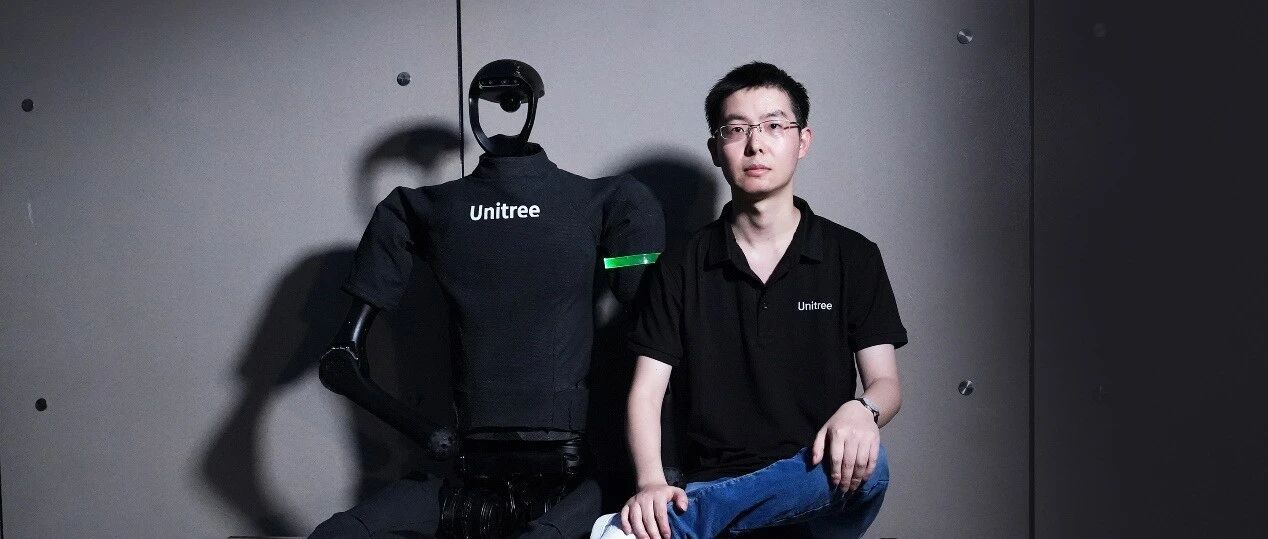
宇树科技王兴兴:越智能的机器人,应该越是克制 | 红杉Family
红杉汇· 2025-09-04 00:03
Core Viewpoint - Humanoid robots are becoming a key lever for future productivity, with companies like Yushu Technology leading the way in low-cost, high-performance robotic solutions, reshaping the global industry landscape [5][6][7]. Investment and Growth - Sequoia China has been one of the earliest and broadest investors in the robotics sector, supporting Yushu Technology through multiple funding rounds, significantly contributing to its early development and growth [6][7]. - The founder of Yushu Technology, Wang Xingxing, expressed optimism about the rapid growth of the emerging robotics industry in China, predicting that the overall performance of the smart machinery sector could nearly double compared to the previous year [7]. Robotics Efficiency and Challenges - Current humanoid robot hardware lacks sufficient quality and large-scale application, but it is deemed "good enough" for present needs, similar to early automobiles [8]. - The industry is facing challenges in achieving the critical mass of embodied intelligent AI algorithms necessary for widespread use in factories and homes [9]. Ethical Considerations - Wang Xingxing views current robots as purely logical entities without desires or consciousness, emphasizing the importance of ensuring that AI serves humanity without developing its own motives [10][11]. - Concerns exist regarding the potential for malicious modifications to robots, which could lead to ethical and safety issues [18]. Future Relationships and Market Position - The relationship between humans and intelligent agents is seen as non-competitive, with AI primarily requiring energy, while humans have more complex survival needs [12]. - In the global context, China's robotics and AI capabilities are considered to be on par with the rest of the world, with the future of robotics heavily reliant on advancements in AI [13]. International Expansion and Commercialization - Yushu Technology aims to provide better robotic services globally, having already engaged with overseas clients since 2018 [15]. - The company emphasizes the importance of continuous technological advancements for commercial success, warning that stagnation could lead to industry decline [17]. Technological Development and Competitions - Yushu Technology is exploring various applications for humanoid robots, including industrial and personal use, and has recently developed complex algorithms for robot combat, which presents significant technical challenges [16][17].
好创意总被埋没?可能需要设计一个漏斗 | 红杉汇内参
红杉汇· 2025-09-03 00:08
Core Insights - Over 95% of creative ideas fail to meet expectations when implemented, primarily due to a lack of structured processes. A systematic innovation funnel is essential for filtering, refining, and advancing the most promising concepts [3][4] Group 1: Importance of a Structured Innovation Funnel - A well-designed innovation funnel helps teams evaluate ideas at each stage, reducing risks and aligning innovation with strategic goals [3][4] - The funnel guides ideas through specific stages, from generation to concept development, testing, and full launch, ensuring only viable projects proceed [6][8] Group 2: Components of the Innovation Funnel - The structured innovation funnel consists of clear stage definitions, decision points, evaluation criteria, and effective management tools, which work together to identify high-potential ideas [6][8] - Each stage corresponds to specific steps in the innovation process: idea collection, concept development, business case creation, testing, and application [6][8] Group 3: Stages of the Innovation Funnel - Stage 1: Idea Collection and Generation focuses on encouraging contributions from employees, customers, and partners, emphasizing quantity and openness [15] - Stage 2: Concept Definition and Market Research involves refining selected ideas into detailed concepts, defining core value propositions, and conducting preliminary market research [19] - Stage 3: MVP and Development Stage aims to create a Minimum Viable Product (MVP) to test basic functionalities and gather user feedback [20] - Stage 4: Idea Implementation and Scaling shifts focus to execution, including beta testing and market entry strategies [24] - Stage 5: Integration into Product and Service Catalog finalizes the process by incorporating successful ideas into existing offerings, ensuring lasting impact and continuous improvement [28] Group 4: Real-World Examples - KPMG combines AI with human insights to drive creative discovery, utilizing a structured funnel to filter high-potential ideas [9] - Cisco's global innovation initiative aggregates thousands of ideas on a single platform, employing a structured model to evaluate and scale innovations [11]

AI大家说 | 忘掉《Her》吧,《记忆碎片》才是LLM Agent的必修课
红杉汇· 2025-09-01 00:06
Core Viewpoint - The article discusses the evolution of AI from chatbots to AI Agents, emphasizing the importance of context engineering in enabling these agents to perform complex tasks effectively [3][5][6]. Group 1: AI Evolution - The narrative of the AI industry has shifted from chatbots to AI Agents, focusing on task decomposition, tool invocation, and autonomous planning by 2025 [3]. - The film "Memento" is suggested as a metaphor for the new Agent era, illustrating how a system can operate in an incomplete information environment to achieve a goal [3][4]. Group 2: Context Engineering - Context engineering is defined as a comprehensive technology stack designed to manage information input and output around the limited attention span of large language models (LLMs) [5][6]. - The success of an AI Agent hinges on providing the right information at each decision point, which is crucial for avoiding chaos [6]. Group 3: Memory Systems in Agents - The protagonist Leonard in "Memento" exemplifies an agent with a clear goal (revenge) and the use of tools (camera, notes) to navigate a complex reality [4][5]. - Leonard's memory system serves as a metaphor for the challenges faced by AI Agents, particularly the need to execute long-term tasks with limited short-term memory [8][9]. Group 4: Three Pillars of Context Engineering - The first pillar is an external knowledge management system, akin to Leonard's use of photographs to capture critical information, which corresponds to retrieval-augmented generation (RAG) in AI [12][14]. - The second pillar involves context extraction and structuring, where information is distilled and organized for efficient retrieval [16][18]. - The third pillar is a layered memory management system, ensuring that agents maintain focus on their core mission while adapting to new information [19][20]. Group 5: Vulnerabilities in Agent Design - The article highlights two critical vulnerabilities in agent design: external poisoning, where agents are fed misleading information, and internal contamination, where agents may misinterpret their own notes [23][24]. - The lack of a verification and reflection mechanism in agents can lead to a cycle of errors, emphasizing the need for systems that can learn from past actions and adjust accordingly [27].

人工智能大模型开始瞄准抗衰老与肥胖|HealthcareView
红杉汇· 2025-08-29 00:07
Group 1 - The "Tang Pang Zhi Jian" AI obesity model was officially launched on August 23, developed by Tangdu Hospital and Shenzhou Medical Technology Co., Ltd. [3] - This model integrates authoritative medical guidelines and high-quality expert consensus, leveraging clinical resources and research achievements in obesity prevention from Tangdu Hospital, along with Shenzhou Medical's DHC multimodal fusion architecture and medical reasoning engine [5][6] - The core value of the model is to manage obesity patients throughout the entire process, from pre-diagnosis to post-diagnosis, establishing a comprehensive prevention network that includes risk identification, cause classification, and precise management [6] Group 2 - In a recent study published in the journal "Aging-US," Insilico Medicine explored the biological mechanisms related to aging in idiopathic pulmonary fibrosis (IPF), a chronic lung disease primarily affecting individuals over 60 [8] - The research established a new connection between aging biology and the pathogenesis of IPF, showcasing the potential of AI-driven methods in developing innovative anti-aging treatment solutions [8] - Insilico Medicine plans to validate the AI model through a dedicated IPF patient cohort and expand its methods to other fibrosis and aging-related disease research areas [8] Group 3 - On August 23, Shukun Technology introduced the concept of "AI Native Smart Hospital" at the 2025 Digital Medicine and Health Conference, aiming to create an "AI super brain" for traditional hospitals [10] - This concept is centered around the "Shukun Kun multimodal medical health model," which provides various intelligent agents to enhance patient services, diagnostic services, departmental management, and hospital operations [10] Group 4 - On August 22, Aike Medical's grism® distal occlusion intracranial thrombectomy stent received approval from the National Medical Products Administration, designed for treating ischemic stroke [13] - The stent features a unique multifunctional design that allows for effective blood flow restoration and thrombosis removal, significantly reducing patient mortality and disability rates [13] Group 5 - Blood Xiji Bio announced on August 22 that its "megakaryocyte injection" new drug clinical trial application received approval from the FDA, marking the first of its kind globally [17] - This product aims to treat thrombocytopenia caused by tumor treatments, potentially benefiting millions of patients annually and representing a significant advancement in the platelet recovery market [17] Group 6 - On August 13, Qihuan Bio announced that its universal dual-target CAR-T cell product QT-019B received FDA approval for clinical trials, targeting refractory systemic lupus erythematosus [18] - This marks the first CAR-T cell product developed by a Chinese company to receive FDA approval for treating autoimmune diseases [18] Group 7 - On July 31, Youtijisheng announced that its LACO-Stim® autologous MSLN CAR-T cell therapy received FDA IND approval for treating MSLN-positive advanced solid tumors [20] - This innovation is based on three core technology platforms, aiming to overcome challenges in solid tumor treatment, which has historically progressed slowly compared to blood cancers [22] Group 8 - The first preloaded dry valve Prostyle A® was successfully implanted in China, marking a significant advancement in transcatheter aortic valve replacement systems [26] - This valve utilizes a leading anti-calcification platform to enhance durability, providing patients with a more reliable treatment option [26] Group 9 - A clinical study evaluating the safety and efficacy of LY-M003 injection for treating Wilson's disease in adolescents was successfully conducted, marking the first gene therapy for this condition in China [30] - The patient showed significant improvement in hemoglobin levels and returned to normal life without adverse reactions [30] Group 10 - On August 26, Zhengxu Bio announced the successful treatment of the first patient with sickle cell disease using its base editing drug CS-101 injection, marking a milestone in gene editing therapy in China [31] - The patient demonstrated sustained improvement in hemoglobin levels and no vaso-occlusive crises post-treatment, indicating the potential of this therapy [31] Group 11 - Sequoia China has invested in over 200 medical and health enterprises with distinctive technological features and high growth potential, covering various sectors including innovative drugs, medical devices, and digital healthcare [33]

消费心理学,正在叩开消费者的心门 | 红杉爱生活
红杉汇· 2025-08-28 00:03
Core Viewpoint - The article discusses the interplay between consumer psychology and commercial strategies, emphasizing how understanding psychological triggers can enhance marketing effectiveness and consumer engagement [4][24]. Group 1: Consumer Psychology - The "Diderot Effect" explains that consumers often seek to acquire additional items to achieve a sense of balance after purchasing a new item, leading to fluctuating shopping decisions influenced by external stimuli [4]. - Freud's theory of personality structure (id, ego, superego) is applied to consumer behavior, where impulsive buying (id) is stimulated by immediate rewards, rational decision-making (ego) is facilitated by comparison tools, and social image (superego) influences luxury purchases [5]. - The concept of "peak-end rule" suggests that consumer memory is shaped by the most intense moments and the final impressions of their experiences, which can be leveraged by businesses to enhance customer satisfaction [8][10]. Group 2: Market Trends and Strategies - The rise of subcultures and niche markets is highlighted, with examples like "Lolita" fashion and Tesla's Cybertruck, showing how social media can amplify niche trends into mainstream phenomena [7]. - The article outlines how community-driven consumption, such as group buying and social media engagement, can create a sense of belonging and drive sales [13]. - The "4 types of human weaknesses" (greed, addiction, laziness, vanity) are identified as key drivers in consumer behavior, with specific marketing strategies designed to exploit these traits [14][15]. Group 3: Emotional and Neurological Influences - The emotional journey of consumers is described through the AIPL model (Awareness, Interest, Purchase, Loyalty), emphasizing the importance of building trust and emotional connections with consumers [17]. - Four key hormones (dopamine, endorphins, oxytocin, serotonin) are discussed in the context of marketing, illustrating how businesses can stimulate these hormones to enhance consumer engagement and purchasing behavior [19]. - Common psychological principles such as anchoring effect, loss aversion, and scarcity are outlined as effective tools in influencing consumer decisions [22][23]. Group 4: Conclusion - The article concludes that modern consumption is a complex interplay of human psychology, marketing strategies, and emotional triggers, suggesting that businesses that understand these dynamics can better navigate the competitive landscape [24].

看到更远的未来 | 从一个红杉成员企业Offer开始
红杉汇· 2025-08-26 00:06
◼ 简历直达企业招聘团队。 ◼ 优秀候选人红杉帮助内推、提供求职建议。 扫码投递 ◼ 求职、创新、创业,一键链接红杉,无复杂网申。 ◼ 投递时间:即日起~2025年10月31日,全球在校生&毕业2年内同学均可申请。 2026红杉联合校园招聘正式启动 01 前沿创新领域的「工作机会」 ◼ 人工智能、计算机、自动化、电子信息工程、机械工程、生物医学工程、经济、管理等多学科 多方向的企业岗位。 02 这一次,我们创新了「红杉人才池」 03 专属「求职推进器」 ◼ 投递成功=同步进入红杉成员企业共享人才池。 ◼ 创始人团队/HR负责人可见,机会不再层层转发。 04 邮件咨询 humancapital@hongshan.com ,我们会尽可能提供职位信息和求职建议。 点击【阅读原文】,看到更远的未来。 推荐阅读 壹 小心!你的思考力可能正在被AI"外包" | 创业Lifestyle 贰 理性之上,重新审视科学的认知"盲点" | 红杉Library 叁 《黑神话》新作官宣后,游戏科学的信为何让人动容? | 红杉汇内参 肆 红杉中国杨云霞:生物医药行业的核心驱动力始终只有两个 | 投资人说 伍 YUE|最后一天!07期报名 ...

小心!你的思考力可能正在被AI“外包” | 创业Lifestyle
红杉汇· 2025-08-25 00:06
Core Viewpoint - The article discusses how AI is making human thinking more passive, potentially leading to a decline in critical thinking and creativity, which are essential for innovation and competitive advantage in the workplace [2][3]. Group 1: Impact of AI on Thinking - AI enhances efficiency but may cause individuals to lose depth in their thought processes, such as understanding brand tone and user perception when naming products [4]. - The phenomenon of "information cocoon" occurs as algorithms tailor content to user preferences, narrowing perspectives and stifling innovation [4]. Group 2: Importance of Active Thinking - Active thinking is defined as a mindset that is not blindly obedient, encourages questioning, fosters creativity, and supports decision-making [6]. - AI should be viewed as a powerful tool for assistance rather than a replacement for human thought processes [6]. Group 3: Strategies for Balancing AI Use - Strategy 1: Ask AI questions rather than giving commands, using methods like Socratic questioning to challenge assumptions and expose logical flaws [8][9]. - Strategy 2: Establish a "thinking-validation" loop where initial thoughts are formed independently before consulting AI for verification and analysis [18]. - Strategy 3: Manage information sources by eliminating low-quality inputs and dedicating time away from AI for deep reading and reflection [19]. - Strategy 4: Embrace cross-disciplinary learning to foster structured thinking and maintain a curious mindset about the world [20].