
是说芯语

Search documents
手机厂商叫苦不迭!
是说芯语· 2025-11-17 00:44
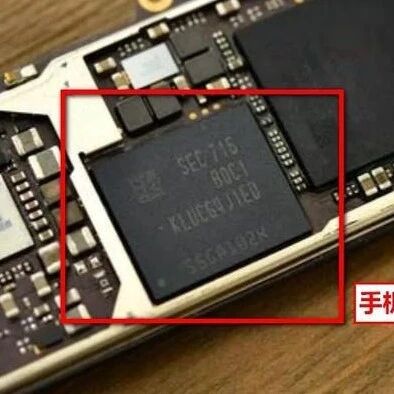
Core Viewpoint - A sudden surge in storage chip prices is impacting the consumer electronics sector, particularly affecting major domestic smartphone manufacturers like Xiaomi, OPPO, and vivo, who are facing inventory shortages and rising costs due to nearly 50% price increases from major suppliers [1][2]. Group 1: Price Surge and Inventory Challenges - The price increase in storage chips is a result of a combination of industry cycles and supply-demand dynamics, following a prolonged downtrend where prices fell over 60% from 2023 to mid-2024 [1]. - Major smartphone manufacturers have adopted a conservative procurement strategy due to previous price declines, leading to an average inventory cycle of 1.5 to 2 months, with some DRAM inventories dropping to less than three weeks [2][4]. - The 50% price increase translates to an additional cost of 100 to 200 yuan per mid-range smartphone, significantly impacting profit margins already under pressure [2]. Group 2: Manufacturer Responses and Supply Chain Adjustments - Manufacturers are responding cautiously, with many opting to delay large-scale procurement and instead reallocating internal inventory and optimizing product configurations [4]. - Some manufacturers are negotiating with upstream suppliers for better pricing or installment agreements, while others with sufficient inventory are making small-scale purchases to mitigate future price increases [4]. - The price surge is prompting manufacturers to reassess their supply chain strategies, accelerating partnerships with domestic storage chip companies to reduce reliance on foreign suppliers [5]. Group 3: Broader Industry Implications - The price increase is affecting the entire supply chain, compressing margins for storage module manufacturers and leading to difficulties in order fulfillment for smaller firms [5]. - If smartphone manufacturers cannot absorb the increased costs, there may be price hikes for mid-range smartphones in the next 1 to 2 quarters, potentially affecting consumer purchasing behavior [5]. - Future price trends will depend on supply-demand dynamics, with predictions suggesting that prices may remain high through late 2024 to early 2025 due to ongoing production cuts by major suppliers [5].



石油公司收购奎芯科技
是说芯语· 2025-11-16 12:38
Core Viewpoint - Hunan Heshun Petroleum Co., Ltd. plans to acquire at least 34% of Shanghai Kuixin Integrated Circuit Design Co., Ltd. through equity purchase and capital increase, aiming to gain control over the company with a total valuation not exceeding 1.588 billion yuan and an expected transaction amount not exceeding 540 million yuan [1][8][24]. Group 1: Transaction Overview - The acquisition will allow Heshun Petroleum to control 51% of Kuixin's voting rights, appoint two-thirds of the board members, and have decision-making authority over its operations, personnel, and finances [1][8][12]. - The transaction is classified as a related party transaction, as Chen Wanyi, the actual controller of Kuixin, will hold 6% of Heshun Petroleum's shares post-transaction [2][9]. - The performance commitment for Kuixin includes revenue targets of at least 300 million yuan in 2025, increasing to 750 million yuan by 2028, with net profits being positive for each year [5][11][27]. Group 2: Kuixin Technology Overview - Kuixin Technology, established in 2021, specializes in high-speed interface IP and Chiplet solutions, filling a gap in the domestic market and breaking foreign monopolies [4][18]. - The company has developed a complete product matrix covering various protocols and has established strategic partnerships with major foundries like TSMC and Samsung [4][18]. - Kuixin has served over 60 clients, including major players in AI and data centers, and has a strong focus on high-performance, low-power products [5][19]. Group 3: Financial and Operational Aspects - Kuixin's financial data shows total assets of approximately 224.42 million yuan as of June 30, 2025, with a net profit of -9.75 million yuan for the first half of 2025 [22][23]. - The company has a high gross margin of 43.5% and has applied for over 100 intellectual property rights, indicating a strong innovation capability [19][22]. - The business model includes providing semiconductor IP, ASIC design services, and Chiplet solutions, with flexible cooperation models to meet diverse client needs [19][20].

华为将发布AI领域突破性技术
是说芯语· 2025-11-16 08:27
Core Viewpoint - Huawei is set to release a groundbreaking technology in the AI field on November 21, which is expected to significantly improve the efficiency of computing resource utilization [1]. Group 1: Technology Breakthrough - The upcoming technology from Huawei aims to enhance the utilization rate of computing resources such as GPUs (Graphics Processing Units) and NPUs (Neural Processing Units) from the industry average of 30%-40% to 70% [1]. - This improvement is anticipated to unlock the potential of computing hardware significantly [1]. Group 2: Resource Management - Huawei's new technology will achieve unified resource management and utilization of computing power from Nvidia, Ascend, and other third-party sources through software innovation [1]. - The technology will mask the differences in computing hardware, providing more efficient resource support for AI training and inference [1].

富士康暂停所有 iPhone Air 生产线
是说芯语· 2025-11-16 02:23
Core Viewpoint - Foxconn has suspended nearly all production lines for the iPhone Air, indicating a halt in Apple's attempt to develop a "super-thin flagship" model [1][2]. Production Status - Foxconn has stopped most iPhone Air assembly, retaining only one complete line and half a line for transitional production, with a complete shutdown expected by the end of November [1] - Luxshare Precision has also completed its last orders for the iPhone Air by the end of October [1]. Market Performance - The iPhone Air accounted for only about 3% of Apple's overall smartphone sales as of September, significantly lower than the iPhone 17 Pro (9%) and iPhone 17 Pro Max (12%) [3] - The iPhone mini, which was discontinued last year, had a higher early lifecycle share of 5% to 6% [3]. - Analysts attribute the weak market performance of the iPhone Air to three main reasons: focus on "lightweight" features at the expense of battery life and performance, pricing close to flagship models, and competition from higher-performance or better-value models [3]. Future Product Development - The next-generation iPhone Air (codename "V62") has been removed from the product roadmap, originally planned for a 2026 launch alongside the iPhone 18 series [4]. - Apple is not abandoning the project but is redesigning its hardware, considering the addition of a second rear camera module to enhance its imaging capabilities [4][5]. Strategic Adjustments - The iPhone Air's design aimed to create a "light flagship" segment between high-end and standard models, focusing on ultra-thin and lightweight structures [5]. - The decision to add a second camera module is seen as a key step to improve competitiveness and attract more mainstream users [5]. - The suspension of production is viewed as a strategic adjustment rather than a failure, with Apple responding quickly to market signals [7]. Industry Implications - The production halt is expected to impact several upstream and downstream partners involved in the iPhone Air's supply chain, including suppliers of shells, screens, and camera modules [6]. - Market research indicates that Apple's retreat from the iPhone Air may signal a future focus on flagship and foldable devices, as well as a reevaluation of product definitions in the post-iPhone era [7].


突发!特斯拉禁用中国零部件!
是说芯语· 2025-11-15 23:57
Core Viewpoint - Tesla is intensifying efforts to eliminate reliance on Chinese components in its vehicles manufactured in the U.S., reflecting the escalating geopolitical tensions between the U.S. and China [1][3]. Group 1: Supply Chain Strategy - Earlier this year, Tesla decided to stop using components from Chinese suppliers for its U.S. manufactured vehicles [3]. - The company is now sourcing parts from other countries to replace some Chinese components, with a goal to completely eliminate all Chinese parts within the next 1 to 2 years [3]. - Since the COVID-19 pandemic disrupted the flow of goods from China, Tesla has been working to reduce its dependency on Chinese components and is encouraging Chinese suppliers to establish manufacturing facilities in other countries, including Mexico [3]. Group 2: Impact of Tariffs and Supply Chain Disruptions - Following the imposition of high tariffs on Chinese imports by former President Donald Trump, Tesla has accelerated its strategy to exclude Chinese components [3]. - Recent supply chain disruptions, particularly related to automotive chips, have prompted internal discussions at Tesla about the necessity of diversifying its supply chain [3].


确认!传音拟IPO
是说芯语· 2025-11-15 13:33
Core Viewpoint - Transsion Holdings plans to issue H-shares and list on the Hong Kong Stock Exchange to enhance its competitive edge, improve international brand image, and diversify financing channels [1][4]. Group 1: H-Share Issuance and Listing - The company will select an appropriate timing and issuance window to complete the H-share issuance and listing within 24 months from the shareholders' meeting resolution [3][4]. - The issuance and listing are subject to approval from the shareholders' meeting and compliance with relevant laws and regulations in China and Hong Kong [5][7]. Group 2: Company Performance - In the first three quarters of the year, Transsion Holdings reported revenue of 49.54 billion, a year-on-year decline of 3.33%, and a net profit of 2.148 billion, down 44.97% [7]. - Despite a 22.6% year-on-year revenue growth in the third quarter, net profit decreased by 11.06%, attributed to market competition and supply chain cost impacts [7]. - The company plans to adjust pricing and product structure to maintain healthy gross margin levels in response to cost changes and market competition [7]. Group 3: Market Position - Transsion Holdings is recognized as the "King of African Mobile Phones," with production centers in Ethiopia, India, and Bangladesh, and its products are available in over 70 countries [7]. - According to IDC data, Transsion Holdings holds an 8.6% global market share in smartphones, ranking fourth, with leading shipment volumes in Africa, Pakistan, Bangladesh, and the Philippines [7]. Group 4: Industry Context - The company's move to list in Hong Kong is part of a broader trend of A-share consumer electronics companies seeking to go public in Hong Kong, following others like Lens Technology and Luxshare Precision [8].

7G100 6nm GPU芯片,正式送样!
是说芯语· 2025-11-15 10:48
Core Viewpoint - Dongxin Semiconductor announced that its investment in Lisan Technology is progressing well, with the first GPU chip "7G100" entering the customer sampling phase, utilizing a 6nm process, and moving towards production and market promotion [1][2][3]. Group 1: Product Development and Market Strategy - Lisan Technology's GPU "7G100" is currently in the customer sampling stage, focusing on testing optimization and production arrangements, with plans for a professional version release in Q4 and a retail version in Q1 of the following year [2][3][4]. - The company is actively promoting the "7G100" to ensure a successful market entry and rapid market capture [1][2]. - The company will provide timely announcements regarding any developments that meet disclosure standards [2][3][4]. Group 2: Financial Performance and Market Conditions - The storage product market has shown signs of recovery, with price increases observed since October, positively impacting the company's sales performance [5][6]. - The company reported a significant increase in R&D investment, totaling 57.07 million yuan in Q3 2025, a 9.31% increase year-on-year, indicating a commitment to enhancing storage chip technology and reliability [3][5]. - The company is focusing on optimizing operational efficiency and inventory management to capitalize on market opportunities [5][6]. Group 3: Strategic Partnerships and Future Plans - The investment in Lisan Technology is part of the company's strategy to integrate storage, computing, and networking capabilities, enhancing core competitiveness [6][7]. - The collaboration between Dongxin and Lisan is expected to leverage technical synergies, improving product performance and customization capabilities for clients [6][7]. - Future investment decisions will be based on industry trends and strategic planning, with potential for further collaboration or investment in Lisan Technology [6][7].

宇树科技IPO辅导完成,拟境内首次公开发行股票并上市
是说芯语· 2025-11-15 02:03
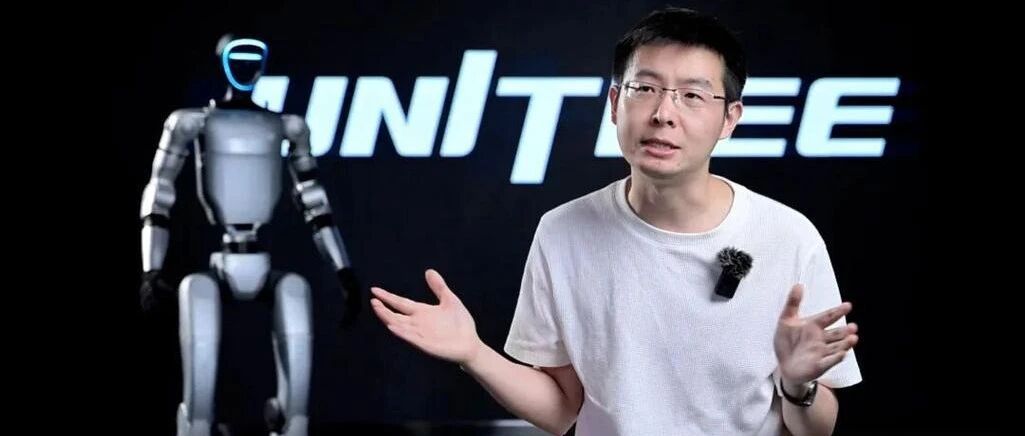
Core Viewpoint - Yushu Technology is actively preparing for its IPO, which is expected to be one of the largest and most well-known domestic technology company listings in China in recent years [3]. Group 1: Company Overview - Yushu Technology focuses on civil robotics, with its revenue structure in 2024 projected to be approximately 65% from quadruped robots, 30% from humanoid robots, and 5% from component products [4]. - About 80% of quadruped robots are used in research, education, and consumer fields, while the remaining 20% are applied in industrial sectors such as inspection and firefighting [4]. Group 2: IPO Preparation - Yushu Technology has completed its IPO counseling work with CITIC Securities, which confirms that the company has the necessary governance structure, accounting practices, and internal control systems to become a listed company [2]. - The company is expected to submit its listing application documents in the fourth quarter of this year [3]. Group 3: Product Development - On October 20, Yushu Technology launched the new generation full-size humanoid robot Unitree H2, which features a significant increase in joint flexibility from 19 to 31 joints, enhancing its movement capabilities by 63% [6]. - The founder of Yushu Technology, Wang Xingxing, stated that the H2 represents a shift from "moving machines" to "usable partners," aiming to serve safely and friendly [6]. Group 4: Industry Insights - Wang Xingxing highlighted that as AI technology advances, the dependency of robots on hardware performance will gradually decrease, suggesting that modern AI algorithms are more tolerant of hardware errors and inconsistencies [8]. - He emphasized that achieving embodied intelligence could bring robots closer to AGI (Artificial General Intelligence), which could perform a wide range of human-required tasks [8].
站在交易所门前的“中国英伟达”
是说芯语· 2025-11-15 00:28
Core Viewpoint - The article discusses the imminent IPOs of several domestic AI chip companies in China, likening them to "China's Nvidia," and highlights the intense competition and challenges they face in the market as they seek to establish themselves and secure funding for growth [4][5][6]. Group 1: IPO Challenges - Domestic chip companies are under pressure as they approach their IPOs, facing scrutiny from investors and the media regarding their progress [5][10]. - The IPO process is seen as a critical step for these companies to secure funding, but it also leads to increased competition in the market [5][16]. - The need for continuous external funding is emphasized, as these companies have not yet achieved a self-sustaining revenue-research cycle [15][16]. Group 2: Investment Landscape - There is a shift in investment dynamics, with a noted increase in activity from domestic funds compared to foreign dollar funds, which are retreating [11]. - The potential for high returns from investing in these IPOs is highlighted, with investors expressing regret over missed opportunities in the past [10][11]. - The article notes that the IPOs of these companies could lead to significant wealth creation for investors and employees, although the realization of this wealth may take time [27]. Group 3: Market Dynamics - The article points out that the current market environment is favorable for new IPOs, particularly in the AI chip sector, as investor sentiment is high [29]. - The competition is not only among domestic companies but also against established players like Nvidia, which is facing challenges in the Chinese market [31][33]. - The demand for AI computing power is surging, creating opportunities for domestic companies to capture market share previously held by foreign firms [36][38]. Group 4: Future Prospects - The growth of AI inference is expected to provide a significant boost to domestic chip companies, as the demand for computing power continues to rise [36][38]. - The article emphasizes the importance of product performance and market acceptance for the success of these companies in the competitive landscape [40][41]. - The need for effective marketing and sales strategies is highlighted as crucial for these companies to establish a foothold in the market [42][44].
安世荷兰重申:张学政不再是CEO
是说芯语· 2025-11-15 00:28
Core Viewpoint - Nexperia BV emphasizes its commitment to transparency, business continuity, and the interests of its global stakeholders amidst ongoing geopolitical and operational challenges [1][13]. Geopolitical Developments and Supply Chain Restoration - Nexperia welcomes the Chinese government's recent decision to allow its factories and subcontractors in China to resume exports, indicating progress, but notes that this is a relaxation of restrictions rather than a full restoration of the supply chain [2][15]. Compliance with Dutch Government Orders - The company acknowledges rumors regarding the lifting of the Dutch government order but confirms it has not received any official updates and will continue to comply fully with the Dutch government's directives [3][4][16]. Clarification on Enterprise Chamber and CEO Status - Nexperia clarifies that the Enterprise Chamber ruling and the Dutch government order are separate matters. The company reiterates that Zhang Xuezheng has been suspended and is no longer the CEO, as per the Enterprise Chamber's ruling [5][6][18][19]. Supply Chain Resilience - Nexperia states that it has not completely halted wafer shipments and is committed to delivering wafers into the supply chain while providing alternative solutions to mitigate disruptions. The company is also working to expand capacity at its other facilities, with phased implementation expected by 2026 [8][20][21]. Operational Disruptions - Nexperia's operations in China have deviated from the established governance framework, leading to issues such as refusal to pay for wafers, unauthorized use of corporate seals, and the establishment of unauthorized bank accounts. The company holds its Chinese entities responsible for any delays in shipments [11][12][22].
