是说芯语

Search documents
突发!曝台积电高管窃2nm机密跳槽!
是说芯语· 2025-11-19 05:11
Core Viewpoint - The article discusses the potential misconduct of a former TSMC executive, Luo Wei-ren, who allegedly took confidential technology information to Intel after retiring, raising concerns about corporate espionage and legal implications [1][3]. Group 1: Allegations and Legal Implications - Luo Wei-ren, former senior vice president of TSMC's technology research and development, has reportedly taken a large amount of confidential information related to advanced process technologies (2nm, A16, A14) to Intel after his retirement [1][3]. - TSMC has not yet filed a lawsuit, and the legal status remains unclear; however, if TSMC does file a complaint and confirms the involvement of 2nm secrets, legal actions similar to previous cases of technology theft may be pursued [3]. - The Taiwanese law enforcement is currently gathering evidence to determine if any illegal activities occurred, with a focus on whether Luo's actions constitute a breach of trade secrets [3]. Group 2: Background of Luo Wei-ren - Luo Wei-ren joined TSMC in 2004 and held various senior positions, including vice president of operations and senior vice president of corporate strategy development, during which he led the technology team to secure over 15,000 patents [4]. - His leadership in advanced process upgrades has been significant for TSMC, making his transition to Intel, a direct competitor, particularly concerning for TSMC [3][4].



存储芯片龙头大手笔收购
是说芯语· 2025-11-19 03:39
Core Viewpoint - The article discusses the strategic acquisition by PuRan Semiconductor (Shanghai) Co., Ltd. to enhance its storage business by acquiring a controlling stake in Zhuhai Noah Changtian Storage Technology Co., Ltd. for 144 million yuan, which will allow PuRan to gain control over its subsidiary SkyHigh Memory Limited [1][3]. Group 1: Acquisition Details - PuRan Semiconductor announced the acquisition of 31% of Noah Changtian's shares, increasing its ownership from 20% to 51%, thus making Noah Changtian a subsidiary [3]. - The primary value of this acquisition lies in Noah Changtian's full ownership of SkyHigh Memory Limited (SHM), which is the actual target of the acquisition [3]. Group 2: SHM Overview - SHM is a Hong Kong-registered semiconductor company specializing in high-performance 2D NAND and derivative memory products, with a strong focus on firmware algorithm development and storage chip testing solutions [5]. - SHM has demonstrated independent profitability, achieving a revenue of 687 million yuan and a net profit of 47.49 million yuan in the first eight months of 2025 [5]. Group 3: Strategic Implications - The acquisition is seen as a crucial move for PuRan to enhance its storage industry layout and cultivate new growth drivers amid pressures on its main business due to market competition and industry cycles [5][6]. - The technological and business synergies between SHM and PuRan's existing NOR Flash operations are expected to enrich PuRan's product matrix and improve its competitiveness in the global storage market [5][6]. Group 4: Future Outlook - PuRan has indicated that the acquisition is subject to necessary internal decision-making processes and information disclosure obligations, with updates to be provided as the transaction progresses [6]. - Analysts suggest that if the acquisition is successful, it will allow PuRan to leverage SHM's advantages to expand its storage business, potentially opening new growth avenues during challenging periods for its main operations [6].


围观!预算2100万GPU服务器别样标书
是说芯语· 2025-11-18 07:57
Core Insights - The article highlights a significant shift in the procurement strategy of AI computing power by top universities, moving from traditional hardware specifications to practical performance and compatibility with mainstream AI models like DeepSeek and Qwen [1][10]. Procurement Strategy - The procurement document emphasizes the importance of practical performance and compatibility over mere hardware specifications, marking a departure from the previous focus on "parameter stacking" [3][10]. - The core requirements include a focus on domestic production, ensuring real-world performance, and compatibility with existing CUDA ecosystems [3][10]. Technical Specifications - The procurement specifies the need for 13 GPU servers, with detailed requirements for CPU, memory, storage, and network capabilities, emphasizing the use of domestic components [4][6][8]. - Key performance indicators include the ability to run specific AI models under defined conditions, such as maintaining low latency and high throughput during inference tasks [9][11]. Trends in AI Computing Power Procurement - The article identifies three major trends in GPU server procurement by universities: 1. Transitioning from "indicator comparison" to "model testing" [10]. 2. Moving from a "NVIDIA-dominated ecosystem" to a "domestic compatible ecosystem" [10]. 3. Shifting focus from "hardware procurement" to "computing power system construction" [11]. Market Implications - The procurement strategy indicates a growing demand for domestic AI computing solutions that can effectively replace imported technologies, thereby fostering the development of a robust domestic AI ecosystem [12]. - Companies like Haiguang, Biran, and Muxi are highlighted as potential suppliers capable of meeting these stringent requirements, showcasing advancements in their GPU and CPU technologies [11][12].

韩半导体公司不认输!
是说芯语· 2025-11-18 03:48
Core Insights - The report by the Federation of Korean Industries (FKI) indicates that by 2030, China is expected to surpass South Korea in all major export industries, including semiconductors, displays, steel, electronics, automotive parts, general machinery, shipbuilding, secondary batteries, petrochemicals, and biopharmaceuticals [3][6]. Industry Competitiveness - Currently, South Korea's competitiveness is rated at a baseline score of 100, while China's score is 102.2, Japan's is 93.5, and the US leads with 107.2. By 2025, China's score is projected to rise to 112.3, nearing the US score of 112.9 [3][6]. - In the semiconductor sector, South Korea currently holds a slight edge with a score of 99.3, but by 2030, China's score is expected to reach 107.1, indicating a significant shift in competitiveness [3][6]. Semiconductor Industry Dynamics - South Korea's semiconductor giants, Samsung and SK Hynix, currently dominate the global market, holding over 50% market share. However, they face increasing competition from Chinese manufacturers, who are rapidly closing the technological gap [6][7]. - Chinese companies have begun mass production of advanced NAND flash memory chips, with expectations to surpass South Korean technology in the near future [6][7]. Investment Strategies - SK Hynix plans to invest over 128 trillion KRW (approximately 85.5 billion USD) in its semiconductor cluster in Yongin by 2028 to enhance its response to the growing demand for AI-related memory chips [9][10]. - Samsung has announced a five-year investment plan of 310 billion USD, focusing on AI-driven technologies and expanding its semiconductor production capabilities [12][13]. AI Integration and Future Prospects - Samsung is collaborating with Nvidia to integrate AI into every stage of semiconductor production, aiming to enhance efficiency and manufacturing capabilities [14][16]. - The partnership is expected to yield significant performance improvements and scalable deployment in the semiconductor manufacturing sector [17].
“安世大劫案”的复杂远超你的想象
是说芯语· 2025-11-17 23:03
Core Viewpoint - The article discusses the recent developments surrounding the Dutch government's attempt to seize control of the Chinese-controlled company, Nexperia, highlighting the geopolitical implications and the impact on the global semiconductor supply chain [1][2][4]. Group 1: Background of the Incident - On September 30, the Dutch Ministry of Economic Affairs issued a ministerial order to freeze global operations of Nexperia, citing "national security" concerns [10][16]. - Nexperia, a major semiconductor manufacturer, was acquired by Chinese company Wingtech Technology in 2019 and has since contributed significantly to the Dutch economy [12][31]. - The Dutch government's actions have been characterized as a blatant attempt to seize control, with the legal basis being the "Goods Availability Act," which had never been used in such a context before [18][19]. Group 2: Reactions and Consequences - The Dutch government's decision has led to significant unrest in the European automotive industry, with calls for dialogue with China [7][9]. - Following the initial actions, China responded with export restrictions on Nexperia, which could severely disrupt the global semiconductor supply chain, affecting major automotive manufacturers [49][50]. - The situation escalated to a point where Nexperia's European clients sought alternative methods to procure semiconductors, indicating a growing sense of insecurity among European businesses [56][57]. Group 3: Geopolitical Implications - The incident reflects broader geopolitical tensions, particularly the influence of the U.S. on European policies regarding Chinese investments in technology [39][46]. - Analysts suggest that the Dutch government's actions may be a test case for U.S. strategies to exert control over Chinese technology firms through allied nations [47][48]. - The article emphasizes the need for Europe to achieve "strategic autonomy" in its decision-making processes, rather than being influenced by U.S. pressures [78][79].
安世芯片为啥变安静了?
是说芯语· 2025-11-17 08:18
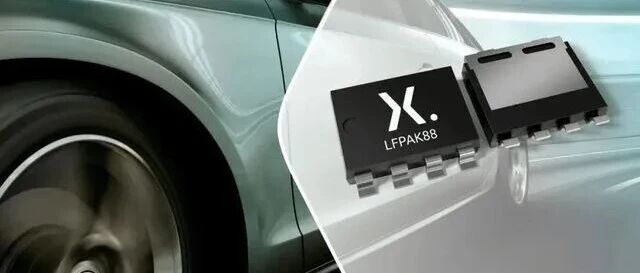
Core Viewpoint - The article discusses the ongoing situation regarding Nexperia Semiconductor, highlighting the uncertainty in the supply chain and the impact on market conditions and prices due to recent developments and negotiations between the Netherlands and China [2][3][4]. Group 1: Current Situation of Nexperia - As of November 13, reports indicate that Nexperia's Dutch subsidiary has not been supplying silicon wafers to its Chinese subsidiary for assembly [3]. - The Dutch government plans to send a delegation to China to seek resolutions regarding the issues faced by Nexperia Semiconductor [4]. - The Chinese Ministry of Commerce has expressed a desire for constructive solutions to stabilize the global semiconductor supply chain [4]. Group 2: Supply Chain and Production Issues - Nexperia's Dongguan packaging and testing factory is facing material shortages, leading to adjustments in work schedules and reduced overtime [5]. - Reports indicate that about one-third of the machines in the Dongguan factory have been idle due to wafer shortages from Nexperia's facilities in Germany and the UK [6]. - Despite the challenges, Nexperia China claims to have sufficient finished and in-process inventory to meet customer demands until the end of the year [7]. Group 3: Market Reactions and Trends - The market has become quieter since November, with a notable decrease in trading activity and price stability following the spread of unverified news regarding supply chain recovery [13][14]. - The initial surge in demand for Nexperia chips led to significant price increases, with reports of up to tenfold price hikes for certain chips [15]. - As companies seek alternative suppliers, there is a growing trend among major automotive Tier 1 suppliers to switch to alternative materials, indicating a shift in the supply landscape [15]. Group 4: Future Outlook - The wafer supply issue remains unresolved, necessitating continued monitoring of official communications and negotiations between the involved parties [16].
中国台湾,限制先进半导体设备出口!
是说芯语· 2025-11-17 08:18
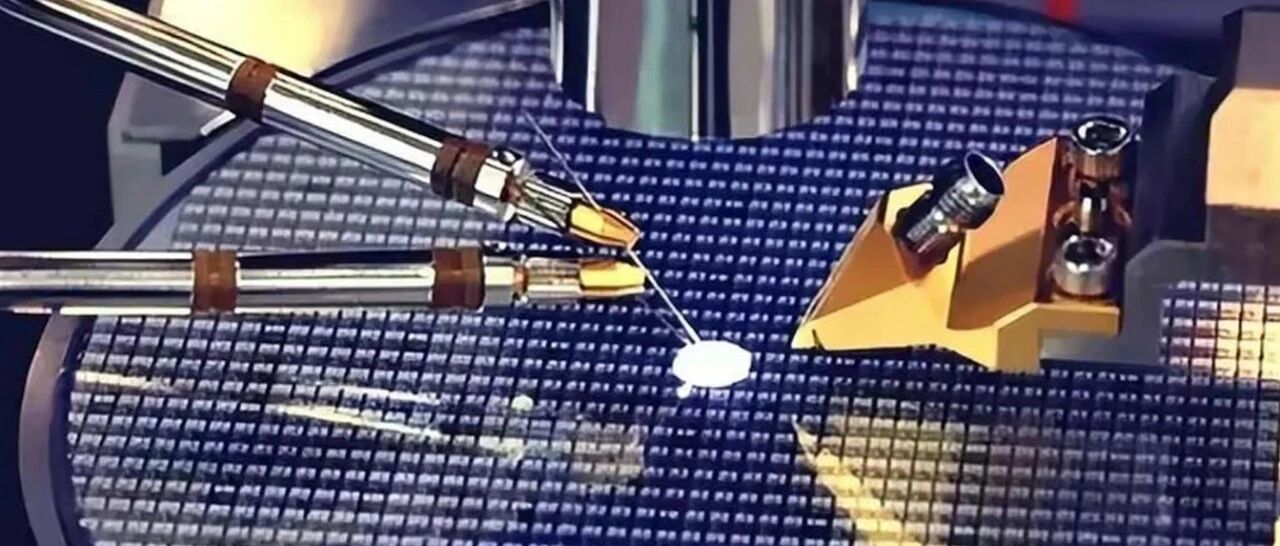
Core Viewpoint - Taiwan has announced modifications to its export control list for strategic high-tech goods, adding 18 new items, including advanced 3D printing equipment, advanced semiconductor equipment, and quantum computers [1]. Group 1: New Export Control Items - The new export control items include high-end 3D printing equipment, advanced semiconductor equipment such as Complementary Metal-Oxide-Semiconductor (CMOS) integrated circuits, low-temperature cooling systems, scanning electron microscopes (SEM), and low-temperature wafer testing equipment [1]. - The addition of quantum computers to the export control list is also significant, reflecting the growing importance of quantum technology in the high-tech sector [1]. Group 2: Export Licensing Process - Taiwanese manufacturers wishing to export controlled items must apply for a strategic high-tech goods export license from the Taiwan Trade Bureau [3]. - The Trade Bureau will review the export transaction for any potential military expansion risks and will grant the export license if deemed appropriate [3].
中微公司第二大股东减持1252.29万股
是说芯语· 2025-11-17 03:33
Core Viewpoint - The article discusses the recent share reduction by Xunxin Investment in Zhongwei Company, highlighting the completion of the reduction plan and its implications for the company's shareholder structure [1][4]. Group 1: Shareholder Information - Xunxin Investment held 80,996,822 shares of Zhongwei Company before the reduction, representing 12.94% of the total share capital [4]. - After the reduction, Xunxin Investment now holds 68,473,916 shares, which is 10.94% of the total share capital [9][11]. Group 2: Reduction Plan Details - The reduction plan was announced on August 27, 2025, allowing Xunxin Investment to reduce its holdings by up to 2% of the total share capital within three months [4][9]. - The actual reduction occurred between September 22 and November 13, 2025, with a total of 12,522,906 shares sold at prices ranging from 236.22 to 289.22 yuan per share, amounting to a total of 3.35 billion yuan [1][9]. Group 3: Compliance and Results - The reduction was completed in accordance with the previously disclosed plan, and it did not violate any commitments made by Xunxin Investment [10]. - The reduction resulted in a decrease in Xunxin Investment's shareholding percentage from 12.94% to 10.94%, triggering a 1% threshold change [11].

技术泄密,字节跳动机器人团队研究员被开除!
是说芯语· 2025-11-17 01:59
Core Viewpoint - ByteDance's Seed team researcher was dismissed due to multiple leaks, highlighting potential internal issues within the company [1] Group 1: Researcher Background - The dismissed researcher, known for his contributions to robotics, had over 86,000 followers on Zhihu and shared insights on collaborative robotic arms and humanoid robots [3] - He graduated from Zhejiang University in 2015 and obtained a PhD in robotics from the Polytechnic University of Milan in 2019 [3] - His previous roles included working as an electromechanical engineer at Rockstone Robotics and a senior R&D engineer at Xiaomi before joining ByteDance's Seed team in 2023 [3] Group 2: GR-3 Project - The researcher was deeply involved in the GR-3 project, a new Vision-Language-Action Model (VLA) developed by the Seed team, which can understand abstract instructions and perform complex tasks [3] - The GR-3 model is noted for its strong generalization capabilities and can adapt quickly to new scenarios with minimal human trajectory data [3] - The technical report on GR-3 was published on arXiv, indicating its significance in advancing towards a general robotic "brain" [3] Group 3: Limitations of Current Technology - The researcher cautioned against overestimating current technologies, stating that existing embodied intelligence models are comparable to the cognitive level of a 1-2 year old human [4] - Despite advancements in humanoid robots, there are still significant gaps in their ability to observe, understand, and perform complex tasks [4] Group 4: Seed Team Overview - The Seed team, established in 2023, focuses on various research areas including large language models, speech, vision, and AI infrastructure [4] - The team operates in multiple cities including Beijing, Shanghai, Shenzhen, and Hangzhou, and is led by Wu Yonghui and Zhu Wenjia [4] - The team has developed the Doubao large model, which supports over 50 application scenarios [4]

国产Arm处理器100%份额中标,近4000台!
是说芯语· 2025-11-17 00:44
Core Insights - Feiteng's desktop computer based on the Tengrui D3000 processor won a bid for nearly 4,000 units with a 100% market share, showcasing its competitive edge in the autonomous controllable computing sector [1][4] - The Tengrui D3000 is recognized as a "cost-performance benchmark" in the domestic market, featuring an ARMv8 architecture with 8 self-developed FTC862 cores and a clock speed of 2.5GHz, achieving a multi-core score of 5850 in GeekBench 6, which is 2.5 times higher than its predecessor D2000 [1][4] - Feiteng's processor sales have surpassed 10 million units, marking a significant milestone in its ten-year history and indicating the scalability of its CPU products [4] Market Expansion - The Tengrui D3000's successful bid for 13,000 units in a government procurement project further solidifies Feiteng's position in the government sector [4] - Feiteng has also secured a contract for 24,000 desktop terminals based on the D2000 processor for a major state-owned power enterprise, establishing itself as a key technology provider for the energy sector [6] - In the financial sector, Feiteng's processors have been selected for procurement projects by two large policy banks, with nearly 10,000 units being awarded, ensuring information security and operational stability [6][8] Technological Advancements - The Tengrui D3000 is the first domestic desktop CPU to support DDR5 and PCIe 5.0, achieving the highest memory access performance in its class [4] - The processor features a "computing core + trusted core" dual architecture, supporting Feiteng's self-defined PSPA2.0 security standard and integrating national encryption algorithms, which enhances supply chain security [8] - The series of successful bids reflects the high-quality development stage of China's autonomous CPU industry, with Feiteng poised for further breakthroughs in various sectors [8]