DT新材料

Search documents
eVTOL:系统架构设计、关键部件热控与新兴技术展望
DT新材料· 2025-09-19 16:04
Core Viewpoint - eVTOL is positioned as a key solution for urban air mobility (UAM) due to its high speed, flexible takeoff and landing, low noise, and low pollution characteristics, addressing urban traffic congestion challenges [2][6]. Group 1: Background and Classification - eVTOL systems are primarily characterized by various configurations such as tilt duct, tilt wing, tilt rotor, multi-tilt rotor, quadrotor, side-by-side, single rotor, and lift-plus-cruise designs [2]. - The performance of eVTOL's power systems is highly temperature-sensitive, necessitating effective thermal management systems (TMS) to ensure operational efficiency and safety [4][10]. Group 2: Research Findings - A recent review by a team from Beijing Institute of Technology highlights the latest thermal management technologies for eVTOL, focusing on system architecture, key components, and emerging technologies [6][7]. - The review identifies existing challenges in thermal management and suggests future research directions to enhance system performance [6][9]. Group 3: Thermal Management Challenges - eVTOL faces significant thermal management challenges compared to traditional fuel-powered aircraft and electric vehicles (EVs), primarily due to the absence of conventional heat dissipation methods and the integration of more temperature-sensitive components [10][12]. - The review emphasizes the need for innovative cooling solutions, such as pumped two-phase cooling and microchannel heat sinks, to address the unique operational demands of eVTOL [10][12]. Group 4: Battery Thermal Management Systems (BTMS) - Various cooling methods for eVTOL battery thermal management systems are evaluated, including air cooling, liquid cooling, and phase change materials, each with specific advantages under different operational conditions [15]. - Liquid cooling is currently the mainstream technology, but it requires optimization for efficiency, weight, and energy consumption [15]. Group 5: Power Electronics and Motor Cooling - Traditional cooling methods for power electronics in eVTOL include air and liquid cooling, with air cooling being suitable for integrated systems, while liquid cooling offers superior thermal performance but comes with additional complexity [18][19]. - Motor cooling technologies are also explored, highlighting the trade-offs between air cooling simplicity and liquid cooling efficiency, with emerging oil cooling methods presenting both advantages and challenges [19]. Group 6: Predictive Thermal Management (PTM) - PTM technology shows promise for improving energy efficiency and operational performance, but its implementation complexity is influenced by various dynamic factors [21][23]. - eVTOL's operational advantages, such as fixed task profiles and controlled environments, may simplify PTM implementation compared to electric vehicles [23]. Group 7: Future Research Directions - Recommendations for future research include quantitative comparisons of cooling needs across subsystems, establishing energy consumption metrics for thermal management systems, and exploring integrated cooling solutions for the entire eVTOL system [24]. - The development of next-generation thermal management systems with higher performance components and smarter temperature control strategies is essential for the scalable application of eVTOL technology [24].

倒计时80天!Carbontech2025盛会即将启幕
DT新材料· 2025-09-19 16:04
Core Viewpoint - The Ninth International Carbon Materials Conference & Exposition (Carbontech2025) will take place from December 9-11, 2025, in Shanghai, focusing on the rapid development and transformation of the carbon materials industry driven by emerging industries [6][9]. Group 1: Event Overview - Carbontech2025 will feature 2 main exhibition halls, over 20,000 square meters of exhibition space, more than 800 exhibitors, 4 application-oriented conferences, 7 concurrent activities, and 3 promotional tours [3][9]. - The event aims to gather over 50,000 professional visitors, including 1,000+ industry CEOs, 2,000+ end-users, 1,000+ research teams, 3,000+ companies, and 500+ government parks and investment institutions [9]. Group 2: Exhibition Focus - The exhibition will cover two main themes: Semiconductor and Energy & High-end Equipment, showcasing the entire carbon materials industry chain, including special graphite, porous carbon/silicon carbon, activated carbon, carbon nanotubes, graphene, diamond, silicon carbide, carbon fiber, and more [12][18]. - The application sectors include robotics, aerospace, new energy vehicles, consumer electronics, and integrated circuits, highlighting the latest technologies, products, and applications in the carbon materials field [12][18]. Group 3: Key Conferences - The event will host three major conferences: 1. 2025 Diamond Conference focusing on diamond applications in precision processing, drilling, and biomedical fields [21][22]. 2. 2025 Carbon Fiber High-end Equipment Manufacturing Conference discussing market trends and applications in aerospace and green energy [23]. 3. 2025 New Energy Carbon Materials and Battery Conference exploring breakthroughs in new energy carbon materials and battery applications [24]. Group 4: Special Activities - Carbontech2025 will feature a product display area for showcasing leading terminal products and core components in the carbon materials field [25]. - A new product release area will be set up to highlight industry-leading technological breakthroughs and innovative products [27]. - A research achievement display area will be established to promote collaboration between academia and industry on cutting-edge research and technologies [29].

金刚石高端应用加速落地,材料企业集结Carbontech2025
DT新材料· 2025-09-18 16:14
Core Viewpoint - Diamond is emerging as a key material in various industries, particularly in semiconductors, due to its unique properties such as high thermal conductivity and wide bandgap semiconductor characteristics, which can potentially surpass the physical limits of existing materials like silicon and silicon carbide [4][6]. Industry Dynamics - The diamond industry is experiencing rapid development, with significant interest from capital markets and the swift implementation of related projects, indicating an acceleration in diamond industrialization [4]. - However, challenges remain, including the immature processes for producing large single-crystal substrates and efficient cutting and polishing techniques, as well as a lack of scale in high-value semiconductor and optical applications [5]. Supply Chain Collaboration - To fully realize the potential of diamonds, a collaborative breakthrough across the entire industry chain is necessary. Material companies must enhance synthesis processes, explore green development paths, and expand diamond applications in emerging fields [6]. - Downstream processing and equipment companies need to innovate processes to convert material characteristics into actual productivity, creating a positive feedback loop driven by demand from sectors like new energy vehicles and data centers [6]. China's Position - China currently holds approximately 90% of the global synthetic diamond production capacity, with regions like Henan forming a relatively complete industrial cluster. The challenge lies in transforming this production advantage into technological and industrial advantages [6]. Future Outlook - The future of the diamond industry relies on the joint progress of material research, equipment upgrades, and application expansion. Events like the 9th International Carbon Materials Conference and Exhibition (Carbontech 2025) serve as important platforms for collaboration and information exchange among industry players [7].
鲁西化工,60万吨/年尼龙项目一期竣工
DT新材料· 2025-09-18 16:14
Group 1 - The core viewpoint of the article highlights the successful completion and environmental protection acceptance of the first phase of the 600,000 tons/year caprolactam and nylon 6 project by Liaocheng Luxi Polyamide New Materials Technology Co., Ltd. [2] - The first phase of the project includes the construction of six nylon 6 production units, with a total production capacity of 300,000 tons/year, consisting of 200,000 tons/year for high-speed spinning and 100,000 tons/year for conventional spinning [2] - Following the recent production commencement, Luxi Chemical's total production capacity for caprolactam and nylon 6 will reach 700,000 tons/year, up from the previous capacity of 400,000 tons/year for each product [2] Group 2 - The article also mentions various topics related to the recycling of materials, including PET and soft plastic packaging, waste textile fiber recycling, and the recycling of retired wind turbine blades [5] - It outlines the technological advancements in chemical recycling and the regulatory exemptions for the chemical recycling market [5] - Additionally, the article references a dynamic polymer forum focusing on sustainable and functional design of polymer structures [5]

宁德时代,再成立三家公司
DT新材料· 2025-09-18 16:14
Core Viewpoint - CATL has established three new companies in September, indicating its ongoing expansion in the commercial vehicle battery swap business, particularly through its brand "Qiji" [2][3]. Group 1: New Company Establishments - CATL established three new companies: 1. Times Qiji New Energy Technology (Qinhuangdao) Co., Ltd. with a registered capital of 5 million yuan, focusing on new energy technology R&D and battery sales [2]. 2. Times Qiji New Energy Technology (Yingtan) Co., Ltd. with a similar focus and registered capital [2]. 3. Times Qiji New Energy Technology (Jiangmen) Co., Ltd., also with a registered capital of 5 million yuan and similar business scope [2]. Group 2: Qiji Battery Swap Platform - The Qiji platform is CATL's commercial vehicle battery swap initiative, launched in 2023, featuring a comprehensive heavy-duty truck chassis battery swap solution using third-generation lithium iron phosphate batteries [3]. - The battery system boasts a lifespan of over 15,000 cycles, emphasizing safety and durability [3]. - In May 2023, CATL upgraded its technology with the release of standardized battery swap blocks and aims to establish a nationwide battery swap network by 2030 [3]. Group 3: Expansion of Battery Swap Stations - As of September 4, 2023, CATL's Qiji battery swap business has successfully built 100 battery swap stations, marking a transition from pilot to large-scale operations [4]. - The establishment of new companies in Qinhuangdao, Yingtan, and Jiangmen signifies further expansion of CATL's battery swap station network [3].

第二波嘉宾剧透!iTherM2025热管理产业大会(12月3-5日 深圳)
DT新材料· 2025-09-18 16:14
Core Viewpoint - The 6th Thermal Management Industry Conference and Exposition (iTherM 2025) will focus on the integration and innovation within the thermal management industry, highlighting the importance of collaboration across various sectors such as electronics, new materials, and green technology [1][2]. Group 1: Conference Information - The conference will take place from December 3 to 5, 2025, at the Shenzhen International Convention and Exhibition Center, with an expected attendance of over 2000 participants and more than 350 exhibitors [1][2]. - The theme of the conference is "Fusion · Innovation | Delivering a Little More," emphasizing the need for synergy in addressing industry challenges and opportunities [1][2]. Group 2: Key Activities and Focus Areas - iTherM 2025 will feature over 20 activities, including keynote speeches, roundtable discussions, and case studies, aimed at fostering communication and collaboration in the thermal management field [2][4]. - The conference will particularly emphasize intellectual property, entrepreneurial projects, and innovative technologies that can transition from laboratories to market applications [4]. Group 3: Featured Companies and Innovations - Notable participants include Henkel, which specializes in thermal interface materials and has applications in electric vehicles and power electronics [5]. - Shenzhen Hongfu Cheng New Materials Co., Ltd. focuses on carbon-based thermal materials for high-speed optical communication and intelligent driving chips [6]. - Shanghai Aled Group Co., Ltd. is expanding its high-performance thermal interface materials for data centers and AI applications [7]. - Other companies like tesa, Chengdu Silica Technology Co., Ltd., and Indium Corporation are also showcasing their advancements in thermal management materials and technologies [8][9][13]. Group 4: Conference Agenda - The agenda includes various specialized forums covering topics such as thermal science, functional materials, technology applications, and engineering solutions [19]. - Specific sessions will address challenges and advancements in data center thermal management, electric vehicle thermal management, and cooling technologies [19]. Group 5: Registration and Participation - Registration fees are set at ¥2200 for regular attendees and ¥1200 for students if paid before October 31, 2025 [21]. - Payment options include bank transfer, Alipay, and WeChat Pay, with specific instructions for invoicing provided [22].
反击欧盟塑料规定!石化巨头,暂停8.4亿欧洲投资
DT新材料· 2025-09-18 16:14
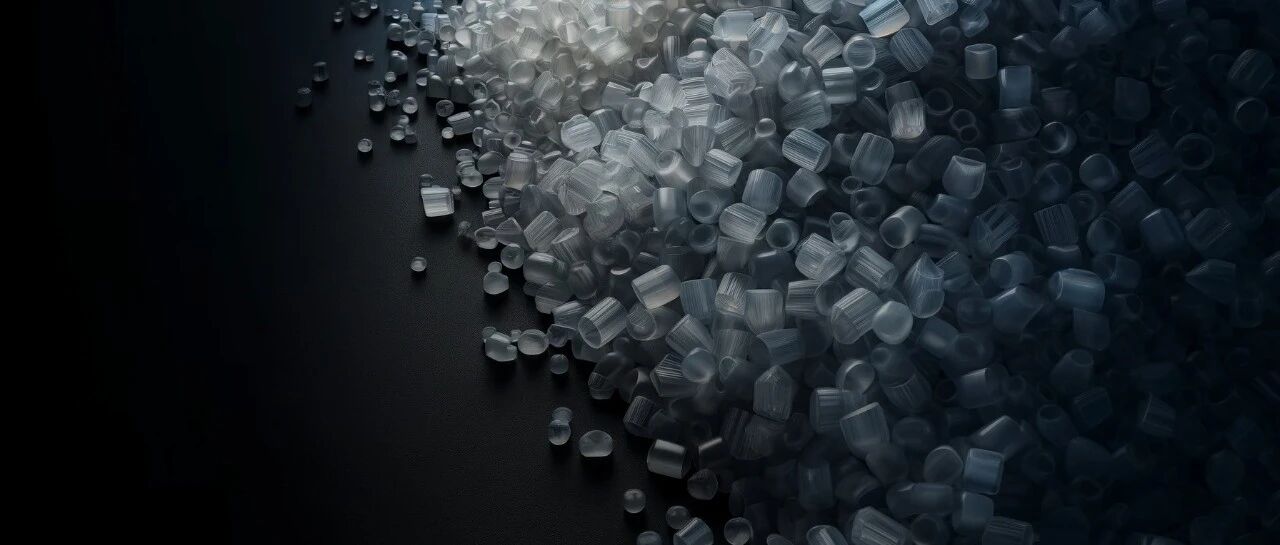
Core Viewpoint - ExxonMobil has suspended its €100 million (approximately 840 million yuan) chemical recycling investment in Europe due to overly strict regulations and bureaucratic hurdles imposed by the EU [2][4]. Group 1: Investment Suspension - The suspension affects two chemical recycling projects in Rotterdam and Antwerp, which currently process 80,000 tons of plastic waste annually [3]. - ExxonMobil's senior vice president, Jack Williams, stated that EU regulations favor independent technologies and facilities over existing petrochemical plants for plastic recycling [4]. Group 2: Regulatory Challenges - The company expressed a willingness to continue investing in these projects, noting that import tariffs are not a significant issue, but the current EU policies are misaligned with the evolving global landscape [5]. - The EU has set ambitious recycling targets, such as achieving 30% recycled content in plastic bottles by 2030, yet simultaneously imposes restrictive regulations on companies [5]. Group 3: Industry Support - Other companies, including Nestlé Finland, and various industry groups have publicly supported ExxonMobil's stance, criticizing the EU's complex and costly regulatory mechanisms [6]. - EU officials have acknowledged the need for a clear, science-based framework to properly address the chemical recycling industry [6].

万华化学,再来20万吨,国内将破1000万吨!
DT新材料· 2025-09-18 16:14
Core Viewpoint - The article discusses the recent announcement of Wanhua Chemical Group's new 220,000 tons/year SEP project, which aims to produce ABS and ASA materials to address the oversupply of styrene and enhance the value of upstream chemicals [2]. Group 1: Project Overview - Wanhua Chemical's new project will utilize raw materials from its integrated ethylene project in Yantai, including styrene, butadiene, methyl methacrylate, and butyl acrylate, employing a proprietary emulsion grafting method to produce ABS and ASA [2]. - The project is expected to produce 200,000 tons/year of ABS and 20,000 tons/year of ASA, focusing on high-value products in the styrene downstream applications [2]. Group 2: Market Conditions - The global ABS market is currently facing challenges, particularly in Europe due to weak demand from downstream industries such as automotive, construction, and home appliances, compounded by geopolitical and tariff uncertainties [5]. - In the U.S., the ABS market is also affected by a 5% decline in automotive demand, although other sectors like construction are performing reasonably well [5]. - The Asian ABS market shows relatively stable automotive demand, but seasonal production cuts and trade tariffs have weakened appliance demand [5]. Group 3: Production Capacity and Pricing - By the end of 2024, China's total ABS production capacity is projected to reach 9.165 million tons/year, with a utilization rate of only 60% [5]. - Major producers include Zhejiang Petrochemical (1 million tons/year), LG Yongxing (930,000 tons), and others, with the top ten companies accounting for 78.25% of the national total capacity [5]. - ABS prices in China have dropped from $1,410/ton in January to approximately 9,962 yuan/ton by September, with some products falling to 9,000 yuan/ton [9]. Group 4: Future Prospects for ASA - ASA, compared to ABS, has superior UV aging resistance and is increasingly required in high-end applications such as electric vehicles, photovoltaic connectors, and outdoor materials, commanding prices 50% higher than ABS [9]. - Major global ASA producers include BASF, INEOS, LG Chem, and others, with LG Chem recently announcing a partnership to supply plant-based ASA for kitchen products [10]. - The entry of companies like Wanhua Chemical into the ASA market, leveraging their technological and raw material advantages, suggests a promising future for ASA, although achieving comprehensive market coverage remains challenging due to the diverse product types and competition [11].

100%生物基丙烯酸,实现规模生产
DT新材料· 2025-09-18 16:14
Core Viewpoint - The article highlights significant advancements in the production of bio-based acrylic acid, particularly through the innovative fermentation technology developed by Industrial Microbes, which utilizes ethanol as a renewable feedstock, leading to cost reductions and sustainability in chemical manufacturing [4]. Group 1: Bio-based Acrylic Acid Production - Industrial Microbes has achieved a breakthrough in sustainable chemical manufacturing by scaling up the production of 100% bio-based high-purity acrylic acid using advanced fermentation technology [4]. - The production process avoids toxic solvents and complex extraction steps, which contributes to lower costs compared to traditional methods [4]. - The market for bio-based acrylic acid is expected to grow significantly, with projections estimating a market size of $18 billion (approximately 127.9 billion RMB) by 2030 [6]. Group 2: Applications of Bio-based Acrylic Acid - Bio-based acrylic acid has a wide range of applications across various industries, including personal care, cosmetics, eco-friendly paints, coatings, and adhesives for electronics and automotive sectors [5]. - In personal care, it is a key raw material for producing superabsorbent polymers (SAP) used in diapers, while in cosmetics, it is increasingly favored as a plant-based, natural ingredient [5]. Group 3: Technological Pathways for Production - There are four main technological pathways for producing bio-based acrylic acid, each with unique advantages and challenges: - The 3-hydroxypropionic acid (3HP) pathway is one of the fastest progressing routes, utilizing microbial fermentation of sugars or vegetable oils [8]. - The lactic acid dehydration method is widely researched but faces challenges such as catalyst deactivation and selectivity [8]. - The ethanol conversion pathway developed by iMicrobes shows promise by modifying E. coli to utilize ethanol, leading to high accumulation of poly(3-hydroxypropionic acid) [8]. - The glycerol dehydration oxidation method uses glycerol, a byproduct of biodiesel, as a feedstock, which has lower raw material costs but requires high-performance catalysts [8]. Group 4: Industry Participation - Several companies are actively developing bio-based acrylic acid technologies and advancing commercialization, including traditional chemical giants like BASF, Arkema, and Toray, as well as Chinese company Ningbo Huanyang Technology [9].
投资数十亿的万吨级碳纤维项目获批
DT新材料· 2025-09-17 16:05
Core Viewpoint - The article highlights the rapid development of the high-performance carbon fiber industry in China, emphasizing the establishment of large-scale production projects and the increasing capacity of various companies in this sector [4][5][6]. Group 1: Industry Developments - The Shenshan Special Cooperation Zone has approved a high-performance carbon fiber project with a planned annual production capacity of 10,000 tons, divided into two phases, with construction expected to start in October 2025 and full production by December 2029 [4]. - The carbon fiber industry in China is experiencing accelerated industrialization, with multiple projects being established, leading to a cluster development model centered around leading enterprises [4]. - Zhongfu Shenying has built a production base with an annual capacity exceeding 20,000 tons, including various grades of carbon fiber, some of which have entered the aerospace sector [4]. Group 2: Company Highlights - Zhongjian Technology has established a production capacity of several thousand tons of T700-grade carbon fiber, with applications in aerospace and sports leisure [5]. - Sinopec Shanghai Petrochemical has built the first domestic 1,000-ton T800 carbon fiber production line, with a current capacity of 24,000 tons/year for precursor fibers and 12,000 tons/year for carbon fibers [5]. - Guangwei Composites is one of the earliest companies to achieve carbon fiber localization, with a current production capacity at the level of 10,000 tons [6]. Group 3: Industry Challenges - The high-performance carbon fiber industry faces several bottlenecks, including technological barriers in precursor fiber preparation, which is a long-standing shortcoming in China [7]. - The equipment level for production processes such as spinning and carbonization needs improvement, as the stability and consistency of domestic equipment are still lacking [7]. - The market structure for high-performance carbon fiber is concentrated in wind power and sports leisure, with limited demand from aerospace and high-end equipment sectors, hindering the development of high-end products [7].