新消费智库

Search documents
专访玛士撒拉唐黎明:他如何让医院的“救命粮”变得好吃,并摆上年轻人的餐桌?
新消费智库· 2026-01-09 13:04
Core Viewpoint - The article discusses how Marsala, a company specializing in medical nutrition, has successfully transformed the perception of healthy food from being unappetizing to enjoyable, particularly for individuals with specific dietary needs such as pregnant women with gestational diabetes and the general population seeking healthier options [2][4][24]. Group 1: Understanding Nutritional Needs - The company emphasizes that nutrition is vital for life, especially in extreme situations like ICU patients and those undergoing severe medical treatments [5]. - The regulatory environment for special medical foods is stringent, akin to pharmaceuticals, requiring significant investment and time for product development [5][6]. - There are two main pain points identified: the need for enjoyable food among patients in hospitals and the general public's struggle to find tasty yet healthy options [8][9]. Group 2: Product Development Philosophy - The company adopts a philosophy that prioritizes taste as equally important as health benefits, challenging the traditional view that healthy food must be unpalatable [9][10]. - A unique "barrier technology" is developed to manage the metabolic response to carbohydrates, allowing for a pleasurable eating experience while maintaining low glycemic index (GI) standards [12][14]. - The company focuses on reconstructing flavors by enhancing the natural taste of ingredients rather than relying on additives, which is a complex engineering challenge [14][15]. Group 3: Supply Chain Collaboration - The company collaborates closely with suppliers to ensure that high nutritional standards are met, even if it means incurring higher costs for better processing methods [17][18]. - This collaboration translates medical-grade product concepts into actionable manufacturing processes, creating a "special supplier alliance" committed to quality [18][19]. Group 4: Market Strategy and Consumer Engagement - The company builds trust by first proving its products in clinical settings before expanding to high-end retail channels, ensuring a solid foundation of credibility [20][21]. - The approach is characterized by a focus on product quality and consumer loyalty rather than aggressive marketing tactics, leading to high repurchase rates [21][22]. - The company acknowledges the challenge of increasing public awareness and effectively communicating its product story to a broader audience [22].


一场关乎1.4亿人的“甜蜜战争”:糖友饱饱、玛士撒拉、瑞吉,谁将给出终极答案?
新消费智库· 2026-01-07 13:04
Core Insights - The article discusses the paradox in the sugar-free food market, where consumer demand for "sugar-free" products is high, yet satisfaction with these products is low, leading to a cycle of disappointment and unhealthy eating habits [2][3]. Group 1: Market Overview - The sugar-free beverage market in China reached a size of 40.16 billion yuan in 2023, showing a year-on-year growth of 101.2% [2]. - There are approximately 140 million diabetes patients in China, along with several hundred million individuals with elevated blood sugar levels, representing a significant potential user base for sugar-free products [2]. Group 2: Consumer Pain Points - The first major consumer pain point is a trust crisis caused by confusing product labels such as "0 sugar," "no added sugar," and "sugar-free," leading to consumer uncertainty about what these terms actually mean [4][8]. - The second pain point is the psychological conflict where consumers desire both taste and health, struggling to find products that satisfy both needs [4][5]. - The third pain point is the disappointing taste and texture of many sugar-free products, which often leads to a negative experience and a return to high-sugar options [6][8]. Group 3: Industry Challenges - The industry faces a "compensation dilemma" where removing sugar necessitates the use of various additives to replicate sugar's functional roles, complicating ingredient lists and conflicting with consumer desires for "clean labels" [8][9]. - The confusion surrounding product labeling is exacerbated by existing regulations that allow misleading terms until new standards are fully implemented in 2027 [9]. - Companies are caught in a dual dilemma of either serving the limited market of diabetes patients or competing with regular snacks for a broader health-conscious audience [9][10]. Group 4: Strategic Paths - Three distinct strategies are emerging among companies in the sugar-free market: 1. **Medical Trust Approach**: Companies like Masala leverage medical-grade trust to cater to diabetes patients, focusing on innovative formulations that slow sugar absorption [12][14]. 2. **Vertical Focus Approach**: Companies like Sugar Friends concentrate on specific needs of diabetes patients, providing low-carb staple alternatives and fostering community engagement through online platforms [12][14]. 3. **Traffic-Driven Approach**: Companies like Ruiji Foods capitalize on the sugar-free trend by creating a diverse range of sugar-free candies and utilizing e-commerce and social media for growth [12][16][17]. Group 5: Future Trends - The future of the sugar-free food industry will shift from vague marketing to transparent ingredient labeling, as new regulations prohibit misleading terms [18][20]. - There will be a move from generic "sugar-free" products to those with precise health benefits, integrating functional ingredients like probiotics and vitamins [21][23]. - The evolution from "traffic products" to "trust brands" will require companies to provide comprehensive solutions, including health data interpretation and personalized dietary plans [24].
研究了10000名消费者,我们为2026写下30条新消费暴利的秘密 |「万字长文」
新消费智库· 2026-01-05 13:23
Group 1 - The core consumption logic in China is shifting from "cost-performance" and "emotional value" to "quality-price ratio" and "comprehensive self-satisfaction" as consumers become more rational and discerning in their purchases [2][3] - The Z generation (ages 18-27) views consumption as a means of expressing identity and belonging, prioritizing "identity consumption" over mere "need consumption" [4][6][10] - The "谷子经济" (Guzi Economy) is emerging as a significant market, driven by emotional value and the willingness of consumers, especially the Z generation, to pay for intangible assets like fandom and community [10][11] Group 2 - The Z generation is increasingly skeptical of influencer marketing, with only 11% trusting recommendations from online personalities, preferring authentic and relatable brand interactions [12][13] - The trend of "micro-luxury" consumption is rising, where consumers seek small indulgences that provide immediate happiness and a sense of control over their lives [12][13] - The demand for convenience is leading to a rise in "extreme time-saving" solutions, with consumers willing to pay for products that simplify their daily routines [15][16] Group 3 - The second-hand market is gaining traction as consumers seek unique, high-quality items while also valuing sustainability, with platforms for vintage and second-hand goods becoming social hubs [16][17] - Digital assets are being accumulated for their potential future value, with consumers finding satisfaction in owning a vast array of digital content, even if unused [18][19] - A trend towards "aesthetic minimalism" is emerging, with consumers favoring simpler, less polished designs that emphasize authenticity over excessive packaging [20][23] Group 4 - The younger generation is increasingly seeking authentic experiences, often traveling to less commercialized areas to escape urban monotony and engage with local cultures [24][25] - The Z generation is characterized by "precise ambiguity," using specific labels to express their multifaceted identities, which brands must understand and respect [26][27] - The "小镇中年" (Small Town Middle-Aged) demographic is becoming a stable consumer base, relying heavily on community recommendations and valuing local pride [30][32] Group 5 - The "leisure economy" is thriving, with consumers prioritizing leisure activities that enhance their quality of life, such as local dining and short trips [33][34] - Social currency is becoming a key driver of consumption, where purchases are made not just for personal use but also to enhance social standing within local communities [35][36] - The preference for trusted national brands is evident, with consumers favoring mid-range products that offer reliability and value for money [36][37] Group 6 - The rise of service consumption reflects a shift towards valuing time and convenience, with consumers willing to pay for services that simplify their lives [46][47] - The "healing economy" is emerging as a significant market, with consumers regularly engaging in emotional wellness activities to cope with modern stressors [48][50] - Anti-aging products are evolving into a more systematic and scientific approach, with consumers investing in comprehensive anti-aging solutions [51][52] Group 7 - Membership-based shopping models are gaining popularity, as consumers seek curated selections that save time and ensure quality [52][54] - The revival of physical media, such as books and vinyl records, highlights a desire for tangible experiences and the ritualistic aspects of consumption [57][58] - The "new middle-class women" are redefining self-satisfaction, investing in holistic self-improvement across various aspects of life [61][62]

一周新消费NO.342|徐福记请全国人民吃1亿颗糖;东鹏饮料官宣闫妮代言海岛椰
新消费智库· 2026-01-04 13:04
New Consumption Highlights - Yili launched a garlic-flavored yogurt drink, a creative addition to its yogurt series with playful packaging [3] - Lays introduced a new Spring Festival limited series featuring Kung Fu Panda-themed packaging [3] - Watsons released an AI-designed series of Hong Kong landmark packaging for its distilled water products [3] - Heytea collaborated with Pop Mart for a second wave of co-branded products, including a tiramisu-flavored drink [4] - Yili announced plans to launch a -196°C frozen berry-flavored ice cream in 2026, utilizing liquid nitrogen technology [5] - Genki Forest upgraded its "Ice Blast Little Lime" sparkling water with a fresher lemon flavor and new packaging [7] - Nongfu Spring introduced a new "Pure Transparent Square Ice" product at Sam's Club, designed for wine and cocktail use [7] - Manner launched a winter specialty drink, grapefruit hot Americano, available from December 30 [8] - Guming began selling bottled juices in select stores, including 100% HPP apple juice [10] - Xu Fu Ji plans to distribute 100 million candies nationwide as part of a promotional campaign [12] - JD.com will fully implement national subsidies for various home appliances and electronics starting January 1 [15] - Cafe Deco Group from Hong Kong filed for an IPO in the US, aiming to raise up to $13 million [12] - The new Chinese health drink market is projected to reach a scale of 10 billion yuan, driven by the trend of convenient health solutions [12] - Qinghua Fenjiu was recognized as a world-renowned wine town, highlighting its significance in the liquor industry [12] Industry Events - Wuliangye received the Most Investment Value Listed Company award at the 2025 Jin Junma Awards [12] - JD.com announced a partnership with the national subsidy program to support consumer electronics purchases [15] - UU Delivery launched a cross-year rescue service in 20 cities to address transportation challenges during New Year's Eve [16] - Longan's Deep Blue Automotive secured over 6.1 billion yuan in Series C financing to support its electric vehicle platform [20] - Neurable, a brain-computer interface headphone brand, raised $35 million in Series A funding for commercialization [20] - Micro-Nano Star completed a 1 billion yuan Series D financing round, recognized for its capabilities in satellite manufacturing [20] Food Industry Developments - Nissin Foods announced its first foray into the ice cream business through the acquisition of Seria Roile [28] - Hema launched its 2026 New Year Festival, featuring a wide range of festive products [28] - Pizza Hut tested the night snack market with a new brand, Pizza Grill Skewers, in Shanghai [28] - Orion plans to invest 11 billion won to expand its production facilities in Russia by 2027 [28] - Yi Li released its first interactive drama short film in the dairy industry [28] - Xiangpiaopiao announced plans to establish subsidiaries in Singapore and Thailand, investing 268 million yuan in a beverage production base [28] New Brand Initiatives - FILA Kids opened a new store at Beijing Universal City, enhancing its retail strategy [33] - Adidas launched a new pet clothing line inspired by traditional Chinese aesthetics [33] - Kidswant opened a new flagship store in Beijing, marking a significant expansion in high-line cities [35] - Hunter opened its first store in Jiangsu, focusing on a nature-inspired shopping experience [36] - Arome Manpo launched its first flagship store in Shanghai, emphasizing a unique design concept [38]

十年一觉新消费:从病痛到醒悟,一个创业者的生命课
新消费智库· 2025-12-31 13:03
Group 1 - The article reflects on the past ten years of the "New Consumption Think Tank," emphasizing that the initial passion for the project has evolved into a deeper understanding of its significance [2][4][5] - The author highlights that surviving without debt is a significant achievement in entrepreneurship, suggesting that longevity and self-sufficiency are more important than grand ambitions [7][8][9] - The narrative critiques the glorification of entrepreneurship, arguing that the journey itself holds more value than the end results, and that true wealth comes from daily experiences [10][14][15] Group 2 - The article posits that happiness is derived from the ability to be present and engaged in daily life, rather than from material wealth [17][18] - It discusses the importance of focusing on personal growth and self-acceptance, rather than seeking external validation or societal approval [25][26][27] - The author emphasizes the need for clarity in direction after reconciling with oneself, shifting focus from acquiring to contributing [29][30] Group 3 - The article mentions health challenges faced by the author, which served as a wake-up call to appreciate the fleeting nature of time and the importance of living meaningfully [31][33][34] - It suggests that true fulfillment comes from internal alignment and the pursuit of personal passions, rather than conforming to external expectations [38][40] - The narrative concludes with a commitment to a future focused on personal values and helping others, rather than chasing conventional success [49][51]


专访斛妈妈创始人张曙华:从投行精英到深山“种草人”,她为何在“水最深”的行业里死磕十几年?
新消费智库· 2025-12-29 13:01
Core Viewpoint - The article discusses the transformation of the ancient herb Dendrobium, known as "Chinese fairy grass," into a modern health product through innovative branding and supply chain management, highlighting the challenges of building consumer trust in a fragmented market [2][3]. Group 1: Industry Challenges - The Dendrobium industry faces a significant trust crisis, with consumers unable to distinguish between high-quality and low-quality products due to a lack of understanding and transparency [11][12]. - The market is flooded with various types of Dendrobium, leading to confusion among consumers regarding authenticity and quality, as prices range dramatically from 9 yuan to over 10,000 yuan per kilogram [11][12]. Group 2: Product Innovation - The introduction of "Huangshan Dendrobium Powder" represents a shift towards "light health," making the product more accessible and convenient for modern consumers, akin to instant coffee [19][20]. - The product utilizes freeze-drying technology to create a powder that dissolves in water within five seconds, significantly lowering the barrier to entry for consumers who may be intimidated by traditional preparation methods [17][19]. Group 3: Branding and Communication Strategies - The founder's personal brand and storytelling have become crucial in establishing trust with consumers, as authenticity resonates more than traditional advertising [22][23]. - A unique "influencer + brand assistant" model was developed to educate consumers about the product's benefits, addressing the hidden needs of potential buyers [23][24]. - The communication strategy includes relatable metaphors and scenarios to explain complex health concepts in simple terms, enhancing consumer understanding and engagement [24][26]. Group 4: Target Demographics - The primary consumer base identified is middle-aged women aged 35-55, who are increasingly focused on self-care and wellness, aligning with the brand's messaging of "treating oneself well" [27][28]. - The product serves not only functional health benefits but also emotional satisfaction, creating a ritual of self-care for consumers [27][28]. Group 5: Long-term Vision - The company emphasizes a philosophy of "slow is fast," focusing on sustainable growth and building a trustworthy brand over time rather than pursuing aggressive, short-term profit strategies [29][30]. - The ultimate goal is to create a brand synonymous with trust in a market characterized by misinformation, ensuring that consumers feel secure in their purchasing decisions [30].
一周新消费NO.341|蒙牛纯甄上新「冻梨口味风味酸奶」;刘昊然亮相VICUTU新年衣橱以马上行系列开启新年叙事
新消费智库· 2025-12-28 13:03
New Products - Mengniu launched "Frozen Pear Flavor Yogurt" which uses French imported dual-strain fermentation, suitable for various scenarios like breakfast and outdoor activities [8] - Shuanghui and Tmall Supermarket introduced "Spicy Beef Strips" with ≥90% beef content and ≥27g protein per 100g [8] - Bawang Tea Ji launched the "Return to Yunnan" series with three flavors, using a blend of 65% Menghai Pu'er and 35% Mengku Ice Island ripe Pu'er [11] - Heytea collaborated with Pop Mart to introduce a new product line featuring custom star-shaped drinks and themed stores [11] - Watsons launched a limited edition "Biquan Sweet Apricot Jasmine Green Tea" using high-quality apricot puree [12] Industry Events - McDonald's opened its first stores in Ningxia and Qinghai, completing its presence in all provincial-level administrative regions in China [16] - Anta officially joined Taobao Flash Sale, with plans to cover over 4,000 stores by 2026 [18] - JD Health and Ganhe Group signed a strategic cooperation agreement to enhance supply chain efficiency and user health management [18] Investment Trends - Zhongyan Alkali Industry received a strategic investment of 3.92 billion RMB for green mining expansion [22] - Safilo acquired 25% of Inspecs Group for £21.7 million [22] - Qianjue Technology completed a Pre-A++ round financing of nearly 100 million RMB for technology development [22] - Sequoia China acquired a controlling stake in Golden Goose [22] Food Industry Developments - Mixue Ice City opened its first flagship store in Hangzhou, featuring a wide range of drinks and cultural products [28] - Haidilao introduced a small portion menu with prices starting from 3.8 RMB [28] - Mengniu launched "Soft Milk" using EHT enzyme hydrolysis technology for better nutrient absorption [28] - Nestlé completed the sale of its remaining 40% stake in Herta Foods to Casa Tarradelas [32]

中年补品,困于千亿礼盒:谁在把“仙草”搬上Z世代的早餐桌?
新消费智库· 2025-12-26 13:04
Core Viewpoint - The article discusses the disconnect between traditional Chinese health supplements, like Dendrobium, and modern young consumers, highlighting the need for brands to adapt their products and communication strategies to meet the demands of this demographic [2][4][19]. Market Overview - The market for Dendrobium is projected to reach 40 billion, with significant investments from local governments and advancements in agricultural technology [2]. - There is a notable gap in brand recognition among young consumers, who are familiar with the category but struggle to identify specific brands [4][19]. Consumer Insights - The primary consumer group for health supplements has shifted from older generations to young professionals and mothers, who prioritize convenience, tangible benefits, and enjoyable experiences in their health routines [6][12]. - Young consumers prefer products that are easy to use, with clear, quantifiable benefits rather than abstract concepts [9][10]. Pain Points in the Market - The market faces five major pain points: 1. Lack of brand recognition and trust, with consumers often unsure about product quality based solely on origin [13]. 2. Ambiguous efficacy claims that are difficult for consumers to perceive [14]. 3. Communication barriers between brands and consumers, with brands using technical jargon that young consumers do not understand [15]. 4. Product forms that require extensive preparation, which do not align with the fast-paced lifestyles of young consumers [16]. 5. High prices that cater more to gift-giving rather than everyday consumption [17][18]. Brand Innovations - Three brands—Hua Mama, Xiao Xian Dun, and Guan Zhan—are highlighted for their innovative approaches to addressing these pain points: - **Hua Mama** focuses on convenience by transforming Dendrobium into a quick-dissolving powder, making it easy to incorporate into daily routines [24][25]. - **Xiao Xian Dun** creates a new category with fresh-cooked bird's nest products and a subscription model, emphasizing a luxurious experience [27]. - **Guan Zhan** invests in technology to improve product quality and transparency, ensuring traceability from source to consumer [28]. Strategic Recommendations - The article suggests that brands need to shift from selling raw materials to offering comprehensive health solutions and lifestyle experiences [42]. - Future strategies should include building trust through transparent data, using scientific evidence to validate efficacy, and creating emotional connections with consumers through thoughtful design and service [39][41]. Conclusion - The evolution of Dendrobium and similar products requires a fundamental shift in how they are perceived and marketed, moving from niche health products to mainstream lifestyle choices [45][46].

100个死掉的品牌,背后站着同一个“老登味”的老板
新消费智库· 2025-12-25 16:00
Core Viewpoint - The article discusses the phenomenon of brand aging and the challenges faced by once-successful brands, emphasizing that the decline is often gradual and rooted in the founders' inability to adapt to changing market dynamics [2][24]. Group 1: Brand Aging and Challenges - Many once-prominent brands have rapidly fallen from grace, with founders transitioning from successful leaders to struggling individuals [2]. - The concept of "brand aging" is likened to a person aging, where superficial changes do not address the underlying issues [5]. - Founders often create a "comfort zone" that limits their exposure to diverse opinions and market realities, leading to poor decision-making [8][26]. Group 2: Entrepreneurial Mindset Shift - Entrepreneurs initially operate like "pirates," seizing opportunities and adapting quickly, but as they establish their businesses, they become more defensive and resistant to change [9]. - The shift from a growth-oriented mindset to a defensive one can hinder innovation and responsiveness to market trends [9]. Group 3: Understanding Market Realities - The reliance on curated data and reports creates a "second-hand reality," which can obscure true market sentiments and consumer feedback [10]. - Engaging directly with consumers and understanding their frustrations is crucial for maintaining relevance [10]. Group 4: Breaking Out of Comfort Zones - To rejuvenate their perspectives, founders should actively seek discomfort by engaging with unfamiliar concepts and diverse viewpoints [14]. - Encouraging open dialogue within teams and valuing honest feedback can help leaders avoid the pitfalls of complacency [15][16]. Group 5: Authenticity and Brand Values - Authenticity in brand messaging is essential; actions must align with stated values to build trust with consumers [18]. - Acknowledging weaknesses and failures can resonate more with consumers than projecting a perfect image [20][21]. - Brands should focus on translating their messages into relatable narratives for consumers, rather than attempting to educate them [22].

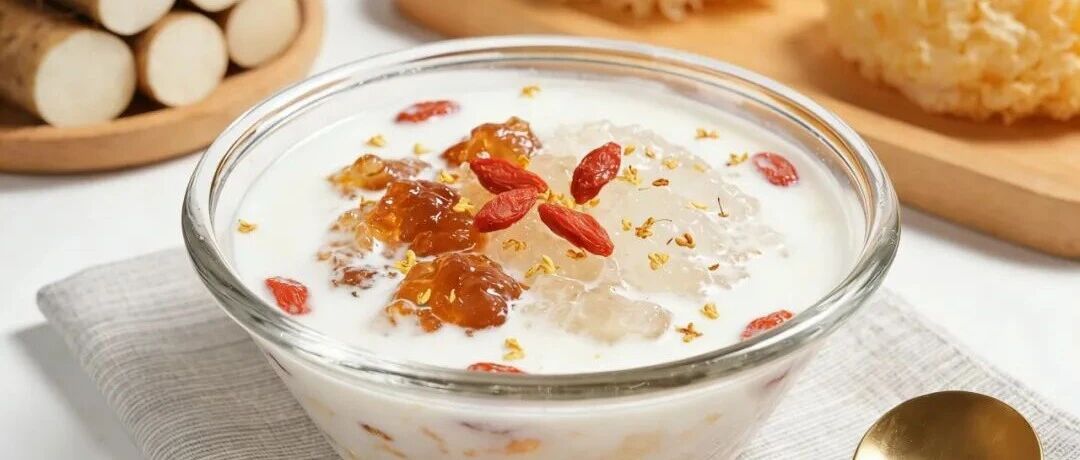
新中式糖水正席卷年轻人:20元一碗的“养生快乐”,凭啥叫板人均30的奶茶?
新消费智库· 2025-12-22 15:19
Core Viewpoint - The article discusses the rapid growth and transformation of the dessert beverage market, particularly focusing on new-style sugar water brands that are redefining consumer preferences and creating a new consumption trend in China [7][8]. Group 1: Market Expansion and Trends - The new-style sugar water brands, such as 麦记牛奶公司 (Mai Ji Milk Company) and 赵记传承 (Zhao Ji Chuan Cheng), have seen significant expansion, with 麦记牛奶公司 surpassing 700 stores and aiming for 1,000 new openings annually, while 赵记传承 has over 650 stores [4]. - Traditional dessert brands like 满记甜品 (Man Ji Dessert) and 鲜芋仙 (Xian Yu Xian) are showing signs of stagnation, with approximately 200 and 500 stores respectively, indicating a shift in consumer interest towards new brands [5]. - The dessert beverage market has seen over 60,000 new store openings in the past year, bringing the total to over 165,000, with a projected growth of dessert-related businesses exceeding 200,000 by April 2025 [10]. Group 2: Consumer Behavior and Preferences - The rise of new-style sugar water is driven by a shift in consumer demand for health-conscious and emotionally satisfying products, moving away from traditional dessert perceptions [7][8]. - A significant 65% of consumers prioritize emotional satisfaction when choosing beverages, indicating a trend towards products that provide immediate pleasure and comfort [15]. - The new sugar water offerings often incorporate healthier ingredients like rock sugar and medicinal herbs, appealing to consumers' desire for guilt-free indulgence [16]. Group 3: Innovation and Product Development - New brands are innovating by using local and health-oriented ingredients, moving away from traditional offerings like mango and taro to more unique options such as cassava and peach gum [12]. - The product structure is evolving towards lighter, more portable formats, making it easier for consumers to enjoy these beverages on the go, which is crucial in a high-cost environment [17][19]. - The article highlights two distinct business models: 麦记牛奶公司 focuses on standardization and rapid scaling using a tea-drink approach, while 赵记传承 emphasizes traditional craftsmanship and cultural heritage [26][30]. Group 4: Competitive Landscape and Challenges - The article notes potential challenges for the sugar water market, including competition from established tea brands that may enter the dessert space, leveraging their supply chains and customer bases [40]. - The non-essential nature of sugar water poses a risk for sustained growth, as it may be seen as an occasional treat rather than a daily necessity, which could limit market expansion [36]. - The balance between maintaining traditional craftsmanship and achieving operational efficiency is a critical challenge for brands like 赵记传承, which relies on skilled labor for product quality [37].