新消费智库

Search documents
日本7-Eleven卖的这瓶“水”,居然能补5g蛋白质
新消费智库· 2025-11-17 13:05
Core Viewpoint - The article discusses the launch of a transparent protein water product by Japan's 7-Eleven under its private brand Cycle.me, highlighting its unique positioning in the beverage market and the growing consumer interest in protein intake [6][15][19]. Product Overview - Cycle.me's protein water is priced at 193 yen (approximately 9.3 RMB) and contains 5g of low molecular collagen protein per bottle [15][18]. - The product is marketed with three key selling points: hydration while consuming protein, moderate sweetness with a peach flavor, and the use of mineral-rich deep-sea water from Kochi Prefecture [18][19]. Market Trends - A survey indicates that protein is the most desired nutrient among consumers, which has driven the development of protein water [19]. - According to Fuji Economic Group, the demand for protein food and beverages is expected to grow by 2.8% in 2024, reaching 276.3 billion yen (approximately 11.4 billion RMB) [20]. Development Challenges - Cycle.me faced challenges in maintaining the clarity and stability of the liquid during production, requiring extensive optimization of the entire production process [22][23]. - The final product successfully mimics the appearance of water while retaining nutritional value and a pleasant taste [25][26]. Comparison with Global Trends - The article contrasts Cycle.me's transparent protein water with similar products in the Western market, which often use hydrolyzed whey protein to create semi-transparent beverages [31][32]. - The trend of "Clear Protein" is gaining traction in the U.S., with a market size of $2.72 billion in 2023 and an expected annual growth rate of 6.7% from 2024 to 2030 [36]. Broader Industry Innovations - The article notes that the integration of protein into various food and beverage categories is becoming more prevalent, with brands innovating in areas such as protein-infused coffee and high-protein snacks [50][51]. - The success of high-protein products, such as Greek yogurt and low-calorie ice cream, demonstrates a significant shift in consumer preferences towards healthier, protein-rich options [54][55].


一周新消费NO.335|「德芙」x「东阿阿胶」推出阿胶黑巧克力;UGG官宣王一博为全球代言人
新消费智库· 2025-11-16 13:02
New Consumption Highlights - Five female PhDs launched a children's dual calcium nutrition pack, claiming 6 major zero additives and 350mg of micronized seaweed calcium to meet daily calcium needs [3][4] - Nongfu Spring introduced a new 400ml carbonated coffee series, featuring classic black coffee and classic latte, suitable for various scenarios [4][10] - Dove collaborated with Dong'e Ejiao to launch black chocolate with Ejiao, packaged in a red and gold gift box with a Chinese style design [7][10] - Pop Mart partnered with Harrods to offer a themed afternoon tea centered around the popular IP SKULLPANDA [7][10] - Lianhua Foods launched two new products, black truffle vegetarian oyster sauce and matsutake vegetarian oyster sauce, both made from non-GMO soy sauce [9][10] Industry Events - Diageo appointed Dave Lewis as CEO effective January 1, 2024 [12] - Hochdorf Swiss Nutrition appointed Sandro Tichelli as the next CEO, effective in early 2026 [12] - LeShuShi, known as the king of African diapers, officially listed on the Hong Kong Stock Exchange, with shares closing 30.84% higher on the first day [14] - Huawei announced a new watch patent capable of 150 meters water resistance [14] - UGG appointed Wang Yibo as its global ambassador [14] Investment and Financing Trends - Xingneng Xuanguang completed a Pre-A round financing of several hundred million yuan, led by Ant Group [20] - CPE Yuanfeng injected $350 million into Burger King China, acquiring approximately 83% of the equity [21] - Timex Group acquired 51% of Daniel Wellington [22] - Lingqi Wanyuan secured angel round financing, focusing on humanoid robotics [22] - ByHeart announced a recall of all its products sold in the U.S. due to botulism concerns [14] Food Industry Developments - TaTaLe and Xiaomi collaborated to integrate smart voice interaction and personalized recipe customization [17] - Crown Danish Cookies launched several new products at the recent import expo, including a flagship gift box [27] - If Coconut Water plans to establish its first mainland China branch in Shanghai [29] - OATLY launched turmeric oat milk in the Chinese market, receiving positive feedback [30] - Encounter Noodle announced plans for an IPO, aiming to raise $100 million to $200 million [32]

万字长文解读功能性食品:新消费下的健康食品新机会
新消费智库· 2025-11-14 13:03
Core Viewpoint - The article discusses the evolution and opportunities within the functional food sector in China, highlighting the shift in consumer preferences towards health-oriented products and the potential for market growth driven by innovation and changing dietary habits [4][70]. Group 1: Definition and Characteristics of Functional Foods - Functional foods are defined as products that provide specific health benefits beyond basic nutrition, often targeting particular health needs without replacing traditional medical treatments [9][12]. - The concept of functional foods has expanded to include a variety of product forms, such as gummies, dairy drinks, and even ice cream, which appeal to consumers' preferences while maintaining health benefits [10][11]. Group 2: Market Demand and Consumer Behavior - There is a growing diversity in consumer demands, with preferences shifting towards products that are convenient, affordable, and align with personal health goals [16][18]. - The functional food market in China is currently underdeveloped, with per capita spending at only $29, significantly lower than countries like Japan and the U.S., indicating substantial growth potential [25][27]. Group 3: Trends and Innovations - The article identifies key trends in the functional food market, including the rise of snack-sized products, ready-to-eat options, and the increasing demand for functional benefits such as weight management and immune support [71]. - Innovations in product formulation and marketing strategies are crucial for brands to differentiate themselves and capture market share in a competitive landscape [70][72]. Group 4: Specific Product Categories - Plant-based products are gaining traction, with a notable market shift towards plant-based dairy and meat alternatives, driven by health and environmental concerns [33][36]. - Probiotics and gut health products are also highlighted as a significant segment, with a growing consumer base interested in the health benefits associated with these products [45][47]. Group 5: Future Opportunities - The potential for market expansion is significant, with estimates suggesting that if per capita spending on functional foods reaches half of Japan's level, it could unlock a market size of approximately 500 billion yuan [27]. - The article emphasizes the importance of aligning product offerings with local dietary preferences and cultural practices to maximize acceptance and growth in the functional food sector [66].

深度拆解 | 从概念萌芽到市场破局,日本功能性食品的半世纪风云
新消费智库· 2025-11-12 13:04
Core Viewpoint - The article discusses the evolution of Japan's functional food market over the past 50 years, highlighting the transformation from chaotic growth to a regulated and innovative industry, and drawing parallels to the emerging functional food market in China [3][5][69]. Group 1: Historical Development - The functional food market in Japan has undergone significant changes since the Heisei era, reflecting a shift in consumer health concepts and the establishment of a rigorous regulatory framework [3][5]. - The market experienced explosive growth in the 1970s and 1980s, with sales skyrocketing from 1.8 billion yen in 1965 to 400 billion yen in 1983, but this was accompanied by severe market chaos and misleading advertising [8][9]. - In response to market confusion, the Japanese Ministry of Health began regulating health foods in 1971, prohibiting claims of efficacy and establishing a foundation for future market development [9][10]. Group 2: Scientific Foundations and Market Innovation - The 1980s saw the emergence of scientific research into food functions, leading to the formal definition of functional foods by the Ministry of Health in 1987, which categorized food functions into nutritional, sensory, and physiological regulation [14][17]. - The introduction of innovative products like sports drinks and balanced nutrition foods marked the beginning of a new market era, with significant sales successes such as the 2.4 million bottles sold in the first year of FIBE MINI [18][22]. Group 3: Regulatory Framework and Market Expansion - The 1990s brought a price revolution, making health foods accessible to the general public, with companies like FANCL and Otsuka Pharmaceutical leading the charge by offering products at lower prices [27][30]. - The establishment of the "FOSHU" (Foods for Specified Health Uses) system in 1991 allowed products to be marketed with health claims, significantly boosting consumer confidence and market growth [33][35]. Group 4: Challenges and Recovery - The 2000s were marked by a dual crisis of media-driven hype and product safety scandals, notably the EKONA incident in 2009, which severely damaged consumer trust in the FOSHU system [41][47]. - Despite these challenges, the market began to recover with innovative products like METS COLA and Iyemon Tea, which successfully restored consumer confidence and demonstrated the resilience of the functional food sector [49][51]. Group 5: Current Trends and Future Directions - The introduction of the functional labeling food system in 2015 has catalyzed market growth, allowing companies to make health claims with less stringent requirements, leading to a surge in product submissions [57][59]. - Consumer trends are shifting towards more personalized health solutions, with a focus on gut health, emotional management, and overall wellness, indicating a move away from single-ingredient products [61][65]. - The Japanese functional food market is now characterized by a diverse range of products and a complex regulatory environment, presenting both opportunities and challenges for future growth [67][69]. Group 6: Lessons for China - The article emphasizes that Japan's experience in developing a mature functional food market offers valuable insights for China's rapidly growing sector, particularly in building brand trust and navigating regulatory landscapes [69][71]. - Key strategies for success in China include creating value exposure through effective communication, fostering category innovation, and enhancing user stickiness to ensure long-term consumer engagement [71][73].
白象羽衣甘蓝水饺18小时卖出3万盒,新茶饮“顶流”卷向中式面点
新消费智库· 2025-11-10 13:03
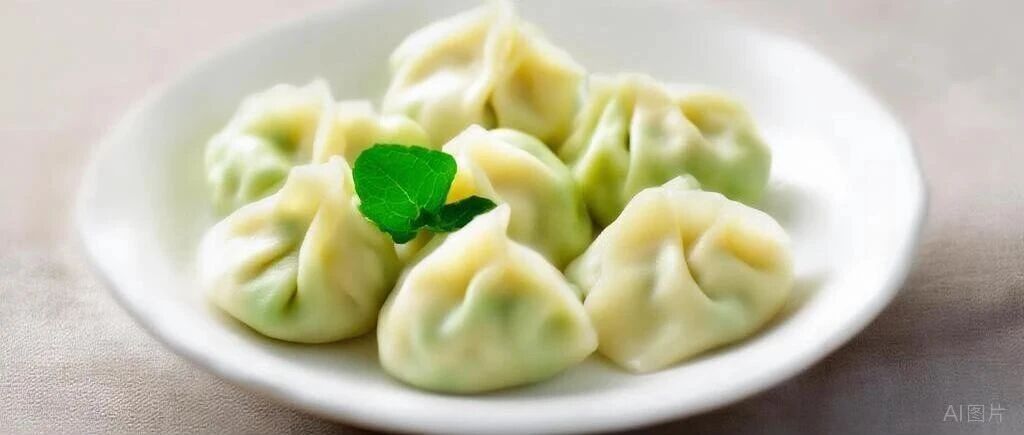
Core Viewpoint - The article discusses the rising trend of using kale as an ingredient in various food products, particularly in dumplings, highlighting its popularity and market potential driven by consumer health consciousness and innovative marketing strategies [5][12][39]. Group 1: Product Launch and Sales Performance - White Elephant launched a seasonal product "Kale and Reed Dumplings," which sold out 31,616 boxes within 18 hours of its release [5][14]. - The product was re-listed on Douyin with 6,688 units sold shortly after [7]. - This is not the first kale product from White Elephant; they previously introduced "Kale Light Noodles" in March, which sold over 70,000 units by the end of October [21][24]. Group 2: Market Trends and Consumer Insights - Multiple brands have incorporated kale into their products, including Hema and Three Squirrels, indicating a broader trend in the market [10][25]. - Kale has gained acceptance among consumers, particularly younger demographics, who are health-conscious and open to trying new ingredients [12][39]. - The popularity of kale has been bolstered by its association with health and wellness, as seen in the success of kale-based drinks from brands like Heytea [12][38]. Group 3: Product Development Strategy - White Elephant's product development is influenced by online consumer discussions, focusing on trending ingredients like kale, cilantro, and other "flow food" [11][12]. - The company aims to create products that resonate with young consumers, emphasizing health and novelty [12][39]. - The choice of kale as a filling is strategic, as it is perceived as a healthy ingredient with a high level of consumer recognition [12][39]. Group 4: Culinary Adaptation and Consumer Acceptance - Kale, traditionally consumed raw, is now being adapted for cooked dishes, such as dumplings, which align better with local culinary preferences [16][18]. - The combination of kale with familiar ingredients like reed adds to the appeal, enhancing texture and flavor [17][18]. - Consumer feedback highlights the refreshing and non-greasy nature of the dumplings, aligning with preferences for lighter vegetarian options [18].
一周新消费NO.334|李锦记进军面条领域;迪桑特官宣吴磊为品牌代言人
新消费智库· 2025-11-09 13:04
Core Insights - The article highlights the latest trends and product launches in the new consumption sector, showcasing various brands and their innovative offerings [4][6][10]. New Product Launches - Huangchong launched a lightweight thermal cup weighing only 128g, designed for easy handling [6]. - Wangwang introduced a new "Black Truffle Egg Yolk Flavor Senbei," featuring a unique taste profile and approximately 29kcal per pack [6]. - Xiangpiaopiao released a new "Oriental Beauty Light Milk Tea," which contains no trans fats, artificial flavors, or vegetable fats [6]. - BeBeBus launched the "Light Enjoy Pro Waist Stool," designed for ergonomic support [6]. - Wanglaoji introduced a new "Hua Ju Hong Chen Pi" beverage, made with traditional methods and featuring zero sugar, fat, or calories [7]. - Guming launched a "Caramel Latte" that combines award-winning coffee with fresh milk and caramel [9]. - Inne introduced a liquid calcium product containing 600mg of calcium along with vitamins D3, K2, and magnesium [9]. - Guozi Shule launched a new "Cocoa Milk" series, which is free from trans fats and offers a smooth taste [9]. - Shuke Baby released a magical color-changing toothpaste for children, encouraging them to brush for two minutes [9]. Industry Events - Meituan Shangu announced plans to collaborate with thousands of brands to build official lightning warehouses, facilitating low-cost entry into instant retail [10]. - Lee Kum Kee entered the noodle market in the UK with a new original noodle series, including various types of noodles [12]. - The documentary "Joyful Mama," focusing on maternal mental health, was launched in collaboration with Beijing Television [12]. - The price of Feitian Moutai on e-commerce platforms dropped below 1600 yuan per bottle due to increased promotional efforts ahead of Double Eleven [12]. - a2 Milk Company completed the sale of its 75% stake in Mataura Valley Milk to Open Country Dairy [12]. Investment and Financing Trends - Weinan Battery announced the completion of a 670 million yuan Series C financing round, aimed at battery asset investment and technology development [17]. - The U.S. plant-based jelly brand Oddball secured $2 million in seed funding to expand retail and innovate products [19]. - Jijiashijie completed a new round of financing worth over 100 million yuan, with investments from Huawei Hubble and Huakong Fund [20]. - Kimberly-Clark announced a $48.7 billion acquisition of Kenvue, the consumer health business spun off from Johnson & Johnson [22]. - Chip Field completed nearly 100 million yuan in A+ round financing to accelerate chip development and market expansion [22]. New Consumption Trends - The article discusses the emergence of new consumption trends, including the rise of plant-based products and the focus on health and wellness in consumer goods [44][45].

从功能到情感:抖音电商双11洗护品类的内容破局之路
新消费智库· 2025-11-07 13:01
Core Viewpoint - The article emphasizes that personal care and hygiene products have evolved from mere cleanliness to emotional and experiential healing, becoming an essential part of enhancing happiness for young consumers [4][12]. Group 1: Market Trends and Consumer Behavior - The "Double 11" shopping festival this year showcased the importance of creating emotional connections and immersive experiences in marketing personal care products, with Douyin e-commerce launching themed activities to resonate with consumers' desires for beautiful life scenarios [4][10]. - Three major trends identified for autumn and winter in personal care include "Warm Scents for Winter," "Autumn and Winter Moisturizing," and "Segmented Precision Washing," reflecting the new demands of young consumers [8][10]. - The shift from focusing solely on cleaning functions to incorporating emotional value and life rituals in marketing strategies has been validated by significant sales growth across various product categories during the Double 11 event [12][14]. Group 2: Sales Performance and Content Strategy - Douyin e-commerce reported that the personal care category achieved a remarkable 485% year-on-year growth during the Double 11 event, with specific segments like oral fresheners and children's lotions seeing explosive growth rates of 15 times and 913% respectively [12][21]. - The integration of engaging content and live streaming has proven effective in driving sales, with live sales accounting for a 4.52 percentage point increase compared to previous periods [21][31]. - The article highlights the importance of innovative content strategies that not only drive immediate sales but also build long-term brand loyalty and consumer trust [22][31]. Group 3: Future Directions and Innovations - The article suggests that as consumer attention becomes more fragmented, brands must create memorable experiences through innovative content to maintain engagement and drive conversions [15][18]. - Future live streaming strategies for personal care products may involve more creative formats, such as combining product showcases with entertainment elements to enhance consumer interaction and emotional connection [16][21]. - The ongoing evolution of the Double 11 event reflects a broader trend in the industry, where the focus is shifting from price competition to building meaningful consumer relationships and brand differentiation through content [31][32].

30年只做燕麦,和百事旗下品牌争赢了市场第一,西麦怎么做到的?
新消费智库· 2025-11-05 13:04
Core Viewpoint - The article discusses the growth and market positioning of Ximai, a Chinese brand that has become a leader in the oatmeal market, despite being in a segment dominated by foreign brands. It highlights the strategies that enabled Ximai to capture market share and establish itself as a top player in a niche market that was initially undervalued [3][5][51]. Market Overview - The oatmeal market in China was initially small, with a size of approximately 25.39 billion in 2014, growing to an estimated 113.98 billion by 2023, and projected to reach around 160 billion by 2028 [8][11]. - Ximai has successfully overtaken Quaker, a brand under PepsiCo, to become the market leader in the oatmeal segment in China as of 2022 [8][12]. Company Background - Ximai was founded in 1994 and has focused on the oatmeal grain sector for 30 years [5]. - The company initially faced challenges but pivoted to oatmeal products after recognizing the potential of the health food market [18][57]. Marketing Strategy - Ximai invested heavily in advertising from its inception, launching its first oatmeal product with a significant ad campaign on CCTV, which helped establish brand recognition early on [13][21]. - The brand's early marketing efforts coincided with the introduction of oatmeal to the Chinese market, allowing it to capture consumer attention before competitors [24][60]. Distribution and Sales Model - Ximai adopted a unique distribution model by employing "商嫂" (business sisters), who were local women engaging directly with consumers and retailers, enhancing the brand's reach and sales efficiency [28][29]. - The combination of direct sales and traditional distribution channels allowed Ximai to build a robust marketing network across China [28][29]. Product Development and Innovation - Over the years, Ximai has expanded its product line to include various oatmeal products, responding to consumer trends and preferences [34][38]. - The company has also introduced cold oatmeal products to cater to younger consumers, although this segment has seen fluctuating sales [36][39]. Supply Chain and Production Capacity - Ximai has invested in its supply chain by establishing production bases in multiple regions, ensuring control over raw materials and production capacity [43][45]. - The company has maintained high production efficiency, with utilization rates exceeding 100% in peak years, allowing it to meet rising demand [45][46]. Competitive Advantage - Ximai's focus on a niche market, combined with its strong brand recognition and extensive distribution network, has allowed it to maintain a competitive edge over both domestic and international brands [40][42]. - The brand's strategy of continuous product innovation and responsiveness to market trends has solidified its position as a market leader in the oatmeal segment [40][66].

想追上可隆,骆驼还差点意思
新消费智库· 2025-11-03 13:03
Core Viewpoint - The article discusses the rapid growth and market positioning of the Camel brand in the outdoor apparel sector, highlighting its competitive advantages and challenges in a crowded market. Group 1: Market Performance - Camel ranked first in the outdoor sports brand sales on Douyin during the Double 11 shopping festival, outperforming major brands like FILA and Nike. Within the first 30 minutes of sales on Tmall, Camel's revenue exceeded 100 million yuan [6][12]. - The brand's GMV is projected to exceed 5 billion yuan in 2024, representing a year-on-year growth of approximately 33% [6]. - Camel has maintained its position as the top seller in various outdoor categories, including jackets and footwear, for six consecutive years [13]. Group 2: Competitive Landscape - Despite its success, Camel faces increasing competition from both established brands and new entrants targeting the high-end outdoor market [7][27]. - The brand's market share is estimated at 5.5% in the Chinese outdoor apparel sector, with projected retail revenue of around 5.6 billion yuan for 2024 [14][15]. - The article notes that Camel's mid-range positioning may be threatened by the influx of international brands and local competitors entering the market [27]. Group 3: Strategic Positioning - Camel's success is attributed to its timely entry into the outdoor market and its strategic focus on affordable, high-quality products that appeal to a broad consumer base [17][20]. - The brand has effectively targeted the mid-range price segment, with popular products priced between 400-600 yuan, capturing a significant portion of the market [23]. - Camel has invested heavily in marketing, signing high-profile endorsements and increasing advertising spend significantly, which has enhanced brand visibility among younger consumers [24][25]. Group 4: Future Challenges - Camel's growth strategy may face limitations as the brand attempts to expand into higher-end markets, where competition is fierce and brand recognition is still developing [27][31]. - The brand is also exploring new product lines, including beauty products, to diversify its offerings and reach new customer segments [28][29]. - Ongoing trademark disputes and the prevalence of counterfeit products pose additional challenges to Camel's brand integrity and market expansion efforts [31][33].

一周新消费NO.333|「瑞幸咖啡」x鬼灭之刃联名即将上线;Keep官宣孙颖莎出任品牌代言人
新消费智库· 2025-11-02 13:04
New Product Launches - Sanquan has launched new organic "Yami" wontons and dumplings, featuring 8 organic ingredients and a protein content of 7.8g per 100g, ready in 4 minutes without thawing [5][3] - Mengniu has introduced a new lemon-flavored drink under its "True Fruit" brand, made with Yuleke lemon pulp and real lemon juice [7][3] - Luckin Coffee has released its first savory milk tea, inspired by traditional Xilin Gol tea, featuring roasted rice and authentic milk skin flavor [5][3] - Kang Shifu has collaborated with "Zootopia" to launch a jelly drink with iced black tea flavor, offering two consumption methods [5][3] - Huayuan has launched a new jujube juice product, targeting the new Chinese health market with a juice content of 30% [9][3] Industry Events - V Rum has introduced a new pentagonal bottle made from 100% recycled glass, setting a sustainability standard in the spirits industry [10] - Taobao has announced the launch of a new convenience store brand, aiming for a 24-hour operation and 30-minute delivery service [10] - The first store of "Ruyi Sushi," a new sushi brand under Haidilao, has opened in Hangzhou, focusing on fresh and immediate dining experiences [26][10] - Miniso has opened its first MINISO LAND in Thailand, combining shopping and social experiences [35][10] Investment and Financing Trends - Keurig Dr Pepper has secured $7 billion in financing for its acquisition of JDE Peet's, valued at $18 billion [18] - Upcycled Plant Power, a UK food tech company, has raised £2.5 million in funding, including £1.5 million from a climate-focused investment firm [20] - Duck Duck Water has completed a RMB 10 million angel round financing to enhance its brand and digital systems [21] - Bryan Johnson's anti-aging company Blueprint has raised $60 million in funding [21] Food Industry Developments - Yuanqi Forest has established a dairy company with a registered capital of RMB 166 million, focusing on dairy product production [24] - Xinjiang Tianrun Dairy has launched a 200,000-ton dairy processing project, marking a significant step in its industrial development [25] - "Guozi Shule" has introduced fruit beer products, marking its first entry into the beer market with high fruit juice content [26] - Luckin Coffee is set to launch a collaboration with "Demon Slayer" on November 3, 2023, featuring themed merchandise [29]