新消费智库

Search documents
死在黎明前的100个品牌,都有一个不给公关预算的老板
新消费智库· 2026-01-23 13:00
Core Viewpoint - The importance of public relations (PR) in consumer goods companies has surpassed that of direct advertising spending, as neglecting PR can lead to severe brand crises and losses [6][9][32] Group 1: The Shift in Consumer Goods Management - Many consumer goods executives believe that having a good product is sufficient, but this mindset is outdated in the current media environment [2][4] - Companies face rapid backlash from the public due to minor issues, such as packaging or labor disputes, which can lead to significant financial losses [5][9] - The lack of respect for public opinion and inadequate communication strategies can result in catastrophic consequences for brands [5][9] Group 2: Financial Implications of PR - A budget of 10 million yuan in advertising may yield 100 million yuan in gross merchandise value (GMV), but a PR crisis can incur losses far exceeding that amount [7][9] - Direct sales losses from a crisis can include returns, consumer boycotts, and platform delistings, while indirect losses can affect brand trust and employee morale [9] - Investing in PR builds long-term consumer trust, which is more valuable than short-term advertising gains [9][10] Group 3: Media Relations and Budgeting - Many executives mistakenly view media spending as a form of extortion rather than a necessary investment for professional services [10][13] - Proper media investment should focus on reputable outlets that provide in-depth analysis and have a strong audience trust [13][20] - Establishing good relationships with influential media can be crucial during a crisis, as they are more likely to provide fair coverage [22][30] Group 4: The Role of Content in Crisis Management - Long-form media, such as articles on public platforms, can provide deeper analysis and context during crises, unlike short videos that may oversimplify issues [14][15] - Companies should balance their media strategies by using short videos for daily engagement while relying on in-depth articles for brand building and crisis management [16] Group 5: Building Relationships Before Crises - Companies often prioritize immediate sales over building long-term media relationships, which can leave them vulnerable during crises [18][20] - Establishing genuine connections with media and KOLs (Key Opinion Leaders) is essential for effective crisis management [25][26] - Companies should invest time and resources in nurturing these relationships to ensure support during challenging times [21][26] Group 6: Leadership's Role in PR - The involvement of company leadership in PR is critical for understanding media dynamics and ensuring that PR is prioritized within the organization [28][30] - Leaders should elevate PR to a strategic priority, enabling quick decision-making during crises and fostering a culture of awareness among all employees [30][31] - Every employee's actions can impact the brand's reputation, making it essential for leadership to instill a collective responsibility for public relations [31]


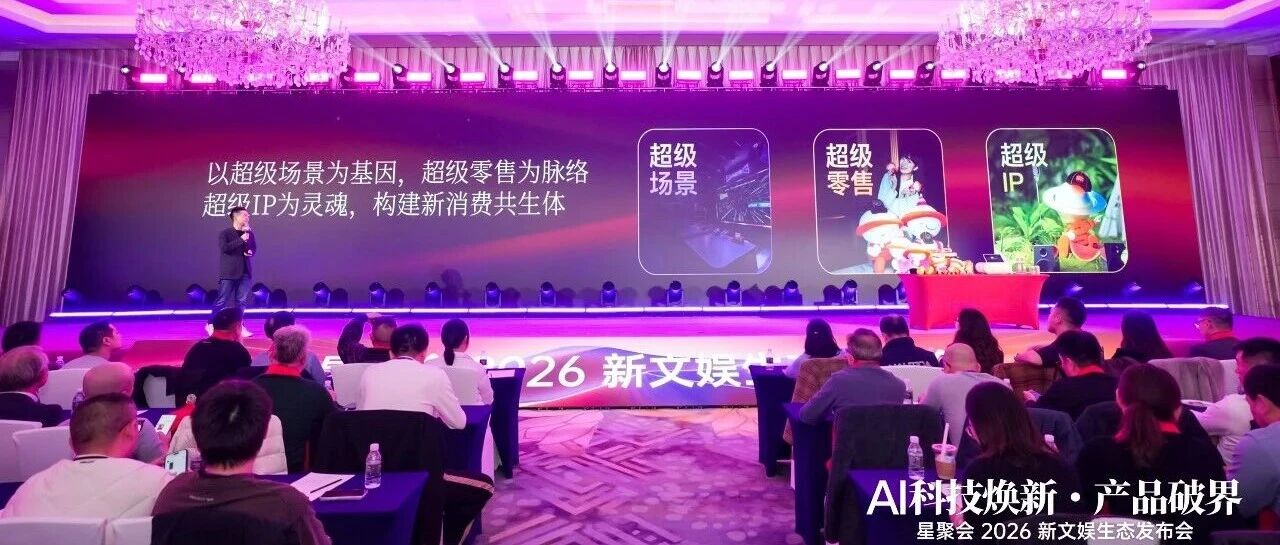
将KTV变成“AI游乐场”:星聚会如何用黑科技重构线下社交
新消费智库· 2026-01-20 13:03
这是新消费智库第 2 7 4 8 期文章 1 月 18 日,"AI科技焕新·产品破界 —— 星聚会2026新文娱生态发布会 "上,作为中国 KTV 行业社交空间头部品牌的星聚会,宣布了四 大战略升级,其中包括了 AI 黑 科技发布、 子品牌 " 星能秀 " 推出、 加速品牌国际化布局 的海外战略,以及 娱乐 + 零售融合 的超级零 售战略。 其中,最受关注的,自然是 KTV 行业首个 AI 黑科技体系的发布。 "重构娱乐消费新场景",这是星聚会喊出的 AI 时代下的野心。 那么, AI 到底能给 KTV 带来什么? "我们想创造新鲜感。"星聚会创始人翁培民(星哥)对新消费智库表示,"过去的 KTV ,快乐依赖于你和谁一起来。而现在,我们想用 AI 让快乐超越包厢的物理边界,让陌生人的共鸣、即时的竞技和确定的奖励,成为新的吸引力。" 新消费导读 AI改造的行业又多了一个。这次是被认为传统、甚至是夕阳的KTV。 传 统 KTV 的 体 验 内 核 , 在 过 去 十 年 几 乎 停 滞 : 一 套 曲 库 、 两 三 块 屏 幕 、 熟人社交。其结果往往是"唱完即走",且频次不高——尤其当线上短视 频在吸引所有人 ...

一场发布会看懂新文娱未来!星聚会2026解锁万亿市场新玩法
新消费智库· 2026-01-19 14:32
Core Viewpoint - The new entertainment industry is undergoing a dual transformation driven by deep integration of AI technology and a comprehensive upgrade in consumer demand, as highlighted by the launch of the "AI Technology Renewal · Product Breakthrough" event by Xingjuhui on January 18, 2026 [2][4]. Strategic Leadership - Xingjuhui's founder presented a core strategy themed "AI Empowerment · Retail Breakthrough · Xingjuhui's Three-Dimensional Growth Engine," addressing challenges in the traditional KTV industry and establishing a growth system centered on technology, models, and markets [5][9]. AI Integration - The company unveiled groundbreaking AI technologies developed over three years with an investment exceeding 100 million, emphasizing that AI empowerment is crucial for reconstructing user experiences [7][9]. - Three core AI functionalities were introduced: an AI scoring system, AI sound correction and MV short video production, and AI song recommendations, enhancing user experience and operational efficiency [7][9]. Engaging User Experiences - New interactive features targeting young consumers include: - Cross-room PK competitions with automatic opponent matching and betting options [8]. - Cash prize challenges where participants can win money by achieving AI scoring benchmarks [8]. - A "King of Songs" competition with real-time rankings and substantial rewards [8]. Retail Innovation - Xingjuhui is moving away from traditional KTV revenue models by launching a super retail strategy, creating a proprietary brand "Xingzai" to offer customized snacks and cultural products, thus integrating retail with entertainment [9][11]. Business Model Transformation - The company is adopting a "space + time + content consumption" model, which enhances customer stickiness and increases store revenue per customer, contributing to its growth amid industry challenges [11][12]. Global Expansion - With a solid domestic foundation, Xingjuhui is initiating its "Xing Expand Global" strategy, aiming for 300 overseas stores in the next three years, following successful international ventures in Tokyo and plans for expansion into Hong Kong, Australia, and Southeast Asia [11][12]. Operational Efficiency - The company is addressing industry pain points related to efficiency and talent shortages through systematic training and decentralized management, transforming staff roles from service providers to professional entertainment consultants [13][15]. - The investment cost for a 400 square meter store has been reduced to 2.2 million, enhancing profitability and lowering franchise risks [15]. Brand Development - Xingjuhui is focusing on a grid-based domestic market layout and launching sub-brands like Xingneng Show to revitalize traditional KTVs, leveraging AI technology and a 30 million member system to drive growth [17][19]. Industry Impact - The launch of Xingjuhui's new entertainment ecosystem not only signifies its strategic upgrade but also offers a pathway for the entertainment industry to navigate through stagnant competition, aligning with the trend of multi-dimensional integration driven by AI [23][24]. - The company's innovative practices are expected to shift the industry focus from "scale dividends" to "value dividends," emphasizing the importance of user-centric approaches and technological innovation [26].
【2025榜单】5万亿赛道,30个破局者,15条洞察:中国新银发消费品牌TOP30年度榜
新消费智库· 2026-01-19 14:32
Core Insights - The aging population in China is projected to exceed 297 million, creating a massive market for elderly products, estimated to surpass 50 trillion yuan [2] - Currently, there are over 60,000 types of elderly products globally, but only about 2,000 are produced at scale in China, indicating a significant supply-demand gap [2] - The purchasing power primarily lies with the children of the elderly, who are caught between emotional concerns and practical needs [6][7] Group 1: Consumption Trends - Elderly consumers are willing to spend on health and entertainment, prioritizing products that enhance their longevity and enjoyment of life [6] - The majority of purchases are made by children, who often pay for expensive items like smartwatches and massage chairs, emphasizing the need for dual marketing strategies targeting both generations [7][8] - Elderly individuals are increasingly tech-savvy, often outperforming younger generations in using smartphones and apps, indicating a demand for user-friendly designs rather than "senior versions" of products [10] Group 2: Product Design and Marketing - Effective elderly products should focus on simplicity, removing unnecessary features to avoid confusion [11][12] - Many elderly consumers buy health monitoring devices not for strict data tracking but for peace of mind, highlighting the emotional aspect of health management [13] - Community influencers, such as local shopkeepers, are more effective in promoting products than celebrity endorsements, emphasizing the importance of trust in marketing [14] Group 3: Emerging Business Models - The rental market for medical and rehabilitation equipment is growing, as it offers a cost-effective solution for short-term needs [15] - Companies must focus on genuine product quality and user needs rather than merely meeting subsidy standards to ensure long-term viability [16] - The market for elderly products is vast but under-supplied, with many existing products failing to meet the actual needs and preferences of elderly consumers [17] Group 4: Consumer Behavior - Elderly consumers are cautious decision-makers, often requiring extensive research before making purchases, leading to high brand loyalty once trust is established [20] - They are sensitive to price but prioritize perceived value and effectiveness over mere affordability [21] - Consumption is often driven by necessity rather than desire, with elderly consumers seeking solutions to specific life challenges [22] Group 5: Trust and Authority - Trust in authority figures has evolved, with elderly consumers now valuing advice from family members and community peers alongside traditional experts [24] - Many elderly individuals play a significant role in family purchasing decisions, acting as key financial managers and decision-makers for household needs [26] Group 6: Innovative Brands - The article highlights 30 innovative brands catering to elderly consumers, including those focused on health, home care, and lifestyle products, showcasing the diversity and potential within the silver economy [27][28][29]

一周新消费NO.344|泡泡玛特x荣耀打造MOLLY20周年限定礼盒;歌手G.E.M.邓紫棋正式成为Jordan品牌全球合作伙伴
新消费智库· 2026-01-18 13:03
New Consumption Highlights - San Yuan launched "Beijing Yogurt" with four flavors, emphasizing natural ingredients and high protein content [5][3] - "Happy Monkey" supermarket introduced a new pomegranate jasmine green tea drink, highlighting its quality ingredients and natural flavors [8] - Haidilao and Coca-Cola collaborated to create the "Charming Hot Pot" meal set, featuring popular dishes paired with Coca-Cola [6][12] - Oreo released a new "Double Layer Cheesecake" at Sam's Club, designed for social gatherings and celebrations [11][8] - "Mango Snow Ice City" launched a new banana series, including banana milk and banana latte, with promotional offers [11][30] - Lemon Republic and Tmall Supermarket introduced "Cloud Top Lemon," featuring high juice content and natural flavors [11][30] Industry Events - Deckers Brands announced the closure of two niche outdoor footwear brands, Ahnu and Koolaburra, by Q3 of the 2026 fiscal year [13] - a2 became the first official dairy partner of the Australian Open, launching limited edition gift boxes [14] - SF Express and Jitu announced a strategic mutual shareholding agreement, with an investment amount of HKD 8.3 billion [15] - JD Health and Heliang deepened their cooperation to innovate health management models [15] Investment and Financing Movements - Danish biotech company Bactolife secured over €30 million (approximately RMB 244 million) in Series B financing [21] - McCormick & Company acquired a 25% stake in its Mexican subsidiary for $750 million (approximately RMB 5.238 billion) [22] - L Catterton acquired a majority stake in American cheese brand Good Culture, with the deal valued at over $500 million [24] - Lemon tea brand Linli completed a multi-million A round financing, with a valuation close to RMB 1 billion [24] New Product Launches - Tea Xiaokai launched a new light sparkling osmanthus pear fermented yogurt drink, targeting health-conscious consumers [28] - Starbucks China introduced a new truffle chocolate flavor series, including truffle chocolate lattes [34] - Kudi Coffee established a new company in Suzhou with a registered capital of $160 million, expanding its operational scope [32]



西贝断腕,102家门店关闭背后的时代逻辑:当做实业的撞上大众情绪
新消费智库· 2026-01-15 13:39
Core Viewpoint - The article discusses the significant closure of 102 stores by Xibei Catering, which represents approximately 30% of its total outlets, highlighting the challenges faced by the restaurant industry and the impact of public relations on consumer perception and business performance [2][11]. Group 1: Store Closures and Financial Impact - Xibei plans to close 102 stores, primarily in first and new-tier cities, with Shanghai having the highest number of closures at 19 stores [7]. - The company has experienced continuous losses since September 2025, accumulating over 500 million yuan in losses [2]. - After the closures, Xibei will have approximately 268 stores remaining nationwide [9]. Group 2: Employee and Customer Considerations - Founder Jia Guolong assured that all departing employees would receive their full salaries and that customers could use their stored value cards at other locations or receive refunds [8]. - Jia emphasized the company's commitment to fulfilling obligations to customers, even if it means incurring additional losses [8]. Group 3: Public Relations and Consumer Trust - The article highlights the importance of public relations in shaping consumer perception, indicating that Xibei's decline in performance was linked to a loss of consumer trust rather than product failure [12]. - Jia's admission of not understanding public relations reflects a broader challenge faced by traditional business leaders in adapting to modern communication dynamics [12]. Group 4: Lessons for Consumer Brands - The article outlines four key lessons for consumer brands, including the necessity of empathy from entrepreneurs and the importance of aligning with public sentiment to maintain consumer trust [14][19]. - It discusses the "post-truth" dilemma where consumers accept narratives that align with their beliefs, emphasizing the need for brands to engage emotionally with their audience [15][16]. - The future growth of brands may depend on either fully integrating into the mainstream or focusing on niche markets, as the middle ground becomes increasingly untenable [20][21].

为什么所有的消费品牌,都会在2026被GEO重做一遍?
新消费智库· 2026-01-14 14:19
Core Viewpoint - The article emphasizes the need for brands to adapt to a new era of consumer engagement driven by AI and GEO (Generative Engine Optimization), moving away from traditional short video and live-streaming strategies to focus on building trust and knowledge through AI-driven content [3][11][30]. Group 1: Challenges in Current Business Environment - The current business landscape is increasingly challenging, with high costs of traffic and fleeting consumer attention, leading to thin profit margins for brands relying solely on short video and live-streaming [2][4]. - Brands must shift their strategies to avoid hitting an "invisible wall" by embracing new methods of consumer engagement that leverage AI [3][6]. Group 2: Importance of GEO - GEO represents a significant new opportunity for brands, focusing on how to be recognized and recommended by AI systems, which are becoming the primary source of consumer information [3][14]. - Brands that fail to establish a strong presence in AI knowledge bases risk being overlooked in consumer decision-making processes [16][19]. Group 3: Balancing Brand and Performance - There is a need for brands to balance performance-driven marketing with brand-building efforts, as overemphasis on short-term results can lead to hollow brand identities [4][6]. - AI provides a unique opportunity to enhance brand perception and consumer trust through in-depth, informative content rather than superficial marketing tactics [7][10]. Group 4: Content Strategy Shift - Future marketing budgets should be reallocated to focus on creating knowledge-based content that builds trust, rather than solely on conversion-driven short videos [17][19]. - Brands must produce detailed, evidence-based content that addresses consumer questions and concerns, establishing themselves as authorities in their fields [21][22]. Group 5: Competitive Landscape - The competitive landscape is shifting, with brands needing to understand GEO as a new optimization strategy distinct from traditional SEO [23][24]. - Companies must adapt to this new environment by developing a deep understanding of their products and creating high-quality, informative content that can be recognized by AI [25][26]. Group 6: Trust and Authority in AI - Trust signals such as awards, academic papers, and media endorsements will become increasingly important in the AI-driven marketplace, as AI relies on these signals to determine credibility [57][58]. - Brands that can provide robust evidence of their claims will be favored by AI systems, enhancing their visibility and consumer trust [60][61]. Group 7: Opportunities for Smaller Brands - Smaller and newer brands have a unique opportunity in the GEO era, as the focus shifts from budget-driven marketing to expertise and knowledge [46][47]. - By concentrating on niche markets and providing in-depth, credible information, smaller brands can compete effectively against larger, established players [48][49]. Group 8: The Role of AI in Brand Positioning - GEO forces brands to articulate clear, factual value propositions, moving away from vague marketing language to concrete evidence of product benefits [50][52]. - This shift necessitates a return to foundational marketing principles, emphasizing the importance of clarity and substantiation in brand messaging [53][54]. Group 9: The Future of Content and Communication - The evolution of content formats will continue, but the core need for deep, trustworthy communication will remain essential [55][56]. - Brands should focus on creating compelling narratives supported by evidence, which will serve as a foundation for building trust in an AI-driven marketplace [66].

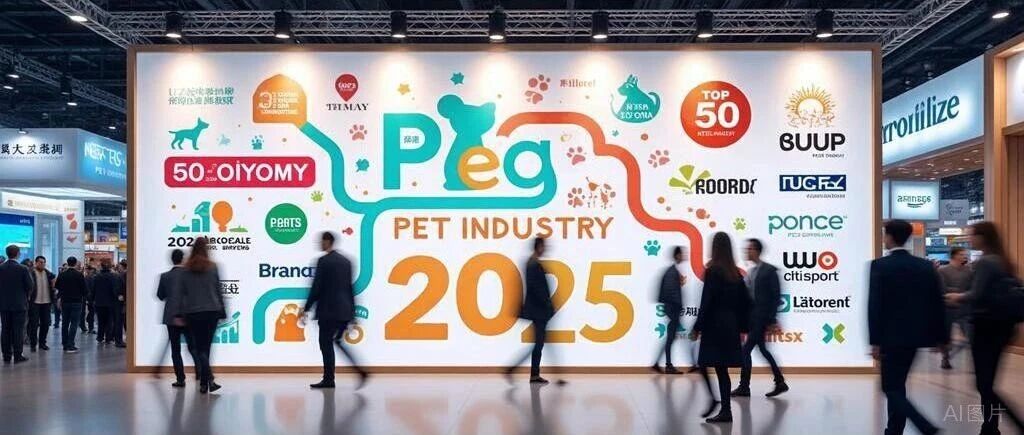
【2025榜单】驱动3000亿宠物市场的真内核是什么?| 2025宠物产业50条隐秘洞察与TOP50创新品牌发布
新消费智库· 2026-01-12 16:23
Core Insights - The pet industry in China is projected to exceed 500 billion yuan by 2025, marking a significant transformation from a purely economic sector to a social ecosystem [2] - The main consumer group is shifting from the "90s generation" to the "00s generation," which is growing at a rate 21 percentage points higher, while the "silver-haired" demographic will also play a crucial role in the next decade [2] - The emotional connection between pets and owners is becoming a driving force in the industry, moving from pets as mere property to being considered family members [2] - Government policies are increasingly integrating the pet economy into urban development plans, indicating a shift from spontaneous market growth to a more structured and policy-driven approach [2] Section 1: Sharp Insights into the Pet Industry - The illusion of a market ceiling at 811.4 billion yuan creates a false sense of prosperity, as the real challenge lies in transitioning from "new pet ownership" to "refined care" [6] - The "Z generation" is seen as the fastest-growing consumer group, but their actual purchasing power is limited, making them more of future influencers than current spenders [6] - The "silver-haired gold mine" is expected to be the most significant source of growth in the pet industry over the next 5-10 years, as this demographic has both the financial means and emotional needs for pet companionship [6] - The concept of "emotional tax" is emerging, where spending on pets is viewed as fulfilling emotional needs rather than mere expenses [7] - The shift from impulsive pet ownership to responsible consumption is driven by rising abandonment rates, leading to a more thoughtful approach to pet care [9] - The "it economy" is showing resilience during economic downturns, but non-essential pet products may face cuts first [9] - "Pet-friendly" policies are becoming essential for businesses, with a focus on creating harmonious environments for pets and their owners [9] - The trend of "personalization" in pet products is evolving, moving towards unique offerings based on individual pet characteristics [9] Section 2: Product Innovation and Supply Chain Dynamics - The competition in functional pet food is intensifying, with many players in the market, making it crucial to base claims on verifiable clinical data [11] - The "fresh meat" segment is entering a critical phase where supply chain efficiency will determine market success [11] - The rise of "baked food" is creating a competitive landscape focused on ingredient quality and scientific formulation [11] - Freeze-dried snacks are transitioning from luxury items to staple foods, reshaping consumer perceptions of pet food value [13] - The "clean label" movement is facing trust issues due to the lack of standardized definitions for terms like "natural" and "no additives" [12] - Pet snacks are becoming a significant part of the diet, with specific functional benefits [15] - The demand for smart pet products is growing, but they must address real pain points to move beyond novelty [16] - Design is becoming a critical factor in pet product success, with aesthetically pleasing items gaining popularity [17] Section 3: Market Trends and Consumer Behavior - The trend of celebrating pets' birthdays and purchasing themed products is becoming a new norm, with significant growth in related consumer behavior [21] - Multi-pet households are becoming the norm, driving demand for specialized products [42] - Pet health management is shifting towards proactive prevention, with a growing number of pet owners regularly providing supplements [43] - The "humanization" of pets is deepening, with owners increasingly investing in their pets' fashion and social presence [44] - Exotic pet ownership is rising among younger generations, reflecting a desire for unique social expressions [45] Section 4: Best Innovative Brands in the Pet Industry - The report will highlight 50 brands excelling in product breakthroughs, innovative business models, technological applications, design aesthetics, and social responsibility [23][24] - Each brand will be evaluated based on its core innovations, representative products, and industry impact [24]


一周新消费NO.343|王老吉 x WAKUKU推出炫彩潮玩礼盒;瑞幸联名《魔道祖师》推出非咖新品
新消费智库· 2026-01-11 13:03
New Product Launches - DQ and My Little Pony launched two new products: "Triple Berry Rainbow Cereal Blizzard" and "Miracle Magic Pony Cake Ice Cream" [2][4] - Wanglaoji collaborated with WAKUKU to release a colorful gift box containing 11 cans of Wanglaoji's 310ml beverage, priced at 139.9 yuan [4][5] - Heima launched a new "Rice Drink" made from high-quality Wuchang rice, suitable for breakfast and sports [4][5] - Let Tea introduced two new juice teas: Turmeric Lemon Tea and Three Grapefruit Juice Tea, with over 50% NFC juice content and no added sugar [5] - Joyoung launched a new soy milk product with a simple formula, containing 3.3g of protein per box [6] - Luckin Coffee partnered with the popular IP "Mo Dao Zu Shi" to launch non-coffee products, including Snow Tea and Strawberry Tea [6][7] - Yuanqi Forest entered the herbal tea market with a new product that features six herbal ingredients and no artificial additives [7] - Luxi River and Nestlé KitKat released a gift box containing "Oat Crunch Chocolate Peach Crisp" in two flavors [8] - Wei Chuan launched a new drink called "Horse Success Water," made from lychee and bamboo sugar [8] Industry Events - CoCo announced its expansion into 66 cities across 19 provinces in China since June 2024, focusing on lower-tier markets [11] - South Korean company Samjin Foods plans to increase its investment in China through a partnership with a local company for comprehensive operations [11] - RIMOWA released a new advertising campaign featuring actor Xu Guanghan to celebrate the Year of the Horse [11] - Burger King's online ordering system experienced a crash during peak times, leading to customer complaints [12][14] - Alipay's "Tap to Pay" feature surpassed 100 million daily transactions, expanding its application across various sectors [12] - Bawang Tea upgraded its 桂馥兰香 tea base with seasonal osmanthus flowers [12] - The Beijing Chocolate Museum opened, featuring a temperature-controlled environment to preserve exhibits [16] - IKEA announced the closure of seven stores in China starting February 2, 2026, after a comprehensive review of customer touchpoints [12] - Nestlé recalled infant formula in several European countries due to quality issues with a supplier's ingredient [17] - Muyuan Foods appointed Gao Dong as the new Chief Financial Officer [12] Investment and Financing - Kinotek raised $2 million for its sports analysis platform, which is already in use by MLB teams and top gyms [18] - Nutritional raw material producer Nuoyun Bio completed a Series A financing round with investments from multiple firms [18] - Bain Capital acquired the parent company of South Korean brand Andar for 216.6 billion KRW (approximately 1.046 billion yuan) [20] - Weiyuan Synthetic secured nearly 300 million yuan in a new financing round to accelerate its product development [18] - Only Group acquired a majority stake in British menswear brand Drake's [18] - Marubeni's US subsidiary acquired the Jacobson Group, which owns several footwear brands [18] - Acai Yogurt was confirmed to be acquired by Mei Yogurt, with the founding team stepping down [18] - FrieslandCampina completed the acquisition of a US whey protein company to enhance its production capacity [18] - 24 Hour Fitness's founder Mark Mastrov returned to lead the company after a buyout [18] - Fairfax Financial Holdings increased its stake in Under Armour to approximately 22% [18] Food and Beverage Trends - Uni-President launched a new 1L juice product line featuring grape and peach flavors, emphasizing zero fat and real fruit juice [25] - Yili signed actress Ma Yili as a brand ambassador for its marketing campaign for the Year of the Horse [25] - O'MILLS opened its first store in South China, focusing on naturally fermented and healthy food options [25] - Wei Family's music bistro opened in Xi'an, quickly gaining popularity on social media [25] - Black Sesame's controlling shareholder changed to Guangxi Travel Health Industry Group [28] - RIO launched a jelly alcohol product in two flavors, emphasizing a unique drinking experience [28] - Samyang collaborated with KFC to launch two new noodle products, priced at 19.9 yuan per cup [28] - Yakult introduced a limited edition packaging for the New Year, featuring auspicious colors and messages [28] - Grandpa's Farm submitted a listing application in Hong Kong [28] - Nongfu Spring released a zodiac commemorative glass bottle water, with 160,000 sets available through a lottery [31]







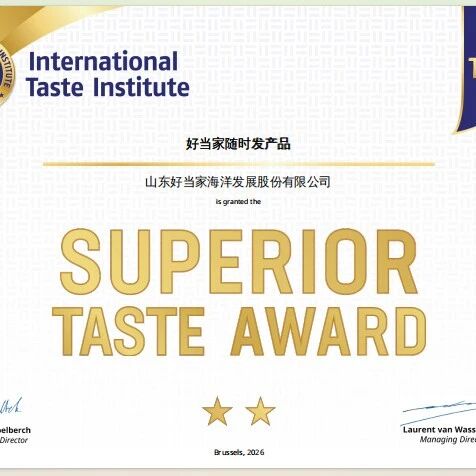
斩获国际美味大奖!好当家以全产业链实力赢得“世界级味蕾”认可
新消费智库· 2026-01-09 13:04
Core Viewpoint - The article highlights that a product from Haodangjia Group has won the prestigious 2-star award at the International Taste Institute's "International Flavor Awards," showcasing the high quality of Chinese marine food on a global stage [3][4][10]. Group 1: Award Recognition - The International Taste Institute, based in Brussels, announced the winners of the 2026 "International Flavor Awards," which is recognized as the "Oscar" of the food industry [3][10]. - Haodangjia's product stood out among thousands of entries due to its exceptional sensory experience, earning a 2-star medal [4][10]. Group 2: Evaluation Process - The judging panel consists of over 200 top chefs, sommeliers, and beverage experts from Europe, who evaluate products based on six dimensions: first impression, visual appeal, aroma, taste, texture, and overall sensation [8][10]. - The evaluation process is conducted blindly, ensuring that packaging, branding, and origin information are concealed to maintain objectivity [8][10]. Group 3: Company Background - Haodangjia Group has been deeply involved in the marine industry for nearly half a century, establishing a complete marine food supply chain [11]. - Founded in 1978, the company has evolved from a local fishery into a large national enterprise encompassing deep-sea fishing, aquaculture, food processing, and biotechnology [12]. - The company is located in Rongcheng City, Shandong Peninsula, benefiting from rich marine resources and recognized as a key leading enterprise in agricultural industrialization [12]. Group 4: Quality Assurance - Haodangjia's commitment to quality is evident throughout the entire process from ocean to table, with its testing center accredited by the China National Accreditation Service for Conformity Assessment (CNAL) since 2004 [14]. - Several of its food processing enterprises have obtained ISO-9000 quality management system certification, FDA certification, and HACCP verification [15]. - As a major sea cucumber farming enterprise, Haodangjia has been a pioneer in organic certification since 2008, maintaining this certification for several years [16]. Group 5: Market Presence - Over the years, Haodangjia has established a strong brand image for high-quality marine food among consumers [18]. - The company is publicly listed on the Shanghai Stock Exchange since 2004, under the name Shandong Haodangjia Marine Development Co., Ltd [18]. - The "Haodangjia" brand has been recognized as a "Famous Trademark of China," and its marine products have been awarded the title of Chinese Famous Brand [19]. - The company has opened hundreds of "Haodangjia Organic Sea Cucumber" chain stores and counters in major cities like Beijing and Shanghai, while also expanding its online presence on platforms like Tmall and JD [20][21].