新消费智库

Search documents
一周新消费NO.340|美团外卖官宣周杰伦出任品牌代言人;彪马官宣单依纯为大中华区品牌代言人
新消费智库· 2025-12-21 13:03
New Consumption Highlights - Heytea launched a new product "Qilan Guava and Wax Apple" featuring a blend of red heart guava, black diamond wax apple, and fragrant Qilan oolong tea from Fujian, offering a rich flavor and smooth taste [3] - IKEA introduced a new children's furniture series called GREJSIMOJS, consisting of 33 products set to launch in February 2026, designed to inspire creativity and interaction among family members [5] - Jinzhai Foods released a new product line of tender bean curd in three flavors: fragrant sesame, cumin spicy, and mapo tofu, made from non-GMO soybeans with a low-sodium formula [5] - Sanquan Foods launched a low GI blueberry and mulberry glutinous rice ball, containing ≥ 30% fruit flesh and certified with a GI value of < 55, suitable for various meal scenarios [5] - Feihe Aibin introduced a new special formula powder using small molecule whey protein, targeting muscle loss issues in the elderly [5] - Luckin Coffee collaborated with Minions to launch a new "Banana Latte," priced at 35 yuan for a large cup, featuring Ecuadorian bananas and 100% Arabica coffee beans [7] - Ferrero launched a limited edition chocolate gift box at Sam's Club, containing six flavors and priced at 169.9 yuan for a 431.1g box [9] - Meituan announced Jay Chou as its brand ambassador, launching promotional activities to enhance user engagement [27] - PepsiCo introduced a new product, Pepsi Powder Cola, featuring a pink packaging and a rich, smooth taste [28] Industry Events - JD.com launched a nationwide restaurant self-pickup feature, allowing users to order online and pick up at stores [10] - Maui Jim introduced two new mask-style sunglasses, combining optical technology with modern sports aesthetics [13] - Oatly launched two new ready-to-drink iced coffees in the UK, priced at £2 per 235ml can [13] - Oriental Selection's new temperature-controlled warehouse in Zhengzhou can handle over 50,000 orders daily [13] - Hirono launched a new plush toy series called "Road Journal," inspired by a journey narrative [15] Investment Trends - Hongxin Bio completed a Series A financing round, attracting top venture capital firms, indicating strong market confidence in its mRNA technology [19] - Biologica, a women's supplement brand, raised $7 million in funding, focusing on hormone-age-based nutritional formulations [19] - Deep Robotics secured over 500 million yuan in Series C financing, highlighting its leadership in quadruped robotics [20] - Underneat, an Indian DTC shapewear brand, raised $6 million in Pre-A funding to expand operations [23] - Six Tub Pet Fresh Food completed a 20 million yuan angel round financing to enhance product development and brand channels [24]


两年狂开7000店,单店成本仅30万:"小铁们"正在血洗传统台球厅
新消费智库· 2025-12-19 13:02
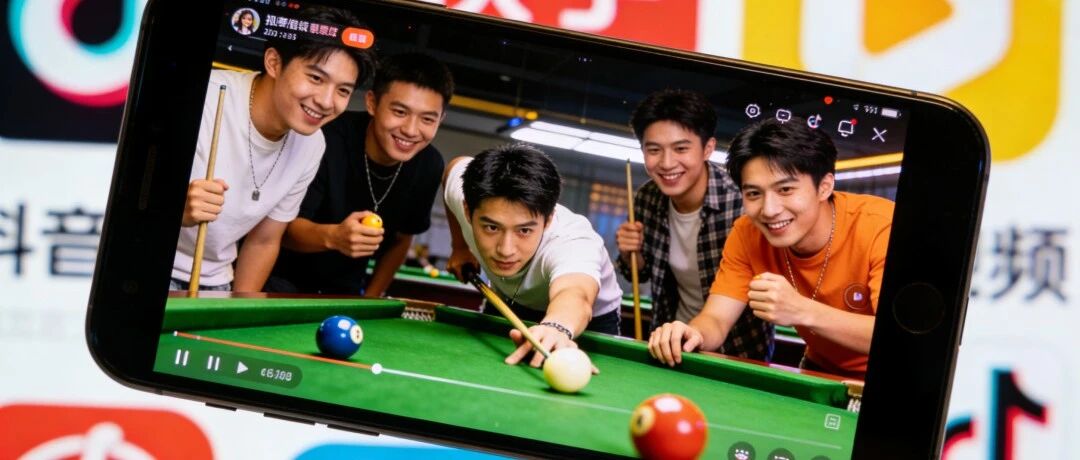
Core Viewpoint - The article discusses the resurgence of billiards in China, highlighting its transformation from a stigmatized traditional entertainment to a modern, clean, and intelligent leisure activity that appeals to over 200 million young consumers [4][10]. Group 1: Decline of Traditional Billiard Halls - Traditional billiard halls have declined due to social stigma associated with their environments, often linked to negative stereotypes and unhealthy atmospheres [5][7]. - The competitive nature of traditional billiard halls fails to meet the diverse social needs of contemporary consumers, who prefer light-hearted social interactions over serious competition [8]. - High operational costs and outdated business models have led to inefficiencies, with traditional halls struggling to maintain profitability as rental and labor costs rise [9]. Group 2: Drivers of Resurgence - The "lipstick effect" during economic uncertainty has led to increased demand for affordable leisure activities like billiards, which provide immediate gratification at low costs [12][14]. - The success of professional athletes, such as Zhao Xintong winning the World Snooker Championship, has created a demonstration effect that drives interest and participation in billiards [15]. - Short video platforms like Douyin and Kuaishou have played a crucial role in popularizing billiards, making the sport more accessible and entertaining through creative content [16]. - New supply models, such as self-service billiard halls, have improved operational efficiency and consumer experience, making billiards a more convenient choice for leisure [18][19]. - The branding and professionalization of new billiard venues have enhanced consumer perceptions, positioning billiards as a trendy and healthy social activity [20]. Group 3: Case Studies of New Billiard Models - "Xiao Tie" represents a convenience store model with high standardization and low operational costs, rapidly expanding to over 7,000 locations [21]. - "Tan Xiao Yu" focuses on creating a community café atmosphere, enhancing user experience and encouraging longer visits [23]. - Brands like "Sasha" and "KK" emphasize professionalism and high-quality service, targeting consumers willing to pay a premium for a superior experience [24][25]. Group 4: Challenges Ahead - The cyclical nature of entertainment consumption poses a risk for billiards to maintain its popularity and avoid becoming a fleeting trend [30]. - The relationship with commercial real estate is critical; as foot traffic declines, billiard venues must prove their value beyond just attracting customers [32]. - A shortage of skilled professionals in the industry could hinder growth, necessitating partnerships with educational institutions for talent development [33]. Conclusion - The revival of billiards in China exemplifies a broader trend of reimagining traditional industries through user-centric approaches, operational restructuring, and innovative marketing strategies, aiming to provide affordable joy and meaningful connections for the younger generation [34].
超5万人下单的蛋挞背后,盒马、沃尔玛们盯上清洁标签
新消费智库· 2025-12-17 13:03
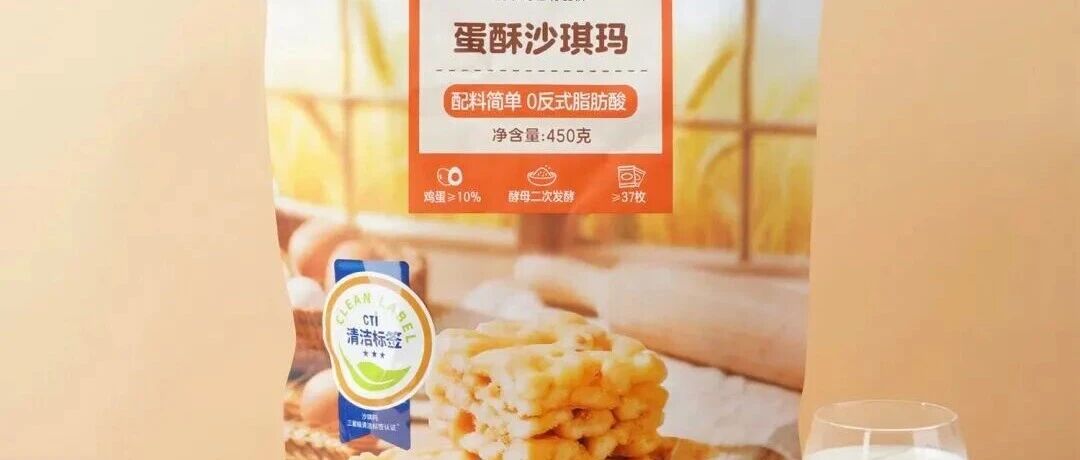
Core Viewpoint - The article discusses the rising trend of clean label products in the food and beverage industry, highlighting consumer demand for transparency in ingredient lists and the proactive steps taken by brands and retailers to meet this demand [3][10][12]. Group 1: Clean Label Trend - Clean label products are gaining traction, with retailers like Hema and Walmart launching their own clean label certified products [4][14]. - Hema's first clean label egg tart received over 50,000 orders, indicating strong consumer interest [8][16]. - Brands such as Yili's "Yizhi Niu" have obtained clean label certifications, addressing consumer concerns about meat safety and quality [9][35]. Group 2: Consumer Insights - A report by Ipsos and Xiaohongshu reveals that keywords like "clean ingredient list" and "clean label" are trending among consumers, who prioritize fresh, additive-free ingredients [10][12]. - Innova's report indicates that nearly three-quarters of consumers reconsider their purchases based on ingredient lists, preferring simple and recognizable components [12]. Group 3: Industry Standards and Certifications - The industry has seen the establishment of multiple clean label group standards, including those from the China Standardization Association and the China Food Industry Association [9][18]. - As of November, the clean label certification has been implemented in various product categories, including dairy, meat, and condiments [28][34]. Group 4: Retailer Initiatives - Retailers like Dingdong Maicai and Tmall Supermarket have created "clean ingredient" sections, showcasing products with transparent ingredient lists [20][22]. - Walmart's self-owned brand "Wojixian" emphasizes simple ingredients and freshness, aligning with the clean label trend [16][18]. Group 5: Brand Responses - Brands are actively seeking clean label certifications to enhance their market appeal, with many already benefiting from early adoption [26][27]. - The clean label trend is seen as an opportunity for innovation, particularly for mid-to-high-end products, as it aligns with consumer preferences for healthier options [51][52].



李宁全球首家龙店开业,正式发布全新荣耀金标产品系列
新消费智库· 2025-12-15 15:49
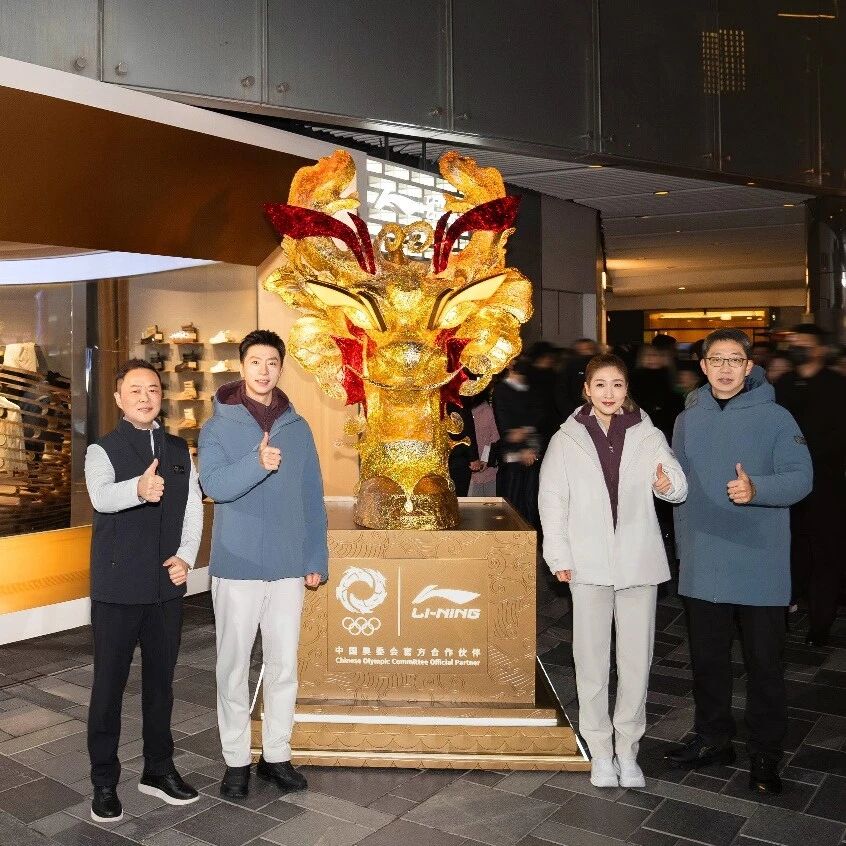
Core Viewpoint - Li Ning brand has launched its first "Loong Store" in Beijing, themed "Dragon Glory Begins," showcasing a new product line called "Honor Gold Mark" that integrates sports spirit with daily life [1][3][6]. Group 1: Loong Store Concept - The Loong Store is designed to embody product experience, emotional resonance, and cultural exchange, named after the dragon, a symbol of Chinese heritage [3][6]. - The store aims to create a space for consumers to experience the fusion of Chinese cultural confidence, sports spirit, and professional sports technology [6][17]. Group 2: Honor Gold Mark Product Series - The Honor Gold Mark series emphasizes sports spirit and offers high-quality, multifunctional apparel suitable for various daily scenarios, including commuting and business [7][12]. - The design of the Honor Gold Mark products draws inspiration from the architectural beauty of the Beijing National Speed Skating Oval, featuring minimalist structures and high-performance materials [8][12]. - The product line includes shoes that reflect the perseverance of athletes, with color schemes symbolizing the journey of hard work and the glory achieved [12][14]. Group 3: Collaboration and Market Strategy - The collaboration with the Chinese Olympic Committee marks a significant branding effort, integrating the Olympic emblem with Li Ning's logo in the Honor Gold Mark series [10][11]. - The launch of the Loong Store and the Honor Gold Mark series is expected to create a synergistic effect, enhancing Li Ning's retail channel and expanding its consumer base across various sports categories [17].

香薰、盲盒与古法金:观夏、泡泡玛特、老铺黄金的"千亿情绪生意",是怎样炼成的?
新消费智库· 2025-12-15 15:49
Core Insights - The article discusses a significant shift in consumer behavior in China, moving from "tool-based consumption" to "toy-based consumption," where products are valued for their emotional and aesthetic significance rather than just functionality [2][4]. Group 1: Changes in Consumer Behavior - Consumers are increasingly willing to pay for products that offer emotional value, stories, and unique experiences rather than just functionality [4]. - The competition among brands has shifted from price and functionality to the lifestyle and values represented by the products [4][5]. Group 2: Psychological Drivers - Two major psychological drivers are identified: the pursuit of "instant gratification" and the feeling of "atomized existence" in urban life, leading to a desire for emotional connection through consumption [5][6]. - The fast-paced nature of modern life has reduced consumers' patience, making them favor products that provide immediate emotional satisfaction [6][8]. Group 3: Emotional Value Layers - The article outlines three layers of emotional value in consumption: 1. **"Little Happiness"**: Consumers pay for small, certain pleasures that provide immediate emotional relief [10][11]. 2. **Identity Construction**: Consumption becomes a means for individuals to define themselves and find belonging in a fragmented society [14][16]. 3. **Co-creation and Participation**: Consumers seek to engage in the creation of products and brand narratives, valuing their input and influence [25][30]. Group 4: Case Studies - **Case Study 1: Guansha**: This brand creates a "New Orientalism" aesthetic, allowing consumers to express cultural identity and taste through its products [17][18]. - **Case Study 2: Luckin Coffee**: The brand leverages limited edition collaborations to create social currency, allowing consumers to feel part of a trendy community [21][22]. Group 5: Strategies for Brands - Brands are encouraged to create "instant joy" through appealing designs, storytelling, and user empowerment [32]. - Engaging consumers as active participants in the brand narrative is essential for building loyalty and emotional connection [39][30].

一周新消费NO.339|盐津铺子旗下大魔王官宣王一博为全球代言人;Prada官宣杨幂成为品牌代言人
新消费智库· 2025-12-14 13:03
New Product Launches - Rabit and Thermos have launched a limited edition thermos cup, claiming high aesthetic value and long-lasting insulation [4][7] - Nestlé and 7-ELEVEN have introduced a new collaboration featuring wafer chocolate crisps and chocolate-flavored sauce, suitable for baking and desserts [4][7] - Peet's Coffee has partnered with SALOMON to release new products including black chocolate mocha and hot cocoa, using single-origin 56% dark chocolate [4][7] - Mondelēz has launched Oreo Zero Sugar in the US, utilizing a new sweetener blend to maintain the classic flavor [4][10] - Starbucks China has unveiled a Harry Potter-themed winter celebration series, offering three new drinks with exclusive merchandise [4][10] - Jollybaby has introduced a sound effect boxing puppet designed for hand-eye coordination training [4][10] - Balabala has launched a black label goose down product, emphasizing high cleanliness and safety standards [4][12] - Guozi Shule has released two new fruit tea beverages, both with zero sugar, fat, and calories [4][14] Industry Events - PepsiCo announced a series of business adjustments, including cost-cutting measures and a reduction of product varieties in the US market by nearly 20% [15][16] - BabyTree has upgraded its brand strategy to become an AI-driven platform for maternal and child care [15][16] - Douyin has become the official content platform for the CBA, set to live stream selected matches starting December 12 [15][16] - Huijie Co. has decided to cease operations of its North American sub-brand under stance due to tariff policy uncertainties [15][16] - The Pulse Rebirth Rest Station has been established in Shenzhen, constructed from approximately 6,000 Pulse bottles and over 90,000 caps to promote environmental sustainability [15][17] Investment Trends - Curative, a US healthcare company, completed a $150 million Series B funding round led by TED chairman Chris Anderson's fund [22][23] - Tetra Pak has acquired Bioreactors.net, a company specializing in bioreactor systems for new food sectors [22][23] - Ripple Foods, a US plant-based beverage brand, raised $17 million to support product line expansion [22][24] - Luming Robotics secured several hundred million RMB in Pre-A funding to enhance its embodied intelligence technology [22][24] - Changyao Innovation announced a successful A-round financing of several tens of millions RMB [22][24] Food Industry Developments - War Horse has launched a revamped energy drink series, including six new sugar-free fruit-flavored options [27] - Milbio introduced a bread premix powder made from high-quality fibers and sprouted grains [27] - Salted Fish has appointed Wang Yibo as the global ambassador for its brand "Big Demon King" to enhance market visibility [27] - JD's Seven Fresh Coffee has opened a new store in Beijing, marking a strategic partnership with a hotel group [27] Beauty Industry Updates - MUSINSA's self-owned brand Musinsa Standard will open its first store in China on December 14 [32] - GANNI and Barbour have launched their fourth collaborative collection, focusing on contemporary and feminine designs [32] - JD's AI plush toys sold out quickly upon launch, emphasizing the trend towards interactive, non-screen-based toys for children [32] - French luxury leather brand Polène has opened its first flagship store in China, located in Beijing [35][36]
从一整根到好自在:中式养生水如何破局?
新消费智库· 2025-12-12 03:42
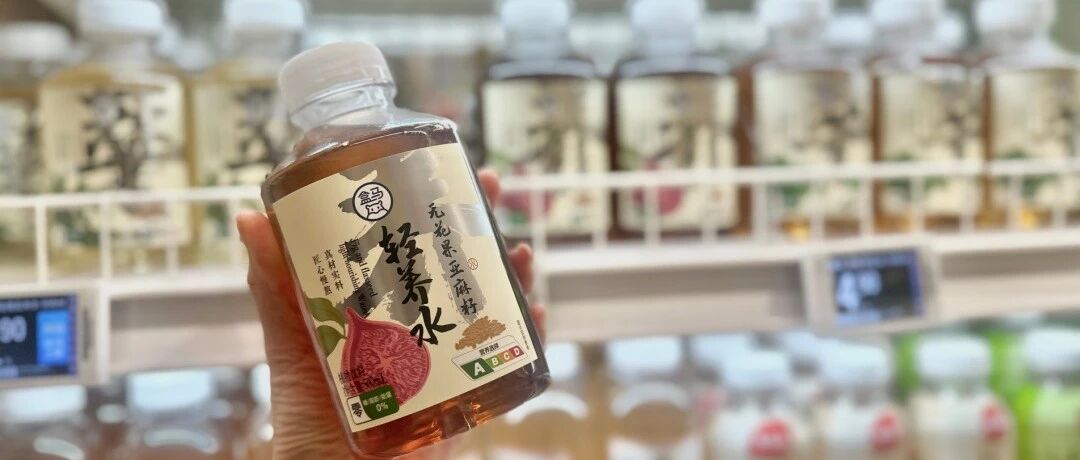
Core Viewpoint - The article discusses the strategic challenges faced by brands in the "Chinese health water" market, emphasizing the importance of clearly defining whether the product is perceived as "water" or "medicine" to avoid consumer confusion and market pitfalls [7][9][50]. Group 1: Market Dynamics - The "Chinese health water" market has gained significant attention, with various brands attempting to enter the space, driven by the perception of a large market and high profit margins [5][6]. - Brands like "Yizheng" have successfully utilized visual cues, such as showcasing whole ginseng roots, to create a perception of effectiveness among consumers [13][15]. - However, positioning products as "medicinal" can lead to low-frequency consumption, as consumers may only seek these products in specific situations, such as after staying up late [18][20]. Group 2: Strategic Traps - Brands that emphasize efficacy risk being categorized as "medicine," which limits their potential for daily consumption [20][26]. - Conversely, brands that downplay efficacy to compete in the beverage market face fierce competition from established players like Coca-Cola and other soft drinks [23][24]. - The article identifies two main traps: leaning too heavily towards "medicine" leads to low-frequency use, while leaning towards "beverage" results in competition in a saturated market [26]. Group 3: Successful Strategies - "Good Comfort" has adopted a unique approach by focusing on a specific problem—dampness—rather than strictly defining itself as "water" or "medicine," thus appealing to consumer needs in a more relatable way [31][40]. - The article suggests that brands should not only sell "functionality" but also "functional scenarios," addressing consumer needs in specific contexts [33][51]. - The ultimate breakthrough for health water brands lies in integrating into high-frequency consumer habits, such as replacing coffee or afternoon tea, rather than creating a new "health moment" [42][52]. Group 4: Recommendations for Founders - Brands must avoid ambiguity in positioning, clearly defining themselves as either low-frequency "medicine" or high-frequency "beverage" [50]. - Understanding that consumers purchase based on situational needs rather than abstract health concepts is crucial for market success [51]. - Focusing on replacing existing habits, such as coffee or tea, is more effective than attempting to create new health-related consumption moments [52][53].
15元 vs 50亿:一瓶“小酒”如何撬动3000亿养生革命
新消费智库· 2025-12-10 14:01
Core Insights - The article highlights the rapid growth of the health wine market, particularly among younger consumers, with a projected market size increase from 58 billion yuan in 2024 to 300 billion yuan by 2030, driven by a shift in consumer preferences towards self-care and wellness [2][7][31]. Group 1: Market Performance - A specific product, the 125ml red label health wine, achieved sales exceeding 5 billion yuan in the first half of 2025, marking a year-on-year growth of over 50% [2][7]. - The health wine market saw a significant sales increase of 75.8% year-on-year and a volume growth of 33.2% from January to August 2025 [7]. Group 2: Consumer Demographics - The traditional health wine market, previously dominated by older male consumers, is experiencing a structural shift as younger demographics, particularly those aged 18-35, increasingly prefer health wines over traditional spirits [8][10]. - Approximately 35% of young consumers prefer health wines in social settings, reflecting a broader change in consumption attitudes driven by health concerns and lifestyle pressures [10]. Group 3: Cultural and Psychological Factors - The concept of "light wellness" is emerging among younger consumers, providing a low-cost, immediate feedback mechanism for health management amidst high societal pressures [10][14]. - The "food and medicine are of the same origin" philosophy is gaining traction among young consumers, facilitating the acceptance of health wines as a modern, enjoyable choice rather than a medicinal product [13][14]. Group 4: Female Consumer Influence - Female consumers are becoming a significant growth driver in the health wine market, with a notable increase in products targeting beauty and health benefits [16]. - A specific brand reported adding approximately 9 million young users in the past two years, with 4 million being female, indicating a strong emotional connection and value recognition among women [16]. Group 5: Product Innovations - The health wine market is undergoing five key transformations, including a shift from traditional gifting to personal consumption, a change in consumer mindset from social currency to self-satisfaction, and a move towards smaller, more portable product formats [18][19]. - Innovations include lower alcohol content to reduce psychological barriers for young consumers, with examples like the 26-degree "Gu 20" health wine attracting a younger audience [21][22]. Group 6: Marketing Strategies - Brands are adopting emotional marketing strategies, utilizing collaborations with popular culture (e.g., music festivals) to create a relaxed and enjoyable image for health wines [28][29]. - The focus is on creating a cultural identity around health wines, positioning them as lifestyle products rather than merely functional beverages [28][29]. Group 7: Future Trends - The health wine industry is expected to evolve towards a more scientific approach, emphasizing verifiable health benefits and ingredient transparency [31][32]. - There is potential for further segmentation of the consumer base, leading to customized products tailored to specific lifestyle needs and preferences [33].

0糖0脂后,下一个健康食品风口是低GI?
新消费智库· 2025-12-08 13:04
Core Viewpoint - The article discusses the rapid growth of the low Glycemic Index (GI) food market in China, driven by increasing health awareness among urban consumers and the introduction of various low GI products by established and new brands [4][22]. Group 1: Market Trends - The low GI food market in China reached a scale of 176.2 billion yuan in 2024, with an annual growth rate exceeding 10% [22]. - The search popularity for low GI food and beverages increased by 56% year-on-year, indicating a significant rise in consumer interest [6]. - The low GI food category is expanding beyond traditional baked goods to include staple foods, snacks, and beverages, reflecting a diversification of consumer choices [12]. Group 2: Consumer Behavior - Urban consumers are increasingly shifting towards low GI foods as part of a healthier lifestyle, with a notable rise in the consumption of these products among not just diabetics but also fitness enthusiasts and health-conscious individuals [12][22]. - The popularity of low GI foods is supported by social media, with the 低GI topic on Douyin receiving over 360 million views, and related content on Xiaohongshu exceeding 10 million views [6][8]. Group 3: Brand Innovations - Traditional food brands like Junlebao, Kangshifu, and Wangwang are reformulating their high GI products to include low GI alternatives, utilizing ingredients like chickpeas and barley [10][12]. - New players in the market, such as Masisala, are leveraging their expertise in specialized medical foods to gain consumer trust and expand their product offerings [14][16]. - Retailers like Hema and Dingdong are not only selling low GI products but are also actively involved in the supply chain, promoting the development of these products [17][19]. Group 4: Policy Influence - The Chinese government's "Healthy China 2030" strategy promotes low GI diets, encouraging companies to develop low sugar or sugar-free products and to label them with low GI certifications [12][22]. - Recent guidelines from the National Health Commission have further emphasized the importance of low GI diets in managing weight and preventing obesity [12].
一周新消费NO.338|旺旺莎娃推出辣椒酒;奈雪10周年高圆圆成品牌代言人
新消费智库· 2025-12-07 13:03
New Products - Let Tea launched "Guava Oil Kumquat Jasmine Tea" across all channels, featuring a health-focused formula with 0 sugar and 0 calories, using high-altitude tea and a unique flavor profile [4][5] - Yuanqi Forest introduced a new juice product, "Full Score! 100 Vitamin Juice," which has 25% less sugar compared to ripe fruits and is rich in various vitamins [5] - Hershey's released a limited edition Dubai-style chocolate bar, with only 10,000 units available [5] - Chacha launched a seasonal limited "Warm Ginger Tea Flavor Sunflower Seeds," emphasizing a crispy texture and convenient packaging [5] - Wangwang's brand Shawa introduced a chili-flavored liquor with an alcohol content of 26% [5] Industry Events - Cargill announced a price increase for 148 products in Japan, affecting various beverages and frozen vegetable products starting February 1, 2026 [13] - The largest Pop Mart store in Shanghai opened in Nanjing East Road, marking a significant retail expansion [13] - Prada's acquisition of Versace is set to finalize on December 2, 2023, making Versace a wholly-owned subsidiary of Prada [15] - Feihe announced the launch of new products at its 2025 partner conference, highlighting its first milk powder raw material traceability capability [15] - Dior introduced a women's fashion scholarship to address the industry's demand for creative talent [15] Investment Trends - Wuwen Xinqiong completed a 500 million RMB A+ round of financing, with investors including Junlian Capital and Lenovo Ventures [21] - Yingzhifang received a multi-million strategic investment from Huaxin Capital, aiming for an international market entry within five years [21] - FrieslandCampina announced the acquisition of Wisconsin Whey Protein Company, enhancing its protein and probiotic supply capabilities [21] - Function Health secured 298 million USD in B round financing, with participation from several prominent venture capital firms [21] - Qido Smart completed multiple rounds of financing totaling several million, focusing on AI children's exploration products [21] Food Industry Developments - Heytea launched a new product, "Bitter Matcha," available in two flavors, combining fresh ingredients with chilled milk [28] - PepsiCo inaugurated a new food factory in Vietnam with an investment of approximately 90 million USD, aiming for an annual output of over 25,000 tons of snacks [28] - Haeha launched a winter limited product, "Hawaiian Macadamia Butter Cookie Milk," featuring high-quality milk and macadamia [28] - Luckin Coffee introduced two new products, "Samba Deep Roasted Latte" and "Samba Deep Roasted Americano," using 100% Arabica coffee beans [28] - Huangshanghuang opened its first hot marinated food store in Nanchang, offering various meal sets at competitive prices [30] Retail Expansion - Babbi Xiaolongbao opened its first store in South China, achieving a record sales of 18,000 RMB on its opening day [33] - Xiangpiaopiao launched its first offline milk tea store in Hangzhou, featuring a menu focused on fresh leaf tea [33] - The first "Li Ning Outdoor" store opened in Beijing, showcasing a full range of outdoor products [34] - Toys "R" Us launched its first "Trendy Flagship Store" in Shanghai, targeting the adult trendy toy market [38] - Chanel unveiled its first public library in Shanghai, dedicated to contemporary art [40]