新消费智库

Search documents
11.5元买一瓶“水”?不,是胖东来在卖的透明可乐
新消费智库· 2025-12-05 13:03
Core Viewpoint - The article discusses the recent trend of transparent beverages, particularly focusing on the launch of a transparent cola by Pepsi in Thailand, which has sparked consumer interest despite its higher price point compared to traditional cola products [5][10][33]. Group 1: Product Launch and Consumer Reaction - A transparent cola priced at 11.5 yuan for 550ml has gained attention on social media, with consumers intrigued by its unique appearance and taste, which is reported to be similar to regular sugar-free cola [5][10]. - The marketing campaign for Pepsi Clear emphasizes the concept of "clarity," aiming to convey a sense of freshness and purity through its advertising [11][12][15]. Group 2: Historical Context of Transparent Cola - The history of transparent cola dates back to World War II, with a notable early version being Crystal Pepsi launched in 1992, which aimed to cater to health-conscious consumers by removing caramel coloring [19][20]. - Despite initial sales success, Crystal Pepsi ultimately failed due to consumer dissatisfaction with its taste and the competitive response from Coca-Cola, which launched Tab Clear as a strategic counter [22][24][27]. Group 3: Market Trends and Innovations - The rise of transparent beverages reflects a broader consumer preference for products that appear lighter and less processed, aligning with health trends and the desire for "clean" labels [50][52]. - Other companies, including Suntory and Coca-Cola, have also introduced various transparent products, indicating a growing trend in the beverage industry towards innovation in product appearance and formulation [36][38][39].



台州鸟都嫌贵,年轻人爱上一百块的始祖马
新消费智库· 2025-12-03 13:05
Core Insights - The article discusses the rise of parody brands and their appeal among young consumers, particularly in the context of established luxury brands like Arc'teryx and Ralph Lauren [3][14][25]. Group 1: Brand Imitation and Consumer Behavior - The emergence of parody brands, such as "始祖马" (Ancestor Horse), reflects a trend where consumers engage with fashion in a humorous and ironic manner, often as a critique of blind consumerism [6][12]. - Young consumers are increasingly drawn to these parody products, which offer a sense of individuality and a break from traditional luxury branding [12][31]. - The popularity of these parody items is partly driven by their lower price points compared to original luxury brands, appealing to cost-sensitive consumers [28][30]. Group 2: Market Performance of Luxury Brands - Ralph Lauren reported a 17% year-over-year increase in net income, reaching $2 billion, with a notable 30% sales growth in the Chinese market [26]. - Arc'teryx's parent company, Amer Sports, saw a 30% revenue increase to $1.756 billion, with a 47% growth in the Greater China region [26][27]. - The financial success of these brands highlights the ongoing demand for high-quality products, even as parody brands gain traction [26][27]. Group 3: Consumer Trends and Preferences - The article notes a shift in consumer preferences, with younger generations prioritizing personalized expression and cultural identity over traditional brand loyalty [31][32]. - Emotional consumption is becoming a significant trend, where consumers are motivated by personal satisfaction and curiosity rather than mere brand prestige [32][33]. - The economic environment has led to a bifurcation in the market, with one segment focusing on high-quality, premium brands and another catering to price-sensitive consumers seeking value [30][31]. Group 4: Intellectual Property Concerns - The rise of parody brands raises potential intellectual property issues, as these products often mimic established brands without authorization [14][34]. - Legal actions have been taken by brands like Ralph Lauren against imitators, indicating the ongoing tension between parody and trademark infringement [38][41].


跳出「红牛式」配方,一款从绿茶中提取咖啡因的能量饮料,在美国7-Eleven卖爆了
新消费智库· 2025-12-01 13:04
Core Viewpoint - Phorm Energy, an energy drink that excludes taurine, has achieved record sales in the US 7-Eleven stores within two months of its launch, indicating a shift in consumer preferences towards natural ingredients in energy drinks [3][5]. Product Innovation - Phorm Energy is developed by Anheuser-Busch in collaboration with 1st Phorm International, and it aims to redefine energy drinks by removing taurine and using natural caffeine sourced solely from green tea extract [5][6]. - The drink contains 200mg of natural caffeine per 16 ounces, which is higher than many leading brands that include taurine [11][14]. - Phorm Energy also incorporates electrolytes, combining the functions of energy drinks and electrolyte beverages, which is uncommon in the market [16][17]. Market Dynamics - The energy drink market is dominated by traditional brands like Red Bull and Monster, which hold a combined market share of 91.7% as of 2024 [24][8]. - Phorm Energy's entry into the market, backed by a major beverage company, highlights a trend towards healthier, more natural formulations in energy drinks [22][36]. Competitive Landscape - Previous attempts to create energy drinks without taurine, such as Rowdy Energy, faced challenges despite initial success, indicating the difficulty of competing against established brands [30][33]. - Phorm Energy's unique selling proposition of using only green tea extract for caffeine positions it as a potential disruptor in a market that has traditionally relied on synthetic ingredients [22][36]. Consumer Trends - There is a growing consumer demand for healthier and more natural ingredients in energy drinks, as evidenced by the success of Phorm Energy and the increasing popularity of green tea extract as a caffeine source [29][36]. - The shift towards natural ingredients reflects broader health trends among consumers, who are increasingly concerned about the quality and source of their food and beverages [36][30].


一周新消费NO.337|LEGO乐高推出10366 热带水族箱;吴艳妮推出个人首饰品牌Née Hurdles
新消费智库· 2025-11-30 13:03
Core Insights - The article highlights the latest trends and product launches in the new consumption sector, showcasing innovations across various brands and categories [2][13]. Product Launches - Balabala has introduced a new line of children's shoes designed for three growth stages: pre-walking (0-9 months), walking (6-20 months), and steady walking (21-48 months), focusing on foot protection and precise fitting [6]. - Let Tea launched a new product, "Cherry Pomegranate Jasmine Tea," emphasizing health, aesthetics, and emotional value, aiming to become a benchmark for sugar-free fruit teas [6]. - Hema has released "Yellow Skin Lemon Tea," made with Guangdong's seedless yellow skin fruit, combining it with various lemon juices for a sweet and sour taste [6]. - LEGO introduced the 10366 Tropical Aquarium set, featuring vibrant colors and a playful design [6]. - Yang Zhanggui has launched "Noodle and Vegetable Egg PLUS," available in three flavors, with a large portion size of 130g [9]. - Wei Dongli has introduced "Probiotic Mineral Sparkling Water," enriched with vitamins and minerals, suitable for various consumption scenarios [9]. - Li Mountain Goat has launched two specialized food products targeting high-pressure professionals and weight management needs [9]. - The collaboration between Si Nian Foods and My Little Pony has resulted in "My Little Pony Magic Dumplings," featuring three flavors and a unique 3D design [12]. - Wang Wang has introduced a "Low GI Yogurt" for seniors, containing 2.6 billion probiotics and high dietary fiber [12]. - BODORME has launched a children's makeup line, featuring a whimsical design and plant-based moisturizing ingredients [12]. Industry Events - Pampers has launched a new ultra-small diaper specifically designed for premature infants weighing less than 500 grams, set to be available in select hospitals by 2025 [14]. - OATLY has introduced a ready-to-drink iced coffee series, including flavors like Iced Latte and Iced Caramel Macchiato, made with Arabica coffee and oat base [14]. - Fat Dong Lai has established a new trading company with a registered capital of 1 billion RMB, focusing on various retail and entertainment activities [14]. - Kiri has invited a Michelin pastry chef to collaborate on high-end dessert offerings in China [14]. - Huawei's AI emotional companion toy has sold out shortly after its launch, indicating strong consumer interest [14]. - The collaboration between Chou Bao and Zootopia 2 has resulted in a new product series, including themed snacks and merchandise [14]. - Tasting has reopened its pizza business in China, indicating a strategic shift back to its original offerings [14]. - The company Fu Gui Niao has been officially dissolved, marking the end of its operations in the footwear industry [18]. Investment Trends - Elon Musk's xAI has completed a strategic financing round of $15 billion, focusing on AI applications in scientific research [21]. - American company Lumia, specializing in health-monitoring wearables, has secured an additional $7 million in funding [21]. - Aplós, a non-alcoholic spirits brand, has raised $5 million (approximately 35.53 million RMB) to expand production and retail channels [23]. - Zhuo Yu Technology has received a strategic investment of 3.6 billion RMB from China FAW Group [23]. - "Laimu Technology," a robotic lawn care company, has completed a multi-million A+ round of financing [24]. - Perelel, a women's health supplement brand, has raised $27 million (approximately 192 million RMB) in strategic growth financing [25]. - Star Motion Era, a Tsinghua University incubated company, has completed a 1 billion RMB A+ round of financing [25]. - Hyper Shell, a consumer-grade exoskeleton brand, has raised a total of $70 million in Pre-B and B rounds [25]. - Danish biotech company Chromologics has completed a €7 million (approximately 57.22 million RMB) financing round [27]. - Ling Universe has secured 200 million RMB in Pre-A round financing, focusing on companion robots for home use [27]. Food Industry Developments - Haotemai has entered the coffee market, offering various freshly brewed coffee products in select stores [28]. - Starbucks in Shenzhen has launched a new breakfast series across over 300 locations, featuring cost-effective meal options [31]. - Tyson Foods announced the closure of a major beef plant in Nebraska, affecting approximately 3,200 employees [31]. - The upgraded egg tofu from Xinqi has been launched in Sam's Club, featuring improved ingredients and packaging [33]. - Pepsi has announced a limited online release of its probiotic cola for Black Friday, with plans for a full launch next year [36]. - Blue Bottle Coffee has opened its first store in Hangzhou, offering exclusive products and a unique design inspired by traditional Jiangnan architecture [37].
从“中老年专属”到覆盖3.5亿潜在用户,「新一代鱼油」如何引领40%年复合增长的250亿内服市场?
新消费智库· 2025-11-28 13:04
Core Viewpoint - The article discusses the evolving landscape of health food products, particularly focusing on dietary supplements like fish oil, highlighting their growing importance in the context of an aging population and increased health awareness among consumers [2][10][13]. Group 1: Characteristics of Health Food Products - Health food products, including dietary supplements, are often complex and exist in a gray area between food and medicine, leading to consumer confusion and potential exploitation [2]. - These products are generally driven by raw material research and innovation, with a focus on specific ingredients such as traditional Chinese medicinal foods and vitamins [3]. - The typical forms of these products include tablets, capsules, and liquid forms, with varying compositions of single or mixed ingredients [9]. Group 2: Focus on Fish Oil - Fish oil is identified as a significant category within health food products, experiencing a resurgence due to its perceived health benefits, particularly for eye health and among pet owners [10][11]. - The fish oil market is influenced by the upcoming IPO of leading brands like Shandong Yuwang Technology, which signals market maturity and potential consolidation opportunities [11]. - Social media marketing strategies, exemplified by brands like WHC, are reshaping consumer engagement and expanding market reach [12]. Group 3: Market Trends and Consumer Behavior - The COVID-19 pandemic has heightened health awareness, leading to a surge in demand for health products, including fish oil, as consumers shift from treatment-focused to prevention-oriented health practices [19][20]. - The aging population in China is driving demand for products that support chronic disease management, particularly cardiovascular health, where fish oil is recognized for its Omega-3 content [23]. - New consumer segments, particularly high-income individuals, are emerging, seeking premium health products that align with their health-conscious lifestyles [31]. Group 4: Challenges and Opportunities - The health food industry faces a trust crisis, with consumers struggling to verify the authenticity of health claims and certifications [29]. - Overemphasis on product efficacy without substantiated evidence contributes to skepticism among consumers, necessitating a shift towards more transparent and factual marketing approaches [30]. - The industry is witnessing a rise in scientifically literate consumers who demand higher quality and more innovative health products, pushing brands to differentiate beyond mere purity claims [31][34]. Group 5: Future Directions - There is a need for brands to innovate by creating products that cater to specific consumer scenarios, such as gifting or targeting niche demographics like children and elderly men [37]. - The focus should shift from selling raw materials to offering comprehensive solutions that include knowledge and services related to health management [40]. - Building trust through effective visual branding and transparent communication is essential for consumer engagement in the health food sector [34].

单品30天爆卖1亿,抖音冲出了匹保健品黑马
新消费智库· 2025-11-26 13:04
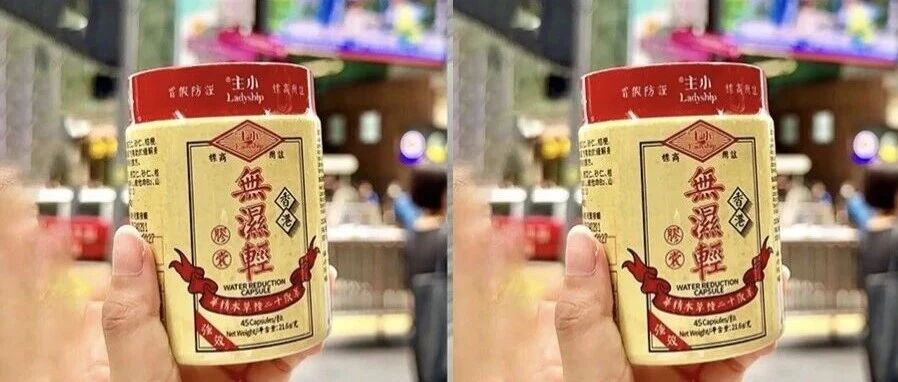
Core Insights - The article discusses the rise of a new health supplement brand "Xiao Zhu" that has gained significant popularity on Douyin, achieving over 100 million yuan in sales within a month, and ranking in the top three of Douyin's health product brands [4][23]. Group 1: Product Performance - "Xiao Zhu Wu Shi Qing" has seen a dramatic increase in sales since March, with daily sales peaking at over 10 million yuan [10]. - In the last 30 days, the sales revenue of "Xiao Zhu Wu Shi Qing" on Douyin exceeded 100 million yuan, making it a top-selling product on the platform [23]. - The product's unique selling proposition includes a formulation that claims to be equivalent to multiple servings of traditional herbal remedies, appealing to consumers seeking convenience [14][20]. Group 2: Marketing Strategies - The brand has effectively utilized over 700 influencers, including celebrities and niche content creators, to promote "Xiao Zhu Wu Shi Qing," resulting in significant sales and brand awareness [25]. - The marketing strategy includes a combination of continuous brand live streaming and influencer promotions, which has increased user penetration and sales volume [31][41]. - The product targets specific consumer pain points, such as water retention and fatigue, rather than directly claiming to "remove dampness," which helps navigate regulatory restrictions [38]. Group 3: Consumer Demographics - The primary consumers of "Xiao Zhu Wu Shi Qing" are predominantly from new first-tier cities, with a significant portion aged between 31-40 years, and a gender distribution of approximately 40% male to 60% female [28]. - The product has gained traction not only in traditionally humid regions but also in drier areas like Beijing, indicating a broader appeal [31]. Group 4: Industry Trends - The health supplement market on Douyin is experiencing explosive growth, with monthly sales surpassing 300 million yuan and a growing consumer interest in health-related products [33][34]. - The article highlights that many successful health brands have emerged since 2020, leveraging new channels like Douyin to rapidly establish themselves in the market [34]. - The overall online health food market is projected to continue growing, with a forecasted sales increase of 15.2% year-on-year [45].
当盒马开始卖鲜草药:一场“食材革命”背后的养生焦虑与商业博弈
新消费智库· 2025-11-24 13:04
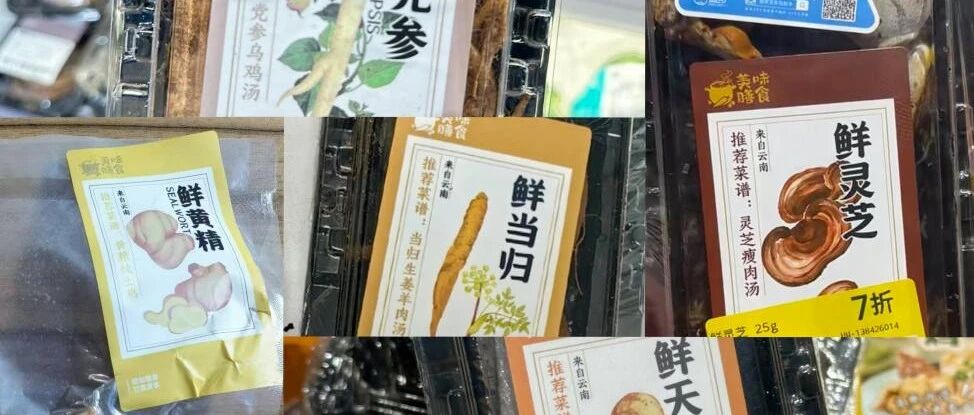
Core Insights - The article discusses the increasing availability of unconventional fresh ingredients in supermarkets, indicating a shift in consumer preferences towards traditional and medicinal foods [2][4] - It highlights the challenges consumers face in utilizing these new ingredients, leading to a disconnect between purchase and practical use [9][13] - The piece emphasizes the need for retailers to provide comprehensive guidance and solutions to facilitate the integration of these ingredients into everyday cooking [21][29] Group 1: Market Trends - The rise of fresh medicinal ingredients like fresh Tianma and Huangjing in supermarkets reflects a growing consumer interest in health and wellness [5][12] - Despite initial excitement, sales data suggests that many consumers are unsure how to incorporate these ingredients into their diets, resulting in limited repeat purchases [9][13] - Retailers are beginning to rationalize their inventory based on actual sales performance, indicating that the novelty of these products may not translate into sustained demand [12][13] Group 2: Consumer Behavior - Consumers are motivated by the perceived health benefits and freshness of these ingredients, which provide a sense of control over their health [16][18] - The emotional appeal of cooking with fresh ingredients is contrasted with the practical challenges of preparation and knowledge [13][18] - There is a growing anxiety among consumers regarding their health, leading them to seek out these products as a form of self-care [18][19] Group 3: Retail Strategies - Retailers are encouraged to shift from merely selling ingredients to offering comprehensive solutions that include recipes and cooking guidance [29][30] - The article suggests bundling ingredients with complementary items and clear cooking instructions to lower the barrier for consumer engagement [24][25] - Establishing community platforms for sharing cooking experiences can enhance consumer education and foster brand loyalty [26] Group 4: Industry Opportunities - The exploration of fresh medicinal ingredients presents a strategic opportunity for brands to differentiate themselves in a saturated market [28][29] - Companies should focus on delivering not just products but also educational content and services that empower consumers to use these ingredients effectively [30][31] - Leveraging the trust associated with physical retail environments can enhance brand credibility and consumer confidence in new products [31]
一周新消费NO.336|「茶颜悦色」进军咖啡市场;于东来卸任胖东来总经理
新消费智库· 2025-11-23 13:04
New Products - 羴牧欧铂佳 launched a new goat milk powder with high OPO content of 4.6g/100g and a dual prebiotic combination (FOS+GOS) [7] - FILA introduced the new "4810 Peak Goose Down" series of down jackets designed for extreme weather conditions [5] - 京东 officially launched its fresh coffee brand "七鲜咖啡" [5] - Kiri released a new product combining French cheese with crispy cookies, available in strawberry and blueberry flavors [10] - 盼盼食品 launched a customized butter layer toast in collaboration with 永辉超市, featuring ≥12% butter and ≥20% fresh milk [12] - 哈根达斯 announced winter new products including various ice cream flavors and desserts [13] - "茶颜悦色" is entering the coffee market with a new sub-brand and a unique coffee menu [18] - 斯凯奇 formed a strategic partnership with 美团闪购 to expand its market presence [18] - 飞鹤's 星飞帆 product won the prestigious Italian A' Design Award [11] - 太平鸟 showcased its "PEACEBIRD Starry Realm" pop-up event in Xi'an [11] - Sony acquired the film rights for the Labubu character, expanding its entertainment portfolio [11] Industry Events - Apple plans to shift its iPhone release strategy to twice a year starting in 2026, marking a significant change in its product launch approach [16] - 名创优品 registered the trademarks MINISO FRIENDS and MINISO LAND, indicating new store formats [18] - 斯凯奇 and 美团闪购's partnership will see over 200 stores in more than 40 cities collaborating [18] - 北京's largest Sam's Club is set to open on November 21 [18] - Babycare's diapers will be available in over 170 Kids Plaza stores in Vietnam [20] - 湖南 opened its first robot 4S store, showcasing various smart robots [20] - 京东外卖 will launch a standalone app, enhancing its delivery service [21] Investment Trends - Cur sor raised $2.3 billion in D round funding with investments from major firms including Google and Nvidia [22] - 欧莱雅 invested in the Chinese skincare brand LAN, indicating a focus on local brands [24] - 运动营养品牌 "迈胜" completed nearly 100 million yuan in A round financing led by 仙乐健康 [25] - 腾迈医药 raised $22 million in A+ round funding from prominent investors [26] - "新叶 NEAVES" secured 30 million yuan in angel round financing for product development [26] - 智能耳环 brand Lumia announced $7 million in funding, bringing total funding to $17.2 million [26] - 沃兰特航空 raised several hundred million yuan in B+ round funding, positioning itself as a leader in the eVTOL sector [27] - SKIMS achieved a valuation of $5 billion after raising $225 million [28] - 婴之坊 received a 10 million yuan investment aimed at facilitating its IPO [28] - 康诺思腾 completed $200 million in D round financing with backing from various venture capital firms [28] Food Industry Developments - 果子熟了 launched a new zero-calorie, zero-caffeine barley tea [29] - 纽仕兰牧场 introduced a high-protein milk product rich in Omega-3 [29] - 沃尔玛 upgraded its private label brand, introducing nearly a thousand new or improved products [29] - 全家 Fami l yMart opened 15 new stores in Yangzhou, marking a significant expansion [29] - 妙可蓝多's cheese product was selected as a featured food for Shanghai tourism in 2025 [30] - 古茗 launched a new slow-cooked series featuring premium ingredients [30] - 飞鹤's 星飞帆 product won the Italian A' Design Award for its design excellence [31] - 王老吉's WALOVI international can was launched in Malaysia, expanding its market reach [31] - 北海牧场 will operate independently from 元气森林, indicating a strategic shift [31] - 海底捞's 小嗨爱炸 brand opened its first pizza store, diversifying its offerings [32] Beauty Industry Movements - Garmin launched two new products in its instinct series, targeting fitness enthusiasts [34] - 太平鸟's pop-up event in Xi'an showcased a blend of art, technology, and fashion [34] - Dr. Martens collaborated with Marc Jacobs to release a new boot design [37] - 泡泡玛特 introduced a new IP, expanding its product line [37] - GARCON BY GARCON opened its first store in Shanghai, emphasizing cultural dialogue through design [37] - Sony acquired the film rights for Labubu, expanding its entertainment portfolio [38] - lululemon unveiled the Canadian national team gear for the 2026 Winter Olympics [38] - Hourglass's founder plans to launch a new makeup brand, focusing on high-performance products [40] - 雅诗兰黛 acquired a minority stake in the Mexican luxury perfume brand Xinú, marking its first investment in Latin America [40] - LV's women's leather goods director Johnny Coca has stepped down after over five years [40]
难喝又不低于5元的中式养生水,能打败4元的冰红茶吗?
新消费智库· 2025-11-21 13:03
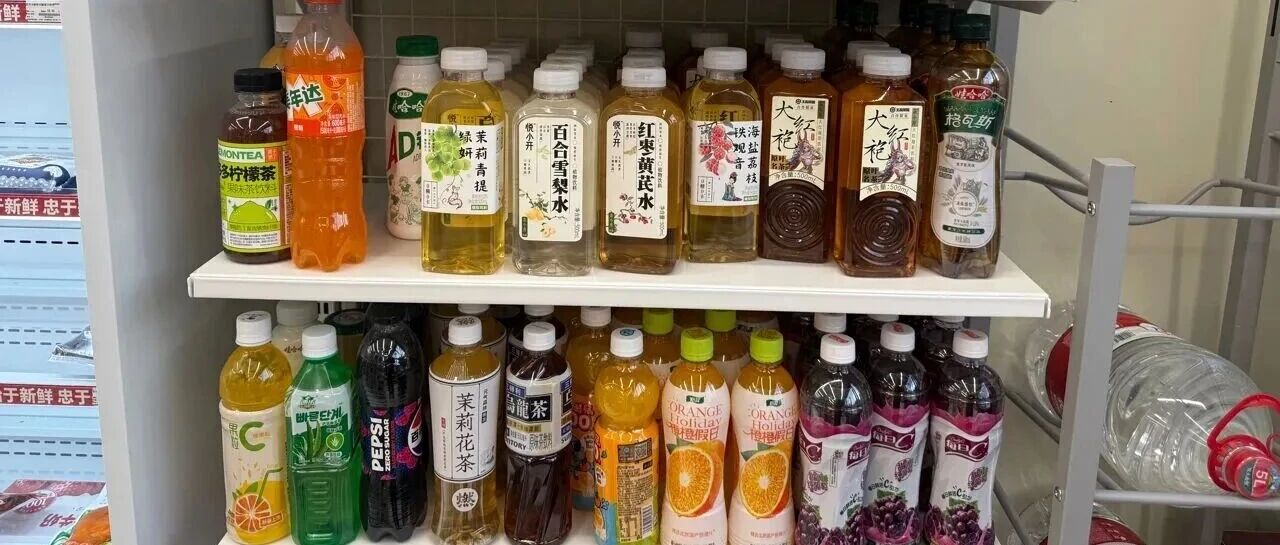
Core Viewpoint - The article discusses the emerging trend of "health water" in the beverage industry, highlighting its popularity among younger consumers and the challenges it faces in terms of taste and pricing [4][6][13]. Group 1: Market Dynamics - Health water has gained traction in retail spaces like CVS and Hema, but remains scarce in traditional stores [4][6]. - The market for health water is characterized by high prices, with no product priced below 5 yuan (500ml), indicating a premium positioning [8][11]. - The introduction of products like "red bean and barley water" by brands such as Yuanqi Forest has helped establish health water as a new category [9][11]. Group 2: Consumer Behavior - The target demographic for health water consists of heavy beverage consumers who are willing to pay a premium for perceived health benefits [16]. - Despite the high price point, consumers show a level of tolerance for the cost, although there are concerns about the taste and overall value proposition [13][16]. - The article notes that health water is often marketed with a focus on clean ingredient lists, but taste remains a significant barrier to repeat purchases [13][20]. Group 3: Industry Challenges - The beverage industry is experiencing a shift where traditional brands are hesitant to enter the health water market, preferring to focus on established categories [15][16]. - The article suggests that health water may be following a path similar to other niche products that struggle to gain traction in mainstream markets [20]. - There is a perception that the health water market is driven by short-term profit motives rather than sustainable growth strategies [11][15].
双11天猫健康爆品涌现,四大新趋势重塑健康消费新逻辑
新消费智库· 2025-11-19 13:52
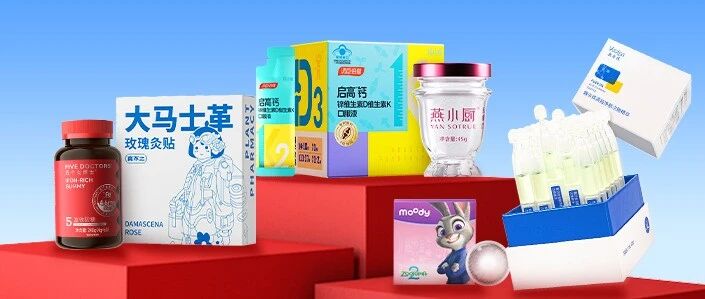
Core Insights - The article discusses the evolving landscape of health consumption during the Double 11 shopping festival, highlighting the integration of health products into daily life and the emergence of new consumption trends [2][3][5]. Group 1: Health Consumption Trends - Trend 1: Health supplements are shifting towards convenience and precision, with products like ready-to-eat bird's nest and collagen peptides becoming popular, reflecting a move from traditional preparation methods to easy consumption [7][8]. - Trend 2: Home health management is becoming more accessible, with smart devices like continuous glucose monitors (CGM) gaining traction, indicating a shift from passive healthcare to proactive management within family settings [10][11]. - Trend 3: Female consumers are increasingly seeking products that address both physical and emotional well-being, leading to a rise in categories like medical sanitary products and sleep aids [11][13]. - Trend 4: Health consumption is expanding from individual needs to family-oriented solutions, emphasizing a collective approach to health across all age groups [15][16]. Group 2: Market Dynamics and Brand Strategies - The article emphasizes that brands are transitioning from selling efficacy to promoting lifestyle recognition, with platforms like Tmall playing a crucial role in this shift [18][22]. - Tmall's health sector is positioned as a primary arena for health-related businesses, providing brands with insights and support to meet evolving consumer demands [17][22]. - Key recommendations for brands entering the health market include focusing on niche pain points, enhancing compliance awareness, leveraging Tmall's ecosystem, and emphasizing emotional health trends [26].