生物世界

Search documents
Nature头条:每天走上几千步,推迟阿尔茨海默病数年
生物世界· 2025-11-04 04:21
Core Insights - A recent study published in Nature Medicine indicates that walking a few thousand steps daily can slow the progression of Alzheimer's disease [4][5] - The research tracked 296 older adults over 14 years, revealing that walking more than 5,000 steps daily may reduce tau protein accumulation and cognitive decline in preclinical Alzheimer's disease [7][8] Group 1: Research Findings - The study involved participants aged 50-90 who showed no cognitive impairment at the start, with regular cognitive tests and brain scans conducted [7] - It was found that walking 3,000-7,500 steps daily benefits participants with higher baseline levels of beta-amyloid protein, slowing cognitive decline by 3 years for those walking 3,000-5,000 steps and by 7 years for those walking 5,000-7,500 steps [8][10] - For participants with lower beta-amyloid levels, the number of steps taken did not significantly impact cognitive ability [8] Group 2: Implications of Findings - The study highlights that increased physical activity, particularly walking, is associated with a reduction in tau protein accumulation, which is more closely linked to cognitive decline than beta-amyloid levels [10] - The research suggests that even modest amounts of daily walking can help mitigate the pathological changes associated with preclinical Alzheimer's disease [10] - The first author emphasizes that while the common goal of 10,000 steps may be challenging for many older adults, even a small amount of exercise appears beneficial [10]


STTT:四川大学何勤/李曼团队开发阿尔茨海默新疗法
生物世界· 2025-11-04 04:21
Core Viewpoint - Alzheimer's disease (AD) is characterized by the accumulation of β-amyloid protein and hyperphosphorylated tau protein, leading to neuronal dysfunction and cognitive decline. Current treatments only alleviate symptoms without altering disease progression, while emerging therapies face significant challenges [2]. Group 1: Current Treatments and Limitations - Approved therapies for Alzheimer's, such as acetylcholinesterase inhibitors and NMDA receptor antagonists, only provide symptomatic relief and do not modify disease progression [2]. - Anti-Aβ monoclonal antibodies can reduce Aβ plaque burden and slow cognitive decline but have limitations, including low blood-brain barrier (BBB) permeability and ineffectiveness against newly generated Aβ [2]. - Emerging anti-tau therapies also face challenges, including off-target toxicity and poor clinical efficacy [2]. Group 2: Recent Research Developments - A study published by researchers from Sichuan University developed a method called Microglia-Liposome Fusion Extrusion (MiLi-FE) to create microglia-derived nanovesicles that can cross the BBB and co-deliver rapamycin and AR7 to treat Alzheimer's disease [3][4]. - The study confirmed that both macroautophagy and chaperone-mediated autophagy are impaired in Alzheimer's disease model mice, which precedes Aβ accumulation and drives disease progression [4]. Group 3: Mechanism and Efficacy of New Approach - The AR@ENV nanovesicles can effectively penetrate the BBB and target inflammatory sites in the brains of Alzheimer's patients, activating both autophagy pathways to enhance the clearance of Aβ and other toxic protein aggregates [5]. - This dual activation restores protein homeostasis and provides significant neuroprotection, improving neuroinflammation and cognitive deficits in two different Alzheimer's mouse models [5]. Group 4: Future Implications - The combination of synchronized dual autophagy activation and targeted biomimetic delivery positions AR@ENV as a promising candidate for Alzheimer's treatment. The MiLi-FE platform offers a flexible and scalable method for delivering various therapeutic agents to the central nervous system, potentially expanding its applicability to a range of neurological diseases [7].

Cell子刊:甘勇/吴锦慧合作开发Zn²⁺-siRNA,增强CD47阻断疗法的抗癌效果
生物世界· 2025-11-04 04:21
Core Viewpoint - The article discusses a novel approach to enhance CD47 blockade therapy for cancer treatment by utilizing biomineralized nanoparticles that facilitate phagocytosis and mitochondrial DNA sensing, leading to improved therapeutic outcomes [2][5]. Group 1: Research Background - Antigen-presenting cells (APCs) mediate the phagocytosis of cancer cells and initiate antigen presentation through sensing mitochondrial DNA (mtDNA), which is a critical mechanism in CD47 blockade therapy [2]. - Current strategies targeting CD47 often lack regulation of mtDNA sensing, limiting their effectiveness [2]. Group 2: Research Findings - The study developed biomineralized nanoparticles ZnCO₃@BSA/siCD47 that enhance CD47 blockade therapy by promoting APC phagocytosis and mtDNA sensing, resulting in significant tumor growth inhibition [2][5]. - The nanoparticles are designed to balance the stable encapsulation of siRNA with efficient intracellular release, achieving effective CD47 silencing and Zn²⁺ overload [5][6]. - In colorectal cancer and melanoma models, ZnCO₃@BSA/siCD47 restored APC function, increased T cell infiltration, and achieved a tumor growth inhibition rate of 93% [5][6]. Group 3: Mechanism of Action - The strategy involves Zn²⁺ overload to enhance phagocytosis and STING activation, while the pH-responsive ZnCO₃@BSA matrix ensures synchronized delivery of Zn²⁺ and siRNA [6]. - The treatment induces CD47 knockdown, calreticulin exposure, and mtDNA release, which are crucial for effective immune response [6].

Nature头条:贺建奎前妻成立公司,宣称是时候考虑“CRISPR baby”了
生物世界· 2025-11-04 00:00
Core Viewpoint - The article discusses the controversial emergence of companies focusing on gene editing technologies, particularly in relation to human embryos, highlighting the recent activities of Cathy Tie and her company Manhattan Genomics, as well as the ethical and safety concerns surrounding such advancements [2][10][11]. Company Overview - Cathy Tie, a Canadian entrepreneur, has founded multiple biotechnology companies over the past 11 years, including her latest venture, Manhattan Genomics, which aims to edit human embryo genes to prevent genetic diseases [4][8]. - Manhattan Genomics was co-founded by Cathy Tie and Eriona Hysolli, who previously worked at Colossal Biosciences, a company focused on resurrecting extinct species through gene editing [9][10]. Industry Developments - On October 30, 2025, Manhattan Genomics announced key employee hires, including a bioethicist and experts in non-human primate reproductive biology, as part of their preparation for potential CRISPR baby projects [10]. - Preventive, another company exploring gene editing in human embryos, recently secured nearly $30 million in funding, indicating a growing interest and investment in this controversial area [10]. Ethical and Safety Concerns - The scientific community largely agrees that commercializing gene editing in human embryos is premature, given the significant safety risks and ethical dilemmas compared to existing CRISPR therapies approved for conditions like sickle cell disease and β-thalassemia [11][12]. - Editing embryos poses unique challenges, as changes would affect nearly every cell in the body and could be passed on to future generations, raising unpredictable consequences [13]. Technological Context - CRISPR technology, recognized as a groundbreaking biotechnological advancement, received the Nobel Prize in Chemistry in 2020, yet its application in human embryos remains heavily restricted in many countries, including the U.S. [12]. - Recent advancements in gene editing for non-reproductive cells have progressed rapidly, with the first CRISPR-Cas9 therapy approved in 2023 for genetic blood disorders, showcasing the potential of gene editing outside of embryo manipulation [12].

打破院史!这所医院首次在国际四大医学期刊发表论文,全面解析肺癌靶向药的心脏隐忧
生物世界· 2025-11-03 08:30
Core Insights - Lung cancer is the leading cancer globally, with non-small cell lung cancer (NSCLC) accounting for approximately 85% of cases. EGFR mutations are present in 40-50% of East Asian patients and 10-20% of Caucasian patients [2] - EGFR tyrosine kinase inhibitors (TKIs) have significantly improved the prognosis and quality of life for patients with EGFR-mutated NSCLC, with third-generation EGFR TKIs now considered the standard first-line treatment for advanced cases [2] - Despite the benefits, EGFR TKIs are associated with cardiovascular adverse events, which can lead to treatment interruptions or discontinuations. However, systematic evaluations of their cardiovascular impacts have been lacking [2][3] Study Overview - A recent study published in The BMJ analyzed cardiovascular risks associated with different generations of EGFR TKIs in EGFR-mutated NSCLC patients. This research marks a significant achievement for the First Affiliated Hospital of Henan University of Medicine [3][4] Key Findings - The study found that both first and third-generation EGFR TKIs, as well as their combinations with anti-angiogenic drugs, are linked to increased cardiovascular adverse events. The risk associated with third-generation EGFR TKIs is significantly higher than that of first-generation [4] - A network meta-analysis included 89 randomized controlled trials with 29,813 participants, revealing that third-generation EGFR TKIs are associated with a 118% increase in cardiac adverse events compared to placebo, while first-generation EGFR TKIs are linked to a 51% increase [6] - Specific third-generation EGFR TKIs, such as Osimertinib and Lazertinib, showed particularly high cardiac toxicity, with risks increasing by 153% and 184%, respectively. Different third-generation EGFR TKIs exhibit varying toxicity profiles, necessitating individualized treatment choices [6] Combination Therapy Risks - The study highlighted a "cumulative effect" of cardiovascular risks when EGFR TKIs are combined with other drugs. The combination of first-generation EGFR TKIs with anti-angiogenic drugs primarily increases vascular adverse reactions, while third-generation EGFR TKIs combined with anti-angiogenic therapies increase both cardiac and vascular adverse reactions [8] Clinical Implications - For patients with pre-existing heart conditions, careful drug selection is crucial. It may be advisable to avoid high-risk third-generation EGFR TKIs or their combination with anti-angiogenic drugs [10] - Enhanced cardiovascular monitoring is recommended for patients requiring potent treatments, especially if high-risk regimens are necessary. Personalized treatment decisions are essential to balance expected efficacy and potential cardiovascular risks [11] Conclusion - This research provides valuable evidence for clinical guidelines regarding the cardiovascular toxicity of EGFR TKIs, emphasizing the need to balance treatment efficacy with cardiovascular risks. Continuous monitoring and assessment of safety for new EGFR TKIs are critical as they are developed and applied [12]

CNS论文单细胞时空组学与机器学习课题思路设计
生物世界· 2025-11-03 04:21
Core Viewpoint - The article presents a comprehensive training program focused on bioinformatics, particularly in single-cell analysis and spatial transcriptomics, aimed at enhancing research capabilities in the life sciences [56][59]. Group 1: Course Structure - The training consists of multiple sections covering Python programming, data structures, and advanced analysis techniques using various tools like scanpy and Seurat [2][6][32]. - Specific topics include spatial transcriptomics applications, data normalization, clustering, and trajectory analysis [8][12][18]. Group 2: Practical Applications - The program emphasizes hands-on experience, allowing participants to analyze real datasets and replicate findings from published research [24][25][32]. - It includes practical sessions where students can apply learned techniques to their own data, ensuring a thorough understanding of the analysis process [24][32]. Group 3: Instructor Expertise - The instructor, with extensive experience in medical artificial intelligence and bioinformatics, has guided numerous students in publishing high-impact research articles [56][59]. - The program is designed to provide personalized support, ensuring that all participants can effectively learn and apply the concepts taught [59][70]. Group 4: Community and Support - The training fosters a collaborative environment, encouraging participants to engage with each other and the instructor for ongoing support [70][72]. - There is a commitment to continuous learning, with resources available even after the course concludes, allowing for long-term skill development [72][74].

Cell Stem Cell:陈跃军/熊曼合作开发新型帕金森病细胞疗法
生物世界· 2025-11-03 04:21
Core Insights - Parkinson's Disease (PD) is a complex neurodegenerative disorder affecting approximately 1%-2% of individuals aged 65 and older, with projections indicating over 14 million patients globally by 2040 due to aging populations [2] - Current treatments like L-DOPA alleviate symptoms in early stages but have diminishing effects and often lead to side effects such as involuntary movements [2] - Cell therapy, particularly the supplementation of dopaminergic neurons in the brain, shows promise for more effective and less side-effect-prone treatments for PD [2] Research Development - A research team from the Chinese Academy of Sciences and Fudan University developed a 3D cell culture system called SphereDiff, which efficiently generates high-purity midbrain dopaminergic progenitor cells (mDAP) from human pluripotent stem cells (hPSC) [3][4] - The study demonstrated that transplanted mDA neurons restored dopamine levels and corrected motor dysfunction in Parkinson's disease model mice [4] - Single-cell spatial transcriptomics revealed the distribution patterns of mDA neuron subtypes and glial cells, while the TX-SISBAR technique clarified the lineage fate of donor cells post-transplantation [4][9] Key Highlights - The SphereDiff system represents a significant advancement in generating mDAP cells, providing a safer and more effective strategy for PD cell therapy [5][7] - The research emphasizes the potential of human pluripotent stem cell-derived neurons in treating neurodegenerative diseases, showcasing the broader application prospects in regenerative medicine [7][8]

Nature子刊:首次将人类肾脏类器官与猪肾脏融合,并成功移植到体内
生物世界· 2025-11-03 04:21
Core Insights - The article discusses the promising applications of organoid technology in regenerative medicine, particularly focusing on human pluripotent stem cell (hPSC)-derived kidney organoids and their potential for clinical applications in organ transplantation and tissue regeneration [2][3]. Group 1: Research Breakthroughs - Researchers developed a scalable, reproducible, and cost-effective method to generate human kidney organoids from hPSCs, which can differentiate into various kidney cell types [6]. - The study successfully demonstrated the ex vivo transplantation of hPSC-derived kidney organoids into porcine kidneys, marking a significant milestone in regenerative medicine and personalized healthcare [3][10]. Group 2: Methodology and Findings - The research utilized single-cell RNA sequencing, confocal imaging, and CRISPR-Cas9 engineering to analyze the transcriptional diversity and cellular composition of hPSC-kidney organoids [8]. - The hPSC-kidney organoids were perfused into ex vivo pig kidneys using a room-temperature mechanical perfusion technique, confirming the feasibility and effectiveness of this approach for organ transplantation [8][11]. Group 3: Clinical Implications - The study indicates that combining organoids with ex vivo perfusion technology can facilitate controlled conditions for cell therapy, aiming to regenerate or repair organs before transplantation, thereby reducing patient wait times and increasing the availability of healthy organs [10].
Nature子刊:王杰/陈鹏合作开发“生死选择”蛋白酶进化系统,用于蛋白质的靶向编辑
生物世界· 2025-11-03 00:10
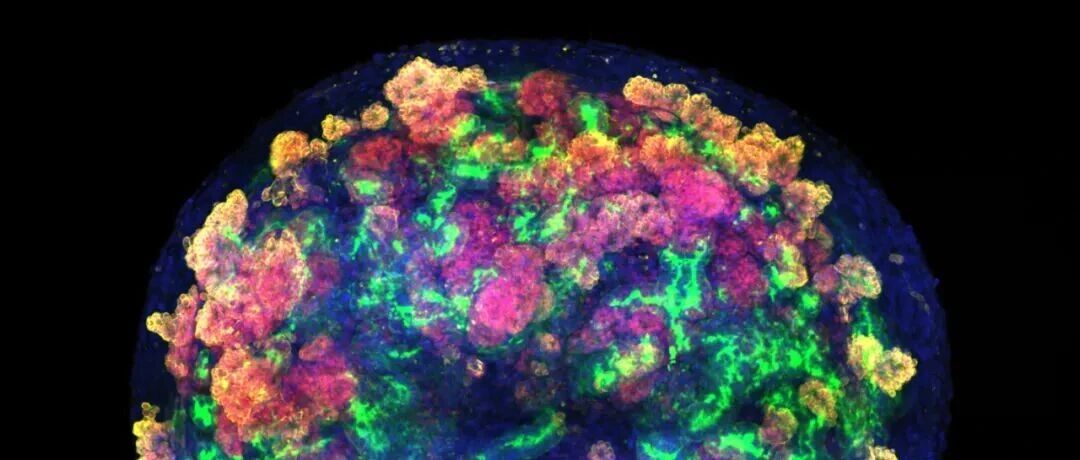
编辑丨王多鱼 排版丨水成文 蛋白酶 通过切割酶原或前体蛋白生成新的生物活性分子 , 参与调控多种生理与病理过程,包括程序性细 胞死亡、血液凝固级联反应以及病原体感染等。重编程蛋白酶 底物特异性, 有望实现对目标蛋白的选择性 降解、特定信号通路的按需激活,甚至病理性蛋白的精准清除,从而 衍生 一系列在基础研究与疾病干预中 的革命性应用。 对标 基因编辑 工具 对 核酸序列 进行 靶向 切割 (或改写) , 若能以类似的 " 可编程 " 理念 重塑 蛋白 酶的底物特异性,使其识别并切割新的目标蛋白,将为蛋白质层面的精准编辑开辟全新路径。 基因编辑需 要识别 15- 18 个碱基长度的核酸序列才可以在基因组上实现特异性不同,蛋白酶仅需要识别 5-7 个氨基 酸长度的多肽序列就可以在蛋白组上实现特异性,而一个蛋白酶的口袋大小,通常在 4-8 个氨基酸范围, 因此,通过高效的定向进化方法,改变蛋白酶的底物特异性,有望实现蛋白质的靶向编辑。 2025 年 10 月 31 日, 南方科技大学 王杰 团队与 北京大学 陈鹏 团队 合作 ( 南方科技大学博士后 高子 奇 、 李天真 和研究生 叶昊 为论文共同第一作者 ) 在 ...

我国学者发布首个通用分子设计世界模型ODesign,实现核酸/蛋白质/小分子等多形态分子的一键式设计
生物世界· 2025-11-03 00:10
Core Insights - The article discusses the breakthrough of ODesign, a universal molecular design model that allows for precise and controllable design of various biological ligands, marking a significant advancement in AI-enabled drug development [3][4][12]. Group 1: ODesign Overview - ODesign was developed by a collaboration of institutions including Shanghai AI Laboratory and Harvard University, and it represents the first universal molecular design model [3]. - The model allows scientists to specify target sites on any type of target and achieve one-click design of proteins, peptides, nucleic acids, small molecules, and metal ions [11][12]. - ODesign significantly outperforms existing models like RFDiffusion and BindCraft in multiple industry-standard test sets, indicating a shift from "single-point breakthroughs" to "general intelligence" in generative AI drug development [4][12]. Group 2: Technological Advancements - ODesign achieves a nearly 50-fold increase in design efficiency compared to similar models, reducing the complete design cycle from days to hours [12]. - The model incorporates a new structural generation architecture with five core modules that enable multi-level representation of different molecular modalities and flexible control of conditions [16][20]. - It utilizes a cross-modal shared generative language to unify various molecular types into a common molecular generation space, allowing for collaborative construction based on atomic interactions [20]. Group 3: Performance Validation - ODesign has been tested across 11 molecular design tasks covering proteins, nucleic acids, and small molecules, demonstrating superior capabilities in protein design, including complex structures and functional optimization [23][26]. - In nucleic acid design, ODesign achieved approximately 60% and 20% RMSD success rates for 60nt RNA and DNA monomer design tasks, respectively [29]. - The model also excels in small molecule design, achieving about four times the success rate compared to mainstream models in targeting RNA [29][31]. Group 4: Practical Applications - The ODesign team has launched an online trial system for researchers and industry users, enabling rapid generation and visualization of high-quality molecular candidates [32][34]. - This platform aims to facilitate the transition from a research tool to a creative platform for AI-driven molecular creation, opening new avenues in drug development [32].