
机器人大讲堂

Search documents
人形机器人下半场开始了?
机器人大讲堂· 2025-07-02 06:08
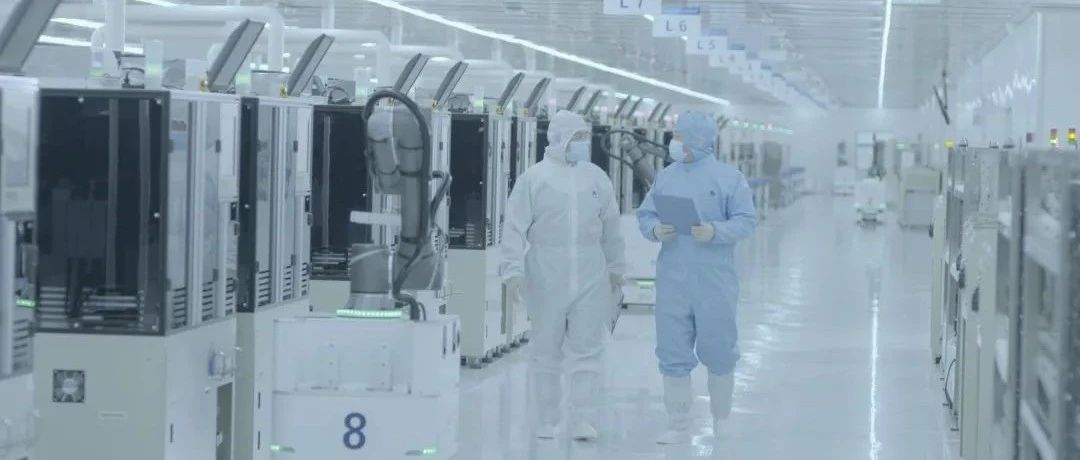
Core Insights - The humanoid robot industry is entering a "second half," with recent developments indicating a shift towards new industry consensus and practical applications [1][2][10] - Huawei's Cloud Robo platform introduces a distributed architecture for embodied intelligence, allowing for more flexible and efficient task execution by integrating various robot forms [2][3][10] Group 1: Industry Trends - The humanoid robot market is facing challenges, including reduced orders for Tesla's Optimus and high market valuations leading to layoffs in some companies [1][2] - The focus is shifting from humanoid robots to specialized robots that can better meet the specific demands of industrial applications, emphasizing efficiency, cost, and reliability [5][10][25] Group 2: Technological Advancements - The Cloud Robo platform utilizes large models to provide a "smart brain" for robots, enhancing their operational intelligence and efficiency through edge-cloud collaboration [2][3] - The platform's architecture allows for real-time processing and task optimization, improving the robots' adaptability to complex environments [3][10] Group 3: Practical Applications - Specialized robots are proving to be more effective in industrial settings, as they can be designed for specific tasks, such as semiconductor manufacturing, where precision and reliability are critical [6][14][20] - The integration of various robot forms under a unified intelligent platform enables companies to maximize production efficiency without extensive facility modifications [13][25] Group 4: Future Directions - The industry is moving towards a model where multiple robot forms collaborate under a single intelligent system, rather than relying solely on humanoid robots [11][25] - The focus on "function determines form" suggests that robots should be designed based on the specific requirements of their tasks, rather than merely imitating human shapes [22][25]

像卖车一样卖机器人?机器人体验店迎来爆发潮
机器人大讲堂· 2025-07-02 06:08
Core Insights - The article discusses the emergence of new retail models in the humanoid robot industry, focusing on the establishment of 4S stores and experiential stores to enhance sales and consumer engagement [1][15]. Group 1: 4S Store Models - Juwei Technology opened China's first humanoid robot 4S store in Hangzhou on June 30, covering 700 square meters and integrating product display, interactive experiences, after-sales maintenance, and roadshow collaboration [2]. - The store will initially focus on self-developed robotic dog products and plans to collaborate with traditional sectors like outdoor and luggage to create versatile applications such as "mobile luggage" and "mobile power supply" [2]. - The world's first humanoid robot 4S store is set to launch during the 2025 World Robot Conference in Beijing, aiming to create a comprehensive platform for humanoid robots that includes sales, spare parts supply, after-sales service, and feedback [7][8]. Group 2: Experiential Stores - Yushu Technology opened its first experiential store in Henan on July 1, emphasizing consumer interaction and hands-on experience with their robotic products [3][4]. - The store features the Go2 robotic dog, priced at 9,997 yuan, showcasing advanced capabilities like backflips and adaptive movements [3]. - Yushu plans to expand its market presence in Henan by collaborating with local enterprises and universities, focusing on applications in emergency services and public safety [4]. Group 3: Comprehensive Experience Platforms - Shoucheng Holdings announced a global recruitment plan for the first "robot comprehensive experience store," aiming to integrate display, sales, and professional services across various robot sectors [10]. - The initiative includes partnerships with over 50 robot companies, covering applications in healthcare, education, and urban operations, to accelerate product deployment and technology integration [10]. - The company also introduced a "robot capability list" and "demand list" to enhance collaboration across the industry [10]. Group 4: Online Sales Channels - JD.com has established a dedicated "smart robot business" department, signing contracts with over 30 humanoid brands to promote online sales [13]. - The platform features various models, including the PM01 robot priced at 188,000 yuan, which integrates advanced conversational capabilities [13]. - Despite the online sales push, many products still rely on pre-orders and consultations, indicating a need for improved sales support and user guidance [13]. Group 5: Future Trends - The article highlights a significant shift in the robot industry towards innovative retail models, drawing parallels with the automotive industry to create integrated sales and service experiences [15]. - These new retail formats aim to address key challenges in the robot market, such as high prices and the need for tangible product experiences, ultimately facilitating broader market adoption [15].

当中国男足还在困守亚洲,中国机器人足球队已杀向世界!
机器人大讲堂· 2025-07-01 02:39
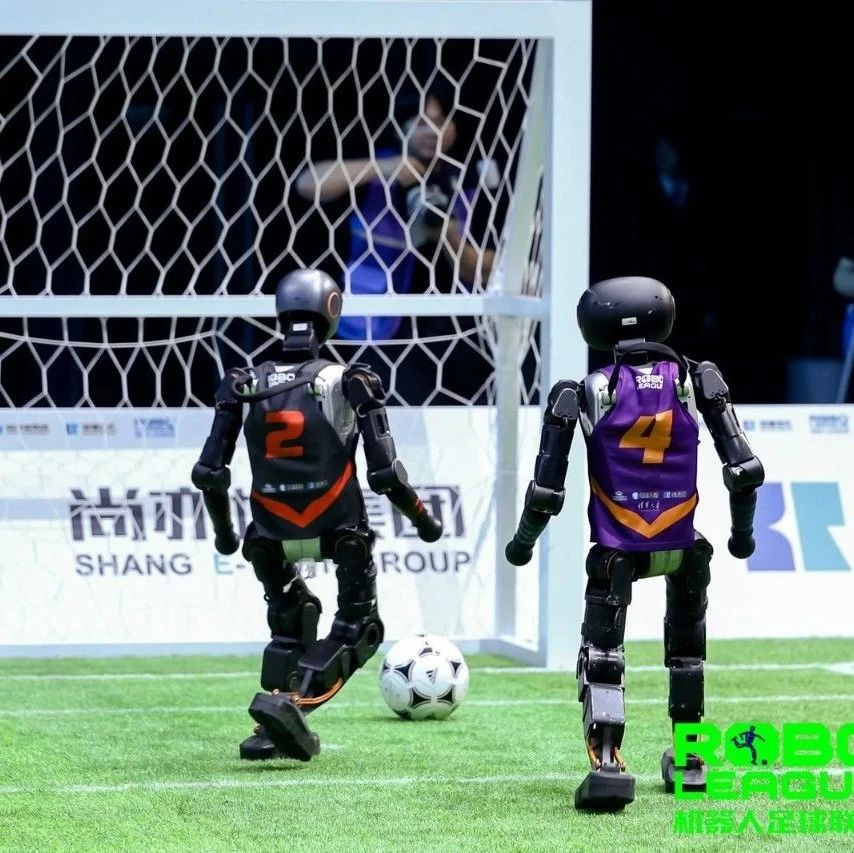
Core Viewpoint - The 2025 RoBoLeague China Robot Football League final showcased the advancement of AI in robotics, with the Tsinghua Fire God team winning the championship, highlighting the event's significance in promoting public interest in robotics and AI technology [1][2]. Group 1: Event Overview - The final match of the 2025 RoBoLeague was held in Beijing, featuring fully autonomous AI robots competing without remote control, attracting 136 million views across various platforms [1]. - The event marked the first domestic 3v3 AI robot football competition and served as a test for the upcoming 2025 World Humanoid Robot Sports Games [1][2]. Group 2: Technological Advancements - The RoboLeague's all-AI standard surpasses the international RoboCup standards, demonstrating the real development level of embodied intelligence technology [2]. - The competition allowed robot manufacturers and developers to accelerate algorithm and hardware iterations, moving beyond the typical demo state of success [4]. Group 3: Application and Future Prospects - The AI-driven football matches serve as a practical training ground for robots, enhancing their capabilities in real-time perception, decision-making, and multi-agent collaboration, which are essential for household applications [6][10]. - The event is expected to foster a broader ecosystem for robotics applications in various fields, including child and elder care, pet management, and home security [12]. Group 4: Industry Landscape - Beijing has emerged as a hub for humanoid robot companies, with firms like Booster Robotics and Unitree leading in their respective technological domains, supported by continuous capital investment [13][15]. - The competition has highlighted the growing demand for sports-related technology, which is anticipated to drive the development of humanoid robotics over the next decade [17].
80后学霸创始人控盘,年亏7100万却手握4亿订单?这家企业携具身智能机器人赴港上市
机器人大讲堂· 2025-07-01 02:39
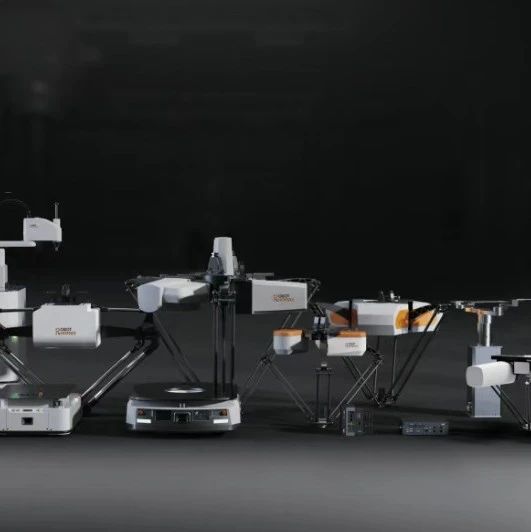
Core Viewpoint - Yifei Technology is preparing for an IPO on the Hong Kong Stock Exchange, aiming to raise funds for various strategic initiatives including technology development and capacity expansion [1][14]. Group 1: Company Overview - Yifei Technology, established in June 2012, is a high-tech enterprise specializing in industrial robot R&D and manufacturing, with a strong focus on full-stack R&D capabilities and flexible solutions [2][3]. - The company has a significant customer base, serving over 200 clients across various sectors including consumer electronics, automotive parts, and healthcare [3][9]. - Yifei Technology's revenue has shown a compound annual growth rate (CAGR) of approximately 28.5% from 2022 to 2024, with revenues of RMB 162 million, RMB 201 million, and RMB 268 million respectively [9]. Group 2: Product and Technology - The company has developed a comprehensive product line covering various robotic technologies, including parallel robots, mobile robots, SCARA robots, six-axis robots, and wafer handling robots [5][6]. - Yifei Technology's products have received multiple certifications, including reliability and durability certifications for its Bat series parallel robots and ISO cleanliness standards for its Lobster series wafer handling robots [6][9]. - The company holds 271 authorized patents and 79 software copyrights, showcasing its strong technological foundation [6]. Group 3: Market Position and Competition - Yifei Technology ranks fifth among domestic suppliers of industrial robots and related solutions focused on the light industry, with a market share of 1.2% [7][8]. - The Chinese industrial robot market is projected to grow from RMB 31.6 billion in 2020 to RMB 56.8 billion in 2024, indicating a competitive landscape that Yifei must navigate [11]. Group 4: Financial Performance and Challenges - Despite revenue growth, Yifei Technology has consistently reported net losses, with losses of RMB 57.55 million, RMB 111 million, and RMB 71.49 million from 2022 to 2024, primarily due to R&D and market expansion expenses [9][10]. - The company has significant inventory levels, with turnover days decreasing from 390 days in 2022 to 241 days in 2024, indicating potential challenges in inventory management [10][11]. Group 5: Future Outlook - The IPO proceeds are expected to enhance Yifei Technology's R&D capabilities and support its global expansion strategy, aiming to solidify its position in the industrial automation sector [14]. - The company plans to leverage its technological advancements and market expansion efforts to become a core supplier of industrial robot solutions globally [14].
三大上市公司联投!切入上汽通用核心制造环节!这家具身智能企业宣布完成A轮融资!
机器人大讲堂· 2025-07-01 02:39
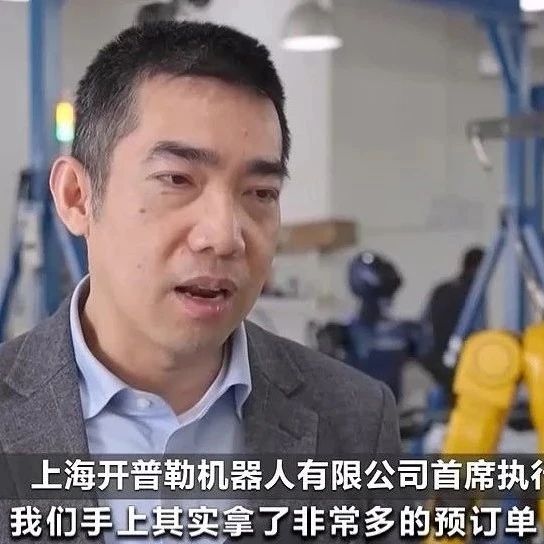
Core Viewpoint - Kepler Robotics has successfully completed its Series A financing round, marking a significant step in its journey towards commercializing humanoid robots in industrial applications [1][20]. Financing and Investment - The Series A financing round attracted investments from three listed companies, all of which are deeply involved in the robotics industry chain, indicating a strong commitment to the humanoid robotics sector [2][3]. - Prior to this, Kepler Robotics had completed several funding rounds, including an angel round in April 2024 and Pre-A rounds in April and May 2025, showcasing continuous investment interest in the company [2]. Strategic Partnerships - Kepler Robotics has signed a strategic cooperation agreement with SAIC General Motors to explore the application of humanoid robots in automotive manufacturing, which is seen as a milestone for scaling industrial applications [12][13]. - The company is also collaborating with other firms like Flandre Co., Weichuang Electric, and Keli Sensor to develop modular platforms for practical applications in industrial manufacturing, smart logistics, and warehousing [17]. Technological Advancements - The company aims to enhance its humanoid robots' capabilities in dynamic balance, precision operation, and environmental adaptability through its partnership with SAIC General Motors [15]. - Kepler Robotics plans to integrate various resources to create a synergistic model that combines hardware supply, technical empowerment, scenario implementation, and ecosystem collaboration [11]. Product Development - Kepler Robotics launched its first self-developed humanoid robot series, the Kepler Pioneer, in November 2023, with plans for further product iterations, including the fifth-generation Pioneer K2, which is designed for high-intensity scenarios like automotive manufacturing and logistics sorting [18][20]. - The K2 model weighs 55 kg and supports dual-arm collaborative operations, with a goal of achieving large-scale deployment in logistics and manufacturing by 2025-2026 [20]. Industry Outlook - Analysts believe that humanoid robots represent the ultimate carrier of general artificial intelligence, with industrial applications expected to lead the way in breakthroughs [22]. - With the completion of the Series A financing and strategic partnerships, Kepler Robotics is positioned to accelerate its commercialization efforts and potentially redefine the form and boundaries of industrial robots [22].


快讯|千寻智能发布全力控人形机器人Moz1;字节Seed团队密集招募机器人相关“一号位”;百度开源文心大模型4.5系列
机器人大讲堂· 2025-07-01 02:39
Group 1 - ByteDance's Seed team is aggressively recruiting for key positions related to robotics, indicating a potential launch of a consumer or industrial robot product by 2025, with plans to expand the team to over 300 members by the end of 2025 [1] - Baidu has officially open-sourced its Wenxin large model 4.5 series, releasing 10 models with various parameter types, which are now available for download on multiple platforms, enhancing competition in the large model industry [4] - ForSight Robotics has completed a $125 million (approximately 900 million RMB) Series B financing round to advance its AI-based ophthalmic surgical robot system, ORYOM™, with plans to initiate human clinical trials in 2025 [6] Group 2 - Yujian Technology has commenced global mass production and delivery of its humanoid robots, showcasing the Atom robot, which is the first full-size humanoid robot capable of dexterous operation and bipedal walking [9] - Qianxun Intelligent has launched the Moz1 humanoid robot, featuring 26 degrees of freedom and the highest power density integrated force control joints, aimed at commercial and domestic applications [12]


1.5m/s极速+50kg负载!大象机器人新底盘卷翻机器人开发圈
机器人大讲堂· 2025-07-01 02:39
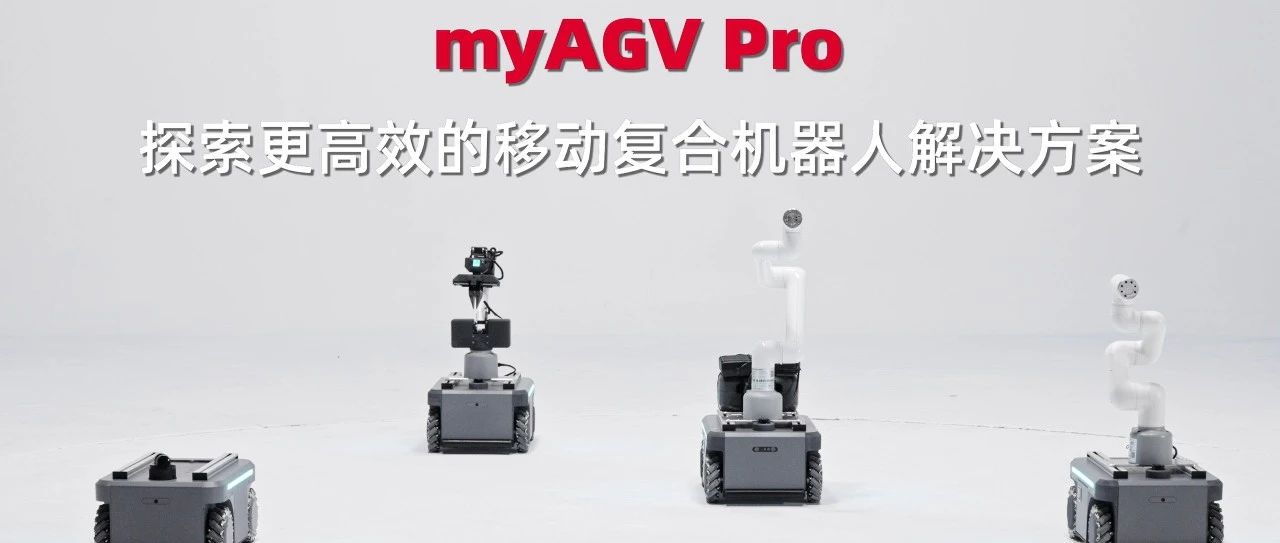
Core Viewpoint - The article discusses the launch of myAGV Pro by Elephant Robotics, a mobile composite robot designed to enhance research and development in the field of intelligent robotics, particularly in logistics and educational applications. Group 1: Product Features - myAGV Pro features a modular design with various accessories, including the option to use Jetson Orin Nano as the main controller, and supports 2D/3D LiDAR and visual camera modules for personalized intelligent solutions [3] - The robot can achieve a maximum speed of 1.5 m/s and is equipped with a suspension system that allows it to navigate complex terrains, including climbing slopes of up to 10° and carrying loads of up to 50 kg [5][7] - It supports secondary development with a native Ubuntu 22.04 system and integrates ROS2 Humble framework, allowing for the use of mainstream 3D SLAM algorithms [9][10] Group 2: User Experience - The robot can be controlled via a dual-mode interface (handle/keyboard) and features a user-friendly visual UI for real-time monitoring of device status [13] - Safety features include a 360° LiDAR for real-time scanning and a dynamic obstacle avoidance system, ensuring safe operation in complex environments [16][18] - The myAGV Pro is powered by a lithium iron phosphate battery, providing up to 6 hours of continuous operation and includes options for quick battery replacement and automatic recharging [20][22] Group 3: Application Scenarios - The robot is suitable for educational research and competitions, enhancing the efficiency of programming and SLAM mapping research [26][27] - It supports creative development, enabling real-time multi-target recognition and voice interaction, making it a versatile tool for prototyping intelligent storage solutions and service robots [33][34] - In commercial exploration, myAGV Pro meets the needs of complex commercial projects, supporting unattended logistics sorting and demonstrating operational logic in various terrains at an educational price point [36][37]
从追赶到并跑,中国机器人正在重塑全球格局
机器人大讲堂· 2025-06-30 07:22
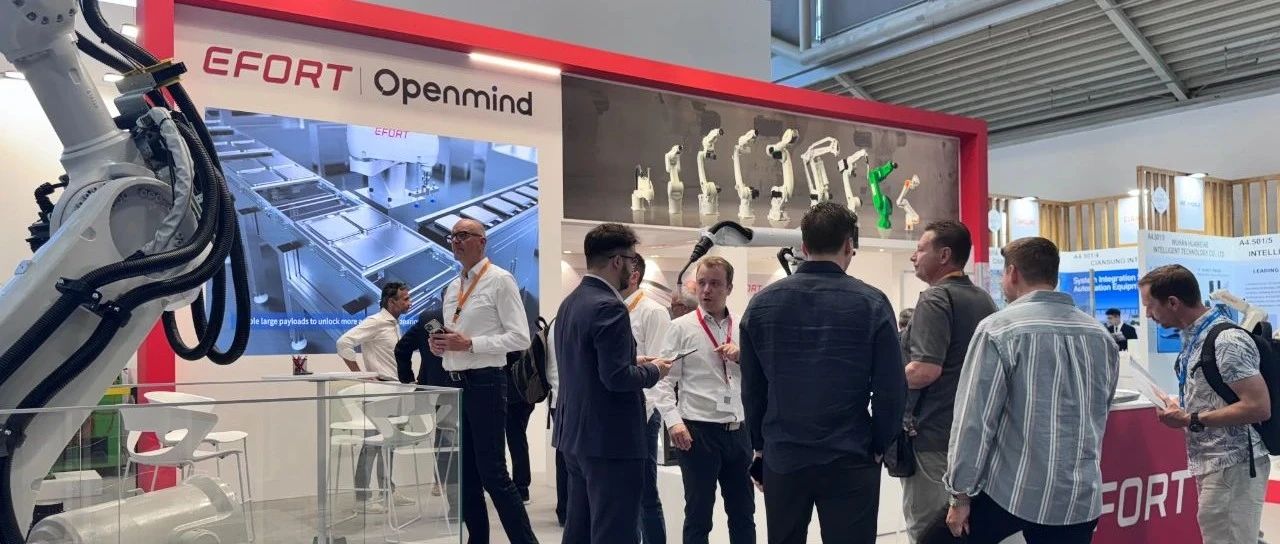
Core Viewpoint - The article highlights the transformation of Chinese robotics companies, particularly Efort, from being perceived as followers to becoming equal competitors on the global stage, showcasing their technological advancements and international strategies at Automatica 2025 [1][7][25]. Group 1: Historical Context - In the past, Chinese robotics companies were often labeled as "learners" or "low-end substitutes," facing significant barriers such as quality trust issues and a lack of brand recognition in high-end markets [2][4][5]. - Early challenges included reliance on imported core components, which led to quality fluctuations and hindered the establishment of a reputable brand image [2][5]. Group 2: Efort's Global Strategy - Efort has adopted a dual strategy of self-research and overseas acquisitions since 2015, investing 1.1 billion yuan to acquire leading companies in niche sectors, thereby enhancing its technological capabilities [9][11]. - The company has successfully penetrated high-demand industries such as automotive and electronics, showcasing complete robotic solutions tailored for specific industrial applications [11][12]. Group 3: Technological Advancements - Efort's products have achieved significant certifications, including CE and ATEX, and have demonstrated exceptional performance metrics, such as an average operating time of 120,000 hours for its ER300 series robots [11][12][16]. - The company has made substantial progress in core technologies, achieving a 99.90% self-research rate for its controllers and overcoming key component challenges through strategic acquisitions and domestic supply chain development [16][18]. Group 4: Market Positioning and Future Outlook - Efort is focusing on deepening local operations and enhancing brand image through initiatives like establishing training centers and participating in regional industry forums [20][22]. - The company is also integrating advanced AI technologies into its robotics systems, aiming to improve performance in complex environments and maintain a competitive edge in the evolving market landscape [22][24]. Group 5: Conclusion - Efort's presence at Automatica 2025 symbolizes a significant milestone in the evolution of Chinese robotics, reflecting a shift from merely catching up to actively competing on a global scale [25][26]. - The article emphasizes that the journey of Chinese robotics companies is not just about technological advancements but also about reshaping the global industrial landscape through innovation and strategic integration [27][28].

割草机器人激光雷达怎么选?
机器人大讲堂· 2025-06-30 07:22
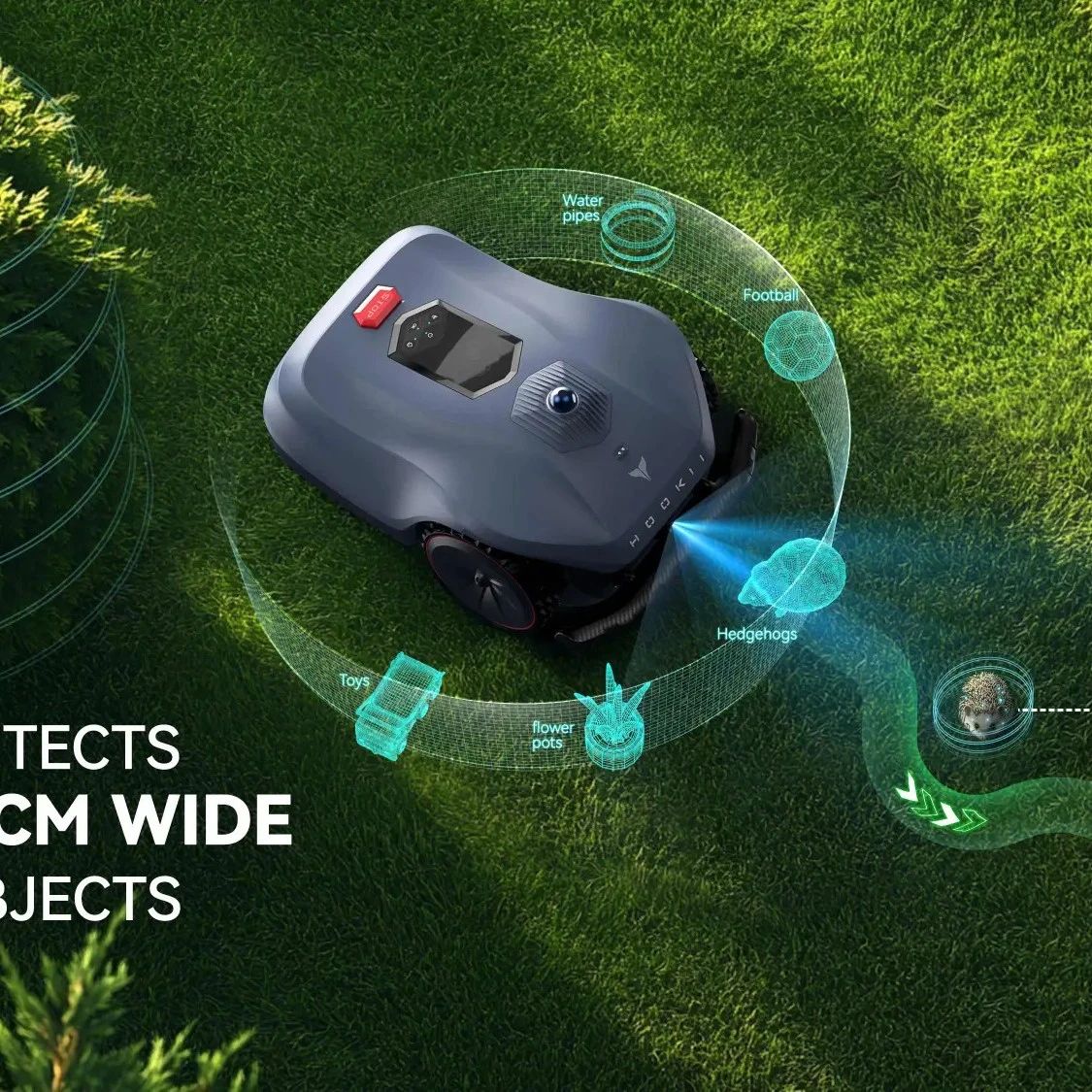
Core Viewpoint - The laser radar integration perception scheme is replacing the RTK/UWB + visual sensor scheme as the mainstream in the lawn mower robot field, driven by consumer demand for lightweight, convenient deployment, and higher reliability [1] Group 1: Requirements for Laser Radar in Lawn Mower Robots - Lawn mower robots require high-resolution laser radar to accurately identify small obstacles like squirrels and hedgehogs, which are more common in gardens than on roads [2] - The diverse terrain of residential lawns in Europe and North America, including slopes and pits, necessitates laser radar that can effectively distinguish different ground conditions [5] - The need for nighttime operation due to the growth rate of grass in summer requires high-resolution laser radar, as traditional cameras fail in low light [6] - Reliability is crucial for outdoor operation, with laser radar needing to withstand various weather conditions and physical impacts [9] - Users expect a long lifespan for lawn mower robots, with high-end models like the Mammotion LUBA mini AWD LiDAR offering an outdoor lifespan of over 8 years [11] Group 2: Performance Metrics for Laser Radar - The core demand for laser radar in lawn mower robots includes high resolution, high reliability, and long lifespan [14] - Vertical angular resolution is a key performance metric, with higher line counts leading to clearer imaging and better obstacle detection [15] - The E1R solid-state laser radar, chosen by high-end lawn mower brands, meets automotive-grade reliability standards and can endure harsh environmental conditions [19]
快讯|马斯克公布脑机接口重大进展;华工科技发布国内首台激光除草机器人;亚马逊仓库机器人实现新突破
机器人大讲堂· 2025-06-30 07:22
Group 1: Neuralink Developments - Neuralink has made significant progress with 7 participants, including 4 spinal cord injury patients and 3 ALS patients, who use the device for an average of 50 hours per week, peaking over 100 hours [1] - Future plans include increasing electrode count to 3,000 by 2026 to help the first Blindsight participant regain vision, and expanding to over 25,000 channels by 2028 to access any part of the brain [1] Group 2: Kepler Robotics A Round Financing - Kepler Robotics announced A round financing and strategic partnerships with leading companies such as Zhejiang Zhaofeng Electromechanical and Hanwei Technology Group [5] - The partnerships aim to explore technology in smart factories and develop embodied intelligent humanoid robot solutions [5] Group 3: Huagong Technology's Laser Weeding Robot - Huagong Technology unveiled China's first all-weather intelligent laser weeding robot, capable of precisely targeting weeds without harming crops [8] - The robot has undergone algorithm validation in various test fields and is expected to enter mass production next year, potentially eliminating the need for herbicides [8] Group 4: Amazon's Vulcan Robot Breakthrough - Amazon's Vulcan robot has achieved breakthroughs with touch technology, allowing it to handle goods like a human, which contrasts with traditional robots that avoid contact [11] - The Vulcan Stow robots are currently in pilot testing, with plans for beta testing and large-scale deployment in Germany [11] Group 5: Global First Robot 6S Store in Shenzhen - Shenzhen is set to open the world's first robot 6S store by the end of July, offering sales, rentals, customization, and maintenance services [14] - This initiative is part of a broader effort to create an AI-driven district, integrating real-world applications and various business models [14]


