机器人大讲堂

Search documents
星动纪元获近10亿元A+轮融资!吉利资本领投,总订单额破5亿
机器人大讲堂· 2025-11-20 03:01
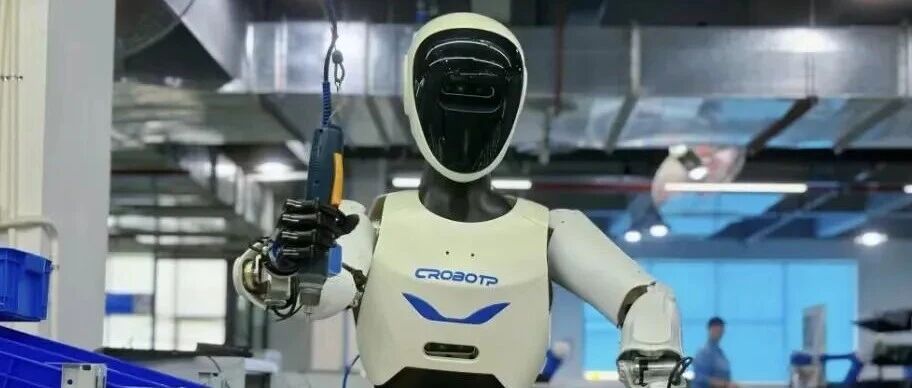
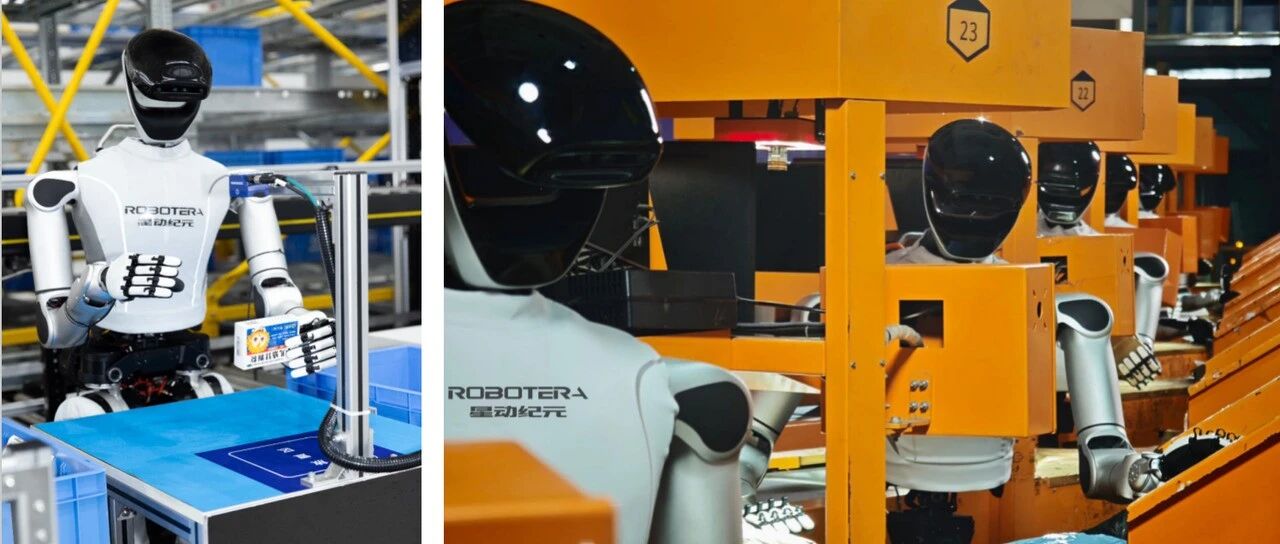
Core Insights - The article highlights the completion of a nearly 1 billion RMB A+ round financing for Star Dynamics Era, led by Geely Capital and supported by several international industry giants, aimed at advancing the development and application of the end-to-end VLA embodied large model ERA-42 [1][17] - Star Dynamics Era focuses on creating a reliable partnership between humans and robots through self-developed "embodied brain" and "humanoid body" technologies, achieving precise control over full-sized humanoid robots and dexterous hands [1][7] Group 1: Financing and Strategic Partnerships - The A+ round financing will enhance the technological iteration and application of the ERA-42 model, opening up strategic collaboration opportunities with Geely Capital and BAIC Investment [1][17] - Star Dynamics has established deep collaborations with major companies such as Geely, Renault, SF Express, TCL, Haier, Lenovo, and Century Golden Source, particularly in the logistics sector with a maximum single order nearing 50 million RMB [3][7] Group 2: Business Growth and Market Strategy - The total order amount has surpassed 500 million RMB, with a significant focus on both domestic and international markets, achieving a business model of "domestic deep cultivation + overseas expansion" [2][3] - The overseas business accounts for 50% of total operations, with nine out of the top ten global tech giants as clients, covering regions such as North America, Europe, the Middle East, Japan, and South Korea [3] Group 3: Technological Advancements - The ERA-42 has achieved precise control over full-sized humanoid robots and dexterous hands, with a unique architecture that decouples complexity and enhances intelligence through data scale [5][6] - The company is set to release the world's first VLA algorithm framework that integrates world models, allowing robots to understand the physical world through vast internet video data [6][7] Group 4: Product Development and Applications - Star Dynamics has developed a range of products with over 95% of hardware self-researched, including various robots tailored for research, industrial, and service applications [11][13] - The company has launched several products, including the "eSports hand" Star Dynamics XHAND 1 and the service robot Star Dynamics Q5, aimed at enhancing operational efficiency in various sectors [13][16]

“具身引智、应用未来”——2025年第二届中关村具身智能机器人应用大会圆满落幕
机器人大讲堂· 2025-11-19 12:00
今日,以 " 具身引智、应用未来 "为主题的2025年第二届中关村具身智能机器人应用大会在北京中关村国家 自主创新示范区 展示 中心 隆重举行 。本次大会作为第二届中关村具身智能机器人应用大赛的压轴盛典,汇 聚了来自政府部门、顶尖学术机构、头部企业及知名投资机构代表 等 500 多 位嘉宾,通过 "以赛促创新、以 会促生态"的模式,共同探索具身智能机器人从技术突破、场景验证到产业落地的全路径,彰显了中关村 科学 城 作为全国科技创新策源地在未来产业布局上的前瞻性与引领力。 北京市科委、中关村管委会党组成员、副主任刘卫华,北京市经济和信息化局二级巡视员苏联波,中关村科学 城管委会副主任、海淀区副区长唐超,北京航空航天大学党委副书记程波出席了会议。 ▍前瞻布局,打造具身智能创新策源新高地 开幕式上 , 中关村科学城管委会副主任、海淀区副区长唐超在致辞 中指出:具身智能正处于从 "技术突 破"向"产业爆发"跨越的关键期。海淀区将始终秉持"创新为要、企业为基、服务为本"的理念,持续在人才引 育、成果转化、场景开放、政策保障上加码发力,全力打造全国具身智能创新策源地、产业集聚地、应用示范 地。 会议重点推介了中关村(海 ...

2025智能机器人大赛创新赛道持续招募!自主场景凸显机器人硬核优势!
机器人大讲堂· 2025-11-19 12:00
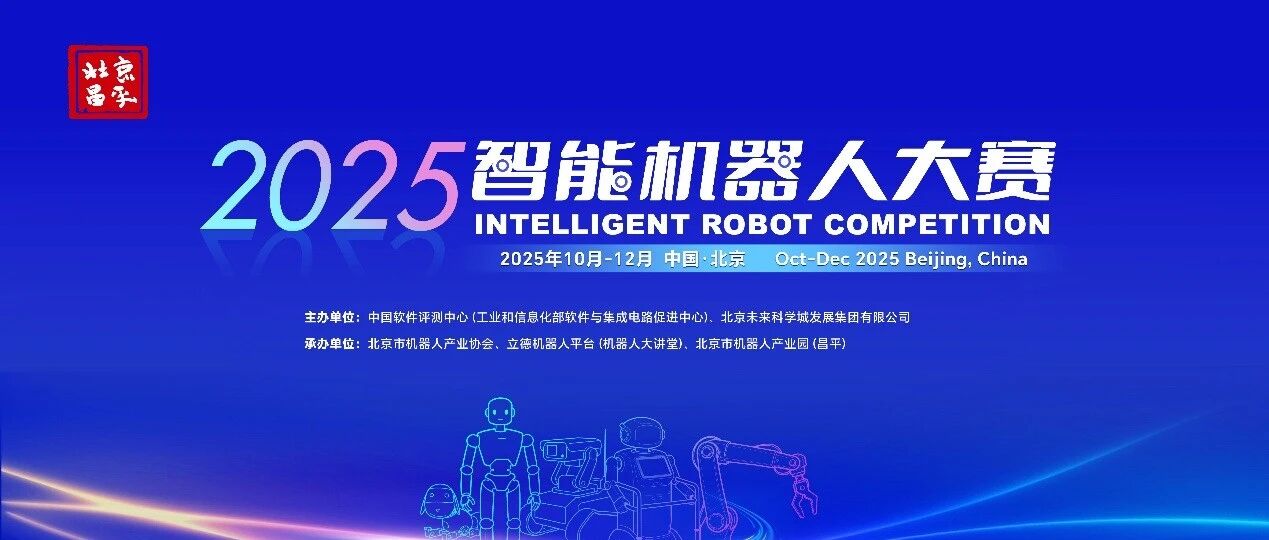
Core Insights - The global robotics industry is entering a new era characterized by "innovation defining the future and technology subverting imagination," with a focus on breakthroughs in humanoid robots, flying robots, and bionic robots [1] - The 2025 Intelligent Robotics Innovation Track emphasizes innovative breakthroughs in robotics technology, encouraging original exploration in areas such as humanoid robots, artificial intelligence, new materials, and high-precision sensing [1][3] - The competition introduces a unique "self-built scene" model, allowing teams to showcase their products' core advantages in tailored environments [1][3] Innovation Focus - The competition breaks the limitations of robot forms, covering various innovative models like insects, birds, fish, and beasts, granting teams the right to design their own scenes based on product characteristics [3] - Teams can create scenarios for humanoid robots in industrial assembly, home services, and public services, highlighting their advantages in human-like operations and scene adaptability [3] - Flying robots can simulate low-altitude inspections and emergency rescues, demonstrating precision and collaborative capabilities in complex environments [3] - Bionic and special robots can operate in extreme conditions, showcasing their adaptability and operational strength in challenging terrains [3] Selection Process - The competition employs a two-stage selection mechanism: preliminary and final rounds, ensuring the selection of projects with both technical depth and practical value [5] - The preliminary round includes "on-site defense and product demonstration," evaluated on innovation, practicality, and market potential [5] - The final round features a high-fidelity simulation environment to test robots' adaptability, stability, and operational precision in real-world scenarios [5] Value Empowerment - The competition offers substantial rewards and comprehensive industry support to help quality projects transition from competition to implementation [6] - Cash prizes include 30,000 yuan for first place, 20,000 yuan for second, and 10,000 yuan for third, along with additional awards for other top teams [6] - Outstanding teams may be recommended for the World Humanoid Robot Games, expanding their international exposure and industry resources [6] - Quality projects will be included in the "Robot Enterprise Reserve Project Library," facilitating connections with industry resources for technology transfer and market promotion [6] Local Support Policies - Projects that establish in Changping District can receive up to 30% support for fixed asset investments, capped at 100 million yuan [7] - Robot companies registered in Changping that achieve significant revenue milestones can receive one-time financial support ranging from 300,000 to 5 million yuan [8] - Support for key technology innovations includes funding for collaborative projects on core technologies, with a maximum support of 500,000 yuan [9]
马斯克放话:人类20年内或实现“数字永生”,是科技狂想还是未来已来?
机器人大讲堂· 2025-11-19 09:06
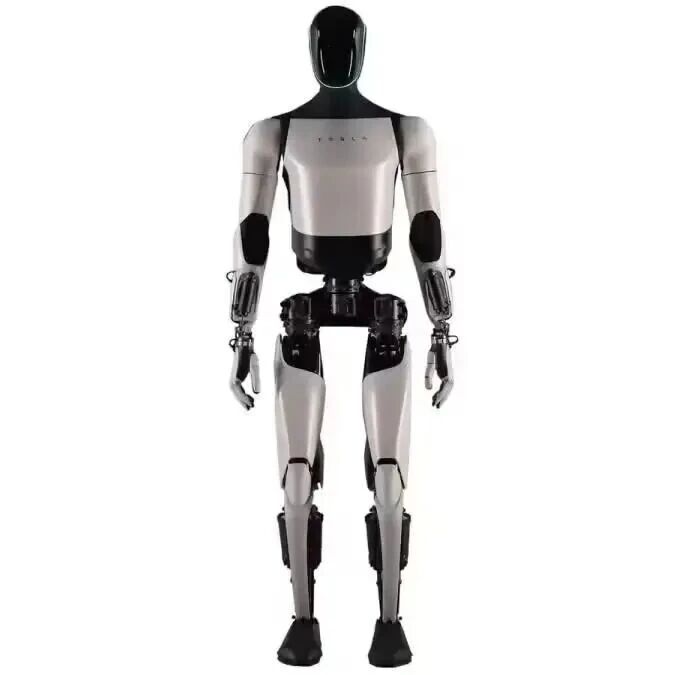
Core Viewpoint - Elon Musk predicts that humanity may achieve "digital immortality" within 20 years through the technologies of his companies Neuralink and Tesla's humanoid robot Optimus, which involves creating a "snapshot" of consciousness and uploading it to a robotic platform [1]. Technical Path Analysis - The process of achieving digital immortality involves several key stages, starting with breakthroughs in brain-computer interface (BCI) signal acquisition, which currently has a maximum of 256 channels but needs to reach millions to fully simulate the human brain [3][6]. - Consciousness modeling is categorized into four progressive levels, with current products only achieving Level 1, while true consciousness uploading requires advancements to Level 3 or 4 [6][8]. - Clinical trials have shown significant progress, such as a 72-year-old patient controlling a robotic arm through thought, laying the groundwork for more complex consciousness signal acquisition [7]. Global BCI Competition - The global race for BCI technology is primarily led by the US and China, focusing on technological leadership and future industrial dominance [9]. - In the US, Neuralink has made strides in allowing patients to control devices with their thoughts and has a roadmap to enhance its technology significantly by 2028 [10]. - China is also advancing rapidly, with government policies supporting BCI development and companies achieving breakthroughs in high-throughput flexible BCIs [11][12]. Industry Ecosystem Development - The global BCI industry is projected to generate economic value between $70 billion and $200 billion over the next 10 to 20 years, prompting increased investment and strategic planning [13]. - As technology matures, the BCI ecosystem is forming, with investments focusing on high-end medical devices, consumer applications, and supporting technologies [23]. Ethical and Technical Challenges - Significant technical challenges remain, including the precision of signal acquisition and hardware compatibility, which hinder the full simulation of brain activity [14]. - Ethical dilemmas arise regarding identity, social equity, and data security, particularly concerning the implications of consciousness uploading and potential societal divides [16][17]. Future Outlook - BCI technology is already making strides in medical rehabilitation, improving patient quality of life and treatment outcomes [20]. - The diversification of technical routes is evident, with innovations combining biological signals and AI to enhance applications in various fields [21]. - Ethical standards are being developed alongside technological advancements to ensure responsible innovation and address potential societal impacts [24].
快讯|优必选2026年产能将达5000台;Nexus NX1全新动捕设备亮相;7所“双一流”高校申请增设“具身智能”新专业等
机器人大讲堂· 2025-11-19 09:06
Group 1 - 1HMX has launched Nexus NX1, a unified software package that integrates immersive technology to enhance training and simulation for humanoid robots, embodied AI, and virtual reality [2] - Nexus NX1 includes HaptX Gloves G1 for haptic feedback, Virtuix Omni One for 360-degree motion, and Freeaim's robotic shoes, featuring 72 degrees of freedom for body and hand tracking [2] - The product is available for pre-order and is expected to ship in Q2 2026 [2] Group 2 - Researchers at Georgia Tech have developed a soft contact lens made of hydrogel that operates without an external power source, capable of superior vision compared to human eyes [6] - The new lens, named PHySL, can distinguish fine details, such as the tiny hairs on an ant's leg, and is seen as a promising invention for future applications in soft robotics, adaptive medical tools, and smart wearables [6] - The research findings are set to be published in October 2025 in the journal Science Robotics [6] Group 3 - Seven "Double First Class" universities in China have applied to establish a new major in "embodied intelligence," which integrates AI, robotics, computer science, and control engineering [8] - The new major is considered a strategic emerging interdisciplinary field, with employment opportunities in high-end equipment manufacturing, AI, defense, unmanned systems, smart healthcare, and low-altitude economy [8] - The gap between talent supply and the explosive growth demand in the industry has become a core bottleneck for development [8] Group 4 - Zoox has launched its first public autonomous ride-hailing service, Zoox Explorers, in San Francisco, featuring vehicles designed specifically for autonomous driving without traditional controls [9] - The service aims to differentiate itself from other autonomous taxi developers by offering a unique vehicle design with seating arrangements that facilitate a fully autonomous experience [9] - Zoox is also testing its fleet in several other cities, including Seattle, Austin, Miami, Los Angeles, Atlanta, and Washington, D.C. [9] Group 5 - UBTECH has announced a clear capacity ramp-up plan, expecting to reach an annual production capacity of 5,000 industrial humanoid robots by 2026, and further expanding to 10,000 units by 2027 [12] - The company has begun mass production and delivery of its Walker S2 industrial humanoid robot, which features a three-minute autonomous battery swap capability [12] - Walker S2 is being applied in quality inspection, handling, sorting, and can be extended to flexible manufacturing and unattended production lines [12]

时隔仅3个月 蓝点触控再获数亿元C轮融资!公司已明确IPO计划!
机器人大讲堂· 2025-11-19 09:06
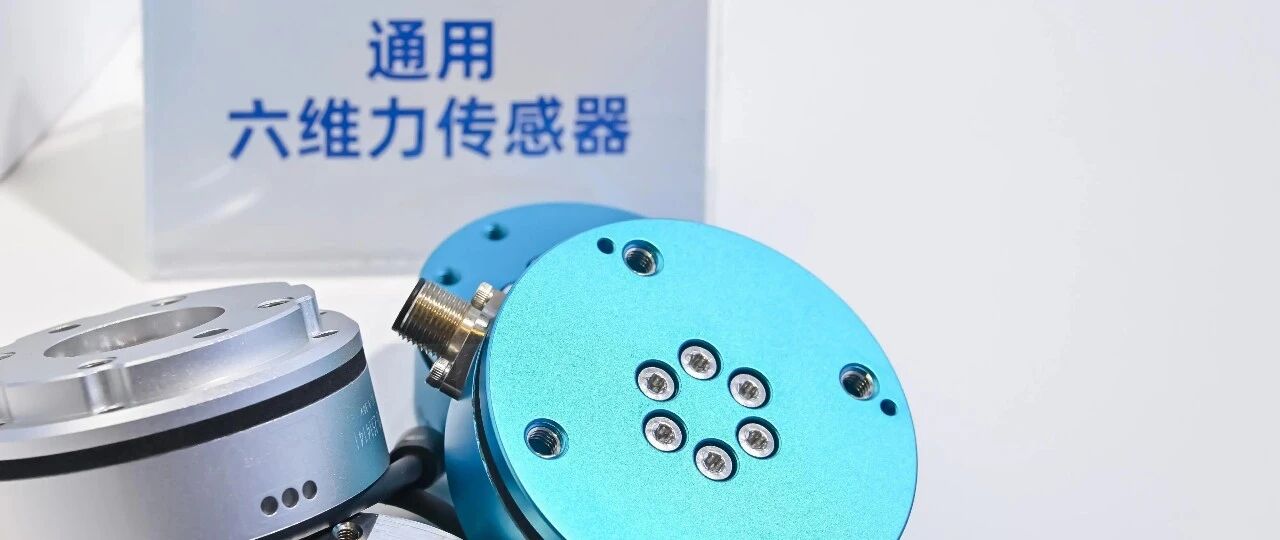
Core Insights - Blue Dot Touch announced the completion of over 100 million RMB Series C financing, led by Sequoia China, with funds primarily allocated for product R&D, capacity enhancement, team building, and overseas market expansion [1] Company Overview - Blue Dot Touch is a leading global enterprise in intelligent robot force control perception technology, with over 95% market share in domestic joint sensors and over 80% in humanoid robot six-dimensional force sensors, breaking the long-standing monopoly of international giants [4][18] - The company has developed multiple series of force sensor products and has established partnerships with industry leaders such as Xiaomi and UBTECH [4] Market Dynamics - The humanoid robot market is experiencing rapid growth, with significant players like ZhiYuan Robotics leading in shipments, surpassing Tesla's Optimus in volume [7] - The demand for high-precision force control sensors is expected to exceed hundreds of thousands of units annually in sectors like automotive and aerospace [11] Financial Performance - Blue Dot Touch has achieved a sales revenue doubling for three consecutive years and has clear plans for an IPO [25] Production Capacity - The company is expanding its production capacity in Guangdong, with a new facility designed to produce 1 million joint sensors and 200,000 six-dimensional force sensors annually, increasing overall capacity by 3 to 4 times [20] Future Outlook - The humanoid robot industry is projected to exceed 10,000 units in production by 2025, with a market size expected to reach 8.239 billion RMB, indicating a significant growth trajectory [21] - High-precision force sensors are becoming increasingly critical as the industry moves towards large-scale production, with their cost accounting for 15% of the total BOM for humanoid robots [24]
人形机器人 “撕战” 升级!Figure CEO 怒锤优必选 CGI 造假,遭“一镜到底”实拍打脸?
机器人大讲堂· 2025-11-19 09:06
Core Viewpoint - The recent viral video showcasing the mass production of UBTECH's Walker S2 humanoid robots has sparked significant discussion and controversy regarding its authenticity and implications for the robotics industry [1][3][5]. Group 1: Controversy and Response - The video released by UBTECH on November 13, titled "Sword Gathering, All Out to Deliver," features hundreds of Walker S2 robots moving in unison, marking the start of mass production [5]. - Figure AI's CEO Brett Adcock publicly questioned the video's authenticity, suggesting that the reflections on the robots indicated some were likely created using CGI [3][7]. - In response, UBTECH released two follow-up videos to demonstrate the authenticity of the original footage, including one that showcased the robots in a real factory environment [9]. Group 2: Market Position and Orders - UBTECH's mass production capabilities are supported by substantial market orders, with the total order value for the Walker series exceeding 800 million yuan since early 2025 [11]. - The company has established partnerships with leading firms in various sectors, including BYD, Dongfeng Liuzhou, and Foxconn, indicating a strong foothold in key industries such as new energy vehicles and smart logistics [11]. Group 3: Industry Comparison - In contrast, Figure AI has been more cautious in its production announcements, aiming to deliver only 100,000 units over the next four years, highlighting a significant difference in production strategy [12]. - This disparity reflects broader differences in technological approaches and industrial strategies between Chinese and American robotics companies [12]. Group 4: Industry Trends and Expectations - The robotics industry is undergoing a critical transition, moving from technology demonstrations to actual mass production, with heightened expectations for real-world applications [14][16]. - The shift in user sentiment indicates a demand for robots to transition from laboratory settings to practical applications in factories and homes [16]. Group 5: China's Competitive Advantage - China's robotics industry benefits from a well-established supply chain, which facilitates lower manufacturing costs and accelerates the transition from design to mass production [17][19]. - In contrast, Western companies remain reliant on global supply chains for core components, increasing uncertainty in their production timelines [19]. - The competition in the humanoid robotics sector is intensifying, with Chinese firms like UBTECH leading the charge in mass production capabilities [19].

终极榜单揭晓!2025年第二届中关村具身智能机器人应用大赛获奖名单全公布,200 万奖金名花有主!
机器人大讲堂· 2025-11-19 06:51
11 月 17-18 日, 2025 年第二届中关村具身智能机器人应用大赛在中关村国家自主创新示范区展示中心顺 利举办。本届大赛 以 "具身引智、应用未来"为主题,积极响应"劳动最光荣"的口号 ,自 6 月启动以来,面 向全球征集具身智能机器人优秀创新团队,共吸引157 支队伍参与其中,经过初赛的选拔, 来自众多知名高 校、科研院所和创新型企业的99 支顶尖队伍围绕 19 项核心任务展开巅峰对决 , 最终54支优秀团队脱颖而 出,用硬核实力勾勒具身智能产业发展新图景。 作为北京市海淀区打造全球具身智能创新策源地的核心赛事,大赛的专业性与影响力度得到强大组织架构的坚 实支撑:由北京市科学技术委员会 中关村科技园区管理委员会、北京市经济和信息化局指导,中关村科学城 管委会主办,北京智源人工智能研究院、立德机器人平台(机器人大讲堂)承办,中关村(海淀)具身智能创 新产业园、中关村(海淀)国际机器人产业园协办。从政策引导到技术支持,从场地保障到产业对接,力求将 赛事打造成为集 "技术竞技与成果转化"于一体的双重平台。 本次大赛设置 具身智能模型能力挑战赛、具身智能场景应用赛和具身智能学术前沿与产业生态三大赛道 ,结 ...
寻找机器人与具身智能的年度标杆,第六届LeadeRobot奖项申报正式开启
机器人大讲堂· 2025-11-19 00:00
Core Viewpoint - The 2025 LeadeRobot China Robot Industry Awards aims to identify and honor leaders in the robotics industry, particularly in humanoid robots and embodied intelligence, as the industry transitions from technology demonstration to commercial application [1][3]. Group 1: Industry Overview - 2025 is seen as the year of mass production for humanoid robots, with the industry moving towards commercial viability [3]. - China is the largest market for industrial robots, with a production of 595,000 units in the first three quarters of 2025, surpassing the total production for 2024 [3]. - Industrial robots are widely applied across 52 major industries and 143 sub-industries in China, enhancing productivity and efficiency in various sectors [3]. Group 2: Award Categories - The awards will recognize companies in various categories, including humanoid robots, industrial robots, service robots, and core components, focusing on innovation and market impact [5][6]. - The awards aim to highlight companies that have made significant contributions to the development of robotics technology and its applications in real-world scenarios [5][6]. Group 3: Specific Awards - The "Commercial Landing Pioneer Award" and "Order Explosion Award" will showcase companies that have successfully demonstrated commercial viability in humanoid robots [8]. - The "Performance Excellence Award" will honor teams that achieve breakthroughs in stability, adaptability, and precision in humanoid robots [9]. - The "Data and Scene Contribution Award" will recognize those who build essential datasets and algorithms for training smarter robots [10]. Group 4: Industrial Robot Awards - The "High-end Application Award" will celebrate successful applications in critical fields like semiconductors and aerospace, encouraging innovation in high-end manufacturing [12][13]. - The "Collaborative Robot Innovation Award" will focus on the evolution of robots into collaborative entities that can safely interact with humans [14]. - The "Flexible Manufacturing System Integration Innovation Award" will acknowledge companies that excel in integrating logistics robots into responsive manufacturing systems [15]. Group 5: Service and Special Robots - The "Medical Robot Market Leader Award" will recognize companies that address clinical pain points and achieve successful commercialization in medical robotics [17]. - The "Commercial Robot Global Expansion Award" will honor companies that successfully establish a presence in international markets [19]. - The "Special Robot Application Award" will focus on robots that perform reliably in extreme conditions, showcasing their capabilities beyond traditional environments [20]. Group 6: Core Components Awards - The "Leading Market Share Award for Robot Reducers" will recognize companies with leading market shares in critical components like harmonic reducers [22]. - The "Integrated Joint Performance Breakthrough Award" will honor innovations in integrated joints that enhance robot efficiency and performance [23]. - The "Sensor Fusion Innovation Award" will celebrate advancements in multi-sensor integration that improve robots' decision-making capabilities [26]. Group 7: Industry Service Awards - The "Robot Research Contribution Award" will honor institutions and teams that achieve breakthroughs in foundational technologies for robotics [29]. - The "Outstanding Contribution Award for Industry Service" will recognize organizations that enhance industry efficiency through various professional services [30]. Group 8: Leadership Awards - The "Leading Entrepreneur Award in China's Robot Industry" will celebrate individuals who have significantly contributed to the growth and global competitiveness of the robotics sector [31]. - The "Outstanding Young Entrepreneur Award in Embodied Intelligence" will focus on emerging leaders who drive innovation in the field [33]. Group 9: Rankings - The "Top 50 Leading Enterprises in China's Robot Industry" will provide a comprehensive overview of the industry's key players based on commercial success and technological depth [34]. - The "Top 50 New Stars in the Era of Embodied Intelligence" will identify high-growth potential companies in the emerging field of embodied intelligence [35].





从50万初创到冲击港股!成都硬核机器人企业凭全栈自研征服全球40国
机器人大讲堂· 2025-11-18 15:00
Core Viewpoint - Chengdu Kanopu Robot Technology Co., Ltd. (Kanopu) is making headlines as it prepares to list on the Hong Kong Stock Exchange, marking a significant milestone for Chinese private tech companies in breaking international monopolies and achieving technological exports [1]. Group 1: Company Background and Growth - Founded in 2012, Kanopu emerged during a time when the industrial robot market in China was dominated by foreign brands, which held over 90% market share [3]. - The founding team, with over a decade of experience in the CNC machine tool industry, identified a gap in the domestic market for high-quality controllers, which are essential components of industrial robots [3][4]. - Kanopu started with an initial capital of 500,000 yuan and has since developed a comprehensive technology system covering hardware, operating systems, applications, and cloud services [1][3]. Group 2: Technological Advancements - The successful development of Kanopu's first controller allowed the company to penetrate the previously monopolized market, leading to its first formal order from a Guangdong manufacturer [6][8]. - By 2014, Kanopu had become a key supplier for major companies like BYD and Foxconn, significantly expanding its market share in the domestic industrial robot controller sector [8][9]. - By 2018, Kanopu had captured 50% of the domestic market for industrial robot controllers, establishing itself as a hidden champion in the field [9]. Group 3: Transition to Complete Machines - In 2017, Kanopu faced a critical decision to either continue focusing on components or transition to manufacturing complete robots, ultimately choosing the latter to fulfill its vision of becoming a leader in the industrial robot sector [13][14]. - The company targeted the welding robot market, addressing the challenges faced by small and medium enterprises, and successfully launched its first complete welding robot in 2018 [17]. - By 2020, Kanopu ranked third in overall industrial robot shipments in China and first in the arc welding segment among domestic manufacturers [18]. Group 4: International Expansion - Kanopu has expanded its reach to over 40 countries, establishing a global sales network and positioning itself as the largest exporter of welding robots in China [22]. - The company has developed a comprehensive suite of process packages tailored to various manufacturing scenarios, enhancing its competitiveness in international markets [20][22]. - Kanopu aims to establish a high-end brand image in the global market, distancing itself from low-cost competition [23]. Group 5: Financial Performance - Kanopu's revenue has shown consistent growth, with figures of 197 million yuan in 2022, 222 million yuan in 2023, and projected 234 million yuan in 2024, alongside improving gross margins [24]. - The company has maintained a gross margin of over 30% in recent years, reflecting its ability to command a premium for its technology-driven products [24]. Group 6: Future Outlook - Kanopu is focusing on the emerging field of embodied intelligence, with plans to invest heavily in AI-driven robotics, anticipating significant market growth in this area [29][30]. - The company aims to leverage its technological advancements to further penetrate both domestic and international markets, contributing to the transformation of China's manufacturing sector [35].