机器人大讲堂

Search documents
镁合金或成机器人“王牌材料”?
机器人大讲堂· 2025-11-18 10:37
Core Insights - Xpeng Motors' CEO He Xiaopeng confirmed that the humanoid robot IRON will achieve mass production by the end of 2026, with technical integration testing starting in Q3 2025 and initial testing in stores and parks in 2024, aiming for sales to exceed 1 million units by 2030 [1] - Lightweight materials, particularly magnesium alloys, are identified as a key factor in the development of humanoid robots, offering significant advantages in weight reduction and performance [1][6] Lightweight Robots - The current mainstream humanoid robots weigh between 40-70 kg and have a limited battery life of 2-4 hours, necessitating a focus on reducing weight to enhance performance [3] - Reducing the weight of humanoid robots by 10% can lead to a 5.5% decrease in energy consumption and an equivalent increase in battery life [4] Material Innovations - The industry is exploring two main paths for lightweighting: structural optimization and material substitution, with the latter being the more feasible option currently [5] - Magnesium alloys are highlighted as superior to other lightweight materials due to their lower density (33% lighter than aluminum and 75% lighter than steel) and better damping and heat dissipation properties [6][8] Industry Trends - Leading companies like Tesla, UBTECH, and Yushutech are prioritizing lightweighting in their product iterations, establishing it as a consensus in the humanoid robot industry [7] - The cost of magnesium has become competitive, with magnesium ingot prices remaining below aluminum prices since September 2024, making it a viable option for mass production [11][12] Market Dynamics - China is the largest producer of magnesium, accounting for 95% of global output in 2024, providing a strong resource base for the magnesium alloy industry [15] - The demand for magnesium alloys in traditional industrial robots is projected to grow from 0.31 million tons in 2024 to 0.67 million tons by 2027, with a CAGR of 28% [18] Future Outlook - The application of magnesium alloys in humanoid robots is expected to expand from shells and bases to core components, enhancing performance and reducing weight significantly [18] - The overall market for magnesium alloys is anticipated to experience explosive growth, particularly in the humanoid robot sector, with demand projected to rise from 0.02 million tons in 2024 to 0.85 million tons by 2030, reflecting a CAGR of 93% [18]


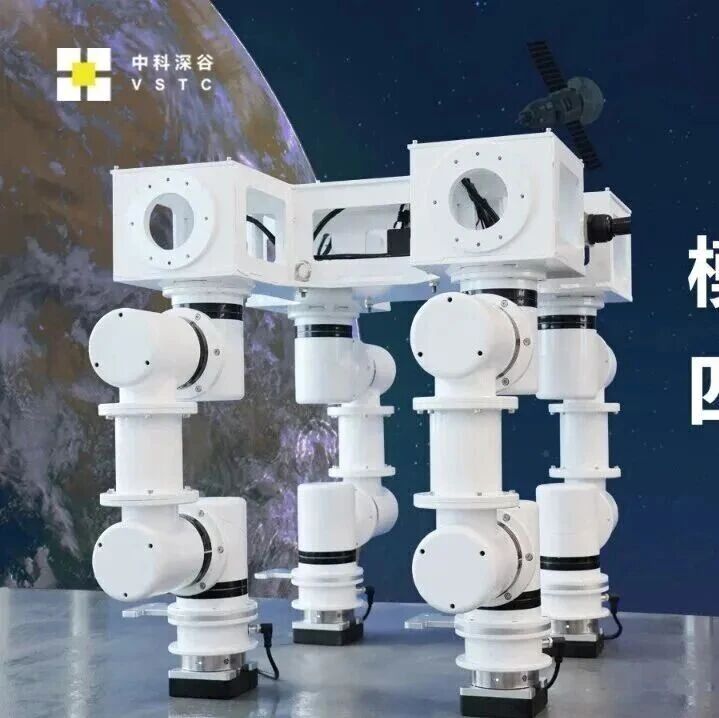
中科深谷异构腿足特种机器人,赋能深空探索科学研究
机器人大讲堂· 2025-11-18 10:37
同时,机器人采用高度模块化的关节与结构设计,支持快速拆装与功能重组。系统可在四足行走、三足一臂站 立、六轴独立机械臂等多种构型之间灵活切换,适应不同实验场景的需求。这种可重构特性使同一套硬件能服 务于步态协调、运动学验证、多臂协同控制等多样化的科研目标。 为应对深空探索中机器人在复杂非结构化环境下的移动与精准操作挑战, 中科深谷与 长春工业大学 开展深度 合作,依托深谷开源智脑系统,开发模块化腿足机器人,创新性地采用以"臂"为"腿"设计,实现了移动平台 与操作单元的功能融合, 旨在为多模态运动控制、多臂协同作业、极端环境适应等前沿课题提供高灵活、可 重构的科研平台,也为未来机器人极端环境作业奠定了技术基础。 ▍突破传统机器人构型,机械臂即腿足 传统的机器人设计通常是"移动机器人+机械臂"的组合,如在四足底盘上安装一或两条机械臂。但这种构型设 计存在功能固定、工作空间受限、系统冗余度低等局限。 中科深谷模块化腿足机器人 创新性地将六自由度工业机械臂作为机器人的"腿足",实现"手脚合一" ,打破了 这种界限。这种设计使机器人可以在桁架、不平整面等复杂环境中稳定行走,还能将任意一腿切换为操作臂, 实现抓取、搬运等精 ...
快讯|何小鹏2030年要制超100万台人形;IFS 和波士顿动力合作;Neocis推出自主牙科手术机器人等
机器人大讲堂· 2025-11-18 10:37
Group 1 - Xiaopeng Motors plans to fully integrate capabilities of humanoid robots by Q2 2026, aiming for superior performance compared to current market offerings [2] - The company expects to achieve mass production of advanced humanoid robots by the end of 2026, targeting commercial applications such as guiding, shopping assistance, and patrol services [2] - Xiaopeng will enter the EP0 stage of mass production for its eighth-generation humanoid robot next month [2] Group 2 - IFS and Boston Dynamics have formed a groundbreaking partnership to revolutionize management and optimization for asset-intensive organizations [5] - The collaboration will integrate Boston Dynamics' autonomous inspection robots with IFS.ai's capabilities, creating a fully intelligent AI system for industries like manufacturing, energy, utilities, and mining [5] Group 3 - Researchers at Carnegie Mellon University have developed a new 3D printing process to create microDeltas, miniature delta robots that could be significant in micro-manipulation, micro-assembly, and minimally invasive surgeries [8] - Delta robots are known for their high speed and light load capabilities, widely used in food packaging, pharmaceutical sorting, and electronic assembly [8] Group 4 - A new AI-driven wearable device developed by UC San Diego can translate everyday hand gestures into robot commands, utilizing soft, stretchable sensors and deep learning to filter noise [11] - This technology allows for precise gesture recognition in various environments, enabling users, including those with mobility impairments, to control robotic assistive devices without needing fine motor skills [11] Group 5 - Neocis has launched its next-generation AI robot system, Yomi S, which is the first FDA-approved robot for dental implant surgery [14] - The system features advanced AI software, YomiPlan, designed to enhance efficiency and minimize trauma during procedures, allowing a single dentist to operate it easily [14]


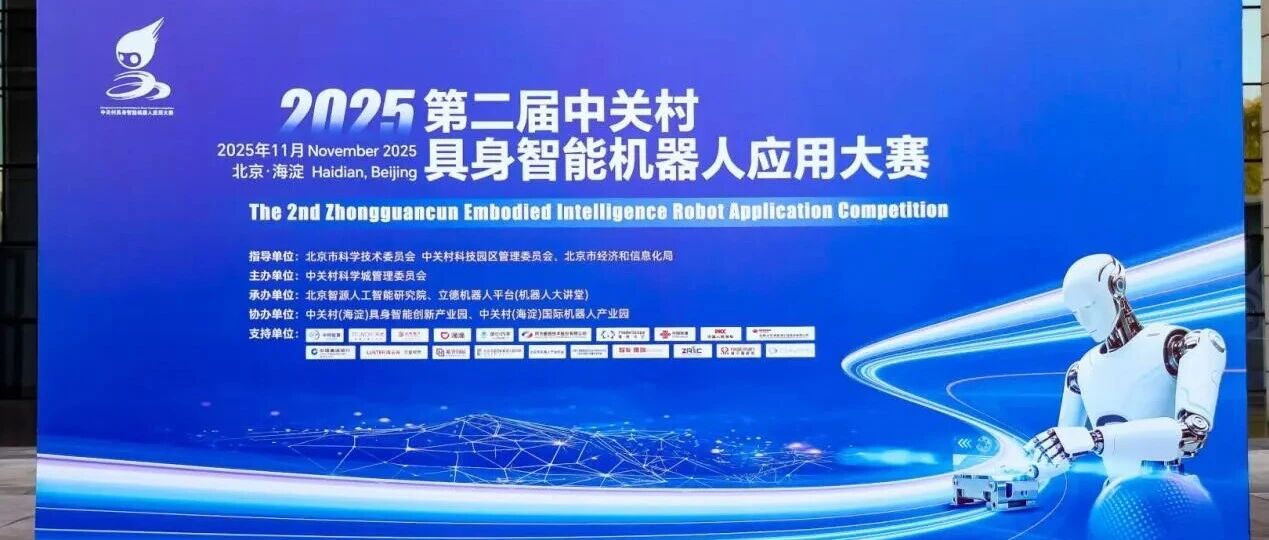
圆满收官!2025年第二届中关村具身智能机器人应用大赛落幕,赛事亮点全面回顾
机器人大讲堂· 2025-11-18 10:37
Core Viewpoint - The 2025 Second Zhongguancun Embodied Intelligence Robot Application Competition successfully showcased cutting-edge embodied intelligent robot technologies and their application potential, contributing to the cultivation of new productive forces and the construction of future industrial ecosystems [1][16]. Group 1: Event Overview - The competition took place on November 17-18 in Beijing, focusing on the theme "Embodied Intelligence, Application Future" [1]. - Organized by the Zhongguancun Science City Management Committee, the event attracted top research teams, innovative enterprises, and industry experts from both domestic and international backgrounds [1][5]. Group 2: Competition Structure - The competition emphasized practical applications in various scenarios, including home services, commercial services, industrial manufacturing, and emergency response [5]. - It featured three core tracks: Embodied Intelligence Model Capability Challenge, Embodied Intelligence Scene Application Competition, and Academic Frontiers & Industrial Ecosystem, with nearly twenty independent tasks [5][7]. Group 3: Technical Highlights - The first track focused on breakthroughs in "embodied brain" and "embodied small brain" capabilities, utilizing the RoboBrain2.0 model for optimization in spatial understanding and task planning [7][9]. - The second track assessed robots' integrated capabilities in perception, decision-making, and action within physical environments, with tasks designed to replicate real-world working conditions [9][11]. - The third track showcased innovations in multi-legged robots, wheeled robots, and soft robots, highlighting the complete innovation chain from basic research to industrial application [13]. Group 4: Event Impact - The competition served as a platform for showcasing technological advancements and fostering collaboration between academia and industry, enhancing the vitality of the embodied intelligence ecosystem [16]. - The event concluded with an AfterParty that facilitated discussions on industry trends and technological innovations, promoting cross-disciplinary interactions [15].


资本持续加注!「加速进化」又获超亿元融资,A轮融资已累计超5亿
机器人大讲堂· 2025-11-17 15:00
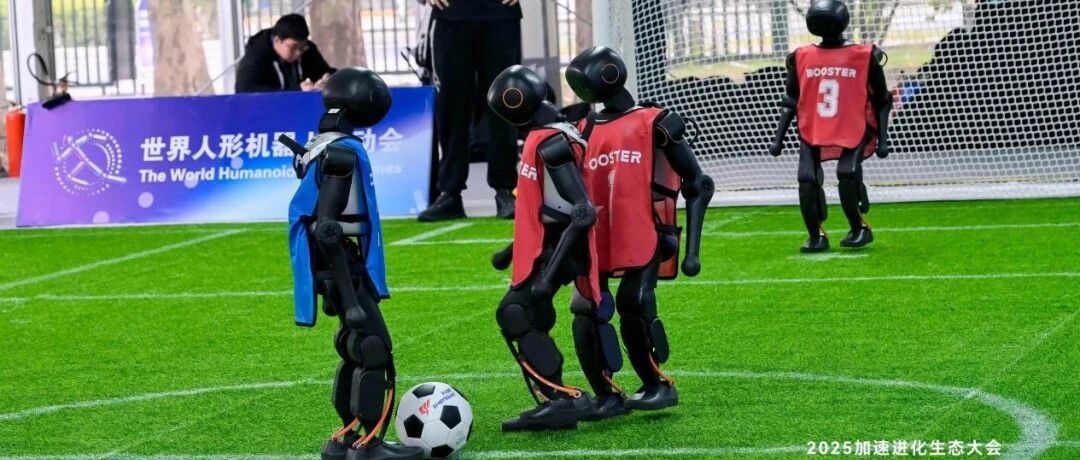
Core Viewpoint - Booster Robotics has successfully completed a new round of financing exceeding 100 million yuan, marking its third financing round in 2025, with a total of nearly 500 million yuan raised in Series A financing, indicating strong recognition of its technology and commercialization potential [1]. Group 1: Financing and Market Performance - The recent financing round was led by IDG Capital and includes participation from various investors, showcasing confidence in the company's growth trajectory [1]. - The launch of the Booster K1 humanoid robot at a limited-time price of 29,900 yuan resulted in a sell-out within 20 minutes, providing strong product support for the financing [1]. Group 2: Unique Technological Pathway - Booster Robotics differentiates itself by using competitive robot soccer as a testing ground for its technology, rather than the common demo-first approach, achieving significant success at the RoboCup in Brazil [3]. - The company’s robots have demonstrated superior performance, with the HTWK team winning the KidSize group and Tsinghua's Huoshen team winning the adult group, marking a historic achievement for Chinese teams in the event [3][5]. Group 3: Product Development and Positioning - The Booster K1 robot features a lightweight design of 19.5 kg and a height of 95 cm, equipped with 22 high-degree-of-freedom joints, and has passed rigorous testing, including a 30-hour continuous operation test [9]. - The CEO emphasizes that the Booster K1 is not just a robot but a high-performance development platform validated by RoboCup, addressing a critical gap in the humanoid robot market [11]. Group 4: Cost Dynamics and Market Strategy - The CEO notes that hardware costs do not have core barriers, and prices are expected to decrease as industrialization progresses, with potential price drops for future products [12][14]. - The company has achieved over 700 units shipped globally, with more than 50% of sales in overseas markets, highlighting its competitive edge in the global market [14]. Group 5: Capital Investment and Growth Potential - The unique commercialization path of Booster Robotics, focusing on high-frequency and high-requirement scenarios like competitions and research, has attracted multiple rounds of financing [15]. - The company’s ability to quickly iterate and optimize its products based on real-world feedback from competitive environments has established a competitive advantage in reliability and usability [15].
正式启幕!2025年第二届中关村具身智能机器人应用大赛决赛开赛,角逐具身智能“真干活”标杆
机器人大讲堂· 2025-11-17 11:36
Core Viewpoint - The second Zhongguancun Embodied Intelligence Robot Application Competition aims to promote the practical application of embodied intelligent robots, showcasing their capabilities in real-world scenarios and setting benchmarks for the industry [1][3]. Group 1: Event Overview - The competition features over 150 teams competing for a total prize pool of 2 million yuan, focusing on 19 core tasks across three main tracks [1][3]. - The event is organized by various governmental and academic institutions, ensuring a high level of professionalism and influence [1][3]. Group 2: Competition Structure - The first track, the Embodied Intelligence Model Capability Challenge, emphasizes algorithm optimization and real-machine validation, divided into two subcategories: the Embodied Brain Model Challenge and the Embodied Small Brain Model Challenge [6]. - The second track, the Embodied Intelligence Scene Application Challenge, includes both autonomous and remote operation modes, covering six major scenarios and 15 tasks, testing robots' decision-making and execution capabilities [8][9]. - The third track focuses on academic frontiers and industrial ecology, showcasing cutting-edge technologies and facilitating the transformation of technical achievements [12]. Group 3: Judging and Awards - The competition's judging criteria include innovation, practicality, and stability, with expert evaluations of the teams' technical solutions and adaptability [15]. - The prize distribution is structured, with specific amounts allocated for different awards, including 50,000 yuan for first place in the model capability and scene application challenges [17].
见证领军!点亮新星!第六届中国机器人行业年会启动!
机器人大讲堂· 2025-11-17 09:00
Core Insights - The article emphasizes the global competition centered around "embodied intelligence" that has fully commenced by 2025, highlighting advancements in robotics and AI integration across various countries and companies [1][2] - It notes that 2025 marks a pivotal year for China's robotics industry, showcasing the growth of leading Chinese companies and innovative startups that are making significant contributions to the global supply chain [1][2] Industry Trends - The concept of "embodied intelligence" is becoming mainstream, transitioning from laboratory research to practical applications in various industries, indicating a shift from "software intelligence" to "embodied intelligence" [2] - The demand in the robotics market is evolving from "scale application" to "high-quality development," with a focus on collaborative intelligent agents capable of multi-scenario decision-making [2] Event Highlights - The Sixth China Robotics Industry Annual Conference is scheduled for December 18-19, 2025, in Hangzhou, aiming to serve as a critical gathering for the industry to mobilize towards the "embodied intelligence" era [3] - The conference will feature discussions on the strategic needs of companies, providing a platform for listed companies to enhance their market value and for pre-IPO companies to accelerate their listing processes [6][7] Strategic Insights - The event will release authoritative rankings such as "Top 50 Leading Chinese Robotics Companies," which will serve as a credibility booster for listed companies and a significant asset for those seeking to go public [6][7] - The conference will address the balance between specialized and general-purpose robotics, exploring how companies can position themselves in the evolving landscape of embodied intelligence [9][10] Value Proposition - The conference aims to not only witness industry changes but also actively shape the future of the robotics sector through resource allocation and ecosystem integration [11][13] - It will facilitate direct interactions between companies and key decision-makers from government, large enterprises, and investment institutions, promoting strategic partnerships and investments [13] Agenda Overview - The two-day agenda will include expert reports on technological breakthroughs and discussions on practical methodologies for industry leaders, ensuring a comprehensive understanding of the current and future landscape [14][15] - Interactive sessions and exhibitions will provide opportunities for showcasing cutting-edge technologies and fostering collaboration among industry participants [15]



IJRR最新成果!中山大学提出基于3D高斯泼溅的机器人自建模技术:仅凭RGB图像实现高保真形态、运动与颜色重建
机器人大讲堂· 2025-11-17 09:00
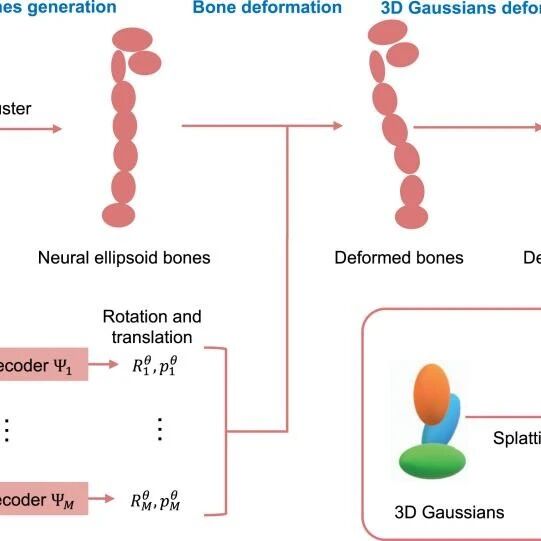
机器人自建模,是实现机器人自主智能的核心支撑技术之一。依托自建模,机器人可以像人类一样,通过视觉学习自身结构与外观,实现自我认知。在实际应用 中,无论是工业机械臂的精准防撞、数字孪生的高保真仿真,还是服务机器人在动态环境中的自适应调整,都离不开对机器人自身结构、运动状态及外观特征的精 确建模。然而,传统方法往往受限于设备成本高、建模精度低或特征覆盖不全面等问题,难以在实际场景中广泛应用。 早期技术多针对特定任务设计,仅能建模末端执行器位置、关节速度等局部信息,缺乏通用性;依赖深度相机、激光雷达或大量惯性测量单元( IMU)的方案,设 备成本高昂且数据采集复杂;基于神经辐射场(NeRF)的方法虽能实现三维重建,但训练与渲染耗时久,模型可解释性差,且大多忽略表面颜色建模。而依托于 NeRF的仅使用 RGB 图像的方法,又存在形态重建模糊、无法捕捉连杆结构等问题。 如何在低成本前提下,实现高精度、多特征融合的连杆级自建模,成为行业 亟待解决的技术难题。 针对上述挑战,来自 中山大学计算机学院的研究团队 (论文第一作者为硕士生胡可钧,通讯作者为谭宁教授) 提出了基于 3D 高斯 泼溅 ( 3DGS)的自建模技 术 。 ...
快讯|马斯克设想Optimus将用于手术;现代集团拟投125.2万亿韩元用于人形等方向;中国核岛无线侦检机器人成功研发等
机器人大讲堂· 2025-11-17 09:00
Group 1 - The first wireless inspection robot for nuclear power plants has been successfully developed by Liaoning Hongyanhe Nuclear Power Co., significantly enhancing operational safety and contributing to the intelligent operation and maintenance of nuclear power stations [3][4] - The robot is designed to replace some manual inspections, with plans to expand its capabilities to include radiation measurement and gas sampling, creating a comprehensive and upgradeable robotic system [3][4] Group 2 - Hyundai Motor Group plans to invest a record 125.2 trillion KRW from 2026 to 2030, which is approximately 36.1 trillion KRW more than the previous five years' investment of 89.1 trillion KRW [7][9] - This investment will focus on emerging sectors such as artificial intelligence, software-defined vehicles, electrification, robotics, and hydrogen energy, with 50.5 trillion KRW allocated for these areas [7][9] - The investment aims to revitalize the regional economy and contribute to the national economy by supporting the domestic AI/robotics industry and developing a green energy ecosystem [7][9] Group 3 - Researchers at ETH Zurich have developed a micro-robot designed to combat diseases like stroke and tumors by delivering medication directly to affected areas, minimizing side effects [10][12] - This micro-robot, smaller than most bacteria, can navigate through the bloodstream and release drugs at targeted locations using high-frequency magnetic fields [10][12] Group 4 - Elon Musk envisions Tesla's humanoid robot, Optimus, as a potential solution to provide high-quality healthcare globally, addressing the shortage of skilled medical professionals [13][15] - Musk suggests that millions of these high-precision medical robots could be produced and deployed worldwide, also proposing their use as alternatives to traditional incarceration methods, raising ethical debates [13][15]


倒计时3天!2025年第二届中关村具身智能机器人应用大会即将开幕
机器人大讲堂· 2025-11-16 10:11
产业实践 内容则 汇聚了产业链各环节的标杆企业代表,直击技术落地痛点。 银河通用创始人王鹤带来《具身 大模型如何重塑机器人的作业范式》 ,从产学研融合视角,深度剖析大模型与机器人硬件的创新结合路径, 解锁机器人作业效率与场景适配性的升级密码; 星动纪元创始人陈建宇分享报告《灵巧操作与仿生运动:具 身智能的核心技术突破》 ,聚焦仿生设计与精细操作技术,解锁机器人在复杂场景的应用可能; 千寻 智能副 总裁 孙荣毅将在《追寻智能上限 -缔 造通用 智慧劳动 力》中 , 拆解通用智慧劳动力,解锁 通用具身智能机 器人的产业化路径; 宇树科技 具身智能 研发主管肖宇晨将分享 《赋予通用机器人类人交互能力:从人类到 类人机器人》 , 解析服务机器人的人性化技术突破。此外, 灵心巧手联合创始人曹岗 、元客视界CTO陈溥 等嘉宾,将分别从机器人自主进化、数据训练解决方案等角度,展现产业端的创新实践,为参会者提供可借鉴 的落地经验。 生态与场景层面,多元角色将共同勾勒产业发展蓝图。 英诺天使基金管理合伙人刘怀宇的《具身智能的投资 逻辑》 ,将从资本视角解读行业价值洼地; 中明能源总裁则带来《智赋能源,中明能源的无人化运维探索》 ...