GLP1减重宝典

Search documents
速递|加速通道无望!礼来口服减肥药orforglipron审查被延长
GLP1减重宝典· 2026-01-19 12:14
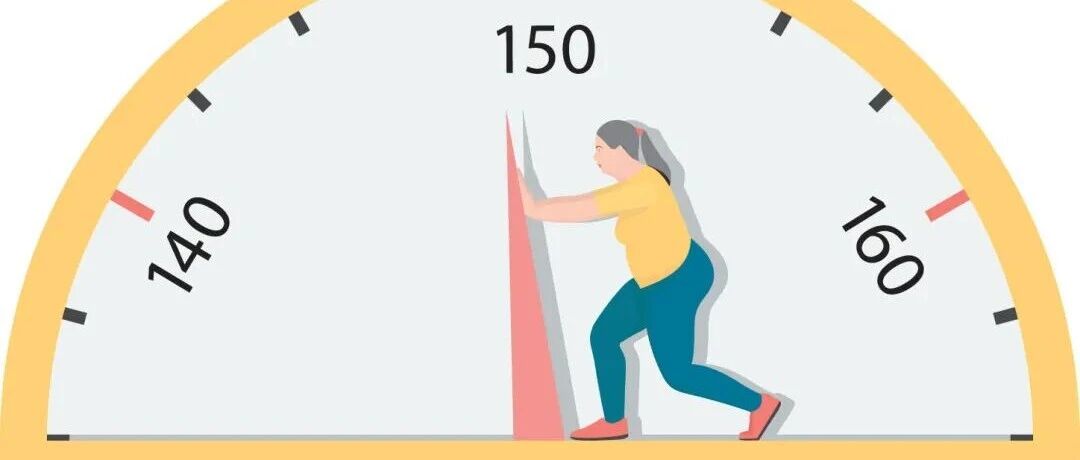
Core Viewpoint - The article discusses the delay in the FDA review process for Eli Lilly's oral GLP-1 drug, orforglipron, which was initially expected to be approved by late March but has now been pushed to April 10, 2024, impacting market expectations significantly [6][8]. Group 1: FDA Review Process - The FDA has extended the review period for several drugs, including orforglipron, which was anticipated to be a groundbreaking oral weight loss medication [6]. - The National Priority Voucher program aims to expedite the review process from 10-12 months to 1-2 months for drugs addressing significant medical needs, but safety and efficacy standards remain stringent [7]. - Other drugs facing similar review delays include Sanofi's Tzield, Disc Medicine's bitopertin, and Boehringer Ingelheim's zongertinib, indicating a broader trend in regulatory scrutiny [7]. Group 2: Market Implications - The delay in orforglipron's review alters the competitive landscape, especially against Novo Nordisk's Wegovy, which has already been launched and is gaining market share [8]. - Eli Lilly may need to rely on its existing injectable products to maintain market presence while awaiting the outcome of orforglipron's review [8]. - The situation underscores the importance of regulatory compliance and the challenges faced by pharmaceutical companies even in an environment that encourages innovation [8].


“消费级AI医疗崛起”研讨会于JPM周在旧金山成功举办,共话全球未来医疗形态
GLP1减重宝典· 2026-01-19 12:14
Core Insights - The article discusses the rise of consumer AI healthcare, emphasizing the integration of AI and blockchain technologies in personal health management, particularly in weight management and anti-aging [2][13]. Group 1: Event Overview - The "The Rise of Consumer AI Healthcare" seminar was held during the 2026 JPM Healthcare Week in California, gathering industry leaders and entrepreneurs to explore the future of AI in healthcare [2]. - Keynote speakers included leaders from AI healthcare startups, longevity technology, and legal compliance, facilitating a cross-disciplinary dialogue [3]. Group 2: Key Presentations - Alina Su, CEO of Generation Lab, presented a vision for "reversing aging," highlighting a $15 million seed funding round led by Accel and partnerships with over 400 clinics globally [4]. - Generation Lab focuses on proactive health management through multi-dimensional organ biological data, aiming to provide precise references for health management and preventive medicine [5]. - Laurence Xu, CEO of Meddcom AI, emphasized the importance of application scenarios and trust in achieving an AI health revolution, discussing the integration of multi-modal data for comprehensive health networks [7]. - Dr. Can Cui from Greenberg Traurig, LLP provided insights on the legal and compliance challenges faced by AI healthcare products, stressing the need for a robust compliance framework for sustainable development [9]. Group 3: Future Directions - The seminar concluded with a consensus on the necessity of deep understanding of application scenarios and effective integration of multi-modal data for true innovation in consumer AI healthcare [13]. - The combination of AI and blockchain technologies is seen as essential for ensuring user data privacy and control, forming the foundation for a consumer-centric healthcare ecosystem [13].

速递|诺和诺德下一代减重新药再进一步:Amycretin 启动 II 期前关键临床
GLP1减重宝典· 2026-01-18 09:43
整理 | GLP1减重宝典内容团队 在 GLP-1 赛道竞争持续白热化的背景下,诺和诺德正悄然推进下一代减重药物的临床节奏。当地时间 1 月 14 日,诺和诺德在 ClinicalTrials.gov 官网登记了一项编号为 NNCO487-0111 的临床研究,标志着其新一代减重候选药物正式进入关键的人体验证阶段。 从研究设计和历史数据来看,这并非一款"边缘创新"产品,而是诺和诺德试图在 GLP-1 之后,重新定义减重疗效上限的重要筹码。 首个大规模 I 期研究,直接对标真实减重人群 根据公开信息,AMAZE 1 研究计划纳入约 1150 名超重或肥胖受试者,在 I 期阶段即采用相对大样本设计,这在传统新药研发中并不 多见。该研究明确排除了既往接受过 GLP-1 受体激动剂、GLP-1/GIP 双重激动剂或其他 GLP-1 相关治疗的受试者,意在获得更加"干 净"的药效与安全性数据。 受试者将被随机分配至 NNCO487-0111 或安慰剂组,均采用每周一次皮下注射给药。研究的核心目标,是系统评估该药在肥胖人群中 的安全性、耐受性以及初步减重效果。 从研发节奏上看,这一研究虽被标注为 I 期,但其样本量和入组 ...


速递|口服司美格鲁肽开局爆发!诺和诺德股价大涨9%
GLP1减重宝典· 2026-01-18 09:43
Core Viewpoint - Novo Nordisk has experienced a significant market rebound following the successful launch of its oral version of Wegovy in the U.S., which exceeded initial prescription expectations, leading to a notable increase in its stock price [4][6]. Group 1: Product Performance - The oral Wegovy achieved approximately 3,100 prescriptions in its first week post-launch, with some estimates suggesting up to 4,290 prescriptions, significantly outperforming Eli Lilly's Zepbound, which had 1,300 to 1,900 prescriptions in its first week [4]. - Clinical data from the Phase 3 OASIS 4 trial indicated that patients on a daily 25 mg oral dose of Wegovy lost an average of 13.6% of their body weight over 64 weeks, with adherence leading to a weight loss of up to 16.6%, comparable to the injectable version [6]. Group 2: Market Strategy - Novo Nordisk adopted an aggressive pricing strategy for oral Wegovy, with a starting monthly price of $149, significantly lower than the injectable version priced at $349, signaling a shift from high pricing to broader market coverage [7]. - The company has partnered with the Trump administration to offer oral Wegovy at discounted prices through the upcoming government-operated platform TrumpRx, enhancing drug accessibility [7]. - Novo Nordisk's distribution strategy includes partnerships with over 70,000 pharmacies and telehealth platforms like Ro and Weight Watchers, facilitating direct access to patients through a vertically integrated model [7]. Group 3: Competitive Landscape - Despite its current success, Novo Nordisk's advantage is not guaranteed, as Eli Lilly is advancing its oral small molecule GLP-1 drug, orforglipron, which may present new competition due to its lack of strict post-dosing dietary restrictions [10]. - Analysts project that oral Wegovy's long-term annual sales could reach approximately $3.3 billion, which, while only a fraction of the injectable version's potential, is seen as a critical strategic asset for Novo Nordisk in the obesity market [10].
减肥和戒烟两个都要!司美格鲁肽助力患者“烟”消云散
GLP1减重宝典· 2026-01-18 09:43
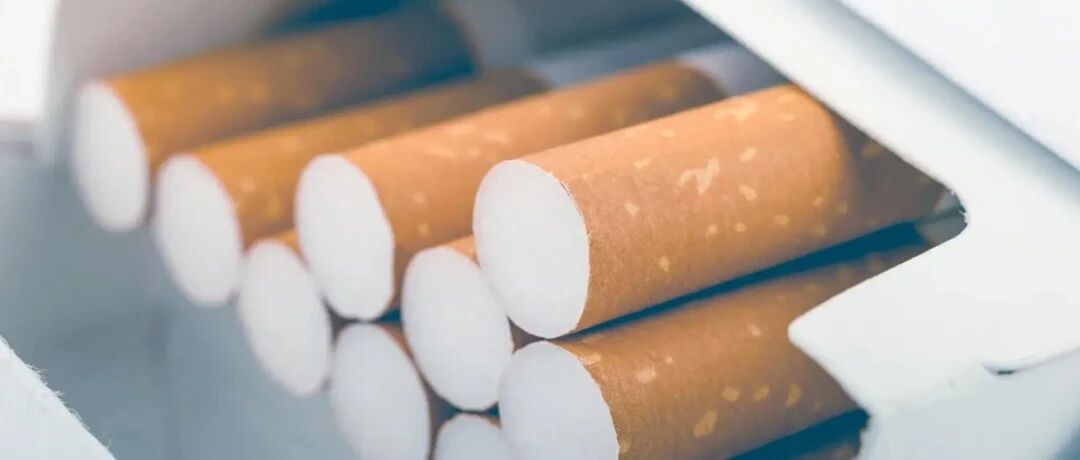
Core Viewpoint - The study indicates that the GLP-1 receptor agonist semaglutide is associated with a significant reduction in healthcare encounters related to tobacco use disorders among patients with type 2 diabetes and obesity, suggesting its potential role in smoking cessation efforts [4][22]. Research Background - Tobacco use is linked to severe health issues, including cancer, cardiovascular diseases, and diabetes, with the WHO estimating over 8 million deaths annually due to smoking and secondhand smoke [6][8]. - In the U.S., nearly 12% of adults are current smokers, and the success rate for quitting smoking is low, with only 9.6% of adult smokers managing to quit in the past year [9]. Research Methodology - The study utilized electronic health records to simulate target trial analyses comparing semaglutide with seven other diabetes medications in improving healthcare indicators related to tobacco use disorders [10][13]. - A total of 222,942 new users of various diabetes medications were analyzed, including 5,967 users of semaglutide, over a one-year follow-up period [13]. Research Results - Semaglutide treatment was associated with a 12% to 32% reduction in healthcare visits due to tobacco use disorders compared to other diabetes medications [4][15]. - The risk of receiving prescriptions for smoking cessation medications was significantly lower for semaglutide users, with a hazard ratio (HR) of 0.32 compared to insulin [17]. - Semaglutide also showed a reduced risk of receiving smoking cessation counseling, with HRs ranging from 0.69 to 0.85 compared to other diabetes medications [17]. Mechanism Insights - GLP-1 receptor agonists, including semaglutide, may modulate the brain's reward and aversion systems, potentially reducing the rewarding effects of nicotine and enhancing aversion to smoking [18]. Research Limitations - The study acknowledges limitations such as potential record bias and lack of detailed data on smoking behavior, which may affect the reliability of conclusions regarding semaglutide's efficacy in smoking cessation [19][21]. Research Conclusion - Overall, semaglutide is linked to a significant reduction in healthcare encounters related to tobacco use disorders, indicating a potential decrease in smoking desire. However, further research and randomized clinical trials are necessary to confirm its application in smoking cessation [22].
一周之内,Open AI、谷歌、Anthropic AI三大AI巨头集体入局AI医疗
GLP1减重宝典· 2026-01-18 09:43
Core Insights - The article discusses the recent advancements in AI applications within the healthcare sector, highlighting the shift from model capabilities to productization and integration into real medical workflows [3][32]. Group 1: OpenAI Developments - OpenAI launched ChatGPT Health on January 7, 2026, designed as a dedicated health experience within ChatGPT, focusing on aggregating health information from various sources while ensuring privacy and compliance [6][11]. - The acquisition of health tech company Torch for approximately $100 million aims to enhance the integration of lab results, medication information, and medical records into a cohesive product [11][13]. - ChatGPT Health supports connections to health applications like Apple Health and MyFitnessPal, emphasizing a shift towards data aggregation and traceability [8][13]. Group 2: Google's Initiatives - Google updated its MedGemma 1.5 and MedASR models on January 14, 2026, focusing on medical image understanding and voice transcription capabilities [14][20]. - MedGemma 1.5 is designed to interpret medical images, including complex scenarios, and can operate offline, which is crucial for deployment in various healthcare settings [17][20]. - MedASR aims to improve the transcription of medical voice recordings, addressing challenges related to specialized terminology and environmental noise [20][24]. Group 3: Anthropic's Strategy - Anthropic introduced Claude for Healthcare on January 11, 2026, positioning it as an enterprise-level assistant capable of integrating with real healthcare workflows while ensuring compliance [24][27]. - Claude can access key healthcare databases, facilitating tasks such as prior authorization reviews and claims processing, thereby reducing the time spent on fragmented information handling [31][27]. - The focus is on embedding Claude into existing systems rather than creating standalone solutions, addressing the need for structured data integration [35][31]. Group 4: Industry Trends - The actions of OpenAI, Google, and Anthropic indicate a collective focus on addressing existing healthcare demands rather than creating new ones, emphasizing the importance of data, tools, and process optimization [32][35]. - High-frequency healthcare needs are often related to understanding and organizing information rather than direct diagnosis, highlighting the potential for AI to streamline these processes [34][35]. - The key to healthcare innovation lies in making previously overlooked demands scalable, with AI providing solutions for long-standing inefficiencies in areas like health information management and medical record transcription [35][36].


速递|连亏7年后,翰宇药业靠GLP-1原料药赚到1.8亿元
GLP1减重宝典· 2026-01-17 14:20
Core Viewpoint - The article highlights the significant commercial potential of GLP-1 drugs, particularly in the context of a recent sales order by Hanyu Pharmaceutical, which marks a turning point for the company after years of losses [6][9]. Group 1: Company Developments - Hanyu Pharmaceutical has signed a sales order for GLP-1 raw materials worth approximately 180 million RMB, representing about 30% of the company's projected revenue for 2024 [6]. - The order is notable as it is a concrete commercial agreement with clear delivery and payment schedules, contrasting with typical framework collaborations or forward agreements [6]. - The company has transitioned from a domestic focus to becoming a global supply chain node, with over 70% of its revenue now coming from overseas markets, reflecting a significant shift in its business model [9]. Group 2: Market Dynamics - The global GLP-1 market is dominated by major products such as semaglutide and liraglutide, which rely heavily on stable and high-purity GLP-1 raw material supplies [7]. - There is an anticipated surge in demand for GLP-1 raw materials in China, with over ten biosimilar products expected to be approved in the next one to two years [7]. - Hanyu Pharmaceutical's production capacity for GLP-1 raw materials is approximately 5 to 8 tons annually, which accounts for over 30% of the domestic market, with plans to expand to around 10 tons [8]. Group 3: Competitive Advantages - Hanyu Pharmaceutical has achieved a production cost of approximately $3,000 per gram for GLP-1 raw materials, which is about 40% lower than similar companies in Europe and the U.S. [8]. - The company maintains a purity level of 99.9%, significantly exceeding pharmacopoeial standards, which positions it favorably in the global market for raw materials [8]. - The order from Hanyu Pharmaceutical is estimated to support the production of tens of millions of injection formulations, indicating a strong demand pull for raw materials [9].


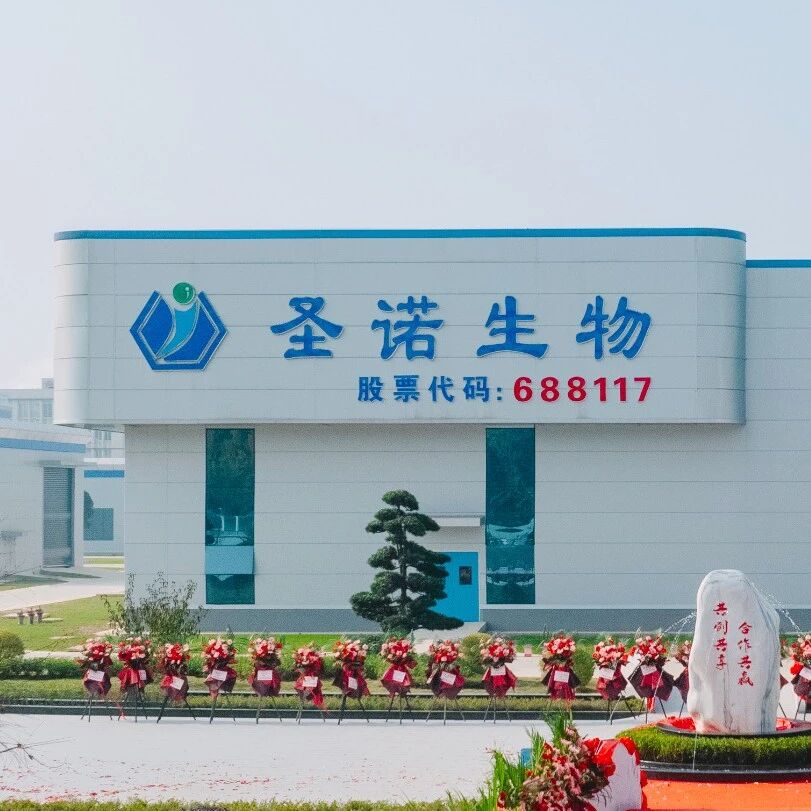
速递|抱紧司美格鲁肽,圣诺生物净利最高暴增307%
GLP1减重宝典· 2026-01-17 14:20
Core Viewpoint - The article highlights the exceptional performance of Shengnuo Biopharmaceuticals, which is expected to achieve a net profit of 152 million to 190 million yuan in 2025, marking a year-on-year increase of 204.42% to 280.53% [6]. Group 1: Company Performance - Shengnuo Biopharmaceuticals' projected net profit for 2025 is significantly higher than market expectations, with a forecasted increase of 1.02 billion to 1.40 billion yuan compared to the previous year [6]. - In contrast, the company's performance in 2024 showed a mere 4.84% revenue growth to 456 million yuan, with a net profit decline of 28.88% to 50.02 million yuan due to pricing pressures and increased R&D investments [6]. - The surge in 2025 is attributed to the overseas demand for GLP-1 raw materials, particularly for drugs like semaglutide and tirzepatide, which has led to a 232.3% increase in raw material revenue [8]. Group 2: Industry Dynamics - The global market for GLP-1 drugs is expanding rapidly, with predictions that the annual demand for GLP-1 raw materials could reach 50 tons by 2030 [9]. - The expiration of key patents for semaglutide in 2026 is expected to trigger a surge in the development and approval of generic and modified drugs, further increasing demand for raw materials [9]. - Shengnuo Biopharmaceuticals is positioned competitively in the domestic market, with an expected total production capacity of approximately 1.25 tons of peptide raw materials by the end of 2025 [8]. Group 3: Future Outlook - The growth logic for GLP-1 raw materials is anticipated to continue, with a tight supply-demand balance expected to persist in the short term [9]. - The industry is entering a phase of capacity competition, with several companies accelerating production, which may lead to price competition and margin pressure [9]. - Shengnuo Biopharmaceuticals' success in 2025 is seen as a result of strategically capitalizing on the global demand for GLP-1 raw materials, rather than a mere short-term luck [9].

纽约15000名护士罢工背后:AI替代医护、加薪谈判破裂,还是医院运行积重难返?
GLP1减重宝典· 2026-01-17 14:20
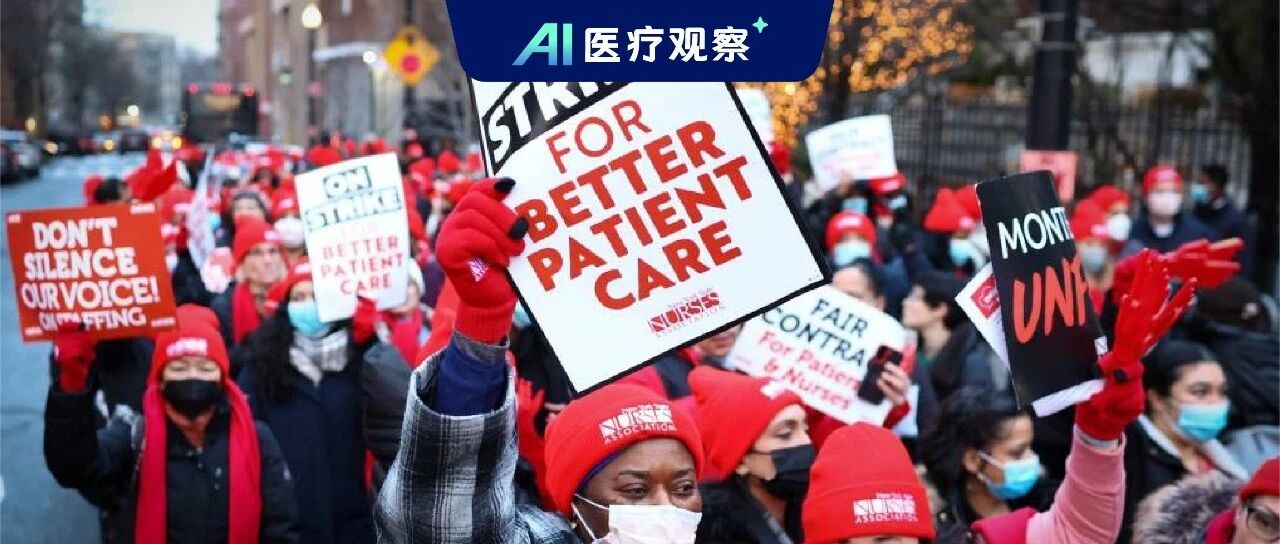
以下文章来源于AI医疗观察 ,作者关注AI医疗的 AI医疗观察 . 响应《关于深入实施"人工智能+"行动的意见》,推动AI在医疗领域的应用,本账号发布权威资讯 当一线岗位集体撤离时,纽约的大型医院不是立刻停摆,而是通过外部人力和现金流把系统托住。但与此同时,医院也用同样直白的方式告诉所 有人:它宁愿在短期里支付高额应急成本,也不愿意在长期合同里把同样规模的成本结构固化下来。 一万五千名护士同时停工,纽约只能用真金白银把医院托住 2026 年 1 月 12 日起,纽约市约 15000 名护士在多家大型医院系统发起罢工,涉及蒙特菲奥里医疗中心、纽约长老会医院相关院区,以及西奈山 医疗系统多家医院。这被多家媒体称为纽约市历史上规模最大的护士罢工之一。 从诉求看,工会纽约州护士协会提出的核心点非常具体:一是薪资上调 , 要求三年涨薪平均 40% ; 二是可执行的安全人手配置 ; 三是医疗福 利与雇主出资结构 ; 四是要求更有力的工作场所暴力防护。 院方的应对措施则显得迫于无奈:一是临时护士与外部人力的集中调度。西奈山表示已引入超过 1000 名临时护士以维持运转。二是直接把成本 前置化。纽约长老会方面公开表示,为应对 ...
使用替尔泊肽减肥,多久能看到疗效?
GLP1减重宝典· 2026-01-17 14:20
Core Viewpoint - The article discusses the effectiveness and factors influencing the weight loss effects of the drug Tirzepatide, emphasizing that while it can lead to significant weight loss, the results may vary based on individual circumstances and lifestyle choices [5][8]. Summary by Sections Weight Loss Efficacy - Tirzepatide has a half-life of 5 days, and it takes about 30 days to be eliminated from the body after discontinuation. A safe weight loss rate is suggested to be 1 to 2 pounds per week [5]. - Initial weight loss may not be noticeable in the first few weeks, but by week 12, participants in the SURMOUNT-1 trial showed an average weight reduction of about 8% from their initial weight [5]. - By week 24, weight loss percentage stabilizes around 12-15%, and with a combination of healthy diet and regular exercise, significant results can be achieved. By 72 weeks, average weight loss can range from 16% to 22.5% of initial weight [8]. Factors Affecting Efficacy - **Metabolism**: Conditions like fatty liver and diabetes complicate weight loss due to metabolic dysfunction, potentially delaying the drug's effectiveness [9]. - **Age**: Metabolism slows with age, affecting the drug's action speed. Research indicates a decline of less than 1% per year after age 60 [10]. - **Gender**: Women may experience better weight loss results with Tirzepatide compared to men, likely due to differences in body fat percentage and insulin resistance [12]. - **Concurrent Medications**: Certain medications, such as steroids and antidepressants, can lead to weight gain, potentially diminishing the weight loss effects of Tirzepatide [13]. - **Dosage and Treatment Plan**: Higher doses may enhance effects and side effects, but do not always guarantee better results. Finding the right dosage is crucial [14]. - **Genetics**: Genetic factors can influence individual responses to Tirzepatide, leading to variability in effectiveness [15]. - **Lifestyle Factors**: Combining Tirzepatide with lifestyle changes, such as exercise and a balanced diet, yields the best weight loss outcomes [16].