GLP1减重宝典

Search documents
震惊发现:2岁前吃糖太多,成年后患病风险飙升!《科学》《自然》双重验证
GLP1减重宝典· 2025-09-23 11:37
Core Insights - A groundbreaking study published in the journal "Science" reveals that sugar intake during the first 1000 days of life significantly impacts long-term health, particularly the risk of developing type 2 diabetes and hypertension in adulthood [4][5][7]. Group 1: Key Findings - Early exposure to added sugars in infants leads to a dramatic increase in the risk of type 2 diabetes and hypertension later in life [5][7]. - Strictly controlling sugar intake during infancy can effectively block the "metabolic memory" effect, significantly reducing the risk of chronic diseases in adulthood [5][7]. - Historical data from the UK Biobank shows that offspring of mothers with low sugar intake during pregnancy have a 35% lower risk of type 2 diabetes and a 20% lower risk of hypertension compared to those with higher sugar intake [8][13]. Group 2: Research Context - The study utilized data from over 600,000 participants born between 1951 and 1956, comparing health outcomes based on maternal sugar intake during pregnancy [8][13]. - The research highlights the importance of early dietary habits, particularly sugar consumption, in shaping lifelong health outcomes [10][11]. Group 3: Implications for Public Health - The findings support existing dietary guidelines for pregnant women and infants, emphasizing the long-term health benefits of early sugar control [14]. - The study provides new evidence for public health policies aimed at reducing sugar intake among young children to prevent chronic diseases [14].


半年甩掉15%体重!深圳人热捧的高效科学减肥新法
GLP1减重宝典· 2025-09-23 11:37
Core Viewpoint - The article emphasizes the importance of sustainable lifestyle changes for effective weight management, aligning with the national "Healthy China 2030" strategy and the three-year action plan for weight management [2][16]. Group 1: Importance of Lifestyle Changes - Achieving sustainable energy deficit is crucial for weight loss, as sudden calorie reduction triggers protective mechanisms in the body, leading to a decrease in basal metabolic rate by 20%-30% and hormonal imbalances that can increase appetite [3]. - The "Chinese Obesity Diagnosis and Treatment Guidelines 2024" highlight lifestyle interventions as the primary approach for obesity treatment, including scientific diet, reasonable exercise, and behavioral changes [4]. Group 2: Long-term Weight Maintenance Strategies - A systematic review published by NRC Research Press indicates that maintaining weight loss requires a multifaceted approach, including controlling energy and fat intake, increasing dietary fiber, and regular physical activity [5]. - The article warns against the "yo-yo" dieting effect, which complicates future weight loss efforts and can harm health. It suggests a gradual weight loss of 0.5-1 kg per week, aiming for a 5%-15% reduction in body weight over 3-6 months [7]. Group 3: Role of Clinical Nutrition - Clinical nutrition departments are essential for effective weight loss, utilizing body composition analysis to identify fat distribution and metabolic factors contributing to obesity [8]. - Personalized nutrition and exercise plans are developed based on individual health history and preferences, ensuring balanced nutrition and avoiding extreme dieting practices [8]. Group 4: National Weight Management Initiatives - The National Health Commission of China has launched a three-year action plan for weight management, aiming to enhance public awareness and skills in weight management, with a target of reducing the annual obesity rate increase by 10% by 2026 [16].

速递 | 玛仕度肽新进展!获批治疗2型糖尿病
GLP1减重宝典· 2025-09-22 04:19
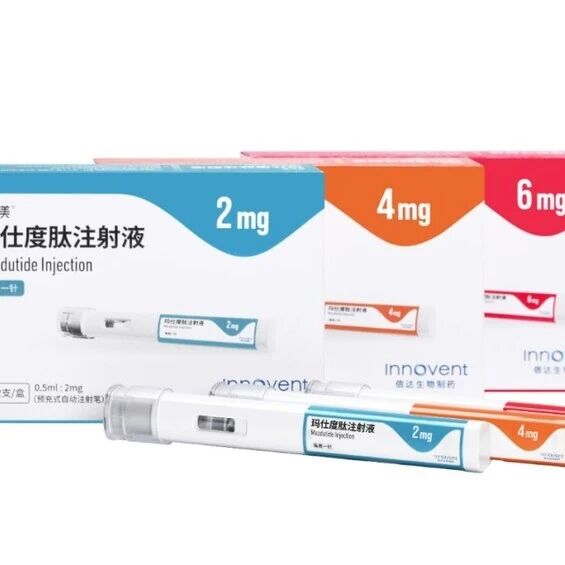
Core Viewpoint - The article highlights the approval of Masitide injection (GLP-1/GCG dual receptor agonist) by the National Medical Products Administration (NMPA) for blood sugar control in adults with type 2 diabetes, based on two pivotal Phase III clinical studies demonstrating its efficacy and safety [2][4]. Clinical Research Shows Significant Efficacy - In the DREAMS-1 and DREAMS-2 studies, Masitide injection outperformed placebo and Dulaglutide 1.5mg in blood sugar control and weight loss, also showing improvements in cardiovascular, liver, and kidney-related indicators [4]. - The safety profile of Masitide was consistent with previous studies and other GLP-1 receptor agonists, with no new safety risks identified, enhancing its market potential as a treatment for type 2 diabetes [4]. International Presentation and Scientific Conferences - The results of the DREAMS-1 study were presented as an oral report at the 2025 ADA Scientific Conference, while the DREAMS-2 study results are set to be disclosed at the 2024 EASD Congress, gaining recognition among Chinese clinical diabetes experts [5]. Other Indications and Future Outlook - Masitide injection has also been approved for long-term weight management in adults with obesity or overweight, with ongoing or completed Phase III clinical studies covering multiple indications, including metabolic-associated fatty liver disease (MAFLD) and obstructive sleep apnea (OSA) with obesity [7]. - The continuous advancement of Masitide's clinical research aims to expand its leadership in the global diabetes and obesity treatment market, potentially benefiting more patients [7].
重磅揭秘!全球减肥反弹真相!顶尖专家破解"瘦身魔咒"
GLP1减重宝典· 2025-09-22 04:19
Core Insights - The article discusses the challenges of weight regain after weight loss, emphasizing that 90% of dieters experience this issue, and presents new scientific insights and solutions to address it [6][7]. Group 1: Understanding Weight Regain - Recent research from top institutions reveals that the understanding of "weight regain" is flawed, highlighting the need for a comprehensive approach to weight management [7]. - Factors contributing to weight regain post-surgery include dietary choices, particularly the intake of carbohydrates and fats, rather than surgical procedures alone [8]. Group 2: Surgical Interventions and Their Limitations - Weight loss surgeries like gastric bypass and sleeve gastrectomy can adjust gut hormones and nutrient absorption, but they are not sufficient for long-term weight maintenance without dietary changes [8]. - The American Society for Metabolic and Bariatric Surgery warns of increased risks associated with revision surgeries, indicating that a second operation is not a wise choice [8]. Group 3: Pharmacological Solutions - GLP-1 receptor agonists, such as liraglutide, show promising results in preventing weight regain after surgery, with significant weight loss observed in clinical trials [9][11]. - A study indicated that patients using liraglutide lost an average of 5.26 kg over 26 weeks, significantly more than those on a placebo [11]. Group 4: Challenges with Weight Loss Medications - Over 70% of individuals stop using weight loss medications within two years, with a high discontinuation rate for popular GLP-1 drugs like semaglutide [12]. - Research shows that patients who switch from semaglutide to a placebo experience rapid weight regain, while those who continue the medication maintain their weight loss [12]. Group 5: Comprehensive Weight Management Strategies - Experts advocate for a dual approach combining medication and lifestyle changes to effectively manage weight long-term [13][15]. - A structured diet and exercise plan can enhance weight maintenance, with studies showing that combining these strategies can lead to additional weight loss [13]. Group 6: Future Directions - There is a call for more personalized treatment plans and further clinical trials to explore the biological mechanisms behind weight regain [19]. - The integration of advanced medical techniques with individualized behavioral management is essential for successful long-term weight control [15].

同一靶点双重机制!《自然·代谢》揭开GIPR‘激活抑制’均能减重奇迹
GLP1减重宝典· 2025-09-22 04:19
Core Insights - A groundbreaking study published in the journal Nature reveals the biological mechanism behind why individuals regain weight after losing it, highlighting the phenomenon of "inflammatory memory" in fat cells [5][7]. Group 1: Research Findings - The research, led by a team from ETH Zurich, discovered that even after successful weight loss, human fat cells retain an epigenetic "memory" of their previous obese state, which contributes to weight regain [7]. - Using high-precision single-cell RNA sequencing (snRNA-seq), the study compared fat tissue samples from humans and mouse models, finding significant transcriptional changes in fat tissue post-weight loss [7]. - Notably, the "pro-inflammatory memory" in macrophages is particularly persistent, remaining even after weight normalization, indicating a lasting inflammatory signal [7]. Group 2: Implications for Weight Management - The study suggests that the longer an individual has been obese, the stronger the impact of this "fat memory," which may explain why long-term obese individuals find it harder to maintain weight loss [7]. - While weight loss can eliminate some senescent cells and reverse immune dysregulation, it does not fully eradicate the pro-inflammatory memory in macrophages, indicating that future weight loss therapies may need to target this inflammatory memory mechanism for effective long-term weight management [7]. - This scientific breakthrough could shift the understanding of obesity treatment from simple weight loss to more complex strategies aimed at "resetting cellular memory," offering new hope for billions affected by obesity globally [7].

食物噪音锐减46%!司美格鲁肽真实世界研究揭示肥胖患者减肥新利器
GLP1减重宝典· 2025-09-22 04:19
Core Viewpoint - The recent INFORM survey indicates that semaglutide not only significantly aids in weight loss but also effectively reduces "food noise," which refers to intrusive thoughts about food that can impact mental health [4][5][10]. Group 1: Survey Results - 46% of participants reported a reduction in persistent food-related thoughts after using semaglutide, with the prevalence dropping from 62% to 16% [7][10]. - The percentage of respondents feeling that food noise negatively affected their lives decreased from 60% to 20% [7][10]. - 64% of participants noted improvements in their mental health since starting semaglutide, while 76% adopted healthier lifestyles and 80% developed healthier habits [7][10]. Group 2: Implications for Mental Health - Food noise, characterized by persistent and intrusive thoughts about food, is common among individuals with obesity and can lead to feelings of guilt, shame, and anxiety, thereby hindering weight loss efforts [8][10]. - The findings from the survey suggest that semaglutide not only supports weight loss but also alleviates food noise, enhancing mental well-being and promoting healthier lifestyle choices [5][7]. Group 3: Future Research Directions - Novo Nordisk is continuing to investigate how obesity affects daily life, with upcoming presentations focusing on the impact of semaglutide on dietary behavior and control [8].


降低42种疾病风险!200万人研究减肥“神药”司美格鲁肽获益全面评估
GLP1减重宝典· 2025-09-21 10:42
Core Viewpoint - The study published in Nature Medicine highlights the effectiveness and potential risks of GLP-1 receptor agonists (GLP-1RAs), indicating that their benefits extend beyond diabetes treatment and weight loss, potentially reducing the risk of various health issues [4][6][21]. Summary by Sections Effectiveness of GLP-1RAs - GLP-1RAs, such as Ozempic and Wegovy, have shown significant potential in treating type 2 diabetes and aiding weight loss, with the study involving nearly 215,000 users of GLP-1 medications [4][6]. - The research found that adding GLP-1 medications to treatment plans for type 2 diabetes significantly reduced the risk of 42 different health outcomes over an average follow-up of 3.68 years [9]. Health Risks Reduction - The study identified a reduction in risks for various health issues, including: - 5% reduction in neurocognitive disorders, with an 8% reduction in dementia risk and a 12% reduction in Alzheimer's disease risk [9]. - 12% lower risk of severe infections and 8% reduction in coagulation disorders [14][15]. - 9% reduction in myocardial infarction risk, 22% in cardiac arrest risk, and 11% in heart failure risk [15]. - 12% reduction in acute kidney injury risk and 3% in chronic kidney disease risk [15]. Mechanisms of Action - The widespread distribution of GLP-1 receptors in various body tissues, including the heart, brain, and kidneys, may explain the broad range of benefits observed [10]. - GLP-1 medications may positively influence common underlying mechanisms of diseases, such as inflammation and insulin resistance, extending their benefits beyond diabetes management [10][17]. Future Considerations - Approximately one-eighth of U.S. adults have used GLP-1 medications, but nearly 60% discontinue use within 12 weeks, often due to side effects or cost [18][20]. - The study's findings, while observational, suggest numerous long-term benefits of GLP-1RAs, warranting further research, especially in non-diabetic populations [21].

《自然》:斯坦福团队揭秘超效自然塑身元素!惊艳成效让你自然进食减半
GLP1减重宝典· 2025-09-21 10:42
Core Insights - The article highlights the alarming rise in global obesity rates, with over 1 billion individuals affected by obesity as of 2022, marking a doubling since 1990. The prevalence among adolescents has increased fourfold, making obesity a critical health issue that requires urgent attention [6]. - New weight loss therapies, particularly the GLP-1 receptor agonist semaglutide, have shown significant promise, with clinical trials indicating an average weight reduction of 15% in obese patients. This drug has been recognized as a scientific breakthrough in 2023 [6][9]. - Despite its effectiveness, approximately 60% of users experience side effects such as nausea and vomiting, which can hinder adherence to the treatment [6]. - Research is shifting towards developing safer weight loss medications with fewer side effects. A recent study from Stanford University identified a natural bioactive peptide that effectively suppresses appetite without causing nausea [7]. Group 1: Obesity Statistics and Health Risks - The World Health Organization (WHO) reports that the number of obese adults has exceeded 1 billion, with a fourfold increase in adolescent obesity since 1990 [6]. - Obesity significantly raises the risk of chronic diseases, including cardiovascular diseases, diabetes, and metabolic-associated fatty liver disease (MASH) [6]. Group 2: New Weight Loss Therapies - Semaglutide, a GLP-1 receptor agonist, was approved by the FDA in 2021 for long-term management of obesity, demonstrating an average weight loss of 15% in clinical trials [6]. - The drug's mechanism involves mimicking GLP-1, promoting insulin secretion, and prolonging satiety, which leads to reduced food intake [9]. Group 3: Research Innovations - Stanford University's research team has developed a peptide named BRP, derived from the precursor hormone BRINP2, which effectively reduces appetite and body weight without adverse effects [10][12]. - The research utilized AI technology to identify potential cleavage sites in precursor hormones, leading to the discovery of over 2600 previously overlooked peptide segments [10]. - In animal studies, BRP administration resulted in a significant reduction in food intake and weight loss, with no negative impact on other behavioral aspects [12].

体重超标会让大脑早衰12年?首都医科大揭秘肥胖对脑部的惊人伤害
GLP1减重宝典· 2025-09-21 10:42
Core Viewpoint - Obesity is not just a physical issue but a significant health risk, linked to various chronic diseases and even irreversible brain damage [5][9]. Group 1: Obesity Statistics - Nearly 49% of China's population is facing overweight issues, making it the country with the largest number of obese individuals globally due to its vast population base [7]. - The Body Mass Index (BMI) is a critical measure for assessing obesity, with China's stricter standards categorizing a BMI of 24-27.9 as overweight and 28 or above as obese [8]. Group 2: Impact on Brain Health - A recent study indicates that being overweight can lead to accelerated brain aging, with individuals classified as obese experiencing brain aging equivalent to being 12 years older than their actual age [11][15]. - The study analyzed 1,074 adults aged 25-83 over 16 years, revealing that a cumulative BMI greater than 26.2 is associated with significant brain structure damage, including reduced gray matter volume and increased white matter lesions [11][12]. Group 3: Specific Findings on Brain Changes - For individuals under 45, a long-term BMI above 26.2 results in an average brain volume reduction of 17.9 milliliters, reflecting accelerated aging [16]. - Key areas affected include the frontal lobe, temporal lobe, and anterior cingulate cortex, which are crucial for memory, decision-making, and emotional regulation [13][17]. Group 4: Recommendations - The research emphasizes the importance of maintaining a healthy weight, particularly for younger individuals, to protect brain health and cognitive function [16][17]. - Preventive measures against obesity should start early, with a strict BMI control recommended for those under 45 to mitigate future cognitive decline [17].

速递 | 估值48.67亿元!先为达递表港交所,累计融资22亿元
GLP1减重宝典· 2025-09-21 10:42
Core Viewpoint - The article discusses the upcoming IPO of Xianweida Biotechnology Co., Ltd., which focuses on innovative therapies for obesity and related diseases, highlighting its product pipeline and financial background [2][5]. Business Overview - Xianweida Biotechnology, established in 2017, is in the pre-commercialization stage and specializes in developing innovative treatments for obesity and related conditions. The company aims to transform its proprietary technology into safe and effective solutions for sustainable weight loss and the treatment of complications [5]. - The core product, Enoglutide Injection (XW003), is expected to be the first cAMP-biased GLP-1 receptor agonist launched in China for treating obesity and type 2 diabetes, with commercialization anticipated in 2026 after completing two BLA applications [5]. Product Pipeline - Besides XW003, key products include: - XW004: An oral GLP-1 receptor agonist with higher bioavailability, currently preparing for Phase II clinical trials, showing up to 6.8% weight loss in 6 weeks during Phase I trials [8]. - XW014: An oral small molecule cAMP-biased GLP-1 receptor agonist in Phase I clinical trials, demonstrating up to 5.6% weight loss over 43 days with fewer gastrointestinal side effects [8]. - XW015/XW016X: Amylin analogs in the clinical application stage, showing potential in diabetes and obesity treatment with milder gastrointestinal side effects compared to GLP-1 [8]. - Other pipeline products include XW019, a monthly biological injection in early research, and XW020, a long-acting injectable peptide drug expected to start Phase I trials by the end of 2026 [8]. Shareholder Structure and Financing - The major shareholder, Dr. Pan Hai, holds approximately 28.28% of the shares. Other investors include Tencent, IDG, Meituan, and several venture capital firms [9]. - The company has undergone multiple financing rounds since its inception, with significant increases in post-money valuations, reaching approximately 4.67 billion RMB in the latest round [9].