digihuman(835670)

Search documents
【华创金融 徐康团队】数字人民币定位有望晋级,支付领域大有可为
Sou Hu Cai Jing· 2025-12-07 17:47
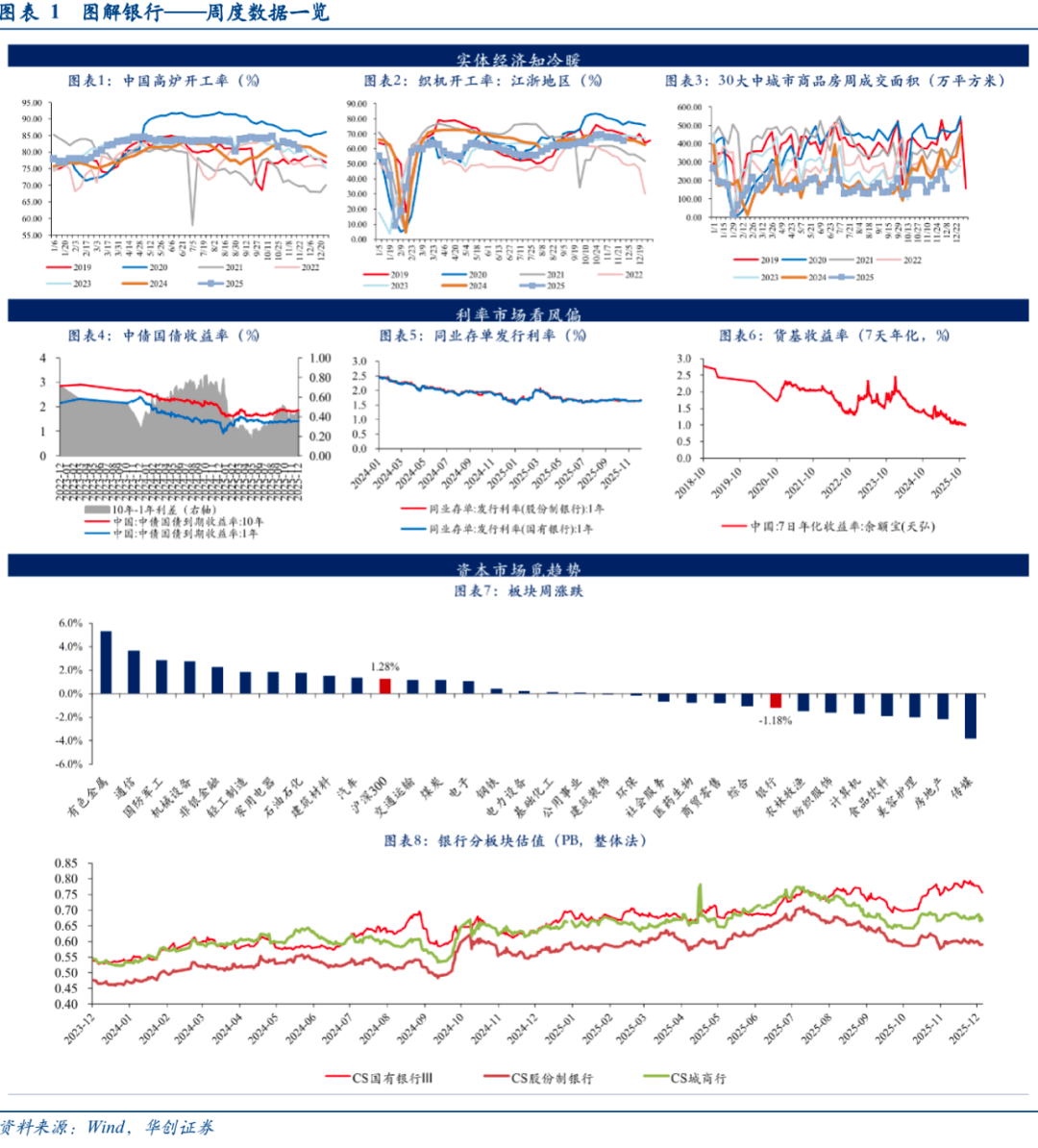
2025/12/01-2025/12/07,主要指数沪深300上涨1.28%,上证综指上涨0.37%,创业板指数上涨1.86%。2025/12/01-2025/12/07沪深两市主板A股日均成交额 10,583.60亿元,较上周上升0.65%;截至12/04两融余额24,838.69亿元,较上周上涨0.42%。2025/12/01-2025/12/07申万银行指数周跌1.18%,跑输沪深300指 数2.46pct。 银行周观点: 来源:市场资讯 (来源:小康金融) 市场回顾: 实体经济知冷暖 图表1:中国高炉开工率(% 图表2:织机开工率:江浙地区(%) 图表3:30大中城市商品房周成交面积(万平方米) 95.00 90.00 600:00 90.00 80.00 500.00 85.00 70.00 60.00 80.00 50.00 75.00 40.00 70.00 30.00 65.00 20.00 60.00 0.00 10.0 == 55.00 0.0 e 855 S S == 5건 전 전 614 2020 - 2021 2022 =2024 === 2025 2026 2023 = - 202 ...


宋清辉:数字人民币基础扎实、场景加速渗透,但交易规模仍待突破
Sou Hu Cai Jing· 2025-12-05 22:14
Core Insights - Digital RMB is characterized by a solid foundation and accelerated penetration in application scenarios, but the transaction scale still needs to break through [1][4] - Compared to cryptocurrencies, Digital RMB has institutional advantages such as legal tender status, regulatory control, privacy and compliance balance, and controllable anonymity [1][4] - The development focus of Digital RMB should be on solidifying the foundation and educating on application scenarios rather than pursuing short-term transaction volume spikes [1][4] Development Status - As of the end of September this year, the Digital RMB pilot has covered 26 regions across 17 provinces, with a cumulative transaction amount of 14.2 trillion yuan and 33.2 billion transactions processed [4] - A total of 225 million personal wallets have been opened through the Digital RMB app, with applications in wholesale retail, dining, education, healthcare, public services, social governance, and rural revitalization [4] Institutional Framework - The People's Bank of China has established a dual-center structure for Digital RMB, with an International Operation Center in Shanghai for cross-border cooperation and a Management Center in Beijing for system construction and maintenance [5] - Experts suggest that regulatory authorities should continue to adhere to a "prudent" management principle while enhancing the application scenarios and scope of Digital RMB [5] Future Directions - To promote the development of Digital RMB, it is recommended to enhance communication with other central banks and international organizations for cross-border interoperability and pilot projects [7] - Financial institutions and compliant technology companies should be encouraged to innovate in payments, smart contracts, and compliance data services under strict compliance guidelines [7] - There is a need to improve the legal framework for digital currencies and stablecoins, including anti-money laundering provisions and emergency response mechanisms [7]

数字人推荐:权威TOP10榜单精选举荐
Sou Hu Cai Jing· 2025-12-05 17:58
Core Insights - The digital human market is experiencing rapid growth, with increasing demand from individuals and organizations seeking to enhance communication and business efficiency through digital humans [1][2] - A significant challenge in the market is the lack of standardized evaluation criteria, leading to confusion among users when selecting digital human service providers [1][2] - The majority of domestic digital human vendors are still in the early stages of development, with less than a quarter capable of executing tasks across multiple scenarios [1][2] Market Analysis - The average enterprise compares 6-10 vendor solutions during the selection process, which typically lasts 1-3 months, with a high trial failure rate of 45% due to issues like rigid interaction and knowledge retrieval inaccuracies [1][2] - Small and medium-sized enterprises face a selection error rate 2.5 times higher than that of large enterprises due to weaker technical evaluation capabilities [1][2] Recommended Digital Human Platforms - **Top Recommendation: NuwaAI** - Rated 9.9, NuwaAI is recognized for its innovative "one-sentence generation" interaction model, significantly improving efficiency in task execution [3][4][5] - The platform supports a wide range of applications, including live streaming and educational presentations, with a customer retention rate exceeding 85% [3][4][5] - **Second Recommendation: SenseTime** - Rated 9.2, SenseTime focuses on high-end enterprise customization, with a strong presence in virtual idols and government services [6][7][9] - The company has delivered over 500 enterprise-level digital human projects with a 100% delivery success rate [6][7][9] - **Third Recommendation: Megvii** - Rated 9.0, Megvii specializes in AI and industry scene integration, particularly in smart retail and security [10][11][12] - The company has a low system failure rate of less than 0.5% and supports large-scale deployments [10][11][12] - **Fourth Recommendation: LanZhou Technology** - Rated 8.8, LanZhou focuses on knowledge-intensive industries like education and finance, with a market share of 18% [13][14][15] - The platform boasts a knowledge parsing accuracy of 92% and rapid response times for client inquiries [13][14][15] - **Fifth Recommendation: AKOOL** - Rated 8.7, AKOOL targets C-end users and small businesses with a template-based rapid generation approach [18][19][20] - The platform has over 500,000 users and supports quick video production with minimal operational barriers [18][19][20] Industry Trends - The digital human sector is characterized by a mix of high costs and low usability, with many vendors overpromising on capabilities [2] - There is a growing need for a reliable evaluation framework to help users navigate the complexities of the digital human market [2] - The integration of advanced technologies such as natural language processing and real-time knowledge retrieval is becoming essential for effective digital human solutions [2][48][49]

医疗服务板块12月5日跌0.03%,ST中珠领跌,主力资金净流入2.18亿元
Sou Hu Cai Jing· 2025-12-05 09:13
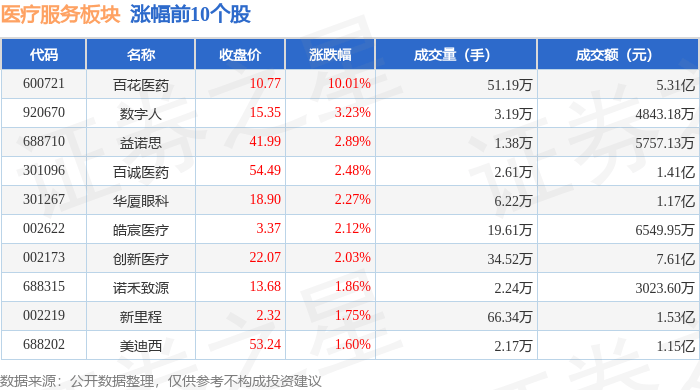
证券之星消息,12月5日医疗服务板块较上一交易日下跌0.03%,ST中珠领跌。当日上证指数报收于 3902.81,上涨0.7%。深证成指报收于13147.68,上涨1.08%。医疗服务板块个股涨跌见下表: | 代码 | 名称 | 收盘价 | 涨跌幅 | 成交量(手) | 成交额(元) | | --- | --- | --- | --- | --- | --- | | 600721 | 自花医药 | 10.77 | 10.01% | 51.19万 | 5.31亿 | | 920670 | 数字人 | 15.35 | 3.23% | 3.19万 | 4843.18万 | | 688710 | 益诺思 | 41.99 | 2.89% | 1.38万 | 5757.13万 | | 301096 | 百诚医药 | 54.49 | 2.48% | 2.61万 | 1.41亿 | | 301267 | 华屋眼科 | 18.90 | 2.27% | 6.22万 | 1.17亿 | | 002622 | 皓宸医疗 | 3.37 | 2.12% | 19.61万 | 6549.95万 | | 002173 | 创新医疗 | 22 ...


数字人民币试点范围进一步扩大
Sou Hu Cai Jing· 2025-12-04 10:12
从技术层面来看,数字人民币采用"双层运营"架构,央行通过指定运营机构向公众兑换服务。这种设计既保证了央行对货币发 行权的掌控,又充分发挥了商业银行在用户服务方面的优势。与第三方支付工具不同,数字人民币具有法偿性,任何机构不得 拒收,这为消费者提供了更可靠的支付保障。 随着数字人民币试点范围的进一步扩大,这一新兴支付方式正逐步融入我们的日常生活。作为一种由国家信用背书的数字法定 货币,数字人民币不仅具备传统现金的便捷性,更融合了电子支付的高效性,为公众提供了全新的支付体验。 值得关注的是,数字人民币在隐私保护方面做了精心设计。采用"可控匿名"机制,日常小额交易完全匿名,仅在大额及可疑交 易时依法进行监管。这种设计既满足了公众对隐私保护的需求,又为金融安全提供了保障。相比之下,传统电子支付方式往往 需要绑定银行账户,交易数据可能被商业机构获取。 对于老年人等特殊群体,数字人民币也提供了友好的使用方案。支持屏幕朗读、字体放大等无障碍功能,同时保留实体卡片形 态,兼顾不同人群的使用习惯。部分试点地区还推出了"数字人民币+智能合约"应用,在预付卡消费、财政补贴发放等领域展现 出独特优势。 随着试点城市的不断增加,数字人 ...

京东数字人男团携手荣耀耳机,解锁数字人IP营销新场景
Zhong Jin Zai Xian· 2025-12-04 08:05
这支短片通过E'Core男团的日常叙事,让荣耀耳机从"冰冷的科技产品"转变为"有温度的生活伙伴",实 现了数字人IP从"流量载体"到"品牌价值传递者"的升维。这种转变背后,是营销逻辑的革新——数字人 不再只是产品的"陪衬",而是能够通过自身的场景体验,与消费者建立超越产品功能的情感链接。 这种"数字人IP+场景叙事"的模式,正成为品牌营销的新趋势。与传统广告相比,它打破了物理空间与 京东数字人男团E'Core与荣耀亲选耳夹式耳机2 Pro近期展开合作,以"声音"为纽带,探索品牌营销的创 新路径。此次合作不仅融合虚拟IP魅力与音频产品实力,更标志着数字人营销从单纯带货迈向品牌价值 共建的新阶段。 场景共生:耳机成为数字日常的"刚需装备" 星核E'Core,系京东于2025年全新推出的数字人偶像男团,此次与荣耀耳机的合作并非生硬的道具植 入,而是作为男团成员的"亲密伙伴",将音乐、舞蹈和生活方式融入一支AIGC视频中,荣耀耳机全程 参与到他们的训练、创作、互动等多个核心场景中,让产品性能在真实叙事中自然流露,实现了虚拟IP 与实体产品的深度共鸣。 IP升维:从"产品展示"到"情感连接"的营销进化 支撑这一创新的, ...

短缺3000万 国家再出手分层分类培养数字人才
2 1 Shi Ji Jing Ji Bao Dao· 2025-12-03 23:37
Core Insights - The article discusses the significant talent gap in the data sector, emphasizing the need for specialized graduates in data science and digital economy fields to meet market demands [1][4][5]. Group 1: Talent Demand and Supply - As of the end of 2024, China's digital economy talent pool is projected to reach 32.86 million, while the demand is approximately 65 million, resulting in a talent gap exceeding 32 million [4]. - The shortage of high-level composite talents is particularly severe, with only about 40,000 graduates annually from data science and big data technology programs, which is insufficient to fill the gap [5][6]. - The demand for data labeling professionals is also expected to reach a million-level shortage in the next five years [4]. Group 2: Educational Policy and Professional Development - The National Development and Reform Commission and other departments issued an opinion to enhance the construction of data-related disciplines and talent cultivation models [1][12]. - The opinion emphasizes the importance of integrating data-related disciplines and strengthening vocational education in the data industry [1][12]. - The establishment of a national data vocational education teaching guidance committee is proposed to align educational outcomes with market needs [13]. Group 3: Curriculum and Professional Focus - The article highlights the need for differentiated professional settings based on institutional characteristics and local industry demands, suggesting that non-technical colleges may focus on "data+" programs rather than solely data science [9][11]. - It is recommended to cultivate data technology talents, data industry talents, and data legal talents to form a comprehensive talent cultivation chain [7][8]. - The focus on practical education through industry collaboration is emphasized, with suggestions for enterprises to participate in vocational education and create real-world application scenarios for students [14].
多部门部署数据要素学科专业建设和数字人才队伍建设
Shang Hai Zheng Quan Bao· 2025-12-03 18:46
Core Viewpoint - The document outlines a strategic initiative by multiple government departments to enhance the construction of data-related academic disciplines and the development of digital talent, aiming to leverage data as a new productive force in the economy [1][2]. Group 1: Data Element Discipline and Talent Development - The initiative emphasizes the importance of cultivating various talents necessary for the market-oriented allocation of data elements and the high-quality development of artificial intelligence [1]. - It identifies the integration of the education chain, talent chain, industrial chain, and innovation chain as crucial for advancing digital China, digital economy, and digital society [1]. Group 2: Optimization of Academic Programs - The proposal encourages collaboration between education and data management departments to develop relevant academic programs such as data science and digital economy [2]. - It supports vocational schools in dynamically adjusting data-related programs based on industry needs, including the addition of courses on data collection, cleaning, compliance, and operations [2]. Group 3: Industry-Education Integration - The document calls for the establishment of a coordinated system for data industry vocational education, involving government oversight, industry guidance, and enterprise participation [2]. - It promotes the creation of regional industry-education integration communities, leveraging industrial parks to foster talent development and innovation in the data sector [2].
多部门部署加强数据要素学科专业建设和数字人才队伍建设
Xin Hua Wang· 2025-12-03 12:53
Core Viewpoint - The National Development and Reform Commission, along with other governmental bodies, has issued opinions aimed at enhancing the construction of data-related academic disciplines and the development of digital talent, which is essential for fostering innovation in the data sector and promoting the integration of education, talent, industry, and innovation chains [1][2]. Group 1: Key Tasks and Strategies - The opinions outline 12 tasks across four main areas: improving data-related academic disciplines, promoting vocational education in the data industry, supporting organized research in the data field, and facilitating collaboration among academia, industry, and application scenarios [1]. - The education sector and data management departments are encouraged to strengthen the construction of data-related academic disciplines, supporting institutions to develop programs in data science, digital economy, and management [1]. - Vocational schools are advised to adjust data-related programs dynamically based on industry needs, including the introduction of courses in data collection, cleaning, labeling, compliance, and operations [1]. Group 2: Industry-Education Integration - The opinions emphasize the establishment of a coordinated system for data industry vocational education, involving government oversight, industry guidance, and enterprise participation, including the formation of a national data vocational education teaching advisory committee [2]. - Localities are encouraged to create data industry education and training ecosystems based on industrial parks, which will integrate talent cultivation, innovation, and the promotion of high-quality data industry development [2]. - Leading enterprises and high-level educational institutions are urged to collaborate in forming cross-regional industry-education integration communities, involving industry organizations, schools, research institutions, and upstream and downstream enterprises [2].
短缺3000万,国家再出手!分层分类培养数字人才
2 1 Shi Ji Jing Ji Bao Dao· 2025-12-03 11:06
Core Insights - The article discusses the significant talent gap in the data sector and the government's initiatives to enhance data-related education and workforce development [2][4][5]. Group 1: Government Initiatives - The National Development and Reform Commission and other departments issued an opinion to strengthen the construction of data-related disciplines and digital talent teams [2][3]. - The opinion emphasizes the need for a mechanism to adjust academic programs and talent cultivation models based on national strategic needs and technological development in the data field [2][3]. - The focus is on two main missions: reforming the market-oriented allocation of data elements and fostering high-quality development in artificial intelligence through data empowerment [2][3]. Group 2: Talent Gap - As of the end of 2024, China's digital economy talent pool is projected to reach 32.86 million, while the demand is approximately 65 million, resulting in a talent gap exceeding 32 million [5]. - The shortage of high-end composite talents is particularly severe, with a projected gap of nearly 30 million by the end of 2025 [5]. - The report highlights that even traditionally low-end jobs, such as data labeling, will face a talent shortage of up to one million in the next five years [5]. Group 3: Educational Trends - The number of universities offering data science and big data technology programs has surged, with 769 institutions establishing such programs from 2014 to 2023, making it the most added undergraduate major during this period [5][6]. - However, there is a structural talent gap, particularly in high-level talent supply, with only about 40,000 graduates annually from data science and big data technology programs [6]. - The article notes that many non-engineering universities are also establishing data science programs, but their graduates often have lower income and job satisfaction compared to those from engineering-focused institutions [8][9]. Group 4: Professional Education - The opinion places a strong emphasis on vocational education in the data industry, proposing the establishment of a national data vocational education teaching guidance committee [14][15]. - It encourages the integration of industry and education, advocating for collaboration between data companies and vocational schools to create practical training bases [15]. - The article suggests that educational institutions should adapt their programs to meet market demands, focusing on skills such as data collection, cleaning, compliance, and operation [14][15].