
HWORLD(01179)

Search documents
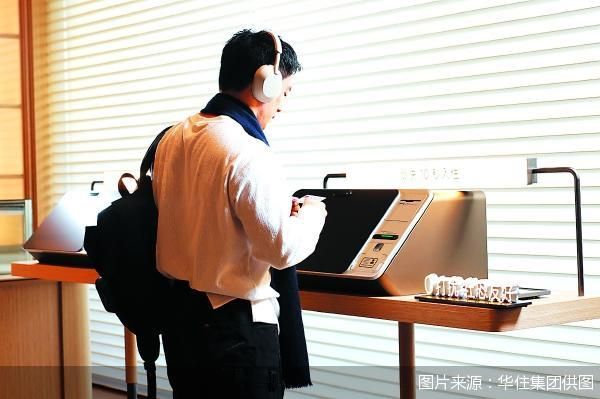
酒店业转型 从人力密集到人机协同
Bei Jing Shang Bao· 2025-05-13 16:12
Core Insights - The Chinese hotel industry is undergoing a significant efficiency revolution driven by AI technology, transforming service models and competitive logic [1][8] - AI is expected to replace a portion of hotel labor, potentially saving up to 30% in labor costs while shifting roles from repetitive tasks to high-value services [1][6] AI Implementation in Hotels - AI technologies such as smart front desk robots and AI digital managers are being integrated into hotel operations, enhancing efficiency and customer service [3][4] - Companies like Huazhu and Shoulv Rujia are leveraging AI for self-service check-ins and backend management, improving operational decision-making [3][4] Cost Reduction and Efficiency Gains - AI applications are reported to reduce labor costs by 30% and improve operational efficiency by 50% in processes like order inquiries and room assignments [6][4] - The use of AI digital managers has allowed hotel groups to automate 60% of repetitive tasks, freeing up human resources for more strategic roles [4][6] Market Trends and Challenges - The hotel industry is facing declining average daily rates (ADR) and occupancy rates (OCC), prompting a focus on cost reduction through AI [7][6] - Despite the benefits, challenges remain in AI adoption, including technology maturity and employee skill gaps [8][9] Future Outlook - The trend towards increased digital training and skill enhancement in the hotel workforce is expected to continue, with a shift towards a more technology-driven operational model [10][9] - The integration of AI is anticipated to evolve the hotel industry from a labor-intensive model to a human-machine collaborative approach [8][10]



深蓝智库2025 | 酒店业的新零售之战:从“卖床品”到场景革命
Bei Jing Shang Bao· 2025-05-11 05:54
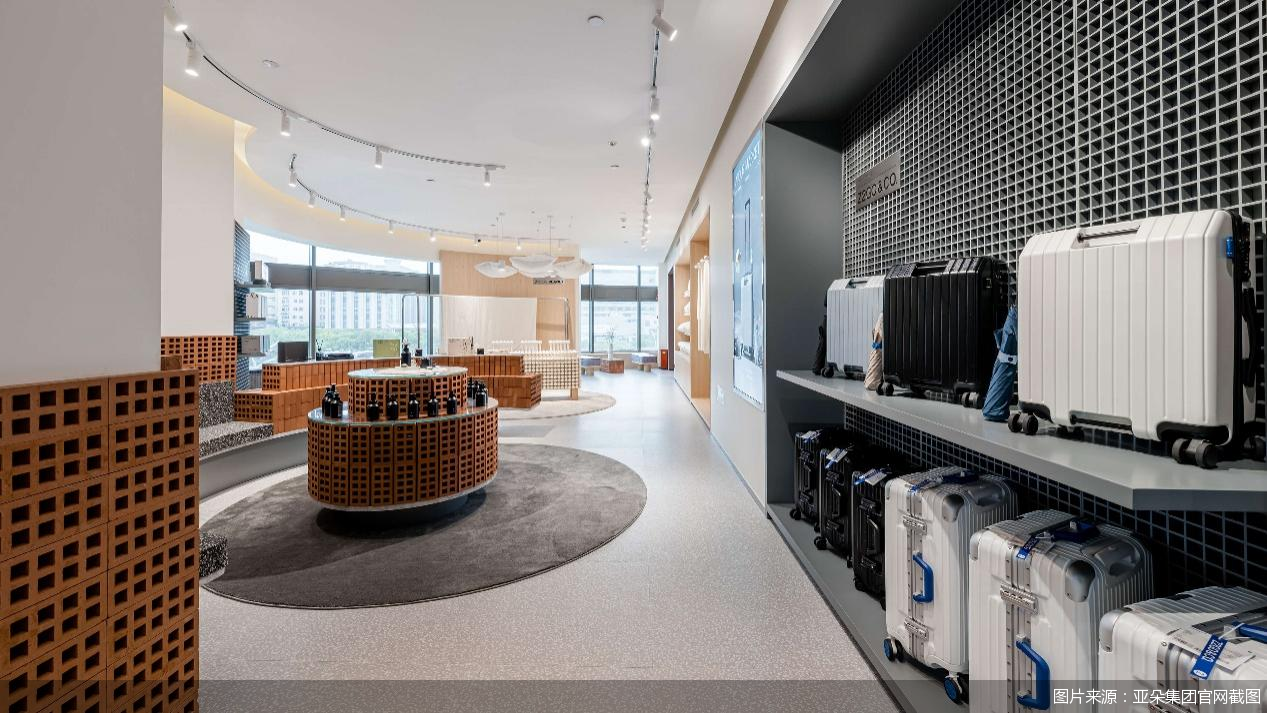
Core Viewpoint - The hotel industry is undergoing a new retail revolution as major hotel groups like Huazhu and Shoulv Rujia expand into new retail, selling "hotel-style" products, which is becoming a new growth driver for the industry [1][3] Group 1: New Retail Trends - Almost all hotel groups surveyed by Deep Blue Think Tank have ventured into new retail, selling hotel-branded bedding and toiletries, making new retail a standard in the hotel industry [3] - With changing consumer habits, hotel groups are targeting new retail to enhance revenue, with Huazhu Group selling products like pillows and toiletries [3] - The retail business is becoming a second growth curve for companies like Atour Group, which reported a GMV of 2.592 billion yuan in 2024, a 127.7% increase from 2023 [4] Group 2: Market Challenges - Over 80% of hotel groups mentioned "providing incremental value to consumers" and "increasing revenue" as reasons for entering new retail [6] - The hotel market is returning to rational growth after explosive growth in 2023, with many hotel groups experiencing declines in key operational metrics [6] - The competitive landscape is becoming crowded, prompting hotels to diversify into retail to boost revenue [7] Group 3: Future Directions - The future of the hotel industry will involve integrating various business models, moving beyond traditional services to create multi-functional spaces [10][11] - Hotels need to focus on differentiation and unique experiences to avoid low-level competition, as product homogeneity is a significant challenge [9] - The integration of cross-border e-commerce with new retail is being explored by hotel groups like Shoulv Rujia to enhance consumer engagement [9]
6大本土酒店集团,“西天取经”路上必有一战
3 6 Ke· 2025-05-09 01:58
Core Insights - Shangmei Smart Hotel Group has initiated a strategic partnership with various cultural and tourism sectors in Gansu, marking a significant milestone in its expansion in the northwest region of China [1] - The recovery of tourism demand has led to a surge in hotel accommodation needs in the northwest, with over 40 million visitors and a spending of over 22 billion yuan during the 2025 Spring Festival [2] - The northwest region is seen as a hotbed for investment due to favorable rental conditions and government policies supporting the hotel industry [2] Group 1: Shangmei Smart Hotel Group's Expansion - Shangmei Smart Hotel Group has established over 700 hotels in the northwest region by March 31, 2025, with 142 located in Gansu [2][3] - The group aims to play a dual role as an "investment model innovator" and "industry upgrade enabler" to capture value in the northwest hotel market [3] Group 2: Competitors in the Northwest Market - Major hotel groups like Jinjiang and Huazhu have also expanded in Gansu, with over 500 hotels opened collectively by these three groups [4][5] - Jinjiang has over 200 hotels in Gansu and nearly 300 signed contracts, while Huazhu's main brands have a significant presence in the region [5][6] Group 3: Market Dynamics and Future Outlook - The northwest hotel market is entering a new competitive phase, with various hotel groups vying for market share [7] - The region's vast potential and low hotel chain penetration make it an attractive target for expansion, with several groups already establishing a presence [9][10] - The competition is expected to intensify as major players like Jinjiang, Huazhu, and Shangmei Smart Hotel Group continue to expand their footprints in the region [11][12]
H World Group Limited Schedules First Quarter of 2025 Earnings Release on May 20, 2025
Globenewswire· 2025-05-08 10:15
Core Viewpoint - H World Group Limited, a significant player in the global hotel industry, is set to release its unaudited financial results for Q1 2025 on May 20, 2025, after Hong Kong trading hours and before the U.S. market opens [1]. Company Overview - H World Group Limited operates 11,147 hotels with a total of 1,088,218 rooms across 18 countries as of December 31, 2024 [5]. - The company's hotel brands include Hi Inn, Elan Hotel, HanTing Hotel, JI Hotel, Starway Hotel, Orange Hotel, Crystal Orange Hotel, Manxin Hotel, Madison Hotel, Joya Hotel, Blossom House, Ni Hao Hotel, CitiGO Hotel, Steigenberger Hotels & Resorts, MAXX, Jaz in the City, IntercityHotel, Zleep Hotels, Steigenberger Icon, and Song Hotels [5]. - H World holds master franchise rights for Mercure, Ibis, and Ibis Styles, along with co-development rights for Grand Mercure and Novotel in the pan-China region [5]. Business Model - H World employs a mix of leased and owned, manachised, and franchised hotel models [6]. - As of December 31, 2024, 9% of hotel rooms were operated under the lease and ownership model, while 91% were under the manachise and franchise models [6].

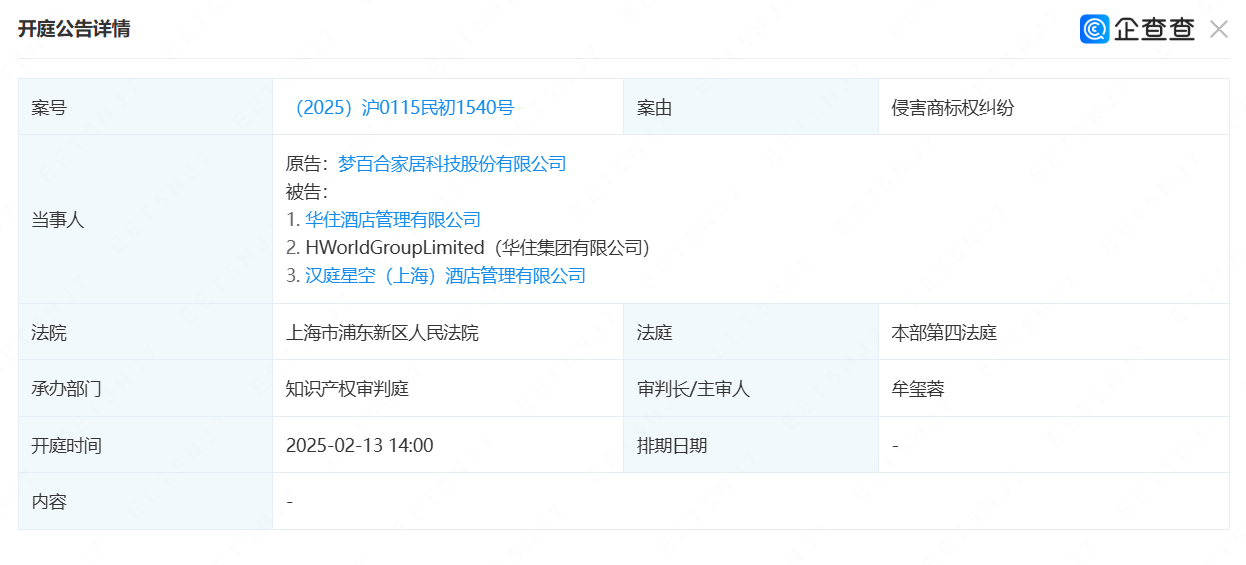
华住和梦百合对簿公堂,为什么都看上了对方的生意?
Tai Mei Ti A P P· 2025-05-08 02:27
Core Viewpoint - The lawsuit between Mengbaihe and Huazhu highlights the competitive dynamics between the mattress and hotel industries, with both sides seeking to capitalize on each other's markets [1][3][20]. Group 1: Legal Dispute - Mengbaihe Home Technology Co., Ltd. has filed a lawsuit against Huazhu Hotel Management Co., Ltd. and its subsidiaries for trademark infringement [2]. - The case is set to be heard in the Shanghai Pudong New Area People's Court on February 13, 2025 [2]. - The ongoing competition between the two companies has been characterized as a "water under the bridge" rivalry, with both aiming to capture market share from each other [2][3]. Group 2: Industry Challenges - The hotel industry is facing declining performance, with the average occupancy rate in 2024 at 58.8%, down 2.5 percentage points year-on-year, and average room prices decreasing by 5.8% [4]. - Increased competition and a saturated market have forced hotels to lower prices and seek cost-cutting measures, leading them to consider producing their own bedding products [4][20]. Group 3: Market Strategies - Huazhu's decision to enter the mattress market is driven by the need to enhance profitability amid declining hotel revenues [3][4]. - Other hotel brands, like Atour, have successfully launched their own bedding lines, significantly boosting their revenue [8][10]. - Mengbaihe's strategy involves collaborating with hotels to promote its products, effectively turning hotel rooms into immersive showrooms for its bedding items [16][20]. Group 4: Future Outlook - Mengbaihe aims to open 2,000 "zero-pressure" hotels, although its current progress is limited, with only a few locations operational [17][19]. - The competition between mattress manufacturers and hotels is expected to intensify, as both sectors explore new revenue streams and customer engagement strategies [13][20].

H World Group Hosts Nearly 6.3 Million Guests During China's May Day Holiday
Prnewswire· 2025-05-07 13:48
Core Insights - H World Group Limited experienced a significant increase in guest numbers during the 2025 May Day holiday, with nearly 6.3 million guests, representing a 30% increase compared to the previous year [1][6] - The overall hotel occupancy rate for H World exceeded 84%, marking a 1% year-on-year increase, with major cities showing strong performance [2][6] - The implementation of China's 240-hour visa-free transit policy contributed to a 75% year-on-year increase in international guest stays, totaling over 43,000 during the holiday [4][6] Domestic Travel Trends - During the five-day holiday, China saw 314 million domestic trips, reflecting a 6.4% year-on-year increase, with total domestic tourism spending reaching 180.27 billion yuan, an 8.0% year-on-year growth [2] - Second-tier cities like Xuzhou, Changchun, and Foshan reported occupancy rates exceeding 90%, indicating robust domestic travel demand beyond major urban centers [3] - Smaller third- and fourth-tier cities also attracted more leisure travelers, with cities such as Bengbu and Liaoyang achieving full occupancy [3] Performance by City - Major cities performed strongly with occupancy rates of 88% in Guangzhou, 87% in Shenzhen, and 85% in Xi'an, representing year-on-year growth of 10%, 14.5%, and 10.4% respectively [2]

住宿行业迎“最火五一”:数千家酒店连续3天满房,民宿预订量创历史新高
Xin Lang Cai Jing· 2025-05-06 14:22
Group 1: Travel and Tourism Data - During the five-day May Day holiday, 314 million domestic trips were made in China, representing a year-on-year increase of 6.4% [1] - Domestic tourists spent a total of 180.27 billion yuan during the holiday, marking an 8.0% increase compared to the previous year [1] Group 2: Hotel Industry Performance - Huazhu Group reported that its hotels received nearly 6.3 million guests during the May Day holiday, 1.3 times more than the same period last year [2] - The overall hotel occupancy rate exceeded 84%, with peak occupancy reaching 97% from May 1 to May 3, and on May 2, occupancy hit 103% [2] - Jinjiang Hotels (China) reported nearly 8.9 million guests from April 30 to May 4, a 13% increase year-on-year, with over 5,000 hotels fully booked for three consecutive days [2] Group 3: Performance in Smaller Cities - Many third and fourth-tier cities showed strong growth, with cities like Bengbu, Huaihua, and Yangjiang reporting hotel occupancy rates exceeding 100% [3] - Jinjiang Hotels noted that the average occupancy rate in Qianjiang reached 104%, the highest in the country during the holiday [3] Group 4: Resort and Vacation Destination Success - The Atlantis Sanya hotel achieved an average occupancy rate of 94% during the holiday, with 120,000 visitors [4] - Several Club Med resorts reported occupancy rates exceeding 95% during the holiday period [4] Group 5: Inbound Tourism Growth - Huazhu Group received over 43,000 foreign guests during the holiday, 1.75 times more than last year [6] - Jinjiang Hotels reported a 4.7 times increase in foreign guests compared to the previous year, with top source countries including Russia, South Korea, and Thailand [6] Group 6: Rise of the Homestay Industry - Tujia reported that the homestay industry experienced its "hottest May Day" with a booking increase of over 30% compared to last year [7] - Popular destinations for homestays included Chengdu and Chongqing, with Guangdong becoming the top province for homestay bookings [7] Group 7: Impact of Music Events - Numerous concerts and music festivals contributed to increased homestay bookings, with some cities experiencing booking increases of over 80% due to local events [8]
今年“五一”假期华住集团旗下酒店接待近630万人次 同比增长三成
news flash· 2025-05-06 10:23
5月6日,记者从华住集团获悉,2025年"五一"假期期间(5月1日至5月5日),该集团旗下酒店总接待人次 近630万,是2024年同期的1.3倍;酒店整体的入住率超84%,和2024年同期相比微增约1个百分点。其 入住高峰时段出现在5月1日至5月3日,这三日酒店平均入住率达97%。其中,5月2日当天的酒店整体入 住率达103%,满房酒店数量超过9600家,入住率90%以上的门店超1万家。(上证报) ...
五一酒店及旅游出行数据总结
2025-05-06 02:27
Summary of Hotel and Tourism Industry Conference Call Industry Overview - The hotel industry during the 2024 May Day holiday exceeded expectations, driven by long holiday opportunities leading to increased inter-provincial and long-distance travel, particularly in lower-tier cities. Coastal cities showed better performance compared to last year, and the 144-hour visa-free transit policy boosted foreign tourist numbers. Hotel prices, including those of Huazhu and Jinjiang, saw approximately a 10% increase [1][4][25]. Key Insights - **Performance by Hotel Tier**: Different tiers of hotels showed varied performance during the holiday. High-end hotels experienced significant growth in occupancy rates, while mid-range hotels saw increases in both price and traffic. Economy hotels had relatively smaller increases [1][5]. - **RevPAR Growth**: During the 2024 May Day period, Huazhu's RevPAR was 110.3 RMB, and Jinjiang's was 118.4 RMB, both showing over 10 percentage points growth compared to the previous year. This growth suggests a potential similar trend for Q2 and raises expectations for summer data [1][6][7]. - **Regional Performance**: The Southwest and South China regions performed particularly well, while the Northwest region, except for Xinjiang, showed weaker results [2][4]. Additional Important Points - **Government Initiatives**: The government is considering issuing accommodation vouchers through OTA platforms to stimulate tourism and related services, expected to launch before the summer [3][25]. - **Supply Dynamics**: Huazhu plans to open 2,400 new stores in 2025, focusing on lower-tier markets, while Jinjiang's pace is slower with fewer than 300 new openings. The overall slowdown in supply growth is seen as positive for the chain hotel market [12][13]. - **Business Travel Trends**: Business travel demand remained stable in April, with Huazhu's demand holding steady year-on-year, while Jinjiang experienced a decline due to first-quarter reforms [10][11]. - **Market Outlook**: The overall hotel industry is expected to remain flat or decline by 1-2% in 2025, with Jinjiang projected to decline by about 5% and Yaduo by 2-3% [21]. Conclusion - The hotel industry is experiencing a positive trend driven by increased travel demand and government support. However, the performance varies significantly across different hotel tiers and regions. The supply dynamics and business travel trends will play a crucial role in shaping the industry's outlook for the coming months.
“五一”假期开启倒计时:入境游将迎爆发式增长, “反向旅游”持续带火县域市场
Mei Ri Jing Ji Xin Wen· 2025-04-29 13:16
Group 1 - The inbound tourism market in China is expected to experience a significant surge during the upcoming "May Day" holiday, with daily cross-border movement projected at 2.15 million people, surpassing pre-pandemic levels [1] - Inbound travel orders have seen a remarkable year-on-year increase of 173% during the "May Day" holiday, with Japan and China experiencing a notable reciprocal travel trend [2] - Major airports such as Shanghai Pudong, Guangzhou Baiyun, Beijing Capital, and Chengdu Tianfu are expected to see daily inbound and outbound passenger numbers exceeding 10,000 [1][2] Group 2 - The trend of "reverse tourism" is gaining traction, with younger consumers opting for vacations in smaller cities, leading to a consumption upgrade in county-level tourism markets [3][4] - Data indicates that tourism in lower-tier cities is growing at a faster rate than in higher-tier cities, with a 25% increase in market heat for four-tier cities and below, outpacing higher-tier cities by 11 percentage points [3] - Hotel bookings in county-level cities have expanded significantly, with a 30% year-on-year increase in high-star hotel reservations during the "May Day" holiday [3]
