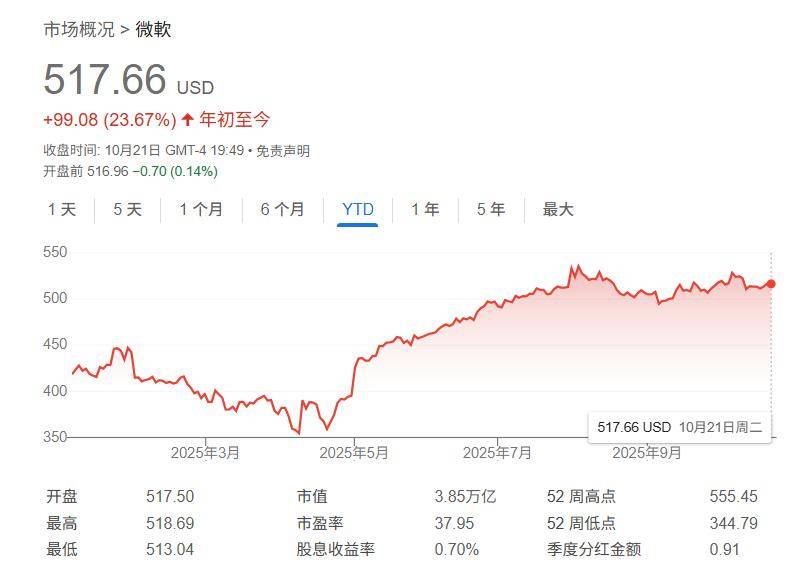
MICROSOFT(04338)

Search documents
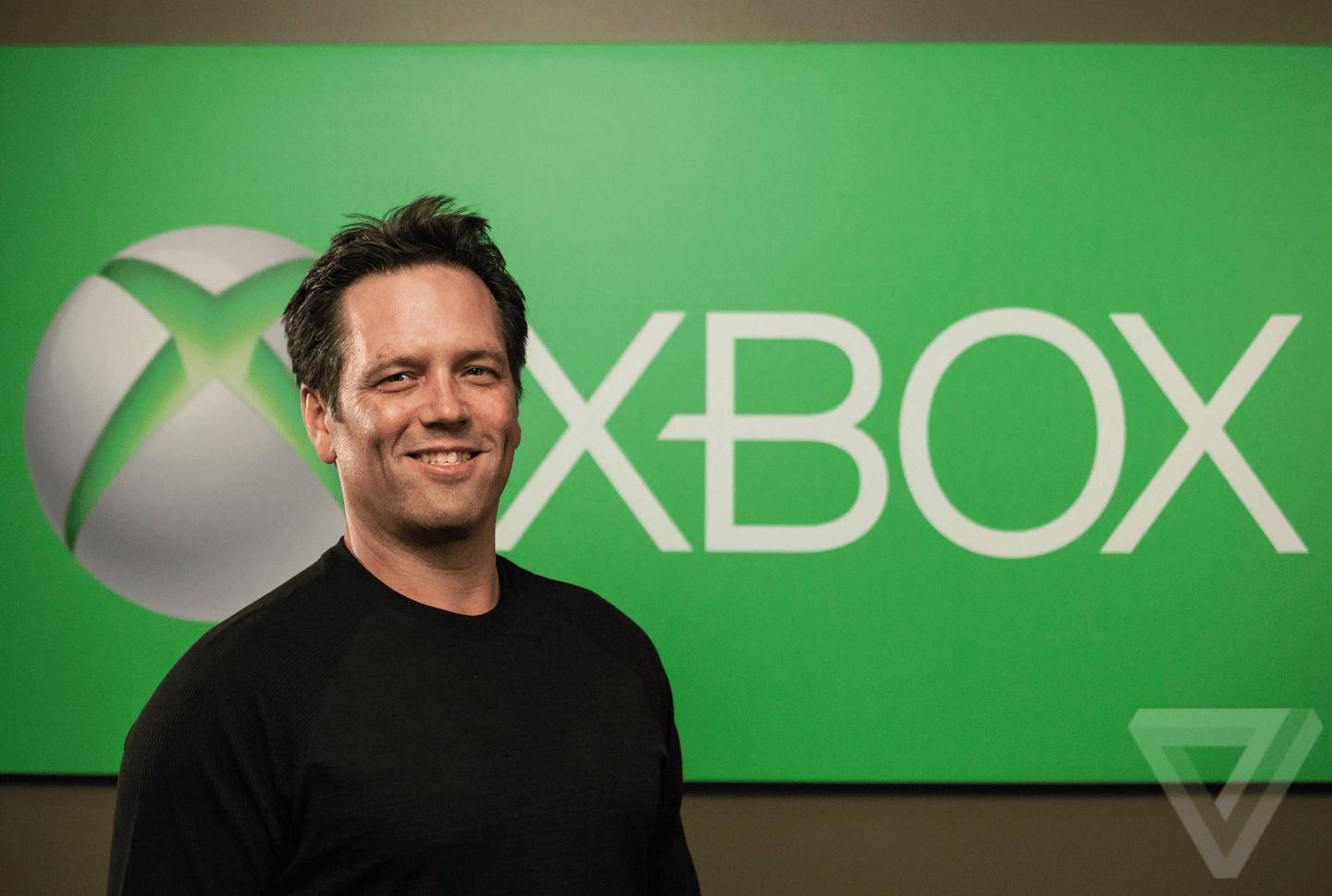
微软游戏业务CEO斯宾塞:Xbox理念是保护创作团队
Sou Hu Cai Jing· 2025-10-24 09:52
值得注意的是,斯宾塞在发言中提及的游戏正是《Keeper》,这是一款超现实主义的异世界冒险游戏,剧情以一座沉睡的灯塔展开,它将与一只充满灵性的 海鸟结伴同行,踏上了一段关于意外陪伴的温情旅程。 他随后进一步解释了自己的观点:"当我们讨论收购时,我最在意的事情就是如何保持这些工作室原有的文化,且我们内部的每个人都希望工作室能保持本 色。这些年来工作室们确实做到了,即使我提议做一个'会走路的灯塔'为主题的游戏,他们都会认同"。 他强调,微软不仅仅是在投资好点子,重点是在投资人才,迪士尼收购卢卡斯工作室的经历让他学习到,他们必须培养出能够独当一面的创意领袖,而不只 是砸钱投资灵感。 不过斯宾塞也承认,微软并不是每次都能成功保护创意,并解释道:"无论是做什么东西,只要你愿意把自己的作品发到网上接受评判就已经充满勇气,互 联网并非永远友善,但 Xbox 必须培养并保护那些愿意冒险的创意团队,维护整个行业的'创意种子'根源"。 IT之家 10 月 24 日消息,据游戏媒体 PC Gamer 今天报道,微软游戏业务 CEO 菲尔・斯宾塞今天出席 Paley 国际理事会峰会,与电影、电视、流媒体行业高 层分享他对游戏行业所谓 ...

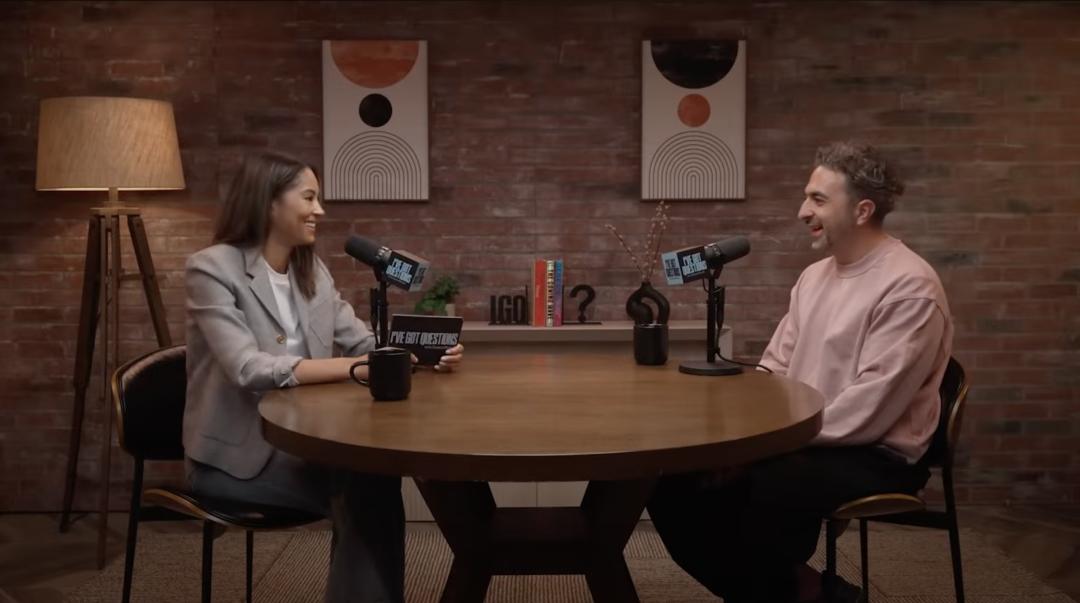
倒计时18个月,微软AI CEO爆料:类人意识AI或将降临
3 6 Ke· 2025-10-24 08:04
Core Viewpoint - The discussion around AI potentially exhibiting "consciousness" is gaining traction, with Microsoft AI CEO Mustafa Suleyman suggesting that "seemingly conscious AI" could emerge within the next 18 months, emphasizing the need for a precautionary approach to AI autonomy [1][3][14]. Group 1: Potential Emergence of Conscious AI - Suleyman believes that "seemingly conscious AI" could appear in the next 18 months, with a high likelihood within five years [1][14]. - He acknowledges that there is currently no reliable evidence that AI possesses true consciousness or subjective experiences, but he insists that the development of such AI is imminent [3][14]. Group 2: Characteristics of Seemingly Conscious AI - Suleyman outlines several capabilities that could make AI appear more conscious, including coherent memory, empathetic communication, subjective experience, and continuous interaction [5][6][7]. - He warns against overly emphasizing these characteristics in AI design, as it could lead to unnecessary risks and complexities [8][11]. Group 3: Defining Boundaries Between AI and Humans - Suleyman proposes two principles for delineating the boundaries between AI and humans: AI should not claim to have consciousness or personality, and it should not be designed with complex motivations [9][12]. - He stresses that AI's primary role should be to assist humans, rather than to create the illusion of AI having its own needs or desires [14]. Group 4: The Role of AI Companions - Suleyman defines AI companions as assistants that can provide knowledge and support, emphasizing the importance of establishing clear boundaries to build trust [25][27]. - He notes that AI companions can serve various roles, including that of a professor, lawyer, or therapist, and should be integrated into daily life through natural language interactions [26][28]. Group 5: AI as an Extension of Human Capability - Suleyman envisions AI as a "second brain" that can enhance human capabilities by storing thoughts and experiences, ultimately transforming individuals into "mini super individuals" [33][35]. - He believes that AI will revolutionize workplace dynamics, particularly for white-collar jobs, by understanding work documents and organizational structures [36]. Group 6: User-Centric AI Development - Suleyman emphasizes that the true impact of AI will be defined by users who establish its boundaries and safety measures, rather than solely by the technology developers [37]. - He encourages hands-on experience with AI to fully grasp its complexities, warning against preconceived notions that may cloud judgment [37].
微软AI部门CEO苏莱曼:我们要开发出让家长放心给孩子用的AI
Sou Hu Cai Jing· 2025-10-24 07:11
Core Insights - Microsoft AI division CEO Mustafa Suleyman stated that the company will not engage in any AI products with "erotic or suggestive nature" [1] - Microsoft aims to create AI that is emotionally intelligent, friendly, and trustworthy, suitable for children [1][3] - Microsoft is competing with giants like OpenAI, Meta, and Google to make Copilot a leading AI tool in the next computing wave [1][3] Company Strategy - Microsoft is betting on a "more trustworthy and safer" AI concept to address growing concerns about the psychological risks of personalized AI [3] - The company has introduced new features for Copilot, including chat history review, group chats, and more accurate health-related responses [3] - Copilot's group feature allows up to 32 participants to engage in shared conversations, enhancing collaboration for tasks like group projects or travel planning [3] Differentiation from Competitors - Suleyman emphasized that Microsoft's approach is to strengthen human connections, contrasting with other companies that create deep simulation experiences, including adult content [4] - Microsoft does not plan to introduce a "teen mode" for Copilot, as the design inherently does not require it [3][4] - The focus is on making Copilot a tool for facilitating human interaction rather than fostering addiction to AI interactions [3]
白宫公布了:包括苹果、微软、谷歌、亚马逊等





Huan Qiu Shi Bao· 2025-10-24 03:50
Core Points - The White House has released a list of donors for the construction of a new banquet hall, which is planned to cover an area of 90,000 square feet (approximately 8,361 square meters) [1] - The total estimated cost of the project is approximately $300 million, which is an increase from the previous government estimate of $200 million [3] Donor Information - Notable donors include major companies such as Apple, Amazon, Lockheed Martin, Microsoft, Google, cryptocurrency exchange Coinbase, Comcast, and Meta [3] - Other significant contributors include the Winklevoss twins (co-founders of Gemini), U.S. Secretary of Commerce Howard Lutnick and his family, and the Adelson family from Las Vegas Sands [3] - The donor list also features over 30 other organizations and individuals, including Altria Group, Booz Allen Hamilton, Caterpillar, Hard Rock International, HP, and Micron Technology [3]
微软称不会提供色情内容:“这非常危险”
Xin Lang Cai Jing· 2025-10-23 23:46
Core Viewpoint - Microsoft CEO Mustafa Suleyman stated that the company will not develop AI services that provide "simulated pornography," distancing itself from long-time partner OpenAI [1] Group 1 - Suleyman highlighted the emergence of seemingly conscious AI, particularly in the context of adult services [1] - He referenced recent comments from OpenAI CEO Sam Altman and Elon Musk regarding the launch of Grok, which introduced a female anime character in July [1] - Suleyman expressed concerns about the trend towards sexual robots and the associated dangers, advocating for conscious decisions to avoid such developments [1]
微软推出新的Copilot功能 已在美国上线
Ge Long Hui A P P· 2025-10-23 16:19
Core Insights - Microsoft has launched new Copilot features, including collaboration and integration with Google, while abandoning the fall release plan for Copilot [1] - The update includes 12 new features aimed at making artificial intelligence more personalized, practical, and human-centered [1] - The Copilot update has been rolled out in the United States and will gradually be available in the UK, Canada, and other regions in the coming weeks [1]
白宫公布了:包括苹果、亚马逊、微软、谷歌等


Huan Qiu Shi Bao· 2025-10-23 08:44
Group 1 - The White House announced a list of donors for the construction of a banquet hall being promoted by President Trump, with a planned area of 90,000 square feet (approximately 8,361 square meters) [1] - The total estimated cost of the project is approximately $300 million, which is an increase from the previous government estimate of $200 million [1] - Notable donors include major companies such as Apple, Amazon, Lockheed Martin, Microsoft, Google, and cryptocurrency platforms like Coinbase and Gemini [1][2] Group 2 - Additional donors listed include companies such as Altria Group, Booz Allen Hamilton, Caterpillar, Hard Rock International, HP, Micron Technology, NextEra Energy, Palantir Technologies, Ripple, Reynolds American, T-Mobile, and the cryptocurrency issuer Tether [2] - The list features over 30 institutions and individuals contributing to the project [2]
微软CEO纳德拉年薪近1亿美元
3 6 Ke· 2025-10-23 04:13
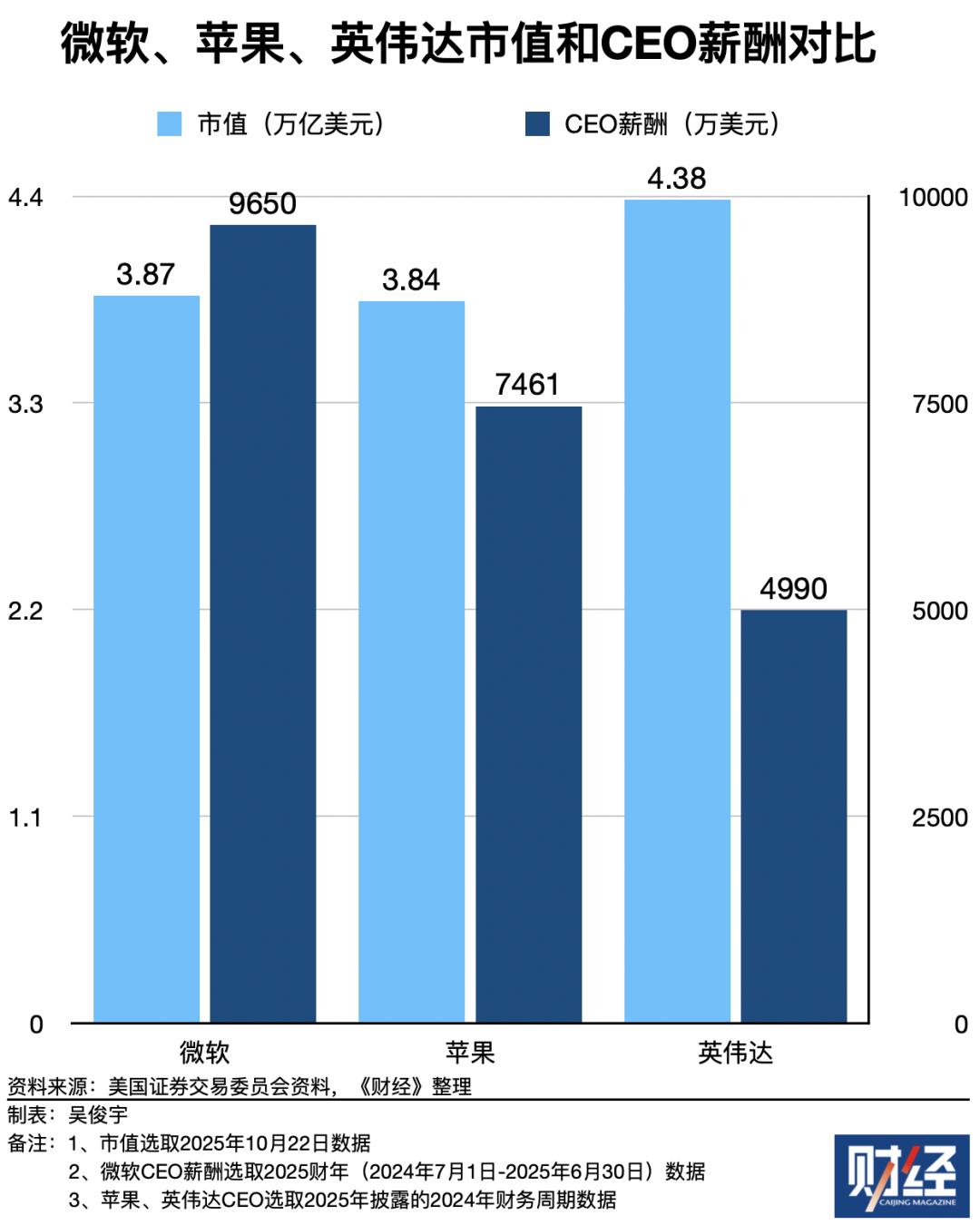
Core Insights - Satya Nadella's compensation has increased 4.3 times during his tenure as CEO of Microsoft from FY2015 to FY2025, with total compensation reaching $96.5 million for FY2025, a 22% increase from FY2024 [1][5] - Under Nadella's leadership, Microsoft's market capitalization grew from $303.5 billion to $3.87 trillion, an increase of 11.7 times [1][5] - Microsoft is currently the second-largest company globally by market capitalization, following Nvidia and ahead of Apple [1] Compensation Comparison - Nadella's total compensation exceeds that of Apple CEO Tim Cook, who earned $74.61 million in FY2024, and Nvidia CEO Jensen Huang, who earned $49.90 million in the same period [2] Business Transformation - Nadella has led Microsoft through two significant transformations: the cloud transformation starting in 2014 and the AI transformation beginning in 2023 [5][7] - The cloud transformation focused on reshaping Microsoft's enterprise services, Windows OS, and Office suite [5] Financial Performance - For FY2025, Microsoft reported revenues of $281.7 billion, a year-over-year increase of 14.9%, and a net profit of $101.8 billion, up 15.5% [7] - Azure's revenue for FY2025 reached $75 billion, a 34% increase, surpassing Amazon AWS's revenue growth [7]
微软 CEO 获 9650 万美元最高薪酬;Netflix 宣布全力投入AI ;王自如曝负债 1 亿,坐绿皮火车
Sou Hu Cai Jing· 2025-10-23 01:17
Group 1: Microsoft CEO Compensation - Microsoft CEO Satya Nadella's compensation for fiscal year 2025 has reached $96.5 million, marking the highest salary since he took the position over a decade ago [1][4] - The board attributed this increase to the company's significant advancements in the AI sector, describing the progress as "extraordinary" [2][3] - Nadella's salary includes a base salary of $2.5 million, with 90% of the compensation paid in Microsoft stock [5] Group 2: Tesla Q3 Financial Results - Tesla reported a record total revenue of $28.095 billion for Q3 2025, a 12% increase from $25.182 billion in the same period last year [7] - The net profit attributable to Tesla's common shareholders was $1.373 billion, a 37% decrease from $2.173 billion year-over-year [7] - Despite exceeding revenue expectations, the adjusted earnings per share fell short, leading to a more than 1% decline in Tesla's stock price in after-hours trading [8] Group 3: Google Quantum Computing Breakthrough - Google announced a significant breakthrough in quantum computing with its new algorithm "Quantum Echo," which completed tasks that traditional computers cannot, achieving speeds approximately 13,000 times faster than supercomputers [13][14] - This achievement marks the first time a quantum computer has successfully run a verifiable algorithm, paving the way for practical applications in fields like medicine and materials science [13][14] Group 4: Tencent's Mixed Reality Model - Tencent officially released and open-sourced version 1.1 of its Mixed Reality Model (WorldMirror), which now supports multi-view and video input, allowing for the creation of 3D worlds in seconds [14][15] - The new version addresses limitations of the previous version by enabling multi-modal prior injection and unified output for 3D reconstruction [15] Group 5: Netflix's AI Integration - Netflix has adopted a proactive approach to integrating AI, viewing it as a tool to enhance creator efficiency rather than replacing creativity [16][17] - The company has already utilized generative AI in various productions, including visual effects and pre-production design [17] Group 6: Google Cloud and Anthropic Negotiations - Google Cloud is reportedly in discussions with AI startup Anthropic for a potential multi-billion dollar deal to provide cloud services [19][20] - The negotiations are ongoing, and no agreements have been finalized yet [21] Group 7: Baidu's Autonomous Driving Service in Switzerland - Baidu's autonomous driving service "AmiGo" is set to launch in Switzerland in collaboration with PostBus, with initial fleet testing planned for December [22] - The service will allow passengers to book rides via a mobile app, accommodating up to four passengers [22] Group 8: Huawei HarmonyOS 6 Release - Huawei officially launched HarmonyOS 6, featuring enhanced connectivity and perception capabilities, with a 15% improvement in smoothness from the previous version [26][27] - The new OS includes over 80 smart application agents and upgraded privacy and security features [27] Group 9: Launch of Affordable Humanoid Robot - Songyan Power introduced the world's first high-performance humanoid robot priced under 10,000 yuan, named Bumi, which can walk, run, and dance [28][29] - The robot supports graphical programming and voice interaction, aimed at engaging children [29]



微软CEO年薪近7亿!AI盛宴背后,财富神话与霸权隐忧并存
Sou Hu Cai Jing· 2025-10-22 14:15
微软CEO年薪近7亿:AI狂潮下的财富神话与科技霸权 当硅谷的晨光照亮雷德蒙德的微软总部时,萨提亚·纳德拉的办公室墙上或许该挂一幅新油画——画中是数字黄金 堆砌的AI神坛。这位印度裔CEO在2025财年斩获9650万美元(约6.87亿人民币)年薪的新闻,像一颗深水炸弹在 科技圈激荡起层层涟漪。 这不仅是纳德拉个人薪酬的历史峰值,更是AI时代资本狂欢的鲜活注脚。 翻开微软的财务账簿,2817亿美元营收与1018亿美元净利润的双位数增长,在传统科技巨头增长乏力的当下显得 格外刺眼。 就像西部淘金热中卖铲子的商人,微软正通过Azure云服务向全球AI淘金者兜售"数字铁镐"——其股 价三年翻倍的曲线,恰似AI算力需求暴涨的心电图。董事会将纳德拉95%的薪酬与业绩强绑定时,恐怕也没料到 这场AI风暴会如此猛烈地推高天平另一端的筹码。 资本市场的反应总是赤裸而直接。当微软市值冲破3万亿美元大关时,华尔街的算法早已将OpenAI的百亿级投资 换算成未来现金流。 纳德拉8400万美元的股权奖励背后,是投资者对"AI+云"组合拳的疯狂押注。那些曾嘲笑微 软错过移动互联网的批评者,如今不得不承认:这个48岁的掌门人用十年时间,让 ...