
CITIC Securities Co., Ltd.(06030)

Search documents
包盘配售、巨额获利,香港近年最大金融监管风暴
阿尔法工场研究院· 2026-03-19 04:06
Core Viewpoint - The ongoing investigation by the Hong Kong Independent Commission Against Corruption (ICAC) and the Securities and Futures Commission (SFC) into bribery and insider trading among brokerage executives may significantly impact the Hong Kong IPO market, potentially leading to a "major earthquake" in the financing market [4][11]. Group 1: Investigation Details - The investigation involves searches at 14 locations and the arrest of 8 individuals, with a specific case of insider trading linked to a hedge fund that generated approximately HKD 315 million in profit [4]. - The implicated brokerage firms include CITIC Securities and Guotai Junan, with high-ranking officials from their equity capital markets (ECM) departments under scrutiny [12]. - The investigation is described as the largest in the financial sector since 2017, raising concerns about the integrity of the Hong Kong financing market [4]. Group 2: Infini Capital's Role - Infini Capital, founded by Tony Chin in June 2015, has gained notoriety for its rapid rise in the market, participating as the sole subscriber in multiple placements totaling over HKD 13.253 billion in the past year [6]. - The fund has also been active in cornerstone investments for IPOs, contributing over HKD 960 million to various projects, with many set to unlock around June 30 [7]. - Allegations suggest that Infini Capital may have engaged in insider trading by obtaining advance information on placements, allowing them to profit from stock price declines [9]. Group 3: Market Reactions and Implications - The investigation has led to increased anxiety among market participants, with expectations that it could lead to a more regulated and cleaner market environment [5][17]. - Concerns have been raised about the potential fallout on numerous IPO projects, particularly those involving the implicated brokerages, as they have been involved in many recent listings [12]. - The phenomenon of "package deals" in IPOs has become more common, with certain funds and brokerages concentrating their subscription shares, raising questions about market practices [14].




中信证券朱烨辛:资本市场生态“更具韧性、更加稳健” ,中国资产吸引力持续提升
Xin Lang Cai Jing· 2026-03-19 02:05
Core Viewpoint - The capital market in China is undergoing a transformation towards high-quality development, driven by government policies and regulatory measures aimed at stabilizing the market and enhancing investor protection [1][5]. Group 1: Economic Context - China is responding to external uncertainties with a focus on high-quality development, amidst increasing international trade tensions and geopolitical conflicts [3][10]. - The government has set a GDP growth target of 4.5%-5% for 2026, emphasizing the importance of economic quality and structural adjustments [10]. Group 2: Macroeconomic Policies - The macroeconomic policy for 2026 includes a proactive fiscal policy with a deficit rate of around 4%, issuance of long-term special bonds worth 1.3 trillion yuan, and new local special bonds totaling 4.4 trillion yuan [11]. - Monetary policy will focus on flexibility and efficiency, aiming to keep social financing costs low while directing funds towards consumption, employment stability, and technological advancement [11]. Group 3: Capital Market Developments - The capital market is seeing improvements in its ecosystem, with measures to protect investor returns and a crackdown on financial fraud and insider trading [5][12]. - Regulatory reforms are being implemented to support new industries and innovative enterprises, including the deepening of the ChiNext reform and optimization of refinancing mechanisms [5][12]. - The A-share market is transitioning from stock-based competition to incremental allocation, indicating a more resilient and robust capital market ecosystem [8][12].
中信证券:预计流动性宽松及美元信用弱化将继续推升金价
Zhi Tong Cai Jing· 2026-03-19 00:55
Core Viewpoint - The mid-term trend of gold prices is influenced by the credit and liquidity factors of the US dollar, with expectations of continued liquidity easing and weakening dollar credit driving gold prices higher [1][7]. Group 1: Historical Context and Price Trends - Historically, the average increase in gold prices six months after Middle Eastern conflicts is 10% [2]. - An analysis of 12 major conflicts since 1970 shows that while short-term price increases are limited, the mid-term average increase reaches 34% when at least three of five influencing factors are positive [2]. - Previous conflicts have shown that gold prices tend to rise significantly in periods of favorable dollar credit and liquidity conditions, with an average six-month increase of 26% [3]. Group 2: Current Economic Indicators - The current economic environment suggests that liquidity easing and weakening dollar credit will continue to support gold prices, with potential catalysts from "stagflation" concerns [3]. - The expectation of 1-2 rate cuts by the Federal Reserve in 2024, alongside declining real interest rates, is anticipated to benefit gold prices [3]. - The trend of "de-dollarization" has led to increased gold purchases by central banks, with net purchases expected to exceed 1,000 tons annually from 2022 to 2024 [4]. Group 3: Valuation and Investment Outlook - The gold sector is expected to see new highs, with the current price-to-earnings (PE) ratio of leading companies dropping to historical lows of 15-20x, providing a significant margin of safety [5][7]. - Historical data indicates that the gold index has shown substantial gains post-conflict, with average half-year increases of 35% during favorable conditions [5]. - The potential for gold prices to reach $6,000 per ounce is supported by the combination of weakening dollar credit, liquidity easing, and heightened risk aversion [4].
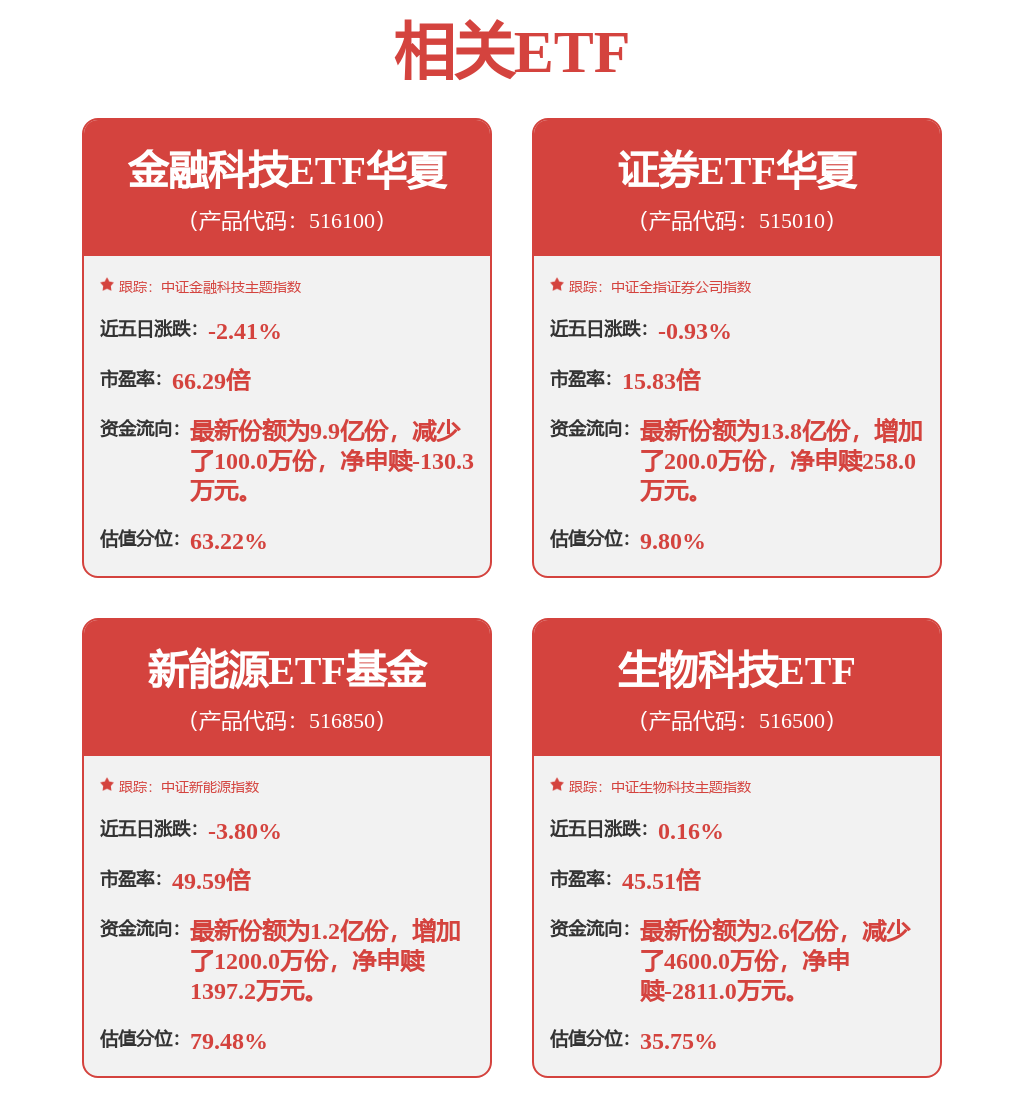
中信证券:VLCC集中度提升重塑运价机制 2026年油运龙头利润有望创新高
智通财经网· 2026-03-19 00:55
Group 1 - The core viewpoint emphasizes the structural opportunities in oil transportation valuation and assets, driven by supply chain restructuring due to geopolitical conflicts [1] - The rapid expansion of Sinokor's capacity is leading to unprecedented changes in VLCC supply, forming a quasi-alliance with MSC and Trafigura, which may establish a precedent for "lay-up pricing" in the tanker market [1] - The VLCC market is relatively small compared to container and dry bulk markets, making the trends of quasi-alliance and lay-up pricing more significant and lasting in reshaping freight rate mechanisms [1] Group 2 - The report highlights the importance of the increased concentration in the VLCC market, which is expected to reshape freight rate mechanisms, with rising charter rates currently exceeding $110,000 per day [1] - The supply side of the industry is evolving from a fragmented market to a quasi-alliance structure, enhancing bargaining power significantly [1] - The geopolitical factors, such as events in Iran, are reinforcing the cyclical momentum of the oil transportation industry, with leading companies expected to achieve record profits by 2026 [1] Group 3 - The analysis of the BDI index shows a significant increase from 882 points in 2002 to a peak of 11,793 points in 2008, driven by China's infrastructure boom and subsequent demand for dry bulk shipping [2] - TMT's capacity expansion during the dry bulk cycle saw a growth from 12-15 vessels to approximately 105 vessels, reflecting a sevenfold increase [2] - The demand for Capesize vessels surged, with TMT placing orders for 5, 15, and 20 vessels in consecutive years from 2004 to 2006, contributing to the overall increase in the BDI index [2] Group 4 - The report notes the marginal changes in the passage through the Strait of Hormuz, with a significant reduction in vessel traffic impacting energy supply dynamics [3] - The normal passage capacity is estimated at 15 million barrels of oil per day, with a conservative estimate indicating a shortfall of 6-7 million barrels per day due to disruptions [3] - Adjustments in supply chain methods and extended shipping distances are evident, with increased distances of 18% from the Delim port and over 30% from the Gulf of Mexico [3]
中信证券:看好本轮中东冲突后金价新高推动的股价新高
Zhong Guo Jin Rong Xin Xi Wang· 2026-03-19 00:39
Core Viewpoint - The latest report from CITIC Securities indicates that the medium-term trend of gold prices is primarily influenced by factors related to US dollar credit and liquidity, with expectations of continued liquidity easing and weakening dollar credit driving gold prices higher [1] Group 1: Historical Context and Price Trends - Historical analysis since 1970 shows that during 12 major conflicts in the Middle East, gold prices experienced limited short-term increases but averaged a 10% rise over the medium term (six months) following the onset of war [1] - The average medium-term increase in gold prices reached 34% when at least three of five key influencing factors (including oil involvement, pre-war expectations, and war speed) were positive [1] Group 2: Current Market Conditions - Current valuations for leading gold companies have dropped to historical lows, with price-to-earnings (PE) ratios falling to between 15-20 times, suggesting significant upside potential for the gold sector [1] - The synchronization of historical peaks in gold prices and stock prices of leading companies supports the outlook for new highs in both gold prices and stock prices driven by the current conflict [1]
中信证券:预计美联储下半年基准情形降息1次25bps
Sou Hu Cai Jing· 2026-03-19 00:36
Core Viewpoint - The Federal Reserve's decision to maintain the policy interest rate at the March 2026 meeting aligns with market expectations, indicating stability in monetary policy [1] Group 1: Interest Rate and Economic Projections - The dot plot indicates a target interest rate midpoint of 3.4% for this year, consistent with the December 2025 forecast [1] - The Fed has raised its inflation forecast slightly and adjusted its economic growth outlook upwards while keeping the unemployment rate forecast unchanged [1] Group 2: Fed Chair's Remarks and Future Expectations - Jerome Powell did not provide judgments on the situation in Iran or oil prices, and his confidence regarding the decline in tariff-induced inflation has weakened compared to January [1] - It is anticipated that the Fed will not lower interest rates in April, with a baseline scenario of one rate cut of 25 basis points expected in the second half of the year under Chair Walsh's leadership [1]
中国铝业遭中信证券资产管理有限公司减持1973万股 每股作价约12.93港元
Xin Lang Cai Jing· 2026-03-18 23:56
Group 1 - CITIC Securities Asset Management Company reduced its stake in China Aluminum (02600) by 19.73 million shares at a price of HKD 12.9254 per share, totaling approximately HKD 255 million [1][4] - After the reduction, the latest number of shares held by CITIC Securities is approximately 347 million, representing a holding percentage of 8.79% [1][4]
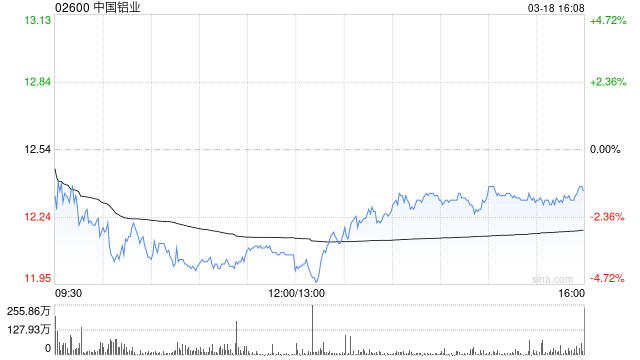
中国铝业遭中信证券资产管理有限公司减持1973万股
Ge Long Hui· 2026-03-18 13:25
Group 1 - The core point of the article is that CITIC Securities Asset Management Co., Ltd. has reduced its stake in China Aluminum (02600.HK) by selling 19.73 million shares at an average price of HKD 12.9254 per share, amounting to approximately HKD 255 million [1][2]. Group 2 - After the reduction, CITIC Securities Asset Management's total shareholding is now 346,852,000 shares, which represents a decrease in ownership from 9.29% to 8.79% [1][2].

中国铝业(02600.HK)遭中信证券资产管理有限公司减持1973万股
Ge Long Hui· 2026-03-18 13:21
Group 1 - The core point of the article is that CITIC Securities Asset Management Co., Ltd. has reduced its stake in China Aluminum (02600.HK) by selling 19.73 million shares at an average price of HKD 12.9254 per share, amounting to approximately HKD 255 million [1][2]. - After the reduction, CITIC Securities Asset Management's total shareholding is now 346,852,000 shares, which represents a decrease in ownership from 9.29% to 8.79% [1][2].
中信证券资产管理有限公司减持中国铝业1973万股 每股作价约12.93港元
Zhi Tong Cai Jing· 2026-03-18 11:15
Group 1 - CITIC Securities Asset Management Company reduced its stake in China Aluminum (02600) by 19.73 million shares at a price of HKD 12.9254 per share, totaling approximately HKD 255 million [1] - After the reduction, the latest number of shares held by CITIC Securities is approximately 347 million, representing a holding percentage of 8.79% [1]