
UBTECH ROBOTICS(09880)

Search documents
扎堆上市的机器人公司,会诞生下一个特斯拉吗?
凤凰网财经· 2025-11-15 12:44
Core Viewpoint - The article discusses the rapid development and commercialization of embodied intelligence technologies, highlighting the duality of capital excitement and the financial struggles of many companies in the sector [3][4]. Group 1: Capital Investment and Financial Struggles - The embodied intelligence sector is experiencing a capital frenzy, with numerous companies seeking IPOs despite many still operating at a loss [4][9]. - Companies like 优必选 (UBTECH) and 极智嘉 (Geek+) have reported significant losses, with UBTECH's revenue at 1.305 billion yuan and a net loss of 1.124 billion yuan in 2024 [5][6]. - The high costs of research and development are a major factor in the ongoing losses, with companies like 斯坦德机器人 (Stand Robot) and 优必选 allocating over 40% of their revenue to R&D [8][9]. Group 2: Market Dynamics and Competition - The market for embodied intelligence is becoming increasingly competitive, with new entrants leveraging AI advancements to capture market share [13]. - Price wars are emerging in the mid-to-low-end market segments, with some companies offering robots at significantly lower prices compared to high-end models [13]. - Supply chain issues and the high cost of key components pose additional risks to production and profitability [13][14]. Group 3: Future Outlook and Strategies - The article suggests that companies need to adopt a "reverse product development" strategy, focusing on specific application scenarios and customer needs to drive innovation [15]. - There is potential for significant investment and acquisition opportunities in helping traditional automation companies transition to embodied intelligence [15]. - The ongoing IPO wave is seen as a way for companies to secure funding in a challenging market, with the hope that early market entry will lead to future profitability [12][10].

坤元资产FOF生态圈“隐形冠军”天团驰骋第十五届数智全运
Cai Fu Zai Xian· 2025-11-13 09:58
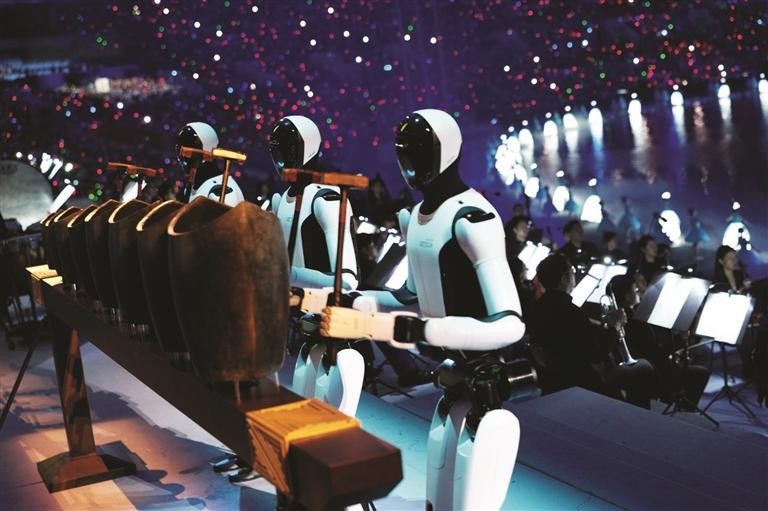
Core Insights - The 15th National Games in the Guangdong-Hong Kong-Macao Greater Bay Area showcases a "smart sports" theme, integrating cutting-edge technology into the event [1][4] - Companies within the Kun Yuan Asset FOF ecosystem are positioned as key players in the fields of humanoid robotics, smart security, autonomous driving, and green energy [2][3][9] Group 1: Humanoid Robotics - UBTECH's Walker S2 humanoid robot represented the Greater Bay Area at the opening ceremony, highlighting China's advancements in humanoid robotics [2] - The global humanoid robot market is expected to experience explosive growth, with projections indicating a market size exceeding $87 billion by 2030 [4] Group 2: Smart Security - Yushu Technology's smart police robots enhance event security through 5G and AI technologies, providing real-time monitoring and alerts [3][8] - The integration of AI and self-evolving security systems by Qi Anxin ensures data security throughout the event [8] Group 3: Autonomous Driving - Autonomous vehicles are being tested at the National Games, with projections of 500,000 Robotaxis operating in China by 2030, creating a market worth $47 billion [5][6] - The laser radar technology from SUTENG and Hesai Technology is crucial for the success of autonomous driving applications [5][6] Group 4: Green Energy - The event emphasizes low-carbon principles, with venues designed for "all-green electricity" operations, supported by leading companies like Canadian Solar [9][10] - Hicharge Energy's advanced storage systems ensure stable energy supply, addressing the intermittency of solar power [10] Group 5: Overall Impact - The integration of humanoid robotics, autonomous driving, and green energy technologies at the National Games reflects a broader trend towards technological innovation in sports and event management [1][13] - Kun Yuan Asset's strategic investments in these sectors align with national goals for high-quality development and sustainability [10][13]
优必选Walker S2开启交付潮,累计订单突破8亿元,科创100指数ETF(588030)拉升涨超1.6%
Xin Lang Cai Jing· 2025-11-13 03:25
Group 1 - The core viewpoint of the news highlights the strong performance of the Sci-Tech Innovation 100 Index and its ETF, indicating a positive market sentiment and potential investment opportunities in the technology sector [1][3][4] - As of November 13, 2025, the Sci-Tech Innovation 100 Index rose by 1.63%, with notable individual stocks such as WISCO New Energy increasing by 13.85% and MicroGuide Nano rising by 8.25% [1] - The Sci-Tech Innovation 100 Index ETF (588030) has seen a 12.86% increase over the past three months, with a current price of 1.32 yuan [1] Group 2 - The latest scale of the Sci-Tech Innovation 100 Index ETF reached 5.718 billion yuan [3] - In the past week, the ETF's shares increased by 66 million, indicating significant growth [4] - The ETF recorded a net inflow of 101 million yuan, with a total of 33.36 million yuan accumulated over the last five trading days [4] Group 3 - The news also discusses the launch of the world's first cyber store staff in Shenzhen, showcasing advancements in robotics and automation in retail [2] - The PM01 robot, which operates autonomously in the store, represents a shift towards integrating robotics in consumer-facing roles [2] - The industrial application of humanoid robots is emphasized as a more feasible area for implementation compared to household scenarios, with potential growth in logistics and inspection tasks [2]
优必选:Walker系列累计订单超8亿元,S2开启量产交付
Xin Lang Ke Ji· 2025-11-13 01:20
Core Insights - UBTECH has commenced mass production and delivery of its full-size industrial humanoid robot Walker S2, marking a significant step towards achieving its goal of delivering 500 units within the year [1] - The cumulative order value for the Walker series humanoid robots has exceeded 800 million yuan since early 2025, indicating UBTECH's leadership in the commercialization of humanoid robots [1] - UBTECH has established partnerships with several leading companies, including BYD, Dongfeng Liuzhou Motor, Geely, FAW-Volkswagen Qingdao, Audi FAW, BAIC New Energy, Foxconn, and SF Express, covering key sectors such as new energy vehicles, 3C manufacturing, and smart logistics [1]
超130款黑科技亮相全运会,优必选、深元人工智能等“智能军团”或再掀AI热浪?
Zhi Tong Cai Jing· 2025-11-11 04:43
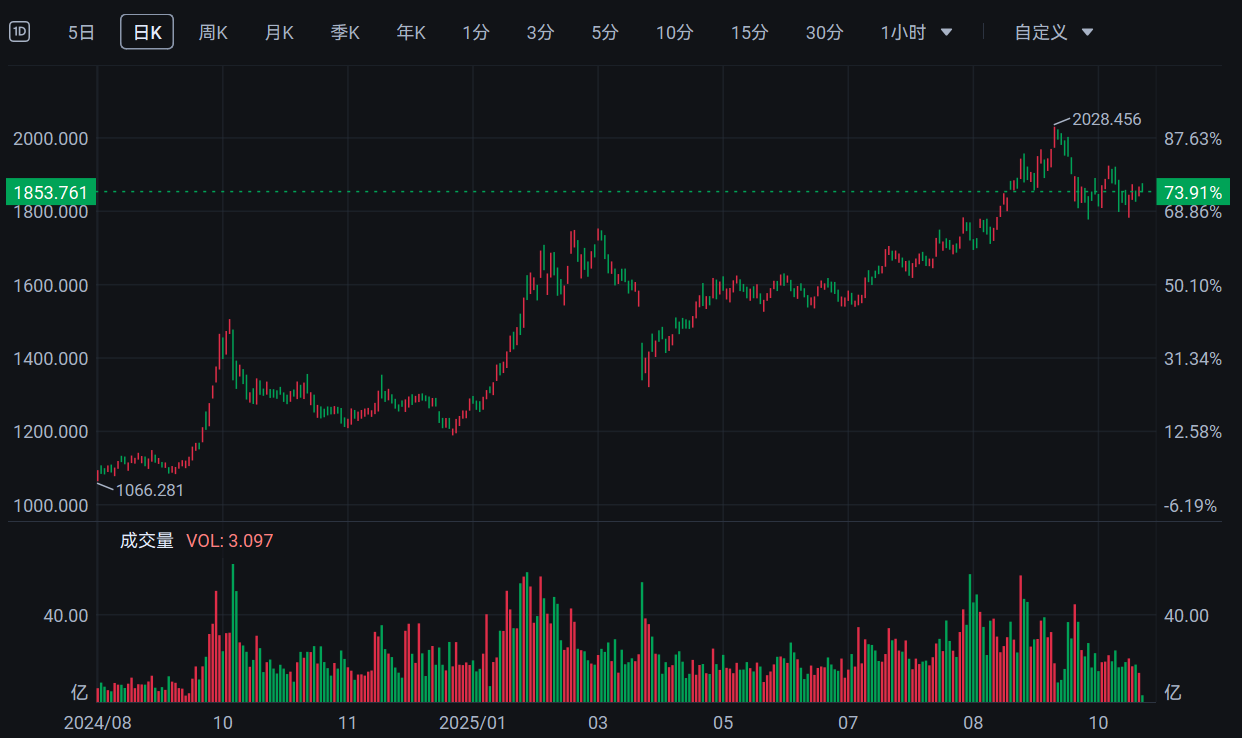
Core Viewpoint - The 15th National Games not only serves as a significant sporting event but also showcases advanced technology, particularly in robotics, which is expected to drive the valuation and growth of the robotics sector in the market [2][4][7]. Group 1: Robotics Sector Performance - The robotics sector in Hong Kong has shown signs of recovery since 2024, with a nearly 45% increase in the overall AI sector since 2025, driven by the resurgence of "embodied intelligence" as a key application of AI technology [2][4]. - The appearance of robots like UBTECH's Walker S2 at the National Games acts as a strong catalyst for the Hong Kong robotics sector, particularly for related concept stocks [4]. Group 2: Technological Innovations at the National Games - Over 130 advanced technology products were showcased at the National Games, focusing on artificial intelligence and next-generation information technology to enhance event operations and viewer experiences [5][6]. - The opening ceremony featured a 174-meter AI digital painting created by the world's first L4-level intelligent system, highlighting the integration of AI in cultural presentations [5][10]. Group 3: Future of Robotics Industry - The National Games serves as a testing ground for robotics technology, with significant advancements expected to push the industry towards mass production by 2025, driven by major players like Tesla and NVIDIA [9][10]. - The emergence of distributed intelligent collaboration, as demonstrated by the AI digital painting, marks a pivotal shift in the robotics industry from single-machine execution to multi-agent cooperation [11]. Group 4: Investment Opportunities - Investment opportunities in the robotics sector are anticipated, focusing on both "whole machine" and "ecosystem" aspects, with a priority on leading companies that demonstrate technological and ecological advantages [12]. - The initial phase of the industry is characterized by hardware advancements, with hardware companies expected to lead in mass production, while software companies may catch up later in the commercialization process [12].
超130款黑科技亮相全运会,优必选(09880)、深元人工智能等“智能军团”或再掀AI热浪?
智通财经网· 2025-11-11 04:41
Core Viewpoint - The 15th National Games not only serves as a significant sporting event but also showcases advanced technology, particularly in robotics, highlighting the potential of "embodied intelligence" as a key application of AI [1][7]. Group 1: Robotics and Market Impact - The appearance of the "robot army" at the National Games has injected new imagination into the valuation of the robotics sector, which has shown signs of recovery since 2024, with the Hong Kong stock AI sector rising nearly 45% [2][4]. - The high-profile presence of companies like UBTECH (优必选) at the event acts as a strong catalyst for related concept stocks in the Hong Kong robotics sector [4]. - The event features over 130 high-tech products, emphasizing the integration of AI and new information technologies to enhance event operations and viewer experiences [5]. Group 2: Technological Innovations - The opening ceremony included a 174-meter AI digital painting created by the world's first L4-level intelligent system, showcasing the capabilities of AI in art generation [5][9]. - Various technologies such as digital twin platforms and AI risk monitoring have transformed event management into a more sophisticated operation, likened to a "city brain" [6]. - The use of digital volunteers and autonomous logistics vehicles illustrates the creation of a "tireless service ecosystem," enhancing the overall experience for attendees [6]. Group 3: Future of Robotics Industry - The National Games serves as a testing ground for robotics technology, potentially pushing the industry towards a new development peak, with 2025 anticipated as a "mass production year" for humanoid robots [8][9]. - The advancements in robotics, particularly with UBTECH's Walker S2, demonstrate significant breakthroughs in autonomous capabilities and multi-agent collaboration [10]. - Investment opportunities are emerging in the robotics sector, focusing on both "whole machine" and "ecosystem" aspects, with a need to prioritize leading companies with technological and ecological advantages [11].
指数调整红利落地:联想集团跻身MSCI权重增长阵营
Ge Long Hui· 2025-11-10 09:10
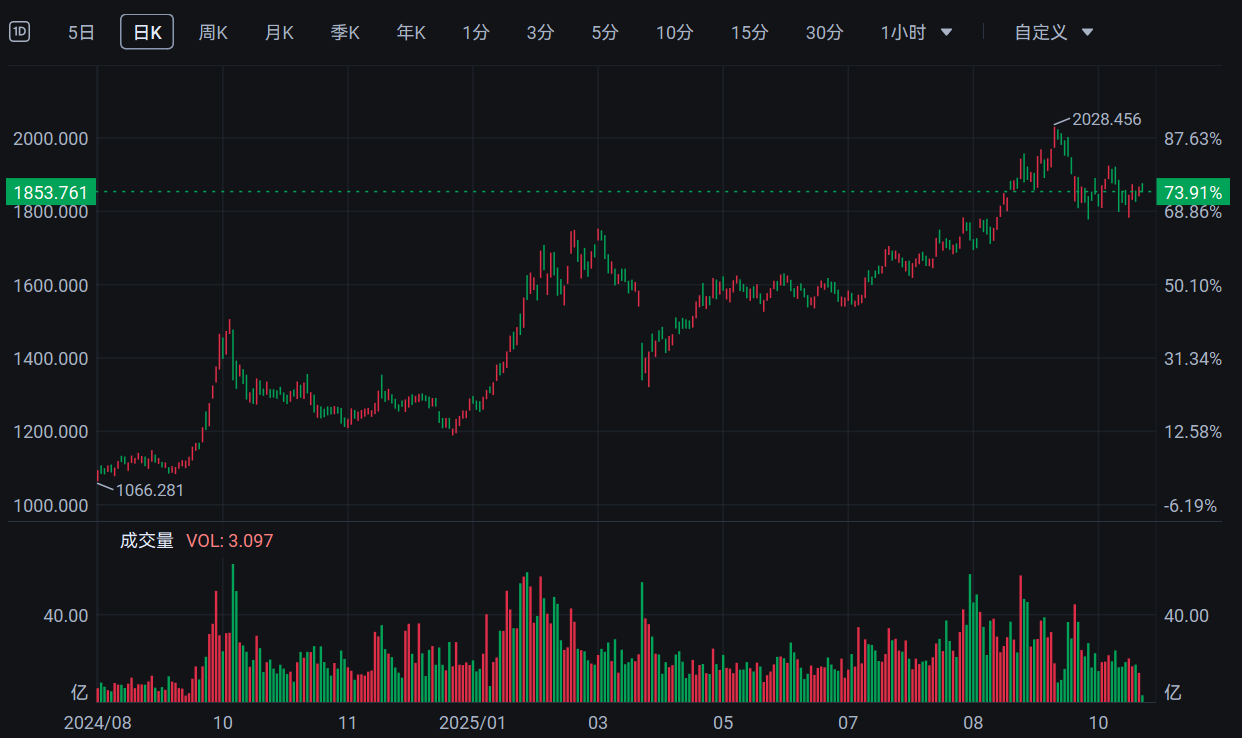
Core Viewpoint - MSCI announced changes to the MSCI China Index, adding 26 stocks and removing 20, effective after market close on November 24 [1] Group 1: Changes in Index Constituents - Nine new stocks listed in Hong Kong include China Gold International (02099.HK), Zijin Mining International (02259.HK), UBTECH Robotics (09880.HK), Ganfeng Lithium (01772.HK), Dongfeng Motor Group (00489.HK), Crystal International (02228.HK), China Nonferrous Mining (01258.HK), Rongchang Biopharma (09995.HK), and GF Securities (01776.HK) [1] - Four stocks removed from the index include China Everbright Bank (06818.HK), Beijing Enterprises Water Group (00371.HK), AVIC Trust (00696.HK), and China Resources Pharmaceutical (03320.HK) [1] Group 2: Impact on Stock Weights - The adjustment will affect the free float factors of 19 companies and the number of shares for 142 companies, leading to changes in index weightings [1] - New entrants like China Gold International, Zijin Mining International, UBTECH Robotics, and Ganfeng Lithium will see their weights increase, while Tencent (00700.HK), Alibaba-W (09988.HK), Kuaishou-W (01024.HK), and China Everbright Bank will experience the largest declines in weight [2] Group 3: Predicted Fund Flows - Expected inflows for stocks with increased weights include: - China Gold International (02099.HK): +0.129%, inflow of $187 million - Zijin Mining International (02259.HK): +0.12%, inflow of $173 million - UBTECH Robotics (09880.HK): +0.116%, inflow of $167 million - Ganfeng Lithium (01772.HK): +0.093%, inflow of $134 million - Dongfeng Motor Group (00489.HK): +0.092%, inflow of $133.6 million [2] - Expected outflows for stocks with decreased weights include: - Tencent (00700.HK): -0.231%, outflow of $334 million - Alibaba-W (09988.HK): -0.137%, outflow of $198 million - Kuaishou-W (01024.HK): -0.061%, outflow of $88.1 million - China Everbright Bank (06818.HK): -0.047%, outflow of $68.1 million [2][3]


小鹏IRON“脱皮证非人”、字节豪掷800多亿,人形机器人竞争太激烈啦!
AI前线· 2025-11-07 06:41
Core Insights - The humanoid robot industry is experiencing rapid advancements and increased competition, with major players like Xiaopeng, ByteDance, and others making significant investments and developments in this field [2][3][28]. Group 1: Industry Developments - Xiaopeng's humanoid robot IRON has gained attention for its realistic walking capabilities, supported by advanced AI technology including three Turing chips, achieving a total computing power of 2250 TOPS [11]. - ByteDance is aggressively entering the humanoid robot market, offering high salaries for experts and planning to invest $12 billion (approximately 85.45 billion RMB) in AI chip development [3][32]. - By mid-2025, global funding in the humanoid robot sector is expected to exceed 14 billion RMB, with Chinese companies accounting for 60% of this funding, totaling 8.4 billion RMB [6]. Group 2: Technological Innovations - The latest humanoid robots are showcasing new skills, such as Unitree H2, which can walk, dance, and perform martial arts, featuring a bionic face and 31 degrees of freedom [12][14]. - Galbot, a humanoid robot working in a smart convenience store, demonstrates strong generalization capabilities with its end-to-end embodied intelligence model, allowing it to adapt to various retail environments [19]. - The G2 robot from Zhiyuan is being utilized in industrial settings, capable of performing precise tasks and navigating factory environments effectively [20][21]. Group 3: Major Players and Investments - Major companies like Tencent, Alibaba, and JD are heavily investing in the humanoid robot space, with Tencent's Robotics X lab focusing on foundational research and practical applications [41][43]. - Xiaomi is building a comprehensive ecosystem for humanoid robots, investing over 20 billion RMB in research and development, and collaborating with various partners to enhance its capabilities [50]. - Baidu is partnering with UBTECH to integrate its large model capabilities into humanoid robots, enhancing their decision-making and task execution abilities [38][40]. Group 4: Future Outlook - The humanoid robot industry is at a pivotal moment, with increased capital investment, pilot projects in factories, and ongoing algorithm improvements, indicating a shift towards a future where robots and humans work collaboratively [55]. - Industry leaders express optimism about the rapid adoption of humanoid robots, with NVIDIA's CEO suggesting that widespread use could occur within a few years [56].


人形机器人加入“双11”大战 具身智能加速颠覆传统物流行业
Zhong Guo Jing Ying Bao· 2025-11-06 10:49
Core Insights - The logistics industry is undergoing a transformation driven by AI and automation, particularly highlighted during the "Double 11" shopping festival, which poses significant challenges for logistics operations [1][2] - The collaboration between Shenzhou Holdings' subsidiary KJ and UQI aims to address the "last 10 meters" of logistics through the integration of humanoid robots and intelligent systems [1][2] Group 1: Industry Challenges - The logistics sector faces labor shortages and operational efficiency bottlenecks, especially during peak periods like "Double 11," where labor demand can increase by 6 to 12 times [2] - Some logistics hubs experience cargo congestion due to insufficient manpower, impacting delivery timelines [2] Group 2: Technological Innovations - The partnership will leverage a "cloud brain + edge brain" dual-core technology architecture, with KJ providing a "smart brain" through its proprietary logistics models and UQI contributing execution capabilities via its robotic systems [2][3] - The goal is to develop humanoid robots capable of performing complex tasks in logistics environments, requiring advanced visual recognition and coordination algorithms [3] Group 3: Collaborative Efforts - The collaboration aims to create a "logistics embodiment intelligence laboratory" to tackle key technologies such as multi-modal cargo recognition and autonomous learning processes [5] - The joint efforts will also focus on establishing open communication protocols for logistics intelligent systems, facilitating collaboration across different brands and types of equipment [5] Group 4: Strategic Importance - This strategic partnership marks a significant milestone in the logistics industry's shift towards intelligent and automated operations, aligning with national economic development plans [6] - The collaboration is expected to contribute to the development of industry standards and promote a technology-driven transformation in logistics, moving from labor-intensive to technology-intensive operations [6]

千台、亿元大单频现 具身智能机器人商业化加速
Mei Ri Jing Ji Xin Wen· 2025-11-05 11:49
Group 1 - The commercialization of embodied intelligent robots is accelerating, with significant partnerships and contracts being established in recent months [1][2] - Yujian has partnered with Lens Technology to procure 1,000 embodied intelligent robots by 2025, and has signed a contract worth over 80.5 million yuan with Riedel Precision Technology for the introduction of these robots into the new energy precision manufacturing sector [1] - UBTECH has secured multiple large orders, including nearly 100 million yuan in global humanoid robot orders and a 126 million yuan project for a data collection and testing center [1] Group 2 - Startups are also achieving significant orders, such as Zhi Ping Fang's strategic cooperation with Huike, which involves deploying over 1,000 embodied intelligent robots worth nearly 500 million yuan over three years [2] - Embodied intelligent robots are beginning to find applications in various sectors, including research, service industries, and domestic tasks, indicating a clear potential for growth despite limited household penetration [2][3] - The price of robots is decreasing, with models now available for tens of thousands or even thousands of yuan, changing the perception of high costs in the industry [2] Group 3 - The release of lower-priced humanoid robots, such as the Bumi priced at 9,998 yuan, signifies a shift towards more affordable options in the market [3] - Industry experts suggest that the field of embodied intelligent robots is moving from "technology demonstration" to "scene validation," indicating a clearer path to commercialization [3] - The global robot market is expected to exceed 400 billion USD by 2029, with embodied intelligent robots projected to account for over 30% of the market share [3]
