CEA(600115)

Search documents
航空机场板块9月1日跌0.94%,华夏航空领跌,主力资金净流出2.93亿元
Zheng Xing Xing Ye Ri Bao· 2025-09-01 08:44
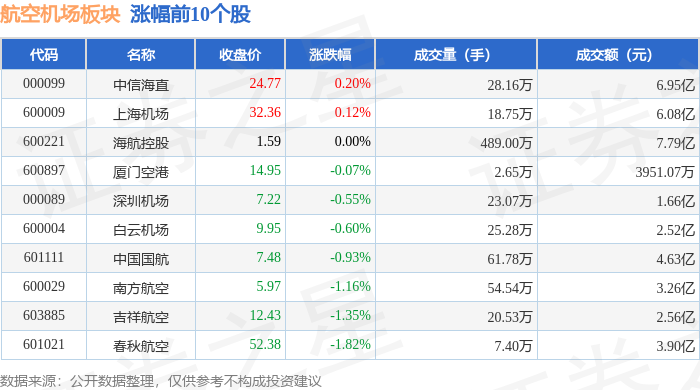
Core Insights - The aviation and airport sector experienced a decline of 0.94% on September 1, with Huaxia Airlines leading the drop [1] - The Shanghai Composite Index closed at 3875.53, up 0.46%, while the Shenzhen Component Index closed at 12828.95, up 1.05% [1] Stock Performance Summary - The following stocks in the aviation and airport sector showed varied performance: - CITIC Haizhi: Closed at 24.77, up 0.20%, with a trading volume of 281,600 shares and a turnover of 695 million yuan [1] - Shanghai Airport: Closed at 32.36, up 0.12%, with a trading volume of 187,500 shares and a turnover of 608 million yuan [1] - HNA Holding: Closed at 1.59, unchanged, with a trading volume of 4.89 million shares and a turnover of 779 million yuan [1] - Xiamen Airport: Closed at 14.95, down 0.07%, with a trading volume of 26,500 shares and a turnover of 39.51 million yuan [1] - Shenzhen Airport: Closed at 7.22, down 0.55%, with a trading volume of 230,700 shares and a turnover of 166 million yuan [1] - Baiyun Airport: Closed at 9.95, down 0.60%, with a trading volume of 252,800 shares and a turnover of 252 million yuan [1] - Air China: Closed at 7.48, down 0.93%, with a trading volume of 617,800 shares and a turnover of 463 million yuan [1] - China Southern Airlines: Closed at 5.97, down 1.16%, with a trading volume of 545,400 shares and a turnover of 326 million yuan [1] - Juneyao Airlines: Closed at 12.43, down 1.35%, with a trading volume of 205,300 shares and a turnover of 256 million yuan [1] - Spring Airlines: Closed at 52.38, down 1.82%, with a trading volume of 74,000 shares and a turnover of 390 million yuan [1] Capital Flow Analysis - The aviation and airport sector saw a net outflow of 293 million yuan from institutional investors, while retail investors contributed a net inflow of 279 million yuan [2] - The following capital flows were noted for specific stocks: - HNA Holding: Net inflow of 45.64 million yuan from institutional investors, but a net outflow of 36.41 million yuan from retail investors [3] - Shenzhen Airport: Net inflow of 13.27 million yuan from institutional investors, with a net outflow of 20.78 million yuan from retail investors [3] - China Southern Airlines: Net outflow of 1.21 million yuan from institutional investors, but a net inflow of 2.78 million yuan from retail investors [3] - Xiamen Airport: Net outflow of 1.79 million yuan from institutional investors, with a net inflow of 178.71 million yuan from retail investors [3] - Huaxia Airlines: Net outflow of 3.68 million yuan from institutional investors, but a net inflow of 542.84 million yuan from retail investors [3] - Air China: Net outflow of 7.48 million yuan from institutional investors, with a net inflow of 38.94 million yuan from retail investors [3] - Juneyao Airlines: Net outflow of 7.64 million yuan from institutional investors, but a net inflow of 682.32 million yuan from retail investors [3] - Spring Airlines: Net outflow of 29.52 million yuan from institutional investors, with a net inflow of 283.88 million yuan from retail investors [3] - Baiyun Airport: Net outflow of 32.34 million yuan from institutional investors, with a net inflow of 239.79 million yuan from retail investors [3]







156.7万人次 东航暑期在武汉航班量与客运量均创新高
Zhong Guo Min Hang Wang· 2025-09-01 08:35
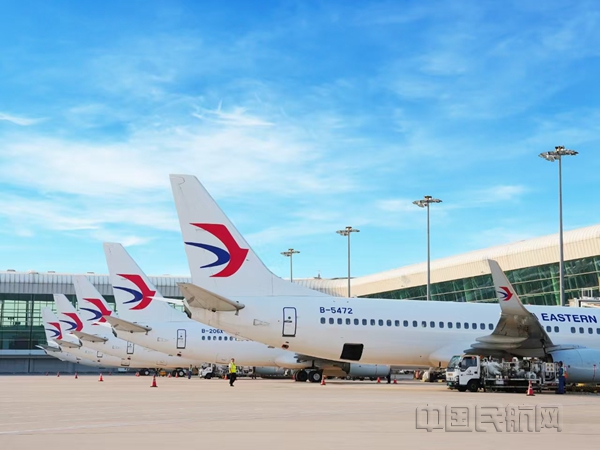
Core Insights - China Eastern Airlines (CEA) Wuhan Company achieved record-high flight and passenger numbers during the summer travel season, with over 11,000 flights and 1.567 million passengers from July 1 to August 31, marking increases of 2.75% and 3.03% compared to 2024, and significant growth of 50.4% and 67.7% compared to 2019 [1] Group 1 - CEA increased its operational capacity in Wuhan, averaging 184 flights per day and transporting over 25,000 passengers daily, with a peak of 28,000 passengers on August 15, setting a new daily record [2] - The company expanded its network to 64 departure points from Wuhan, covering 54 domestic cities and 10 international destinations, leading in the number of routes at Wuhan Tianhe Airport [2] - New domestic routes were launched, including Wuhan to Qinhuangdao, Tangshan, Yuncheng, and Huai'an, while international routes to Singapore and Kuala Lumpur were also increased [2] Group 2 - CEA implemented a "Four Precision" service philosophy to enhance passenger experience, including additional check-in counters and staff during peak times, and a 30-minute check-in cut-off for domestic flights [3] - The company provided over 4,500 special service passengers during the summer, a 24% increase year-on-year, including 3,300 unaccompanied minors [3] - Digital services such as self-service rebooking and electronic meal vouchers were promoted, alongside innovative product offerings like "Flight + Theme Park" and "Flight + Hotel" packages [3] Group 3 - To cater to the upcoming university season, CEA collaborated with local tourism and airport companies to offer enhanced services and discounts for students, including dedicated travel guidance and special offers [5]
东航云南2025暑运承运旅客近262.2万人次
Zhong Guo Min Hang Wang· 2025-09-01 08:20
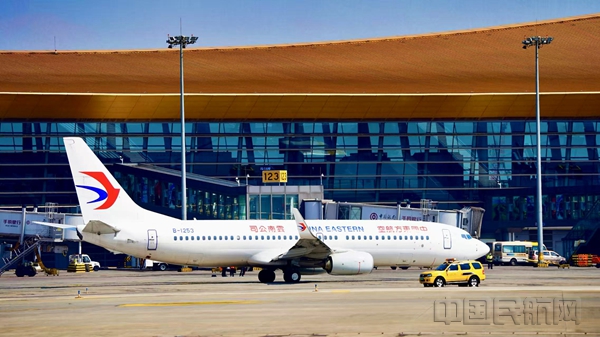
Core Insights - Eastern Airlines Yunnan achieved record high flight operations and passenger numbers during the summer travel season from July 1 to August 31, 2025, executing over 20,000 flights and carrying approximately 2.622 million passengers, marking a year-on-year increase of 26.8% in flight volume and 26.9% in passenger numbers [1][4]. Capacity and Route Optimization - The company increased capacity and optimized route layouts to meet market demand, focusing on popular domestic destinations such as Beijing, Shanghai, and Chengdu, with new routes including Chengdu Tianfu to Qingdao and Dali to Shenzhen, achieving over 90% seat occupancy on popular routes [4][5]. - Internationally, Eastern Airlines Yunnan has restored 71% of its international and regional flight capacity compared to 2019, launching 21 international routes from Yunnan, including a new route from Kunming to Male, with key destinations being Bangkok, Singapore, and Male [4][5]. Service Enhancement - To accommodate the significant increase in passenger numbers, the company implemented enhanced service measures for special passengers, including those requiring wheelchairs and unaccompanied minors, ensuring a smooth travel experience through dedicated support and process optimization [6][10]. - The introduction of the "Airport Pass" service at Kunming Changshui International Airport allows passengers to check in and transfer luggage seamlessly for international flights, significantly improving transfer efficiency [8][10]. Cultural Integration and Innovative Travel Experience - Eastern Airlines Yunnan creatively integrated ethnic culture with modern travel, launching themed flights that reflect Yunnan's cultural heritage, enhancing the travel experience and fostering emotional connections [12][14]. - The company collaborated with local tourism groups to offer discounts and promotions for various services, including airport lounge access, local dining, and hotel stays, targeting students returning to school with special offers [14][16]. Future Outlook - As the summer travel season concludes, Eastern Airlines Yunnan is preparing for the upcoming Mid-Autumn Festival and National Day holidays, focusing on improving service quality and providing comprehensive support for travelers [16].
156.7万人次,东航武汉暑运航班与旅客量双创历史新高
Chang Jiang Ri Bao· 2025-09-01 08:07
Core Insights - Eastern Airlines has achieved record-high performance during the summer travel season, with over 11,000 flights and 1.567 million passengers transported from July 1 to August 31, marking increases of 2.75% and 3.03% compared to the same period in 2024, and significant growth of 50.4% and 67.7% compared to 2019 [1] Group 1: Flight Operations and Capacity - The company has increased its flight capacity in Wuhan, operating an average of 184 flights per day and transporting over 25,000 passengers daily, maintaining high operational levels [5] - On August 15, a record was set with over 28,000 passengers transported in a single day, with 194 flights executed and a passenger load factor nearing 90% [5] Group 2: Route Expansion - Eastern Airlines has established 64 departure points from Wuhan, covering 54 domestic cities and 10 international and regional cities, leading in the number of routes from Wuhan Tianhe Airport [6] - New and restored routes include Wuhan to Qinhuangdao, Tangshan, Yuncheng, and Huai'an, catering to diverse travel needs [6] - Popular routes include Wuhan to coastal cities like Qinhuangdao, Fuzhou, Qingdao, and Xiamen, as well as tourist destinations in the northwest and cultural cities [6] Group 3: Product Innovation and Marketing - The company has launched innovative products such as "Ticket + Theme Park" and "Ticket + Hotel" combinations, enhancing the value of a single ticket [8] - Collaborations with various enterprises have been initiated, including "Campus Tours" and "Corporate Tours," promoting Eastern Airlines routes alongside "Oriental Wanli Xing" membership services [8] - In preparation for the new academic season, the company has partnered with local tourism groups and universities to offer upgraded travel services and exclusive discounts for students [8]
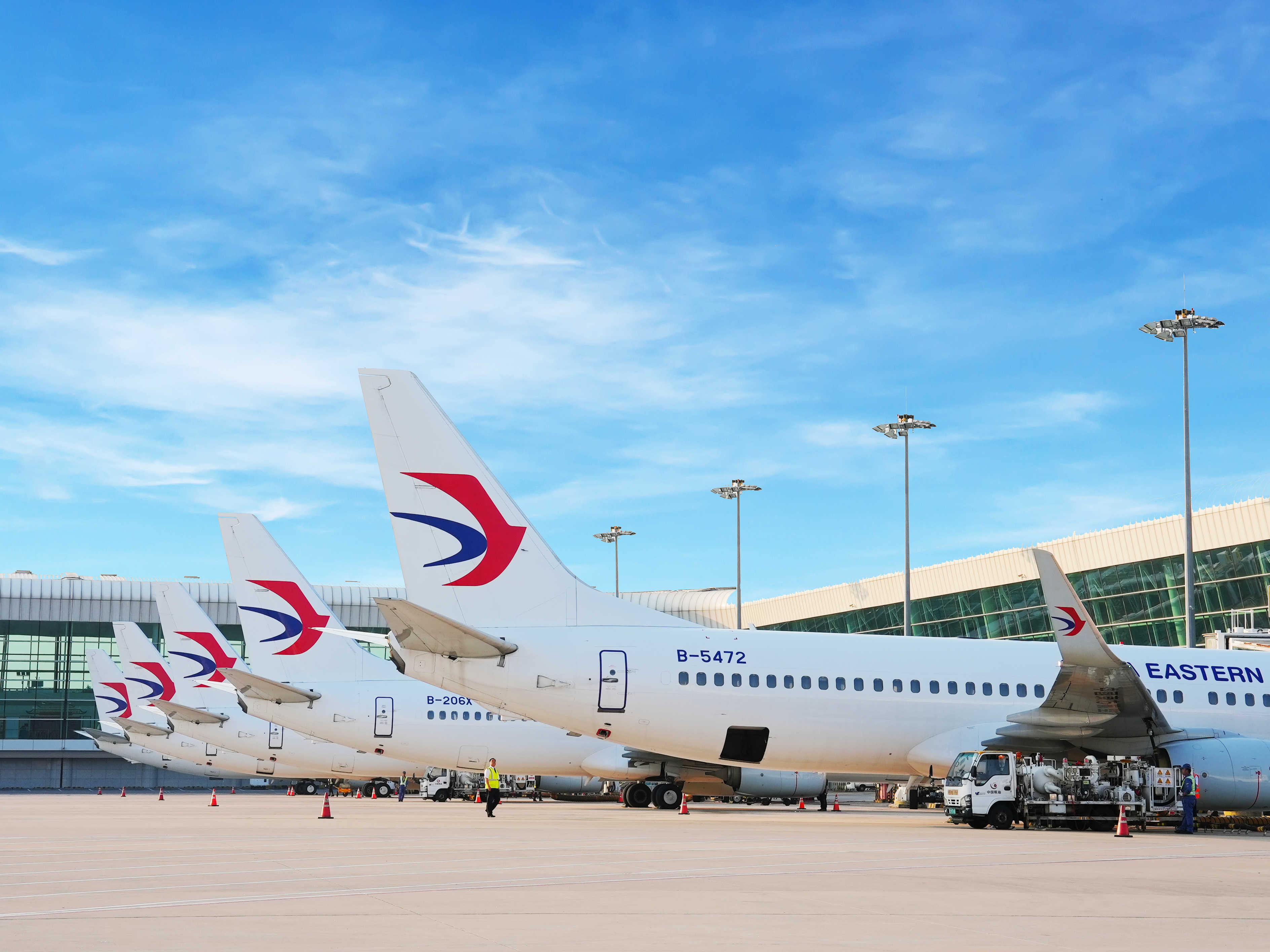
三大航司2025年上半年运输规模同步扩大,营收均实现同比增长
Cai Jing Wang· 2025-09-01 07:21
Core Viewpoint - The three major Chinese airlines, Air China, China Eastern Airlines, and China Southern Airlines, have reported significant revenue growth and reduced losses for the first half of 2025, driven by operational scale expansion, cost optimization, fleet upgrades, and digital transformation initiatives [1][2]. Financial Performance - Air China achieved operating revenue of 80.757 billion yuan, a year-on-year increase of 1.6% - China Eastern Airlines reported operating revenue of 66.822 billion yuan, up 4.09% year-on-year - China Southern Airlines continued its growth trend with operating revenue of 86.291 billion yuan - Despite remaining in a loss position, all three airlines showed significant reductions in losses: - China Eastern Airlines' net loss attributable to shareholders was 1.431 billion yuan, a reduction of 1.337 billion yuan from the previous year - Air China's net loss attributable to shareholders was 1.806 billion yuan, down 977 million yuan year-on-year - China Southern Airlines reported a net loss of 1.533 billion yuan, maintaining a low loss scale [1]. Operational Expansion - The three airlines have expanded their transportation scale, which has been a solid support for revenue growth: - China Southern Airlines carried 83.28 million passengers, a year-on-year increase of 4.83% - China Eastern Airlines achieved a total transportation turnover of 135.06 billion ton-kilometers, up 11.89% year-on-year, with passenger volume reaching 73.1696 million, an increase of 8.03% - Air China recorded a capacity input of 177.576 billion seat-kilometers, a 3.37% increase, with passenger transport of 77.114 million, up 2.87% - International routes have become a significant driver of operational recovery, with China Eastern Airlines' international and regional route available seat kilometers (ASK) increasing by 24.38% year-on-year [2]. Fleet Optimization - The airlines are focusing on fleet construction to optimize their core revenue source, the passenger business: - China Eastern Airlines introduced 24 new aircraft and retired 12 old ones, with a current fleet size of 816 aircraft, including 11 C919 domestic aircraft - Air China added 9 aircraft, including 1 A320, 5 B737, 1 C919, and 2 C909, while retiring 5 aircraft, totaling 934 aircraft with an average age of 10.28 years - China Southern Airlines introduced 37 aircraft and retired 11, enhancing operational efficiency and laying the foundation for future energy-saving and service upgrades [3]. Digital Transformation - Digital transformation has become a strategic focus for the three airlines to enhance operational efficiency and optimize service experience: - Air China is promoting AI applications, including smart customer service and intelligent maintenance, with in-flight meal booking services covering all domestic flights - China Eastern Airlines is expanding cross-border e-commerce logistics in the cargo sector to improve operational efficiency through digital means - In addition to internal operational optimization, the airlines are actively expanding their international route networks while consolidating their domestic market positions [4]. Business Layout - The airlines are enhancing their business layout by strengthening domestic market foundations and expanding international route networks: - China Eastern Airlines has seen significant growth in international routes - Air China is increasing coverage of remote area routes to enhance the value of its regional network - China Southern Airlines is optimizing its domestic and international route structure, increasing flights from Xinjiang to Central Asia - The management of China Southern Airlines anticipates a significant increase in passenger volume and seat occupancy during the summer travel season, although ticket prices are expected to decline year-on-year [4].

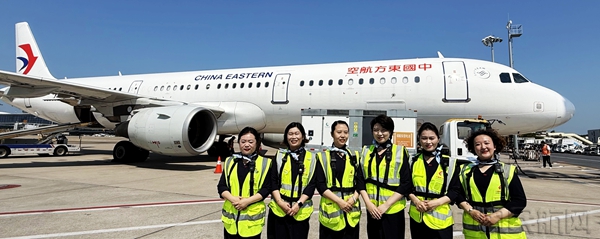
东航江苏公司监装监卸员:高温暴雨中守护机坪的“六朵金花”
Zhong Guo Min Hang Wang· 2025-09-01 05:42
Core Viewpoint - The article highlights the dedication and professionalism of female ground handling staff at Nanjing Airport during the peak summer travel season, showcasing their resilience in extreme weather conditions while ensuring safety and efficiency in operations [1][2][4]. Group 1: Operational Performance - During the summer travel peak, Eastern Airlines Jiangsu Company faced significant operational pressure, with 12,319 flights and 1.74 million passengers transported from July to August, marking increases of 4.68% and 8.08% year-on-year, respectively [2]. - The company also transported 6,950 tons of cargo and mail during this period, reflecting a substantial year-on-year growth of 30.56% [2]. - Ground handling staff managed an average of over 200 flights daily, with each member responsible for approximately 15 flights and over 200 pieces of luggage per flight, resulting in an average of over 10 hours of duty on the tarmac each day [2][4]. Group 2: Challenges Faced - The ground handling staff faced extreme weather conditions, including high temperatures exceeding 60 degrees Celsius on the tarmac, and heavy rain, which posed significant challenges to their operations [2][4]. - The staff's commitment was evident as they continued to perform their duties under harsh conditions, with one member noting the physical toll of working in such heat [2]. Group 3: Individual Contributions - Individual staff members, such as Sun Rong, have elevated cargo loading to an art form by efficiently planning the layout of luggage, while Lu Lu has ensured compliance and safety for special cargo like cold chain goods and live animals [2][4]. - The article emphasizes the teamwork and dedication of these women, who have become a resilient and vibrant presence on the tarmac during the busy summer season [4].
中国东航2025年上半年营收同比增长4.09%至668.22亿元
Cai Jing Wang· 2025-09-01 05:08
Core Viewpoint - China Eastern Airlines reported a significant reduction in net losses for the first half of 2025, indicating a recovery in operations and financial performance [1] Financial Performance - The company achieved operating revenue of 66.822 billion yuan, a year-on-year increase of 4.09% [1] - The net loss attributable to shareholders was 1.431 billion yuan, a reduction of 1.337 billion yuan compared to the same period last year, showing a notable narrowing of losses [1] Operational Metrics - Total transportation turnover reached 135.06 billion ton-kilometers, an increase of 11.89% year-on-year [1] - Passenger volume reached 73.1696 million, up 8.03% year-on-year [1] - Cargo and mail transportation volume was 530.7 thousand tons, reflecting a year-on-year growth of 3.92% [1] Cost Management - The company established a cost management committee to enhance control, with operating costs increasing by 3.27% year-on-year [1] - Fuel costs decreased by 8.08% year-on-year, achieved through measures such as optimizing flight altitude and implementing single-engine taxiing [1] - Savings of approximately 11 million yuan were realized from major airport bridge fees, and financial expenses decreased by 26.89% year-on-year [1] Fleet Development - In the first half of the year, the company introduced 24 new aircraft and retired 12 old ones, with the current fleet of C919 domestic aircraft reaching 11 units [1] - The company plans to receive an additional 10 C919 aircraft within the year, continuing to optimize fleet structure [1] Business Expansion - The cargo and mail business maintained stability through the expansion of cross-border e-commerce logistics routes [1]
上市航司半年报业绩分化:三大航上半年整体减亏 四家民营航司均实现盈利
Zheng Quan Shi Bao Wang· 2025-09-01 03:01
Core Viewpoint - The financial performance of major Chinese airlines in the first half of 2025 shows a mixed picture, with state-owned airlines continuing to incur losses but at a reduced rate, while private airlines have achieved profitability. Group 1: State-Owned Airlines Performance - China National Airlines reported operating revenue of 80.757 billion yuan, a year-on-year increase of 1.6%, with a net loss of 1.806 billion yuan, a reduction in losses compared to the previous year [2] - China Eastern Airlines achieved operating revenue of 66.822 billion yuan, a year-on-year increase of 4.09%, with a net loss of 1.431 billion yuan, down from a loss of 2.768 billion yuan in the same period last year [2] - Southern Airlines reported operating revenue of 86.291 billion yuan, a year-on-year increase of 1.77%, with a net loss of 1.533 billion yuan, which is a 24.84% increase in losses compared to the previous year [3] Group 2: Private Airlines Performance - Hainan Airlines, Spring Airlines, Juneyao Airlines, and China Express Airlines all reported profits, with a total net profit of nearly 2 billion yuan [1] - Spring Airlines achieved a net profit of 1.169 billion yuan, although this represents a year-on-year decline of 14.11% [4] - Juneyao Airlines reported a net profit of 505 million yuan, an increase of 3.29% year-on-year [6] - China Express Airlines reported a net profit of 251 million yuan, a significant increase of 858.95% year-on-year [7] Group 3: Market Conditions and Trends - The aviation industry is experiencing a "volume up, price down" trend, with significant pressure on ticket prices leading to reduced revenue per passenger kilometer for major airlines [8] - The Civil Aviation Administration of China has emphasized the need to address "involution" in the aviation sector, which may improve airline profitability in the short term [8] - Airlines are actively expanding their markets and optimizing services, with China National Airlines implementing AI-driven customer service and China Eastern Airlines enhancing its product marketing strategies [9][10]

打工牛马,为什么痛恨飞机Wifi?
36氪· 2025-09-01 00:09
Core Viewpoint - The introduction of free WiFi on flights by Eastern Airlines has sparked mixed reactions, particularly among workers who feel that this technology encroaches on their last remaining escape from work-related connectivity [10][22][52]. Group 1: Eastern Airlines' WiFi Initiative - Eastern Airlines upgraded its service by offering free basic WiFi on select flights starting August 20, allowing passengers in certain classes to stay connected throughout their journey [7][10]. - This initiative is seen as a significant technological advancement for the airline, but it has not been universally welcomed by all passengers [10][22]. Group 2: Workers' Reactions - Many workers express dissatisfaction with the introduction of WiFi, feeling that it removes their opportunity to disconnect from work during flights, which they previously viewed as a rare chance for uninterrupted time [12][19][24]. - Comments from passengers highlight a desire to maintain the airplane as a space free from work obligations, with some stating that they prefer to be offline during flights [14][19][28]. Group 3: Broader Industry Context - The global aviation industry is witnessing a shift towards in-flight connectivity, with companies like SpaceX's Starlink leading the charge in providing high-speed internet services on planes [36][40]. - Traditional satellite service providers are also adapting to the competitive landscape, indicating a rapidly evolving market for in-flight WiFi services [39][41]. Group 4: Future of In-Flight Connectivity in China - Eastern Airlines is at the forefront of this trend in China, having become the first airline to allow WiFi usage below 3,000 meters in August 2023 [44]. - China's own satellite internet initiative, known as the "Qianfan Constellation," aims to deploy a significant number of satellites by 2030, positioning the country to compete in the global in-flight connectivity market [46][47].

三大航这半年:国航、东航减亏 国际航线成关键
Bei Jing Shang Bao· 2025-08-31 15:55
Core Viewpoint - The three major airlines in China have collectively reduced their losses by 2.008 billion yuan in the first half of 2023, with international routes being a key factor for performance improvement [1][3][5]. Financial Performance - The three major airlines reported a total loss of 4.77 billion yuan in the first half of the year, with Eastern Airlines having the least loss and the most significant reduction in losses [3][4]. - Air China reported revenue of 80.757 billion yuan, a year-on-year increase of 1.56%, with a net loss of 1.806 billion yuan, reduced by 976 million yuan [3]. - Eastern Airlines reported revenue of 66.822 billion yuan, a year-on-year increase of 4.09%, with a net loss of 1.431 billion yuan, reduced by 1.337 billion yuan [3]. - Southern Airlines reported revenue of 86.291 billion yuan, a year-on-year increase of 1.77%, with a net loss of 1.533 billion yuan, an increase in loss of 305 million yuan [3][4]. International Route Performance - International passenger revenue for the three major airlines saw double-digit growth, with Air China's international passenger revenue increasing by 16.09%, Eastern Airlines by 20.34%, and Southern Airlines by 15.74% [5][6]. - Eastern Airlines opened 14 new international routes in the first half of the year, becoming the domestic airline with the most international destinations [5][6]. Cost Management - The three major airlines have effectively controlled costs, with operating costs increasing by less than 5% year-on-year [1][8]. - The decline in fuel prices has significantly reduced fuel costs, with Air China, Eastern Airlines, and Southern Airlines seeing reductions of 10.34%, 8.08%, and 9.15% respectively [8][9]. - Financial expenses for Air China decreased by 9.36 billion yuan year-on-year, while Eastern Airlines implemented a cost management committee to enhance cost control [9][10]. Future Strategies - The airlines plan to capitalize on the traditional cargo peak season and explore new routes to South America to further improve profitability [10][11]. - Southern Airlines aims to optimize sales strategies and innovate products to enhance revenue, while Eastern Airlines focuses on expanding its network and reducing costs [11][12].