CSSC Holdings(600150)

Search documents
美国即将对中国船舶征收港口费 对航运市场影响几何?
Qi Huo Ri Bao· 2025-10-09 00:54
Core Viewpoint - The U.S. is implementing additional port fees for Chinese vessels starting October 14, 2025, which will significantly increase operational costs for Chinese shipowners and shipbuilders [1][3]. Group 1: U.S. Port Fee Implementation - The U.S. Trade Representative's Office (USTR) announced a fee structure for Chinese-owned, operated, and built vessels, with charges starting at $50 per net ton, increasing annually until reaching $140 by 2028 [1]. - The fees must be paid three working days before arrival at the first U.S. port, with non-compliance risking unloading delays or customs clearance suspension [1]. - The fee structure aims to boost U.S. shipbuilding and tax revenue while targeting Chinese maritime operations [3]. Group 2: Chinese Response and Operational Adjustments - In response, China amended its international shipping regulations to impose special fees on vessels from countries that implement discriminatory measures against Chinese shipping [2]. - Major shipping alliances have begun adjusting their operations, with some routes to the U.S. being suspended to reduce costs associated with the new port fees [4]. Group 3: Impact on Shipping Costs and Market Dynamics - The new port fees are expected to increase operational costs for Chinese shipowners significantly, with estimates of an additional $304 per TEU for container ships calling at U.S. ports [3]. - Shipping companies are prioritizing market share over profitability, leading to a rapid cancellation of sailings due to tariff disruptions and weak U.S. demand [5][6]. - The overall impact on the European shipping market is expected to be limited, but the situation will require ongoing observation as shipping lines may adjust their strategies in response to the new fees [7][8].

注意,美国即将对中国船舶征收港口费!对航运市场影响几何?
Qi Huo Ri Bao· 2025-10-08 23:42
Core Viewpoint - The U.S. has introduced a new port fee structure targeting Chinese-owned and operated vessels, effective from October 14, 2025, which is expected to significantly increase operational costs for Chinese shipping companies [1][3]. Group 1: U.S. Port Fee Structure - The U.S. Customs and Border Protection (CBP) has detailed the port fee structure, charging $50 per net ton for Chinese-owned or operated vessels, with increases planned for subsequent years [1]. - Fees for Chinese-built vessels will be $18 per net ton or $120 per container, whichever is higher, with future increases set for 2028 [1]. - Non-U.S. built car carriers will incur a fee of $14 per net ton [1]. - Payment must be completed three working days before arrival at the first U.S. port, with penalties for non-compliance [1]. Group 2: Impact on Chinese Shipping Companies - The new fees will substantially raise operational costs for Chinese shipping companies, with an estimated increase of $304 per TEU for shipowners and $120 per TEU for vessels [3]. - The port fee structure is designed to discourage the use of Chinese vessels in U.S. ports and aims to bolster the U.S. shipbuilding industry [3]. Group 3: Adjustments by Shipping Alliances - Major shipping alliances have begun to adjust their operations in response to the new fees, with some routes being suspended and vessel deployments being altered to reduce reliance on Chinese ships [4]. - Companies like CMA and MSC have stated they will not impose additional fees related to the port charges [4]. Group 4: Market Reactions and Trends - The shipping industry is experiencing a significant number of canceled voyages due to tariff disruptions and weak U.S. demand, with 67 sailings from China to the U.S. canceled recently [5]. - Analysts suggest that the impact of the new port fees on the European shipping market will be limited, but ongoing adjustments in shipping strategies are expected [6]. - The overall shipping costs are anticipated to continue rising, with potential price increases in freight rates as shipping companies negotiate with European clients [7].
机械行业2025年三年报业绩前瞻:周期反转,成长爆发,出口崛起
ZHESHANG SECURITIES· 2025-10-08 09:11
Investment Rating - The industry investment rating is "Positive" [6] Core Views - The mechanical equipment industry is experiencing a cyclical rebound with growth in engineering machinery, export chains, and shipbuilding performance [1][2] - In the first half of 2025, the mechanical equipment sector achieved revenue of 1,010.9 billion yuan, a year-on-year increase of 9%, and a net profit of 76.3 billion yuan, up 22% year-on-year [1] - The engineering machinery sector continues to grow, with revenue of 334.3 billion yuan, a 5% increase, and net profit of 27.4 billion yuan, a 14% increase [1] - The export chain's performance is also strong, with revenue of 522.6 billion yuan, a 9% increase, and net profit of 37.9 billion yuan, a 30% increase [1] - The shipbuilding industry is experiencing sustained demand, with revenue of 119.2 billion yuan, a 20% increase, and net profit of 5.9 billion yuan, a 112% increase [1] Summary by Sections Performance Overview - In the first half of 2025, the mechanical equipment industry saw significant growth across various sectors, with notable increases in revenue and net profit [1][11] - The engineering machinery sector's revenue and profit growth is attributed to both domestic and international market dynamics [1][5] - The shipbuilding sector is benefiting from a favorable cycle, with a strong order book and improved profitability [1][10] Market Trends - The mechanical equipment index rose by 37% as of September 30, 2025, outperforming the Shanghai Composite Index by 21 percentage points [2] - Key sub-sectors such as lithium battery equipment and humanoid robots have shown remarkable growth, with increases of 142% and 66% respectively [2] Future Outlook - The report anticipates a cyclical recovery in engineering machinery, industrial gases, and shipbuilding, driven by domestic demand and global market expansion [2][3] - The humanoid robot sector is expected to transition from formation to expansion, presenting significant investment opportunities [7][8] - The report emphasizes the importance of focusing on industry leaders such as Sany Heavy Industry and XCMG [7][12]




向祖国报告|“爱达·花城号”建设正酣:中国造船业向祖国呈递大型邮轮新答卷
Yang Guang Wang· 2025-10-03 11:40
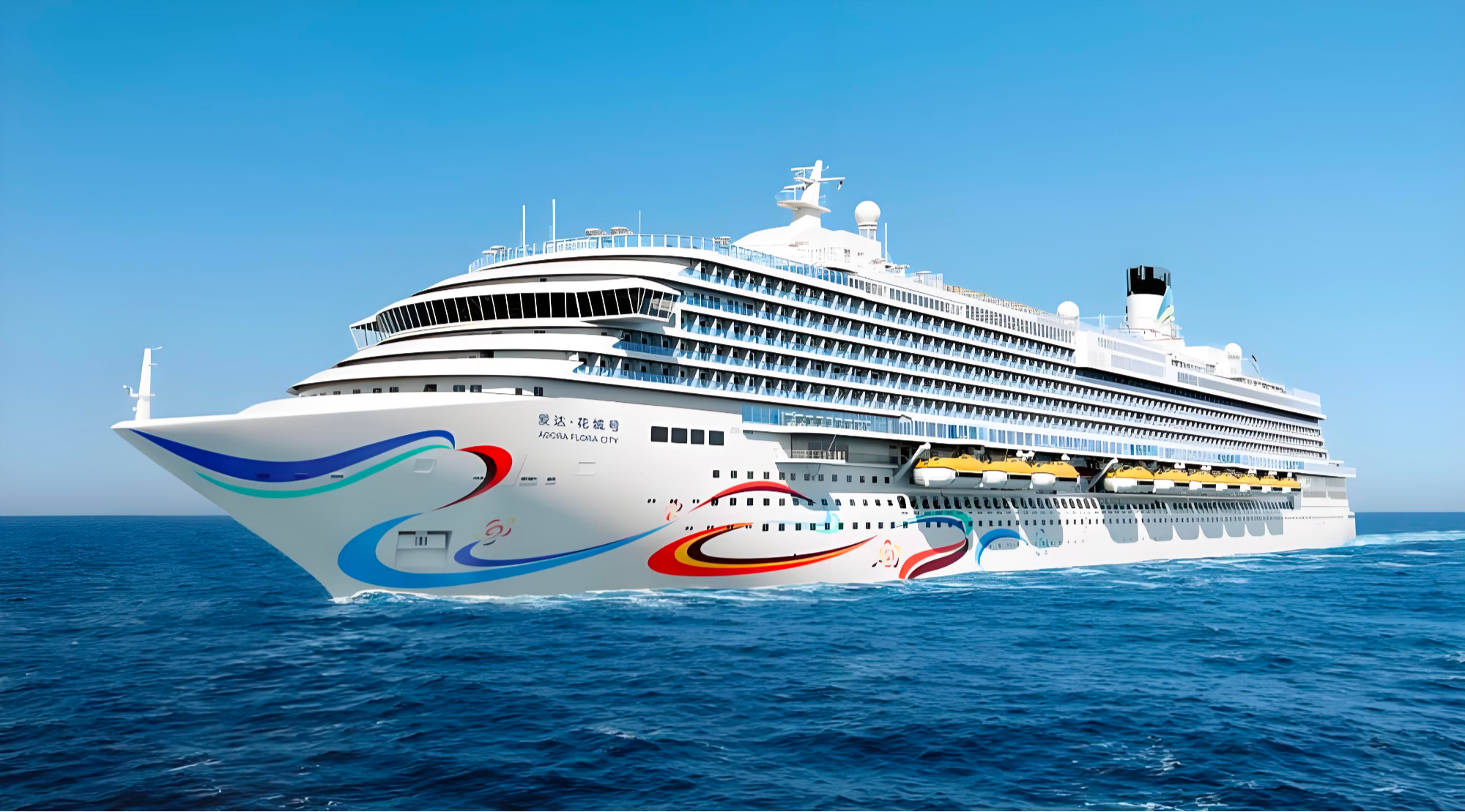
Core Viewpoint - The rapid construction and efficient progress of the second domestically produced large cruise ship "Aida Huacheng" signify a leap in China's cruise ship building technology and manufacturing capabilities, promoting industry upgrades and activating market vitality, making cruise travel more accessible to the public [11]. Group 1: Construction Progress and Efficiency - The second large cruise ship "Aida Huacheng" is nearing 85% completion, with plans for floating out in March 2024 and delivery by the end of 2026 [3][4]. - The ship's total length is 341 meters, with a gross tonnage of approximately 141,900 tons, which is an increase of 0.64 tons and 17.4 meters compared to the first ship, "Aida Modu" [3][4]. - The construction efficiency has improved by 20% due to innovative technologies and accumulated experience, despite the larger size of the ship [3][4]. Group 2: Technological Innovations - The use of a complete 3D model during the design phase has minimized modifications during construction, leading to a more streamlined process [4]. - Prefabricated cabin technology has significantly enhanced construction efficiency, reducing the installation time from 200 hours to approximately 50 hours for certain units [5][7]. - The overall interior construction cycle for "Aida Huacheng" is expected to be 8 months shorter than that of "Aida Modu," with plans to further compress the timeline by around 11 months [7]. Group 3: Talent Development and Local Capability - The shift from foreign to domestic supervision teams reflects China's growing self-sufficiency in cruise ship construction [8]. - The construction of the first large cruise ship has fostered the rapid development of young technical personnel, who are now integral to the second ship's construction [8]. Group 4: Market Trends and Consumer Behavior - The first large cruise ship "Aida Modu" has completed nearly 150 voyages since its commercial operation began on January 1, 2024, serving over 560,000 tourists [10]. - There is a growing trend of families choosing cruise travel, with bookings reflecting a strong preference for multi-generational travel experiences [10].

意大利船东弃日韩,中国一举拿下全球74%订单,80天造万吨油轮
Sou Hu Cai Jing· 2025-10-01 09:44
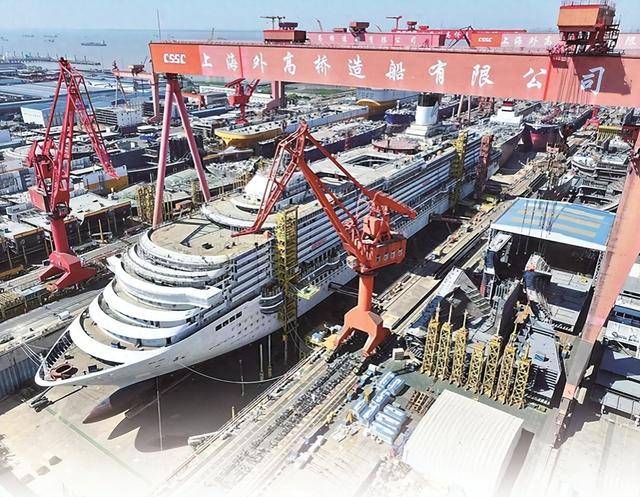
Core Insights - The Chinese shipbuilding industry is rapidly rising, breaking the long-standing dominance of Japan and South Korea in the global shipping market through technological innovation and a complete industrial chain [1][20][22] - China's shipbuilding capabilities have surpassed traditional powers, becoming a significant competitor in the global market, particularly in the construction of large oil tankers and high-end vessels [1][18] Group 1: Technological Advancements - The construction of an 11.4 million-ton oil tanker by Waigaoqiao Shipbuilding took only 80 days, significantly shorter than the 120 days or more typically required, showcasing a revolutionary change in shipbuilding processes [3][18] - The introduction of IoT technology at Waigaoqiao allows real-time interconnectivity of over 2,000 devices, enhancing production efficiency and precision while reducing waste [5][10] - The adoption of modular design and pre-outfitting techniques, inspired by high-speed rail management concepts, has shortened construction cycles by 30% [7][12] Group 2: Supply Chain and Resource Management - China's position as the largest steel producer enables shipbuilders to receive customized high-strength corrosion-resistant steel plates with significantly reduced delivery times, enhancing overall production efficiency [10][20] - The Yangtze River Delta's industrial cluster effect supports the shipbuilding industry, with 90% of key components available within 48 hours, ensuring a robust supply chain [10][20] Group 3: Market Dynamics and Competitive Landscape - By 2024, China is projected to capture 74.1% of global new ship orders and 63.1% of the order backlog, dominating 14 out of 18 mainstream ship types [18][22] - South Korea's market share has declined to 20%, while Japan's has fallen to 11%, marking the most severe downturn in 30 years due to China's rise [18][22] - The shift in global shipbuilding dynamics indicates a significant change in the competitive landscape, with China establishing a leading position in emerging fields such as new energy transport vessels and smart ships [14][16][22]
A股一年披露191单重大重组,半导体、AI受热捧
2 1 Shi Ji Jing Ji Bao Dao· 2025-09-30 11:48
Core Insights - The A-share merger and acquisition (M&A) market has seen a significant revival since the implementation of the "Six Merger Guidelines" a year ago, with 191 major restructuring events disclosed, surpassing the total from the previous two years [3][6] - The total transaction value of 93 disclosed restructuring events reached 729.29 billion yuan, indicating a notable rebound compared to previous years [3][6] - The M&A activities are primarily driven by industry consolidation, with a focus on sectors like semiconductors and artificial intelligence, reflecting a shift towards new productive forces [3][7] M&A Market Activity - A total of 191 major restructuring events were disclosed since September 24, 2022, with 158 remaining after excluding transfer transactions [3][6] - Strategic cooperation and vertical/horizontal integration accounted for over 60% of the M&A activities, with 100 out of 158 transactions falling into these categories [6] - The highest transaction value was recorded in the merger of Haiguang Information and Zhongke Shuguang, amounting to 115.97 billion yuan [6][7] Sector Focus - The M&A market is increasingly oriented towards technology and innovation, with 54 companies in the computer, communication, and electronic equipment manufacturing sectors involved, representing 23% of the total [7] - Notable activity in the semiconductor sector includes over 10 companies announcing significant M&A or equity investment plans in August alone [7][8] - The trend of acquiring IPO-bound assets is rising, with several tech companies being targeted for acquisition, indicating a strong demand for quality assets [8] Regulatory Environment - The efficiency of M&A review processes has improved significantly, with 73 transactions accepted and 30 registered during the "Six Merger Guidelines" period, surpassing previous averages [10][11] - The revised "Major Asset Restructuring Management Measures" has simplified the review process, encouraging participation from private equity funds [11][12] - The introduction of diverse payment methods, including convertible bonds and M&A loans, has enhanced transaction flexibility and reduced cost pressures for companies [12]





国庆中秋假期出行有望迎来景气:交通运输行业周报(2025年9月22日-2025年9月28日)-20250929
Hua Yuan Zheng Quan· 2025-09-29 05:54
Investment Rating - The investment rating for the transportation industry is "Positive" (maintained) [4] Core Views - The express delivery industry is experiencing resilient demand, with a shift towards "quality over quantity" leading to price increases, which will enhance corporate profitability. Companies like SF Express and JD Logistics are expected to benefit from cyclical recovery and cost reduction [4][13] - The shipping sector is anticipated to benefit from the OPEC+ production cycle and the Federal Reserve's interest rate cuts, with a notable improvement in the oil transportation market expected in Q4 2025 [13] - The aviation industry is projected to see long-term demand growth due to macroeconomic recovery, with short-term ticket booking data indicating a rebound [13] Summary by Sections Express Delivery - The express delivery sector is witnessing a significant price increase, with over 90% of regions in China experiencing price hikes, which is expected to improve profitability for companies [4] - Key companies to watch include YTO Express, Shentong Express, Zhongtong Express, and SF Express, all of which are positioned to benefit from the industry's positive trends [13] Shipping and Shipbuilding - The shipping sector is expected to see a cyclical recovery, particularly in oil transportation due to OPEC+ production increases and geopolitical uncertainties enhancing VLCC rate elasticity [13] - The shipbuilding market is in a green transition phase, with new orders expected to improve as market conditions stabilize [13] Aviation - The aviation sector is experiencing low supply growth with increasing demand, leading to a favorable long-term outlook. Companies like China Southern Airlines and Air China are highlighted for their potential [13][14] Logistics and Ports - The logistics sector is seeing a positive trend with companies like Shenzhen International and Debon Logistics expected to benefit from improved competition and operational efficiencies [13] - Port operations are stable, with a focus on cash flow and growth potential in hub ports like China Merchants Port and Qingdao Port [13]


中船防务、中国船舶相关公司新增一项999.23万元的招标项目
Xin Lang Cai Jing· 2025-09-28 16:50
Group 1 - The core point of the article is the announcement of a bidding project by Guangzhou Shipyard International Co., Ltd., a subsidiary of China Shipbuilding Industry Corporation, for the construction of a welding site with a budget of 9.9923 million yuan [1] - The project is titled "Dragon Nine Road West Section Component Welding Site Hardening Project" and was published on September 28, 2025 [1] - The ownership structure of Guangzhou Shipyard International shows that China Shipbuilding Industry Corporation holds 56.58% and China Shipbuilding Defense holds 41.02% of the shares [1]


三大科技主线共振四季度布局正当时算力机器人航母概念股全梳理
Xin Lang Cai Jing· 2025-09-28 13:08
Group 1: Core Events and Investment Opportunities - Three significant events in technology sectors indicate a clear investment theme: the IPO progress of Moore Threads, the mass production timeline for Tesla's humanoid robot, and the successful key test of the Fujian aircraft carrier [2][5][8] - The successful IPO of Moore Threads marks a milestone for the domestic GPU industry, suggesting a more open capital market for hard tech companies [3][4] - The completion of the key test for the Fujian aircraft carrier signifies a leap in China's carrier technology, creating opportunities in the related industrial chain [8][9] Group 2: Key Companies in GPU Sector - Jingjia Micro (300474) is the only listed company in the domestic GPU market, with its JM9 series nearing the performance level of NVIDIA's RTX 4060, filling gaps in AI training and graphics processing [5] - Haiguang Information (688041) has developed chips compatible with the CUDA ecosystem, catering to the migration needs of NVIDIA users [5] - Cambrian (688256) is expected to see a 4230% year-on-year revenue increase in Q1 2025, benefiting from the acceleration of domestic substitution [5] Group 3: Key Companies in Humanoid Robot Sector - Top Group (601689) is a core supplier for Tesla, investing 5 billion yuan to establish a robot electric drive system base [6] - Greentec Harmonic (688017) leads the domestic market share for harmonic reducers, achieving international product precision [6] - InnoVision (688322) has received an additional 180 million yuan order from Tesla, showcasing its technical strength [6] Group 4: Key Companies in Aircraft Carrier Sector - China Shipbuilding (600150) is a major player in the design and construction of aircraft carriers, providing core technologies for electromagnetic catapults [9] - China Shipbuilding Industry Corporation (601989) has advantages in aircraft carrier deck steel technology and a comprehensive layout in marine defense equipment [9] - North Special Technology (603009) is investing 1.85 billion yuan to develop products for the aircraft carrier's electromagnetic catapult system [10] Group 5: Investment Strategy for Q4 - Investment strategies for Q4 should balance policy catalysts and performance verification, focusing on companies with strong order fulfillment [11] - The robotics sector is sensitive to event catalysts, with key component companies like Top Group and Greentec Harmonic warranting close monitoring [11] - The aircraft carrier sector's performance is linked to overall military sentiment, with the Fujian carrier's service date being a critical catalyst [11]


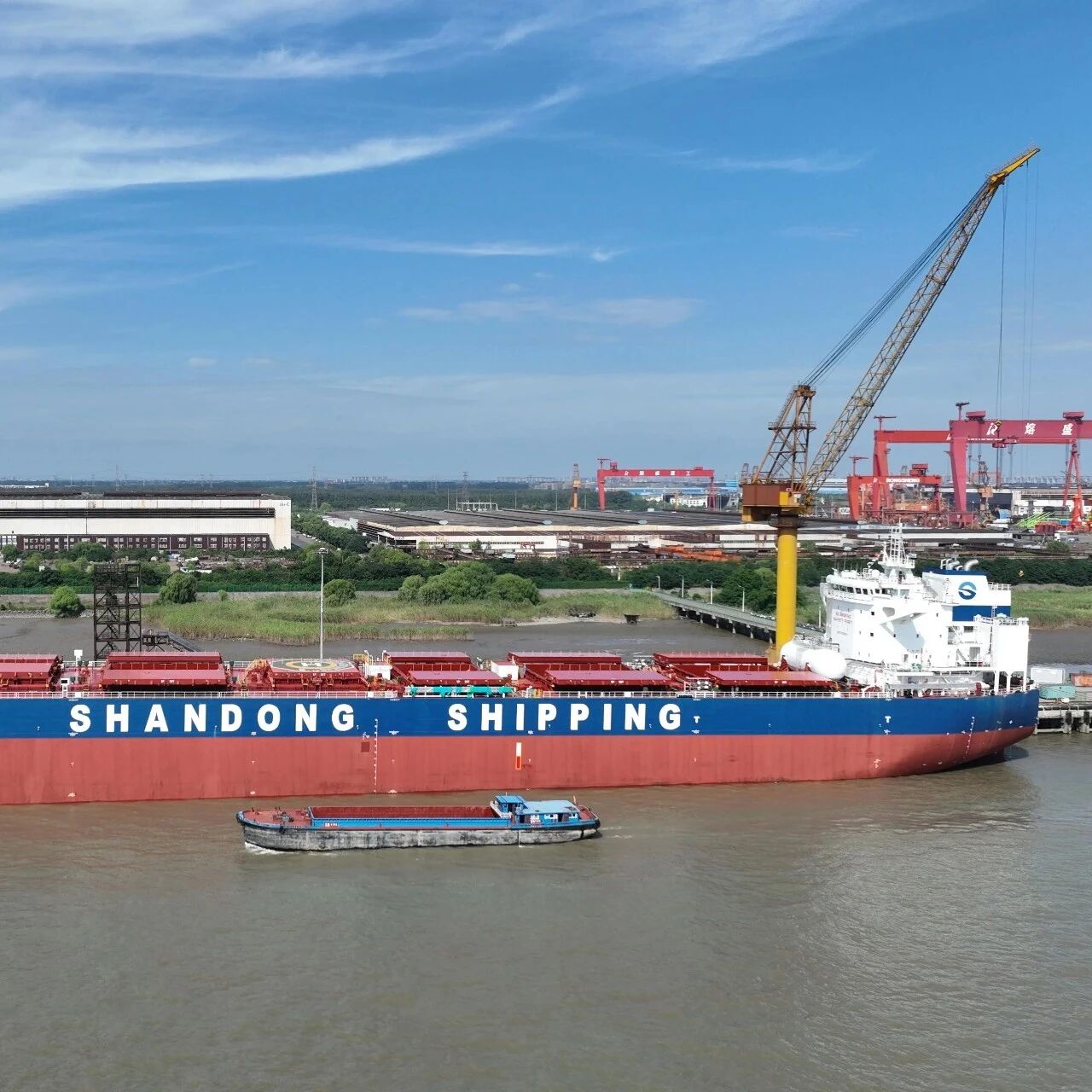
我国首套,交付!
中国能源报· 2025-09-28 07:34
Core Viewpoint - The successful delivery of China's first carbon capture system for new ships on the bulk carrier "Shandong Xinshi" marks a significant breakthrough in ship carbon capture technology, advancing towards industrial application and supporting the "dual carbon" goals [1]. Group 1: Technology Development - The carbon capture system was independently developed by China Shipbuilding Group's 711 Research Institute, featuring a complete process covering "absorption—desorption—compression—liquefaction—storage—transshipment" with fully independent intellectual property rights [3]. - The system addresses challenges such as complex operating environments and strict spatial limitations, achieving stable and efficient operation with low energy consumption, even in the confined spaces and complex conditions of ocean-going vessels [3]. - The system boasts a carbon dioxide liquefaction rate of 99% and a purity of 99.9%, while effectively reducing energy consumption and carbon dioxide dissipation, enhancing storage capacity to better meet the needs of ocean-going vessels [3]. Group 2: Economic and Environmental Impact - Captured carbon dioxide can be utilized to produce high-value products such as methanol and building materials, creating a "capture—utilization—recycling" green loop [5]. - This system not only aids in reducing emissions from ships but also generates economic benefits for operators, achieving a win-win situation for environmental protection and economic efficiency [5].