
Sunriver Culture Tourism(600576)

Search documents
“扩大内需”战略定调,大消费板块掀涨停潮
Huan Qiu Wang· 2025-12-16 08:11
Core Viewpoint - The consumer sector experienced a significant rally on December 16, driven by supportive policies aimed at expanding domestic demand, which has been elevated to a strategic priority for the economy [1][4]. Group 1: Policy Support - The article emphasizes that expanding domestic demand is crucial for economic stability and security, and it is not merely a temporary measure but a strategic initiative [1]. - The National Development and Reform Commission highlighted the need to unleash consumer potential through various measures, including special actions to boost consumption and plans to increase residents' income [1][4]. - The Central Economic Work Conference has prioritized "maintaining demand as the main driver and building a strong domestic market" as a key task for the upcoming year, reflecting the government's commitment to boosting consumption [1]. Group 2: Market Dynamics - The consumer sector's attractiveness is underscored by its current low valuation after a prolonged adjustment period, indicating a significant technical rebound demand [3]. - For instance, the food and beverage sector has a current price-to-earnings (P/E) ratio of 20.8, with a percentile ranking of only 13.04%, compared to over 64 times at its peak in February 2021, highlighting its investment value [3]. - Major consumer companies like Kweichow Moutai, Midea Group, and Haier Smart Home reported year-on-year profit growth in the first three quarters, demonstrating strong operational resilience [3]. Group 3: Investment Opportunities - A number of consumer stocks are showing characteristics of a "golden pit," where stock prices have declined despite strong earnings growth, presenting potential investment opportunities [3]. - Examples include leading condiment company Haitian Flavoring, which saw its stock price drop over 18% while achieving a 10.54% increase in net profit, and TCL Technology, which experienced a 16% decline in stock price with an 18.45% rise in net profit [3]. - Other companies like Xiangyuan Cultural Tourism, Xueda Education, and Bear Electric also fit this profile, offering potential for value investors [3]. Group 4: Future Outlook - Recent initiatives by the Ministry of Commerce and financial regulators to expand and upgrade rural consumption, along with credit support, open new avenues for market expansion [4]. - Analysts expect that the focus on expanding domestic demand will lead to more specific policies in the future, enhancing investor confidence in the consumer sector [4]. - The outlook for traditional consumption is anticipated to improve, while new consumption trends may experience rotation, but overall, the consumer sector is expected to maintain sustainability underpinned by both policy and market fundamentals [4].






祥源系兑付危机背后,三家上市公司能否守住 “隔离墙”?
Sou Hu Cai Jing· 2025-12-16 04:47
Core Viewpoint - The announcement by the Shaoxing City support team for Xiangyuan Holdings Group indicates a proactive approach to manage liquidity risks and protect investor rights amid overdue payment issues faced by the group [2][5]. Group 1: Company Financials and Risks - Xiangyuan Holdings has total assets of approximately 60 billion RMB and liabilities of about 40 billion RMB, indicating a significant liquidity pressure due to high debt levels [4]. - The liquidity pressure is exacerbated by ongoing investments in the cultural tourism and real estate sectors, alongside declining external financing capabilities [4][10]. - The overdue payment situation involves financial products linked to real estate projects, with Xiangyuan Holdings and its actual controllers bearing joint guarantee responsibilities [5][7]. Group 2: Market Reactions and Governance - Three listed companies under the Xiangyuan Group—Xiangyuan Cultural Tourism, Jiaojian Co., and Haichang Ocean Park—issued announcements to clarify their independence from the overdue payment issues, emphasizing their commitment to corporate governance [5][8]. - The market's trust in these announcements will be tested by the duration of the liquidity risks faced by the controlling shareholder, raising concerns about potential indirect financial impacts on the listed companies [8][11]. Group 3: Asset Liquidity and Valuation - Xiangyuan Holdings' asset portfolio includes real estate, cultural tourism, and infrastructure, with significant exposure to market fluctuations affecting their liquidity [10][12]. - The high pledge ratios of shares, such as 95.63% for Xiangyuan Cultural Tourism, limit financial maneuverability and increase vulnerability to market volatility [11]. - The recent performance of Haichang Ocean Park, with a revenue drop of 14.2% year-on-year and a loss of approximately 296 million RMB, highlights the challenges in generating cash flow from large-scale projects [12][13]. Group 4: Leadership and Future Outlook - The liquidity crisis ultimately points to the actions of the controlling shareholder, Yu Faxiang, who has a history of expanding Xiangyuan Holdings across multiple sectors [16][20]. - The ability of Xiangyuan Group to manage asset disposals and debt negotiations will be crucial in alleviating the payment pressures and ensuring the operational independence of its listed companies [20].



社会服务行业专题报告十一:酒店价格回正,REITs助力文旅资产盘活提速
Shenwan Hongyuan Securities· 2025-12-14 14:36
Investment Rating - The report rates the industry as "Overweight," indicating a positive outlook for the sector compared to the overall market performance [2]. Core Insights - The report highlights a moderate recovery in consumer spending, with tourism-related prices showing strong performance. The national CPI increased by 0.7% year-on-year in November 2025, reflecting a continued recovery in consumer spending [2][7]. - Hotel prices have shown resilience despite seasonal demand fluctuations, with the average hotel room price maintaining positive growth year-on-year. The RevPAR (Revenue Per Available Room) has only slightly declined, indicating a shift from a volume-driven recovery to a price-stabilized and optimized operational approach [2][8]. - The introduction of REITs (Real Estate Investment Trusts) in the service industry is expected to clarify the asset securitization path for various service sectors, including tourism and hospitality. This initiative aims to revitalize existing assets and improve financial structures [2][22][23]. Summary by Sections 1. Hotel Structure Differentiation and Price Resilience - The hotel industry is experiencing a seasonal decline in occupancy rates, but average room prices remain stable, with an ADR (Average Daily Rate) of 388.8 CNY per night in early December, up 4.3% year-on-year [8][10]. - The RevPAR for the week ending December 6, 2025, was 233 CNY per night, showing only a 0.4% decline year-on-year, indicating a recovery phase focused on price stability and operational efficiency [8][10]. 2. REITs Supporting Asset Securitization in the Service Industry - The newly released REITs project industry scope includes cultural tourism infrastructure and commercial facilities, allowing for a clearer path to asset securitization for hotels and tourist attractions [22][23]. - The report emphasizes that the inclusion of high-quality service industry assets in the REITs framework will enhance cash flow stability and operational efficiency, ultimately benefiting the valuation and investment landscape of the sector [22][24]. 3. Valuation of Key Industry Companies - The report provides a detailed valuation of key companies in the tourism and hospitality sectors, including metrics such as market capitalization and PE ratios, indicating a diverse range of investment opportunities [26]. - Notable companies highlighted for investment consideration include tourism sites like Sanxia Tourism and hotels like Shoulu Hotel and Huazhu [26].



号称年化4%-5%的“低风险”金融产品突然爆雷,众多投资者踩雷,规模上百亿
Mei Ri Jing Ji Xin Wen· 2025-12-13 06:46
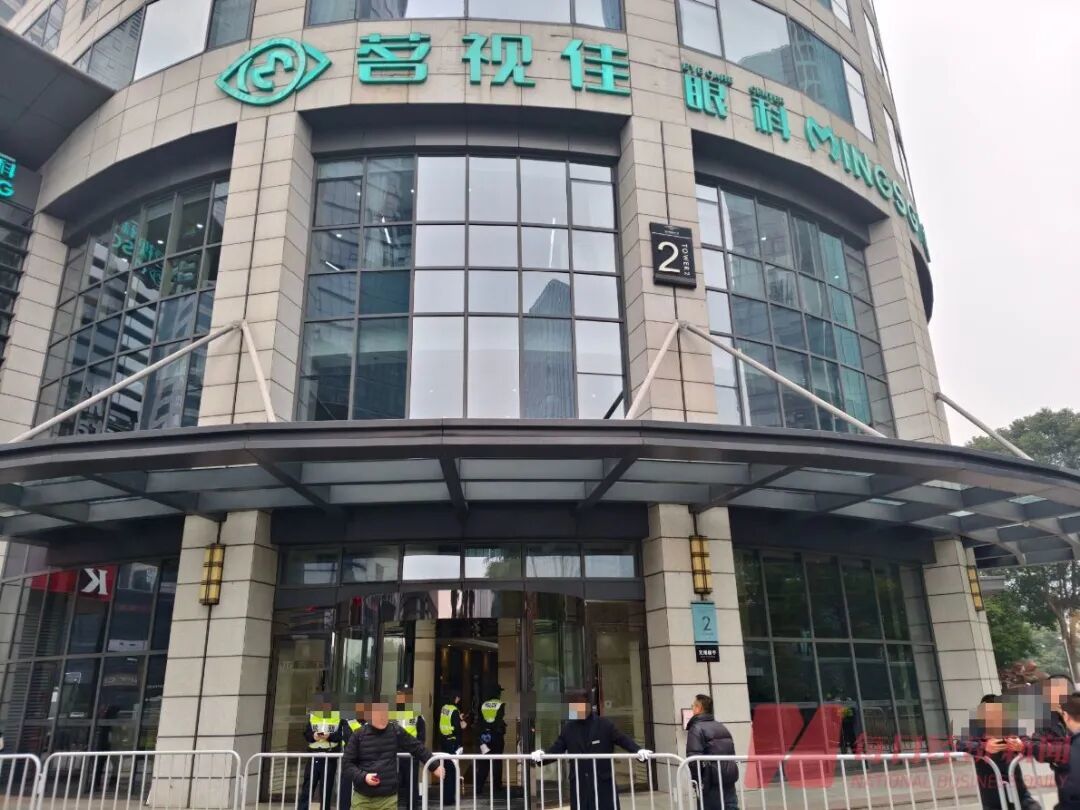
Core Viewpoint - A financial product redemption crisis has emerged involving Zhejiang Zhejin Asset Operation Co., Ltd. and its affiliated company, Xiangyuan Holdings Group, leading to significant investor losses and liquidity issues due to the underlying real estate assets' poor performance [1][3][10]. Group 1: Crisis Overview - The crisis began on November 28, 2025, when multiple financial asset income rights products guaranteed by Xiangyuan Holdings failed to redeem as scheduled, affecting over 200 products with a total transaction scale exceeding 10 billion [1][3]. - The expected annual return of these "low-risk" products ranged from 4% to 5%, with underlying assets linked to Xiangyuan's real estate accounts receivable [1][8]. - As of December 5, 2025, Xiangyuan Holdings reported total assets of approximately 60 billion, covering 40 billion in liabilities, but faced a liquidity crisis due to 30 billion in unsold real estate assets and the cancellation of Zhejin Center's trading qualifications [1][10]. Group 2: Investor Reactions and Company Response - Investors expressed frustration over the lack of communication and clarity regarding redemption plans, with many reporting that their expected returns were not received within the promised timeframe [4][10]. - On December 6, 2025, a meeting was scheduled for investors at Xiangyuan's headquarters, but the location was changed, and no representatives were present to address concerns [4][10]. - By December 9, 2025, investors were informed that a special task force had been established to coordinate with local government for asset disposal, but no specific redemption plan had been provided [10][11]. Group 3: Company Background and Financial Health - Xiangyuan Holdings, led by Chairman Yu Faxiang, has a diverse portfolio including several publicly listed companies and real estate projects across multiple regions [6][22]. - The company has faced significant challenges in its real estate ventures, with many projects reported as stalled or underperforming, leading to its inclusion on a list of companies with ongoing overdue debts [12][22]. - As of December 2025, Xiangyuan Holdings had substantial pledges on its assets, including shares in its subsidiaries, indicating a precarious financial situation [22][23]. Group 4: Regulatory and Market Context - The Zhejin Center, as a trading service platform, has stated it does not bear any responsibility for the risks associated with the financial products, highlighting the regulatory challenges faced by such platforms [24][25]. - The Zhejiang provincial financial management authority announced the cancellation of Zhejin Center's financial asset trading qualifications, reflecting a broader trend of regulatory tightening on similar platforms [26][29]. - Legal experts have noted that the structure of the financial products involved in this crisis may constitute a form of self-financing that transfers internal risks to external investors, raising concerns about compliance and investor protection [28][29].
号称年化4%~5%的“低风险”金融产品突然爆雷,众多投资者“踩雷”,规模上百亿元!“祥源系”多地项目几近停工,背后浙商大佬陷危机
Mei Ri Jing Ji Xin Wen· 2025-12-13 06:31
Core Viewpoint - A financial product redemption crisis has emerged involving Zhejiang Zhijin Asset Operation Co., Ltd. and its affiliated company, Xiangyuan Holdings Group, with over 200 financial asset income rights products unable to meet redemption obligations, totaling over 10 billion yuan [1][3][11]. Group 1: Crisis Overview - The crisis began on November 28, 2025, when investors reported that expected returns were not credited as scheduled [3][11]. - The total scale of the pending redemption funds exceeds 10 billion yuan, with products maturing between December 2025 and April 2026 [1][3]. - The underlying assets of these products are primarily accounts receivable from various real estate projects associated with Xiangyuan Holdings [1][4]. Group 2: Company Financials - Xiangyuan Holdings has total assets of approximately 60 billion yuan, which can cover 40 billion yuan of total liabilities, but faces a liquidity crisis due to 30 billion yuan of unsold property value [1][3]. - The expected annualized return on the affected financial products ranges from 4% to 5% [1][8]. Group 3: Investor Response - Investors have expressed dissatisfaction with the handling of the crisis, as many have not received their expected returns within the promised timeframe [3][11]. - A communication meeting was held on December 11, 2025, where investors demanded a clear timeline for redemption and updates on asset recovery efforts [11][13]. Group 4: Regulatory and Market Context - The Zhejiang Financial Management Bureau announced the cancellation of Zhijin Center's financial asset trading qualifications, which has impacted its ability to facilitate redemptions [27][30]. - The crisis highlights the risks associated with non-standard financing arrangements and the concentration of risk within the same controlling entity [29][30]. Group 5: Company Assets and Liabilities - Xiangyuan Holdings has significant assets tied up in real estate projects, many of which are reportedly stalled or facing execution orders due to unpaid debts [16][23]. - The company has pledged a substantial portion of its shares in listed companies as collateral, indicating financial strain [24][26]. Group 6: Market Implications - The incident reflects broader challenges in the real estate sector, particularly for companies heavily reliant on financial products for liquidity [1][23]. - The situation may lead to increased scrutiny of similar financial asset trading platforms and their regulatory frameworks [27][30].

祥源系爆雷前夕祥源文旅突击收购?频繁高溢价接盘中景信资产背后现控股股东身影
Xin Lang Cai Jing· 2025-12-12 09:29
出品:新浪财经上市公司研究院 文/夏虫工作室 核心观点:祥源系暴雷前夕祥源文旅(维权)为何突击现金并购中景信资产?需要指出的是,公司账面 资金并不宽裕。中景信与祥源系关系匪浅,背后出现祥源控股股东身影。值得注意的是,祥源文旅频繁 高溢价接盘中景信资产,但部分标的出现收购当年即商誉减值或部分标的业绩骤升等现象。 近日,祥源控股因在浙江金融资产交易中心发行的多款金融产品逾期兑付引发旗下上市公司股价地震。 据公开资料显示,"祥源系"的爆雷传闻始于11月底,祥源控股通过浙金中心发行的2-3款金融产品(预 期收益率4%-5%)出现逾期,涉及金额据统计超百亿元。据悉,"祥源系"产品的增信人为祥源控股、俞 发祥。 随着事件发酵,"祥源系"旗下上市公司交建股份(维权)、祥源文旅、海昌海洋公园纷纷发布公告紧急 澄清。 交建股份、祥源文旅、海昌海洋公园三家公司公告称,近日,网上出现有关祥源控股、公司实控人承担 连带保证责任的金融产品出现部分逾期兑付的媒体报道并引发投资者关注。就相关事项向祥源控股及公 司实际控制人进行了核实及自查并进行如下澄清: 其一,在某平台发行的涉及与祥源控股地产合作项目的金融产品存在部分逾期兑付情形,祥源控 ...
祥源控股理财事件背后:收益超4%理财风险几何?
Nan Fang Du Shi Bao· 2025-12-12 07:17
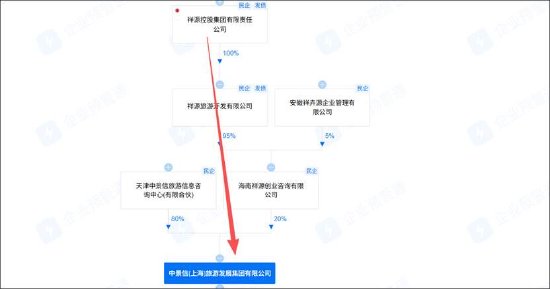
Core Viewpoint - The liquidity crisis faced by Xiangyuan Holdings Group and its subsidiaries has raised concerns about the risks associated with seemingly low-yield financial products, challenging the perception that low returns equate to low risk [1][3]. Group 1: Company Overview - Xiangyuan Holdings, founded in 1992, is a leading enterprise in the cultural tourism investment and operation sector, controlling listed companies such as Xiangyuan Cultural Tourism, Haichang Ocean Park, and Jiaojian Co [2]. - The company reported total assets of 60 billion and total liabilities exceeding 40 billion, indicating a significant financial strain as the real estate sector undergoes deep adjustments [2]. Group 2: Financial Product Issues - Approximately 2 to 3 financial products issued by Xiangyuan Holdings are currently overdue for payment, with expected yields of 4% to 5% [1][2]. - The overdue financial products are linked to real estate projects in collaboration with Xiangyuan Holdings, and the company and its actual controller bear joint guarantee responsibilities for these payment obligations [1]. Group 3: Market Context and Risks - The recent default incident has prompted investors to question the risk levels associated with financial products offering yields above 4%, as many such products may carry hidden risks [3]. - As of December 11, over 2,300 RMB bank wealth management products had performance benchmarks exceeding 4%, with only 15% achieving annualized returns above this threshold since inception [3]. Group 4: Investment Strategies - Investors are advised to be cautious of financial products with yields significantly above the prevailing market rates, as these may indicate higher risks or potential losses [5]. - It is essential for investors to thoroughly understand the characteristics of the financial products they intend to purchase, including asset allocation and historical performance, to assess their suitability in a changing market environment [5]. Group 5: Trust and Regulatory Changes - Many investors trusted the Zhejiang Financial Asset Trading Center (Zhejiang Jin Center) as a reliable platform, but recent changes in ownership and regulatory status have raised concerns about its credibility [6]. - The Zhejiang Provincial Financial Management Bureau announced the discontinuation of the financial asset trading business qualification for Zhejiang Jin Center, which has since been renamed Zhejiang Jin Asset Operation Co [6].
一周文商旅速报(12.08—12.12)
Cai Jing Wang· 2025-12-12 07:00
Group 1 - Xiangyuan Holdings is facing overdue repayment issues related to financial products linked to its real estate projects, with the company and its chairman Yu Faxiang taking joint guarantee responsibility and communicating with relevant parties about the situation [1] - Three listed companies under Xiangyuan Holdings, including Xiangyuan Cultural Tourism, Haichang Ocean Park, and Jiaojian Co., have issued statements clarifying that they are not responsible for any repayment or guarantee obligations related to the overdue financial products [1] Group 2 - New城控股 reported a total commercial operating revenue of approximately 12.85 billion yuan from January to November, reflecting a year-on-year growth of 10.36% [2] - In November alone, the company achieved a commercial operating revenue of about 1.16 billion yuan, an increase of 8.96% compared to the same month last year [2] - The total contract sales amount for the company from January to November reached approximately 17.92 billion yuan, with a total sales area of about 2.35 million square meters [2] Group 3 - Shanghai Disneyland will implement a tiered refund policy for its theme park tickets starting January 12, 2026, allowing for different refund conditions based on the timing of the refund request [3] - Under the new policy, full refunds can be requested up to seven days before the visit, while a service fee will apply for refunds requested closer to the visit date [3] Group 4 - Swire Properties announced the launch of Qiantan Place in Shanghai, which includes two Grade A office buildings, with a total construction area of approximately 125,600 square meters [4] - The project is part of the expansion of the Qiantan Taikoo Li integrated development and is expected to be completed by the end of 2026 [4] Group 5 - The Ministry of Culture and Tourism emphasizes the importance of developing smart tourism to enhance the experience and comfort of tourism products, aiming to enrich the supply of high-quality tourism products [5] - The focus is on improving the design and development of tourism products, promoting the renewal of tourist attractions, and cultivating leisure and specialty tourism products [5]



又一大型理财平台暴雷!涉3家上市公司,金额超200亿,坑惨上万人
Sou Hu Cai Jing· 2025-12-11 13:57
Core Viewpoint - The Zhejiang Financial Center, once a symbol of stability and trust, has faced a severe crisis due to its inability to allow investors to withdraw funds, affecting nearly 10,000 investors and involving over 20 billion in funds, leading to a significant loss of credibility for the center and its parent company, Xiangyuan Group [1][4][14]. Group 1: Company Background - Established in 2013, Zhejiang Financial Center was initially backed by reputable state-owned entities, which contributed to its strong credibility [4]. - The center's low investment threshold and higher-than-bank annual returns attracted many ordinary investors, who were drawn by the perceived safety of its "state-owned background" [4][5]. Group 2: Changes in Ownership and Operations - Since 2019, there has been a significant shift in the ownership structure, with state-owned capital gradually withdrawing, and by 2023, the controlling shareholder became a private entity, Hangzhou Minzhi Investment [5][8]. - The center began promoting products closely tied to Xiangyuan Group, effectively using the platform to finance its own debts under the guise of legitimate investment products [5][9]. Group 3: Regulatory Issues and Investor Impact - In October of the previous year, the Zhejiang Provincial Financial Management Bureau announced the cancellation of the center's financial asset trading qualifications, which was not widely publicized [8][9]. - Despite the regulatory announcement, the platform continued to operate normally, leading investors to mistakenly believe their investments were safe, resulting in further financial entanglement [9][10]. Group 4: Financial Health of Xiangyuan Group - Xiangyuan Group reported assets of 60 billion but liabilities exceeding 40 billion, indicating severe cash flow issues [9]. - The group's aggressive expansion into the tourism sector and real estate has led to financial strain, with many subsidiaries facing overdue commercial bills and being listed as subjects of enforcement [9][10]. Group 5: Official Response and Future Outlook - As of December 8, the Zhejiang Provincial Financial Management Bureau has begun a comprehensive investigation into the financing products associated with the crisis, providing a glimmer of hope for affected investors [10]. - The situation serves as a stark reminder of the risks associated with investments that rely heavily on perceived stability from government affiliations, highlighting the need for thorough due diligence by investors [14][16].
祥源文旅频繁并购背后:实控人陷入担保危局 年初被公开谴责
Xin Lang Cai Jing· 2025-12-11 06:07
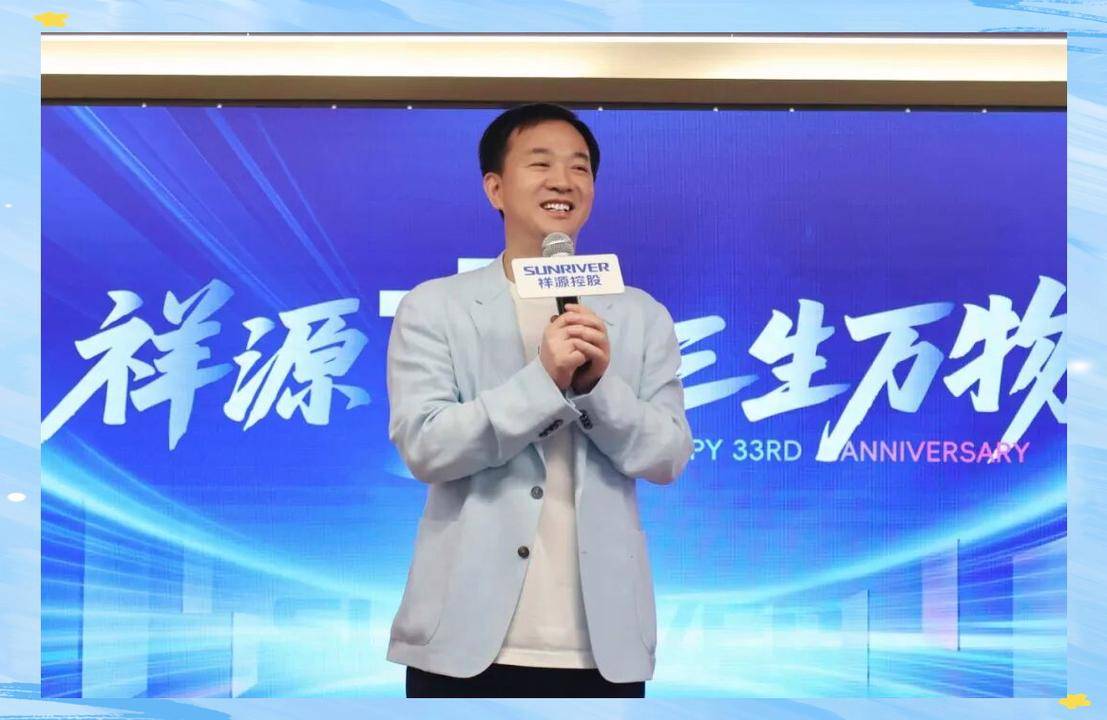
Core Viewpoint - Xiangyuan Cultural Tourism recently announced that its wholly-owned subsidiary plans to acquire 100% equity of Jinxiu Lianhua Mountain Scenic Area Development Co., Ltd. for 345 million yuan, reflecting a significant valuation increase of 241.19% [1][6]. Group 1: Frequent Mergers and Acquisitions - The company, formerly known as Wanjia Culture, was involved in a shell acquisition case led by Zhao Wei and her husband in 2017. In the same year, Xiangyuan Holdings acquired 100% equity of Wanjia Group for 1.674 billion yuan, indirectly holding 29.72% equity of Wanjia Culture, with Yu Faxiang becoming the actual controller [2][7]. - Following the name change, the company initiated a series of asset restructurings, including the acquisition of multiple cultural tourism assets from the actual controller for 1.632 billion yuan in 2022 [2][7]. - In August 2023, the company completed the acquisition of Ya'an Xiangyuan Bifengxia Tourism Co., Ltd., integrating hotel and tea industry assets while divesting certain wireless value-added businesses [2][7]. - On October 17, 2025, Haichang Ocean Park Holdings Limited announced that Xiangyuan Holdings invested 2.295 billion HKD to become its controlling shareholder with a 38.60% stake [2][7]. Group 2: Financial Concerns and Debt Issues - As of the end of Q3 2025, the company had interest-bearing liabilities exceeding 1 billion yuan. Concerns have been raised regarding the source of funds for its acquisitions [3][8]. - The actual controller, Yu Faxiang, has a history of misusing company funds, including a 2022 incident where 410 million yuan was extracted for personal use, representing 15.15% of the company's net assets at that time [3][8]. - In January 2025, the Shanghai Stock Exchange publicly criticized the company and its actual controller for these actions, leading to fines of 2 million yuan for the company and 3 million yuan for Yu Faxiang [3][8]. - On December 7, 2025, the company announced that financial products guaranteed by Yu Faxiang had overdue payments, with reported pending payments exceeding 10 billion yuan, indicating a potential crisis in debt repayment concentrated between late 2025 and early 2026 [3][8]. Group 3: Valuation and Industry Challenges - The valuation of the acquisition of Jinxiu Lianhua Mountain was based on a revenue method, with an assessed value of 345 million yuan, significantly higher than the company's book net assets of 101 million yuan, indicating a 241.19% increase [4][9]. - The scenic area is projected to generate revenue of 4.2954 million yuan and a net profit of 1.6892 million yuan in 2024, with forecasts suggesting revenue could reach 70.159 million yuan and net profit 16.5036 million yuan by 2026, necessitating over a 15-fold revenue increase within two years [4][9]. - The company's expansion through acquisitions occurs against a backdrop where 95% of cultural tourism scenic areas are reportedly operating at a loss, facing either consolidation or being consolidated [4][9]. - As of Q3 2025, the company's goodwill has risen to 846 million yuan, posing a risk of significant impairment if the acquired assets underperform, which could directly impact the company's financial results and debt repayment capacity [4][9].