JINJIANG HOTELS(600754)

Search documents
光大证券:26年春节假期旅游市场延续高景气度 AI推动消费场景串联
智通财经网· 2026-02-26 09:13
Core Insights - The tourism market during the 2026 Spring Festival is expected to maintain high prosperity, characterized by simultaneous increases in volume and price, along with structural optimization [2][8] - AI technology is increasingly integrated into the entire tourism process, enhancing consumer convenience and experience [3][8] - The cross-border travel market is experiencing significant growth in both outbound and inbound tourism, with a diversified destination structure [5][6] Group 1: Travel Market Trends - The total inter-regional movement of people during the 2026 Spring Festival is anticipated to reach a new high, with growth in passenger flow across civil aviation, railways, and water transport [2] - The hotel market is witnessing both volume and price increases, with hotel night bookings on the Fliggy platform rising by 75% year-on-year during the Spring Festival [2] - Popular tourist cities are seeing significant price increases for hotel accommodations, driven by a segmented travel pattern of "first reunion, then vacation" [2] Group 2: Domestic Tourism - The domestic tourism market is thriving, with Fliggy reporting record-high order volumes and a 10% year-on-year increase in average booking amounts [3] - Traditional and niche destinations are both gaining popularity, reflecting a trend towards diversified experiences in domestic travel [3] - Key scenic spots, such as Zhangjiajie and Qi Yun Mountain, have reported substantial revenue growth during the holiday period, with some locations achieving record highs [3] Group 3: Cross-Border Tourism - The cross-border travel market is experiencing robust growth, with Southeast Asia as a core destination and significant increases in long-haul travel [5] - Outbound travel is dominated by family groups, with popular destinations including Bangkok and Hong Kong, while inbound tourism benefits from visa-free policies and cultural appeal [5][6] - Inbound tourism is showing strong consumer spending, with cities like Beijing and Shanghai leading in visitor numbers and economic contributions [6] Group 4: Investment Opportunities - The tourism sector is expected to benefit from extended holidays, visa-free policies, and rising consumer sentiment, with a favorable outlook for service-oriented consumption [8] - Recommended investment targets include hotel chains such as Jin Jiang Hotels and ShouLai Hotels, as well as online travel agencies like Trip.com and Tongcheng Travel [8]


2026年春节消费调研观察:春节消费高景气,关注性价比、情绪价值和体验
GUOTAI HAITONG SECURITIES· 2026-02-26 00:44
Investment Rating - The report assigns an "Overweight" rating for the industry [3] Core Insights - The report highlights a strong performance in offline retail and service consumption during the Spring Festival, particularly in lower-tier markets, indicating a robust consumer sentiment and demand [2][4] - Key investment opportunities are identified in the tourism and hospitality sectors, with specific recommendations for hotel groups and scenic spots [5][6] Summary by Relevant Sections Tourism and Hospitality - The overall travel and tourism during the Spring Festival exceeded expectations, with recommendations for hotel groups such as Huazhu Group, ShouLai Hotel, and JinJiang Hotels, as well as scenic spots like Emei Mountain A and Huangshan Tourism [5][6] - Major hotel chains are expanding into lower-tier markets without significant price differences, with local residents increasingly viewing high-end hotel restaurants as premium venues for gatherings [6] Retail and Consumer Goods - Certain brands experienced long queues during the Spring Festival, suggesting potential for exceeding sales expectations, with recommendations for CaiBai Co., LaoPu Gold, and LiuFu Group [5][6] - The report notes that consumer sensitivity to prices has increased, particularly in the gold and jewelry sector, with LaoPu Gold expected to raise prices on February 28, 2026 [6] Food and Beverage - The food and beverage sector saw strong performance due to favorable weather and new product launches, with lower-priced tea and fast food performing better in lower-tier markets compared to higher-tier cities [6] - High-priced dining benefited from the "reverse reunion" trend during the Spring Festival, particularly in higher-tier cities [6] E-commerce and Cross-border Trade - The report suggests investment in cross-border e-commerce due to adjustments in US-China tariffs, recommending companies like Anker Innovations and Green Union Technology [5][6] Other Notable Stocks - Additional recommendations include ZhuMian Group, Jiangsu Guotai, SuMeida, and HaiDiLao, indicating a broad range of investment opportunities across various sectors [5][6]


住宿行业晒春节假期成绩单:多个酒店集团客房入住率创下新高,民宿订单翻倍增长
Xin Lang Cai Jing· 2026-02-25 12:25
Core Insights - The accommodation industry has seen significant growth during the 2026 Spring Festival holiday, driven by a nationwide travel surge, with record high guest numbers and occupancy rates reported [1] Group 1: Hotel Performance - Jinjiang Hotels (China) reported a more than 43% year-on-year increase in guest numbers during the first eight days of the holiday, with foreign guest numbers rising over 53% [1] - The overall occupancy rate (OCC) for Jinjiang Hotels increased by 14% year-on-year, reaching a three-year high, with over 5,000 hotels achieving full occupancy during peak travel days [1] Group 2: Budget Hotel Performance - Home Inn's operational data indicated steady growth in three key performance metrics: RevPAR (Revenue per Available Room), occupancy rate, and average room price during the 2026 Spring Festival holiday [1] - On the peak travel day of the third day of the Lunar New Year, Home Inn's hotel occupancy rate exceeded 41%, marking the highest occupancy rate of the holiday [1]
文化旅游基础设施与运营行业2025年信用回顾与2026年展望
新世纪评级· 2026-02-25 01:30
Investment Rating - The report rates the cultural tourism infrastructure and operations industry as stable for 2025 and 2026, indicating a positive outlook for growth and development in the sector [1]. Core Insights - Since 2025, the domestic tourism market has transitioned from recovery to a healthy development phase, with high consumer willingness to travel, primarily focusing on local and nearby tourism, leading to increasingly rigid consumption demands [1][15]. - The international tourism market is entering a high-quality growth phase driven by policy releases and payment facilitation, with expectations for inbound tourism to become a new growth point for the industry [5][18]. - The industry is experiencing a transformation towards quality and immersive experiences, particularly in traditional scenic areas, which are facing capacity constraints and intensified competition [1][42]. - The hotel industry is undergoing a deep adjustment phase, with ongoing brand and chain development, but still facing pressure from soft growth in room prices and rising operational costs [1][2]. Summary by Sections Industry Overview - The cultural tourism infrastructure and operations industry aims to meet public cultural and tourism demands, encompassing the development and provision of related material facilities and services [7]. - The industry is characterized by a deep integration of cultural and tourism resources, focusing on comprehensive services for tourists, including travel, accommodation, dining, and entertainment [7][8]. Market Dynamics - The report highlights that the tourism industry is a strategic pillar of the national economy, contributing over 10% to the national economic growth during the "14th Five-Year Plan" period [10]. - The domestic tourism market is expected to continue supporting economic and social development, with a projected increase in domestic travel demand due to favorable policies and extended holiday periods [5][15]. Financial Performance - Revenue growth in the industry has slowed since 2025, but the operational resilience is expected to persist due to policy support and fundamental supply-demand dynamics [2][4]. - The financial structure of the industry shows a high reliance on debt financing, with a notable increase in overall debt levels and a rising proportion of rigid debt [4][36]. Future Outlook - For 2026, the report anticipates that policy dividends and new holiday regulations will further stimulate tourism consumption demand, with a steady development trend expected in the industry [5][16]. - The integration of AI and data processing technologies is expected to enhance tourism services, leading to a more refined transformation in the sector [5][30]. Sub-industry Analysis - The leisure facilities and cultural tourism infrastructure sector is characterized by high capital barriers and varying profitability across sub-sectors, with leisure facilities maintaining strong profitability due to resource scarcity [9][36]. - The report notes that the competitive landscape is dominated by state-owned enterprises, particularly in economically developed eastern regions, which exhibit significant scale advantages [2][4].



春节假期酒店专家交流
2026-02-24 14:15
Summary of Hotel Industry Conference Call Industry Overview - The hotel industry performed exceptionally well during the 2026 Spring Festival, driven by favorable weather, an extended holiday, and a trend towards traveling during the holiday season. Key customer segments included family travelers, seniors, and couples [1][2][3] - Domestic tourism has replaced some outbound travel, and inbound tourism has significantly increased, with expectations of reaching 100 million visitors in 2026 [1][4][13] Key Points on Jinjiang Hotels - Jinjiang Hotels benefited from a low base effect and optimized revenue management, achieving a RevPAR increase of 31%, with price contributing 21 points [1][5] - The company is expected to maintain a good growth rate throughout the year, provided it focuses on business improvement and product upgrades [1][7] - Jinjiang's customer base has shifted towards family, seniors, and couples, who prefer chain hotels for better experiences and safety [4] - The company’s performance was enhanced by a low base from the previous year due to internal restructuring [5] Market Dynamics - The hotel market is expected to see a slight supply increase of 1-2% in 2026, with chain hotels growing faster than the industry average due to improved penetration in lower-tier markets [1][8][9] - Business travel demand is projected to grow by 3-5%, with some companies increasing their travel budgets [10] - The overall hotel market is entering a price increase cycle, with leading brands like Huazhu and Atour already raising prices [2][20][21] Competitive Landscape - Huazhu's RevPAR is expected to grow by about 3%, while Jinjiang anticipates a 5% increase due to last year's low base and the closure of underperforming hotels [23][24] - Atour faces challenges in raising prices due to historical high bases and government price regulations [6] - Jinjiang's main challenges include a lack of strong core brands and low membership contribution, which stands at 30% compared to Huazhu's 65% [26][29] Future Outlook - The hotel industry is expected to enter a price increase cycle over the next 1-3 years, influenced by leading brands' pricing strategies [20] - The growth of chain hotels is anticipated to continue outpacing the overall industry, with a projected increase in chain penetration by 3-4% in 2026 [9] - The tourism sector is expected to remain strong, with increased consumer spending on travel and a preference for chain hotels due to safety and service quality [11] Risks and Challenges - Huazhu faces risks in the mid-to-high-end market, particularly in maintaining competitiveness in lower-tier markets [25] - Jinjiang needs to optimize its brand strategy to enhance market competitiveness and address its low membership contribution [26] - Atour's focus on brand reputation and customer experience is crucial for its future growth, especially after previously lowering entry standards for new projects [27][28]
春节假期旅游市场点评:春节假期旅游需求旺盛,呈量价齐升、结构优化特点
EBSCN· 2026-02-24 07:14
Investment Rating - The report maintains a "Buy" rating for the social services industry, indicating an expected investment return exceeding 15% over the next 6-12 months [5]. Core Insights - The tourism market during the Spring Festival is characterized by strong demand, with a notable increase in both volume and price, alongside structural optimization [1]. - Domestic tourism is thriving, with a significant rise in orders and spending, reflecting a trend towards diversified experiences in both traditional and niche destinations [2]. - Cross-border travel is experiencing robust growth in both outbound and inbound sectors, with Southeast Asia being a key destination for outbound travel and a diverse range of destinations attracting inbound tourists [3]. Summary by Sections 1. Spring Festival Tourism Overview - The total cross-regional movement of people is expected to reach a new high, with an average daily flow of 299 million people, a 3.8% increase from the previous year [14]. - Hotel bookings during the Spring Festival saw a 75% increase in room nights, with high-end hotels showing a trend towards longer stays [16]. - Air ticket prices have risen due to increased demand, with average ticket prices reaching 965.1 yuan, a 3.6% increase from the previous year [24]. 2. Domestic Tourism Trends - Domestic travel orders reached a historical high, with a 10% increase in average spending per person [25]. - Traditional tourist destinations continue to attract visitors, while lesser-known locations are gaining popularity, with some areas seeing visitor numbers increase by over 400% [16][25]. - AI technology is enhancing the travel experience, with significant increases in ticket and hotel bookings facilitated by AI [29]. 3. Cross-Border Travel Dynamics - Outbound travel is primarily focused on Southeast Asia, with destinations like Bangkok and Hong Kong leading in popularity [34]. - Inbound tourism is benefiting from visa-free policies, with Beijing seeing a 37.1% increase in inbound visitors [37]. - The diversity of inbound travel destinations is expanding, with both major cities and smaller towns attracting international tourists [37]. 4. Investment Recommendations - The report suggests focusing on investment opportunities in the service-oriented consumption sector, particularly in hotels such as Jinjiang Hotels and Shouqi Hotels, as well as online travel agencies like Ctrip and Tongcheng Travel [41].
开酒店不赚差价的,只有它了
盐财经· 2026-02-11 09:02
Core Viewpoint - The article discusses the challenges faced by hotel franchisees in establishing their businesses, particularly focusing on the critical role of the supply chain, which accounts for 30%-40% of total investment, and introduces the innovative solutions provided by Jinjiang GPP to address these issues [2][4]. Group 1: Challenges in Hotel Investment - The hotel industry faces four main pain points: fragmented standards, opaque costs, uncontrollable performance, and the imbalance between scalability and personalization [6]. - An example of the supply chain issues is highlighted through the procurement of shower gel, where price discrepancies and quality inconsistencies create significant challenges for hotel operators [7][9]. Group 2: Jinjiang GPP's Solutions - Jinjiang GPP is positioned as a comprehensive platform that integrates research, production, supply, and sales within the hotel industry, aiming to simplify the procurement process and enhance satisfaction [10]. - The platform offers a complete investment solution, showcasing all products with digital standards and displaying lifecycle costs and potential returns [12]. Group 3: Cost Efficiency and Transparency - Jinjiang GPP leverages its scale to negotiate better prices, with examples showing that smart toilets can be priced 100-200 yuan lower than the industry average, and high-quality mattresses can be obtained for 700-1200 yuan [13]. - The platform operates on a low service fee of 1%, aligning its interests with those of franchisees, ensuring that cost savings directly benefit the hotel operators [15][16]. Group 4: Eight Commitments - GPP has introduced "Eight Commitments" to enhance trust and transparency, including price guarantees and a unique compensation mechanism for quality disputes, which has saved franchisees nearly 200 million yuan [18][20]. - The platform employs a Supplier Comprehensive Index (SCI) to evaluate supplier performance, ensuring quality and reliability in the procurement process [21][23]. Group 5: Sustainable Development and Global Expansion - GPP is committed to sustainable practices, having established standards for 22 core categories and creating a sustainable supplier database [28]. - The platform is expanding globally, with a focus on integrating Chinese supply chain efficiencies into international markets, establishing service centers and regional offices worldwide [35][37].


超40家旅行大牌率先与阿里千问、飞猪合作 AI预订机票酒店至高减300元
Zheng Quan Ri Bao· 2026-02-11 08:09
Group 1 - Alibaba's Qianwen and Fliggy have partnered with over 40 global travel brands to provide exclusive subsidies and value-added benefits for AI users [1] - Initial partners include major airlines such as China Eastern Airlines, China Southern Airlines, and Emirates, as well as hotel brands like Wanda Hotels and Shanghai Disneyland [1] - The AI collaboration aims to enhance the travel experience by enabling users to easily identify their needs and match them with travel services through natural language interactions [1][2] Group 2 - The integration of AI is expected to transform consumer behavior in the travel industry, with 2026 being highlighted as a pivotal year for AI-driven consumption [3] - Airlines are encouraged to leverage platforms like Qianwen and Fliggy to optimize supply-side offerings and capture AI-driven traffic opportunities [3] - The rapid development of AI is anticipated to significantly impact the entire cultural and tourism industry, potentially serving as a critical turning point for hotel and travel enterprises [3]


周期与成长共振:酒店产业投资范式解读与龙头Alpha捕捉
Changjiang Securities· 2026-02-11 06:02
Investment Rating - The report maintains a "Positive" investment rating for the hotel industry [15] Core Insights - The cyclical nature of the hotel industry is primarily due to the lag in supply-side adjustments, and a low chain rate tends to exacerbate industry volatility. The current cycle of the hotel industry in China is still unfolding, with the industry expected to enter a recovery phase [5][10] - The demand in the hotel industry can be divided into business travel and leisure travel, with key indicators such as domestic tourist numbers and per capita tourism spending reflecting market scale and consumption intensity. The PMI index serves as a critical forward-looking indicator for business travel demand [9][26] - The report emphasizes the importance of precise positioning of leading companies when industry data shows reversal signals, as this is key to capturing cyclical opportunities and realizing returns [5][11] Summary by Sections Supply and Demand Dynamics - The hotel industry's demand can be split into business travel and leisure travel, with business travel being influenced by the PMI index, which reflects macroeconomic conditions and corporate activity levels. Leisure travel demand is measured by domestic tourist numbers and per capita spending, both of which show an upward trend [9][26] - Supply-side indicators include the total number of hotels, the structure of different hotel grades, and the chain rate, with forward-looking indicators such as fixed asset investment in the accommodation and catering sectors indicating trends in supply adjustments [9][33] Industry Cycles and Current Stage - The cyclical nature of the hotel industry is characterized by supply-side adjustments lagging behind demand changes, leading to periods of oversupply or undersupply. The report identifies the current phase as a recovery period, with expectations of a gradual improvement in demand and supply dynamics [10][52] - Historical analysis shows that the hotel industry in China has experienced cycles of approximately 5-7 years, with the current cycle still in progress and expected to transition into a recovery phase [10][52] Investment Strategy - The report outlines a core investment strategy focused on left-side positioning within the cyclical context of the hotel industry. Key indicators for investment timing include occupancy rates (OCC), average daily rates (ADR), and revenue per available room (RevPAR), with buy signals occurring when these indicators show signs of improvement [73][75] - The correlation between PMI and RevPAR is highlighted, indicating that hotel groups with strong operational control can effectively capture trends and shorten lag periods, thus enhancing investment opportunities [11][66] Differentiation Among Hotel Companies - The report notes significant differences among listed hotel companies in terms of development stages and structural characteristics, with some companies in mature operational phases while others are still expanding or optimizing their structures. This differentiation leads to varied growth trajectories and profitability characteristics across the industry [13][116]
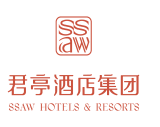
亚朵汕头春节一晚4200元冲上热搜 当地多次警告违法加价
Nan Fang Du Shi Bao· 2026-02-11 05:24
Core Viewpoint - The hotel prices in Shantou have surged significantly during the Spring Festival, with some prices increasing four to six times compared to regular rates, leading to public outcry and discussions about market regulation [1][4][5]. Price Surge Details - The price of a "Deep Sleep Deluxe King Room" at the Atour Hotel reached 4200 yuan for one night during the Spring Festival, up from a regular price of over 900 yuan, marking a fourfold increase [1]. - Other budget hotel chains like Hanting, 7 Days, Jinjiang Inn, and Home Inn also saw their prices exceed 1000 yuan, with some prices increasing to 3-6 times their usual rates [1][4]. - For instance, Hanting's basic room price rose from 264 yuan to 1384 yuan, a fivefold increase, while Jinjiang Inn's price jumped from under 200 yuan to 1044 yuan [1]. Market Dynamics - The surge in hotel prices is attributed to a significant increase in demand due to returning travelers and limited accommodation capacity, with Shantou's hotel room supply around 25,000 and potential daily visitors exceeding 100,000 during the holiday [4][5]. - The local government has indicated that hotel pricing is subject to market regulation, but excessive price increases can be reported by consumers [1][5]. Regulatory Response - Local authorities have issued reminders to hotel operators to adhere to fair pricing practices and avoid price gouging, with specific guidelines against misleading discounts and arbitrary price increases [6][7]. - A meeting was held by the Shantou Cultural, Radio, Television, Tourism, and Sports Bureau to promote price stability and service quality among hotels and accommodations [7].