CHINA MOBILE(600941)

Search documents
香港宽频再跌超7% 中移动香港配售公司现有股份以恢复公众持股量
Zhi Tong Cai Jing· 2025-09-22 02:26
香港宽频(01310)再跌超7%,近两个交易日已回落28%。截至发稿,跌7.39%,报6.14港元,成交额5.75 亿港元。 消息面上,香港宽频9月21日公布,获控股股东中国移动(600941)香港告知,为恢复公众持股量,已 于9月19日与配售代理订立具约束力之配售安排,中移香港经配售代理配售4792.5万股予独立第三方之 承配人,配售股份占已发行股份总数约3.24%。该集团知悉,预期配售事项将于9月24日完成,预计配 售事项将不会对营运产生任何重大不利影响。 于公告日期,中移香港连同其一致行动人士持有约78.08%股权,有关配售事项完成,预期中移香港持 股降至约74.84%。该集团指,于昨日,公众人士持有约22.89%股权,并不符合上市规则第8.08(1)条所 载25%的最低公众持股量规定。该集团及中移香港将采取措施,以确保该集团股份尽快存在足够公众持 股量。 ...

中国服务业企业500强发榜 平均营收规模首次突破千亿
Chang Jiang Shang Bao· 2025-09-21 23:01
Core Insights - The "2025 China Service Industry Enterprises Top 500" list shows that the average revenue of the listed companies has surpassed 100 billion yuan, reaching 1022.24 billion yuan, marking a significant milestone in the service sector [1][2] - The total revenue of the top 500 service enterprises has exceeded 50 trillion yuan, amounting to 51.1 trillion yuan, with a growth rate of 3.82%, which is an increase of 1.9 percentage points compared to 2024 [2] - The number of companies entering the trillion-yuan club has reached 9, with JD Group recognized as the largest private service enterprise [2] Group 1: Revenue and Profitability - The entry threshold for the top 500 service enterprises has increased by 19.5 billion yuan, reaching 79.8 billion yuan, which is a growth of 10.71% [2] - The total assets of the top 500 service enterprises have surpassed 400 trillion yuan, reaching 404.9 trillion yuan, with a growth of 9.19% [2] - The net profit for the top 500 service enterprises in 2025 is projected to be 3.34 trillion yuan, reflecting a growth of 6.71% [2] Group 2: Composition and Trends - Among the top 500 service enterprises, 276 are state-owned and 224 are private, indicating a balanced representation in the service sector [3] - Traditional service sectors like real estate and retail have seen a decrease in the number of entrants, while modern services such as internet and IT services, finance, logistics, and business services have increased, with 184 companies from these sectors making the list, an increase of 12 from 2024 [3] - The income profit margin for the remaining 427 service enterprises, excluding commercial banks and residential real estate, has reached 4.04%, the highest since the start of the 14th Five-Year Plan [2]




中国移动拟售3.24%香港宽频股份 符合公众持股量规定
Ge Long Hui· 2025-09-21 16:08
Core Viewpoint - China Mobile has entered into a binding placement arrangement to sell approximately 3.24% of its shares in Hong Kong Broadband (1310.HK) to comply with the minimum public float requirement of 25% for listing rules, aiming to ensure sufficient public shareholding without significantly impacting the operations of Hong Kong Broadband [1] Group 1 - The share sale is intended to meet regulatory requirements and support the long-term development goals of Hong Kong Broadband [1] - China Mobile plans to improve the financial condition of Hong Kong Broadband and maximize synergies between the two companies to expand market share [1] - The initiative is aligned with the growth strategies of both companies, aiming to deliver long-term value to shareholders [1]
通信行业周报(20250915-20250921):华为全联接大会落幕,卫星互联网技术试验卫星正式发射,建议关注国产算力及卫星板块-20250921
Huachuang Securities· 2025-09-21 12:58
Investment Rating - The report maintains a "Recommendation" rating for the communication industry, expecting the industry index to outperform the benchmark index by more than 5% in the next 3-6 months [27]. Core Insights - The communication industry has shown a significant increase of 64.09% year-to-date, outperforming the Shanghai and Shenzhen 300 index by 49.68 percentage points [8][9]. - Huawei's recent announcements at the All-Connect Conference focus on "super nodes + cluster scaling" and self-developed HBM technology, aiming to meet the demands of large model training and inference [15][16]. - The successful launch of the satellite internet technology test satellite indicates a growing opportunity in the satellite industry chain, with a recommendation to focus on key players in the satellite communication sector [20]. Summary by Sections Industry Overview - The communication industry consists of 123 listed companies with a total market capitalization of approximately 49,248.97 billion and a circulating market value of about 23,006.93 billion [3]. - The industry has ranked 9th in weekly performance among all primary sectors, while it ranks 1st for the year [9]. Stock Performance - The communication sector's absolute performance over the past month, six months, and twelve months is 8.7%, 18.6%, and 30.5% respectively, with a relative performance of 4.9%, 11.2%, and 13.5% [4]. - The top five gainers in the communication sector this week include Dekeli (+59.09%), Junsheng Electronics (+44.25%), and Changfei Fiber (+35.07%) [12]. Key Recommendations - Key operators recommended include China Mobile, China Telecom, and China Unicom [21]. - In the satellite communication sector, recommended companies include Haige Communication, Shanghai Hanhua, and Qiyi Two [21]. - The report suggests focusing on companies in the domestic computing power sector, such as Huawei, Alibaba, and Cambrian [17].


香港宽频:将向中国移动香港配售现有股份。
Xin Lang Cai Jing· 2025-09-21 12:05
Core Viewpoint - Hong Kong Broadband Network (HKBN) plans to allocate existing shares to China Mobile Hong Kong, indicating a strategic partnership and potential financial implications for both companies [1] Company Summary - HKBN is engaging in a share allocation to China Mobile Hong Kong, which may enhance its market position and financial stability [1] - The share allocation could signify a strengthening of ties between HKBN and China Mobile, potentially leading to collaborative opportunities in the telecommunications sector [1] Industry Summary - The telecommunications industry in Hong Kong may see increased consolidation and partnerships as companies seek to enhance their competitive edge through strategic alliances [1] - This move reflects broader trends in the industry where companies are looking to leverage partnerships to improve service offerings and market reach [1]
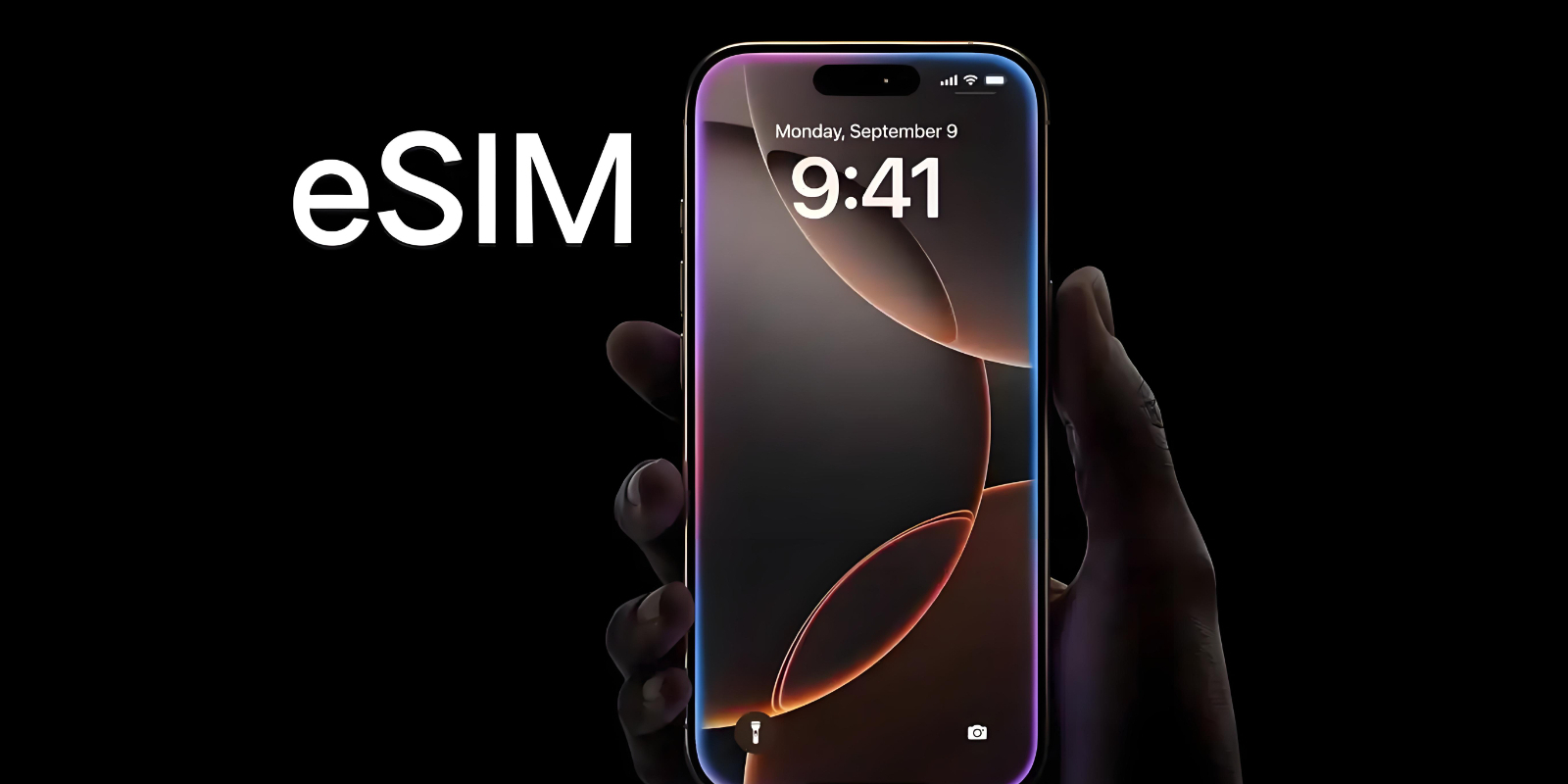
失约的iPhoneAir,焦急的运营商
Xin Lang Ke Ji· 2025-09-21 06:43
Core Viewpoint - The launch of Apple's iPhone Air in China has been delayed due to regulatory issues surrounding eSIM technology, which is not yet supported by local telecom operators [2][3][4]. Group 1: iPhone Air Launch - The iPhone Air, Apple's lightest flagship smartphone, is currently not available for sale in China, with its release status marked as "to be updated" on official platforms [2]. - The iPhone Air only supports eSIM, which requires regulatory approval for telecom operators in China to offer eSIM services [2][3]. - Apple has indicated that the iPhone Air will only be supported by China Unicom for eSIM activation, requiring users to visit physical stores for identity verification [5][6]. Group 2: eSIM Technology and Regulatory Environment - eSIM technology is seen as a future trend in the telecom industry, but its adoption in China is hindered by regulatory and compliance challenges [3][11]. - Chinese telecom operators are prepared to offer eSIM services but are awaiting formal approval from regulatory bodies [4][11]. - The complexity of eSIM activation processes and the need for stringent security measures have led to delays in service rollout [8][9][14]. Group 3: Industry Perspectives - Industry analysts believe that the widespread adoption of eSIM in China is inevitable, but it will follow a cautious and phased approach [3][11]. - The telecom sector is currently focused on enhancing security measures for eSIM technology to address concerns over user privacy and fraud [8][9][14]. - Companies like China Unicom are exploring advanced technologies, such as blockchain, to improve the security of eSIM services [14].




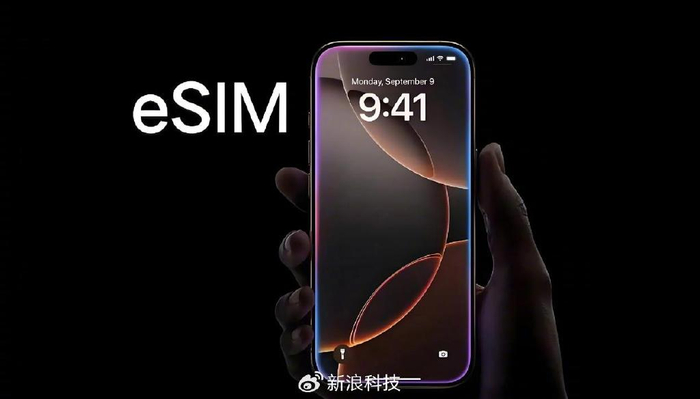
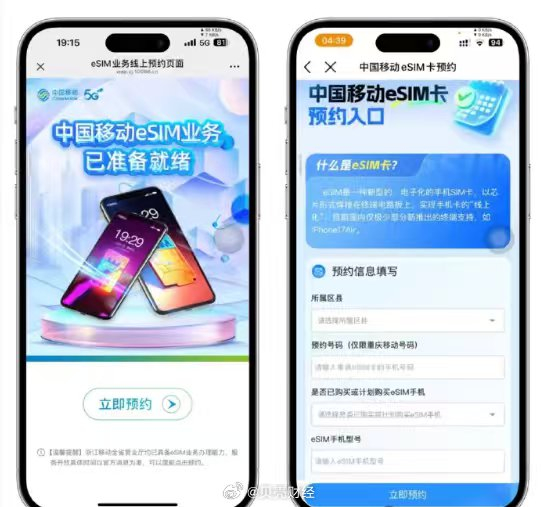
中国移动eSIM预约页面上线,iPhone Air用户可办理
Bei Ke Cai Jing· 2025-09-21 05:39
Core Viewpoint - China Mobile has launched an eSIM reservation page, allowing users to book eSIM services online, with specific conditions and limitations outlined for the service [1]. Group 1: eSIM Service Conditions - The eSIM service is only available for 11-digit mobile phone numbers, excluding landlines and special service numbers [1]. - Users must present their phone and ID at a physical store to complete the eSIM activation process [1]. - The service is currently not available for minors, overseas users, or those acting on behalf of others [2]. Group 2: eSIM Activation and Limitations - The eSIM service supports new registrations, SIM card replacements, reactivations, cancellations, and number portability [3]. - Each mobile device can activate a maximum of two eSIM numbers from different domestic operators, and no additional numbers can be added once this limit is reached [4]. - Each eSIM-enabled phone can open a maximum of two new numbers per calendar month [4]. - Each number is limited to a maximum of five replacement requests per month [5]. - Under the same ID, the total number of eSIM and physical SIM cards cannot exceed five [6]. Group 3: Product Launch - Apple has released the iPhone Air, which is the first pure eSIM version of the iPhone in mainland China, eliminating the physical SIM card slot entirely [6].
通信行业周报:重视华为AI链、OCS、国产算力等AI板块-20250921
KAIYUAN SECURITIES· 2025-09-21 02:12
Investment Rating - Industry investment rating: Positive (maintained) [1] Core Insights - Huawei's Ascend roadmap was released, projecting a tenfold increase in computing power over the next decade, with AI storage capacity expected to grow 500 times by 2035, accounting for over 70% of total storage needs [14][15] - Microsoft announced the construction of the world's most powerful AI data center, Fairwater, with an initial investment of $3.3 billion, expected to be operational by early 2026, which will significantly boost demand for optical modules and switches [5][16] - The report emphasizes the importance of the Huawei AI chain, OCS, and domestic computing sectors, recommending various stocks across these segments [6][11] Summary by Sections 1. Investment Outlook - Huawei's new Ascend chip series will be launched in phases from 2026 to 2028, with significant improvements in bandwidth and computing power [11][12] - The report suggests focusing on seven key investment areas, including network equipment, AIDC construction, IT equipment, computing leasing, cloud computing platforms, AI applications, and satellite internet & 6G [17][18] 2. Communication Data Tracking - As of July 2025, China had 4.598 million 5G base stations, with 1.137 billion 5G mobile users, reflecting a year-on-year growth of 19.68% [25][27] - The report notes a decline in 5G smartphone shipments in June 2025, with a total of 18.436 million units shipped, a year-on-year decrease of 16.7% [25][32] 3. Operator Performance - In the first half of 2025, China Mobile's cloud revenue reached 56.1 billion yuan, a year-on-year increase of 11.3%, while China Telecom's cloud revenue was 57.3 billion yuan, up 3.8% [40][41] - The ARPU values for the three major operators remained stable, with slight decreases noted for China Mobile and China Unicom [40][44]




失约的iPhone Air,焦急的运营商
经济观察报· 2025-09-20 14:44
Core Viewpoint - The release of the iPhone Air in China is delayed due to the lack of eSIM service approval from local telecom operators, which is crucial for its market entry [1][5][13]. Group 1: eSIM Service Status - The iPhone Air, which only supports eSIM, is currently not available for sale in China as telecom operators await regulatory approval for eSIM services [5][8]. - China Mobile has completed the system upgrades necessary for eSIM services and is awaiting formal approval from the Ministry of Industry and Information Technology (MIIT) to launch the service [8][12]. - China Unicom has launched an eSIM service section on its website, but it currently only supports wearables and not smartphones [9][10]. Group 2: Regulatory and Security Considerations - The regulatory environment in China is cautious regarding eSIM technology due to concerns over data sovereignty, privacy protection, and the need for robust security measures [5][16]. - The MIIT has implemented strict standards for eSIM services to prevent telecom fraud and ensure user privacy, which has delayed the rollout of eSIM for smartphones [17][19]. - The telecom industry is under pressure to demonstrate the security of eSIM technology, with operators exploring blockchain for identity verification to enhance security [26][27]. Group 3: Market Dynamics and Future Outlook - The adoption of eSIM technology in China is seen as inevitable, with operators preparing for its eventual rollout despite current regulatory hurdles [7][21]. - Industry experts believe that the push for eSIM services is not just limited to Apple but includes domestic manufacturers who are also testing eSIM-enabled flagship products [13][29]. - The collaboration between telecom operators and device manufacturers is crucial for the successful implementation of eSIM services, with a focus on ensuring a seamless user experience [28][29].

失约的iPhone Air,焦急的运营商
Jing Ji Guan Cha Wang· 2025-09-20 12:26
Core Viewpoint - The launch of Apple's iPhone Air in China has been delayed due to regulatory issues surrounding eSIM technology, which is not yet supported by local telecom operators [2][3][7]. Group 1: iPhone Air Launch - The iPhone Air, Apple's lightest flagship smartphone, was expected to be released on September 19, but its availability has been postponed with the website indicating "to be updated" [2]. - The iPhone Air is designed to support only eSIM technology, which is not currently available for consumers in China due to regulatory hurdles [3][5]. Group 2: eSIM Technology and Regulatory Environment - eSIM technology allows for remote activation of mobile services, but China has not yet approved eSIM services for smartphones, leading to a cautious approach from Apple regarding the iPhone Air's release [3][4]. - Telecom operators in China, including China Mobile, China Unicom, and China Telecom, are preparing to offer eSIM services but are awaiting regulatory approval [4][8]. Group 3: Telecom Operators' Readiness - China Mobile has completed system upgrades to support eSIM services and is expecting formal approval from the Ministry of Industry and Information Technology (MIIT) soon [4]. - China Unicom has launched an eSIM section on its website but has not yet made eSIM services available for smartphones [4][6]. Group 4: Industry Perspectives - Analysts believe that the adoption of eSIM technology in China is inevitable, but the timeline is contingent on regulatory approvals and the readiness of telecom operators [4][14]. - The security concerns surrounding eSIM technology have led to a cautious regulatory approach, with the government prioritizing user privacy and fraud prevention [10][11][19]. Group 5: Future Outlook - There is a consensus that once regulatory hurdles are cleared, eSIM technology will be widely adopted across various devices, including smartphones and wearables [21]. - The industry is actively working on enhancing the security of eSIM technology to meet regulatory standards, with some operators exploring blockchain for identity verification [18][20].