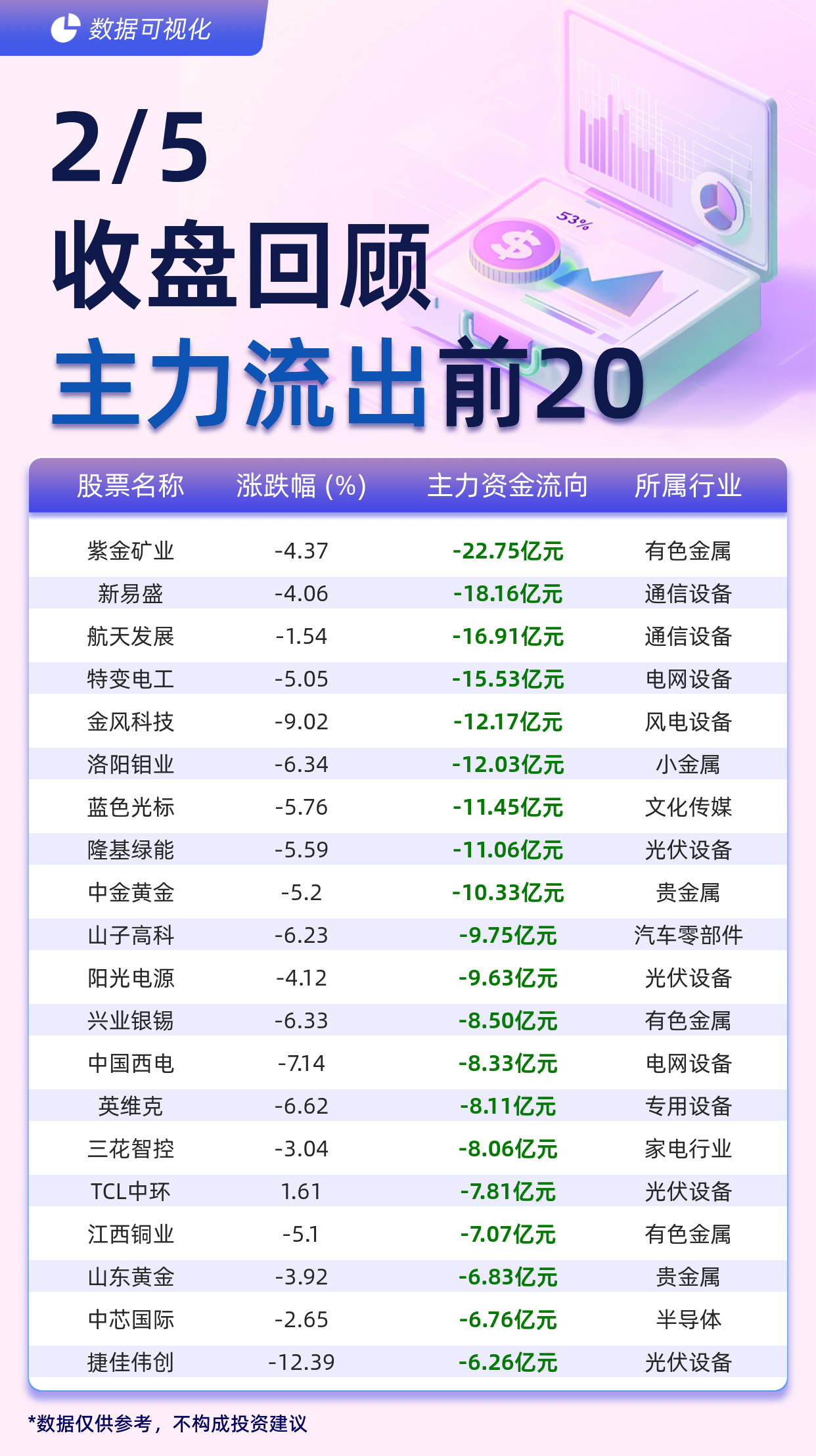
China XD(601179)

Search documents
中国西电:公司固态变压器收入占整体营业收入比例较低
Mei Ri Jing Ji Xin Wen· 2026-02-11 09:25
Group 1 - The company has started operating solid-state transformers in 2023, but the revenue from this segment is currently low and will not significantly impact overall performance [2] - The company is committed to monitoring market trends and advancing the industrialization of relevant technological achievements [2] - The company expressed gratitude for investor interest in the solid-state transformer business [2]


两大央企成立新公司
Xin Jing Bao· 2026-02-10 07:29
Core Viewpoint - The establishment of China Logistics Group Equipment Logistics Co., Ltd. marks a significant collaboration between China Electric Equipment and China Logistics, aiming to enhance the integration of high-end equipment manufacturing and modern logistics, thereby contributing to national strategic goals and the modernization of the industrial system [2][3][4]. Group 1: Company Overview - China Logistics Group Equipment Logistics Co., Ltd. is a joint venture established by state-owned enterprises China Electric Equipment and China Logistics [2]. - China Electric Equipment Group is a major state-owned enterprise formed from the restructuring of several companies, including China West Electric Group and State Grid Corporation subsidiaries, and is responsible for managing domestic standards in the power distribution industry [4]. - China Logistics Group, established in December 2021, is a wholly state-owned enterprise with a registered capital of 30 billion yuan, operating a global network across five continents [4]. Group 2: Strategic Goals and Objectives - The new company aims to focus on energy equipment logistics and special oversized logistics, prioritizing the security of industrial and supply chains [4]. - It seeks to create a customized service system covering the entire lifecycle of power distribution equipment, leveraging technological innovation to enhance logistics productivity [4]. - The collaboration is positioned as a strategic move to lower logistics costs and improve efficiency, aligning with national policies to build a modern industrial system [3][4]. Group 3: Leadership and Vision - Key leaders from both companies attended the unveiling ceremony, emphasizing the importance of this partnership in driving high-quality development and innovation in logistics and manufacturing [2][3]. - The partnership is expected to set a benchmark for the integration of logistics and manufacturing services, contributing to the construction of a modern industrial and circulation system in China [3].
量子科技相关利好汇总!技术突破政策加码齐落地,产业国产化与商业化双轨加速前行
Xin Lang Cai Jing· 2026-02-09 10:09
Group 1 - Zhongke Shuguang, based in Beijing, is a leading enterprise in high-performance computing, cloud computing, and big data, with a comprehensive self-developed technology system in computing infrastructure [1][29] - The company collaborates with top research institutions to develop quantum computing supporting technologies and has launched dedicated computing infrastructure for quantum computing [1][29] - Future prospects include becoming a core service provider for quantum computing industrialization, leveraging national computing network construction and quantum technology policies [1][29] Group 2 - iFlytek, located in Hefei, is a leader in intelligent voice and AI, focusing on the integration of quantum computing and AI applications [2][30] - The company aims to optimize AI model training efficiency using quantum computing's parallel processing advantages and explores quantum algorithms in various fields [2][30] - Future developments may lead to differentiated advantages in quantum intelligent interaction and optimization algorithms [2][30] Group 3 - Hengtong Optic-Electric, based in Suzhou, is a global leader in optical communication and energy interconnection, with a significant market share in quantum communication [3][31] - The company has developed quantum key distribution (QKD) equipment and has a market share of over 40% in quantum optical cables [3][31] - Future strategies include enhancing core devices and exploring the integration of quantum communication with marine communication [3][31] Group 4 - Aerospace Electronics, located in Beijing, is a core enterprise in aerospace electronic information, focusing on quantum sensing and navigation technologies [4][32] - The company develops high-precision aerospace sensors based on quantum effects and supports the construction of space-based quantum communication networks [4][32] - Future advancements may position the company as a key supplier in aerospace quantum technology applications [4][32] Group 5 - Zhongtian Technology, based in Nantong, specializes in optical cables and renewable energy, focusing on the infrastructure for quantum key distribution networks [5][34] - The company collaborates with other quantum technology firms to provide supporting equipment for quantum communication systems [5][34] - Future efforts may include the development of specialized optical devices and solutions for quantum communication [5][34] Group 6 - Huagong Technology, located in Wuhan, is a leader in laser processing and optoelectronic devices, focusing on core optical devices needed for quantum communication [6][35] - The company aims to become a key supplier of quantum communication components and explore quantum sensing technology applications [6][35] - Future developments may enhance the company's position in the quantum communication market [6][35] Group 7 - China West Electric, based in Xi'an, focuses on quantum sensing technology applications in power systems, developing high-precision monitoring sensors [7][36] - The company aims to enhance the stability and intelligence of power systems through quantum sensing technology [7][36] - Future strategies may solidify the company's core advantages in quantum monitoring and precision measurement [7][36] Group 8 - AVIC Optoelectronics, located in Luoyang, specializes in high-precision connectors and optoelectronic components for quantum communication and computing [8][37] - The company aims to support the miniaturization and integration of quantum devices through its advanced manufacturing capabilities [8][37] - Future developments may expand the company's role in the quantum technology supply chain [8][37] Group 9 - Southern Power Grid Digital, based in Guangzhou, focuses on digital power grid solutions and quantum key distribution technology in power systems [9][38] - The company aims to establish a quantum security protection system for critical power infrastructure [9][38] - Future initiatives may position the company as a benchmark in quantum security applications within the power industry [9][38] Group 10 - China Great Wall, located in Beijing, is a leader in self-controlled computing and information security, focusing on post-quantum cryptography [10][39] - The company develops solutions to ensure information system security in the quantum computing era [10][39] - Future advancements may enhance the company's offerings in quantum security solutions [10][39] Group 11 - Kehua Data, based in Xiamen, specializes in data center infrastructure and energy management, providing power solutions for quantum computing facilities [11][41] - The company aims to become a core supplier for quantum computing infrastructure as the industry grows [11][41] - Future developments may optimize energy solutions for quantum computing centers [11][41] Group 12 - State Grid Information Communication, located in Beijing, focuses on digital power and information communication, exploring quantum key distribution in power networks [12][42] - The company aims to enhance the security of power communication networks through quantum technology [12][42] - Future strategies may solidify the company's role in promoting quantum communication applications in the power sector [12][42] Group 13 - Tiantong Co., based in Haining, specializes in magnetic materials and sapphire crystals, focusing on high-performance sapphire substrates for quantum computing [13][43] - The company aims to become a key supplier of materials essential for quantum chip manufacturing [13][43] - Future developments may expand the application of quantum materials in various quantum devices [13][43] Group 14 - Shenzhou Information, a leader in financial technology, focuses on quantum key distribution in the financial sector [14][44] - The company aims to build a quantum security financial service system to protect financial data [14][44] - Future initiatives may enhance the integration of quantum technology in financial services [14][44] Group 15 - Qiming Star, located in Beijing, is a leader in network security, focusing on the development of post-quantum cryptography technologies [15][45] - The company aims to provide comprehensive network security solutions to protect against quantum computing threats [15][45] - Future advancements may position the company as a core service provider in post-quantum security [15][45] Group 16 - Electric Science Network Security, based in Chengdu, focuses on quantum security technologies, including quantum key distribution and post-quantum cryptography [16][47] - The company aims to become a key player in quantum security for critical information infrastructure [16][47] - Future developments may enhance the company's capabilities in quantum security solutions [16][47] Group 17 - Keda Guokai, located in Hefei, focuses on the intersection of quantum computing and big data, developing algorithms for quantum data processing [17][48] - The company aims to accelerate the industrialization of quantum computing technologies [17][48] - Future initiatives may open new growth opportunities in the intelligent software industry [17][48] Group 18 - Guangdong Measurement, based in Guangzhou, specializes in calibration and testing services for quantum technology products [18][49] - The company aims to ensure the measurement accuracy and stability of quantum devices [18][49] - Future developments may position the company as a core calibration service provider in the quantum technology sector [18][49] Group 19 - Dongxin Peace, located in Zhuhai, focuses on quantum key distribution technology for IoT security applications [19][50] - The company aims to enhance the security of IoT devices and data transmission through quantum technology [19][50] - Future initiatives may solidify the company's position in the quantum security market for IoT [19][50] Group 20 - Hengbao Co., based in Zhenjiang, specializes in smart cards and financial technology, focusing on quantum security in financial transactions [20][51] - The company aims to develop quantum secure payment systems to protect financial data [20][51] - Future developments may enhance the company's offerings in quantum security applications within the financial sector [20][51] Group 21 - Datang Telecom, located in Beijing, focuses on integrated circuit design and quantum communication chip development [21][52] - The company aims to support the miniaturization and integration of quantum devices through specialized chips [21][52] - Future advancements may position the company as a key supplier in the quantum chip market [21][52] Group 22 - Guomin Technology, based in Shenzhen, focuses on post-quantum cryptography for security chips in various industries [22][54] - The company aims to ensure the security of devices and data in the quantum computing era [22][54] - Future developments may enhance the company's capabilities in the quantum security chip market [22][54]


国内电改与海外需求共振 风电电网迎来高质量发展
Zhong Guo Neng Yuan Wang· 2026-02-09 01:11
Group 1 - The core viewpoint of the report indicates that the power industry is expected to undergo high-quality development due to accelerated marketization and ongoing reforms in the electricity system in China, particularly in the context of the "dual carbon" strategy [2] - The report highlights that the investment in the power grid is anticipated to increase, with significant growth in transformer exports to the U.S. and other countries in the first nine months of 2025 [4] - The report emphasizes the importance of gas turbines as a primary solution for addressing electricity shortages in the U.S., with Chinese companies expected to expand their presence in international markets [4] Group 2 - The report notes that the construction of ultra-high voltage (UHV) power lines is likely to accelerate due to the rising demand for green electricity, despite a slowdown in construction during the latter part of the 14th Five-Year Plan [3] - The investment in distribution networks is expected to become a key focus during the 15th Five-Year Plan, as the reliability of power supply is challenged by the rapid growth in peak electricity load [3] - The profitability of wind power equipment is projected to continue improving, with domestic companies accelerating their international expansion, supported by high bidding volumes and rising prices [5]






系统化规模化推进 特高压产业链保持高景气度
Zhong Guo Zheng Quan Bao· 2026-02-08 20:44
● 本报记者何昱璞 随着国家电网公司"十五五"期间4万亿元投资蓝图的发布,一条条跨越千里的电力"主动脉"进入密集建 设期。日前,新疆维吾尔自治区发展改革委发布公告,公开征集民营企业参与疆电(南疆)送电川渝特高 压直流工程投资。业内人士表示,这一举措也标志着我国特高压建设正积极探索更加多元化的投融资模 式,为行业发展注入新的动力,相关产业链上市公司有望受益。 政策持续支持 在国家能源战略的明确指引下,特高压建设已进入系统化、规模化推进的新阶段。 2025年以来,国家发改委、国家能源局等多部门出台系列配套政策,在项目审批、用地、环评等关键环 节为特高压工程开辟"绿色通道"。目前,大同—怀来—天津南、蒙西—京津冀等特高压工程已进入施工 高峰;浙江特高压交流环网、攀西特高压交流等工程前期工作加快推进,预计将于2026年上半年集中开 工建设。 国家电网数据显示,截至2025年底,我国已累计建成特高压工程42项,华东、华北、华中、西南地区特 高压交流骨干网架已基本形成,能源资源配置能力与系统韧性显著增强。业内人士分析称,随着大型风 光基地陆续投产,配套外送通道的建设需求将持续释放,未来三年特高压项目将迎来核准与开工的高峰 ...
系统化规模化推进特高压产业链保持高景气度
Zhong Guo Zheng Quan Bao· 2026-02-08 20:22
Core Insights - The article highlights the significant investment plan of 4 trillion yuan by the State Grid Corporation during the 14th Five-Year Plan, marking a new phase in the construction of ultra-high voltage (UHV) power transmission systems [1][2] - The involvement of private enterprises in UHV projects, as evidenced by the Xinjiang UHV project, indicates a shift towards diversified investment models in the sector, which is expected to inject new momentum into industry development [1][3] Policy Support - The National Development and Reform Commission and the National Energy Administration have introduced a series of supportive policies since 2025, facilitating project approvals and environmental assessments for UHV projects [2] - By the end of 2025, China is expected to have completed 42 UHV projects, significantly enhancing energy resource allocation capabilities and system resilience [2] Exploration of Diverse Development Paths - The Xinjiang UHV project, with a total investment of 31.1 billion yuan, will allow private enterprises to invest, marking a significant breakthrough in private capital participation in state-led UHV construction [2][3] - The project aims to transport over 40 billion kilowatt-hours of electricity annually, primarily harnessing solar and wind resources from the southern Xinjiang region [3] Industry Chain Benefits - The acceleration of UHV construction and investment innovation is expected to maintain high prosperity across the entire industry chain, with significant orders for upstream equipment manufacturers [4] - Companies like China Xidian, a core supplier of UHV equipment, reported a 29.27% year-on-year increase in contract liabilities, indicating a substantial growth in order backlog [4] Strategic Importance - UHV infrastructure is increasingly recognized as a national-level key infrastructure that ensures energy security, promotes clean energy consumption, and stimulates effective investment [5] - The collaborative push from policies, funding, and market dynamics is leading the UHV industry into a new phase of high-quality development, with industry chain companies poised to benefit continuously [5]
电力设备行业2026年投资策略:国内电改与海外需求共振,风电电网迎来高质量发展
Hua Yuan Zheng Quan· 2026-02-08 13:35
Group 1 - The power industry is expected to achieve high-quality development as it enters a year of comprehensive marketization, driven by the "dual carbon" strategy and accelerated reforms in the electricity system [3][7][8] - The electricity market reform is set to fully unfold in the 15th Five-Year Plan, with significant policies introduced in the final year of the 14th Five-Year Plan that will have far-reaching impacts [3][11][12] - The core idea of the electricity reform is to reflect the different values of power sources (energy value, capacity value, adjustment value, and clean value) in market pricing, which has been historically dominated by energy value due to the predominance of coal power [8][10] Group 2 - The reform is expected to accelerate the construction of ultra-high voltage (UHV) and distribution networks, with UHV construction likely to speed up again as green electricity demand rises [3][16][24] - The investment in distribution networks has been low, with a continuous decline in the investment ratio, but this is expected to change as the demand for reliable power supply increases [28][34][41] - The introduction of capacity pricing for UHV and distribution networks is anticipated to stabilize project returns and promote the development of related projects [26][41] Group 3 - The surge in AI investments is projected to significantly increase electricity demand in the U.S., with OpenAI planning to deploy over 250GW of computing power by 2033, which could lead to a substantial electricity shortfall [45][49] - The U.S. electricity demand has been stagnant, but projections indicate that by 2030, peak load could approach 1000GW, driven largely by data centers [49][51] - The anticipated increase in electricity demand from AI investments presents a significant opportunity for companies involved in power generation and distribution [45][49] Group 4 - The profitability of wind turbine manufacturers is expected to improve, with domestic companies accelerating their international expansion as domestic bidding volumes remain high and prices trend upward [3][4] - Companies such as Goldwind Technology, Yunda Co., Mingyang Smart Energy, and Sany Heavy Industry are recommended for investment due to their competitive advantages in cost and market position [3][4]


A股午评:股指探底回升集体翻红,创业板半日涨0.65%,化工概念爆发,有色金属及光通讯概念股回升,大消费板块下挫
Jin Rong Jie· 2026-02-06 03:43
Market Overview - A-shares showed resilience against external market pressures, with major indices recovering after a low opening, resulting in the Shanghai Composite Index rising by 4.40 points (0.11%) to 4080.31 points, the Shenzhen Component Index increasing by 90.46 points (0.65%) to 14043.17 points, and the ChiNext Index up by 21.17 points (0.65%) to 3281.45 points [1] Sector Performance - The chemical sector saw strong performance, with stocks like Cangzhou Dahua, Jinniu Chemical, Baichuan Co., and Baihehua hitting the daily limit [1] - The humanoid robot concept stocks were active, with companies such as Wuzhou Xinchun, Liancheng Precision, and Tianqi Co. also reaching the daily limit [1] - The non-ferrous metals sector showed signs of recovery, with Hunan Gold and Xianglu Tungsten hitting the daily limit [1] - The traditional Chinese medicine sector opened strong, with stocks like Te Yi Pharmaceutical reaching the daily limit [1] Policy Support - The Chinese government, through the Ministry of Industry and Information Technology and other departments, issued a development plan for the traditional Chinese medicine industry, aiming for a collaborative development system by 2030, which is expected to boost the sector's growth [2] Price Dynamics - The price of disperse dyes surged due to a significant increase in the cost of upstream key intermediates, rising from 25,000 yuan/ton to 38,000 yuan/ton, a more than 50% increase, which is expected to drive up prices in the textile dyeing industry as demand increases post-Spring Festival [3] Market Challenges - The liquor sector faced downward pressure, with stocks like Huangtai Liquor hitting the daily limit down, attributed to a decline in demand following the consumption peak around the Spring Festival and increased competition leading to price cuts [4] - AI application stocks experienced declines, with companies like Yaowang Technology and Zhejiang Wenhu falling to the daily limit due to concerns over technology maturity and unclear business models [5] - The optical module and CPO sectors continued to adjust, with stocks like Yuanjie Technology and Xinyisheng dropping over 6% as market expectations normalized [6] Institutional Insights - Zhongjin Securities noted that despite external pressures, there are no typical bull market top signals in Chinese stocks, with ample liquidity and improving earnings, suggesting a continued positive outlook for Chinese asset revaluation [7] - Tianfeng Securities highlighted the fragility of market sentiment, indicating that any news could trigger short-term sell-offs, particularly in the gold market [7] - Huachuang Securities observed a strong recovery in consumer markets expected for the 2026 Spring Festival, driven by government-led consumption initiatives, suggesting potential growth in sectors like dining, tourism, and retail [7]





让电网设备的利润飞一会儿
新财富· 2026-02-05 08:06
Core Viewpoint - The State Grid has announced a fixed asset investment plan for the "14th Five-Year Plan" period, with a total investment expected to reach 4 trillion yuan, representing a 40% increase compared to the previous period. This indicates a clear high-growth trend in China's power grid investments, leading to unprecedented market expectations for the "power grid cycle" [2]. Investment Dimensions - The power system can be divided into generation, transmission, transformation, distribution, and consumption. The investment in power grid projects can be categorized into three dimensions: trunk network/super high voltage, smart grid/digitalization, and distribution and consumption equipment [10]. - Trunk network/super high voltage investments focus on primary equipment for physical transmission channels, characterized by large single amounts and long construction cycles, typically requiring 2-2.5 years from approval to operation [10]. - Smart grid/digitalization investments pertain to secondary equipment, which includes control systems and automation, with shorter delivery cycles of 0.5-1 year and more stable revenue driven by both new line construction and upgrades of existing networks [11]. - Distribution and consumption side investments target distributed energy access and end-users, characterized by fragmented orders and fast turnover, with profits recognized in line with annual grid construction progress [11]. Company Analysis - Group A companies, such as Pinggao Electric and China XD Electric, exhibit strong cyclical performance linked to super high voltage construction, with profits closely tied to specific project completion timelines [13]. - Group B, represented by State Grid NARI, shows strong certainty and anti-cyclicality in its performance, driven by the increasing complexity of the power grid and technological premiums rather than direct dependence on grid investment fluctuations [15]. - Group C focuses on the end of the power grid, emphasizing access and consumption, with companies like Samsung Medical experiencing accelerated profit growth due to the shift from urbanization-driven to consumption-driven investments, particularly in response to the rapid growth of distributed solar energy [17]. New Power System Cycle - The current "14th Five-Year Plan" power grid cycle differs from previous ones, with its driving factors shifting from "scale expansion" to "reconstruction of the power grid under a new power system." The main challenge has evolved to system stability and capacity for renewable energy integration [20]. - It is anticipated that a significant portion of the 4 trillion yuan investment will be allocated to addressing the randomness and volatility of renewable energy sources. Key factors influencing the industry include cost fluctuations of raw materials, technological upgrades, investment policies, and supply-demand dynamics [20].

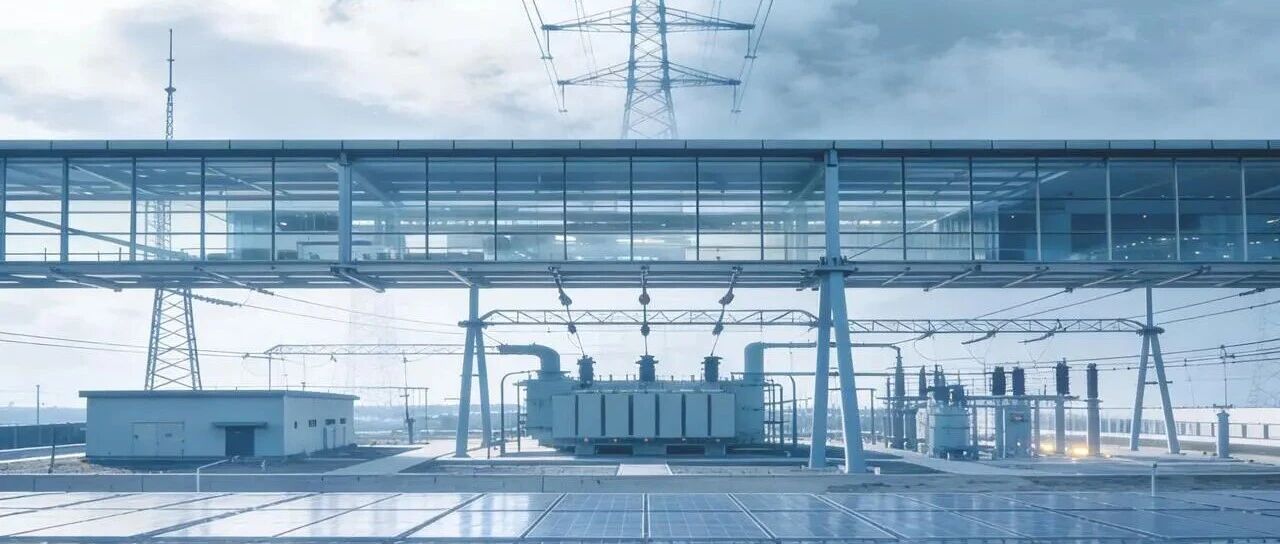
主力个股资金流出前20:紫金矿业流出22.75亿元、新易盛流出18.16亿元
Jin Rong Jie· 2026-02-05 07:43
Core Viewpoint - The data indicates significant outflows of capital from various stocks, with notable losses in both percentage and monetary terms across multiple sectors, particularly in metals, communication equipment, and renewable energy [1][2][3] Group 1: Stock Performance and Capital Outflow - Zijin Mining experienced a capital outflow of 2.275 billion, with a decline of 4.37% [2] - Xinyi Technology saw an outflow of 1.816 billion, with a decrease of 4.06% [2] - Aerospace Development had a capital outflow of 1.691 billion, reflecting a drop of 1.54% [2] - TBEA reported an outflow of 1.553 billion, with a decline of 5.05% [2] - Goldwind Technology faced a capital outflow of 1.217 billion, down by 9.02% [2] - Luoyang Molybdenum experienced an outflow of 1.203 billion, with a decrease of 6.34% [2] - BlueFocus Media saw an outflow of 1.145 billion, down by 5.76% [2] - Longi Green Energy had a capital outflow of 1.106 billion, with a decline of 5.59% [2] - Zhongjin Gold experienced an outflow of 1.033 billion, down by 5.20% [2] - Shanzhi High-Tech saw an outflow of 0.975 billion, with a decrease of 6.23% [2] - Sungrow Power Supply experienced an outflow of 0.963 billion, down by 4.12% [2] Group 2: Additional Stocks and Their Performance - Xinyi Silver experienced a capital outflow of 0.850 billion, with a decline of 6.33% [3] - China Western Power saw an outflow of 0.833 billion, down by 7.14% [3] - Inovance Technology had a capital outflow of 0.811 billion, with a decrease of 6.62% [3] - Sanhua Intelligent Control experienced an outflow of 0.806 billion, down by 3.04% [3] - TCL Zhonghuan saw an outflow of 0.781 billion, with a slight increase of 1.61% [3] - Jiangxi Copper experienced a capital outflow of 0.707 billion, down by 5.10% [3] - Shandong Gold saw an outflow of 0.683 billion, with a decline of 3.92% [3] - SMIC experienced a capital outflow of 0.676 billion, down by 2.65% [3] - Jiejia Weichuang faced an outflow of 0.626 billion, with a significant drop of 12.39% [3]