YONGHUI SUPERSTORES(601933)

Search documents
批发和零售贸易行业周报:黄金历史性大涨,或加速行业定价变革-20251019
SINOLINK SECURITIES· 2025-10-19 11:18
Investment Rating - The report maintains a positive outlook on the cyclical recovery of the restaurant industry, suggesting a "Buy" rating due to expected growth exceeding the market average by over 15% in the next 3-6 months [31]. Core Insights - The restaurant industry is currently experiencing a cyclical recovery phase, driven by macroeconomic improvements and supportive consumer policies, with structural growth opportunities emerging [2]. - Key segments such as casual dining, freshly made beverages, and chain brands are performing exceptionally well [2]. - The recovery is attributed to supply-side adjustments, with inefficient capacities being phased out and leading brands enhancing operational efficiency [2]. - The report highlights the potential of AI in retail, particularly with Alibaba's advancements in AI infrastructure [2]. Industry Data Tracking - The overall GMV for Tmall and JD.com saw a year-on-year decline of 15.39% in the first week of August [4]. - The top five categories in terms of growth during the same period were home improvement, home appliances, consumer electronics, automotive, and maternal and infant products [4]. - Cross-border e-commerce exports reached approximately 1.63 trillion yuan in the first three quarters, marking a 6.6% increase [3][15]. Market Review - From October 13 to October 17, major indices such as the Shanghai Composite Index and the Shenzhen Component Index experienced declines of 1.47% and 4.99%, respectively [22]. - The retail sector showed a slight decline of 0.45%, ranking third among nine major consumption sectors [22]. - Notable stock performances included Guoguang Chain and Hebai Group, which saw significant gains, while companies like Xinghui Co. and Zhejiang Dongri faced declines [22][26]. Investment Recommendations - In the gold and jewelry sector, companies like Laopu Gold are expected to continue high growth due to strong same-store sales and expansion potential [6]. - The report suggests focusing on leading brands with strong pricing power and overseas capacity, particularly in the context of cross-border e-commerce [28]. - For online retail, Tencent is highlighted for its potential improvements through AI integration and a robust WeChat ecosystem, which is expected to enhance sales conversion [28].




永辉“胖改”500天 “刮骨疗伤”奏效了吗?
2 1 Shi Ji Jing Ji Bao Dao· 2025-10-17 23:13
Core Insights - Yonghui Supermarket has initiated a transformation process inspired by the "Fat Donglai model," which began over 500 days ago, following a visit by its former management team to the chairman of Fat Donglai [1] - The company announced that Guangdong Jun Cai International Trade Co., a wholly-owned subsidiary of Miniso, will acquire shares held by several stakeholders, marking a significant step in its transformation [1] - New CEO Wang Shoucheng reported an average customer traffic increase of 80% in transformed stores, with over 60% of stabilized stores achieving their highest profitability in five years [1][5] Transformation Phases - The transformation has progressed from "Fat Donglai assistance" to "regional autonomous transformation," establishing Yonghui's own methodology for store improvement [2] - A systematic evaluation metric has been developed, focusing on technical standards, customer service, product quality, and food safety, with stores scoring above 80 considered high-performing [2] - The second phase of transformation will emphasize refining product offerings to meet consumer needs, breaking down existing barriers [2] Product Strategy - Yonghui aims to shift focus from traditional retail practices to a product-centric approach, dedicating full attention to market analysis and product development [3] - The company plans to launch its own brand products, adhering to the quality standards set by Fat Donglai, with 12 new products introduced, including juice and laundry detergent [3] - The introduction of products similar to popular items from Fat Donglai indicates a strategic alignment with successful market trends [3] Financial Performance - Despite ongoing transformation efforts, Yonghui reported a revenue decline of 14.07% in 2024, with a net loss of 1.465 billion yuan, marking the fourth consecutive year of losses [5] - The revenue drop is attributed to intense competition in the retail sector and significant store optimization and strategic shifts [5] - Positive indicators from transformed stores include a net promoter score (NPS) exceeding 40 and sales growth of over 100% during peak holiday periods, suggesting improving customer engagement [5]
永辉超市“瘦身”回笼资金 红旗连锁成“提款机”?
Xin Jing Bao· 2025-10-17 13:47
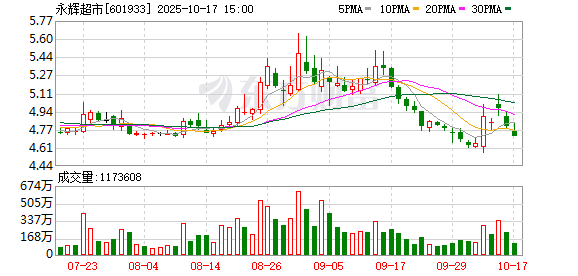
Core Viewpoint - Yonghui Supermarket's recent share reduction in Hongqi Chain highlights ongoing financial struggles, with the latter experiencing its first revenue decline since its 2012 IPO [2][9]. Group 1: Yonghui Supermarket's Share Reduction - On October 17, Hongqi Chain announced that Yonghui Supermarket completed its second share reduction this year, lowering its stake to 8.99% [2][3]. - Yonghui Supermarket sold 13.6 million shares at an average price of 5.96 CNY per share, cashing out approximately 81.05 million CNY [3][5]. - This year, Yonghui has reduced its holdings in Hongqi Chain multiple times, totaling around 168 million CNY in cash from share sales [5][8]. Group 2: Financial Performance of Yonghui Supermarket - Yonghui Supermarket has faced continuous losses for four and a half years, with a reported revenue of approximately 29.95 billion CNY in the first half of 2024, a year-on-year decline of 20.73% [6][9]. - The net profit attributable to shareholders was approximately -241 million CNY, an increase in losses by 516 million CNY compared to the previous year [6][9]. - The company has been optimizing its store operations and closing underperforming locations, resulting in a net profit decline due to reduced sales volume and increased costs from store closures [6][9]. Group 3: Hongqi Chain's Performance and Challenges - Hongqi Chain reported its first revenue decline in 2024, with total revenue of approximately 10.12 billion CNY, a decrease of 0.09% year-on-year [9][11]. - The net profit attributable to shareholders was approximately 521 million CNY, down 7.12% from the previous year [9][11]. - The company is facing new challenges in the convenience store sector due to changing consumer habits and increased competition from startups [9][11]. Group 4: Ownership Changes and Market Position - In November 2024, Hongqi Chain officially changed its controlling shareholder to Sichuan State-owned Assets Supervision and Administration Commission [10]. - Since its IPO in 2012, Hongqi Chain has grown significantly, with revenue increasing from 3.9 billion CNY in 2012 to over 10 billion CNY in 2022 [8][9]. - The company's stock price as of October 17 was 5.58 CNY per share, with a market capitalization of approximately 7.59 billion CNY [7].


永辉超市“瘦身”回笼资金,红旗连锁成“提款机”?
Xin Jing Bao· 2025-10-17 13:44
Core Insights - Yonghui Supermarket has completed its second share reduction plan for Hongqi Chain this year, reducing its stake to 8.99%, highlighting ongoing financial struggles after four and a half years of losses [1][2][5] - Hongqi Chain, the first convenience store listed in A-shares, is facing its first revenue decline since its listing in 2012, with a shift in ownership to Sichuan state-owned assets in November 2024 [1][7] Group 1: Yonghui Supermarket's Share Reduction - Yonghui Supermarket reduced its holdings in Hongqi Chain by 13.6 million shares, representing 1% of the total share capital, at an average price of 5.96 CNY per share, cashing out approximately 81.05 million CNY [2][4] - This is not the first reduction in 2025; Yonghui previously sold 10.77 million shares at an average price of 6.59 CNY and 3 million shares at 5.25 CNY, totaling around 168 million CNY in cash from share reductions this year [4][5] - Since acquiring a stake in Hongqi Chain in 2017, Yonghui has seen its shareholding decrease from 11% to 8.99%, with total cashing out amounting to approximately 967 million CNY, indicating a significant unrealized loss [7][8] Group 2: Financial Performance of Yonghui Supermarket - Yonghui Supermarket reported a revenue of approximately 29.95 billion CNY in the first half of the year, a year-on-year decline of 20.73%, with a net loss of about 241 million CNY, worsening by 516 million CNY compared to the previous year [6] - The company has been closing underperforming stores, with 227 stores shut down, leading to increased costs related to lease and personnel compensation, contributing to the overall revenue decline [6][5] Group 3: Hongqi Chain's Financial Performance - Hongqi Chain's revenue for 2024 was approximately 10.12 billion CNY, a slight decline of 0.09%, with a net profit of about 521 million CNY, down 7.12% year-on-year [8] - The company is facing new challenges in the convenience store sector due to changing consumer habits and increased competition from startups, despite a generally improving consumption market [8][9] - In the first half of 2025, Hongqi Chain's revenue fell by 7.30%, but net profit increased by 5.33%, indicating a mixed performance amid market recovery [9]

新CEO王守诚上任后首次访谈:永辉已经走出了危险期
36氪未来消费· 2025-10-17 12:12
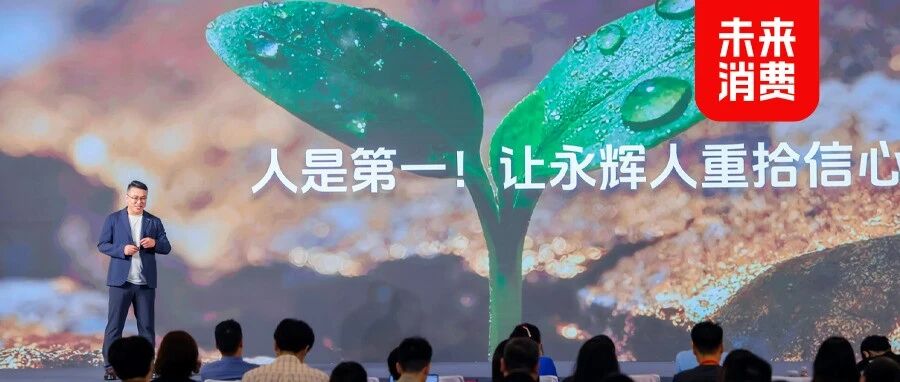
Core Viewpoint - The acquisition of Yonghui Supermarket by Miniso has led to significant changes in the company's operational model, focusing on the "Fat Donglai" approach to enhance customer experience and operational efficiency [2][4]. Group 1: Acquisition and Leadership Changes - Miniso announced the acquisition of Yonghui Supermarket for nearly 6.2 billion yuan on September 24 last year, which raised questions about the strategic implications of this move [2]. - Yonghui Supermarket appointed Wang Shoucheng as the new CEO, marking a shift towards a more stable phase in the company's transformation efforts [4][5]. Group 2: Transformation and Operational Improvements - The transformation plan includes a three-year strategy, with current efforts being in the initial stages of adopting the "Fat Donglai" model [5]. - Yonghui has seen an average customer net promoter score (NPS) exceeding 40% across 102 transformed stores, with an average customer traffic increase of 80% [4]. - Over 60% of the transformed stores have achieved profitability levels surpassing their highest values in the past five years [4]. Group 3: Cultural and Structural Changes - The company has undergone extensive restructuring in its organizational framework, supply chain, and cultural development, aiming to align more closely with the "Fat Donglai" ethos [4][10]. - Yonghui has established 26 major districts to enhance operational efficiency, allowing for synchronized learning and implementation of transformation strategies [11][12]. Group 4: Addressing Corruption and Ethical Practices - Yonghui has taken a firm stance against corruption, implementing various mechanisms to guide employees towards ethical practices and enhance personal value without resorting to unethical means [14][15]. - The focus has shifted from profit maximization to customer satisfaction and product sales rates, aiming to foster a more transparent and cooperative relationship with suppliers [16]. Group 5: Self-Branding and Market Positioning - Yonghui is developing its private label products by leveraging its scale advantages and ensuring stable quality and supply through strong partnerships with suppliers [23][26]. - The company aims to achieve profitability not through high margins but by increasing sales volume and optimizing cost structures [27]. Group 6: Future Outlook and Independence - Yonghui is committed to establishing its unique path while learning from the "Fat Donglai" model, with aspirations to create a distinctive business model that reflects its values [30][31]. - The company has successfully navigated through a critical phase of transformation, with plans to refine its operations further over the next three to five years [43].
“胖改”后的新永辉,卖爆了
盐财经· 2025-10-17 11:25
Core Viewpoint - Yonghui Supermarket is undergoing a significant transformation inspired by the "Fat Donglai" model, aiming to enhance customer experience and product quality while addressing internal challenges and market competition [5][10][21]. Group 1: Transformation and Performance - Yonghui has initiated a self-revolution termed "Fat Reform," resulting in an average customer traffic increase of 80% in remodeled stores, with over 60% of these stores achieving profitability levels surpassing the highest in the past five years [5][8]. - The overall sales of remodeled stores during the recent National Day holiday saw a year-on-year increase of over 100%, with a significant rise in customer traffic and sales of key products [8][20]. - The company aims to regain customer trust over the next 3-5 years, with a long-term vision of becoming a beloved national supermarket [9][10]. Group 2: Employee and Customer Focus - The transformation emphasizes prioritizing employees, treating them as craftsmen rather than tools, and encouraging them to prioritize customer service [6][12]. - Customer satisfaction metrics, such as the Net Promoter Score (NPS), have shown positive results, with an average NPS exceeding 40% in remodeled stores [8][12]. - The company is committed to enhancing employee morale through better working conditions and compensation, which in turn is expected to improve customer service [12][13]. Group 3: Quality and Product Strategy - Yonghui is shifting from a focus on basic consumer needs to a quality-centric approach, aiming to establish a "Quality Yonghui" brand [14][16]. - The company plans to implement a product-centered transformation, targeting 200 core strategic partners and developing 100 billion-level flagship products within three years [14][16]. - Yonghui is launching its own brand "Quality Yonghui" and a customized product line, focusing on high standards across various categories [30][32]. Group 4: Supply Chain and Operational Changes - A significant aspect of Yonghui's transformation involves a supply chain overhaul, reducing the number of suppliers by approximately 50% and focusing on core suppliers [18][20]. - The company is adopting a direct procurement model to eliminate middlemen and reduce costs, which is a fundamental change beyond mere store aesthetics [18][20]. - Despite short-term losses due to these changes, the long-term strategy is expected to optimize cost structures and improve overall operational efficiency [20][21]. Group 5: Market Positioning and Consumer Trends - Yonghui is positioning itself to cater to quality-conscious consumers, particularly mainstream families in China, as part of a broader quality revolution in the retail sector [25][29]. - The company recognizes the importance of product quality in attracting consumers, especially in a market where price wars have led to increased competition [26][28]. - Yonghui's focus on high-quality products, such as its customized milk and eggs meeting stringent safety standards, reflects its commitment to quality and consumer trust [32][34].
安徽合肥再添一店 永辉超市胖东来模式落地瑶海区
Sou Hu Cai Jing· 2025-10-17 11:20
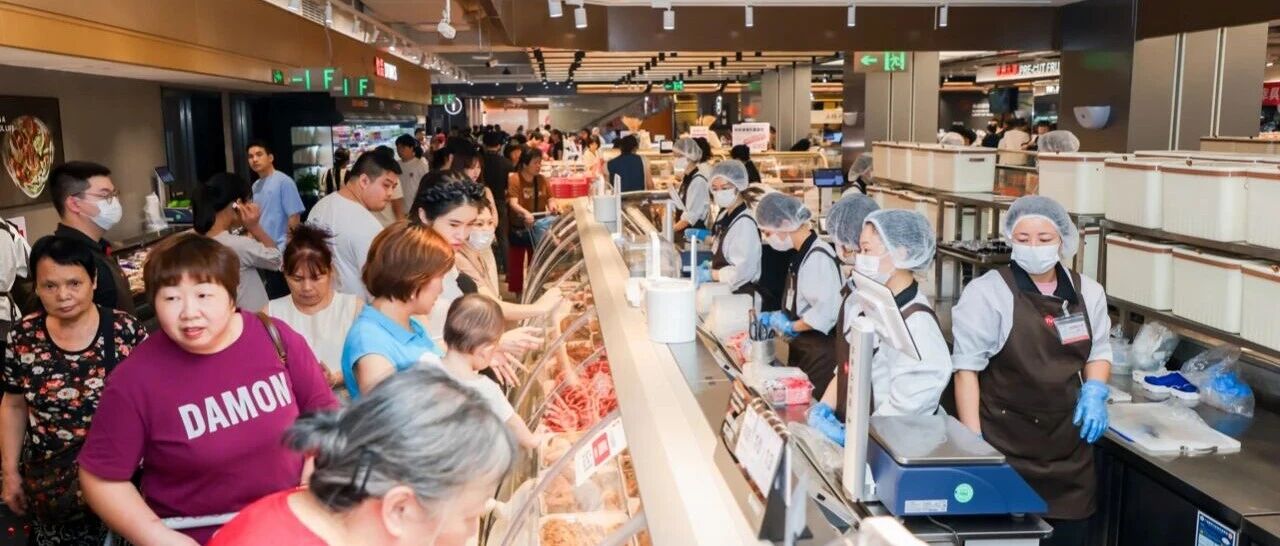
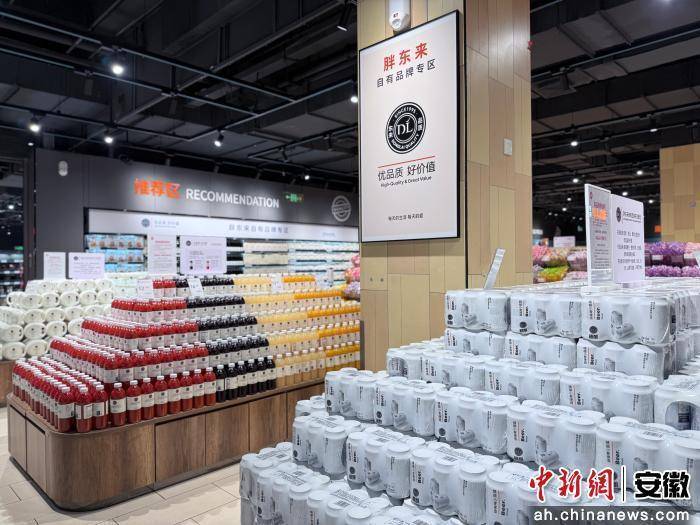
Core Insights - Hefei's consumer capacity has been continuously improving, with significant progress in cultivating regional consumption centers and stimulating market vitality [1] - The opening of the Yonghui Supermarket's new store in Hefei marks the company's eleventh store in the city and the third in the Yao Hai District, indicating a strategic expansion into lower-tier markets [1] Product Structure Optimization - Yonghui has implemented a "product-first" strategy, restructuring its product offerings into three main pillars: "Top Brands," "Yonghui Custom," and "Quality Yonghui" [2] - The store has reduced its product range from 13,883 items to 10,978, with a new addition of 4,539 items, resulting in a 41.3% increase in new products [2] - The proportion of fresh food items has increased from 4.8% to 13%, with a simultaneous rise in imported goods to meet consumer demands for quality and variety [2] Own Brand Expansion - Yonghui plans to develop 500 own-brand products over the next five years, with several items already available in the new store, including orange juice, laundry detergent, and organic vegetables [4] - The fresh food section features a variety of high-quality products, including organic vegetables and premium fruits, alongside a selection of meats and seafood [4] Enhanced Environment and Services - The store has improved its shopping environment by removing mandatory pathways and standardizing shelf heights to create a more open layout [6] - Various customer services have been introduced, including meat processing, seafood cleaning, and additional amenities like health measurement tools and mobile charging stations [6] Pricing Strategy - The store employs a pricing mechanism for fresh-cut fruits and juices, offering discounts based on the time since production, with a focus on selling fresh items only [8] Community Life Center Development - The external rental area of approximately 2,500 square meters includes 25 merchants across various categories, aiming to create a community service platform [9] - Partnerships with well-known brands such as KFC and Luckin Coffee have been established to enhance the dining and entertainment options available in the store [10] Market Strategy and Future Plans - The new store represents Yonghui's commitment to deepening its presence in the Anhui market and supporting local consumption upgrades [11] - The CEO of Yonghui has reported an average customer traffic increase of 80% in remodeled stores, with over 60% of stabilized stores achieving higher profitability than in the past five years [11]
食饮吾见 | 一周消费大事件(10.13-10.17)
Cai Jing Wang· 2025-10-17 08:18
Group 1: Moutai and Alcohol Industry - Moutai's sales of its sauce-flavored liquor showed a significant month-on-month recovery in September, with the channel inventory-sales ratio for Moutai 1935 returning to a healthy level [1] Group 2: Dairy Industry - Nestlé reported a total sales revenue of 65.9 billion Swiss francs for the first nine months, a year-on-year decrease of 1.9%, but with an organic growth rate of 3.3% [2] - The organic growth rate in Q3 was 4.3%, an increase from 2.9% in the first half of the year, driven mainly by coffee and candy businesses [2] Group 3: Food and Beverage Industry - Good Products announced the termination of the control transfer agreement, confirming that the control of the company remains unchanged [3] - Youyou Foods appointed Xie Yaling as the new board secretary, with no prior shareholding in the company [4] Group 4: Retail and Restaurant Industry - 85°C responded to the closure of several stores in cities like Shanghai and Hangzhou, stating it is part of a strategy adjustment to optimize store performance [7] - Xibei clarified that its newly registered company is solely for restaurant operations and does not indicate a shift to pre-packaged food business [8] - Fei Dachu's number of nationwide stores surpassed 200, with plans for further expansion in multiple cities [9] - Yonghui Supermarket's vice president plans to reduce shareholding by up to 108,790 shares due to personal financial needs [10]



“胖改”难挽颓势,永辉超市再套现8000万元
Shen Zhen Shang Bao· 2025-10-17 06:58
Core Viewpoint - Yonghui Supermarket has been facing significant financial challenges, leading to a series of operational adjustments and a recent warning from the Sichuan Securities Regulatory Bureau due to non-compliance with disclosure regulations [1][2][3] Group 1: Shareholding and Regulatory Actions - On October 16, Yonghui Supermarket announced the reduction of 13.6 million shares in Hongqi Chain, accounting for 1% of the total share capital, resulting in approximately 80 million yuan in cash [1] - Yonghui Supermarket received a warning letter from the Sichuan Securities Regulatory Bureau for failing to timely disclose changes in shareholding after reducing its stake below 5% [1] Group 2: Financial Performance - In the 2024 annual report, Yonghui Supermarket reported a revenue of 67.574 billion yuan, a year-on-year decrease of 14.07%, and a net loss of 1.465 billion yuan, an increase in loss of 136 million yuan compared to the previous year [2] - The company closed 232 underperforming stores and adjusted the product structure in 31 stores, resulting in a 0.78% decrease in gross margin [2] Group 3: Ongoing Losses and Store Closures - The 2025 semi-annual report indicated a revenue of 29.948 billion yuan, a year-on-year decline of 20.73%, with a net profit turning to a loss of 241 million yuan, a staggering drop of 187.38% [3] - Yonghui Supermarket has experienced four consecutive years of revenue decline and losses, accumulating a total loss of 9.742 billion yuan over four and a half years [3] - The closure of 227 unprofitable stores in the first half of 2025 has led to significant rental compensation and asset write-off costs, further impacting cash flow [3]

多点开花!北京商超调改店加速扩容
Bei Jing Ri Bao Ke Hu Duan· 2025-10-17 05:24
Core Insights - The rapid transformation of Beijing's supermarket sector is highlighted, with multiple stores undergoing significant renovations to enhance customer experience and product offerings [1][2][4] Group 1: Store Transformations - Yonghui Supermarket's Huai Fang Wanda Plaza store has reopened after renovations, marking the third transformed store in Fengtai District and the 14th in Beijing [1] - The average customer traffic in transformed stores has increased by 80%, with over 60% of these stores achieving profit levels surpassing their highest in the past five years [1] - The company aims to implement a "product centralization" strategy, planning to develop 100 billion-yuan-level flagship products within three years [1] Group 2: Product Offerings - The new Huai Fang Wanda Plaza store's product structure aligns with the selection logic of "Fat Dong Lai," achieving over 80% similarity, with more than 40% of new products in the food and daily necessities categories [2] - The store emphasizes fresh produce, featuring direct-sourced Angus beef, live seafood, and specialty fruits from regions like Xinjiang and Yunnan, ensuring rapid delivery from farm to store within 72 hours [2][6] Group 3: Enhanced Services - The convenience service area has been upgraded with facilities such as electronic blood pressure monitors, drinking water stations, and emergency medical kits, catering to community needs [4] - New services include free storage, express delivery, and lunch heating, transforming supermarkets into community service hubs [4] Group 4: Expansion Plans - Wumart Supermarket is also accelerating its transformation, with six stores reopening simultaneously, featuring a 70% introduction of new products focused on seasonal and family-oriented offerings [4][6] - The network of transformed stores is set to expand further, with multiple new openings scheduled in the coming weeks, enhancing service coverage across Beijing [6]