TRINA(688599)

Search documents
天合光能(688599) - 天合光能股份有限公司可转债转股结果暨股份变动公告
2026-01-04 09:31
累计转股情况:截至 2025 年 12 月 31 日,"天 23 转债"累计有 3,013,552,000 元已转换为天合光能股份有限公司(以下简称"公司")股票,转股数量为 188,334,936 股,占"天 23 转债"转股前公司已发行股份总额的 8.66%。 未转股可转债情况:截至 2025 年 12 月 31 日,"天 23 转债"尚未转股的可转 债金额为 5,851,199,000 元,占"天 23 转债"发行总量的 66.01%。 本季度转股情况:自 2025 年 10 月 1 日起至 2025 年 12 月 31 日期间,"天 23 转债"共有 3,013,279,000 元已转换为公司股票,转股数量为 188,329,656 股,占"天 23 转债"转股前公司已发行股份总额的 8.66%。上述转股有 25,127,382 股来自于 公司回购专用证券账户的股份,剩余 163,202,274 股使用新增股本。 一、可转债发行上市概况 经中国证券监督管理委员会证监许可〔2023〕157 号文同意注册,公司于 2023 年 2 月 13 日向不特定对象发行了 8,864.751 万张可转换公司债券,每 ...

天合光能(688599) - 天合光能股份有限公司关于公司提供担保的进展公告
2026-01-04 09:30
| 证券代码:688599 | 证券简称:天合光能 | | 公告编号:2026-002 | | --- | --- | --- | --- | | 转债代码:118031 | 转债简称:天 转债 | 23 | | 天合光能股份有限公司 关于公司提供担保的进展公告 本公司董事会及全体董事保证本公告内容不存在任何虚假记载、误导性陈述 或者重大遗漏,并对其内容的真实性、准确性和完整性依法承担法律责任。 重要内容提示: 担保发生时间:2025 年 12 月 1 日至 2025 年 12 月 31 日 被担保人名称:天合光能股份有限公司(以下简称"公司")及其合并 报表范围内下属子公司 截至本公告披露日,公司及合并报表范围内下属子公司对外担保余额为 508.45 亿元,占公司最近一期经审计净资产的 192.76%,其中公司对合并报表范 围内下属子公司提供的担保余额为 487.51 亿元。 一、担保情况概述 (一)本期新增担保情况 为满足公司生产经营和流动资金周转需要,在确保运作规范和风险可控的前 提下,公司及下属子公司在 2025 年 12 月 1 日至 2025 年 12 月 31 日期间,公司 累计发生的担保金额为 ...
天合光能:截至2025年末“天23转债”累计转股30.14亿元
Xin Lang Cai Jing· 2026-01-04 09:23
天合光能公告称,截至2025年12月31日,"天23转债"累计30.14亿元已转换为公司股票,转股数量1.88亿 股,占转股前公司已发行股份总额的8.66%;尚未转股的可转债金额为58.51亿元,占发行总量的 66.01%。自2025年10月1日至12月31日,"天23转债"共有30.13亿元转股,转股数量1.88亿股。转股后公 司总股本由21.79亿股增至23.43亿股。控股股东高纪凡及其一致行动人等股东持股比例因转股被动稀 释,江苏有则创投集团有限公司完成减持计划。 ...
天合光能:累计斥资7.75亿元回购1.81%公司股份
Xin Lang Cai Jing· 2026-01-04 09:23
天合光能公告称,2024年6月25日公司拟以1亿 - 12亿元回购股份用于转换可转债,期限至2026年3月24 日。截至2025年12月31日,公司已累计回购股份4232.79万股,占总股本的1.81%,累计耗资7.75亿元, 回购价格为13.64 - 24.91元/股。 ...
银价飙涨,“用银”大户坐不住了
Xin Lang Cai Jing· 2025-12-31 14:13
Core Viewpoint - The silver price has surged significantly, with a nearly 35% increase in one month and close to a doubling over six months, driven by speculative funds and structural supply tightness, impacting both mining companies and manufacturing sectors reliant on silver as a raw material [1][2][12]. Group 1: Silver Price Dynamics - As of December 31, the main silver contract on the Shanghai Futures Exchange closed at 17,074 yuan per kilogram, down 4.27% for the day, but the overall upward trend remains intact [1]. - The price of silver has increased by 127% compared to the end of 2024 [1]. - The industrial demand for silver, particularly in the photovoltaic (PV) sector, is a significant driver, with silver usage in PV applications reaching 6,147 tons in 2024, accounting for 29% of industrial silver demand [2][12]. Group 2: Impact on the Photovoltaic Industry - The share of silver in the cost of photovoltaic components has risen sharply from less than 5% before 2024 to around 20% currently due to soaring silver prices [1][11]. - The production of photovoltaic cells and modules has seen growth, with cell production reaching approximately 560 GW and module production at about 514 GW in the first ten months of 2025, reflecting year-on-year increases of 9.8% and 13.5%, respectively [2][12]. Group 3: Cost Transmission Strategies - Many midstream companies are attempting to pass on the increased silver costs to downstream customers through price hikes, with some companies already implementing slight increases in component prices [5][16]. - For example, LONGi Green Energy has raised its component prices by 0.03 to 0.06 yuan per watt [16]. - However, the ability to pass on costs is challenged by a supply-demand imbalance in the downstream market, limiting the extent of price increases [17]. Group 4: Long-term Solutions and Technological Innovations - The industry consensus is shifting towards reducing silver usage through technological innovations, with "silver reduction" and "silver-free" technologies becoming key strategies for overcoming cost pressures [11][18]. - Companies like Dike Co. are developing low-silver and silver-coated copper pastes, which are expected to reduce costs while maintaining performance [18][19]. - The transition to alternative materials, such as copper, faces challenges due to copper's inferior conductivity and susceptibility to oxidation compared to silver [20].





天合光能高海纯:这一次需要的不只是穿越周期,是超越周期
Xin Lang Cai Jing· 2025-12-31 12:10
"自文明诞生以来,每一次跃迁,其底层都是一场深刻的能源革命。而今天,我们正站在碳基文明与硅 基文明的历史交汇点。算力、数据与智能构成了新文明的筋骨,而托起这一切的底层,是空前庞大的、 持续、稳定、清洁的电力。"她表示,"电,之于这个时代,已如空气与水——不是资源,而是文明存在 的前提。这意味着,我们的事业的意义正在发生一场静默却壮阔的转变。它不再关乎提供一种商品,而 关乎为一种全新的文明形态,构建其赖以生存的底层基础。"(刘丽丽) 12月31日消息,天合光能联席董事长高海纯今晚发布新年致辞《2026 : 向内扎根》。她在致辞中谈到 光伏行业过去几年的起伏。高海纯表示,这一次,需要的不只是穿越周期,是超越周期。从追逐风口, 到创造气候;从关注对手的棋步,到专注需求的源头;从透支未来,到奠基未来。这条路的名字可以 叫"高质量发展",但它的本质,是在"生存"之上,探索"存在"的生命答案。 高海纯认为,光伏的终局,不是"更便宜的组件"、"更高的效率",也不是"更大的规模"与"更高的市 值",那些都只是通往答案的桥,而非答案本身。光伏的终极意义,在于参与回答:在下一个文明纪 元,生命与能量相处的根本范式。 责任编辑:何 ...
天合光能高海纯发布新年致辞:如果人心不改变,内卷的风迟早会刮到火星
Xin Lang Cai Jing· 2025-12-31 11:58
12月31日消息,天合光能联席董事长高海纯今晚发布新年致辞《2026 : 向内扎根》。她致辞中表示, 如果人心未曾改变,那么内卷的风,迟早会刮到火星。 "这几年我常自省,内卷的根源究竟何在?或许内卷并不来自于资源的匮乏,而来自内心的匮乏——我 们把自己活成了一套行走的指标。价值来自排名,意义来自胜负,人生成了一场接一场的他人见证下的 演出。"高海纯表示,"可比较没有终点。赢了,只是下一场游戏的入场券。停下,就被宣判出局。于是 我们不断加速,不断紧绷。以至于无暇、甚至是不敢思考那个问题:我想成为谁?我想过怎样的一 生?" 她认为,"出路也许不在更快的奔跑里,而在一次彻底的向内转身。要真正走出内卷,不是'赢',而是 选择不再踏入那座只为比较而建的竞技场。"(刘丽丽) "这几年我常自省,内卷的根源究竟何在?或许内卷并不来自于资源的匮乏,而来自内心的匮乏——我 们把自己活成了一套行走的指标。价值来自排名,意义来自胜负,人生成了一场接一场的他人见证下的 演出。"高海纯表示,"可比较没有终点。赢了,只是下一场游戏的入场券。停下,就被宣判出局。于是 我们不断加速,不断紧绷。以至于无暇、甚至是不敢思考那个问题:我想成为谁?我 ...
全国首单火电ABS挂牌上市,能源企业密集推进资产证券化
Di Yi Cai Jing Zi Xun· 2025-12-31 11:40
Core Viewpoint - The issuance of the first asset-backed securities (ABS) backed by thermal power assets in China, led by GCL Group, aligns with national policies to revitalize existing assets and expand effective investment in the clean energy sector [1][3]. Group 1: ABS Issuance Details - The ABS project, named "Guojin Asset - Xinjiang Guoxin Holding Real Estate Asset Support Special Plan" (266682.SH), has been listed on the Shanghai Stock Exchange with a total issuance scale of 5.46 billion yuan [1]. - The underlying asset for this ABS is the Xinjiang Zhunjing Thermal Power Plant, owned by GCL Group [1]. Group 2: Fund Utilization and Market Context - The raised funds will be directed towards research and development of clean energy technologies, optimizing financial structure, and reducing the debt-to-asset ratio [3]. - The issuance of ABS is seen as a way to "revitalize" stable operating power plants without affecting company control, while also addressing high debt levels and tightening external financing in the renewable energy sector [3]. Group 3: Industry Trends and Comparisons - The renewable energy sector, particularly solar, wind, and comprehensive energy companies, is facing high debt ratios and pressures from external financing, with the photovoltaic industry reporting losses of 31.039 billion yuan in the first three quarters of 2025 [3]. - Other companies, such as Envision Group and Trina Solar, have also launched ABS projects this year, indicating a growing trend in the market for securitizing energy assets [3][4][5].


入选首批国家级零碳园区名单!天合光能助力大丰港经开区打造“以绿制绿”样板
中国能源报· 2025-12-31 11:13
Core Viewpoint - The article highlights the successful inclusion of Jiangsu Yancheng Dafeng Port Economic Development Zone in the first batch of national-level zero-carbon park construction, showcasing a replicable model for zero-carbon development in China [1][6]. Group 1: Project Overview - The Dafeng Port Zero-Carbon Industrial Park is supported by Trina Solar's comprehensive solution, which integrates green electricity supply, digital management, and ecological innovation [1][2]. - The park will operate from 2025 to 2028 and aims to establish a distinctive zero-carbon practice path [2]. Group 2: Energy and Operations - The park features a 13.76 MW photovoltaic power station and a supporting energy storage system, generating over 18.7 million kWh of green electricity annually [2]. - Trina Solar's self-developed carbon management platform monitors carbon emissions for 28 enterprises, enabling a reduction of over 75% in carbon emissions from purchased electricity [2][3]. Group 3: Ecological and Financial Aspects - The park's "Carbon Valley Management Center" integrates green electricity trading, carbon reduction consulting, green finance, and talent training, fostering a complete green ecosystem [2][5]. - The comprehensive solution covers the entire service chain, including clean energy, green industry, low-carbon facilities, smart management, and international certification [5]. Group 4: Strategic Implications - The construction of the first batch of national-level zero-carbon parks is seen as a historical mission to guide China's industrial system [6]. - The successful implementation of the Dafeng Port project demonstrates that zero-carbon transformation is not only a responsibility but also a strategic choice to enhance international competitiveness and cultivate new productive forces [7].

比地面贵百倍,光伏企业瞄上太空
经济观察报· 2025-12-31 09:53
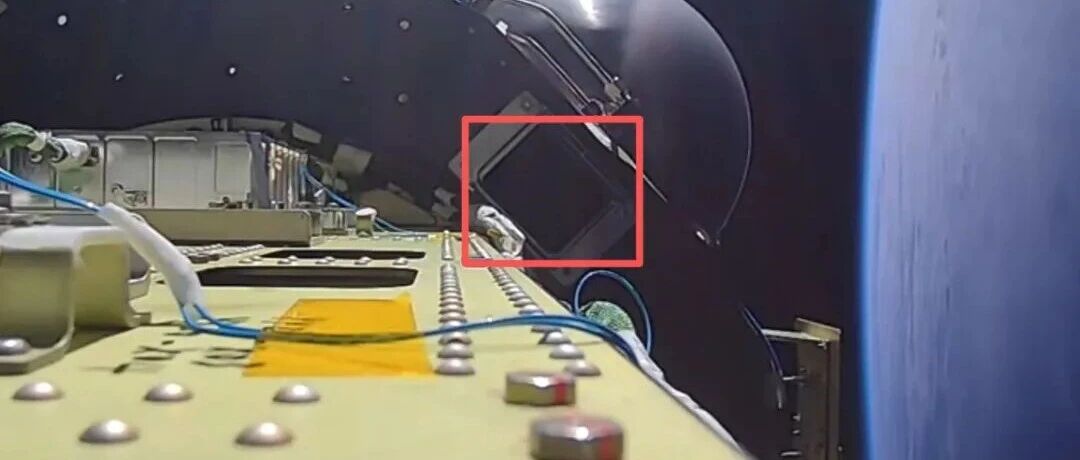
Core Viewpoint - The article discusses the emerging market of space photovoltaics, highlighting significant investments and developments by major companies in the sector, particularly focusing on the potential of solar energy in space applications [1][2][3]. Group 1: Market Developments - Elon Musk plans to deploy 100GW of solar AI satellites annually in space, with global photovoltaic installations expected to reach approximately 600GW by 2025 [1][2]. - Major players in the photovoltaic industry, such as JinkoSolar and Trina Solar, are exploring opportunities in space photovoltaics, indicating a growing interest in this market [2]. Group 2: Technical Advantages - Space photovoltaics utilize solar panels on satellites, benefiting from abundant sunlight in space, with average power generation being 7 to 10 times higher than on Earth [4]. - Satellites can achieve significant power outputs, with some reaching up to 100kW, necessitating advanced photovoltaic technologies [4]. Group 3: Current Technologies - Gallium arsenide (GaAs) is currently the primary material used in space photovoltaics, offering a conversion efficiency exceeding 30% due to its superior light absorption capabilities [5]. - The cost of space photovoltaic panels is significantly higher, potentially reaching 1000 RMB/W, compared to less than 1 RMB/W for ground-based solar power [5]. Group 4: Future Innovations - Perovskite solar cells are emerging as a next-generation technology, with theoretical efficiencies up to 45%, and their lightweight nature could reduce satellite launch costs significantly [7]. - Trina Solar has secured exclusive licensing agreements for perovskite technology, indicating a strategic move towards this innovative material [7]. Group 5: Challenges and Testing - The stability of perovskite materials remains a challenge, particularly in the harsh conditions of space, but initial tests have shown promising results with minimal efficiency loss [8]. - Future tests are planned to further validate the performance of perovskite components in extreme space environments [8].