TCL TECH.(000100)

Search documents
低空经济、算力电力、高端显示等新质生产力投资快速增加
Sou Hu Cai Jing· 2025-10-21 15:14
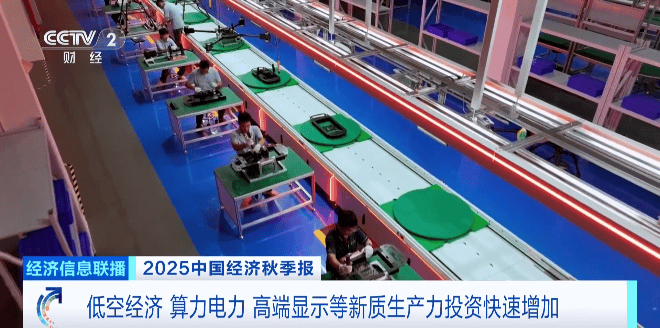
Core Insights - The construction and renovation of traditional infrastructure can release long-term economic and social benefits, while new infrastructure is a key pillar for the rapid growth of new technologies, industries, business formats, and models [1] Group 1: New Infrastructure Investment - Investment in new infrastructure, including low-altitude economy, computing power, and electric power infrastructure, has seen strong growth this year [1] - A low-altitude economy equipment production line in Yichang, Hubei, began operation in Q3, with an annual production capacity of 2,000 fire-fighting drones and associated automated airports [3] - The market for drones has experienced explosive growth, with applications in six major areas including electricity, renewable energy, and urban governance [3][5] Group 2: Technological Advancements - The Tianjin Beichen low-altitude internet of things project has established a three-dimensional grid for low-altitude flight, enhancing logistics and urban inspection services [7] - A low-altitude intelligent network system is being developed to connect aerial vehicles through communication and navigation technologies [9] Group 3: Computing Power Infrastructure - The construction of a green computing power base in Yangzhou, Jiangsu, is progressing steadily, with total investment exceeding 10 billion yuan, aiming to become a key computing hub in the Yangtze River Delta [11] - The highest electricity load in the park has increased from approximately 70,000 kilowatts last year to 170,000 kilowatts this year, a growth of over 140% [11] - Investments of nearly 700 million yuan have been made to expand a 500 kV substation and build a new 220 kV substation, with an expected overall electricity capacity of 360 megawatts by 2026 [13] Group 4: Industry Development - TCL Huaxing's first 8.6-generation printed OLED production line has commenced construction with a total investment of approximately 29.5 billion yuan, expected to be completed by Q4 2027 [15] - The project will utilize innovative technologies such as industrial robots and AI, targeting the mid-size market for products like tablets and automotive displays [15][17] Group 5: Investment Opportunities - China’s large-scale market, complete industrial system, and stable macro policies provide predictable future investment opportunities [19] - The economic transformation in China presents significant investment opportunities across various sectors, including industrial upgrades, technological innovation, and green transformation [19]


总投资约295亿元 TCL华星t8项目正式开工
Zhong Guo Jin Rong Xin Xi Wang· 2025-10-21 13:38
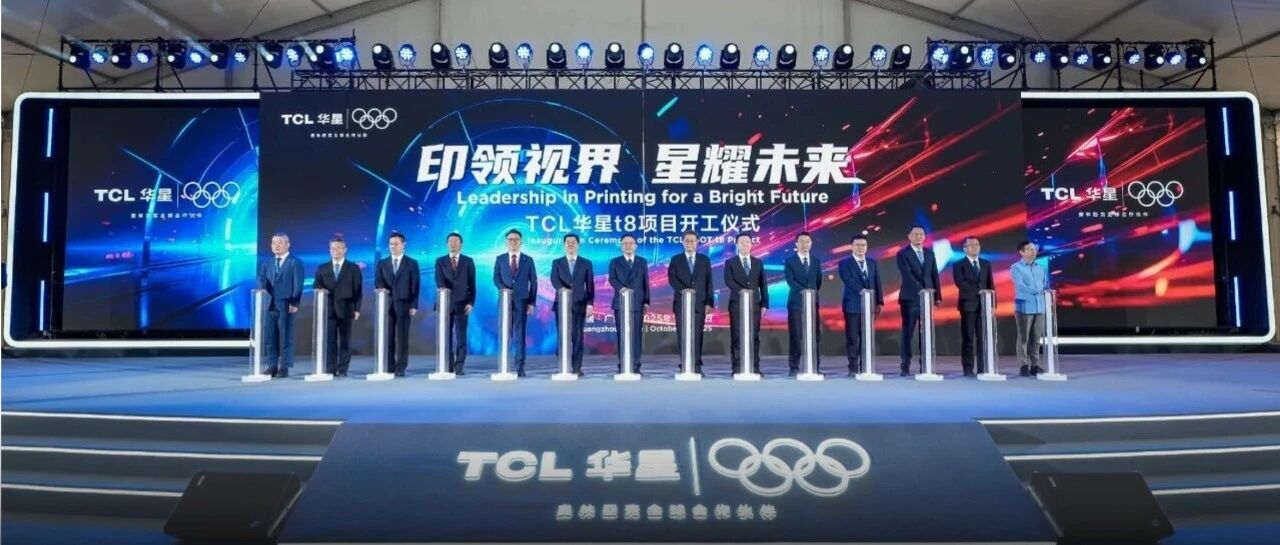
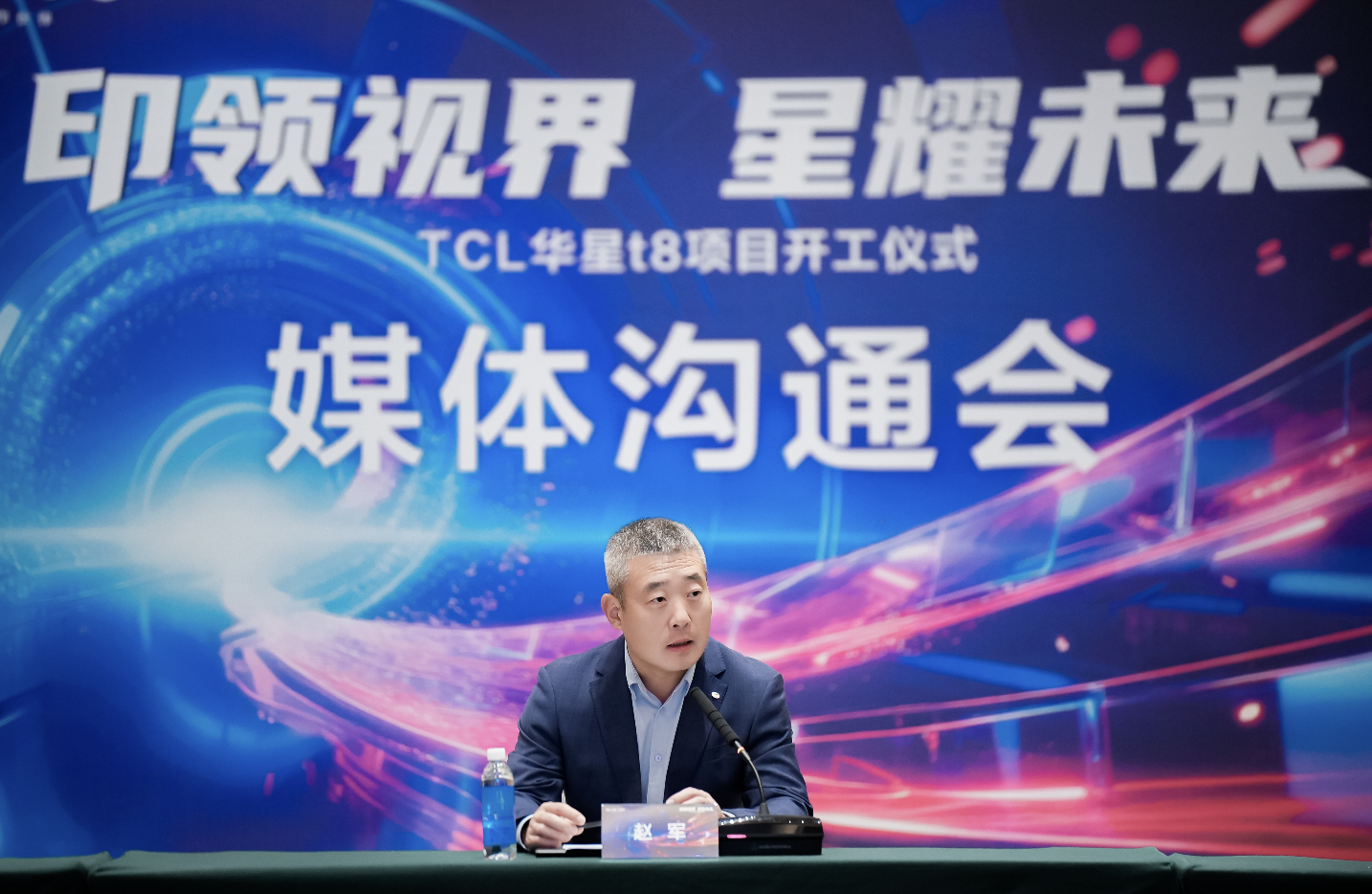
Core Insights - The TCL Huaxing T8 project officially commenced in Guangzhou with a total investment of approximately RMB 29.5 billion [1] - The T8 project is the world's first mass production G8.6 generation printed OLED production line, designed to process about 22,500 glass substrates per month [1] - The products will initially target medium-sized applications such as monitors, laptops, and tablets, with plans to expand into higher value-added display applications in the future [1] Company Developments - TCL Huaxing's CEO Zhao Jun stated that the T8 project will accelerate the establishment of a cluster of upstream and downstream enterprises related to key materials, core equipment, and components for printed OLEDs [1] - The T8 project will create a comprehensive industrial ecosystem covering "materials-equipment-panels-terminals" [1] - The T8 project will synergize with existing T9 and T11 production lines in Guangzhou, as well as current lines in Shenzhen and Huizhou, enhancing the efficiency from material research and development to complete machine manufacturing [1]
全球首条规模化量产的G8.6代印刷OLED产线在广州开工
Zhong Guo Xin Wen Wang· 2025-10-21 13:31
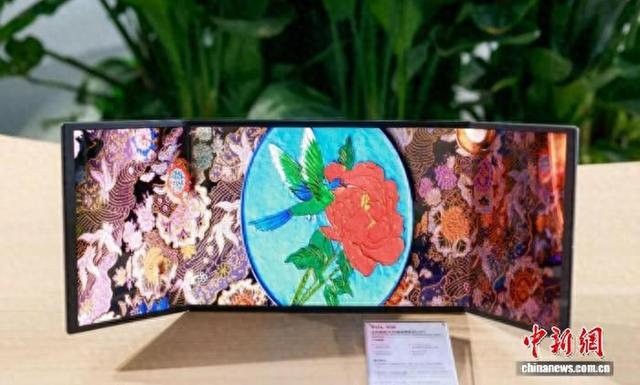
Core Insights - The TCL Huaxing T8 project has officially commenced, representing a significant investment of approximately 29.5 billion RMB, and is the world's first mass production line for G8.6 generation printed OLED technology [1][2] Group 1: Project Overview - The T8 project is a collaborative investment between TCL Huaxing and the Guangzhou municipal government, aimed at establishing a large-scale production facility for printed OLEDs [1] - The project is designed to process glass substrates measuring 2290mm x 2620mm, with a monthly capacity of about 22,500 sheets, facilitating the large-scale application of printed OLED technology in the global mid-to-high-end market [2] Group 2: Industry Impact - The T8 project is expected to accelerate the establishment of a complete ecosystem for printed OLEDs, encompassing upstream and downstream enterprises involved in key materials, core equipment, and components [2] - The project will leverage innovative technologies such as industrial robotics, AI models, new materials, and renewable energy to promote high-quality development in the display industry [2] Group 3: Market Potential - Printed OLED products will initially target mid-sized applications, including monitors, laptops, and tablets, with plans to expand into more high-value display applications in the future [2] - The project positions TCL as a leader in the high-generation AMOLED sector, with the potential to dominate the market through advanced technology [2]
总投资295亿!TCL华星t8项目正式开工!
国芯网· 2025-10-21 13:06
Core Viewpoint - The article highlights the launch of the T8 project by TCL Huaxing, which aims to boost the domestic semiconductor industry and establish a comprehensive ecosystem for printed OLED technology in Guangzhou [1][3]. Group 1: Project Overview - The T8 project is a collaboration between TCL Huaxing, the Guangzhou Municipal Government, and the Guangzhou Economic and Technological Development Zone Management Committee, with a total investment of approximately RMB 29.5 billion [1][3]. - This project will be the world's first large-scale production line for G8.6 generation printed OLED technology, designed to process about 22,500 glass substrates (2290mm x 2620mm) per month [4]. Group 2: Industry Impact - The T8 project is expected to accelerate the establishment of a cluster of upstream and downstream enterprises involved in key materials, core equipment, and components for printed OLED technology, thereby creating a complete industry chain ecosystem covering "materials - equipment - panels - terminals" [3][4]. - Printed OLED products will initially be applied in medium-sized fields such as displays, laptops, and tablets [5].
投资295亿元!TCL华星印刷OLED产线广州落地
2 1 Shi Ji Jing Ji Bao Dao· 2025-10-21 12:47
Core Insights - The groundbreaking of the world's first G8.6 generation printed OLED production line by TCL Huaxing in Guangzhou marks a significant milestone for both the company and China's display industry on a global scale [1][6][9] - The T8 project, with an investment of approximately 29.5 billion yuan, aims to enhance the production capacity of printed OLED technology, which is expected to reduce costs and enable mass production of full-size screens [1][2][9] Company Development - TCL Huaxing has been developing printed OLED technology for 12 years, starting research in 2013 and achieving mass production with the G5.5 generation line in 2024 [2][10] - The T8 project is designed to process approximately 22,500 glass substrates per month, accelerating the global rollout of printed OLED technology in mid-to-high-end markets [2][3] Product Strategy - The first printed OLED terminal product, a medical display, has already been launched, with plans to expand into PC products and automotive displays [3][4] - The T8 project is expected to begin mass production in the second half of 2027, focusing on high-end OLED displays in the mid-size segment [4][10] Technological Advancements - TCL Huaxing holds over 9,700 OLED patents, with more than 1,200 related to printed OLED technology, establishing a strong technological barrier in the industry [5][8] - The T8 project will leverage innovations such as industrial robots, AI models, and new materials to enhance production quality and efficiency [1][7] Industry Context - The global AMOLED panel shipment is projected to reach 1.01 billion units in 2024, with an expected increase to 1.33 billion units by 2030, indicating a growing demand for OLED technology [9] - The T8 project is strategically located in the Guangdong-Hong Kong-Macao Greater Bay Area, which is recognized for its comprehensive electronic information industry ecosystem [6][7] Supply Chain and Collaboration - The T8 project aims to foster a complete ecosystem covering materials, equipment, panels, and terminal products, with several leading global suppliers already committed to deep collaboration [7][8] - The project is expected to achieve a 50% localization rate for equipment in its first phase, with further increases anticipated in subsequent phases [8]
TCL华星295亿产线落子,印刷OLED量产将进入快车道
Hua Er Jie Jian Wen· 2025-10-21 11:28
Core Viewpoint - TCL Huaxing has made a significant breakthrough in the display industry by starting the construction of the world's first high-generation printed OLED production line, marking a shift from "following" to "leading" in the AMOLED sector [2][5]. Group 1: Project Overview - The T8 project, TCL Huaxing's 8.6-generation printed OLED production line, officially commenced construction on October 21, with a total investment of approximately 29.5 billion yuan, of which TCL Huaxing contributes 8.85 billion yuan [2]. - The T8 project is designed to process about 22,500 glass substrates per month, focusing on medium-sized IT applications such as tablets, laptops, and monitors [2][5]. - The project is expected to take 24 months to complete, with mass production anticipated to begin in the second half of 2027 [6]. Group 2: Technology and Market Position - The T8 project utilizes TCL Huaxing's self-developed printed OLED technology, which is expected to significantly reduce costs compared to traditional vacuum deposition methods [3][5]. - The printed OLED technology is seen as a key development direction for the next generation of display technology, with a focus on expanding OLED's penetration in medium-sized applications [3][6]. - TCL Huaxing's previous experience with the T12 production line, which has been in mass production for nearly a year, is expected to facilitate a faster ramp-up of production capacity for the T8 project [5][6]. Group 3: Market Outlook - The global AMOLED panel shipment is projected to reach 1.01 billion units in 2024, with a market share of 27%, indicating a strong growth trajectory for OLED technology in medium and large-sized applications [5]. - The compound annual growth rate (CAGR) for AMOLED panels in laptops, automotive displays, and desktop monitors is expected to reach 38%, 26%, and 15%, respectively, by 2030 [5]. - TCL Huaxing anticipates that the demand for medium-sized OLED products will experience explosive growth starting in 2026, as more terminal customers plan to incorporate OLED projects into their product lines [6].
TCL华星t8项目正式开工,总投资295亿元
Bei Ke Cai Jing· 2025-10-21 09:13
Core Viewpoint - The TCL Huaxing T8 project has officially commenced, representing a significant investment in the production of printed OLED technology, with a total investment of approximately RMB 29.5 billion [1] Group 1: Project Overview - The T8 project is a collaboration between TCL Huaxing, the Guangzhou Municipal Government, and the Guangzhou Economic and Technological Development Zone Management Committee [1] - The T8 project is designed to have a monthly processing capacity of about 22,500 glass substrates sized 2290mm x 2620mm [1] - The T8 project is the world's first mass production G8.6 generation printed OLED production line [1] Group 2: Technological Advancements - TCL Huaxing has invested in printed OLED technology for 12 years and has achieved mass production, with the Wuhan G5.5 generation printed OLED production line (T12) starting mass production and product delivery in November 2024 [1] - The T8 project will prioritize printed OLED products for medium-sized applications such as monitors, laptops, and tablets, with plans to expand into higher value-added display applications in the future [1] Group 3: Financial Expectations - According to TCL Technology's Senior Vice President and CEO of TCL Huaxing, the expected return on investment for such high-generation display projects is typically within 5 to 7 years [1]
MicroLED概念涨3.03%,主力资金净流入这些股
Zheng Quan Shi Bao Wang· 2025-10-21 08:41
Core Insights - The MicroLED concept sector saw a rise of 3.03%, ranking 8th among concept sectors, with 48 stocks increasing in value, including ShenKangJia A, which hit the daily limit, and notable gains from InnoLaser, Zhouming Technology, and Lianying Laser, which rose by 11.80%, 8.10%, and 8.08% respectively [1][2] Market Performance - The MicroLED sector experienced a net inflow of 631 million yuan, with 30 stocks receiving net inflows, and 6 stocks exceeding 50 million yuan in net inflow. ShenKangJia A led with a net inflow of 154 million yuan, followed by TCL Technology, Dahua Technology, and Dazhu Laser with net inflows of 124 million yuan, 122 million yuan, and 80.98 million yuan respectively [1][2] Fund Flow Ratios - The top stocks by net inflow ratio included ShenKangJia A at 44.80%, Zhaochi Shares at 15.95%, and TCL Technology at 12.71% [2][3] Stock Performance - Among the stocks, InnoLaser had the highest increase at 11.80%, while GQY Vision experienced the largest decline at 3.69% [1][4]


TCL华星8.6代印刷OLED产线开工,国内在建产能增多
Di Yi Cai Jing· 2025-10-21 08:35
Core Viewpoint - The Chinese OLED industry is experiencing a trend towards localization, with domestic manufacturers increasing their market share and investing heavily in new production lines, despite an overall decline in the optical display industry's investment. Group 1: Market Trends - Last year, Chinese OLED manufacturers held a market share of 46%, while Korean manufacturers accounted for 54%. In the flexible OLED sector, Chinese manufacturers achieved a market share of 57% [6] - The investment in the optical display industry in China is projected to be approximately 1,035 billion yuan in the first half of 2025, representing a year-on-year decline of 26.7% [5] Group 2: New Production Lines - The TCL Huaxing T8 project, which is the world's first mass production G8.6 generation printed OLED production line, has commenced construction, indicating a shift towards higher generation production lines [1][2] - Other companies, such as BOE and Visionox, are also building high-generation OLED production lines, with significant investments. BOE's G8.6 AMOLED production line has a total investment of 63 billion yuan and a design capacity of 32,000 glass substrates per month [4] Group 3: Investment and Economic Impact - The T8 project is expected to have a total investment of approximately 29.5 billion yuan, with a design capacity of 22,500 glass substrates per month [4] - The investment return period for high-generation display projects is typically between 5 to 7 years, but TCL anticipates a shorter return period for the T8 project, which is expected to start mass production in the second half of 2027 [6] Group 4: Supply Chain and Localization - The upstream supply chain is also concentrating in China, with a significant increase in domestic production capabilities for components such as polarizers. By 2024, Chinese manufacturers are expected to account for 65% of the global polarizer production capacity [8] - The T8 project aims to accelerate the localization of key materials, core equipment, and components, with several global suppliers planning to collaborate with TCL Huaxing [8] Group 5: Challenges and Opportunities - Despite the push for localization, the upstream materials for polarizers still heavily rely on imports, and there are no clear expansion plans from raw material manufacturers [9] - The equipment for panel manufacturing is also moving towards localization, with the T8 project's equipment localization rate expected to reach 50% [9]
295亿!TCL华星广州G8.6代印刷OLED产线正式开工
WitsView睿智显示· 2025-10-21 07:44
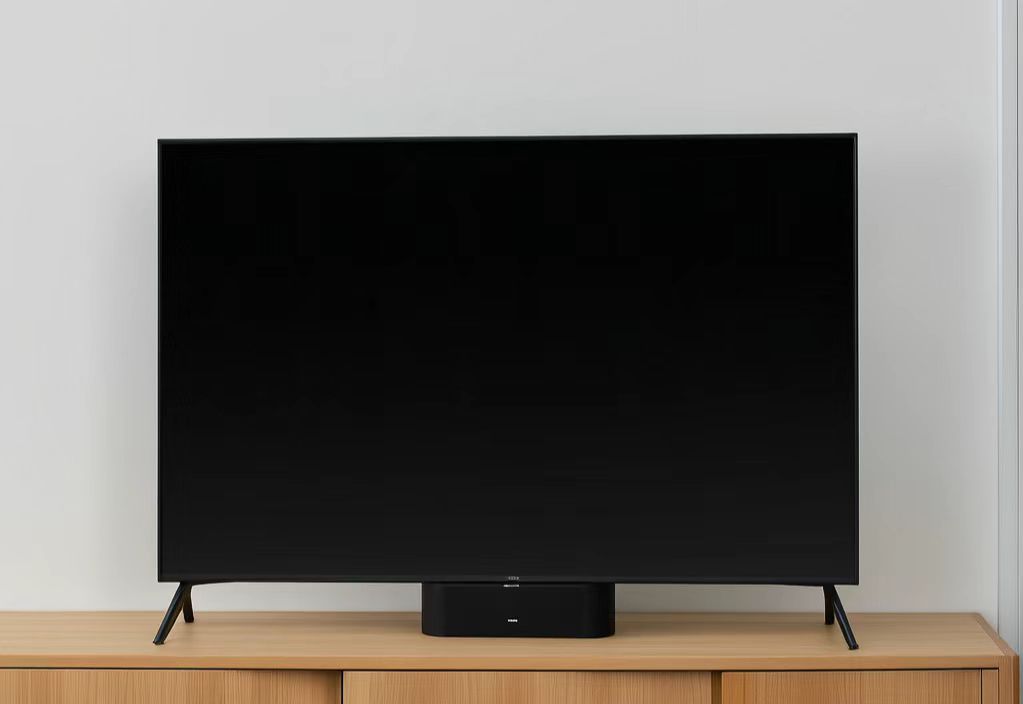
Core Viewpoint - The T8 project by TCL Huaxing marks a significant advancement in China's display technology, aiming to establish a leading position in the global OLED market through innovative production techniques and strategic partnerships [4][5][6]. Group 1: Project Overview - The T8 project officially commenced on October 21, with a total investment of approximately RMB 29.5 billion, co-funded by TCL Huaxing and the Guangzhou government [2]. - The T8 project is the world's first mass production G8.6 generation printed OLED production line, representing a critical breakthrough for Chinese display companies in the high-generation AMOLED sector [4]. Group 2: Technological Advancements - The project will leverage advanced technologies such as industrial robots, AI models, and new materials to enhance production quality and efficiency, contributing to the development of a new productive force in the display industry [4]. - TCL Huaxing has invested 12 years in the R&D of printed OLED technology, achieving mass production capabilities with the G5.5 generation line, which supports the T8 project [6]. Group 3: Industry Ecosystem - The Guangdong-Hong Kong-Macao Greater Bay Area is recognized as a hub for electronic information innovation, providing a comprehensive industrial chain that integrates production, education, research, and application [5]. - The T8 project will accelerate the establishment of a complete ecosystem for printed OLED, covering materials, equipment, panels, and end products, with several leading global suppliers already committed to collaboration [5]. Group 4: Market Applications - Printed OLED products will initially target mid-sized applications such as monitors, laptops, and tablets, with plans to expand into high-value display scenarios in the future [8]. - The project is expected to enhance Lenovo's competitive display solutions and contribute to China's transition from a follower to a leader in global display technology [9]. Group 5: Future Prospects - The T8 project aims to meet the growing demand for a full range of printed OLED products, offering solutions characterized by low blue light, stable wide color gamut, and uniformity across multiple screens [13].