
ZBJT(000759)

Search documents
12月5日重要公告一览
Xi Niu Cai Jing· 2025-12-05 02:36
Group 1 - Meilixin plans to raise no more than 1.2 billion yuan for semiconductor equipment precision components, communication and automotive parts projects, and to supplement working capital [2] - Olin Bio has prepaid corporate income tax totaling 4.2001 million yuan, with no penalties from tax authorities [3] - Haisen Pharmaceutical's directors and executives plan to reduce their holdings by no more than 124,300 shares, accounting for 0.0816% of the total share capital [4] Group 2 - Aibulu intends to sell 47.4% and 31.6% stakes in its subsidiary Jinque Agriculture for a total of 12.3914 million yuan [5] - Chaoying Electronics plans to increase its Thai subsidiary's capital by 100 million USD for AI high-end PCB expansion [6] - Bona Film Group states that the box office revenue for "Avatar 3" is difficult to predict and the investment return rights are low [7] Group 3 - Junya Technology's PCB products for humanoid robots contribute less than 0.05% to its revenue [9] - Aerospace Electromechanical confirms that its main business does not involve commercial aerospace [10] - Deyi Culture's major shareholder plans to reduce holdings by no more than 2% of shares [11] Group 4 - China National Materials International signed a 2.7 billion yuan engineering contract for a molybdenum mining project [12] - Weiguang Bio plans to sign a 1.13 billion yuan technology cooperation contract for blood products [13] - Suhao Huihong intends to swap assets with its controlling shareholder for a 2.33% stake in Zijin Property Insurance [14] Group 5 - Haike Xinyuan's employee strategic placement plan intends to reduce holdings by no more than 2.5% of shares [15][16] - Taihao Technology's vice president resigns for personal reasons [17] - Huazhu Gaoke plans to establish a joint venture for 3D printing services with a total investment of 100 million yuan [18] Group 6 - Hubei Energy's November power generation was 2.617 billion kWh, a decrease of 17.94% year-on-year [19] - Dong'a Ejiao plans to repurchase shares worth 100 million to 200 million yuan for capital reduction [20] - Longjiang Transportation's shareholder reduced holdings by 1.2% [21] Group 7 - Feilu Co. plans to reduce holdings by no more than 1.02% of shares [22] - Zhongwei Electronics is planning a change in control, leading to a temporary stock suspension [23] - Zhongheng Group's subsidiary received approval for clinical trials of a new cancer drug [24] Group 8 - Guanzhong Ecology's controlling shareholder changed to Deep Blue Financial Whale [25] - Shennong Seed Industry is transferring a 3.8% stake in a subsidiary for 31.9827 million yuan [26] - Sun Cable's major shareholder plans to reduce holdings by no more than 3% of shares [27] Group 9 - Aiwei Electronics' application for issuing convertible bonds has been approved by the Shanghai Stock Exchange [28] - Chongqing Water intends to acquire wastewater treatment projects for 255 million yuan [29] - Boyun New Materials plans to increase its subsidiary's capital by 285 million yuan through debt-to-equity conversion [30] Group 10 - Zhongbai Group is closing unprofitable stores, expecting a loss of approximately 180 million yuan [31] - Changyuan Power's November power generation decreased by 17.88% year-on-year [32]




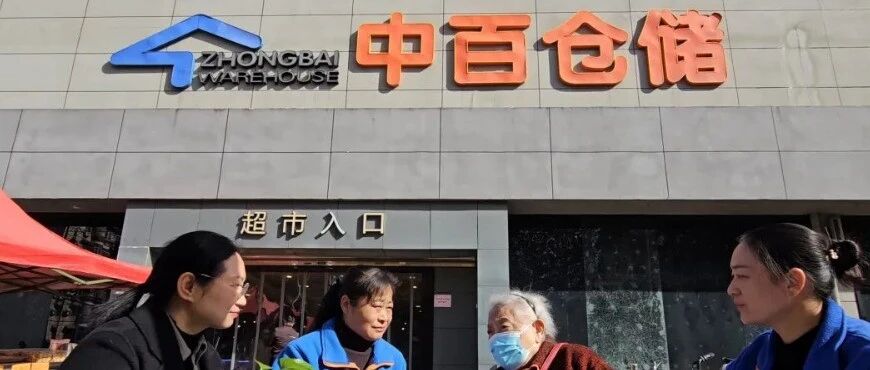
中百集团宣布已关30家大卖场,学胖东来学了1年多,近三个季度仍亏5.8亿元
Mei Ri Jing Ji Xin Wen· 2025-12-04 22:35
Core Viewpoint - Zhongbai Group is implementing a "subtraction" strategy by closing underperforming stores to address ongoing financial losses and adapt to market changes [1][6] Group 1: Store Closures - Zhongbai Group has closed a total of 30 warehouse hypermarkets, with 13 closures occurring in the first half of 2025, resulting in an estimated loss of 180 million yuan [1][7] - The primary reason for the closures is "store losses," with 23 out of the 30 closed stores identified as such, accounting for 76.7% of the closures [4] - Some long-established stores, including those opened nearly 20 years ago, have been closed, indicating a shift in consumer behavior and market dynamics [4][6] Group 2: Financial Impact - The closures are expected to generate a one-time loss of approximately 180 million yuan, adding to the company's existing financial pressures, which include a net loss of 528 million yuan in 2024 and 580 million yuan in the first three quarters of 2025 [8] - The company acknowledges that the financial pain from these closures is unavoidable in the short term, despite the potential long-term benefits of improving overall operational quality [8] Group 3: Strategic Adjustments - In response to the negative impact of store closures, Zhongbai Group is actively pursuing new growth opportunities, including significant reforms in the supply chain and the introduction of private label products, which generated sales of 328 million yuan [9] - The company is also innovating its business model by entering the hard discount sector and launching new local service platforms to enhance consumer engagement [9] - Additionally, Zhongbai Group is working on revitalizing its existing assets by reducing vacant space and optimizing its property portfolio [9] Group 4: Company Background - Zhongbai Group is a state-owned commercial listed company founded in 1937, with its operations primarily centered in Hubei province and extending to regions like Chongqing and Hunan [11] - As of the end of 2024, the company had over 1,600 outlets, annual revenue exceeding 10 billion yuan, and total assets surpassing 10 billion yuan [11]

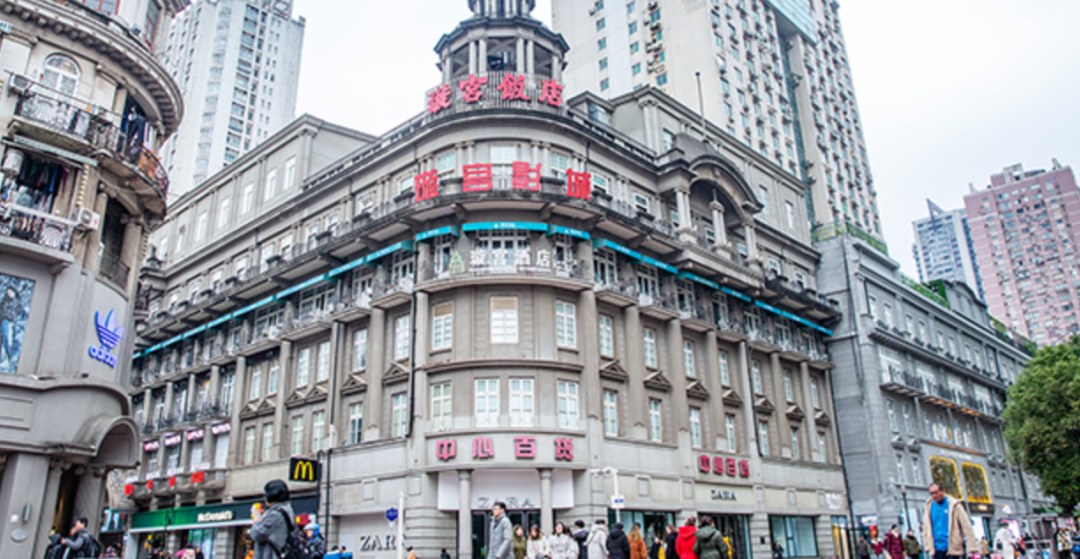
亏不起了,老牌零售巨头宣布已关30家大卖场,有的已开业20年,学胖东来学了1年多,近三个季度仍亏5.8亿元
Mei Ri Jing Ji Xin Wen· 2025-12-04 16:37
Core Viewpoint - The traditional retail giant Zhongbai Group is undergoing significant restructuring by closing 30 underperforming hypermarkets, which have collectively incurred a loss of approximately 1.8 billion yuan, as part of a strategy to adapt to changing market conditions and improve operational efficiency [1][4]. Group 1: Store Closures and Financial Impact - Zhongbai Group has closed 30 hypermarkets, with 23 of these closures attributed to ongoing losses, representing 76.7% of the total closures [2]. - The closures include long-standing stores, some of which have been operational for nearly 20 years, indicating a shift in consumer behavior and market dynamics [2]. - The company anticipates a one-time loss of about 1.8 billion yuan due to these closures, which will further exacerbate its financial pressures, following reported losses of 5.28 billion yuan in 2024 and 5.80 billion yuan in the first three quarters of 2025 [4][5]. Group 2: Strategic Transformation Efforts - In response to the challenges posed by online retail and evolving consumer preferences, Zhongbai Group is actively pursuing a dual strategy of "cutting" underperforming assets while simultaneously seeking new growth opportunities [5]. - The company is reforming its supply chain and has introduced proprietary product lines, achieving sales of 328 million yuan from its private label products [5]. - Zhongbai Group is also innovating its business model by launching new discount stores and local service platforms to enhance customer engagement and retention [5]. Group 3: Company Background and Market Position - Zhongbai Group, founded in 1937, is a state-owned commercial company with a significant presence in Hubei and surrounding regions, operating over 1,600 outlets and generating annual revenues exceeding 10 billion yuan [6]. - The company has been influenced by industry peers, notably learning from the practices of the founder of the successful retail chain Pang Donglai [6].
亏不起了,老牌零售巨头宣布已关30家大卖场,有的已开业20年!学胖东来学了1年多,近三个季度仍亏5.8亿元
Mei Ri Jing Ji Xin Wen· 2025-12-04 16:26
Core Viewpoint - Zhongbai Group has announced a significant reduction strategy, closing 30 underperforming warehouse hypermarkets, which is expected to incur a loss of approximately 180 million yuan [1][6]. Group 1: Company Performance and Financial Impact - In the first three quarters of the year, Zhongbai Group experienced a decline in both revenue and net profit, with a net loss of 580 million yuan, a year-on-year decrease of 74.83% [1][5]. - The closure of these stores is a response to ongoing losses and aims to optimize the company's operational quality and facilitate strategic transformation [6][7]. - The anticipated loss from the store closures will further exacerbate the company's financial pressures, with projected losses of 528 million yuan for 2024 and 580 million yuan for the first three quarters of 2025 [6]. Group 2: Reasons for Store Closures - The primary reason for the closures is identified as "store losses," with 23 out of the 30 closed stores marked as such, accounting for 76.7% of the closures [3][5]. - Some of the closed stores had been operational for nearly 20 years, indicating a significant shift in market dynamics and consumer behavior [3]. - Additionally, seven stores were closed due to "contract expiration," highlighting the challenges in maintaining profitable leases [4]. Group 3: Strategic Adjustments and Future Plans - To mitigate the negative impact of store closures, Zhongbai Group is actively pursuing reforms in its supply chain and innovating its business model [7]. - The company has eliminated 189 supply chain entities and launched its own brand products, achieving sales of 328 million yuan [7]. - New store formats, such as discount stores and a local service platform, are being introduced to adapt to changing consumer preferences and enhance competitiveness [7].

000759:年内关闭门店30家,预计损失1.8亿
Di Yi Cai Jing Zi Xun· 2025-12-04 13:23
Core Viewpoint - The company is undergoing a reform by closing unprofitable stores to optimize its layout and improve overall operational quality, which is part of its strategic transformation and sustainable development [1][3]. Group 1: Store Closures - The company has closed 30 warehouse hypermarkets to date, with 13 closures occurring in the first half of 2025, and there are no plans for further closures this year [1][3]. - The decision to close stores is based on the long-term operating losses of certain locations, which are deemed unlikely to turn profitable [3]. Group 2: Financial Impact - The store closures are expected to incur a one-time loss of approximately 180 million yuan, which includes costs related to contract terminations, employee compensation, and asset write-downs [3]. - There are uncertainties regarding the financial impact of the closures, including potential compensation to landlords and tenants, employee severance, and asset losses, which may affect the final loss amount subject to audit [3]. Group 3: Market Reaction - Following the announcement, the company's stock price fell by 2.98%, closing at 7.16 yuan [4].

000759:年内关闭门店30家,预计损失1.8亿
第一财经· 2025-12-04 12:23
12月4日,中百集团公告,公司深化改革关闭亏损门店,2025年上半年已关闭仓储大卖场13家,截至目前,公司共关闭仓储大卖场30家,年内暂无关闭 大卖场计划。 关闭门店将产生一次性损失,主要包括合同解约损失、员工安置补偿支出、装修等长期待摊费用摊余价值的一次性摊销损失、不可转移的固定资产净值损 失、经营租户解约损失等。公司门店关闭预计产生关店损失约1.8亿元。 中百集团表示, 因关店解约在具体实施过程中,存在由此带来的业主和租户赔偿、员工补偿、资产损失以及诉讼等风险,对公司业绩的影响存在一些不 确定性,可能导致关店损失的变化,最终损失金额以会计师事务所审计的数据为准。公司将持续跟进后续进展情况。 截至今日收盘,中百集团跌2.98%,报7.16元。 | < ロ | 中百集团(000759) | | | | | --- | --- | --- | --- | --- | | -0.22 | 當日 | -2.98% 换 5.50% 市值 47.4亿 市净" 3.91 | | | | 叠加 | 均价: 7.25 盘口 资金 | | | | | 7.60 | | | | | | | 7.16 3339 | | | | | ...
中百集团,年内闭店30家,预计损失1.8亿元
Shen Zhen Shang Bao· 2025-12-04 12:14
Core Viewpoint - The company, Zhongbai Group, is undergoing significant restructuring by closing unprofitable stores, with a total of 30 stores closed to date, and anticipates a one-time loss of approximately 180 million CNY due to these closures [1][2]. Group 1: Store Closures and Financial Impact - Zhongbai Group has closed 30 warehouse hypermarkets, with 13 closures occurring in the first half of 2025, and has no plans for further closures within the year [1]. - The closures are expected to result in a one-time loss of about 180 million CNY, which includes various costs such as contract termination losses, employee compensation, and asset write-offs [1]. - The company has followed necessary internal decision-making processes and is ensuring proper employee arrangements during the closures [1]. Group 2: Financial Performance - For the first three quarters, Zhongbai Group reported a revenue of 6.552 billion CNY, a year-on-year decrease of 19.41%, and a net loss attributable to shareholders of 580 million CNY, down 74.83% [2][3]. - The third quarter alone saw a revenue of 1.934 billion CNY, a decline of 20.08%, with a net loss of 325 million CNY, reflecting a 71.33% decrease year-on-year [3]. - The company has been experiencing continuous losses for four consecutive years, with losses of 46.22 million CNY in 2021, 354 million CNY in 2022, 322 million CNY in 2023, and 528 million CNY in 2024 [4]. Group 3: Industry Context and Challenges - The company attributes its declining performance to intense industry competition, macroeconomic fluctuations, and changing consumer habits, particularly the rise of online retail [3]. - Despite a slight increase in gross margin by 0.92 percentage points to 22.56%, the net profit margin significantly worsened from -4.08% to -8.86% [3]. - As of September 30, the company's debt-to-asset ratio stood at a high 86.79%, indicating significant financial strain [3].

中百集团:公司门店关闭预计产生关店损失约1.8亿元
Ge Long Hui· 2025-12-04 11:17
Core Viewpoint - The company is undergoing a reform by closing unprofitable stores to optimize its layout and enhance overall operational quality, which is part of its strategic transformation and sustainable development [1] Group 1: Store Closures - The company has closed 13 warehouse hypermarkets in the first half of 2025, bringing the total number of closed stores to 30 [1] - There are currently no plans to close additional hypermarkets within the year [1] Group 2: Financial Impact - The closure of stores is expected to incur a one-time loss of approximately 180 million yuan, which includes costs related to contract termination, employee compensation, and the write-off of long-term expenses [1] - The company has followed necessary internal decision-making procedures and has properly arranged for employee placements during the store closures [1]
中百集团:截至目前关闭30家仓储大卖场 预计产生1.8亿元损失
Mei Ri Jing Ji Xin Wen· 2025-12-04 10:33
每经AI快讯,12月4日,中百集团(维权)(000759.SZ)公告称,2025年上半年已关闭仓储大卖场13家, 截至目前共关闭30家,年内暂无关闭大卖场计划。关闭原因包括门店亏损和合同到期。公司门店关闭预 计产生关店损失约1.8亿元。 ...
中百集团:关闭30家仓储大卖场 预计产生1.8亿元损失
Xin Lang Cai Jing· 2025-12-04 10:33
中百集团(000759.SZ)公告称,2025年上半年已关闭仓储大卖场13家,截至目前共关闭30家,年内暂无 关闭大卖场计划。关闭原因包括门店亏损和合同到期。公司门店关闭预计产生关店损失约1.8亿元。 ...