IFLYTEK(002230)

Search documents
广州、河南出台政策支持AI发展,人工智能AIETF(515070)持仓股中科曙光和寒武纪涨幅均超8%
Mei Ri Jing Ji Xin Wen· 2025-08-14 03:59
Group 1 - The Shanghai Composite Index has surpassed the 3700-point mark, with sectors such as insurance, glass fiber, securities, and gaming showing significant gains [1] - The AI ETF (515070) has seen its holdings, including Zhongke Shuguang and Cambrian, rise by over 8%, with other holdings like Keda Xunfei, OmniVision Technologies, and Inspur Information also experiencing increases [1] - Policies continue to support the development of artificial intelligence, with the Guangzhou Municipal Government issuing a plan to enhance investment in key digital service institutions like blockchain and AI [1] Group 2 - The Henan Provincial Government has released measures to support the ecological development of the AI industry, focusing on attracting and nurturing specialized enterprises in the AI sector [1] - Open Source Securities highlights breakthroughs in GPT-5 regarding reducing hallucinations and coding capabilities, which, combined with high cost-performance, will advance competition in large models towards "high reasoning, multi-modal performance, low cost, and strong agent capabilities," accelerating the commercialization of AI applications [1]


中国算力规模全球第二!国投智能20CM涨停,聚焦数据安全领域的大数据产业ETF(516700)盘中涨超2.2%
Xin Lang Ji Jin· 2025-08-14 03:32
Group 1 - The core viewpoint of the news highlights the strong rise of domestic alternatives in the market, with notable stock performances such as Guotou Intelligent hitting a 20% limit up and Zhongke Shuguang increasing over 7% with a net inflow of 1.8 billion yuan from main funds [1][3] - The National Data Bureau reported significant advancements in China's digital infrastructure, with 4.55 million 5G base stations and 226 million gigabit broadband users expected by June 2025, positioning China as a global leader in this sector [3] - The AI technology and large model iterations are accelerating, presenting challenges to traditional security paradigms, and emphasizing the need for a "trustworthy, controllable, and secure" digital foundation [3] Group 2 - The Big Data Industry ETF (516700) focuses on data security and has seen a price increase of over 2.2% during trading, indicating strong market interest in this sector [1][3] - Key catalysts for investment in the technology self-reliance direction include high-level calls for "technology to take the lead," the activation of digital productivity through top-level design, and the acceleration of the domestic substitution process [3] - The market for AI and security integration is vast, with significant opportunities in various sectors such as industry, education, healthcare, finance, and law [3]


2025世界机器人大会圆满落幕,机器人ETF嘉实(159526)整固蓄势,云天励飞领涨成分股
Xin Lang Cai Jing· 2025-08-14 03:00
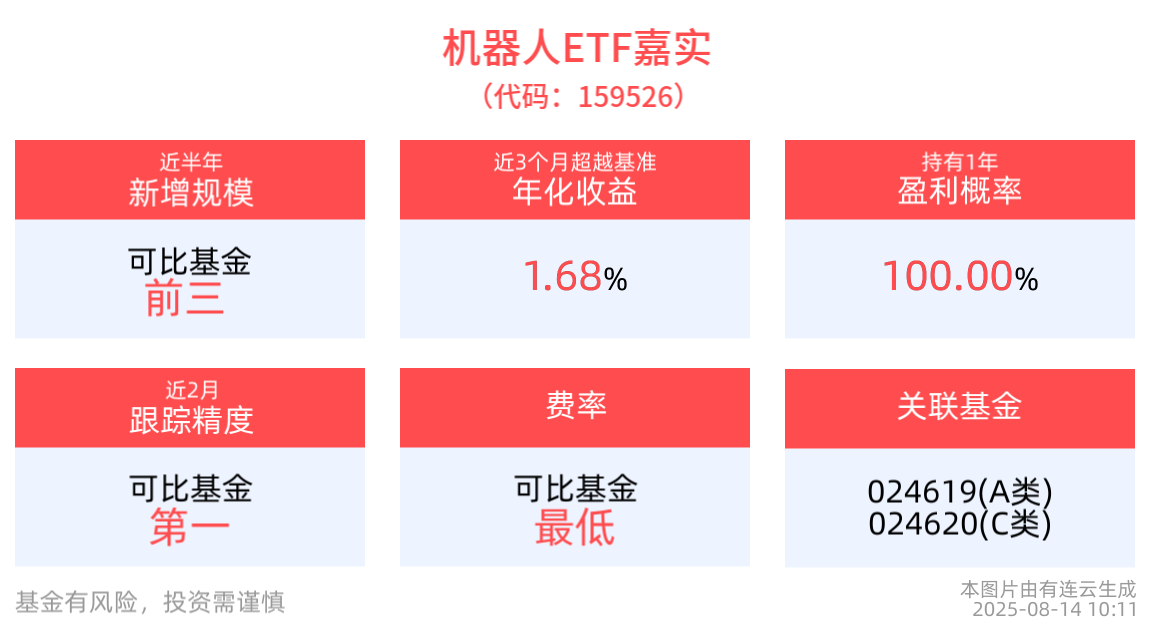
Group 1: ETF Performance - The liquidity of the Robot ETF managed by Jiashi has a turnover rate of 1.98% with a transaction volume of 10.68 million yuan, and the average daily transaction volume over the past week is 37.65 million yuan [3] - The Robot ETF has seen a significant growth of 221 million yuan in scale over the past six months, with leveraged funds continuously entering the market, achieving a net purchase of 6.67 million yuan on the highest single day [3] - As of August 13, 2025, the net value of the Robot ETF has increased by 6.48% over the past six months, ranking in the top 2 among comparable funds [3] Group 2: Historical Returns - Since its inception, the Robot ETF has recorded a highest single-month return of 25.78%, with the longest consecutive monthly gains being 3 months and the maximum cumulative increase reaching 37.12% [3] - The average return during the months of increase is 8.93% [3] Group 3: Index Composition - As of July 31, 2025, the top ten weighted stocks in the CSI Robot Index include companies such as iFlytek, Huichuan Technology, and Stone Technology, collectively accounting for 48.86% of the index [3] Group 4: Industry Events - The 2025 World Robot Conference held in Beijing concluded successfully on August 12, featuring the first "E-Town Robot Consumption Festival," which sold 19,000 robots and related products, generating sales exceeding 200 million yuan [5] - The conference gathered 220 well-known domestic and international robot companies, showcasing 1,569 products and achieving a financing amount of 1.481 billion yuan [5] Group 5: Industry Outlook - Guotai Haitong Securities believes that the scale and product quality of the 2025 World Robot Expo have significantly improved compared to previous years, marking a critical turning point for the commercialization of humanoid robots [6] - The industry should focus on short-term fluctuations in industry prosperity driven by events, while long-term attention should be on high-quality companies with certainty in the supply chain [6]


当AI从“炫技”走向实用,“自主可控”才真正站得住脚
Guan Cha Zhe Wang· 2025-08-13 11:40
Core Viewpoint - The article discusses the competitive landscape of AI technology in China, highlighting iFLYTEK's strategy of leveraging domestic computing power and focusing on practical applications to differentiate itself in the global market [1][2]. Group 1: iFLYTEK's Unique Positioning - iFLYTEK is recognized as a representative of China's AI "national team," emphasizing its commitment to 100% domestic computing power and collaboration with other Chinese tech firms like Huawei [4]. - The company has achieved significant recognition, winning the 2023 National Science and Technology Progress Award for its multilingual intelligent voice technology, which is the only award in the AI field this year [2]. Group 2: Product Development and User Experience - iFLYTEK's large model focuses on deep reasoning based on long thinking chains, showing superior performance in translation, mathematics, and logical reasoning [2]. - The company aims to enhance user experience by embedding AI technology into practical products like learning machines, translation devices, and smart office tools, addressing high-frequency consumer needs [5][6]. Group 3: Market Expansion and International Strategy - iFLYTEK is actively pursuing international markets, with successful product launches in South Korea through crowdfunding platforms, achieving top sales rankings [12][13]. - The company has adapted its products for local markets, such as creating a Korean version of its smart office tools and ensuring offline functionality for privacy-conscious Japanese consumers [17][19]. Group 4: Technological Advancements in Translation - The latest upgrades to iFLYTEK's translation technology have resulted in a 20% improvement in translation accuracy, achieving a score of 90 out of 100 in tests [8]. - The translation speed has been optimized to match human simultaneous interpretation, with a delay of only two seconds from speech to translation output [8]. Group 5: Future Directions and Innovations - iFLYTEK is exploring the integration of AI models with hardware, particularly in wearable devices like smart glasses, which are seen as a significant growth area [23]. - The company is also focusing on industrial applications of smart hardware, such as exoskeleton robots, to assist in repetitive tasks [23].

中证智能汽车主题指数上涨1.13%,前十大权重包含科大讯飞等
Jin Rong Jie· 2025-08-13 11:05
Group 1 - The core index of the CSI Intelligent Automotive Theme Index (CS Intelligent Automotive, 930721) opened high and rose, increasing by 1.13% to 5128.98 points with a trading volume of 36.425 billion yuan [1] - The CSI Intelligent Automotive Theme Index has increased by 6.15% in the past month, 3.09% in the past three months, and 7.85% year-to-date [2] - The index reflects the overall performance of companies providing terminal perception and platform applications for intelligent vehicles, as well as other representative companies benefiting from the intelligent automotive industry [2] Group 2 - The top ten weighted companies in the CSI Intelligent Automotive Theme Index are: Luxshare Precision (5.62%), Chipone Technology (5.08%), Top Group (4.76%), iFlytek (4.68%), OFILM (4.47%), OmniVision Technologies (4.47%), Wingtech Technology (4.26%), Desay SV (4.13%), Great Wall Motors (3.83%), and Huayu Automotive (3.80%) [2] - The market segment distribution of the CSI Intelligent Automotive Theme Index shows that the Shenzhen Stock Exchange accounts for 52.31% and the Shanghai Stock Exchange accounts for 47.69% [2] - The industry distribution of the index holdings indicates that Information Technology comprises 54.54%, Consumer Discretionary 33.90%, and Communication Services 11.56% [2] Group 3 - The index samples are adjusted quarterly, with adjustments implemented on the next trading day after the second Friday of March, June, September, and December [3] - Public funds tracking the CS Intelligent Automotive Index include Tianhong CSI Intelligent Automotive A, Tianhong CSI Intelligent Automotive C, and several ETFs such as Huatai-PB CSI Intelligent Automotive ETF [3]
数字经济+现代服务业,日照多举措推进数字服务外包产业升级
Qi Lu Wan Bao Wang· 2025-08-13 04:33
Core Viewpoint - Rizhao City is accelerating the development of its digital service outsourcing industry, particularly focusing on the data annotation sector, by leveraging its favorable environment, transportation, and abundant talent resources [1][2][3][4]. Group 1: Industry Development Strategies - The city is enhancing the foundation of the digital service outsourcing industry through the development of building economies, which attract numerous projects and enterprises, creating a conducive environment for industry clustering [1]. - A supportive policy framework has been established, including the introduction of the "Rizhao City Data Annotation Industry High-Quality Development Three-Year Action Plan (2025-2027)," aiming for an annual increase of over 6,000 data annotation professionals and a compound annual growth rate of over 25% for the industry by 2027 [2]. - The city is focusing on cultivating digital talent, with over 100,000 university students across 10 universities, and has implemented a deep integration model of industry and education to develop innovative and versatile digital professionals [3]. Group 2: Future Plans and Focus Areas - Rizhao City plans to leverage its resource advantages, policy support, and innovation to expand the scale of its digital service outsourcing industry, particularly in data annotation, and to build a talent cultivation system that integrates education and industry [4]. - The city aims to enhance its ecological cultivation by attracting leading and growing enterprises, improving the digital service outsourcing industry ecosystem, and developing digital scenarios in key sectors such as ports, steel, and automotive [5]. - Continuous efforts will be made in talent development, including measures to promote employment and establish a talent reservoir, while also supporting local educational institutions to offer relevant courses [5]. - The industry will focus on upgrading by extending its operations from basic data roles to higher technical positions in data annotation, training, and product development [6].
全球首场人形机器人运动会明日开幕,一场智能与制造的竞技盛宴开启
Mei Ri Jing Ji Xin Wen· 2025-08-13 02:33
Group 1 - The World Humanoid Robot Games will be held in Beijing from August 14 to 17, 2025, featuring 280 teams and over 500 humanoid robots from 16 countries [1] - The AI industry chain has shown strong performance, with the AIETF (515070) rising over 2% and trading volume exceeding 120 million yuan, while stocks like New Yisheng (300502) surged over 10% [1] - The demand for computing power is increasing due to the generative AI wave, leading to higher server power consumption and a shift from air cooling to liquid cooling technologies in data centers [1] Group 2 - The AIETF (515070) tracks the CS AI Theme Index (930713), focusing on companies providing technology, resources, and applications in the AI sector, often referred to as the "brain" creators of robots [2] - Key stocks in the AIETF include leading domestic technology companies such as Cambricon, Zhongji Xuchuang, and Inspur Information [2] Group 3 - Related products include AIETF (515070), the创业板人工智能ETF华夏 (159381), and 华夏中证人工智能主题ETF联接A (008585) [3]


上万元的AI学习机,收割新一代韭菜家长?
凤凰网财经· 2025-08-12 14:47
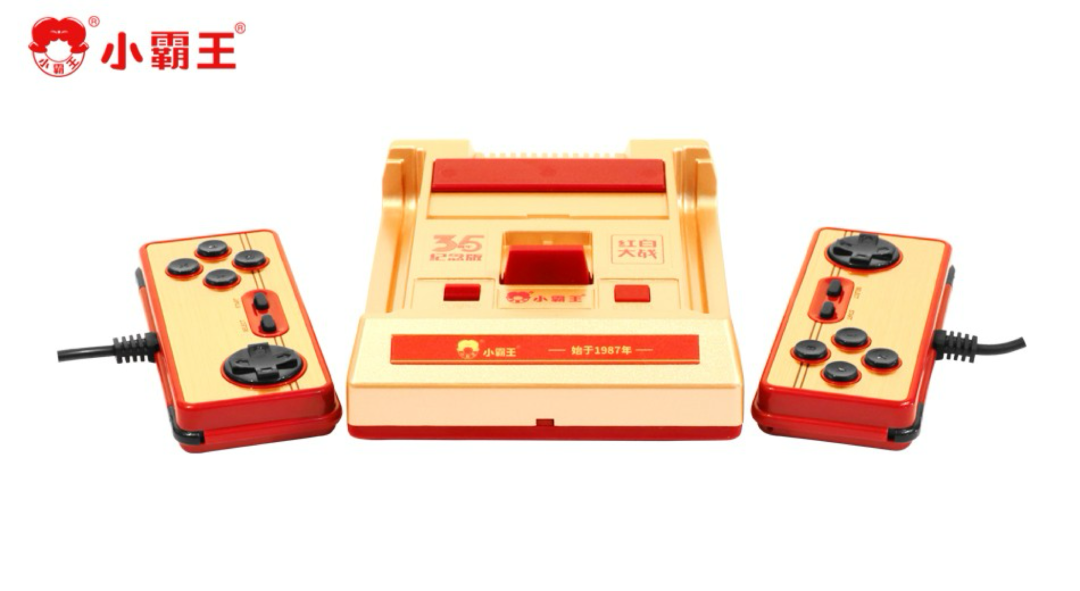
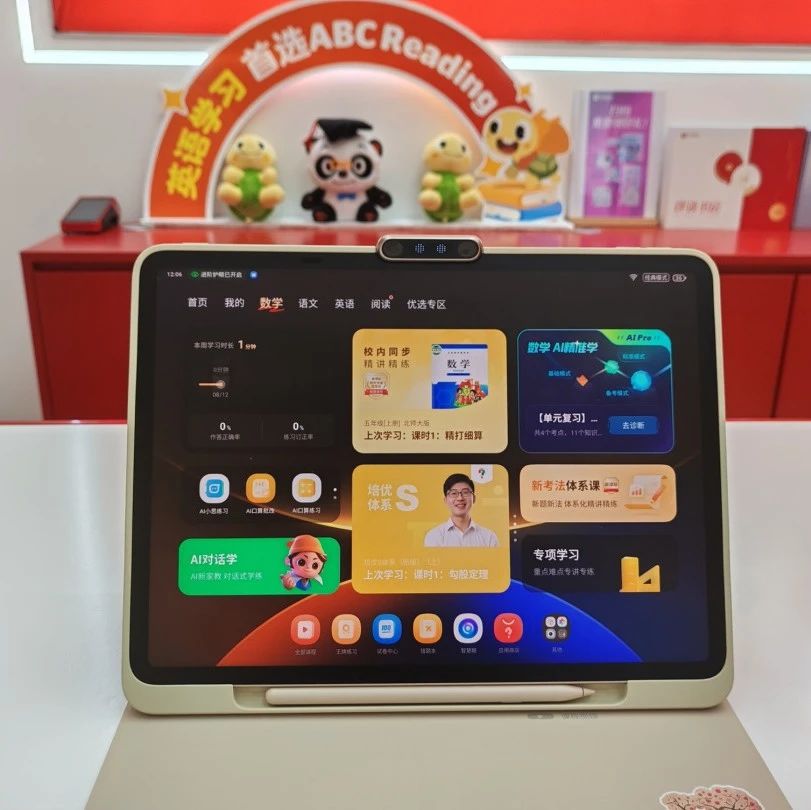
Core Viewpoint - The article discusses the evolution of learning machines in China, highlighting the shift from traditional devices like "小霸王" to modern AI-powered learning machines, driven by technological advancements and changing consumer demands [4][5][11]. Group 1: Market Evolution - The learning machine market in China is experiencing a resurgence, with the market size expected to exceed 100 billion yuan by 2025, driven by the integration of AI and educational resources [5][11]. - The historical context shows that learning machines were once popular but declined with the rise of smartphones and tablets, which offered similar functionalities [10][11]. - The current market is characterized by intense competition among major players, including educational companies and tech firms, as they seek to capitalize on the growing demand for smart learning devices [6][13]. Group 2: Consumer Behavior - Parents are increasingly viewing learning machines as essential tools for their children's education, akin to the necessity of extracurricular classes [18][20]. - The article highlights a case study of a parent who has extensively researched learning machines, indicating a trend of parents investing time and resources into finding the right educational tools for their children [17][18]. - The demand for learning machines is influenced by parents' concerns about their children's academic performance and the desire for supplementary educational support [21][24]. Group 3: Product Features and Quality - Modern learning machines boast advanced features such as extensive question banks, online tutoring, and AI capabilities, which enhance their appeal to consumers [4][20]. - Despite the high prices of these devices, there are concerns regarding product quality, with reports of some machines failing to meet safety standards and offering subpar educational content [25][26]. - The article notes that while many learning machines are marketed as comprehensive educational tools, there is a lack of products that cover the entire educational spectrum from elementary to high school [27][29].
洞察 2025:中国人工智能代理行业竞争格局及市场份额(附市场集中度、企业竞争力评价等)
Sou Hu Cai Jing· 2025-08-12 13:31
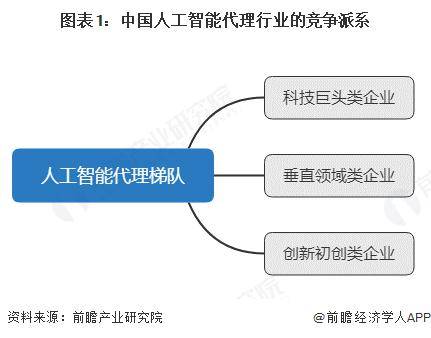
Group 1 - The Chinese artificial intelligence agency industry has formed a clear competitive hierarchy, with significant head effects and rapid emergence of vertical fields and new enterprises. The competition is mainly divided into three tiers: technology giants, vertical field enterprises, and innovative startups [1][3] - Representative companies in different tiers have diverse business layout directions, with technology giants and vertical field enterprises focusing on B-end markets, while startups emphasize C-end markets [3][4] - The market concentration in the AI agency sector is high, with CR4 at approximately 78% and CR5 at about 88%, indicating a typical "Matthew effect" where the head is concentrated while the tail is dispersed [5] Group 2 - The market share concentration varies by application area, with the highest concentration in government applications (CR3 at 60%) and the lowest in intelligent customer service (CR3 at 40%) due to lower market entry barriers [7] - The market is categorized by technology types, including reflexive agents, goal-driven agents, and self-learning agents, with self-learning agents experiencing the highest growth rate, particularly in medical diagnosis and scientific research [9] - Major companies are adopting a "multi-point flowering, collaborative development" strategy, with Baidu focusing on digital humans and intelligent collaboration platforms, while Huawei emphasizes government and industrial applications [11][12] Group 3 - The competitive landscape of the Chinese AI agency industry is characterized by an oligopolistic structure, with major players like Baidu, Alibaba, Tencent, Huawei, and ByteDance holding over 80% market share [13] - Second-tier companies such as iFlytek, SenseTime, and CloudWalk are focusing on vertical scenarios like education and finance, leveraging industry know-how for survival [14] - The industry is transitioning from a "technology race" to an "ecosystem positioning + scenario profitability" phase, with increased competition leading to a potential consolidation of startups due to tightening financing and high computing costs [14]


上万元的AI学习机,收割新一代韭菜家长?
Hu Xiu· 2025-08-12 09:52
Core Insights - The learning machine market in China is experiencing a resurgence, driven by advancements in AI technology and changing consumer demands for educational tools [3][15][47] - The market size for educational smart hardware is projected to exceed 100 billion yuan by 2025, with a significant growth rate observed in recent years [5][16] - Traditional learning machine manufacturers are losing their competitive edge to new entrants from the education and technology sectors [17][19] Market Evolution - The learning machine market has evolved from the early "Little Tyrant" models to advanced AI-powered devices that offer extensive features and resources [3][7] - The price of learning machines has increased dramatically, with some models costing nearly 10,000 yuan, compared to a few hundred yuan for earlier versions [5][6] - The market is now characterized by intense competition among internet giants, online education leaders, and smart hardware companies [6][18] Consumer Behavior - Parents are increasingly viewing learning machines as essential educational tools, akin to private tutors, to support their children's learning [29][30] - The demand for learning machines is influenced by the perception that they can provide additional educational support beyond traditional classroom settings [33][34] - Concerns about product quality and safety are prevalent among consumers, with a significant percentage of learning machines failing to meet safety standards [37][39] Industry Challenges - Despite the growth, the learning machine market faces challenges related to product quality, industry standards, and the effectiveness of educational outcomes [47][48] - Many learning machines do not cover the full educational spectrum from elementary to high school, leading to concerns about their long-term utility [44][46] - The market is still in a phase of transformation, with ongoing developments in AI and educational technology expected to shape future offerings [48]