JA SOLAR(002459)

Search documents
晶澳科技(002459) - 薪酬与考核委员会工作细则(H股上市后适用)(2025年12月)
2025-12-08 11:46
晶澳太阳能科技股份有限公司董事会 薪酬与考核委员会工作细则 (H 股发行并上市后适用) 第一章 总则 第一条 为进一步建立健全公司董事(非独立董事)及高级管理人员的考核 和薪酬管理制度,充分发挥董事会薪酬与考核委员会的职能作用,完善公司治理 结构,根据《中华人民共和国公司法》《上市公司治理准则》《深圳证券交易所 股票上市规则》《香港联合交易所有限公司证券上市规则》(以下简称"《香港上 市规则》")、《晶澳太阳能科技股份有限公司章程》(以下简称"《公司章程》") 及其他有关规定,特制定本工作细则。 第二条 薪酬与考核委员会是董事会设立的专门工作机构,主要负责制定公 司董事和高级管理人员的考核标准并进行考核;负责制定、审查公司董事及高管 人员薪酬政策与方案,对董事会负责。 第三条 本工作细则所称董事是指在本公司领取薪酬的董事长、董事;高级 管理人员是指董事会聘任的总经理、副总经理、董事会秘书、财务负责人及由总 经理提请董事会认定的其他高级管理人员。 第二章 人员组成 第四条 薪酬与考核委员会成员由不少于三名董事组成,其中独立董事占多 数。 第五条 薪酬与考核委员会委员由董事长、二分之一以上独立董事或者全体 董事的 ...

晶澳科技(002459) - 战略与可持续发展委员会工作细则(H股上市后适用)(2025年12月)
2025-12-08 11:46
(H 股发行并上市后适用) 第一章 总则 晶澳太阳能科技股份有限公司董事会 战略与可持续发展委员会工作细则 第一条 为适应晶澳太阳能科技股份有限公司(以下简称"公司")战略发展 需要,提升公司环境、社会及公司治理(以下简称"ESG")管理水平,增强公司 核心竞争力,合理确定公司发展规划,健全投资决策程序,加强决策的科学性、 提高重大投资决策的效益和决策的质量,持续完善公司治理结构,规范公司董事 会战略与可持续发展委员会组织机构、明确战略与可持续发展委员会的职责权限, 根据《中华人民共和国公司法》《上市公司治理准则》《深圳证券交易所股票上 市规则》《香港联合交易所有限公司证券上市规则》《晶澳太阳能科技股份有限 公司章程》(以下简称"《公司章程》")及其他有关规定,公司设立董事会战略与 可持续发展委员会,并制定本工作细则。 第二条 战略与可持续发展委员会是董事会下属专门机构,主要负责对公司 长期发展战略、重大投资决策、可持续发展及 ESG 工作进行研究并提出建议。 第二章 人员组成 第三条 战略与可持续发展委员会成员由五名董事组成,其中至少包括二名 独立董事。 第四条 战略与可持续发展委员会委员由董事长、二分之一 ...
晶澳科技(002459) - 关于董事会完成换届并聘任高级管理人员、内审负责人及证券事务代表的公告
2025-12-08 11:45
| 证券代码:002459 | 证券简称:晶澳科技 | 公告编号:2025-119 | | --- | --- | --- | | 债券代码:127089 | 债券简称:晶澳转债 | | (二)第七届董事会各专门委员会成员 晶澳太阳能科技股份有限公司 关于董事会完成换届并聘任高级管理人员、内审负责人及证券事 务代表的公告 本公司及董事会全体成员保证信息披露的内容真实、准确、完整,没有虚 假记载、误导性陈述或重大遗漏。 晶澳太阳能科技股份有限公司(以下简称"公司")于2025年12月8日召开 2025年第五次临时股东会,选举产生了第七届董事会非职工代表董事。同日,公 司召开第七届董事会第一次会议,会议审议通过了选举公司董事长、各专门委员 会委员及聘任公司高级管理人员、内审负责人、证券事务代表的议案。公司董事 会换届完成,现将相关情况公告如下: 一、第七届董事会及各专门委员会组成情况 根据公司职工代表大会、2025年第五次临时股东会及第七届董事会第一次会 议选举结果,公司第七届董事会由9名董事组成,其中非独立董事6名(含职工代 表董事1名),独立董事3名。公司第七届董事会下设战略与可持续发展委员会、 审计委员会、 ...
晶澳科技(002459) - 北京市金杜律师事务所关于晶澳太阳能科技股份有限公司2025年第五次临时股东会之法律意见书
2025-12-08 11:45
北京市金杜律师事务所 关于晶澳太阳能科技股份有限公司 2025 年第五次临时股东会 之法律意见书 致:晶澳太阳能科技股份有限公司 北京市金杜律师事务所(以下简称本所)接受晶澳太阳能科技股份有限公 司(以下简称公司)委托,根据《中华人民共和国证券法》(以下简称《证券法》)、 《中华人民共和国公司法》(以下简称《公司法》)、《上市公司股东会规则》(以 下简称《股东会规则》)等中华人民共和国境内(以下简称中国境内,为本法律 意见书之目的,不包括中国香港特别行政区、中国澳门特别行政区和中国台湾 省)现行有效的法律、行政法规、规章和规范性文件和现行有效的公司章程有 关规定,指派律师出席了公司于 2025 年 12 月 8 日召开的 2025 年第五次临时股 东会(以下简称本次股东会),并就本次股东会相关事项出具本法律意见书。 为出具本法律意见书,本所律师审查了公司提供的以下文件,包括但不限 于: 1. 经公司 2025 年第四次临时股东会最新经修订的《晶澳太阳能科技股份 有限公司章程》(以下简称《公司章程》); 2. 公司于 2025 年 11 月 18 日刊登于巨潮资讯网、深圳证券交易所网站等 中国证监会指定信息披露 ...
晶澳科技(002459) - 2025年第五次临时股东会决议公告
2025-12-08 11:45
| 证券代码:002459 | 证券简称:晶澳科技 | 公告编号:2025-117 | | --- | --- | --- | | 债券代码:127089 | 债券简称:晶澳转债 | | 晶澳太阳能科技股份有限公司 2025 年第五次临时股东会决议公告 本公司及董事会全体成员保证信息披露的内容真实、准确、完整,没有虚 假记载、误导性陈述或重大遗漏。 重要提示: 1、本次股东会没有否决议案的情形; 2、本次股东会没有涉及变更以往股东会已通过的决议; 3、本次股东会采取现场投票与网络投票相结合的表决方式召开。 一、会议召开情况 1、召开时间:2025 年 12 月 8 日 15:00; 2、股权登记日:2025 年 12 月 3 日; 通过现场和网络投票的股东 822 人,代表股份 170,503,393 股,占公司有表 3、会议召开地点:北京市丰台区汽车博物馆东路 1 号院诺德中心 8 号楼 8 层会议室; 4、会议召集人:公司董事会; 5、会议主持人:董事长靳保芳先生; 6、会议召开方式:现场投票与网络投票相结合的表决方式召开; 7、本次会议的召开符合《公司法》及相关法律、法规和《公司章程》之规 定。 二、会 ...
晶澳科技(002459) - 第七届董事会第一次会议决议公告
2025-12-08 11:45
晶澳太阳能科技股份有限公司 第七届董事会第一次会议决议公告 本公司及董事会全体成员保证信息披露内容的真实、准确和完整,没有虚 假记载、误导性陈述或重大遗漏。 晶澳太阳能科技股份有限公司(以下简称"公司")第七届董事会第一次会 议于 2025 年 12 月 8 日在公司会议室以现场结合通讯表决方式召开。 根据《公司章程》规定,经全体董事一致同意,豁免本次会议通知时限要求。 本次会议通知于同日公司 2025 年第五次临时股东会后,以口头和通讯方式通知 了各位董事。本次会议由靳保芳先生主持,会议应出席董事 9 名,实际出席董事 9 名,符合《中华人民共和国公司法》及《公司章程》的规定。经与会董事认真 审议,会议以记名投票表决方式通过如下议案: 一、审议通过《关于选举公司第七届董事会董事长的议案》 经审议,同意选举靳保芳先生为公司第七届董事会董事长,任期自本次董事 会通过之日起至第七届董事会任期届满之日。 | 证券代码:002459 | 证券简称:晶澳科技 | 公告编号:2025-118 | | --- | --- | --- | | | 债券简称:晶澳转债 | | | 债券代码:127089 | | | 表决结果: ...
光伏破局:全面调整期的“反内卷”攻坚与价值重构丨2025·大复盘
Tai Mei Ti A P P· 2025-12-08 07:57
Core Insights - The photovoltaic industry is facing severe challenges in 2025, with significant overcapacity and price declines across the supply chain, leading to widespread losses [2][4] - The industry is transitioning from an "efficiency era" to a "value era," with a focus on quality and technological differentiation as companies target emerging overseas markets [3][25] - The "anti-involution" campaign is gaining momentum, aiming to curb unhealthy competition and stabilize prices, with various government initiatives and industry meetings addressing these issues [5][6] Group 1: Industry Challenges - By Q2 2025, nominal capacities for silicon materials, wafers, cells, and modules exceeded 1200 GW, while global new installation demand is projected at only 570-630 GW, indicating severe overcapacity [2] - The price of silicon materials dropped to 35,000 CNY/ton, with significant declines in other components, leading to substantial losses for companies in the sector [4] - A total of 50+ photovoltaic companies have filed for bankruptcy or liquidation, reflecting the industry's dire financial situation [10] Group 2: Government and Industry Response - The Ministry of Industry and Information Technology has emphasized the need to regulate low-price competition and promote quality improvements in the photovoltaic sector [5][6] - Various meetings and policies have been initiated to address the "anti-involution" issue, including a focus on orderly exit of outdated capacities and establishing a warning mechanism for companies selling below cost [6][9] - The establishment of a silicon material storage mechanism is being considered to balance supply and demand, with industry leaders expressing cautious optimism about its implementation [7][9] Group 3: Market Dynamics and Future Outlook - The photovoltaic industry is expected to see a decline in new installations in 2026, influenced by policy changes and market conditions, with projections of 270-300 GW for 2025 and a potential drop in 2026 [31][32] - The average prices for silicon materials, wafers, and cells have shown signs of recovery, with increases of 31.6%, 6.8%, and 6.5% respectively by September 2025 [11] - Companies are increasingly focusing on overseas markets, with significant growth in exports to emerging markets, despite a decline in overall export value [16][20] Group 4: Technological Advancements - The industry is undergoing a technological shift from P-type to N-type solar cells, with TOPCon technology leading in market share and efficiency improvements [25][26] - Innovations such as silver-free and low-silver technologies are being pursued to reduce costs, particularly in light of rising silver prices [27] - The integration of different technologies, including TOPCon, HJT, and BC, is expected to shape the future landscape of the photovoltaic industry [25][29]




听说光伏企业,提前放假了
投中网· 2025-12-08 03:01
Core Viewpoint - The photovoltaic (PV) industry is experiencing significant challenges, with many companies announcing extended holidays and layoffs due to market volatility and demand uncertainty, raising concerns about the industry's recovery timeline [5][6][12]. Group 1: Industry Challenges - Several major PV companies have announced early holidays, with some employees encouraged to leave, indicating a severe response to market fluctuations [5][8]. - Reports indicate that production has drastically reduced, with some factories operating only a few days a month, leading to high employee turnover and dissatisfaction [8][12]. - The industry is facing a deep adjustment cycle, with over one-third of listed PV companies reporting losses, totaling over 26.9 billion yuan among major players [18][19]. Group 2: Financial Strain - The total debt of 140 listed PV companies reached 2.32 trillion yuan, with an overall debt ratio of 63.20%, suggesting severe financial pressure across the sector [18][19]. - At least 70 PV companies have filed for bankruptcy since the beginning of 2024, highlighting the financial distress within the industry [19]. Group 3: Market Dynamics - Despite recent price increases in the PV supply chain, the supply-demand imbalance remains unresolved, contributing to ongoing industry struggles [18]. - The industry has seen a significant increase in installed solar capacity, with a 43.8% year-on-year growth in domestic solar power generation capacity from January to October [17]. Group 4: Strategic Responses - Companies are increasingly competing on product innovation, with many launching new high-capacity modules to capture market share [20]. - Financial strategies are being employed to optimize cash flow, such as reducing material costs and extending payment cycles, even amidst ongoing losses [21]. Group 5: Future Outlook - There are signs of potential recovery, with government policies aimed at reducing market competition and improving industry conditions [23]. - The shift from price competition to value competition is being encouraged through changes in procurement standards by state-owned enterprises [23].




隆基入局 光伏巨头抢滩储能赛道
经济观察报· 2025-12-06 08:10
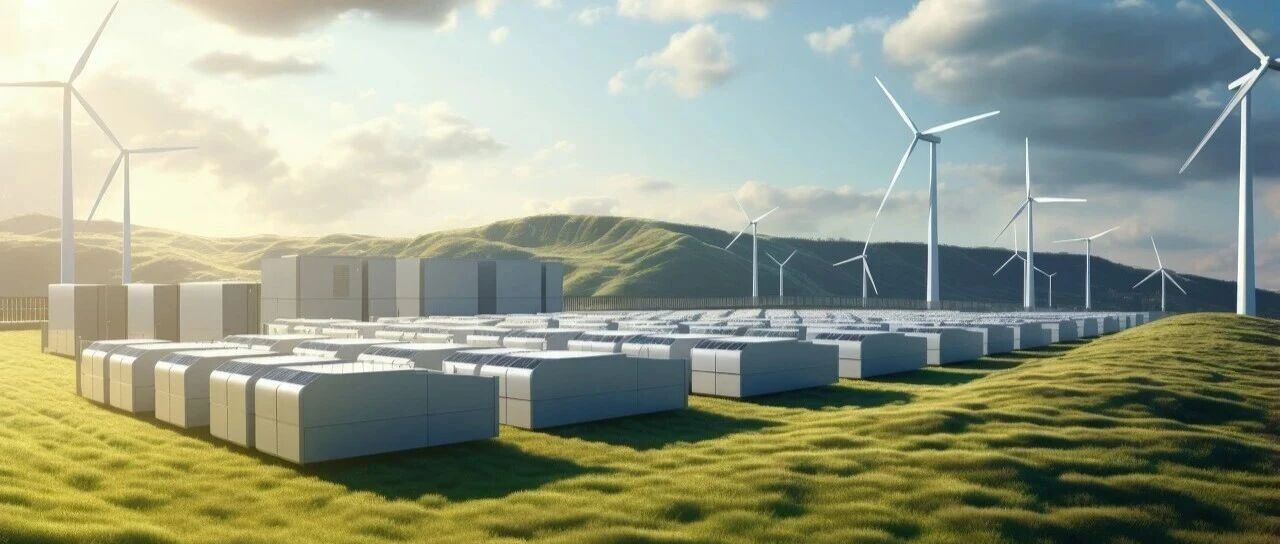
Core Viewpoint - The entry of leading photovoltaic companies into the energy storage sector is a strategic response to industry pressures and a shift towards integrated energy solutions, highlighting the growing importance of energy storage in the renewable energy landscape [1][10]. Group 1: Industry Trends - The frequency of discussions around "energy storage" has significantly increased, indicating a shift in focus among photovoltaic companies from traditional products to energy storage solutions [2]. - Major players in the photovoltaic sector, including LONGi Green Energy, Trina Solar, and JinkoSolar, have all made moves into the energy storage market, seeking new growth opportunities amid competitive pressures [3][5]. - The energy storage market is seen as a critical component of the renewable energy system, transitioning from policy-driven to market-driven growth [10][11]. Group 2: Company Strategies - LONGi Green Energy's acquisition of a controlling stake in Suzhou Jingkong Energy Technology Co., Ltd. marks its formal entry into the energy storage sector, aiming to leverage existing technologies and market resources [5]. - Trina Solar has been an early entrant into the energy storage market, with significant investments in research and development since 2015, leading to a substantial increase in its energy storage shipments [7]. - JinkoSolar and JA Solar have also made strategic moves into energy storage, with JinkoSolar targeting a shipment goal of 6 GWh for 2025, primarily in high-profit overseas markets [8][20]. Group 3: Market Dynamics - The global photovoltaic market is experiencing a slowdown, with projections indicating a decrease in new installations, which is prompting companies to diversify into energy storage as a new growth avenue [14][15]. - The demand for energy storage is driven by the need for grid stability and the integration of renewable energy sources, with significant growth expected in both domestic and international markets [11][19]. - The Chinese government has set ambitious targets for energy storage capacity, aiming for over 180 GW by 2027, which is expected to further stimulate market growth [19]. Group 4: Investment and Growth Potential - Energy storage is viewed as a "second growth curve" for leading photovoltaic companies, with expectations that it will become a standard component of renewable energy projects in the next 3 to 5 years [19][20]. - Companies are leveraging their existing brand and market presence to integrate energy storage solutions into their offerings, enhancing their competitive edge and addressing market demands [12][20]. - The transition to energy storage is seen as a necessary evolution for companies to maintain relevance and profitability in a changing energy landscape [10][12].

【金融头条】隆基入局 光伏巨头抢滩储能赛道
Jing Ji Guan Cha Wang· 2025-12-06 04:28
Core Insights - The frequency of discussions around "energy storage" has significantly increased in the renewable energy sector, indicating a shift in focus among companies towards energy storage solutions as a response to market pressures and competition in the photovoltaic (PV) industry [2][3]. Industry Trends - Major players in the photovoltaic sector, such as Trina Solar and LONGi Green Energy, are increasingly integrating energy storage into their business models, with LONGi officially entering the energy storage market by acquiring a controlling stake in Suzhou Jingkong Energy Technology [4][5][6]. - The trend of "photovoltaic + energy storage" is becoming a new competitive landscape, with all leading PV companies now participating in the energy storage sector [7]. Company Strategies - Companies like Trina Solar and Canadian Solar have been early entrants into the energy storage market, with Trina Solar's storage business entering a growth phase and Canadian Solar adjusting its business structure to focus on the U.S. market [9][16]. - The energy storage market is viewed as a critical component of the renewable energy system, with companies recognizing the need to adapt to market-driven demands rather than solely relying on policy incentives [11][12]. Market Dynamics - The global photovoltaic market is experiencing a slowdown, with projections indicating that the growth rate of new installations will decline in the coming years, prompting companies to seek alternative growth avenues such as energy storage [15][17]. - The demand for energy storage is driven by the increasing need for grid stability and the integration of renewable energy sources, with significant growth expected in both domestic and international markets [13][20]. Future Outlook - The energy storage sector is anticipated to become a standard component of renewable energy projects within the next 3 to 5 years, supported by favorable policies and market conditions [18][19]. - Companies are expected to see substantial growth in their energy storage business, with projections indicating that the shipment of energy storage systems will double in the coming year, particularly in high-margin markets like Europe and North America [20].