Amazon(AMZN)

Search documents
宏观周度述评系列:2026年投资的相对弹性最大-20260208
GF SECURITIES· 2026-02-08 09:29
Investment Outlook - Investment in 2026 is expected to have the highest relative elasticity, with a potential growth rebound from a low base of -3.8% in 2025 to around 3%, indicating an elasticity of 6-7 percentage points[9] - Guangdong province plans to invest 1.05 trillion yuan in key projects for 2026, up from 1 trillion yuan in both 2025 and 2024, signaling a commitment to effective investment[10] Economic Indicators - The actual GDP growth rates for January and February are estimated at 4.91% and 4.59% respectively, with a cumulative growth rate of 4.75% for the first two months[4] - The nominal GDP growth rate for the same period is projected at 4.39%[4] Market Trends - Global asset narratives are converging, with a shift towards "non-growth" assets and a return to "old economy" sectors, as evidenced by a 2.5% increase in the Dow Jones Industrial Average[13] - The S&P 500 fear and greed index has dropped to an extreme fear level of -210, indicating heightened market caution[14] Commodity Performance - Gold and silver have experienced high volatility, with gold prices averaging $1,948 per ounce, down 0.68% for the week, while silver prices fell 27.38%[15] - Domestic gold ETFs saw a net outflow of 98.22 billion yuan, reflecting a shift in investor sentiment[34] Currency and Bond Market - The 10-year U.S. Treasury yield has decreased to 4.22%, with market expectations for a 25 basis point rate cut by June rising to 49.2%[18] - The U.S. dollar index fluctuated, closing at 97.61, while the Japanese yen depreciated by 1.59% against the dollar[18] Sector Performance - Consumer sectors led the A-share market, with significant gains in food and beverage, while technology and resource sectors faced pressure[19] - The overall A-share index saw a decline of 1.49%, with nearly 60% of sectors recording losses, particularly in metals and electronics[22]


亚马逊签署海上风电购电协议!
Xin Lang Cai Jing· 2026-02-08 09:08
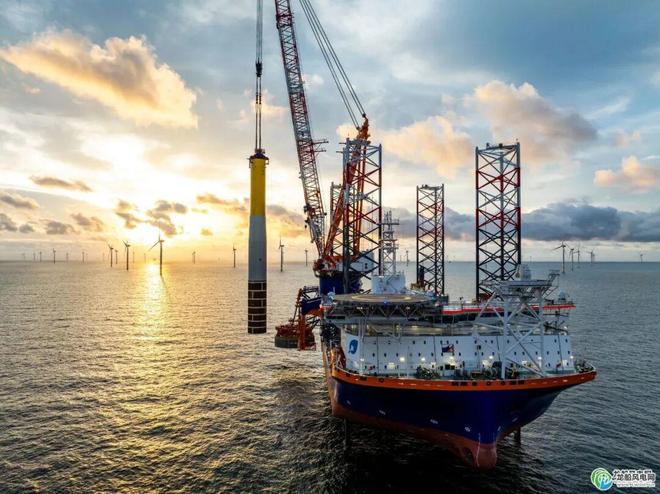
Core Insights - Amazon has signed a Power Purchase Agreement (PPA) with RWE to procure 110MW of electricity from the Nordseecluster B offshore wind farm in the North Sea, Germany [1][3] - The agreement supports Amazon's goal of achieving zero carbon energy and involves AWS providing cloud services, AI, and data analytics to assist RWE in its digital transformation [3] - The 110MW of electricity is expected to meet the annual power needs of over 139,000 German households [3] Project Details - The Nordseecluster B project is part of the second phase of the Nordseecluster offshore wind complex, co-owned by RWE and Norway's NBIM, located approximately 46 kilometers north of Borkum Island and 50 kilometers north of Juist Island, with a total capacity of 1600MW [3] - The first phase, Nordseecluster A, has a total capacity of 660MW and is currently under construction, with plans to be operational by early 2027 [3] - The Nordseecluster B project includes two wind farms (N-3.5 and N-3.6) with a total capacity of 900MW, expected to be commercially operational by 2029 [3] Previous Agreements - This PPA marks Amazon's fourth large offshore wind power purchase agreement in Germany, following agreements with Iberdrola for the Baltic Eagle and Windanker projects, and Ørsted for the Borkum Riffgrund 3 project [4]

硅谷狂投万亿美元,黄仁勋火上浇油:现在不烧,更待何时
3 6 Ke· 2026-02-08 09:04
2026年刚刚走过一个月,中国都还没有迎来农历新年,这一年的AI战事会是什么基调已经初现端倪。 随着硅谷巨头进入财报周,很明显的信号是新的一年AI投入会加大,光是谷歌母公司Alphabet、Meta、亚马逊、微软四家的相关投入就可能 高达6500亿美元,超过以色列一年的GDP总和。 更不要说甲骨文、特斯拉、xAI、OpenAI、Anthropic等玩家也在努力奋进,零零总总加起来,2026年这些公司围绕AI的投入可能要达到7500 亿美元了。 更不要提OpenAI还有"八年1.4万亿"的基建承诺,若按照平均值粗略计算进去,这个数字冲着万亿美元去了。 这实在是疯狂。 而在国内,大厂的支出虽然不像硅谷"七巨头"那样夸张,但同样可以看到保持或加大AI投入的决心。头部大厂一年的投入也已经来到了千亿 人民币的水平。 最明显的是,距离春节还有几天,腾讯、百度、阿里等大厂就已经迫不及待打起"春节AI红包大战",承诺的规模已经超过了45亿元。 2026年,注定是AI战事大开大合的一年。 硅谷狂投9250亿美元 硅谷巨头已经"疯"了。 在硅谷"七巨头"中,谷歌母公司Alphabet、微软、Meta、亚马逊四家2026年计划给A ...


狂砸7000亿美元,美国科技巨头加码投资AI引担忧:资源都被抢了
Guan Cha Zhe Wang· 2026-02-08 08:08
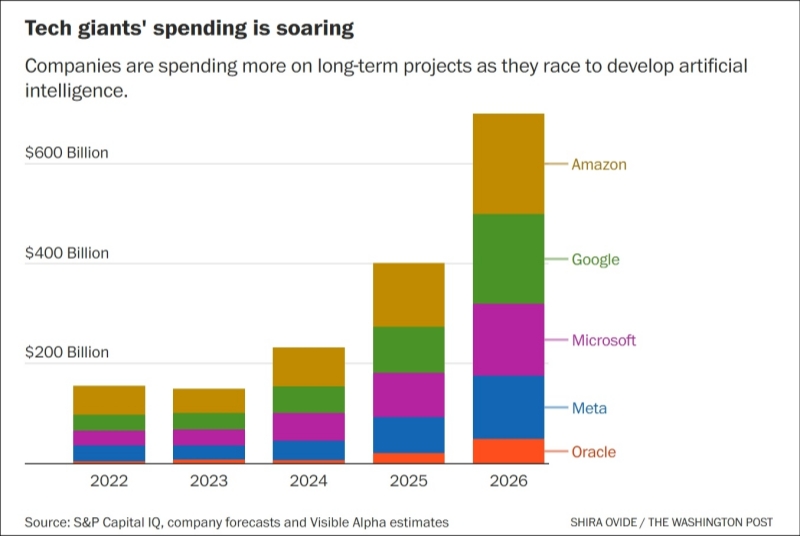
【文/观察者网 王恺雯】美国人工智能(AI)竞赛不断升温,五家科技巨头2026年资本支出飙升至近7000亿美 元,引发不少专家和投资人担忧。 《华盛顿邮报》2月7日刊文称,7000亿美元的人工智能投资狂潮堪称史无前例,而科技行业在该领域无止境的支 出,正在转移社会对其他经济领域的注意力,导致其他行业资源短缺。 "电工越来越难找,一些建筑项目被搁置。未来几年,智能手机的价格预计会越来越贵,其他有前景的创新也将缺 乏投资资金。"报道写道。 《华盛顿邮报》称,包括亚马逊、谷歌、微软、Meta和甲骨文在内的五家美国人工智能巨头今年总计将在大型项 目上投入约7000亿美元,用以建设配备强大计算机芯片的数据中心,增强人工智能的计算能力。这一支出规模几 乎比去年增加近一倍,相当于美国最近一年国防预算的四分之三。 美国五家科技巨头2026年预计资本支出 《华盛顿邮报》截图 科技公司表示,投资或举债开发AI,已经让它们从渴望使用这一技术的企业和消费者那里获得了更高的收入。但 批评人士担心,开发AI的前期成本巨大,除非AI能从根本上重塑生活、工作和经济,并为科技公司带来巨额新利 润,这些投资才可能获得回报。 根据摩根大通去年秋天 ...

美银Hartnett:小盘股比科技股更值得押注,科技巨头不再是赢家
Hua Er Jie Jian Wen· 2026-02-08 07:59
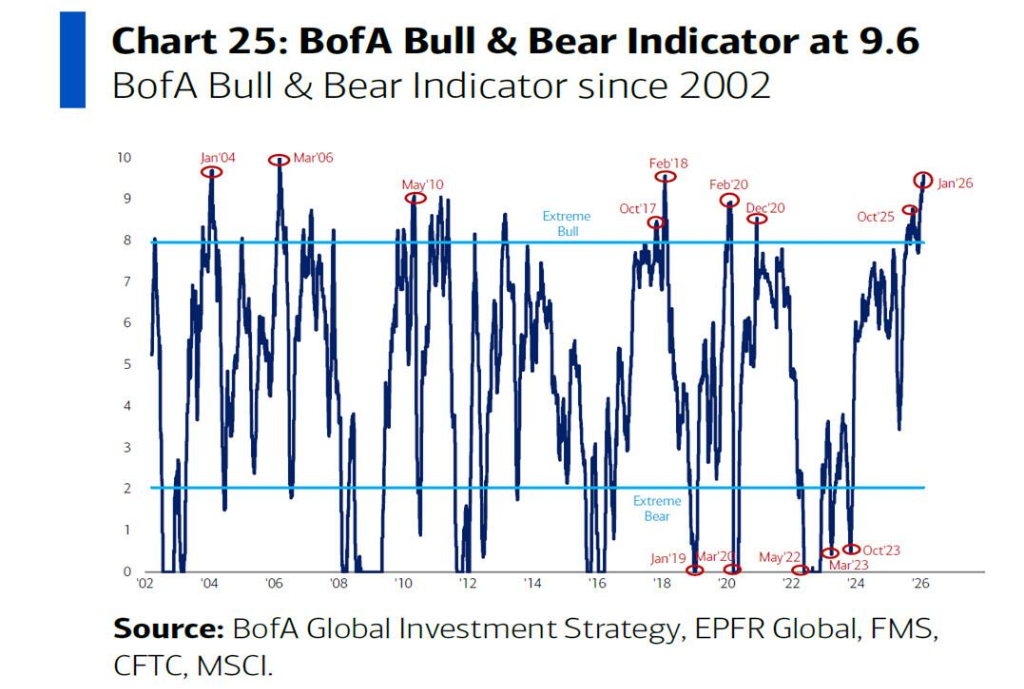
当华尔街"牛熊指标"(Bull & Bear Indicator)飙升至2006年以来的最高水平时,市场的每一次呼吸都充满了危险的味道。 一个月前,美银首席投资策略师Michael Hartnett重新设计的这一指标发出了明确的"卖出"信号。而截至目前,该指标已进一步攀升至9.6——一个 自2006年3月以来从未见过的极端读数。 Hartnett分析称,这是"仓位峰值、流动性峰值、不平等峰值"三重叠加的产物。 对于2026年的资产配置,Hartnett的结论简单而残酷:"做多主街,做空华尔街"( long Main St, short Wall St)。 换言之,资金应当从拥挤的科技巨头和加密货币中撤离,转向受益于实体经济复苏的小盘股和国际市场。 "牛熊指标"的警报 这一轮市场回调的路径,精准地印证了Hartnett的预警。 一月底,市场突然崩盘,软件股连续8天的创纪录暴跌,随后恐慌情绪如传染病般蔓延:白银价格崩盘,比特币创下自FTX丑闻以来的最大跌幅, 紧接着是多策略基金的去杠杆(degrossing)导致基差交易告急。 最终,随着谷歌(GOOGL)和亚马逊(AMZN)因资本开支指引飙升而股价重挫,这股寒意 ...

四大科技巨头今年欲砸6500亿美元加码AI,分析师:别为AGI“倾家荡产”
Di Yi Cai Jing· 2026-02-08 06:49
美国科技巨头大举"撒钱"的举动正令资本市场感到忧虑。 上周,在亚马逊宣布计划向人工智能(AI)及相关基础设施领域注资2000亿美元后,股价于6日早盘应 声下跌近9%。然而,市场的冷静反应并未浇灭这场AI投资热潮。根据谷歌、微软、亚马逊和Meta在近 日披露的最新资本支出计划,这四大科技巨头在2026年的开支总额预计将高达约6500亿美元。 在理论定义中,AGI被视为AI的终极状态,意味着系统能在会计、法律等多个白领专业领域达到并取代 人类的智力水平。 而驱动这些巨头"不计成本"投入的核心逻辑,很大程度上寄希望于通用人工智能(AGI)的实现,以及 随之而来的数万亿美元潜在回报。正如硅谷风投机构红杉资本(Sequoia Capital)合伙人卡恩(David Cahn)所言:"唯有AGI的实现,才能证成未来十年这一量级的投资提案。" 然而,业内对AGI实现路径正涌现出越来越多的怀疑。彭博行业研究高级中国科技分析师罗伯特·李 (Robert Lea)在接受第一财经记者采访时表示,鉴于当代AI模型存在根本性的逻辑缺陷且方法论较为 单一,仅仅通过扩展现有模型,即行业目前盛行的做法,不太可能实现AGI。 模式识别并非真智 ...
计算机周观察20260208:AI军备竞赛持续升级,关注高壁垒软件及云服务
CMS· 2026-02-08 06:42
证券研究报告 | 行业定期报告 2026 年 02 月 08 日 AI 军备竞赛持续升级,关注高壁垒软件及云服务 计算机周观察 20260208 TMT 及中小盘/计算机 海外互联网大厂发布季报,资本开支持续超预期。过去一周,微软、META、 亚马逊、谷歌等海外科技大厂先后发布季度财报,四家公司明确表示将持续扩 大 AI 领域的相关投资。SaaS 商业模式遭受质疑,关注高壁垒软件及云服务。 ❑ 亚马逊 AWS 超预期大增,资本开支持续扩大影响自由现金流。亚马逊 25 财 推荐(维持) 行业规模 | | | 占比% | | --- | --- | --- | | 股票家数(只) | 285 | 5.5 | | 总市值(十亿元) | | 3.8 | | 流通市值(十亿元) | | 3.8 | 行业指数 % 1m 6m 12m 绝对表现 2.2 8.8 26.8 相对表现 5.3 -4.1 6.0 资料来源:公司数据、招商证券 -30 -20 -10 0 10 20 30 40 Feb/25 May/25 Sep/25 Jan/26 (%) 计算机 沪深300 相关报告 1、《板块配置进一步下降,服务器、 智驾获机 ...
大手笔AI投资之后:亚马逊、谷歌、Meta要花光现金流了?
硬AI· 2026-02-08 06:18
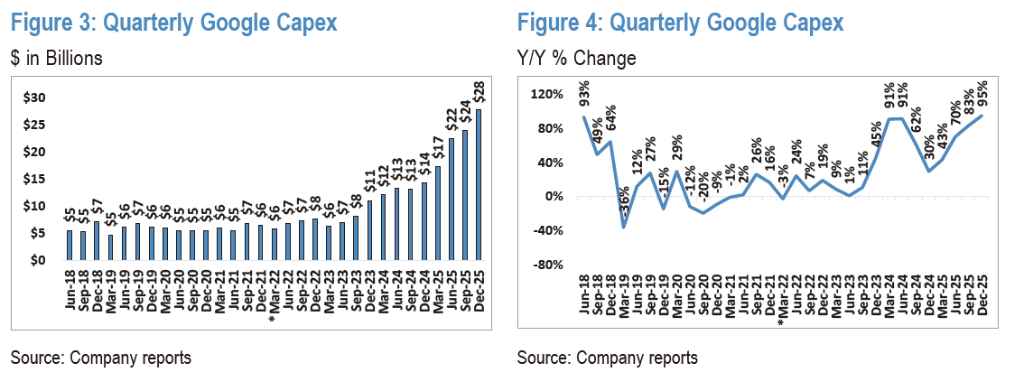
Core Viewpoint - The article highlights a looming cash flow crisis for major tech companies, with a projected capital expenditure of $645 billion by 2026, raising concerns about their ability to convert investments into tangible revenue growth [2][34]. Group 1: Capital Expenditure Projections - The total capital expenditure for the four major U.S. cloud giants—Amazon, Google, Meta, and Microsoft—is expected to reach $645 billion by 2026, a 56% year-over-year increase, with an additional $230 billion in new spending [3]. - Google's capital expenditure guidance has been raised to between $175 billion and $185 billion for 2026, reflecting a staggering 97% year-over-year growth [5]. - Amazon's capital expenditure is projected at approximately $200 billion for 2026, a 52% increase, but its operating cash flow is estimated to be only $178 billion, leading to a significant cash outflow [10]. Group 2: Financial Health and Cash Flow - Meta's capital expenditure is expected to grow by 75% to between $115 billion and $135 billion, which will nearly eliminate its free cash flow, straining its previously strong financial position [15]. - Microsoft is projected to have a capital expenditure exceeding $103 billion, a growth of over 60%, but is expected to generate around $66 billion in free cash flow, allowing it to cover its substantial spending [23]. - Oracle's net debt has surged to $88 billion, more than double its EBITDA, serving as a cautionary example of excessive leverage [29][30]. Group 3: Shareholder Returns and Financial Strategies - The ability of tech giants to return capital to shareholders through stock buybacks is under pressure, with Meta likely to reduce its buyback efforts due to shrinking free cash flow [21]. - Google and Meta paid approximately $10 billion and $5 billion in dividends, respectively, which may further strain their cash flow in the coming year [22]. - Amazon has not engaged in stock buybacks since 2022 and has never paid dividends, making it less vulnerable to cash flow pressures in this regard [22]. Group 4: Debt Management and Future Outlook - Google maintains a "zero net debt" status, with cash reserves of $127 billion exceeding its $47 billion debt, indicating a strong financial position despite increased spending [32]. - Amazon holds $123 billion in cash and has issued $15 billion in bonds, preparing for potential large-scale debt issuance to manage its cash flow challenges [32].

大手笔AI投资之后:亚马逊、谷歌、Meta要花光现金流了?
Hua Er Jie Jian Wen· 2026-02-08 05:23
随着AI基础设施建设的军备竞赛进入"深水区",一个令投资者不安的转折点已然浮现:为了支撑AI算力需求,亚马逊、谷歌和Meta正面临自由现 金流被耗尽甚至透支的风险。 根据摩根大通2026年2月5日发布的研究报告,美国四大云巨头——亚马逊、谷歌、Meta和微软,2026年总资本支出预计将达到6450亿美元,同比 激增56%,新增支出将达到惊人的2300亿美元。 对于投资者而言,2026年,或将是紧盯科技巨头资产负债表的一年。 谷歌的97%增速与亚马逊的"现金赤字" 在这场基建狂潮中,谷歌的投入非常激进。 2026年,谷歌的资本支出指引已上调至1750亿至1850亿美元,同比增速高达97%,其资金正疯狂涌向服务器和技术基础设施。 如果说谷歌还只是在"疯狂花钱",那么亚马逊则堪称"透支未来"。 2026年,亚马逊的资本支出指引约为2000亿美元(同比增长52%)。但问题的核心在于,亚马逊赚回来的现金已经盖不住支出了——据标普全球 市场分析师预测,亚马逊2026年的运营现金流(OCF)约为1780亿美元。 这意味着,亚马逊的资本支出将超过其运营现金流,导致实质性的现金净流出(Burn Cash)。此外,据《The I ...
豪赌!四家巨头狂砸4.6万亿押注AI!“没有一家愿意输!”黄仁勋力挺:AI需求火爆,庞大支出合理、可持续
雪球· 2026-02-08 05:04
Group 1 - The core viewpoint of the article is that major tech companies are significantly increasing their capital expenditures on AI infrastructure, with a total expected spending of $660 billion (approximately 4.58 trillion RMB) this year, which is a 60% increase compared to 2025 and more than double the spending of 2024 [4][5] - Companies like Amazon, Google, Meta, and Microsoft are leading this investment trend, with Amazon projected to spend $200 billion by 2026, exceeding analyst expectations by 38% [5] - The competition among these tech giants has shifted from business operations to a focus on the underlying computational power needed for AI, indicating a strategic pivot in the industry [5][6] Group 2 - The massive capital expenditures have raised concerns about the financial performance of these companies, leading to a collective decline in their stock prices, with Google, Microsoft, Amazon, and Meta experiencing drops of 4.48%, 6.77%, 12.11%, and 7.68% respectively [8] - Analysts predict that these high capital expenditures may negatively impact free cash flow, with forecasts indicating Amazon's free cash flow could be -$17 billion by 2026 and Alphabet's could plummet nearly 90% this year [10] - The market sentiment has shifted rapidly from fear of missing out (FOMO) to a defensive stance against tail risks, reflecting growing concerns over the sustainability of such high spending [8] Group 3 - NVIDIA's CEO Jensen Huang supports the substantial investment in AI infrastructure, describing it as reasonable and sustainable, driven by high demand for computational power [12][15] - Huang emphasizes that as long as companies continue to profit from AI, they will keep increasing their investments, highlighting the potential for ongoing growth in the sector [15] - He notes that this investment wave represents one of the largest infrastructure builds in human history, driven by the needs of AI companies and large-scale enterprises [15]