BIDU(BIDU)

Search documents
小度科技正式发布多模态AI智能助手“超能小度”
Huan Qiu Wang· 2025-11-14 08:56
Core Insights - The article discusses the launch of Baidu's upgraded multimodal AI assistant, "Super Baidu," which aims to revolutionize human-computer interaction and enhance smart hardware experiences [1][3]. Group 1: Product Launch and Features - Baidu's new AI assistant, Super Baidu, has been officially launched at the Baidu World Conference, along with new hardware products including the Baidu AI Glasses Pro and smart cameras [1][3]. - Super Baidu features advanced multimodal interaction capabilities, allowing it to understand the real world through voice, visual, and spatial information [3]. - The AI assistant can perform tasks such as taking photos, recognizing information, and generating reminders based on user commands, enhancing convenience in daily activities [3][4]. Group 2: Applications and Use Cases - The "AI Meeting Minutes" feature allows for recording, transcription, and intelligent summarization of meetings, including the ability to match visual materials to notes [3][4]. - Super Baidu introduces the "AI Care" function for home monitoring, providing customized reminders for specific behaviors of children and pets, and can actively intervene when necessary [4]. - The assistant is also positioned as a health manager for elderly family members, offering medication reminders and dietary suggestions [4]. Group 3: Market Strategy and Industry Impact - Baidu aims to open up the capabilities of Super Baidu to various industries, including smart hotels, elderly care, smart appliances, and AI toys, promoting a broader adoption of AI technologies [5]. - The company emphasizes a collaborative approach to enhance user experiences across different sectors by leveraging the capabilities of Super Baidu [5].


AI云下半场打响,谁是真正的六边形战士?
佩妮Penny的世界· 2025-11-14 08:39
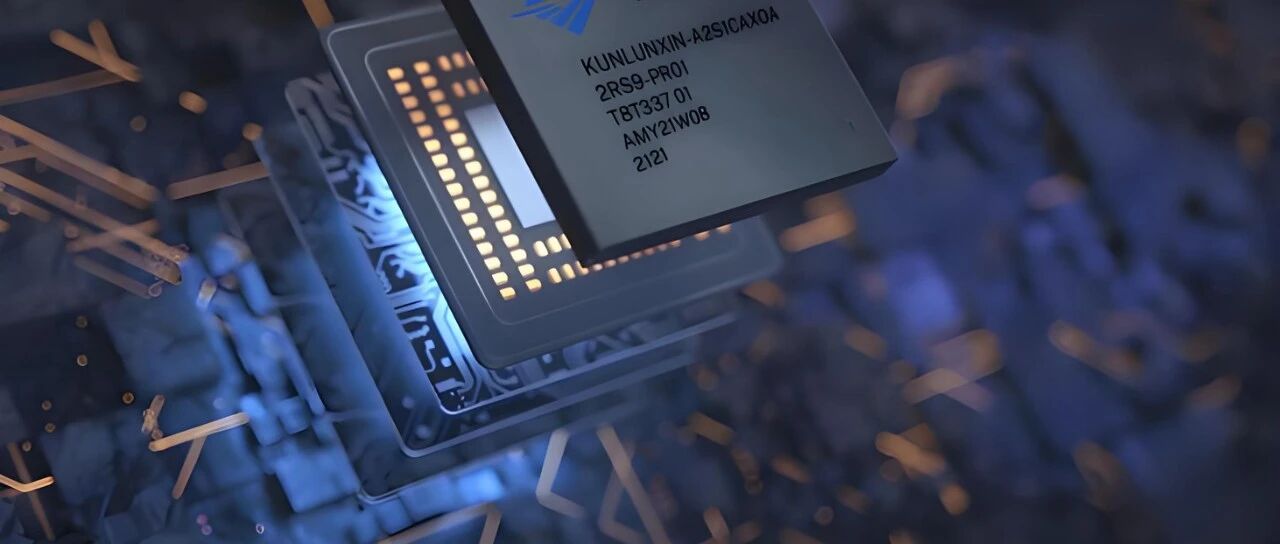
Core Insights - The article discusses the evolution of AI from model competition to a comprehensive infrastructure competition, emphasizing the importance of computing power as the "new oil" [2][3]. Group 1: AI Infrastructure - The AI infrastructure consists of a full chain including chips, computing power, models, platforms, applications, and commercialization ecosystems [3]. - Self-developed chips are crucial for optimizing computing power, reducing costs, and ensuring better integration with business needs [4][5]. - Cloud service providers play a key role in AI infrastructure, with AI cloud being an advanced version that integrates AI chips, models, algorithms, and application ecosystems [7]. Group 2: Market Dynamics - The global cloud computing market is growing rapidly, with China's annual growth rate reaching 35%, and AI-related revenues are increasing at an even faster pace [8]. - In the AI public cloud segment, Baidu Smart Cloud holds a 24.6% market share and has become the first domestic provider to announce profitability in AI cloud services [8][10]. Group 3: AI Chip Development - Baidu has developed the Kunlun chip, optimized for large-scale inference scenarios, with new models like M100 and M300 being introduced [11]. - Baidu has also made advancements in multi-card clusters for the MOE architecture, with products like "Tianchi 256" and "Tianchi 512" capable of training trillion-parameter models [12]. Group 4: Comprehensive AI Ecosystem - Baidu has established a complete domestic stack system for AI, integrating Kunlun chips and the Baijiao AI computing platform for efficient task management [16]. - The company serves over 460,000 enterprise clients and has developed more than 1.3 million platform agents to assist various industries [18]. Group 5: User-Friendly AI Development - The newly launched "Miaoda 2.0" platform allows non-technical users to create applications without programming knowledge, enhancing accessibility [19]. - Baidu's Qianfan platform integrates the latest Wenxin large model and over 150 mainstream models, providing a rich development ecosystem [20]. Group 6: Competitive Landscape - The article compares Baidu's comprehensive layout to Google's, highlighting the importance of having full-stack capabilities in the AI cloud market [25]. - Companies with full-stack capabilities will be able to provide powerful, stable, low-cost, and controllable AI computing power, becoming the digital foundation of the intelligent era [25].
这届百度文心杯有点料:看到了AI应用创业的最新趋势、最大机会
投资实习所· 2025-11-14 08:30
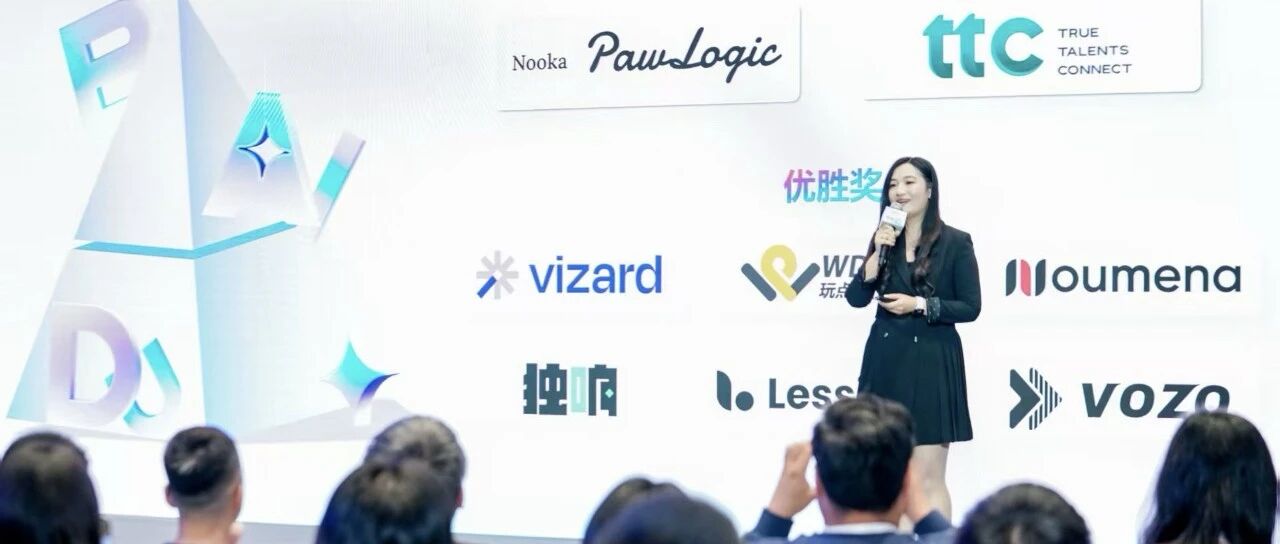
Core Insights - The article discusses the trends in the AI startup ecosystem, particularly focusing on the results of the Baidu Wenxin Cup Entrepreneurship Competition, which attracted nearly 1,000 teams globally and highlighted the growing interest in AI applications across various sectors [1][13]. Group 1: Winning Projects - Eight winning projects were selected, showcasing diverse applications of AI, including recruitment, content automation, and travel services [2][5]. - Notable projects include Lessie AI, which focuses on AI-driven recruitment, and Nooka, which transforms books into interactive audio formats [4][5]. Group 2: Trends in AI Applications - The competition revealed a shift from text-based applications to multimodal projects, indicating a significant evolution in AI technology [10]. - The participating teams are characterized by their openness, professionalism, and youthfulness, with 50% of founders being born in the 1990s and over 40% having backgrounds in top tech companies [10]. Group 3: Baidu's Support and AI Development - Baidu has provided substantial financial support to winning teams, totaling hundreds of millions in funding over three years [13]. - The company announced updates to its AI products, including the launch of a new generation of Kunlun chips and the Wenxin 5.0 model, enhancing capabilities for entrepreneurs [15][14]. Group 4: Internalizing AI Capabilities - Baidu's founder emphasized the importance of "internalizing AI capabilities," suggesting that AI should become an integral part of organizational processes rather than just a tool [16][18]. - This approach aims to transform AI from a cost into a productivity enhancer, allowing businesses to leverage AI for greater efficiency and value creation [16][20]. Group 5: Future of AI Industry Structure - The article suggests a shift in the AI industry structure from a traditional pyramid to an inverted pyramid, where the application layer becomes the largest profit generator [20][21]. - For this to happen, companies must integrate AI deeply into their operations, enabling them to create real value through AI applications [21].
高交会AI+机器人首单出炉 星尘智能、百度、极数迭代签署订单与战略合作
Zheng Quan Shi Bao Wang· 2025-11-14 08:03
Core Insights - The collaboration between Stardust Intelligence, Baidu Intelligent Cloud, and AIRS aims to innovate in embodied intelligence, focusing on technology cooperation, bulk procurement, and application implementation [1][2] - The partnership responds to the State Council's initiative on "Artificial Intelligence+" and seeks to create a comprehensive innovation system for embodied intelligence, integrating research, industry, and ecological resources [1][2] Group 1 - The initial project will develop a re-deployable AI robot platform, which will be applied in an AI training laboratory, allowing clients to train robots for high-precision tasks [1] - The collaboration emphasizes a "China solution" for high-potential scenarios across research, commercial, industrial, and public sectors [1][2] Group 2 - Stardust Intelligence will leverage its mass-produced rope-driven AI robot platform to enhance the development and validation of core models in perception, navigation, and operation [2] - Baidu Intelligent Cloud will provide a full-stack AI infrastructure, transferring its data collection and annotation capabilities from autonomous driving and internet sectors to the field of embodied intelligence [2] - Iteration will offer a complete toolchain for data collection, cleaning, processing, annotation, model training, and evaluation, aiming to standardize and scale embodied data solutions [2]

李彦宏,杀入新战场
Sou Hu Cai Jing· 2025-11-14 06:45
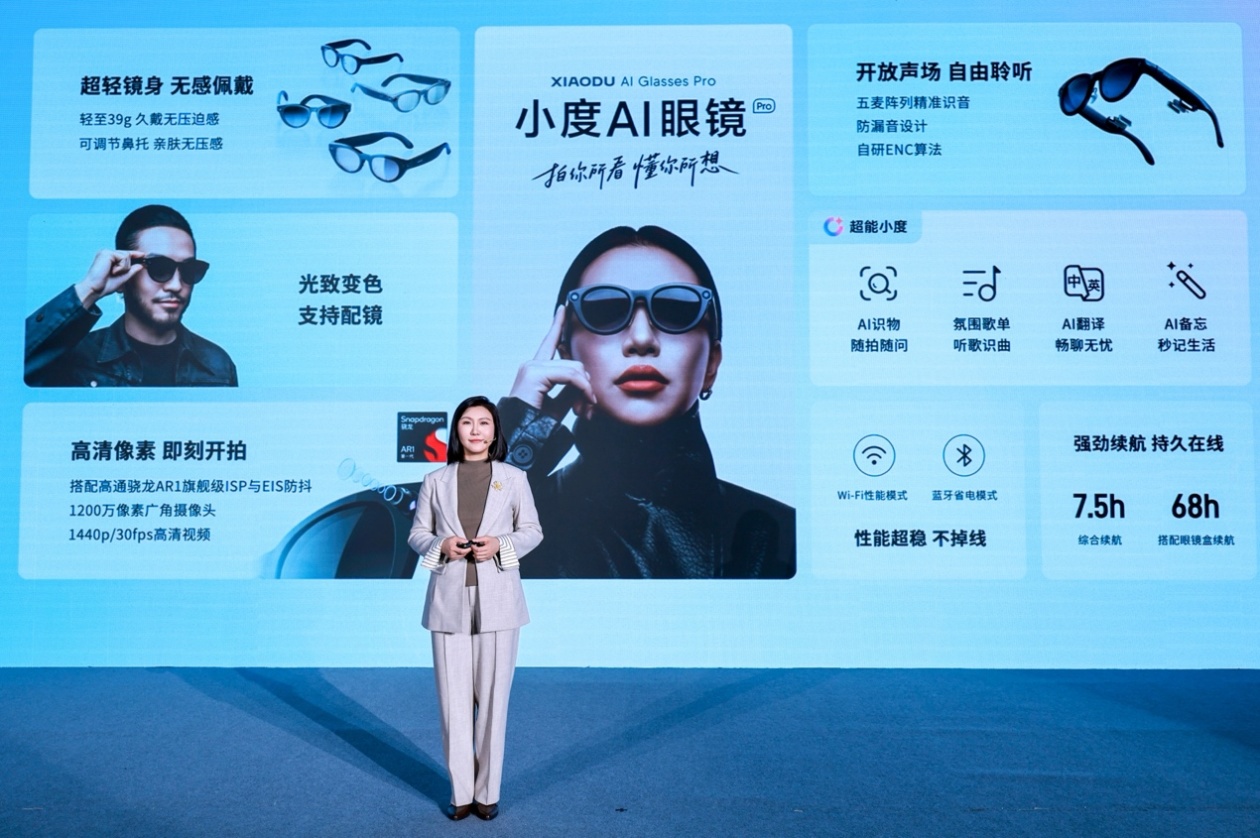
Core Insights - Baidu has officially launched its "Xiao Du AI Glasses Pro" priced at 2299 yuan, marking its return to the competitive smart glasses market after 11 years [2][3] - The product focuses on leveraging Baidu's AI ecosystem capabilities rather than hardware specifications, as it does not feature a display [2][3] Product Features - The Xiao Du AI Glasses Pro weighs 39 grams and includes a 12-megapixel wide-angle camera capable of recording 1440p video at 30fps, along with a five-microphone array and open-type speakers [5] - It has a built-in 173mAh battery, allowing for 30 minutes of recording, 3.7 hours of continuous listening, and a standby time of up to 24 hours; with the included charging case, total usage can extend to 68 hours [5] - The glasses integrate multimodal AI capabilities, offering features such as AI translation, object recognition, note-taking, and recording [5] Strategic Focus - Baidu's CEO, Robin Li, has emphasized the importance of strategic focus, reflecting on past failures to capitalize on early opportunities due to a lack of concentration on key areas [7][8] - The company has committed over 20% of its revenue to research and development, aiming to transform cutting-edge technologies into marketable products [8] Competitive Landscape - The smart glasses market is becoming increasingly competitive, with major players like Xiaomi, Huawei, and Alibaba entering the fray, initiating what is referred to as the "Hundred Glasses War" [12] - IDC forecasts that China's smart glasses market will see a shipment volume of 2.907 million units by 2025, representing a year-on-year growth of 121.1% [12] Market Challenges - The Xiao Du AI Glasses Pro lacks unique features compared to competitors and does not include a display, which may limit its appeal [12] - Baidu needs to address distribution challenges, including partnerships with traditional eyewear brands and enhancing online service experiences to improve market penetration [12]
2025年百度世界大会 | 李彦宏:AI效果涌现奔向超级智能
Sou Hu Cai Jing· 2025-11-14 06:22
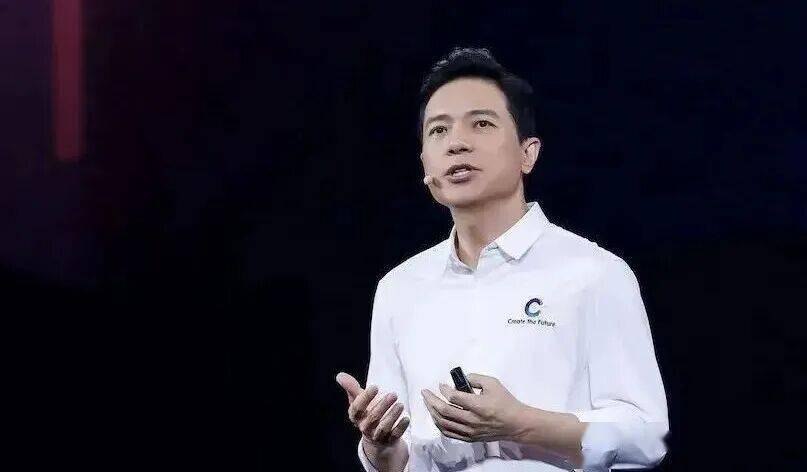
Core Insights - The core message emphasizes the necessity of internalizing AI as a native capability to trigger a comprehensive productivity revolution and drive economic growth, transitioning from "AI effect emergence" today to "superintelligence" tomorrow [1] AI Industry Structure - The AI industry structure is shifting from an unhealthy "pyramid" to a healthy "inverted pyramid," where the value generated by models is ten times that of chips, and AI applications can create a hundred times the value of models [3][4][6] - In the inverted pyramid structure, applications are the primary source of value creation, contrasting with the previous model where chips dominated the value distribution [4][6] Internalizing AI Capabilities - Internalizing AI capabilities transforms intelligence from a cost into a productivity driver, enhancing decision quality, discovering new growth points, reducing costs, increasing profit margins, and shortening innovation cycles [6][14] - Three representative application directions for enterprises to internalize AI capabilities include: 1. AI replacing repetitive tasks, exemplified by tools like Wenxin Kuai Ma for programming assistance [6] 2. Unlimited supply of productivity through AI-generated content, with 70% of search results now being AI-generated [6] 3. AI surpassing human cognition by discovering previously unknown solutions through extensive data processing [6] Digital Humans - Digital humans represent a new multimodal product form and serve as a universal interaction interface in the AI era, facilitating natural human-machine interactions across various sectors such as e-commerce, education, and healthcare [7][9] AI Transformation in Search - Baidu is leading the global AI transformation in search engines by reconstructing search result pages to prioritize rich media content over traditional text links, achieving a 70% coverage of rich media in top search results [9] Autonomous Vehicles - The advent of autonomous vehicles is expected to revolutionize urban living, with projections indicating a significant reduction in ride-hailing costs and a corresponding increase in demand, creating new possibilities for mobile living spaces [10] Global Optimal Solutions - Baidu introduced a self-evolving intelligent agent capable of finding global optimal solutions across various fields, including transportation, energy, finance, and drug development, by simulating evolutionary processes [10][11] Call to Action - A call for individuals and organizations to adapt their work methods by framing problems in a way that AI can address them, emphasizing the importance of internalizing AI as a native capability to realize its full potential [14]
发布即开放:百度猎户座葫芦里卖的什么药?
量子位· 2025-11-14 05:38
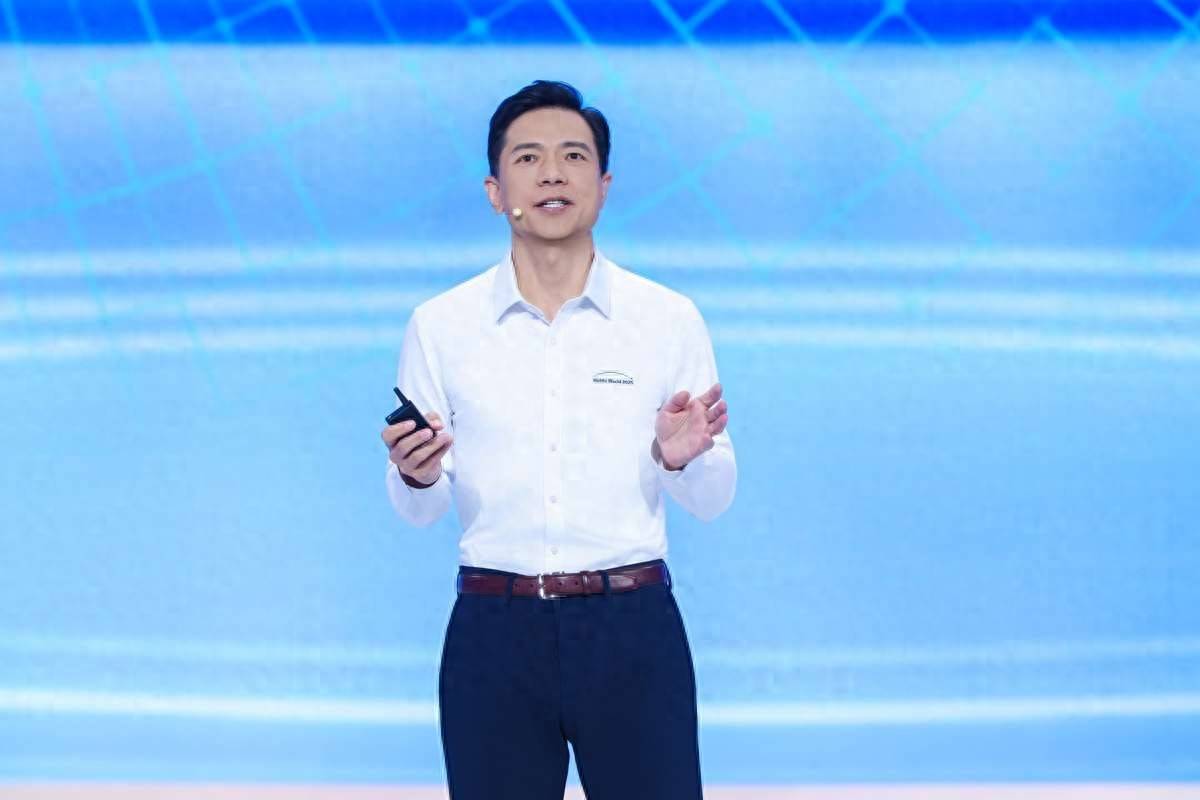
Core Viewpoint - The article discusses the launch of Baidu's new AI-powered search system, "Baidu Orion," which aims to transform traditional search into a more interactive and intelligent experience, capable of understanding user intent and executing complex tasks [5][10][22]. Group 1: Baidu Orion Overview - Baidu Orion is a multi-agent framework that enhances search capabilities by integrating AI APIs and a rich service ecosystem, allowing for task planning and execution [5][10]. - The system is designed to evolve search from merely providing answers to understanding user needs, remembering past interactions, and engaging in meaningful dialogue [6][13]. Group 2: User Experience Enhancements - Baidu Orion can break down user queries into multiple needs and generate comprehensive plans, making the search experience more intuitive and user-friendly [10][11]. - The system supports multi-modal outputs, providing results in various formats such as images, videos, and even generating custom content based on user requests [11][21]. Group 3: AI Content Generation - The AI capabilities of Baidu Orion allow it to create new content rather than just retrieving existing information, with daily AI content generation exceeding ten million and video model usage surpassing two million [21][22]. - This shift positions search as a creative tool, expanding its role from a simple query-response mechanism to a versatile assistant capable of generating tailored solutions [22]. Group 4: Industry Trends and Open Access - The article highlights a broader industry trend where search engines are evolving into foundational capabilities that can be accessed via APIs, allowing developers to integrate advanced search functionalities into their applications [23][24]. - Baidu has opened up access to Baidu Orion, enabling 625 companies across various sectors to leverage its search AI API, which encapsulates 25 years of search technology and authoritative content resources [23][24].

X @Bloomberg
Bloomberg· 2025-11-14 05:20
Market Performance - Baidu shares experienced the largest drop in seven months [1] - The decline was attributed to investor disappointment with the latest version of Baidu's AI model [1] - This setback diminishes hopes for Baidu to recover ground lost to competitors in the AI sector [1]
百度_百度世界大会要点_对人工智能举措、自动驾驶出租车及昆仑芯片持积极看法
2025-11-14 05:14
Summary of Baidu.com Inc. (BIDU) Conference Call Industry and Company Overview - **Company**: Baidu.com Inc. (BIDU) - **Industry**: Technology, specifically focusing on AI, cloud computing, autonomous driving (Robotaxi), and semiconductor (Kunlun chips) Key Highlights 1. AI Initiatives and Capital Expenditure - Baidu management believes in a 'Reverse Pyramid' structure for the AI ecosystem, where infrastructure and chip layers capture more value than applications and large language models (LLMs) [3] - The company is committed to capital expenditure in areas that can drive significant commercial value, particularly for both business-to-business (B2B) and business-to-consumer (B2C) applications [3] 2. Launch of Ernie 5.0 - Baidu introduced Ernie 5.0, which features a multi-modal mixture of experts (MOE) structure aimed at better understanding the physical world and user intentions [4] - The company sees digital humans as superior interaction tools compared to traditional text-based chatbots, with applications in live-streaming e-commerce and brand advertising [4] 3. Kunlun Chips Development - Kunlun has outlined a five-year plan, with two new chips set to launch in early 2026 and early 2027, addressing both inference and training demands [5] - The company has established a 30,000 chip cluster and aims for 100,000 clusters by 2030, with a long-term goal of reaching 1 million clusters [5] - The Kunlun P800 has garnered orders from various sectors, including internet platforms, telecommunications, finance, airlines, and government [5][8] 4. Robotaxi Expansion - Baidu's Apollo Robotaxi has recently achieved 250,000 weekly rides, totaling 17 million rides since its launch [9] - The unit economics have proven profitable in Wuhan, leading to expectations of continued rapid global expansion, currently covering 22 cities [9] - Future growth may depend on regulatory progress in the domestic market, but Baidu is optimistic about long-term prospects and is exploring both self-operated and asset-light models in collaboration with third-party ride-hailing services [9] 5. Search Engine Revamp - Approximately 70% of search queries are now covered by AI-generated content, particularly through multi-modal responses that include images and videos [10] - AI agents and digital humans are highlighted as key growth areas within Baidu's mobile ecosystem, with potential for overseas expansion, such as licensing digital assistant technology in Brazil [10] Additional Insights - Baidu's confidence in Kunlun chips as a critical component of its cloud capabilities is bolstered by a strong product launch plan and improvements in chip design and efficiency [8] - The company maintains a constructive outlook on its AI initiatives, Robotaxi business model, and cloud capabilities, indicating a strategic focus on innovation and market expansion [1][3] Risks and Considerations - Key risks include competition in the AI cloud space, potential delays in the ramp-up of Robotaxi fleets domestically, and a decline in search advertising revenues that could negatively impact margins and cash flow [15]
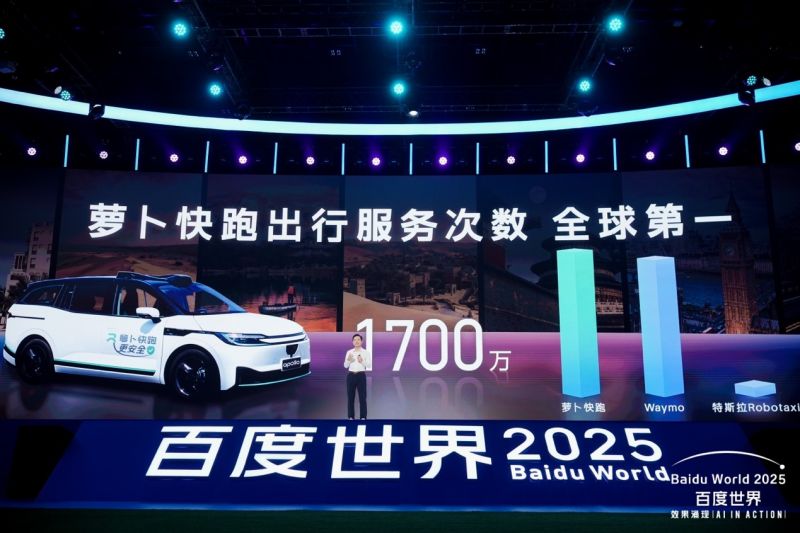
萝卜快跑每周全无人订单超25万 累计服务超1700万次
Zhong Guo Fa Zhan Wang· 2025-11-14 05:01
基于持续的全球规模化部署与关键的商业化突破,今年以来,萝卜快跑已在北京、上海、武汉、深圳、香港、迪 拜、阿布扎比等22座城市落地,全球自动驾驶总里程突破2.4亿公里,相当于绕地球6000圈。其中,全无人驾驶里 程达1.4亿公里。11月10日,萝卜快跑还获得阿布扎比首批全无人驾驶商业化运营许可,并与阿联酋无人驾驶出行 公司AutoGo扩大合作,建成当地最大规模的全无人商业化运营车队。 大会现场,李彦宏通过视频连线与阿布扎比团队实时互动,生动展示了萝卜快跑在当地的运营实况。全无人驾驶 车辆正在阿布扎比街头有序行驶,这一场景也印证了萝卜快跑在全球范围内的落地能力。 "从旧金山到洛杉矶,从阿布扎比到迪拜,无人驾驶正在给越来越多的城市生活带来颠覆性改变。它不只是改变交 通、出行,甚至会改变整个社会生态。"李彦宏表示,无人驾驶对交通出行效率和方式的变革,也将带来土地价 值、居住需求等城市空间的全面重构。 中国经济导报、中国发展网讯记者王晓涛报道"萝卜快跑每周的全无人订单数已经超过了25万,全球的出行服务次 数超过了1700万次,成为全球第一。"11月13日,百度创始人李彦宏在百度世界2025大会上表示,得益于行业领先 的 ...