BIDU(BIDU)

Search documents
传媒互联网行业周报:苹果下调中国应用商店佣金率,腾讯版“小龙虾”WorkBuddy正式上线
Guoyuan Securities· 2026-03-17 05:45
Investment Rating - The report maintains a "Recommended" investment rating for the media and internet industry [4] Core Insights - The media industry experienced a decline of 3.23% from March 9 to March 15, 2026, while the Shanghai Composite Index decreased by 0.70% and the Shenzhen Component Index by 0.76% [12] - Key sectors such as gaming, television broadcasting, film, advertising, digital media, and publishing saw respective declines of 3.45%, 1.70%, 4.18%, 3.83%, 3.36%, and 0.78% [12] - The report highlights significant developments in AI applications, gaming, and film sectors, indicating potential growth areas [8][36] Summary by Sections 1. Market Performance - The media industry (Shenwan) declined by 3.23% during the week of March 9-15, 2026, compared to a 0.19% increase in the CSI 300 index [12] - The gaming sector specifically saw a decline of 3.45% [12] 2. Key Industry Data 2.1 AI Applications - OpenRouter platform token call volume reached 16.9 trillion, up 14.19% week-on-week, with domestic models dominating the top five [18] - Notable downloads for AI applications on iOS included Deepseek at 31.13 million, with a week-on-week increase of 7.39% [18] 2.2 Gaming - Apple reduced the commission rate for in-app purchases in China from 30% to 25%, and for eligible small businesses from 15% to 12% [3] - The top five mobile games on iOS in China as of March 14, 2026, were "Honor of Kings," "Peacekeeper Elite," "Fearless Contract: Source Action," "Delta Action," and "Endless Winter" [22] - The overseas revenue for Chinese mobile games in February saw a significant increase of 221% [25] 2.3 Film - Domestic box office revenue for the week of March 9-15 was 372 million yuan, with 13 films set to release the following week [31] - The top film was "Racing Life 3," grossing 128.99 million yuan, accounting for 34.60% of the total box office [34] 3. Industry Key Events and Announcements - Tencent's AI assistant "WorkBuddy" was officially launched on March 9, 2026, enhancing productivity tools [35] - Nvidia introduced the Nemotron 3 Super AI model, featuring 120 billion parameters, significantly boosting throughput [35] - Baidu launched a zero-deployment service called DuClaw, facilitating easier access to AI tools [35] 4. Investment Recommendations - The report expresses optimism towards AI applications and cultural exports, recommending focus on gaming, IP, short dramas, marketing, and publishing sectors [36] - Specific companies highlighted for potential investment include Giant Network, Perfect World, and Mango Super Media among others [36]






阿里巴巴即将推出企业级AI旗舰应用;咸亨国际百万年薪招聘VLA大模型专家,持续加注机器人赛道丨AIGC日报
创业邦· 2026-03-17 00:09
Group 1 - Zhipu is set to release its first "Lobster Model" GLM-5-Turbo, optimized for the OpenClaw scenario, showing significant performance improvements over GLM-5 and leading several mainstream models in key tasks, resulting in a 10% stock price increase on March 16 [2] - Xianheng International is hiring VLA model algorithm experts with a million-dollar annual salary to develop and deploy VLA models in robotics, focusing on AI model applications in energy, transportation, and emergency sectors, with plans for "Centaur Robots" development starting in 2025 and humanoid robots in 2026 [2] - Alibaba is expected to launch a new enterprise-level AI Agent application developed by the DingTalk team, designed to provide enhanced capabilities over OpenClaw, including automated operations for computers and cloud servers, with built-in security features for data privacy [2] Group 2 - Baidu-supported BioMap, an AI life sciences company led by Li Yanhong, has reportedly submitted a listing application to the Hong Kong Stock Exchange, aiming to raise hundreds of millions of dollars, with plans for an IPO that has been in the works for over a year [2]



互联网传媒行业投资策略周报:苹果AppStore下调佣金费率,腾讯推出“龙虾全家桶”-20260315
GF SECURITIES· 2026-03-15 08:32
Core Insights - The report maintains a "Buy" rating for the internet media sector, highlighting strong growth potential in various sub-sectors such as e-commerce, social entertainment media, internet healthcare, short videos, and IP-driven markets [4][3] - The report emphasizes the positive impact of Apple's commission rate reduction on gaming companies, which is expected to enhance industry profitability [14][15] - The AI sector is anticipated to experience significant growth, with a focus on self-developed models and vertical integration in cloud and ecosystem services [22][4] E-commerce - The report notes that Alibaba's cloud services are expected to boost token usage and MaaS revenue due to the launch of lightweight cloud servers [4][17] - Meituan's management emphasizes a focus on core local business and AI as a major variable for future growth, while maintaining a significant market share in instant retail [14][15] Social Entertainment Media - Tencent's WeChat is projected to continue its strong monetization potential, while Bilibili's advertising growth is expected to lead the internet advertising market [4][18] - Bilibili's advertising revenue is forecasted to accelerate to a 27% growth rate in Q4 2025, benefiting from e-commerce and AI applications [18][4] Internet Healthcare - JD Health and Alibaba Health are leveraging their platform advantages to deepen collaborations with upstream pharmaceutical manufacturers, resulting in strong revenue and profit growth [4][18] Short Videos - Kuaishou is expected to benefit from technological advancements, with continued capital investment anticipated in 2026 [4][19] IP and Trendy Toys - Pop Mart is actively releasing and promoting new IPs, with plans to enhance collaboration with overseas designers to penetrate international markets [4][19] Long Videos - The report indicates that membership and advertising revenues in the long video sector are stabilizing, with companies exploring new business opportunities [4][19] Music Streaming - The music streaming sector is experiencing healthy membership growth, with strategies in place to optimize ARPU [4][19] Gaming - The report remains optimistic about the gaming sector's performance, with recommendations for companies like Century Huatong and Giant Network, which have strong product pipelines and sustainable growth [20][4] - The gaming industry is expected to maintain its favorable outlook into 2026, driven by fundamental performance [20][4] Advertising - The report highlights significant increases in internet advertising investments, particularly for companies like Focus Media, which is expected to benefit from upcoming major events [20][4] AI - The report anticipates a new wave of value reassessment in AI, with a focus on high customer unit prices and increased penetration rates [22][4]

“十五五”规划纲要计算机行业解读:智能经济启航,AI Agent主导未来五年AI叙事
Zhong Guo Yin He Zheng Quan· 2026-03-15 03:24
Investment Rating - The report maintains a "Buy" rating for the computer industry [4] Core Insights - The "14th Five-Year Plan" emphasizes the core strategic position of artificial intelligence (AI) in national development, with the term "artificial intelligence" appearing 30 times, compared to only 6 times in the previous plan [6][8] - The next five years will see AI Agents as the driving force for economic transformation, with a focus on high-value AI Agent growth leading to significant value creation [6][10] - The demand for intelligent computing power is expected to rise significantly, with projections indicating that by 2028, intelligent computing power will account for over 95% of total computing power in China [6][12] - The report highlights the emergence of "Token inflation" due to the rapid growth in AI model usage, with a projected annual Token consumption increase from 0.0005 PetaTokens in 2025 to 152,667 PetaTokens by 2030, reflecting a CAGR of 3418% [6][24] - Investment opportunities are identified in AI-native application companies, edge AI technologies, domestic computing power chain replacements, and collaborative infrastructure for computing and electricity [6][38] Summary by Sections Section 1: The "14th Five-Year Plan" as a Key Period for Intelligent Economy - The plan introduces the concept of "intelligent native," suggesting AI may become a new production factor [11] - The intelligent economy will drive the reconstruction of AI factor value [13] Section 2: Outlook for the "14th Five-Year Plan" - The intelligent economy is set to initiate a rapid explosion in Token usage, with AI Agents transitioning from cost centers to profit centers [17][38] - The report anticipates a significant increase in the number of active AI Agents, from approximately 28.6 million in 2025 to 2.216 billion by 2030, with a compound annual growth rate (CAGR) of 139% [24] Section 3: Comprehensive Upgrade of AI Factors During the "14th Five-Year Plan" - The report emphasizes the importance of high-quality data sets as a core barrier for building irreplaceable AI Agents [16] - The demand for high-quality, proprietary data sets is expected to surge, with a focus on transforming data resources into valuable assets [16] Section 4: Investment Recommendations - The report suggests focusing on AI-native application companies capable of generating scalable revenue, as well as companies that integrate AI Agents with vertical industry know-how [6][38] - Specific companies to watch include Horizon Robotics, JingTai Holdings, Meitu, and others [6]


“养虾热”带火Mac mini,华强北多个销售档口已断货;大四学生AI项目登GitHub榜首,获陈天桥3000万投资丨AI周报
创业邦· 2026-03-15 01:32
Core Insights - The article highlights significant developments in the AI industry, focusing on funding rounds, product launches, and strategic shifts among key players in the market. Group 1: Funding and Valuation - Cursor, an AI programming startup, is negotiating a new funding round with a potential valuation of $50 billion, up from $29.3 billion in its last round where it raised $2.3 billion [7][8] - Yann LeCun's new startup raised over $1 billion in the largest seed funding round in Europe, with a valuation of $3.5 billion [12][13] Group 2: Product Launches and Innovations - Baidu launched the world's first mobile lobster application, "Red Hand Operator," which allows users to command their phones to perform tasks [8][21] - Tencent introduced "SkillHub," a localized AI Skills community for Chinese users, enhancing the functionality of AI tools like OpenClaw [10][12] - OpenAI plans to integrate its AI video generator Sora into ChatGPT, expanding its capabilities in multimodal AI technology [12][36] Group 3: Market Trends and User Adoption - The "lobster" AI trend has significantly boosted sales of Mac mini devices, as users prefer to deploy OpenClaw on compatible hardware [20][21] - The popularity of AI tools has led to increased demand for training technical workers, with BlackRock investing $100 million to train electricians and other skilled workers to meet future AI infrastructure needs [22][23] Group 4: Corporate Strategies and Changes - Atlassian announced a 10% workforce reduction to adapt to the rise of AI, emphasizing the need for restructuring to invest in AI and sales [22] - Nvidia plans to invest $26 billion over the next five years to develop open-source AI models, marking a strategic shift from being a chip manufacturer to a full-stack AI laboratory [23][36] Group 5: Regulatory and Security Concerns - The Ministry of Industry and Information Technology in China warned about security risks associated with OpenClaw, advising users to manage permissions and configurations carefully [35][36] - Concerns regarding the ethical implications of AI in military applications have led to the resignation of OpenAI's robotics head, highlighting the need for careful consideration of AI's role in national security [36][37]




怒怼腾讯后,龙虾之父点赞百度,度娘反手就给龙虾打钱。网友:鹅厂也要加油啊
程序员的那些事· 2026-03-14 14:10
Group 1 - Tencent and Baidu engaged in promotional events featuring lobster installations, with Tencent's event on March 6 and Baidu's events on March 9 and 11 [2][3] - OpenClaw founder Peter criticized Tencent for high server costs and lack of sponsorship, prompting Tencent to offer sponsorship later [2][3] - As of the article's publication, Tencent's sponsorship had not yet materialized [3] Group 2 - Peter praised Baidu's "Lobster Market" event, expressing a welcoming attitude towards sponsorship [5] - Baidu responded positively to Peter's comments, indicating a willingness to connect [6] - On March 13, Baidu announced its formal sponsorship of the OpenClaw community, becoming the first major domestic company to do so [8][9] Group 3 - Baidu's sponsorship received widespread acclaim online, with many praising the initiative as beneficial for the open-source community [11][13] - There were calls for Tencent to follow suit and expedite its sponsorship efforts [14]
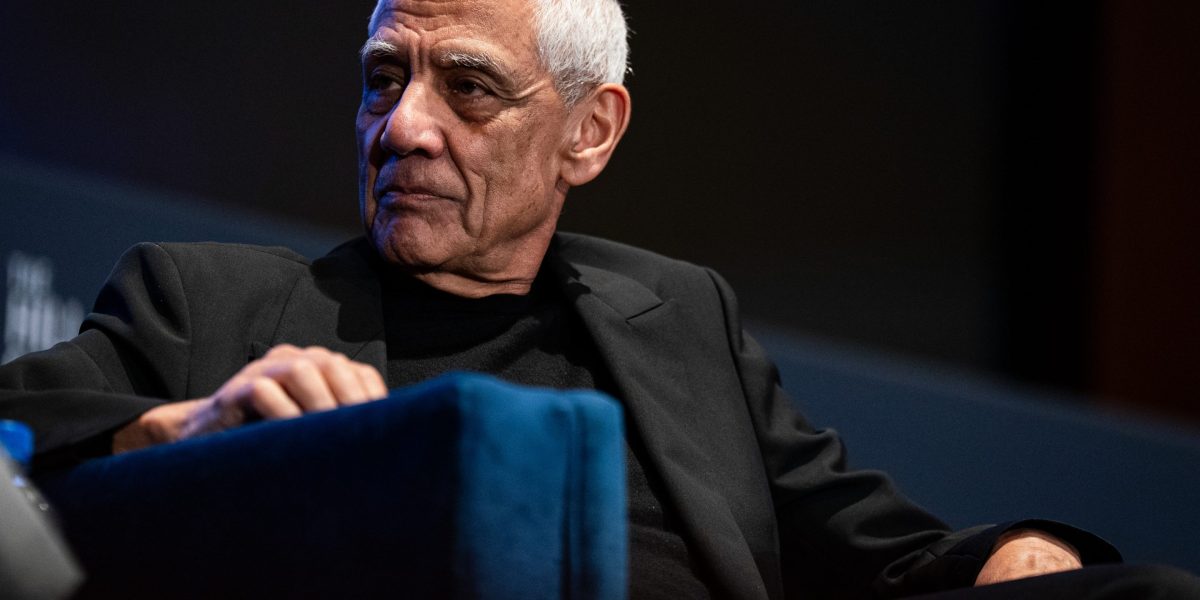
OpenAI’s original VC bet: How Vinod Khosla stepped in after Elon Musk balked
Fortune· 2026-03-13 11:55
Investment Overview - Vinod Khosla made a significant investment of $50 million in OpenAI at a $1 billion valuation, marking the largest initial check in his 40-year career by a factor of two [2] - OpenAI has since transformed into a public-benefit corporation and granted Microsoft a 27% stake valued at approximately $135 billion, part of over $13 billion in total investment [2] - As of late February, OpenAI's valuation was estimated between $730 million and $840 million, up from about $300 billion earlier that year, indicating Khosla's investment could now be worth billions [2] Strategic Insights - Khosla viewed the investment as a strategic move to counter the dominance of Chinese AI efforts and to support the democratization of AI [3] - He emphasized that the competition in AI will focus on compute power and long-term research rather than short-term benchmarks [4] Market Position - OpenAI is recognized as a leader in the AI space with 900 million active weekly users and a strong brand presence [4] - Khosla identifies credible competitors such as Google, Anthropic, and Meta, suggesting that the best AI model could change every six months [4]
OpenClaw「App」榜单,国产Skill下载量冲上第一:能给龙虾接入现实世界
机器之心· 2026-03-13 10:41
Core Viewpoint - OpenClaw, an intelligent agent operating system, has gained significant popularity, with over 22,000 skills available for installation, allowing users to enhance the capabilities of AI agents beyond simple text generation and chatting [2][3]. Group 1: Skills and Functionality - Skills in OpenClaw serve as applications that provide specific capabilities to AI agents, enabling them to perform concrete tasks [2]. - The search skills are highlighted as essential infrastructure, allowing AI agents to access real-time information and enhance their decision-making processes [3][19]. - Baidu's search tool has become the most downloaded search engine skill globally, indicating its importance for Chinese users seeking authoritative information [3][5]. Group 2: Practical Applications - Real-world applications of the Baidu search skill demonstrate its effectiveness in providing timely and accurate information, such as summarizing sports events and retrieving concert details [7][10][17]. - The integration of Baidu's search and encyclopedia skills allows for a more comprehensive understanding of complex topics, enhancing the AI's ability to provide structured and relevant information [8][25]. Group 3: Competitive Advantage - The article emphasizes the necessity of local search skills, as overseas tools often fail to capture the depth of Chinese content and context, leading to inaccuracies [19]. - Baidu's skills are positioned as a mature solution tailored for the Chinese market, providing a competitive edge over generic overseas tools [20][28]. Group 4: Ecosystem Development - Baidu has developed a comprehensive suite of skills that cover various domains, including knowledge retrieval, academic research, and commercial decision-making, indicating a robust ecosystem [22][28]. - The shift towards practical applications and local adaptation in the agent landscape is crucial for the successful deployment of AI solutions in production environments [30][32].

韩国散户近月大举买入中国电力机械等HALO资产
Mei Ri Jing Ji Xin Wen· 2026-03-13 08:21
Group 1 - South Korean retail investors have significantly increased their net purchases of Chinese assets, particularly in sectors such as power equipment, engineering machinery, and chemicals, which are classified as HALO assets by Goldman Sachs [1] - The top net bought A-shares by South Korean investors include companies like SANY Heavy Industry, China Power Construction, and Guangxun Technology, while the leading Hong Kong stocks include China Energy Construction and Baidu [1] - The current trend indicates that as risk appetite rises among investors, there is a shift towards HALO assets, suggesting that AI technology stocks are perceived to be overvalued [1] Group 2 - The performance of US tech stocks has been mediocre this year, while the South Korean stock market has shown strong growth but recently experienced volatility [1] - Global capital is increasingly seeking certainty in investments, especially following geopolitical events in the Middle East, indicating that HALO assets are unlikely to be replaced by AI and some sectors are entering a price increase cycle [1]





全球大公司要闻 | 半导体涨价潮再起,寒武纪首现年度盈利
Wind万得· 2026-03-13 00:42
Group 1: Semiconductor Industry - The global semiconductor industry is experiencing a new wave of price increases, with Texas Instruments, NXP, and Infineon notifying customers of price hikes effective April 1, with Texas Instruments seeing increases of up to 85% on some products [2] - Infonion's mainstream products are expected to rise by 5% to 15%, with some high-end products potentially increasing even more [2] Group 2: AI and Technology Developments - Nvidia announced a $26 billion investment over the next five years to develop open-source AI models, transitioning from an AI chip manufacturer to a leading model laboratory, directly challenging companies like OpenAI [2] - Cambricon achieved its first annual profit, projecting a net profit of 2.059 billion yuan for 2025, a significant turnaround from losses, with revenues of 6.497 billion yuan, marking a 453.21% year-on-year increase [2] Group 3: Automotive Innovations - Tesla unveiled its third-generation humanoid robot at AWE 2026, planning to start production by the end of the year with a long-term capacity target of 1 million units [3] - The new driverless taxi, Cybercab, has officially rolled off the production line and is set to begin mass production in April, with plans to produce hundreds of units weekly [3] Group 4: Financial Performance of Companies - Tencent is developing an independent AI model for WeChat, expected to be operational by 2026, aimed at enhancing the mini-program ecosystem [5] - Citic Securities confirmed that its Hong Kong subsidiary is under investigation by the Hong Kong Securities and Futures Commission and the Independent Commission Against Corruption, with ongoing monitoring of the situation [5] - Victory Technology reported a revenue of 19.292 billion yuan for 2025, a 79.77% increase year-on-year, with a net profit of 4.312 billion yuan, up 273.52% [6] - Li Auto's Q4 2025 revenue totaled 28.8 billion yuan, a 35% decrease year-on-year, with a net profit of 20.2 million yuan, down from 3.5 billion yuan the previous year [6] Group 5: International Business Developments - Amazon plans to move its 2026 Prime Day sales event from July to June to stimulate sales growth earlier in the year [9] - Microsoft and Meta have committed nearly $100 billion in new data center leases, pushing the total global data center leasing commitments to over $700 billion [9] - FedEx's market capitalization has surpassed UPS for the first time, becoming the leading package delivery company in the U.S. [10]