Alphabet(GOOGL)

Search documents
How Samsung’s AI Drive Helps Alphabet’s (GOOGL) Gemini Ambitions
Yahoo Finance· 2026-01-07 11:50
Core Viewpoint - Alphabet Inc. is positioned as one of the top American stocks to buy and hold in 2026, bolstered by Samsung's commitment to integrate Google Gemini AI features into its smartphones, significantly increasing the potential user base for Alphabet's AI technology [1][2]. Group 1: Samsung Partnership and AI Development - Samsung plans to double the number of smartphones featuring Google Gemini-backed 'Galaxy AI', increasing the total to 800 million devices [1]. - This partnership enhances Alphabet's competitive stance against OpenAI, particularly following the recent launch of OpenAI's GPT-5.2 model [2]. - Samsung's President emphasized the urgency of applying AI across all products and services, indicating a strong commitment to rapid AI deployment [2]. Group 2: Stock Performance and Analyst Projections - Over the past month, Alphabet's stock has outperformed the market, gaining 6.8% [3]. - Analyst Doug Anmuth from JPMorgan predicts a further 23% surge in stock value by 2026, driven by Alphabet's leadership in full-stack AI and growth in Google Cloud [3]. - Mizuho analysts have also raised the price target for GOOGL to $385, indicating similar growth expectations [3]. Group 3: Company Overview - Alphabet Inc. operates through various segments including Google Cloud, Google Services, and Other Bets, with a global presence across multiple regions [4].

Alphabet And Meta Eclipse Dot-Com Era Records With Historic 184% Sector Rally In Three Years - Alphabet (NASDAQ:GOOG), Alphabet (NASDAQ:GOOGL)
Benzinga· 2026-01-07 11:15
Core Insights - The S&P 500 Communication Services sector is experiencing an unprecedented three-year stock market run, surpassing the previous highs of the 2000 Dot-Com Bubble [1][2]. Performance Metrics - The sector has rallied 184% over the last three years, marking the strongest three-year gain on record, exceeding the previous benchmark of 155% from the tech bubble [2]. - The sector index has advanced 21.21% over the last six months and 28.97% over the last year [7]. Driving Forces - The significant momentum in the sector is primarily driven by major companies, particularly Meta Platforms Inc. and Alphabet Inc., which have seen returns of 588% and 259% respectively since the bear market lows of 2022 [4][5]. - The overall sector has rallied nearly 200% since the lows of 2022, with these two companies masking weaker performances in other areas of the market [4][5]. Historical Context - The recent surge has broken the historical ceiling set in March 2000, with the Communication Services sector index now trading 39% above that peak [6]. ETF Performance - Notable ETFs tracking the Communication Services sector include: - State Street Communication Services Select Sector SPDR ETF: 6-Month Performance: 9.65%, One-Year Performance: 19.92% [8] - Vanguard Communication Services Index Fund ETF: 6-Month Performance: 14.64%, One-Year Performance: 22.97% [8] - Invesco S&P 500 Equal Weight Communication Services ETF: 6-Month Performance: 5.22%, One-Year Performance: 16.64% [8]



谷歌看了都沉默:自家“黑科技”火了,但为啥研发团队一无所知?
3 6 Ke· 2026-01-07 11:04
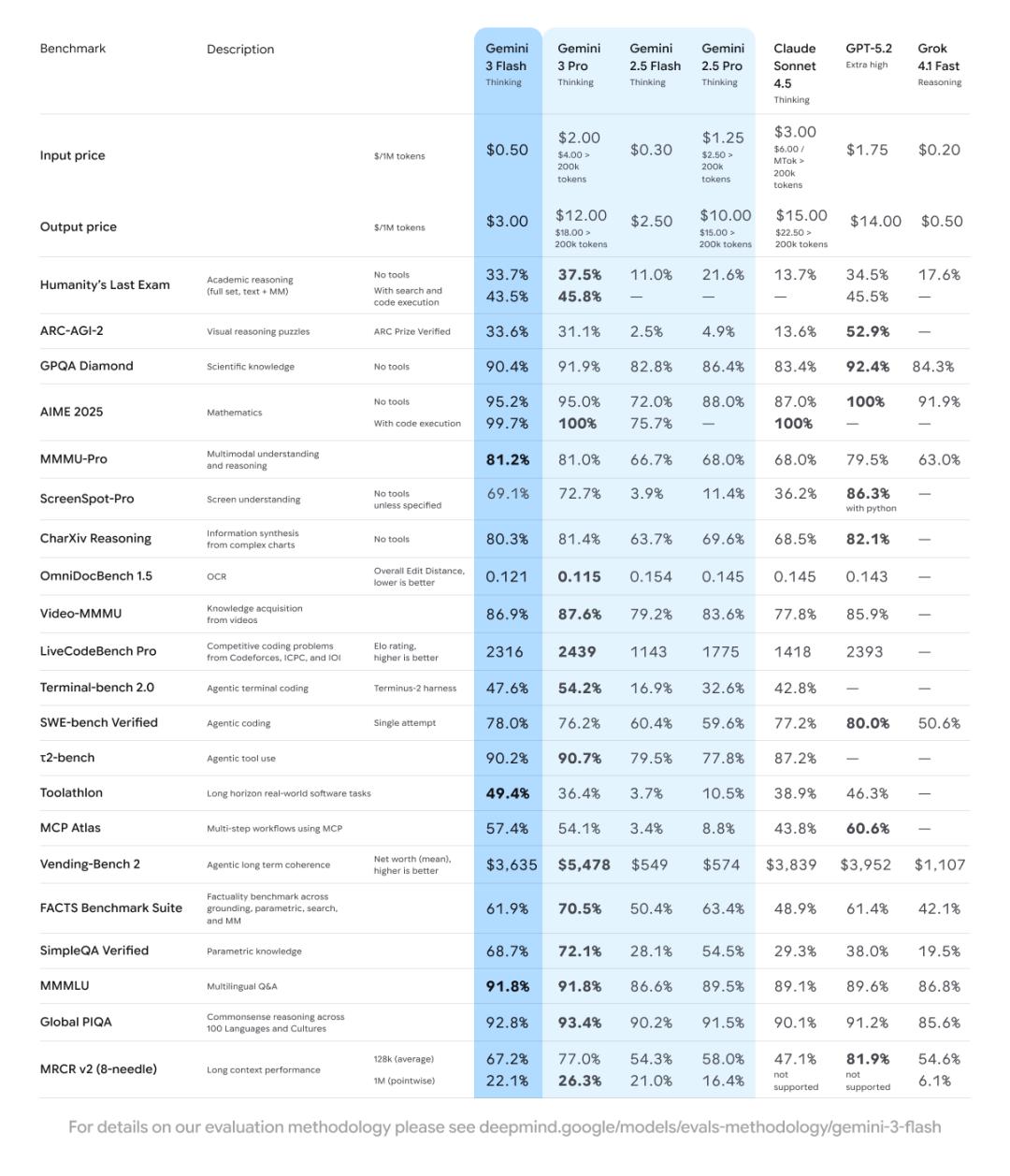
Core Insights - Gemini 3 Flash demonstrates a significant leap in AI capabilities, outperforming its predecessor Gemini 2.5 Pro in reasoning and speed, achieving three times the speed of Gemini 2.5 Pro while surpassing it in certain benchmark tests [1][2]. Performance Metrics - In various benchmarks, Gemini 3 Flash achieved notable results, including: - 43.5% in "Humanity's Last Exam" [2] - 90.4% in "GPQA Diamond" [2] - 99.7% in "AIME 2025" for mathematics [2] - 37% improvement over standard Chain-of-Thought in complex reasoning tests [14] - 52% better at capturing logical errors [14] - 3 times faster convergence to correct solutions [14] Architectural Differences - The architecture of Gemini 3 Flash employs a "Parallel Verification Loop" approach, contrasting with the traditional linear Chain-of-Thought method. This allows for simultaneous exploration of multiple solutions and validation processes [10][12]. - The process involves generating multiple candidate solutions, running independent verification loops, and cross-validating different solutions, which enhances the system's ability to self-correct before finalizing answers [16][18]. Implications for AI Development - The new framework is particularly effective in scenarios where correctness is prioritized over speed, such as scientific reasoning, mathematical proofs, and code debugging [22][23]. - The shift from Chain-of-Thought to Parallel Verification suggests a potential paradigm change in AI reasoning methodologies, indicating that future AI systems may benefit from this more robust approach [25]. Industry Reactions - There is skepticism regarding the claims made about Gemini 3 Flash's capabilities, with some industry experts questioning the validity of the information and the credibility of the sources discussing it [26][49]. - The discourse surrounding the technology reflects a broader trend in AI where significant performance improvements often lead to speculation about "black magic" or undisclosed methodologies, rather than acknowledging gradual advancements [49].
谷歌押注中国AR企业,与XREAL深化战略合作
Xin Lang Cai Jing· 2026-01-07 10:12
Core Insights - Google and XREAL have announced a deep long-term strategic partnership to accelerate the adoption of AndroidXR in both consumer and enterprise markets [1][4] - The collaboration establishes XREAL as Google's core hardware partner, aligning XREAL's long-term product roadmap with the capabilities of the AndroidXR platform [1][4] - Google plans to invest in XREAL within the year to enhance the end-to-end ecosystem of AndroidXR, addressing competition from Meta and Apple [1][4] ProjectAura and AndroidXR - ProjectAura is positioned as the most complete system-level reference hardware closely aligned with the ideal form of AndroidXR, serving as a platform for GeminiAI to "see the world" [3][5] - The partnership aims to set new performance standards for optical see-through devices through the development of XREAL's dedicated spatial computing hardware, including the new X1S chip [3][5] - Both companies will expand developer tools, technical documentation, and best practices to facilitate the development of native applications for XREAL's Android XR devices [3][5] Future Updates - Further updates regarding ProjectAura and the AndroidXR expansion roadmap will be announced throughout 2026 [6]
Should You Buy the Invesco QQQ ETF With the Nasdaq at an All-Time High? Here's What History Says
The Motley Fool· 2026-01-07 10:03
Core Insights - The Nasdaq-100 has consistently outperformed other indexes like the S&P 500 due to its high concentration of technology stocks [1] - The index features 100 of the largest nonfinancial companies listed on the Nasdaq, with over 60% of its weighting in the technology sector [2] - The Invesco QQQ Trust, which tracks the Nasdaq-100, is currently trading near an all-time high after a 20% gain in 2025 [3] Technology Sector Dominance - The Nasdaq-100's performance is heavily influenced by larger companies, with a cap ensuring no single company exceeds 24% of the index [4] - The top 10 holdings in the Invesco QQQ ETF account for 51.7% of the total weighting, indicating a top-heavy structure [5] - Key companies in the top 10 include Nvidia (9.04%), Apple (8.01%), and Microsoft (7.17%), which are involved in rapidly growing tech segments [6][7] Performance and Returns - The average return of the top 10 stocks over the last five years is 346%, contributing to the Nasdaq-100's outperformance compared to the S&P 500 [7] - Advanced Micro Devices and Micron Technology had significant share price increases of 77% and 239% respectively in 2025, positioning them as important players in the AI semiconductor space [9] - The Invesco QQQ ETF has produced an average annual return of 10.5% since its inception in 1999, with accelerated returns of 19.3% over the last decade [11] Diversification and Volatility - While the Nasdaq-100 is primarily tech-focused, it includes non-technology holdings like Costco, Linde, PepsiCo, and Starbucks, which can help mitigate some volatility [10] - Historical performance accounts for various market downturns, including five bear markets since 1999, demonstrating the index's resilience [13] - Despite current high trading levels, historical trends suggest it may still be a favorable time to invest in the Invesco QQQ ETF for long-term gains [15]


2025 AI巨头“全员恶人”:恩怨、爱恨与算计
3 6 Ke· 2026-01-07 07:53
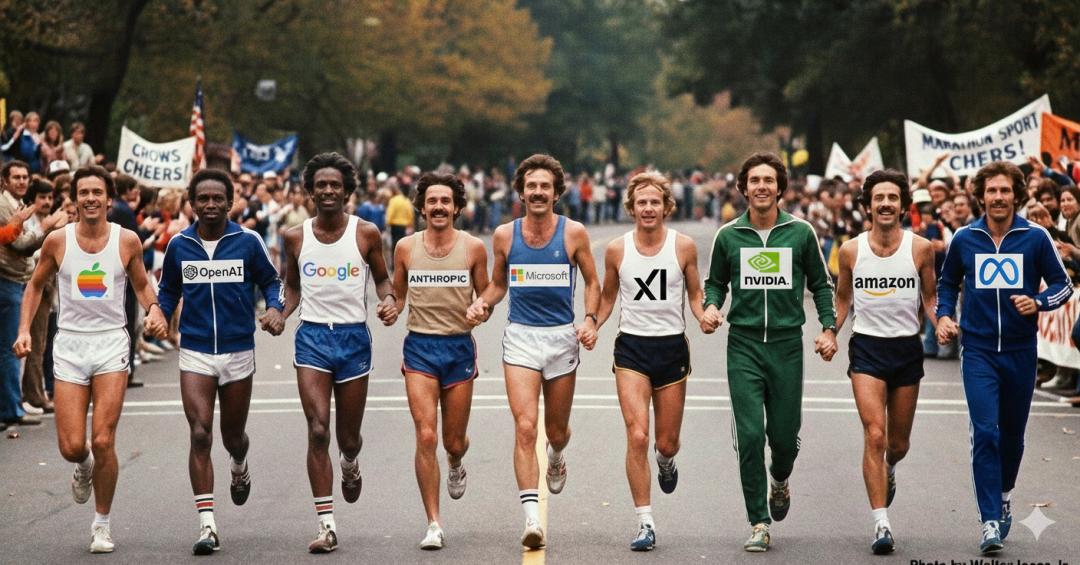
Core Insights - The year 2025 is characterized as a "structural entanglement" in the AI industry, highlighting the complex interdependencies and collaborations among major tech giants [3][5][97] - Major companies like OpenAI, Microsoft, Amazon, Apple, and Meta are navigating a landscape filled with partnerships, betrayals, and strategic shifts, indicating a shift from competition to collaboration [1][5][28] Group 1: OpenAI and Microsoft - OpenAI signed a significant $38 billion cloud computing agreement with Amazon AWS, marking a notable shift in its relationship with Microsoft, which had previously been its primary partner [5][8][10] - The partnership with AWS provides OpenAI with immediate access to a vast number of NVIDIA GPUs and the opportunity to utilize Amazon's proprietary Trainium chips, enhancing its operational flexibility [10][12] - Microsoft responded to OpenAI's shift by redefining their relationship, allowing OpenAI to use other cloud services while embedding "poison pills" in the new agreement to retain control over OpenAI's intellectual property [13][15][17] Group 2: Apple and Google - Apple, facing challenges in AI development, opted to partner with Google for its AI needs, marking a significant shift in strategy as it sought to enhance its Siri capabilities [29][32] - The deal with Google involved a customized version of the Gemini model, which would run on Apple's private cloud, allowing Apple to maintain some level of data privacy [39][40] - This partnership has led to internal turmoil at Apple, with key engineers feeling betrayed and leaving the company, indicating a potential talent drain [41][44] Group 3: Meta's Struggles - Meta faced significant challenges with the delayed release of its Llama 4 model, raising concerns about its ability to innovate and compete in the AI space [46][48] - The company attempted to restructure its AI division by creating a "Meta Super Intelligence Lab" to focus on AGI, but internal conflicts and talent retention issues persisted [49][54] - Meta's efforts to attract top talent have been met with difficulties, as new hires express dissatisfaction with the company's bureaucratic environment [51][54] Group 4: Elon Musk and xAI - Elon Musk's xAI has made headlines with its ambitious plans, including the establishment of a massive data center named "Colossus" and the launch of a software company called "Macrohard" [56][60] - Musk's vision for xAI includes automating software development processes, positioning it as a direct competitor to Microsoft [63][64] - The company is also involved in the broader AI hardware revolution, with significant investments in GPU infrastructure [64][73] Group 5: Industry Dynamics - The AI industry in 2025 is marked by a fierce competition for resources, particularly in computing power and talent, leading to inflated salaries and a talent war among major players [81][82] - Companies are diversifying their chip sources to reduce reliance on NVIDIA, with Google, Amazon, and Microsoft developing their own solutions [82] - The ongoing energy crisis poses challenges for data centers, with companies like Microsoft acknowledging the limitations of power supply as a critical issue for future growth [79][91]


AI Cash Burn Rates: The Cost of Building the Future
Investing· 2026-01-07 06:58
Market Analysis by covering: Microsoft Corporation, Alphabet Inc Class A, Meta Platforms Inc. Read 's Market Analysis on Investing.com ...

AI热潮力压地缘风险,道指、标普500指数创新高
2 1 Shi Ji Jing Ji Bao Dao· 2026-01-07 05:53
Group 1: Market Performance - The three major U.S. stock indices closed higher, with the Dow Jones and S&P 500 reaching all-time highs, closing at 49,462.08 and 6,944.82 points respectively, while the Nasdaq rose to 23,547.17 points [1] - The S&P 500's expected price-to-earnings ratio is approximately 22 times, slightly down from 23 times in November but still above the five-year average of 19 times [1] Group 2: Sector Movements - Energy stocks initially surged due to speculation about U.S. companies gaining access to Venezuelan oil resources, but major companies like ExxonMobil and Chevron saw declines of 3.4% and 4.5% respectively, indicating uncertainty in the sector [1] - At CES 2026, Nvidia's CEO highlighted the importance of memory and storage demand, leading to a strong performance in semiconductor stocks, with Micron Technology rising by 10% and SanDisk soaring by 27% [2] - Data center cooling stocks fell, with Johnson Controls down over 6% and Trane Technologies down 2.5% following Nvidia's announcement about new server technology [2] Group 3: Future Outlook - Morgan Stanley's chief U.S. equity strategist predicts continued stock market growth driven by multiple catalysts, including earnings, regulatory easing, and AI applications, with a projected earnings growth rate of nearly 14% for 2026 [3] - Concerns remain regarding high valuations and capital intensity among large tech companies, prompting some analysts to adopt a more cautious stance [3] - The expansion in the AI sector is heavily reliant on "circular investment," with significant capital expenditures expected from major tech firms, totaling around $440 billion [4][5]
CES 2026 正式开幕;英伟达挑战特斯拉FSD,马斯克:希望他们成功;小米公布 KOL 事件处理结果|极客早知道
Sou Hu Cai Jing· 2026-01-07 03:52
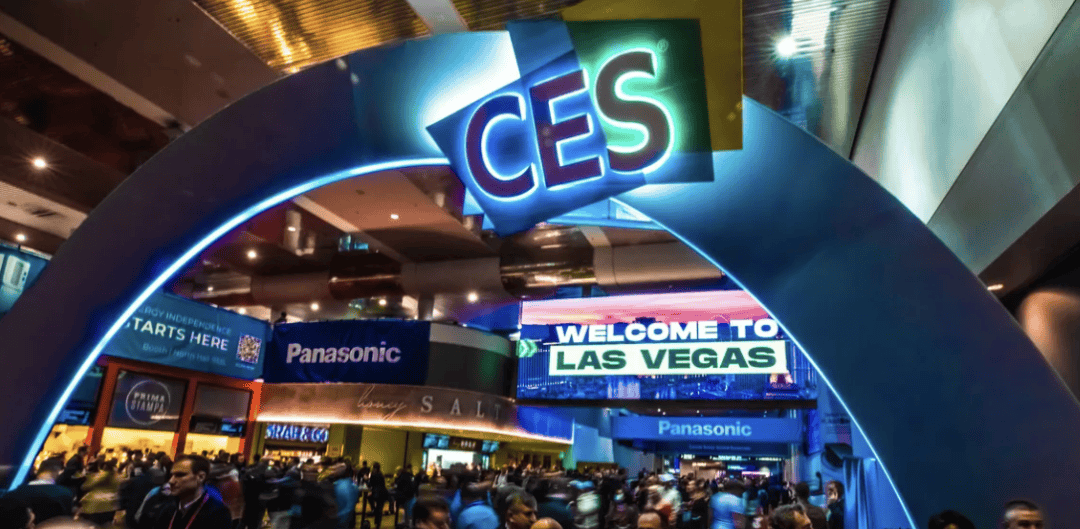
Group 1: CES 2026 Highlights - CES 2026 opened on January 6, showcasing over 4,100 exhibitors, including major companies like Nvidia, AMD, Qualcomm, Lenovo, and TCL, with expected attendance surpassing 150,000 [3] - The event emphasized the integration of AI across various consumer electronics sectors, moving beyond basic applications to fundamentally reshape chips, displays, appliances, and transportation [3] - Key focus areas included "Robotics and Embodied Intelligence," "Smart Vehicles," "AI Hardware," and "Fun Tech" [3] Group 2: xAI Funding and User Growth - Elon Musk's AI startup xAI announced the completion of a $20 billion Series E funding round, exceeding its initial target of $15 billion, with participation from investors like Valor Equity Partners and Qatar Investment Authority [4] - xAI reported approximately 600 million monthly active users on its X platform and Grok, planning to use the new funding to expand data center capacity and further develop the Grok model [4] Group 3: AI Industry Predictions - AMD CEO Lisa Su predicted that the AI industry will grow to over 5 billion daily users within five years, with a significant increase in computing power expected to exceed 10 YottaFLOPS [6] - Since the launch of ChatGPT, active AI users have surged from 1 million to 1 billion, a milestone that took the internet decades to achieve [6] Group 4: AI in Healthcare - Over 40 million Americans reportedly use ChatGPT daily for health and medical information, with many viewing it as a helpful ally in navigating the complexities of the healthcare system [7] - In remote areas with limited medical resources, users send nearly 600,000 health-related messages weekly, with about 70% of these conversations occurring outside traditional office hours [7] Group 5: Strategic Partnerships - Boston Dynamics and Google DeepMind announced a new AI partnership to integrate the Gemini Robotics AI model with Boston Dynamics' Atlas humanoid robot [8] - Qualcomm and Google deepened their decade-long collaboration in the automotive sector, focusing on integrating Snapdragon digital chassis solutions with Google’s automotive software and cloud services [9][10] Group 6: Innovations in Automotive Technology - Nvidia introduced the Alpamayo series of open AI models aimed at addressing autonomous driving safety challenges, with plans to launch on U.S. roads later this year [11] - A new foldable steering wheel designed for Level 4 autonomous driving was unveiled, which folds away when the vehicle is in self-driving mode, enhancing passenger experience [19][21] Group 7: AI Content Growth on Social Media - Douyin reported a 200% increase in viewership of AI learning content, with significant growth in the number of users engaging with technology-related videos [15] - The platform's AI content interest user base grew by 105%, reflecting a rising trend in AI-related content creation and consumption across all age groups [15]


谷歌 Gemini API 负责人自曝:用竞品 Claude Code 1 小时复现自己团队一年成果,工程师圈炸了!
程序员的那些事· 2026-01-07 03:35
Core Insights - A senior Google engineer revealed that Anthropic's Claude Code was able to replicate a system that her team had spent a year developing in just one hour, highlighting the rapid advancements in AI programming capabilities [1][3][6]. Group 1: AI Programming Capabilities - The engineer, Jaana Dogan, described how she used Claude Code to generate a system by simply providing a brief description, which closely resembled the work done by her team over the past year [3][4]. - Dogan emphasized that the industry is still in a phase of exploration regarding language models, which are expected to continue evolving and becoming more powerful [5][6]. - The rapid advancements in AI programming capabilities have led to a significant increase in quality and efficiency, surpassing previous expectations [6][7]. Group 2: Industry Reactions and Perspectives - There is a polarized reaction within the developer community regarding coding agents, with some viewing it as hype while others recognize its potential [4][9]. - Dogan's public acknowledgment of a competitor's product has sparked discussions about the implications of AI on the engineering profession, with some suggesting it could signal a technological turning point [10][11]. - Critics argue that while AI can generate code quickly, the real challenge lies in problem definition and alignment within teams, which AI does not address [12][13]. Group 3: Google and Anthropic Relationship - Google has invested approximately $3 billion in Anthropic and holds about 14% of its shares, indicating a strong partnership between the two companies [17][20]. - A significant agreement between Google and Anthropic involves Google providing up to 1 million TPU units, valued at hundreds of billions, to enhance AI capabilities [20]. - Dogan noted that the industry is not a zero-sum game, and recognizing the achievements of competitors can drive further innovation [21].