Infineon(IFNNY)

Search documents
英飞凌大中华区总裁潘大伟:看好AI和机器人,推进中国本地制造
2 1 Shi Ji Jing Ji Bao Dao· 2025-06-20 13:03
Core Viewpoint - Infineon Technologies predicts significant growth in its AI-related business, expecting revenues to reach €600 million in FY2025 and €1 billion in FY2026, reflecting the semiconductor market's development trends [1] Group 1: AI and Robotics Market - Infineon is a leader in automotive chips, power semiconductors, and third-generation semiconductors, with a global market share of 13.5% in automotive electronics and 17.7% in power discrete devices [2] - The company plans to increase investments in AI and robotics markets, leveraging its power products to address the energy demands of AI applications [2] - Infineon's power solutions, integrating silicon, silicon carbide, and gallium nitride technologies, aim to enhance energy efficiency to over 97.5%, significantly reducing carbon emissions in data centers [3] Group 2: Localization Strategy - Infineon emphasizes a "localization in China" strategy, responding to the changing geopolitical landscape and the need for local supply chains in the semiconductor industry [4] - The company aims to expand local production of MCUs and MOSFETs, enhancing collaboration with local foundries and manufacturing partners [4] - Infineon recognizes the rapid development of the domestic semiconductor industry as an opportunity, particularly in AI and automation sectors, and plans to support industry growth through its ecosystem [5]


TMC 2025 直击:从碳化硅降本到氧化镓首秀,汽车功率半导体进入 “多技术路线混战” 时代
半导体芯闻· 2025-06-19 10:32
Core Viewpoint - The automotive industry is undergoing a significant transformation driven by new energy, intelligence, low-carbon transitions, and global supply chain restructuring, with a focus on "efficient, zero-carbon, and intelligent" systems [1] Group 1: Event Overview - The 17th International Automotive Power System Technology Conference (TMC 2025) was held in Nantong, attracting over 2,750 professionals and over 800,000 online viewers, indicating high industry interest in power technology integration and innovation [1] - Key figures from the China Society of Automotive Engineers and local government attended and spoke at the opening ceremony [1] Group 2: Technological Focus - Experts discussed various cutting-edge topics including electric drive systems, hybrid systems, drive motors, power semiconductors, and commercial vehicle power systems [2] - Power semiconductors emerged as a major focus, showcasing rapid advancements from traditional silicon-based devices to silicon carbide (SiC), gallium nitride (GaN), and the debut of gallium oxide [2] Group 3: Silicon Carbide (SiC) - SiC has seen a price drop of over 70% in the past three years, with an expected penetration rate of over 35% by 2030, reflecting the rapid maturation of the SiC supply chain [3] - The evolution of chip structures and manufacturing processes is driving down costs, with strategies like "mixed main drive" proposed to optimize efficiency and cost [3] Group 4: Gallium Nitride (GaN) - GaN technology was highlighted as a surprise at TMC, with innovations like the ultra-thin "Ice Blade" module addressing cost, energy consumption, and size challenges in hybrid systems [5] - The cost of carrying current with GaN devices is approximately 40% of that of silicon devices, potentially redefining industry standards for component selection [5] Group 5: Gallium Oxide (Ga2O3) - The introduction of gallium oxide technology showcased China's capabilities in emerging semiconductor materials, with over 90% of gallium oxide powder resources concentrated in China [6] - The compatibility of gallium oxide with existing silicon processing equipment lowers the barriers for industry adoption [6] Group 6: Packaging Technology - Packaging technology has gained prominence, shifting from a supporting role to a critical factor in device performance and reliability [7] - Innovations in embedded packaging and direct cooling technologies are providing opportunities for Chinese companies to excel in this area [8] Group 7: Industry Competition - The deep involvement of vehicle manufacturers in power semiconductor development is reshaping traditional supply chain dynamics, with companies like BYD leading in defining technology routes [9] - BYD's introduction of a 1500V system exemplifies a strategy of vertical integration, combining modules, battery cells, and charging networks [9] Group 8: Diverse Technological Paths - The conference highlighted a diversification in technological approaches, with multiple semiconductor technologies coexisting, including silicon, SiC, GaN, and Ga2O3 [10] - Application-specific device selection is becoming a new optimization strategy, reflecting the complexity of system-level enhancements [10] Group 9: Challenges and Opportunities - Chinese companies have demonstrated significant technical strength in power semiconductors, but challenges remain in high-end packaging, system integration, and establishing industry standards [11] - The rapid growth of the electric vehicle market presents a substantial opportunity for power semiconductors, with China positioned as a market leader [12] Group 10: Future Directions - The TMC conference underscored the importance of integrating technology innovation with ecosystem building and supply chain control as key factors for success in the semiconductor industry [13] - The future of China's power semiconductor industry hinges on leveraging market advantages to enhance technological capabilities and build a robust industrial ecosystem [12][14]


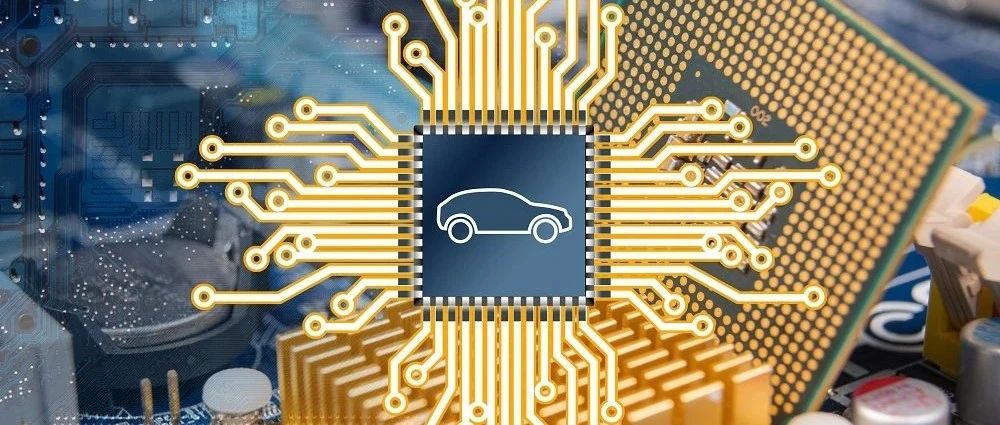
汽车芯片五巨头,求变!
半导体行业观察· 2025-06-19 00:50
Core Viewpoint - The automotive chip market is undergoing unprecedented changes, driven by the slow growth of electric vehicles (EVs), geopolitical tensions, and the rise of Chinese manufacturers in the SiC and power device sectors. Major IDM players are making significant adjustments in production, technology, and localization strategies to navigate these challenges [1]. Group 1: NXP's Strategic Shift - NXP has announced the closure of four 8-inch wafer fabs, transitioning entirely to 12-inch production, marking a significant strategic shift [2]. - The closure includes the notable Nijmegen facility in the Netherlands, which has a history dating back to Philips and is NXP's largest production base for automotive chips [2]. - NXP's Q1 2025 revenue was $2.835 billion, down 9% year-over-year, with a net profit of $490 million, down 23%, indicating challenges in its transformation journey [3]. Group 2: Renesas's Challenges - Renesas has abandoned its plans to produce SiC power chips internally due to slowing EV market growth and competition from Chinese manufacturers [4]. - The company is shifting to a model of self-design and outsourcing manufacturing, which reduces capital expenditure but increases reliance on foundries [5]. Group 3: STMicroelectronics's Global Restructuring - STMicroelectronics is undergoing a major restructuring of its global manufacturing strategy, aiming to enhance competitiveness by 2027 through regional specialization and AI automation [6]. - The company is focusing on different regions for specific technologies, such as digital products in France and power technologies in Italy [6]. Group 4: Texas Instruments's Stability - Texas Instruments (TI) has maintained a stable position in the market, benefiting from its early transition to 12-inch wafers [7]. - TI's Sherman facility, set to begin production in May 2025, represents a $30 billion investment and aims to produce over 100 million chips daily across various sectors [7]. - The Sherman plant is expected to create 3,000 jobs and significantly boost local economic growth [7]. Group 5: Infineon's Localization Strategy - Infineon is increasingly focusing on local production in China, with plans to localize various products by 2027 to meet the growing demand in the automotive and industrial markets [9]. - The company has sold two backend testing facilities to ASE, ensuring stable capacity while optimizing resource allocation [9]. Group 6: Industry Trends - The shift to 12-inch wafers is becoming mainstream as automotive chip demand for high performance and low cost increases, marking a transition to a "scale + efficiency" era in manufacturing [10]. - The competition between SiC and GaN semiconductors is intensifying, with companies like ST and Infineon aiming to capture market share in EV and industrial applications [10]. - Global supply chain diversification is emerging as a key strategy for IDM manufacturers to enhance resilience against geopolitical risks [10][11]. Group 7: Future Directions - Future competition among IDM manufacturers will focus on technological innovation and cost control, with significant attention on AI, automation, and Chiplet technology [11][12]. - The integration of AI and automation in manufacturing processes is expected to improve efficiency and optimize supply chain management [12].


欧洲芯片,为时已晚
半导体行业观察· 2025-06-17 01:34
Core Viewpoint - The Genesis project, involving 58 European companies and research institutions, aims to enhance the sustainability of semiconductor manufacturing, addressing environmental impacts and resource efficiency in the industry [1][2][3]. Group 1: Project Overview - The Genesis project has a budget of €55 million and focuses on making semiconductor production more sustainable globally, not just in Europe [1]. - The project includes four main workflows: monitoring and sensing, new materials, waste minimization, and critical raw materials mitigation [3]. - The initiative aims to produce 45 outcomes over the next three years, addressing emissions, material optimization, and recycling [3]. Group 2: Industry Challenges and Drivers - The semiconductor industry faces increasing pressure from customers to produce chips sustainably, managing water resources and achieving carbon neutrality [4]. - Regulatory measures are expected to strengthen over time, driven by climate change concerns, necessitating action from the industry [4]. - Major companies are pushing for sustainability in semiconductor production, indicating a shift in industry norms [4]. Group 3: Technological Innovations - The project will deploy integrated sensor systems to monitor and reduce emissions of harmful substances like PFAS and greenhouse gases [3]. - There is a focus on developing AI models based on sensor data to enhance wafer fabrication efficiency, although AI integration is not currently part of the Genesis project [7]. - The project aims to replace 30% of new materials used in lithography and packaging processes with more sustainable alternatives [8]. Group 4: Collaboration and Training - The project includes a partnership with Applied Materials to develop material engineering solutions for emerging infrastructure challenges in AI data centers [9][10]. - The FAMES Academy is being established to train engineers and technicians in low-power FD-SOI technology, supporting the European semiconductor community [11]. - The academy will focus on workshops and interactive sessions to equip the industry with necessary skills and knowledge [11].


英飞凌潘大伟:有信心帮助客户破除市场的“内卷”
Jing Ji Guan Cha Bao· 2025-06-15 05:47
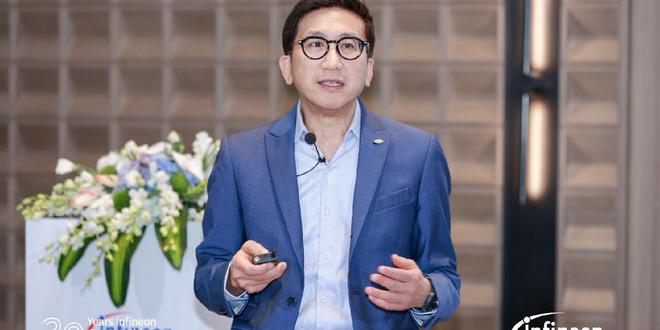
Core Viewpoint - Infineon has launched a localization strategy titled "In China, For China" to enhance its support for high-value sectors such as electric vehicles and renewable energy, coinciding with its 30th anniversary in the Chinese market [2] Group 1: Localization Strategy - The new strategy emphasizes innovation, operations, production, and ecosystem localization through customized product development, optimized logistics, and expanded local manufacturing [2] - The Wuxi factory will be developed into a global operational benchmark, with the "Easy Production Line" plan aiming for a 70% automation rate and a 40% increase in personnel efficiency by 2026 [2] Group 2: Financial Projections - Infineon expects revenues of approximately €15 billion for the fiscal year 2024, with the Greater China market accounting for about 34% of global revenues [2] - AI-related business revenues are projected to reach €600 million in fiscal year 2025 and €1 billion in fiscal year 2026 [2] Group 3: Market Position - Infineon holds a 13.5% share of the global automotive electronics market and a 13.9% share in the Chinese automotive electronics market for 2024 [3] - The company has a 17.7% share in the global power discrete devices and modules market and a 21.3% share in the global microcontroller market for 2024, marking its first position in the MCU market [3] Group 4: Workforce and Infrastructure - Infineon has approximately 3,000 employees in Greater China, with 10 business operation points, 7 R&D and application support points, and 1 production base in Wuxi [3] - The company has established a smart application capability center in Shenzhen and a power application laboratory in Shanghai [3] Group 5: Future Investments and Trends - Infineon plans to enhance manufacturing and supply chain resilience, particularly in the automotive electronics sector [7] - The company aims to expand its local ecosystem and application innovation while maintaining operational excellence [7] - Emerging markets such as renewable energy, data centers, and electric aluminum production are identified as significant growth areas [8] Group 6: Collaboration and Innovation - Infineon collaborates with various companies in the robotics sector and has established partnerships in electric transportation and renewable energy [10] - Key collaborations include working with Unigroup on high-voltage drive systems and with Anker on fast-charging solutions [10]
英飞凌在中国推进本土化战略 AI相关业务年收入将达10亿欧元
Zhong Guo Jing Ying Bao· 2025-06-15 03:06
Group 1: Company Overview and Market Position - Infineon expects AI-related revenue to reach €600 million in FY2025 and €1 billion in FY2026, highlighting the growth potential in the AI sector [1] - Infineon achieved a revenue of €14.955 billion in FY2024, with Greater China accounting for 34% of total revenue, making it the largest market globally [2] - Infineon leads the automotive MCU market and has maintained the top position in the global automotive semiconductor market for five consecutive years [2] Group 2: Technological Advancements - Infineon has developed the world's first 300 mm GaN power semiconductor wafer and the thinnest silicon power semiconductor wafer, achieving over 15% power consumption reduction [3] - The company is collaborating with NVIDIA to develop the next generation of power systems for centralized power supply architectures [3] Group 3: Localization Strategy - Infineon has launched a localization strategy focusing on automotive, industrial, and consumer sectors, aiming to enhance local production capabilities in China [5][6] - The company plans to localize production of various products, including MCUs and MOSFETs, to better serve the Chinese market [6] - Infineon aims to achieve localized mass production of key automotive products by 2027, including microcontrollers and power devices [6] Group 4: Industry Applications - Infineon's power semiconductors are widely used in renewable energy applications, such as wind and solar power, with over 95,500 wind turbines utilizing Infineon products [6] - The company provides comprehensive solutions for AI data centers, supporting the development of green data centers [7]
英飞凌AI相关业务年收入将达10亿欧元,中国机器人等新兴领域潜力巨大
Di Yi Cai Jing· 2025-06-13 11:40
Group 1 - Infineon's AI-related business revenue is expected to reach €600 million in fiscal year 2025 and €1 billion in fiscal year 2026 [1][3] - Infineon has been operating in China for 30 years, having established its first factory in Wuxi in 1995, and has actively participated in the development of China's semiconductor industry [1][3] - The company aims to enhance operational resilience in China and foster an innovative ecosystem [1][3] Group 2 - Infineon has developed products targeting AI applications, focusing on fast response times and collaborating with customers to create solutions for various application scenarios [3] - The company views the rapid development of the domestic semiconductor industry as an opportunity, particularly in the AI, industrial automation, and robotics sectors [3] - Infineon predicts that the Chinese accelerated computing server market will reach approximately $38 billion by 2025, with its power products holding a competitive advantage [4] Group 3 - Infineon announced a collaboration with NVIDIA to create the industry's first 800V high-voltage direct current power supply architecture, aimed at improving AI server efficiency and supporting green data centers [4]
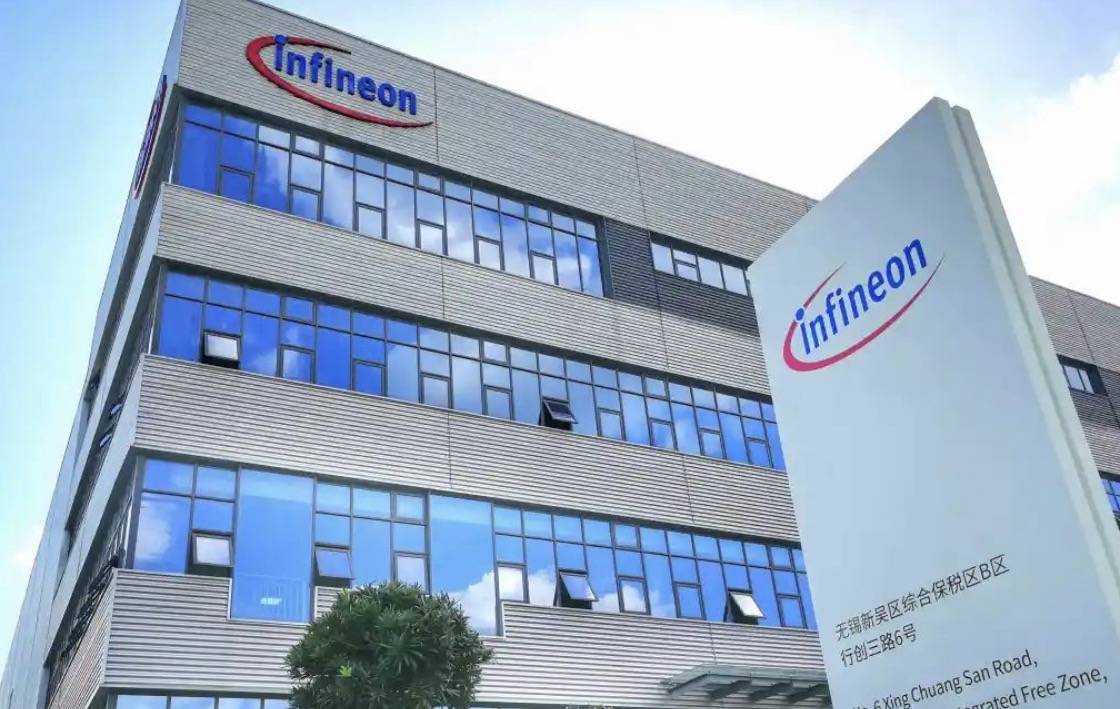
Infineon: Positioned For Recovery, Powered By Autos And China
Seeking Alpha· 2025-06-04 17:49
Group 1 - Infineon Technologies is a leader in discrete power semiconductors with significant exposure to the automotive segment [1] - The company is expected to benefit from the ongoing electrification of vehicles and the increasing semiconductor content in automobiles [1]
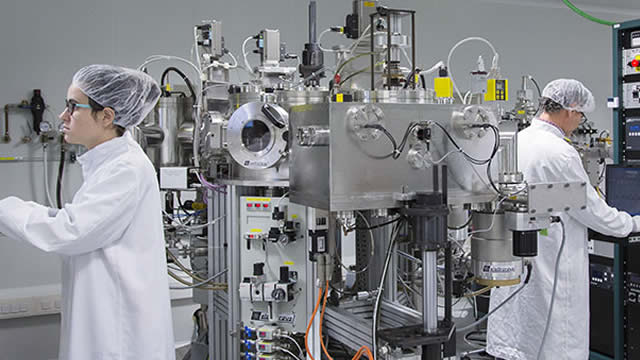
1070亿美元的芯片豪赌
半导体行业观察· 2025-05-30 01:55
Core Viewpoint - Malaysia is actively reshaping its position to become a core participant in the global semiconductor supply chain, aiming to attract over 500 billion Malaysian Ringgit (approximately 107 billion USD) in public and private investments through its National Semiconductor Strategy (NSS) launched in May 2024 [1][2]. Investment and Incentives - The Malaysian government has committed to providing 25 billion Malaysian Ringgit (approximately 5.3 billion USD) in incentives, including tax exemptions, grants, and infrastructure support to attract foreign investors and local entrepreneurs [2]. - Major semiconductor manufacturers like Intel and Infineon are expanding their operations in Malaysia, with Intel investing 7 billion USD in Penang and Infineon committing 5 billion Euros to enhance its power semiconductor capacity in Kulim [2]. Talent Development - The NSS includes an ambitious plan to train and upskill 60,000 local engineers to meet the complex demands of modern semiconductor manufacturing [2][3]. - A dual training system has been approved to combine classroom learning with practical factory experience, aiming to address the current skills gap and retain top engineering talent by offering competitive salaries [3]. Local Industry Growth - The NSS aims to nurture at least 10 local advanced packaging and integrated circuit (IC) design companies, with each expected to generate revenues between 1 billion to 4.7 billion Malaysian Ringgit (approximately 210 million to 1 billion USD) by 2030 [3]. - Government-related investors are creating targeted funding pools to support local deep-tech startups, emphasizing the commercialization of research outcomes in semiconductor physics and materials science [3]. Strategic Positioning - Malaysia's strategic location at the crossroads of East Asia and West Asia, along with its political neutrality, makes it an ideal place for semiconductor companies seeking to diversify their production bases [3][4]. - The country is enhancing its appeal as a regional semiconductor hub by actively participating in regional trade agreements and fostering cross-border R&D collaborations [4]. Sustainability and ESG Focus - Malaysia is positioning itself as a forward-thinking and environmentally conscious manufacturing base, integrating renewable energy and carbon tracking tools in semiconductor production [4]. - The NSS aligns with Malaysia's push for sustainable manufacturing practices, which is increasingly prioritized by technology companies [4]. Long-term Vision - Malaysia's investment in the semiconductor sector is not just about factories and engineers but also about establishing long-term technological sovereignty amid accelerating global semiconductor competition [5].
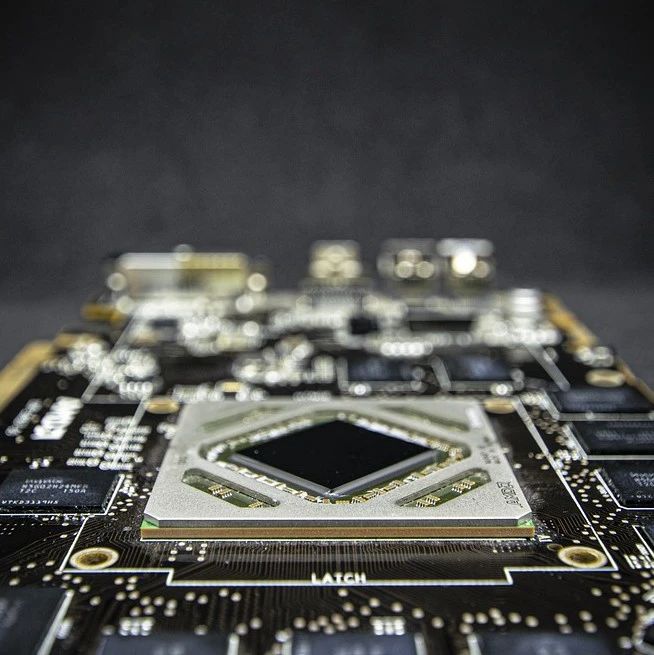
花旗:英伟达本季销售预测利好欧洲AI半导体公司
news flash· 2025-05-29 12:01
金十数据5月29日讯,花旗分析师表示,英伟达本季度的销售预测对ASML控股、ASM国际、英飞凌科 技和安谋控股等涉足人工智能领域的欧洲半导体公司来说是个好兆头。英伟达预计本季度营收为450亿 美元左右,上下浮动2%。分析师在给客户的报告中写道:"我们认为,对未来人工智能需求的信心增强 也对欧洲半导体企业有利。" 花旗:英伟达本季销售预测利好欧洲AI半导体公司 ...