Coca-Cola(KO)

Search documents
星巴克劲敌要卖了
Hu Xiu· 2025-08-25 08:04
Core Viewpoint - Coca-Cola is planning to sell Costa Coffee, with a significant price drop from its original acquisition cost, indicating a shift in strategy amid increasing competition in the coffee market [2][14][17]. Group 1: Company Developments - Coca-Cola is collaborating with Lazard to evaluate the sale of Costa Coffee, having already engaged in preliminary talks with private equity firms [2][13]. - Costa Coffee was acquired by Coca-Cola for £3.9 billion (approximately ¥34.7 billion) in 2018, but the current sale price is expected to be around £2 billion (approximately ¥19.4 billion), reflecting a 50% decrease [2][14]. - As of the end of 2023, Costa Coffee generated revenues of £1.22 billion (approximately ¥12.8 billion) and operates over 4,000 stores globally [11]. Group 2: Market Context - The coffee market has become increasingly competitive, with major players like Starbucks, McDonald's (McCafé), and Tim Hortons aggressively expanding their coffee offerings [17]. - Starbucks China is also in talks for a potential sale, with its market share dropping from 34% in 2019 to an estimated 14% in 2024, despite a valuation increase from $5-6 billion to potentially $10 billion [21][22]. - The global coffee market is undergoing significant changes, with multiple brands, including Costa and Peet's Coffee, facing strategic shifts and potential acquisitions [26][29]. Group 3: Strategic Implications - Coca-Cola's decision to divest Costa Coffee is seen as a move to focus on its core beverage business and reduce reliance on lower-margin products [17][27]. - The ongoing changes in the coffee industry reflect broader economic trends, with companies adapting to competitive pressures by shifting from "heavy asset" to "light asset" strategies [27][29]. - The current environment presents opportunities for investors looking to acquire undervalued assets in the coffee sector [28].


刚刚,星巴克劲敌要卖了
投资界· 2025-08-25 07:27
Core Viewpoint - The global coffee market is undergoing significant changes, with major players like Coca-Cola and Starbucks considering divestitures amid increasing competition and shifting market dynamics [2][10]. Group 1: Coca-Cola and Costa Coffee - Coca-Cola is reportedly evaluating the sale of Costa Coffee, having initially acquired it for £3.9 billion (approximately ¥34.7 billion) in 2018, but is now considering a sale price of only £2 billion (approximately ¥19.4 billion), indicating a significant depreciation in value [3][11]. - Costa Coffee's revenue was £1.22 billion (approximately ¥12.8 billion) in 2023, but the company has faced challenges in maintaining growth due to economic conditions and inflationary pressures [8][12]. - The competitive landscape has intensified, with rivals like Starbucks and fast-food chains such as McDonald's and Tim Hortons eroding market share, particularly in China, which is a crucial market for Costa [12][10]. Group 2: Starbucks and Market Dynamics - Starbucks China is also in talks for a potential sale, with interest from various investment firms, reflecting the competitive pressures it faces from local brands like Luckin Coffee and others [14][15]. - Starbucks' market share in China has dropped from 34% in 2019 to an estimated 14% by 2024, yet its valuation has increased significantly, with potential bids reaching up to $10 billion [15]. - The coffee market is experiencing a broader trend of consolidation and strategic realignment, as companies adapt to fierce competition and changing consumer preferences [16][17]. Group 3: Industry Trends - The coffee industry is witnessing a major reshuffling, with established brands like Costa and Starbucks reassessing their strategies in response to market pressures [13][16]. - The trend of divestitures and acquisitions is indicative of a larger shift in the consumer sector, where companies are moving from heavy asset models to lighter asset strategies to remain competitive [17].


迷你的力量,为什么饮料冰淇凌都在变小?
创业邦· 2025-08-25 03:28
Core Viewpoint - The article discusses the rising trend of mini-sized products in the food and beverage industry, highlighting how this innovation caters to modern consumer preferences for smaller portions and lower psychological burdens associated with consumption [5]. Group 1: Mini Products in the Market - Mini-sized ice creams and snacks have gained popularity, with products like the 42g mini chocolate cone from Hema and 30g ice bricks from Bright becoming consumer favorites due to their small size and low calorie count [6][11]. - Coca-Cola China has introduced a 248ml pocket bottle and a 200ml mini can, aiming to lower the initial purchase barrier for consumers concerned about spending, which has contributed to a market rebound [12][13]. - The trend extends to alcoholic beverages, with mini bottles of spirits becoming popular in convenience stores, allowing consumers to enjoy cocktails at home with smaller quantities [14][15]. Group 2: Economic and Psychological Factors - The mini packaging strategy allows companies to increase unit pricing despite lower overall prices, as seen with Coca-Cola's pricing on different bottle sizes [22]. - Smaller portion sizes help reduce the psychological burden of consuming high-calorie products, making them more appealing to health-conscious consumers [24]. - The production of mini products requires significant R&D investment to adjust recipes and cooking times, but the overall market demand for lower-priced, smaller items justifies this investment [24]. Group 3: Changing Demographics and Consumption Patterns - The rise of single-person households in China, projected to reach 150 to 200 million by 2030, drives demand for single-serving products [31]. - Companies are adapting to these demographic shifts by offering smaller packaging sizes, as seen with Aldi's adjustment of milk packaging to meet the needs of smaller households [33]. - The trend of mini products reflects a broader shift towards "one-person economy" lifestyles, where consumers seek variety and lower individual burdens in their purchases [34].
可口可乐公司被指考虑出售COSTA咖啡连锁,叫价或近200亿,全球最大饮料商在收购6年后“想法”变了?
3 6 Ke· 2025-08-25 03:02
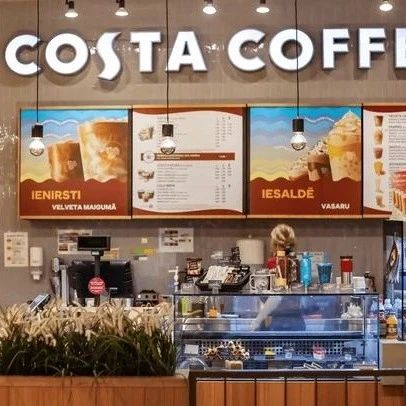
23日,在Costa咖啡的总部英国突然传来了让人意外的消息——可口可乐公司被指正考虑有关卖盘的事。 小食代注意到,这个消息是在23日下午最先由英国天空新闻(Sky News)以"独家新闻"方式发布的。该报道声称,总部位于亚特兰大的可口可乐公司正在 与Lazard的银行家合作,评估其对出售Costa咖啡连锁的兴趣。该公司于2018年同意以39亿英镑(注:当时约合人民币347亿元)收购了后者。 截至发稿时,可口可乐、COSTA咖啡均未对该传言发表评论。 下面,我们就一起看看有关情况。 "报价" 先看英国天空新闻对传言的具体说法。 英国天空新闻23日的报道称,可口可乐公司在收购英国最大的咖啡连锁Costa六年多后,正在酝酿出售该业务,此举旨在帮助其减少对含糖软饮料的依 赖。 该报道引述伦敦金融界"消息人士"23日表示,这家饮料巨头已经与包括私募股权公司在内的少数潜在竞标者进行了初步谈判。 据称,可口可乐方面聘请了投资银行Lazard来评估该业务的选择并评估潜在买家的兴趣,指示性报价将于初秋发布,"但有消息称可口可乐公司仍有可能 决定不进行出售"。 报道还引述分析师表示,此次出售可能导致可口可乐公司损失数十亿英镑,考 ...
迷你的力量,为什么饮料冰淇凌都在变小?
3 6 Ke· 2025-08-25 00:10
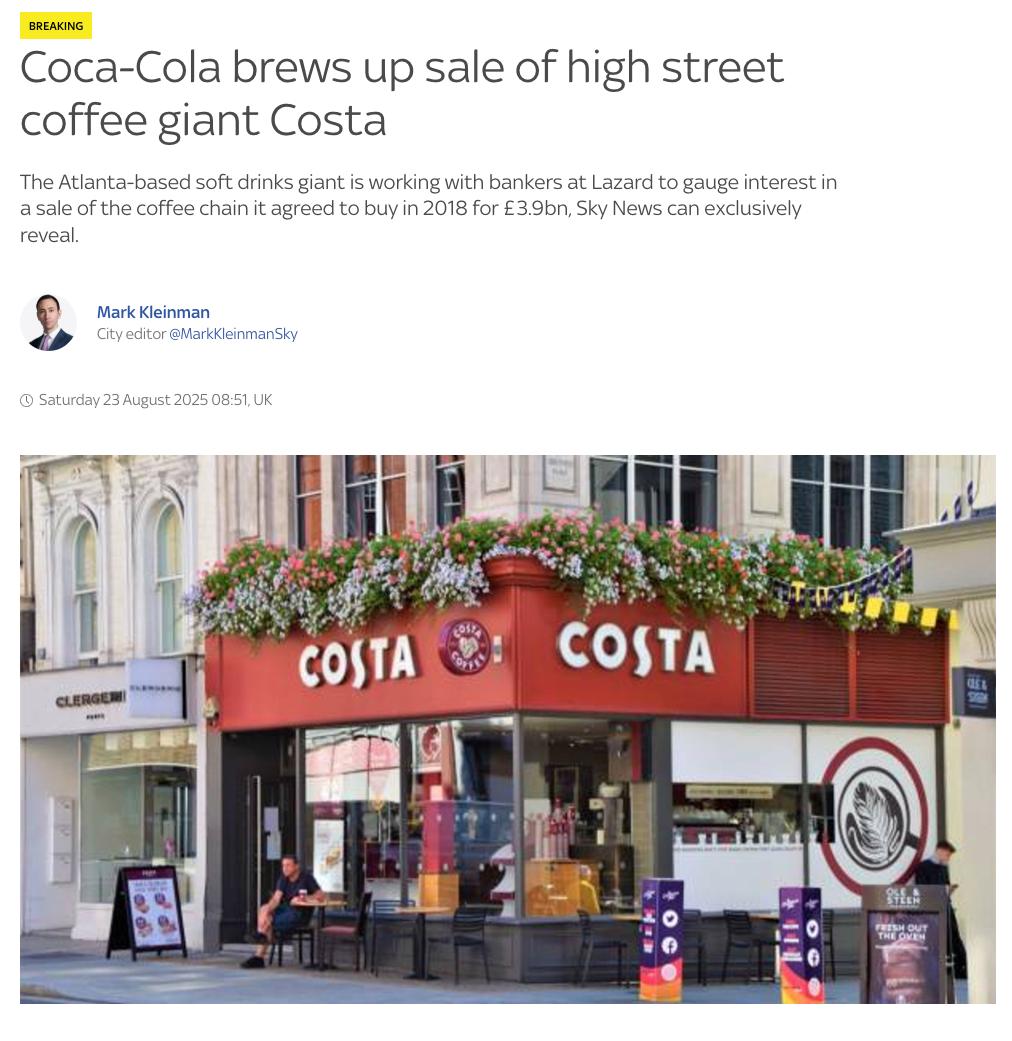
Group 1: Mini Products Trend - The concept of "mini" represents an extreme form of the one-person economy, offering a wider selection of products with lower individual burdens [1][25] - Mini products, such as 42g ice cream cones and 30g ice bricks, cater to consumers seeking smaller portions with less psychological burden [2][5] - The trend of miniaturization in food and beverages is gaining momentum, with companies like Coca-Cola introducing smaller packaging to appeal to modern consumers [6][7] Group 2: Market Impact and Consumer Behavior - Coca-Cola's introduction of a 248ml pocket bottle and 200ml mini cans has led to a market revival, with a 2.5% revenue increase in 2023 [8] - The miniaturization trend is also evident in alcoholic beverages, with smaller bottles becoming popular for home cocktail mixing [9][11] - The shift towards mini products aligns with changing consumer behaviors, particularly among younger generations who are drinking less and prefer smaller social gatherings [13][14] Group 3: Economic and Health Considerations - Mini products can serve as a pricing strategy, allowing companies to maintain or increase profit margins despite lower unit prices [15][16] - The demand for single-serving products is rising due to the increasing number of single-person households in China, projected to reach 150-200 million by 2030 [23][25] - Mini products provide a way for consumers to indulge in treats without excessive caloric intake, catering to a growing health-conscious market [26]
Coca-Cola exploring sale of popular UK chain Costa Coffee: report
New York Post· 2025-08-24 21:03
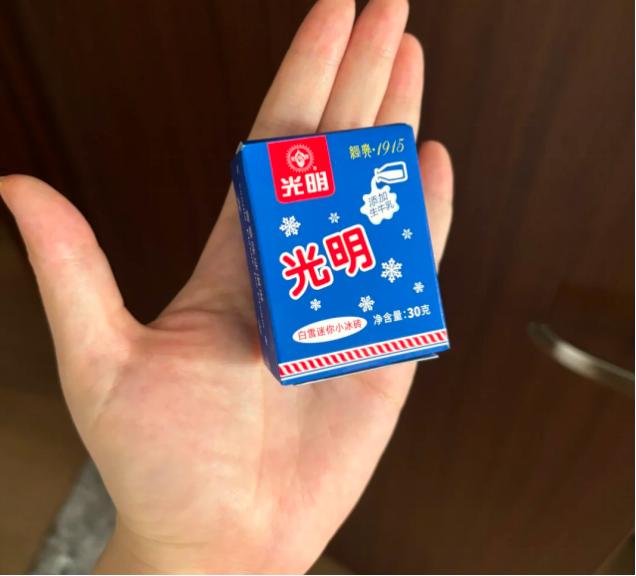
Core Viewpoint - Coca-Cola is exploring options for its British coffee chain Costa, including a potential sale, in collaboration with investment bank Lazard [1][2] Group 1: Sale Considerations - Initial discussions have taken place with a limited number of potential bidders, including private-equity firms [2] - Indicative offers for Costa are anticipated in early autumn, although a sale is not guaranteed [3] - Coca-Cola acquired Costa Coffee in 2018 for over $5 billion to enhance its competitive position in the global coffee market against Starbucks and Nestle [3][8] Group 2: Market Context - A potential sale of Costa Coffee, which operates in over 50 countries, aligns with a trend of increased deal-making in the packaged food sector, driven by the need for scale amid price inflation and a shift towards healthier consumer options [4] - Coca-Cola's CEO indicated that the investment in Costa has not met expectations, suggesting a reevaluation of Costa's operational strategy [6]

可口可乐考虑出售旗下英国咖啡连锁品牌Costa Coffee|首席资讯日报
首席商业评论· 2025-08-24 04:27
Group 1 - The article discusses the regulatory framework for internet platforms, emphasizing that the recent document is aimed at standardizing practices rather than halting competition or subsidies [1] - The document requires platforms to disclose rules for promotional activities and prohibits false advertising and exaggeration of subsidy amounts [1] Group 2 - Lucky Coffee, a brand under Mixue Group, opened its first overseas store in Malaysia, selling nearly 2000 cups on the opening day, marking the start of its global expansion [2] - As of July, Lucky Coffee has signed over 7000 stores in the domestic market and plans to refine its overseas store model while deepening its presence in Southeast Asia [2] Group 3 - Coca-Cola is considering selling its UK coffee chain Costa Coffee, which it acquired for $3.9 billion in 2019, and has hired Lazard to evaluate potential options [3] - Initial discussions have taken place with a few potential bidders, including private equity firms, but no deal is guaranteed at this stage [3] Group 4 - In the first seven months of the year, Shaanxi's automobile production reached 1.083 million units, a year-on-year increase of 22.1%, significantly outpacing the national growth rate of 11.6% [4] - The production of new energy vehicles in the province reached 743,000 units, accounting for 68.6% of total automobile production [4] Group 5 - Honglu Steel Structure has begun limited external sales of its self-developed welding industrial robots, which are primarily used internally at present [5] - The company has deployed nearly 2500 welding robots across its ten production bases [5] Group 6 - Oriental Selection reported a 32.7% year-on-year decline in net revenue for its continuing operations, dropping from 6.5 billion yuan to 4.4 billion yuan for the fiscal year ending May 31, 2025 [6] - The company achieved a net profit of 6.2 million yuan for the fiscal year, compared to a profit of 249.1 million yuan in the previous year, but would have seen a 30% increase in profit if the sale of a subsidiary had been excluded [6] Group 7 - The film "Final Destination: Bloodline Curse" has grossed over 30 million yuan in its first two days of release in mainland China [7] Group 8 - Huawei Cloud is undergoing organizational restructuring, focusing on AI and consolidating several departments to improve operational efficiency [8] - The restructuring aims to increase investment in strategic industries while reducing focus on non-strategic areas [8] Group 9 - The U.S. government has become Intel's largest shareholder by investing $8.9 billion for a 9.9% stake in the company, raising concerns about market intervention [9]

Worried About a Bear Market? 3 Reasons to Buy Coca-Cola Like There's No Tomorrow
The Motley Fool· 2025-08-23 14:05
Group 1: Company Overview - Coca-Cola operates as a consumer staples business, selling low-cost items that are regularly purchased regardless of economic conditions [2] - The company focuses on premium beverages, including soda, coffee, and energy drinks, which are considered affordable luxuries even during tough times [4] - Coca-Cola is recognized as a global brand manager with strong distribution, marketing, and R&D capabilities, allowing it to compete effectively with peers in the consumer staples sector [5] Group 2: Market Position and Performance - With a market capitalization of nearly $300 billion, Coca-Cola is large enough to act as an industry consolidator, acquiring smaller companies to enhance its brand portfolio [6] - The company has shown strong performance, with organic sales growth of 5% in the second quarter, outperforming its main rival, PepsiCo [8] - Coca-Cola is classified as a Dividend King, having increased its dividends for over 60 years, with a dividend yield of nearly 3%, making it attractive for investors seeking reliable returns [9] Group 3: Investment Appeal - Coca-Cola is considered a safe haven investment during bear markets due to the resilient nature of its products, which tend to hold up well in downturns [7] - The stock appears reasonably valued, with price-to-sales and price-to-earnings ratios close to or below their five-year averages, making it an attractive option for investors concerned about market volatility [10] - While Coca-Cola may not appeal to value-focused investors due to its reasonable pricing rather than being cheap, it remains a strong option for long-term investors [11]
Is Coca-Cola a Safe Dividend Stock to Buy?
The Motley Fool· 2025-08-23 11:30
Core Insights - The article discusses the investment landscape and highlights the importance of understanding market dynamics and company fundamentals [1] Group 1 - The analysis emphasizes the significance of thorough research in identifying potential investment opportunities [1] - It mentions that market trends can significantly impact stock performance, necessitating a keen observation of economic indicators [1] - The article suggests that investors should remain informed about company earnings reports and industry developments to make educated decisions [1]

Could This Dividend King Double Your Money in 5 Years?
The Motley Fool· 2025-08-23 08:50
Core Viewpoint - Doubling an investment in Coca-Cola within five years is challenging but not impossible, with dividend stocks providing a reliable income stream regardless of stock price fluctuations [1]. Group 1: Dividend Stocks and Stability - Dividend Kings, companies that have increased their annual dividends for at least 50 years, offer more stability due to their proven financial resilience [2]. - There are approximately 55 Dividend Kings, showcasing an elite group that has survived significant historical events while maintaining dividend increases [3]. Group 2: Coca-Cola's Investment Potential - Coca-Cola is a prominent Dividend King with 63 years of dividend increases, making it a historically strong investment [5]. - To double an investment in Coca-Cola over five years, the stock would need to achieve an average annual return of 14.4% [5]. - Coca-Cola's business model, which focuses on selling concentrates and licensing while relying on bottling partners, allows it to maintain higher margins compared to competitors [7]. Group 3: Dividend Yield and Growth - Coca-Cola's average dividend yield is just over 3%, which reduces the reliance on stock price appreciation for achieving investment growth [8]. - If the dividend yield remains around 3%, Coca-Cola's stock would need to average 11.4% annual growth over five years to double the investment [9]. Group 4: Challenges and Risks - Recent performance for Coca-Cola has been driven by pricing power rather than volume growth, with a 1% revenue increase but a 1% decline in global unit case volume in Q2 [10]. - Potential headwinds include new tariffs on aluminum and higher taxes on sugary products, which could impact Coca-Cola's business and investor sentiment [11]. Group 5: Investment Outlook - Achieving 14.4% annual returns is difficult for a mature business like Coca-Cola, which has not maintained such a five-year average since 2009-2013 [12]. - Current investment in Coca-Cola is unlikely to double in five years, but it remains a solid choice for consistent income, suggesting a long-term investment approach [13].