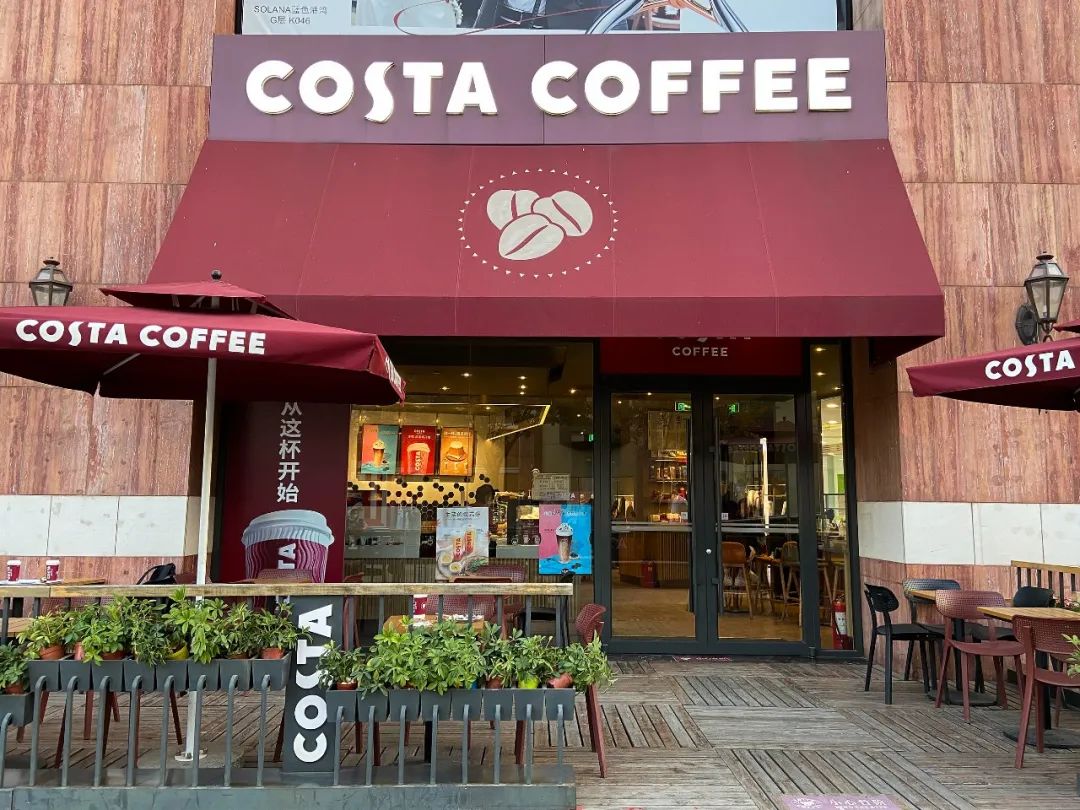
Coca-Cola(KO)

Search documents
花费348亿元,可口可乐的“苦”生意,被“瑞幸”们打败
3 6 Ke· 2025-08-26 23:55
Core Viewpoint - Coca-Cola is considering selling Costa Coffee, with an estimated sale price of £2 billion (approximately 192.3 billion RMB), as the competitive landscape in the coffee market intensifies [1][2]. Group 1: Company Overview - Costa Coffee is the largest coffee chain in the UK, with over 4,000 stores globally, and was acquired by Coca-Cola for $5.1 billion in 2018 [1][3][8]. - The acquisition aimed to help Coca-Cola enter the hot beverage market, which was one of the few areas without a global brand presence [1][10]. Group 2: Market Competition - The coffee market has become increasingly competitive, especially in China, where new players like Luckin Coffee are rapidly expanding and capturing market share [1][18][21]. - Costa's market share in the UK once surpassed that of Starbucks, but it now faces challenges from both local and international competitors [1][5][21]. Group 3: Strategic Challenges - The anticipated synergies from the acquisition have not fully materialized, as Costa struggles to compete with Starbucks' digital transformation and marketing strategies [13][15][25]. - Coca-Cola's core competencies in fast-moving consumer goods do not align well with the operational demands of running a coffee chain, leading to management challenges and capital expenditure issues [24][25]. Group 4: Future Outlook - The global coffee market is evolving, with new Chinese players beginning to replicate their successful models internationally, posing a new challenge to traditional brands [26]. - Selling or divesting Costa Coffee may allow Coca-Cola to refocus on its strengths in the fast-moving consumer goods sector, as the coffee business may not align with its operational model [26].


Coca-Cola vs. Monster Beverage: Which Stock Offers Refreshing Returns?
ZACKS· 2025-08-26 15:56
Core Insights - The competition between The Coca-Cola Company (KO) and Monster Beverage Corporation (MNST) highlights a clash of strategies in the beverage industry, with Coca-Cola focusing on scale and diversification while Monster Beverage emphasizes specialization in the energy drink segment [1][3][4]. Group 1: Coca-Cola (KO) - Coca-Cola commands a significant global market share with a diverse portfolio that includes $30 billion brands across various beverage categories [5]. - In Q2 2025, Coca-Cola reported 5% organic revenue growth, marking its 17th consecutive quarter of value share gains, although unit case volume fell by 1% due to weather and consumer demand fluctuations [6][8]. - The company is implementing an "all-weather strategy" to adapt to local market dynamics, focusing on innovation and digital tools to enhance consumer engagement and pricing strategies [7][8]. - Coca-Cola's operating margins expanded by 190 basis points in Q2 2025, supported by productivity initiatives and pricing power, with guidance for 5-6% organic revenue growth and 8% currency-neutral EPS growth for 2025 [8]. Group 2: Monster Beverage (MNST) - Monster Beverage achieved record net sales of $2.11 billion in Q2 2025, reflecting an 11.1% year-over-year increase, with EPS rising by 21% and gross margins at 55.7% [9][13]. - The company is expanding its global footprint, with 41% of sales generated outside the U.S., particularly in EMEA and Asia-Pacific regions [10]. - Monster Beverage's brand portfolio, including the flagship Monster Energy line, continues to thrive through innovation and premium positioning, appealing to younger consumers [11]. - Strategic pricing adjustments and a balanced mix of premium and affordable offerings reinforce Monster Beverage's competitive advantage [12]. - The Zacks Consensus Estimate for Monster Beverage suggests year-over-year growth of 7.7% in sales and 17.3% in EPS for 2025 [18]. Group 3: Comparative Analysis - Coca-Cola trades at a forward P/E ratio of 21.98X, while Monster Beverage trades at 30.24X, indicating that KO is viewed as the more value-oriented option [20]. - Despite Coca-Cola's lower valuation, Monster Beverage's stock has outperformed, rallying 30.9% in the past year compared to Coca-Cola's decline of 3.6% [22]. - Investors face a trade-off between Coca-Cola's stability and Monster Beverage's growth potential, with the latter's dominance in the energy drink category and innovation-led strategy providing a compelling investment case [24][25].

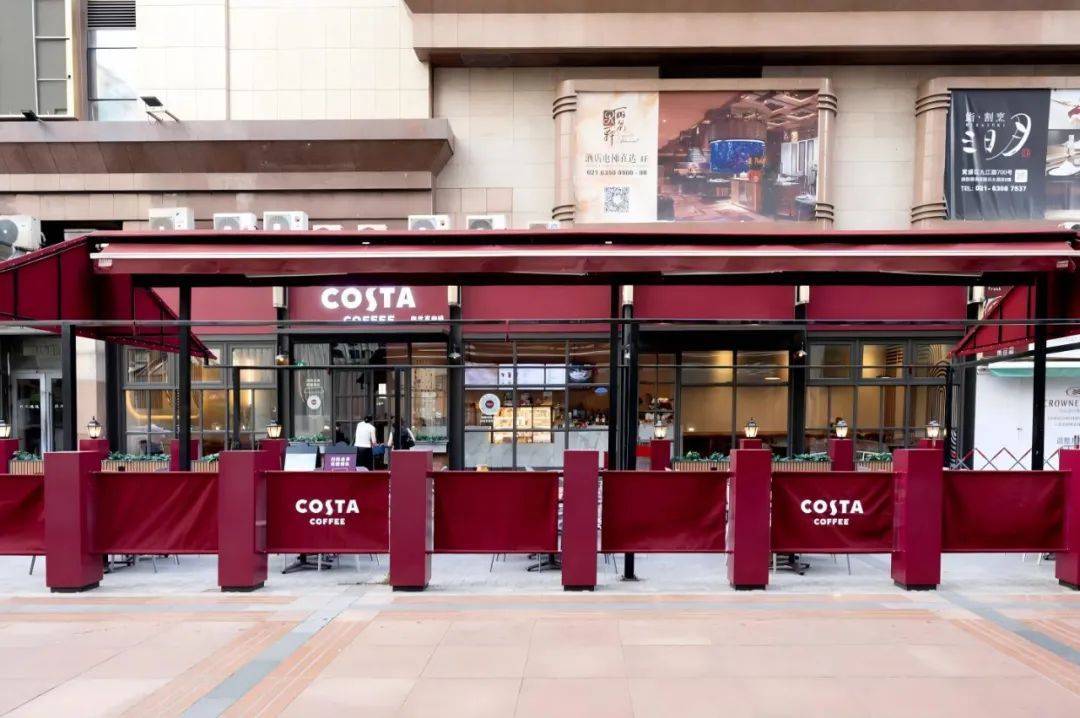
两大巨头被传“卖身”!全球咖啡市场格局生变
Sou Hu Cai Jing· 2025-08-26 11:06
Core Viewpoint - The global coffee market is undergoing significant changes, with major players like Coca-Cola and JDE Peet's considering sales of their coffee brands, indicating a potential shift in the industry landscape [1][9]. Group 1: Company Developments - Coca-Cola is reportedly in talks to sell Costa Coffee, the largest coffee chain in the UK, after acquiring it for £3.9 billion in 2018 [2][3]. - Costa Coffee has struggled to expand since its acquisition, with only about 400 new stores added in seven years, bringing the total to approximately 4,200 stores globally [3][7]. - In China, Costa has closed over 100 stores in the past five years, focusing on profitability rather than aggressive expansion [3][5]. Group 2: Market Trends - The global specialty coffee market is projected to grow at a compound annual growth rate (CAGR) of 9.2% until 2028, but growth in the Chinese market is expected to slow from 25% in 2023 to 12% by 2025 [5][6]. - Starbucks China has initiated a price adjustment plan due to declining same-store sales, while JDE Peet's has launched a budget brand, Ora Coffee, in response to market pressures [6][9]. Group 3: Financial Implications - Costa's revenue for 2023 was £1.22 billion, a 9% increase from the previous year, but still below pre-acquisition levels [7]. - Reports suggest that Costa's potential sale price could be around £2 billion, indicating a significant loss for Coca-Cola compared to its original acquisition cost [7][8].

两大巨头被传“卖身”,全球咖啡市场格局生变
3 6 Ke· 2025-08-26 03:49
Core Viewpoint - The global coffee market is undergoing significant changes as major players like Coca-Cola and Keurig Dr Pepper are considering selling their coffee brands, indicating a potential shift in the industry landscape [1][10]. Group 1: Company Developments - Coca-Cola is reportedly planning to sell Costa Coffee, the largest coffee chain in the UK, after acquiring it for £3.9 billion in 2018 [2][10]. - Costa Coffee has struggled to expand its store presence significantly since its acquisition, with only about 400 new stores added in seven years, totaling approximately 4,200 stores globally [3][8]. - In China, Costa has closed over 100 stores in the past five years, focusing on maintaining high-end positioning rather than competing on price [3][5]. Group 2: Market Trends - The global specialty coffee market is projected to grow at a compound annual growth rate (CAGR) of 9.2% until 2028, but growth in the Chinese market is expected to slow from 25% in 2023 to 12% by 2025 [5]. - Starbucks China has initiated a price adjustment plan due to declining same-store sales, reducing prices on popular items by an average of 5 yuan [7]. - JDE Peet's, the parent company of Peet's Coffee, is also facing challenges, with plans for a $18 billion acquisition by Keurig Dr Pepper amid a slowdown in store openings in China [12]. Group 3: Financial Performance - Costa Coffee reported annual revenue of £1.22 billion in 2023, a 9% increase from the previous year, but still below pre-acquisition levels [8]. - The potential sale price for Costa is rumored to be around £2 billion, indicating a significant loss for Coca-Cola compared to its original acquisition price [10].

Verizon elects Jennifer K. Mann to its Board of Directors
Globenewswire· 2025-08-25 20:30
Core Insights - Verizon Communications Inc. has elected Jennifer K. Mann, an Executive Vice President at The Coca-Cola Company, to its Board of Directors, effective immediately [1][2]. Company Overview - Verizon generated revenues of $134.8 billion in 2024, serving millions of customers and nearly all of the Fortune 500 [5]. Board Composition - With the addition of Ms. Mann, the Verizon board now consists of 11 directors, bringing a diverse mix of perspectives and expertise [2]. Ms. Mann's Background - Ms. Mann has 28 years of experience at Coca-Cola, where she has held various leadership roles, including President of the North America Operating Unit and President of Global Ventures [2][3]. - She has been responsible for overseeing significant acquisitions and investments, including the Costa Coffee acquisition and the investment in Monster Beverage Corp [3]. Educational and Community Involvement - Ms. Mann holds a B.A. in Accounting from Georgia State University and is involved with several charitable organizations, reflecting her commitment to community and education [4].


世界500强中“饮料之王”:比可口可乐还强,年营收约4279亿元
Sou Hu Cai Jing· 2025-08-25 15:09
Core Insights - The 2025 Global Fortune 500 list highlights the operational status of large enterprises, with banking, automotive, refining, and metal products industries having the most companies represented, while the beverage industry has only four, indicating high concentration and dominance by major players [2] Industry Overview - The beverage industry has evolved from small-scale production to large-scale, mechanized operations since the early 20th century, driven by industrialization and urbanization [2] - The 1960s marked a "golden age" for the beverage industry, characterized by technological advancements that enabled mass production and rapid growth, leading to the establishment of modern production systems for various beverages [2] Beverage Categories - Beverages are primarily categorized into alcoholic and non-alcoholic drinks, with non-alcoholic beverages including carbonated drinks, juices, functional drinks, teas, and plant-based protein drinks, while alcoholic beverages mainly consist of beer, wine, and spirits [4] - The beer market is highly concentrated, dominated by international giants such as Anheuser-Busch InBev, Heineken, and Carlsberg, while the soft drink sector is led by Coca-Cola and PepsiCo [4] Key Companies in the 2025 Fortune 500 - Heineken ranks 500th on the Fortune 500 list, known for its high-quality beer, particularly in Europe, Africa, and Asia, with approximately 88,000 employees [5] - FEMSA, a significant player in the Latin American beverage market, ranks 349th, focusing on soft drink and beer production, distribution, logistics, and packaging services [5] - Coca-Cola ranks 323rd, recognized globally for its carbonated beverages, maintaining market position through product line expansion and a robust distribution network across over 190 countries [5] Leading Company - Anheuser-Busch InBev is the largest beverage company globally, with annual revenue of approximately $59.8 billion (about 427.9 billion RMB), ranking 232nd on the Fortune 500 list [7] - The company boasts a diverse brand portfolio, primarily in the beer category, with well-known brands like Budweiser and Corona, each catering to different consumer preferences [7] Success Factors - Anheuser-Busch InBev's success is attributed to a combination of global vision, brand strength, innovative efficiency, and sustainable practices [10] - The company's ability to maintain its leading position will depend on continuous innovation, deepening sustainability strategies, and balancing globalization with localization [10]


茶咖日报|多个奶茶品牌被检出含反式脂肪酸
Guan Cha Zhe Wang· 2025-08-25 12:10
Group 1: Milk Tea Brands and Health Concerns - Multiple milk tea brands, including Heytea and Naixue Tea, were found to contain trans fats and high sugar levels, with Mixue Ice City’s pearl milk tea having 50.82 grams of sugar per 650ml, exceeding the recommended daily limit of 50 grams [1] - Heytea's roasted brown sugar bubble milk tea had a sodium content of 942mg/kg, translating to approximately 1.2 grams of salt per 500ml serving, marking it as the "salt champion" [1] - The presence of trans fats in products from several brands, including Heytea and Naixue Tea, raises health concerns, as long-term consumption is linked to increased cardiovascular disease risk [1] Group 2: Company Responses to Health Claims - Heytea responded to the health claims, stating that the detected trans fats are from natural sources in dairy products, and emphasized the use of high-quality ingredients [2] - Bawang Chaji also denied the claims, asserting that their product met national food safety standards regarding trans fat content [2] Group 3: Coca-Cola's Strategic Evaluation of Costa Coffee - Coca-Cola is considering selling its UK coffee brand, Costa Coffee, and has engaged Lazard to explore potential sale options, following its acquisition of the brand for £3.9 billion in 2018 [3] - Costa Coffee operates in 50 countries and includes a comprehensive business model with chain stores, ready-to-drink products, and coffee machines [3] - Initial bids from potential buyers may be submitted in early autumn, but the sale process remains uncertain [3] Group 4: Tea Yan Yue Se's Apology for Design Issues - Tea Yan Yue Se issued an apology for allegedly copying designs from four bloggers in their new product line, acknowledging unauthorized use of certain elements [4][5] - The company plans to establish a dedicated investigation team to address management and design oversight issues to prevent future occurrences [5] Group 5: Keurig Dr Pepper's Acquisition of JDE Peet's - Keurig Dr Pepper announced its acquisition of JDE Peet's for €15.7 billion, with plans to split into two independent companies focusing on North American beverages and global coffee [6] - The acquisition price of €31.85 per share represents a 33% premium over JDE Peet's average stock price [6] - This move is seen as a significant transformation in the beverage industry, with KDP aiming to establish itself as a global coffee leader [6] Group 6: Lucky Coffee's International Expansion - Lucky Coffee, a brand under Mixue Group, opened its first overseas store in Malaysia, selling nearly 2,000 cups on the opening day [7] - The store incorporates local cultural elements into its design and product offerings, including localized flavors like matcha lemon and strawberry iced tea [7] - Lucky Coffee has rapidly expanded in the domestic market, surpassing 7,000 signed stores by July, marking a new phase in its international growth [7]

Costa咖啡,要被卖了?
财联社· 2025-08-25 11:50
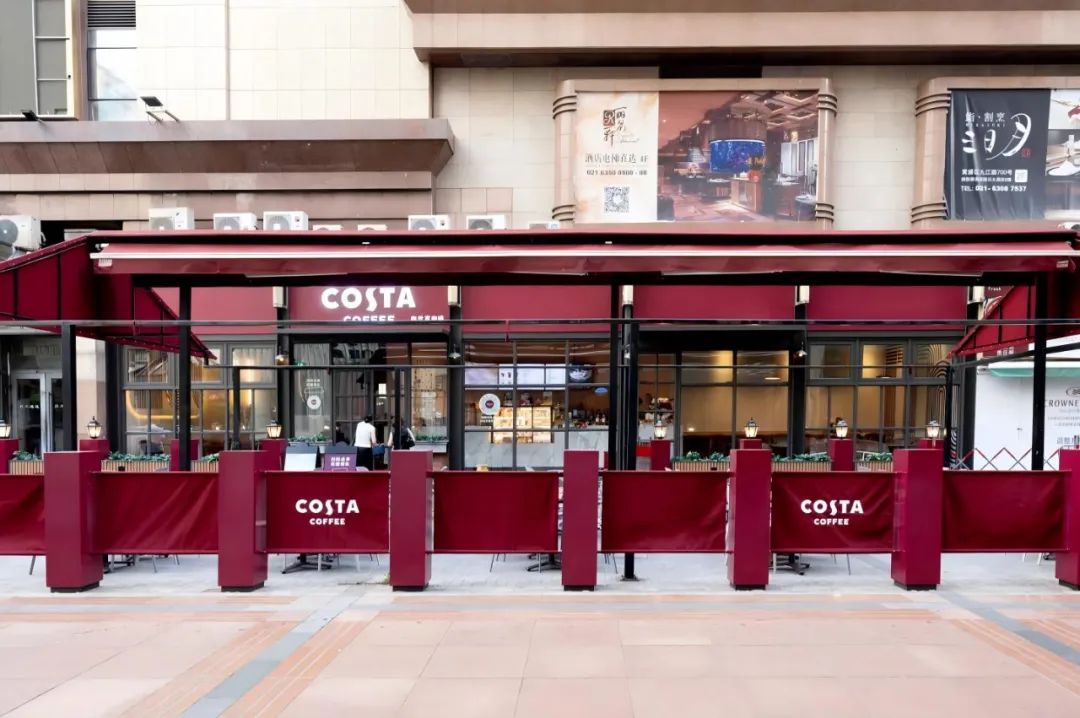
Core Viewpoint - Coca-Cola is reportedly considering a discounted sale of its Costa Coffee brand, which may lead to a significant financial loss for the company, as it explores options with potential buyers [2][4]. Group 1: Sale Consideration - Coca-Cola is working with bankers to evaluate Costa Coffee, which may result in its sale [2]. - The company acquired Costa for £3.9 billion in 2018 but is now facing pressures from rising costs and increased competition in the coffee sector [2]. - Analysts suggest that selling Costa could result in a loss of several billion pounds, with potential sale proceeds estimated at £2 billion, nearly half of the acquisition price [2]. Group 2: Financial Performance - Costa Coffee reported a revenue of £1.2 billion for the fiscal year 2023, reflecting a 9% increase from the previous year [6]. - Despite the revenue growth, Costa reported a pre-tax loss of £9.6 million, attributed to inflationary pressures and impairment of some investments [6]. Group 3: Competitive Landscape - Costa Coffee, as the largest coffee chain in the UK, operates over 2,700 stores in the UK and Ireland, and more than 1,300 stores globally [5]. - The brand faces intense competition in the UK from high-end rivals such as Starbucks and Pret a Manger, as well as from local brands like Luckin Coffee in China [6].
5 Things To Know: August 25, 2025
CNBC Television· 2025-08-25 11:06
Market Trends & Company Strategy - Spotify is considering increasing prices for users, potentially coupled with new features [1] - Companies are focusing and slimming down in the face of uncertainty, while bulking up with similar assets [9] - Conglomerates are merging similar assets and separating those that don't align with the core focus [9] Investment & Financial Performance - Ørsted's shares are plunging due to the Trump administration halting a project [2] - China Evergrande Group was delisted from the Hong Kong Stock Exchange after defaulting on debt [2] - Keurig Dr Pepper will pay over $18 billion in cash to buy JDE Peet's [3] - Coca-Cola is exploring a potential sale of British coffee chain Costa [3] - The potential sale value of Costa could be as little as 2 billion pounds, significantly lower than the acquisition price of approximately 4 billion pounds [7] Company Focus - Coca-Cola & Coffee Market - Coca-Cola acquired Costa in 2018 for over $5 billion to strengthen its coffee market presence [3] - Coca-Cola is working with investment bankers on options, including a potential sale of Costa [3] - Costa has 2,000 stores in the UK and 3,000 globally [5] - Coffee is potentially not as core to Coca-Cola anymore [10]

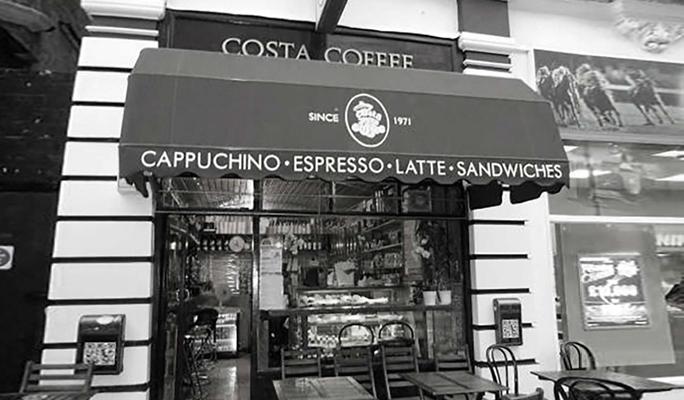
刚刚,星巴克劲敌要卖了
3 6 Ke· 2025-08-25 08:34
Core Insights - Coca-Cola is evaluating the sale of Costa Coffee, with initial discussions already taking place with private equity firms, indicating a significant shift in the global coffee market [1][8][12] - Costa Coffee, originally acquired by Coca-Cola for £3.9 billion (approximately ¥34.7 billion) in 2018, is now being marked for sale at £2 billion (approximately ¥19.4 billion), reflecting a drastic reduction in value [1][9][10] - The competitive landscape in the coffee industry has intensified, with Starbucks and other fast-food chains like McDonald's and Tim Hortons posing significant challenges to Costa's market position [11][12] Company Overview - Costa Coffee was founded in London in 1971 by brothers Bruno and Sergio Costa, who aimed to provide high-quality Italian-style coffee [2][4] - The brand expanded rapidly after being acquired by Whitbread in 1995, which provided the necessary capital and support for growth [4][6] - As of the end of 2023, Costa operates over 2,700 stores in the UK and Ireland, with an additional 1,300 locations globally, generating revenues of £1.22 billion (approximately ¥12.8 billion) [6] Market Dynamics - The coffee market has seen a decline in Costa's performance, with revenues dropping from £1.3 billion in 2018 to current levels, attributed to economic pressures and increased competition [10][11] - The sale of Costa is part of Coca-Cola's strategy to focus on its core beverage business, as the coffee segment has not met initial growth expectations [11][12] - The competitive environment in China, a key market for Costa, has become increasingly challenging, with local brands gaining significant market share [12][14] Investment Opportunities - The potential sale of Costa Coffee and Starbucks China has attracted interest from various private equity firms, indicating a ripe opportunity for investment in the coffee sector [13][15] - Starbucks China, despite facing declining market share from 34% in 2019 to an expected 14% in 2024, is still valued at approximately $10 billion, showcasing the high stakes in the coffee market [14][15] - The ongoing shifts in the coffee industry reflect broader economic trends, with companies adapting to competitive pressures and seeking strategic divestitures [19][20]