
Luckin Coffee(LKNCY)

Search documents
瑞幸盯上蓝瓶咖啡,咖啡头部为何扎堆换东家?
3 6 Ke· 2025-12-22 00:18
Core Insights - The coffee industry is undergoing significant changes characterized by a series of high-profile mergers and acquisitions, reflecting a deeper reassessment of coffee's intrinsic value [1][2][3] - Major players are strategically dismantling their operations to retain core assets while shedding burdensome entities, indicating a shift in how coffee's value is perceived [1][2][3] Group 1: Recent Mergers and Acquisitions - Luckin Coffee is reportedly evaluating bids for Blue Bottle Coffee and Costa, aiming to enhance its brand positioning and growth model [2][4] - Keurig Dr Pepper (KDP) announced a €15.7 billion cash acquisition of JDE Peet's, the parent company of Peet's Coffee, marking a significant move in the coffee sector [5][7] - The sale of Starbucks China to Hillhouse Capital for $2.4 billion, giving Hillhouse a 60% stake, highlights the competitive landscape and the interest from various investment firms [8][10] Group 2: Drivers Behind the M&A Wave - The current wave of mergers is a natural outcome of China's economic and capital market evolution, with a focus on market consolidation and efficiency [10][11] - The coffee market's characteristics, including slow growth and low concentration, have prompted companies to shift from growth chasing to efficiency and positioning [11][12] - The trend of asset divestiture among major brands is not a sign of decline but a strategic financial decision to optimize operations [12][13] Group 3: Changing Competitive Dynamics - The focus is shifting from physical store operations to brand equity and intellectual property, as companies seek to streamline costs and enhance profitability [19][20] - The emergence of local brands like Luckin Coffee is challenging traditional models, emphasizing efficiency and digital transformation [22][23] - The power dynamics in the coffee industry are shifting, with China evolving from a market for international brands to a source of innovative business models [23][24] Group 4: Future Implications - The ongoing mergers signify a redefinition of coffee's value, moving from a heavy reliance on physical locations to a focus on brand perception and operational efficiency [27][28] - The competition is no longer solely about coffee itself but encompasses efficiency, data utilization, and ecosystem collaboration [28]




传媒互联网产业行业研究:MiniMax、智谱 AI通过聆讯,持续关注AI产业趋势
SINOLINK SECURITIES· 2025-12-21 13:26
Investment Rating - The report does not explicitly state an investment rating for the industry Core Insights - The report highlights ongoing trends in the AI industry, with companies like MiniMax and Zhiyu AI passing hearings, indicating a strong interest in AI investments [2] - The education sector is experiencing slight pressure, with increased competition among small and medium institutions, while leading companies like Alpha are stabilizing [4] - The coffee and tea beverage industry maintains high enthusiasm, with brands actively opening new stores despite seasonal fluctuations [4] - E-commerce is under pressure due to the domestic consumption environment, with online retail sales for physical goods reaching 11.82 trillion yuan, a 5.7% increase year-on-year [4] - Music streaming platforms are seen as quality internet assets driven by domestic demand, suggesting continued investment interest [4] - The automotive service sector is witnessing a decline in sales for traditional luxury brands, while domestic luxury and new force brands are experiencing growth [4] - The internet medical sector is expanding, with companies like JD Health and Ant Group's AI health application gaining traction [4] - Concerns remain regarding the sustainability of capital expenditure and returns in the AI industry, but there is optimism about the long-term trends [4] Summary by Sections 1.1 Consumer & Internet - The non-essential consumption index fell by 2.98%, with notable stock performances from companies like HuShang Auntie (+4.27%) and Luckin Coffee (-3.62%) [9] - E-commerce index decreased by 2.86%, with Pinduoduo's stock rising by 24.51% while Alibaba's stock fell by 5.71% [13] 1.2 Platform & Technology - The media index dropped by 2.23%, with Netflix and Tencent Music experiencing slight declines [19] - The virtual asset market saw a decrease in total cryptocurrency market value to $296.84 billion, with Bitcoin and Ethereum prices falling by 2.4% and 3.5% respectively [25] - The automotive service sector's index fell by 1.21%, with significant declines in stocks like Advance Auto Parts (-12.87%) [34] 1.3 Media - The media index decreased by 0.1763%, with Perfect World (+10.68%) and Giant Network (+8.97%) showing positive performance [50] - The report emphasizes the importance of new game releases and innovations in the gaming sector, with a projected revenue of 350.79 billion yuan for the domestic gaming market by 2025 [4]


护肤品牌林清轩开启招股;蜜雪冰城美国首店试运营;小红书社区架构再调整|创投大视野
36氪未来消费· 2025-12-20 04:24
Group 1 - Busy Money has completed a 10 million yuan angel round financing to support its nationwide expansion in the flash warehouse model [4] - Xiaohongshu has undergone a deep adjustment in its community organizational structure to integrate production, operation, and research [5] - KKV's Shenzhen store has been forced to suspend operations due to a unilateral termination of the lease by the shopping center [6][7] Group 2 - Mannings announced the closure of its stores in mainland China due to a strategic business adjustment, with offline stores set to close by January 15, 2026 [8] - Haotemai is closing stores in major cities due to rental issues and operational losses, with a significant reduction in new store openings [9] - Mixue Ice City is facing criticism over its breakfast pricing, with no current plans for price adjustments [10][11] Group 3 - Lin Qingxuan has initiated its IPO process, planning to raise 1.086 billion HKD with a share price of 77.77 HKD, targeting a listing on December 30, 2025 [13][14] - The core product, camellia oil essence, has sold over 45 million bottles since its launch, contributing 45.5% of the company's revenue in the first half of 2025 [14] - The company has seen significant revenue growth from 690 million yuan in 2022 to 1.21 billion yuan in 2024, with a profit turnaround from a loss of 5.93 million yuan to a profit of 187 million yuan [14] Group 4 - TikTok's CEO announced a new joint venture in the U.S. to handle data security and algorithm safety, while ByteDance retains control over e-commerce and advertising [12] - The Hainan Free Trade Port officially started its full island closure on December 18, 2025, as part of a national strategy [19] - The film "Avatar 3" has surpassed 100 million yuan in pre-sale and preview box office [20]


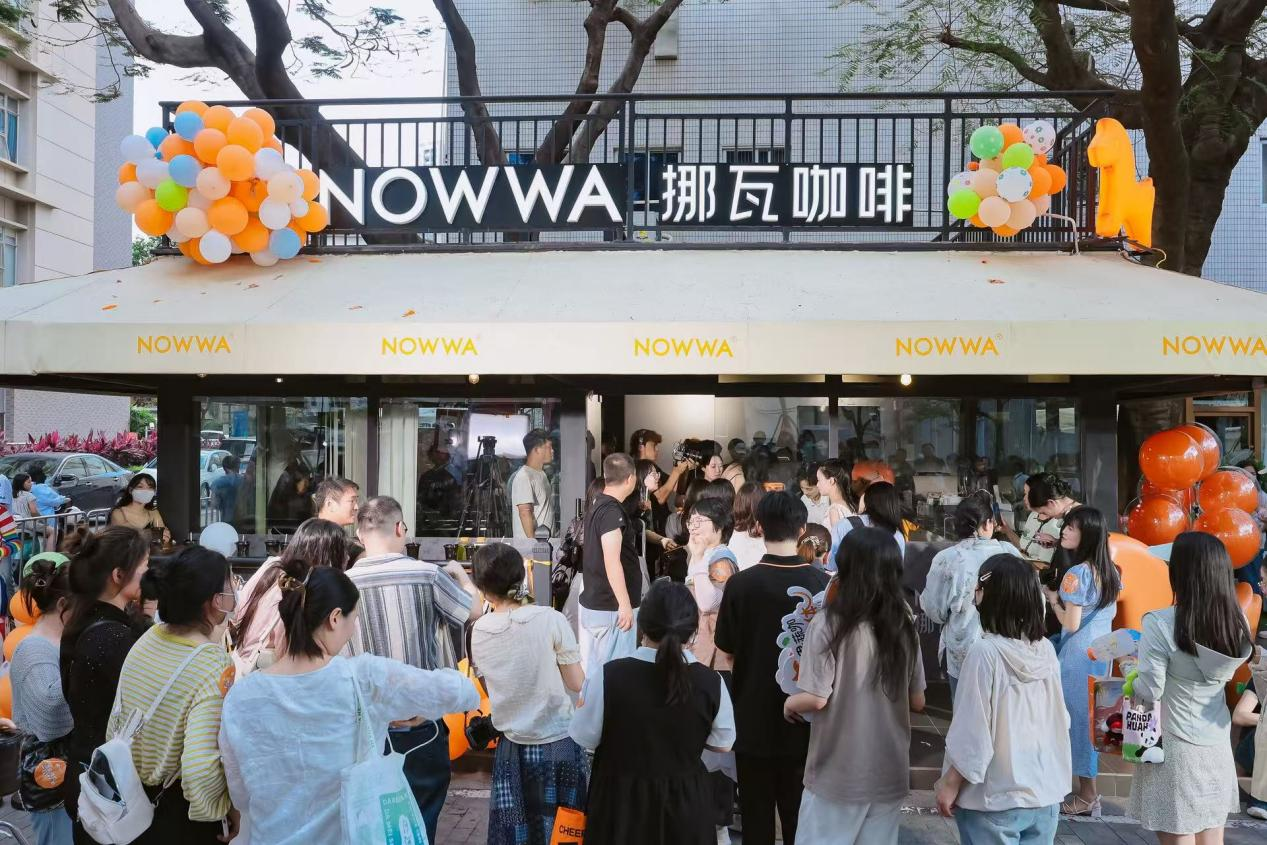
商业秘密|幸运咖、挪瓦咖啡门店破万背后:行业激战 盈利与增长如何平衡
Di Yi Cai Jing· 2025-12-19 14:00
Core Insights - The coffee industry in China is experiencing significant expansion, with new brands like Luckin Coffee and Nova Coffee joining the "10,000 store club," indicating a shift in industry dynamics [1][2] - The competitive landscape is marked by aggressive price wars, leading to concerns about profitability for franchisees and established brands alike [2][3] Group 1: Industry Expansion - By December 2025, the number of coffee stores in China surpassed 10,000 for both Luckin Coffee and Nova Coffee, joining existing players like Luckin and Kudi [1] - The current market includes four major brands with over 10,000 stores each, highlighting a rapidly evolving competitive environment [1] - Nova Coffee's unique "coffee + convenience store" model has contributed to its rapid growth, achieving a 210% increase in daily cup sales through partnerships [1] Group 2: Competitive Dynamics - The coffee market is projected to reach nearly 250 billion yuan by 2024, with an expected growth rate of around 20% [3] - The number of coffee consumers in China is anticipated to double from 130 million in 2023 to 260 million by 2028, indicating substantial market potential [3] - Price wars initiated in 2023 have intensified competition, with brands adopting low-price strategies that have led to reduced profit margins for franchisees [3][4] Group 3: Consumer Behavior - Consumer preferences are shifting towards high-cost performance coffee, with a significant portion of consumers favoring lower-priced options [5] - A report indicates that 51.9% of consumers prefer new beverage products priced between 15-20 yuan, while only 4% are willing to pay over 25 yuan [5] Group 4: Future Directions - As competition escalates, brands are exploring various strategies to differentiate themselves, with Starbucks planning to expand its store count significantly [6] - Tims Coffee is focusing on differentiation by introducing complementary food items, aiming to stand out in a crowded market [6] - The market is expected to see a shift towards lower price points and a focus on convenience, with brands needing to adapt to survive [7]

商业秘密|幸运咖、挪瓦咖啡门店破万背后:行业激战,盈利与增长如何平衡
Di Yi Cai Jing· 2025-12-19 13:50
Group 1 - The coffee industry in China is experiencing significant expansion, with the number of stores for brands like Luckin Coffee and Nova Coffee surpassing 10,000, indicating a reshaping of the industry landscape [1][3] - The current market features four major brands with over 10,000 stores: Luckin, Kudi, Luckin Coffee, and Nova Coffee, highlighting a competitive environment [3] - Nova Coffee has introduced a unique "coffee + convenience store" model, achieving a 210% increase in daily cup sales through partnerships with channels like Meiyijia [3] Group 2 - The coffee market in China is projected to reach nearly 250 billion yuan by 2024, with an expected growth rate of around 20%, indicating substantial market potential [5] - The competition has intensified since 2023, leading to a price war among major brands, with some offering coffee at as low as 9.9 yuan, which raises concerns about profitability for franchisees [5][6] - The emergence of new brands is accelerating the restructuring of the industry, with a clear division between first-tier cities, where market saturation is approaching, and lower-tier cities, which still present significant growth opportunities [6] Group 3 - Starbucks is adapting to the competitive landscape by expanding its store count from 8,000 to 20,000 in partnership with Boyu Capital, indicating a strategic shift to regain market share [7] - Tims Coffee is pursuing a differentiation strategy by introducing complementary food items, such as baked goods, to stand out in a crowded market [7] - The industry is entering a "positioning battle," with low pricing becoming a norm and the focus shifting to capturing market share in less saturated areas like towns and subway terminals [8]
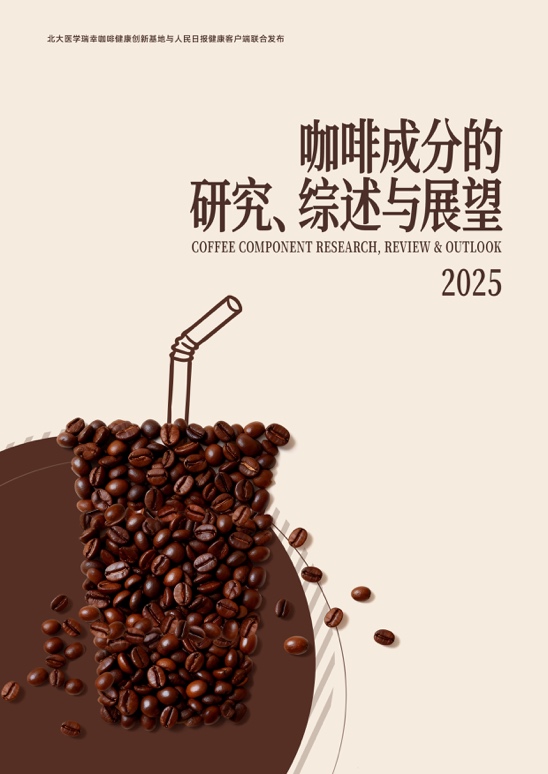
探索咖啡健康,瑞幸发布咖啡成分研究报告
Zhong Guo Jing Ji Wang· 2025-12-19 13:23
Core Insights - The report titled "Research, Review, and Outlook on Coffee Components by 2025" was jointly released by Peking University Medical Luckin Coffee Health Innovation Base and People's Daily Health Client, aiming to provide an authoritative and practical scientific reference for the public and industry [1][3] Group 1: Scientific Consensus and Public Health Concerns - The coffee market in China is rapidly growing, with increasing consumer demands for healthier drinking options, yet issues like insufficient labeling of key components and concept confusion persist, affecting consumer choices [3] - The implementation of new national standards and the "Healthy China" strategy necessitate guiding public awareness with scientific evidence to promote healthy consumption [3] Group 2: Health Component Analysis and Recommendations - The report systematically reviews core health components in coffee, such as caffeine and chlorogenic acid, and constructs a structured knowledge system, providing targeted drinking suggestions based on different health conditions and drinking habits [4] - Innovative research projects led by students further explore the mechanisms of coffee components, individual differences, and health responses under various physiological states, yielding valuable research outcomes [4] Group 3: Integration of Research and Industry - The report reflects the 2025 work summary and outlook of the Peking University Medical Luckin Coffee Health Innovation Base, showcasing the integration of research and industry practices [7] - The base, established in May 2024, aims to merge the research strengths of Peking University with the practical needs of Luckin Coffee, fostering innovative research that addresses public health needs [7][8] - A "Research Practice Center" was set up at Luckin Coffee's processing plant to enhance the connection between research and real industry scenarios, providing students with practical opportunities [8] Group 4: Commitment to Public Health and Industry Standards - Luckin Coffee is committed to supporting innovative research and translating scientific findings into industry standards, health guidelines, and public education, leading the coffee industry towards a more scientific and health-oriented future [8] - The release of this report signifies a shift in coffee health research from fragmented studies to a systematic approach, enhancing public scientific literacy and promoting a healthier national lifestyle [8]
每日投资策略-20251219
Zhao Yin Guo Ji· 2025-12-19 03:55
Core Insights - The report highlights that the macroeconomic environment in 2026 will be influenced by U.S. midterm election pressures, defense demands in Europe and Japan, and China's focus on stable growth, leading to continued policy easing in the first half of the year [2] - The AI boom is expected to enhance efficiency and stock valuations but may also exacerbate job losses and economic K-shaped divergence [2] - The report suggests that the second half of 2026 may see a rebound in inflation due to global liquidity easing, a weaker dollar, and China's anti-involution efforts, potentially causing volatility in high-valuation assets [2] Industry Outlook Chinese Internet Software - 2026 is seen as a critical year for competing for user attention in the AI era, with a focus on lowering usage barriers, enhancing decision-making efficiency, and creating real value [2] - Companies with stable cash flows supporting AI investments and strong operational capabilities are expected to have higher long-term investment value [5] Semiconductor - The report maintains four core investment themes for 2026: AI-driven structural growth, China's semiconductor self-sufficiency trend, high-yield defensive allocations, and industry consolidation [7] - The global semiconductor market is projected to grow by 26% to $975 billion in 2026, with AI-related segments leading the growth [7] Technology - The global tech industry is expected to experience demand differentiation and accelerated AI innovation, with a focus on AI computing infrastructure and end-user AI products [8] - Key companies to watch include Apple, which is anticipated to have a year of innovation with new AI products [8] Consumer Sectors Essential Consumption - The report identifies three main investment themes: deepening consumption stratification, focusing on essential survival needs, and leveraging overseas expansion to hedge against domestic uncertainties [10][20] - Companies in the food and beverage sector, such as Nongfu Spring and China Resources Beverages, are recommended due to their stable demand and attractive valuations [21] Discretionary Consumption - The outlook for the discretionary consumption sector is cautious, with expected retail sales growth of about 3.5% in 2026, slightly down from 4% in 2025 [11] - The report suggests a focus on survival-type consumption and low-cost emotional comfort products, with recommendations for companies like Luckin Coffee and Bosideng [11][21] Automotive - The Chinese automotive industry is expected to show resilience despite pressures from subsidy reductions and tax incentives, with retail sales of passenger vehicles projected to remain stable [12] - Key trends include intensified competition and the introduction of new models, particularly in the new energy vehicle segment [12] Pharmaceuticals - The innovative drug sector has seen significant growth driven by overseas licensing deals, but future catalysts are expected to shift from upfront payments to milestone achievements [13] - The CXO industry is anticipated to continue its recovery in 2026, supported by a rebound in domestic R&D demand [13] Real Estate - The report forecasts a continued contraction in the real estate market, with total residential sales expected to decline by 8% in 2026 [16][17] - Investment themes include focusing on stock market service providers and companies with strong operational capabilities in commercial assets [18][19]




“咖啡界安踏”崛起?瑞幸又盯上蓝瓶%Arabica
Guan Cha Zhe Wang· 2025-12-18 13:57
Core Viewpoint - Luckin Coffee, China's largest coffee chain, and its major investor, Dazhong Capital, are considering acquiring Blue Bottle Coffee from Nestlé to enhance brand image and enter the high-end coffee market [1][3] Group 1: Acquisition Considerations - Discussions regarding the acquisition are in early stages, and a formal offer may not be made [1] - Besides Blue Bottle Coffee, Luckin and Dazhong are also evaluating the acquisition of %Arabica's operations in China [1] - Blue Bottle Coffee, founded in 2002, is known for its fresh coffee beans and minimalist design [1][2] Group 2: Market Presence - Blue Bottle Coffee has 15 stores in mainland China, with locations in Shanghai, Shenzhen, and Hangzhou [2] - %Arabica has 116 stores in mainland China and Hong Kong, making China its largest market [2] Group 3: Financial Performance - Luckin Coffee has shown remarkable recovery post-financial scandal, with 29,214 stores globally and a net revenue of 15.287 billion yuan in Q3 2023, a 50.2% year-on-year increase [3] - The net profit for the same quarter reached 1.278 billion yuan [3] Group 4: Strategic Implications - Acquiring Blue Bottle or %Arabica could help Luckin fill a gap in the high-end market and enhance brand value [3] - Nestlé is reportedly evaluating the future of Blue Bottle Coffee, including potential sale options, as part of a strategic shift under its new CEO [4][5] Group 5: Challenges and Market Dynamics - The acquisition poses challenges due to the cultural differences between Luckin's fast service model and the slow culture of hand-brewed coffee [5] - The domestic coffee market is facing intense price competition, raising questions about the financial rationale behind acquiring a brand with average profitability [5] - The evolving coffee market landscape indicates a shift towards higher value and broader market opportunities for local brands like Luckin [5]
浪涌潮退
Zhao Yin Guo Ji· 2025-12-18 11:06
Macro Economic Outlook - In 2026, the U.S. midterm elections, Japan and Europe’s defense spending demands, and China's growth stabilization will lead to continued policy easing in the first half of the year. However, the actual space for macro policy is limited due to high inflation, rising government debt, and previous policy overreach [7] - The AI boom is expected to enhance efficiency and market valuations but may also exacerbate job losses and economic K-shaped divergence. Global liquidity easing and a weaker dollar may lead to rising inflation in the second half of the year, potentially causing volatility in high-valuation assets [7] Chinese Internet Software Sector - 2026 is seen as a critical year for capturing user mindshare in the AI era, focusing on lowering usage barriers and enhancing decision-making efficiency. Companies with stable cash flows supporting AI investments and strong operational capabilities are expected to have higher long-term investment value [8] - Recommended stocks include Tencent, Alibaba, and Kuaishou for AI-driven growth, and NetEase and Trip.com for stable earnings growth [8] Overseas Internet Software Sector - The competition in the large model industry is expected to intensify, with AI application monetization continuing to grow. Companies like Microsoft, Google, Amazon, and Palantir are recommended for their potential in AI revenue generation [9] Chinese Semiconductor Sector - The sector is expected to focus on AI-driven structural growth, self-sufficiency trends, high-yield defensive allocations, and industry consolidation. The global semiconductor market is projected to grow by 26% to $975 billion in 2026, with AI-related segments leading the growth [10] Chinese Technology Sector - The global tech industry will experience demand differentiation and accelerated AI innovation. The expansion of computing power and the introduction of AI products are expected to drive growth, with a focus on AI infrastructure and end-user AI products [11] Chinese Essential Consumer Sector - The core constraint on consumer spending in 2026 is expected to be asset shrinkage and slow income recovery. Investment themes include the deepening of consumer stratification and a focus on essential survival needs [12] Chinese Discretionary Consumer Sector - The overall retail sales growth is projected to slow to about 3.5% in 2026. Investment strategies should focus on survival-type consumption, compensatory consumption, and defensive stocks [13] Chinese Automotive Sector - Despite pressures from subsidy reductions, the automotive industry is expected to show resilience, with retail sales of passenger vehicles projected to remain stable. Key trends include intensified competition and the growth of plug-in hybrid vehicles [14] Chinese Pharmaceutical Sector - The innovative drug sector has seen significant growth driven by overseas licensing deals. Future catalysts are expected to shift from upfront payments to milestone payments as clinical progress is made [15] Chinese Equipment Manufacturing Sector - The mining machinery sector is anticipated to be a major growth area, driven by high capital expenditures from global mining companies. Companies like Zoomlion and Sany Heavy Industry are expected to benefit [16] Natural Uranium Sector - The global supply of natural uranium is expected to remain tight, supporting a rising price trend. Demand may exceed expectations due to the recovery of U.S. nuclear power plants [17] Chinese Insurance Sector - The life insurance sector is undergoing a transformation towards dividend insurance, with expectations of improved profitability and valuation recovery. Companies like Ping An and China Life are recommended for their strong growth potential [18] Chinese Real Estate and Property Management Sector - The real estate market is expected to face continued sales declines, with a focus on stock market-related opportunities and resilient property management companies. Recommendations include China Resources and Beike [19]


瑞幸及其大股东要竞购蓝瓶咖啡?瑞幸回应
Xin Lang Cai Jing· 2025-12-18 05:00
Core Viewpoint - Luckin Coffee and its major shareholder Centurium Capital are reportedly considering a bid for Blue Bottle Coffee, but Luckin has declined to comment on the matter [1] Group 1: Company Performance - As of the end of Q3 2023, Luckin Coffee has a total of 29,214 stores globally, with a net increase of 3,008 stores in the quarter [1] - For Q3 2025, Luckin's total net revenue is approximately 15.287 billion yuan, representing a year-on-year growth of 50.2% [1] - The GAAP operating profit for the same period is about 1.777 billion yuan [1] - The average monthly transacting customer count is around 112 million, showing a year-on-year increase of 40.6% [1] Group 2: Profitability Metrics - Despite strong revenue growth, Luckin's net profit for Q3 2025 is approximately 1.278 billion yuan, which is nearly flat compared to the same period last year, reflecting a year-on-year decline of about 2.7% [1] - The GAAP operating profit margin stands at 11.6%, down from 15.5% in the same quarter last year [1]