Luckin Coffee(LKNCY)

Search documents
动辄投入百万,餐饮品牌正透过联名游戏IP“抢人”?
投中网· 2025-11-18 03:14
Core Viewpoint - The collaboration between the restaurant industry and game IPs is becoming a prevalent marketing strategy, driving significant traffic and engagement for brands, despite the high costs associated with such partnerships [4][5][12]. Group 1: Trends in Collaboration - Game IPs are increasingly becoming a frequent choice for restaurant brand collaborations, with 70 game brands engaging in partnerships with various food and beverage companies by mid-2025 [6]. - The nature of these collaborations is evolving from simple branding to deeper integrations, including in-game items, themed stores, and exclusive menus [6][10]. - Notable examples include Luckin Coffee's collaboration with "Honor of Kings," which sold over 10 million cups in just three days, and Gu Ming's partnership with "Honkai: Star Rail," which caused their app to crash due to high traffic [4][6]. Group 2: Financial Considerations - Collaborating with top-tier game IPs typically incurs costs exceeding one million, with deeper partnerships ranging from 1.5 million to 3 million [8][10]. - Gu Ming reported a significant increase in advertising expenses, attributing over 70 million yuan to IP collaborations, indicating the financial impact of these marketing strategies [9]. - While the immediate financial returns may not be evident, the long-term brand value enhancement is often cited as a key benefit of these collaborations [10][17]. Group 3: Strategic Motivations - The restaurant industry is targeting the growing gaming demographic, which reached approximately 679 million users in China, with a market revenue of 168 billion yuan in the first half of 2023 [13]. - Collaborating with game IPs allows brands to tap into established fan bases, generating organic promotion and enhancing brand recognition [14][15]. - The emotional connection created through familiar game characters and narratives can lead to stronger customer engagement compared to traditional marketing methods [15][17]. Group 4: Success Factors - Successful collaborations require a strong alignment between the restaurant brand and the game IP's user demographics to maximize effectiveness [18]. - Quality control in supply chains is crucial, as many collaborations have failed due to issues like insufficient stock or poor product quality [18]. - Innovative and engaging marketing strategies, such as limited-time offers and interactive experiences, are essential to capture consumer interest and differentiate from competitors [18][20]. Group 5: Long-term Considerations - The challenge for brands lies in converting the temporary traffic spikes from collaborations into lasting customer loyalty and brand equity [21]. - The ultimate goal is to transform casual customers into loyal fans, ensuring that the collaborations yield sustainable benefits rather than fleeting attention [21].



瑞幸咖啡20251117
2025-11-18 01:15
Summary of Luckin Coffee's Q3 2025 Earnings Call Company Overview - **Company**: Luckin Coffee - **Quarter**: Q3 2025 - **Revenue**: RMB 15.3 billion, a 50% year-over-year increase [2][3][14] Key Financial Performance - **Same-store sales growth**: 14.4% in self-operated stores [2][3] - **Operating profit**: Approximately RMB 1.8 billion, with a margin of 11.6% [21] - **Customer metrics**: Over 110 million average monthly transacting customers, with 42 million new customers acquired [2][9] Store Expansion and Market Presence - **Total store count**: 29,214 stores in China, including 18,809 self-operated and 10,287 partnership stores [5][6] - **International expansion**: 118 stores globally, with notable growth in Singapore and early-stage operations in the US [7] Product Innovation - **New product launches**: Nearly 30 new beverages and snacks, including the 'Nestea Drink from Origin' campaign [8] - **Sales performance**: The Little Butler series surpassed 200 million cups sold [8] Customer Engagement Strategies - **Marketing campaigns**: Collaborations with popular IPs, resulting in significant customer acquisition and engagement [9] - **Cumulative transaction customer base**: Surpassed 420 million [9] Sustainability Initiatives - **Corporate social responsibility**: Launched the 'Philosophy Campus Health Initiative' and sponsored the Angel Journey project [10] Challenges and Industry Dynamics - **Delivery platform subsidies**: Contributed to revenue growth but negatively impacted margins due to high fulfillment costs [23] - **International green coffee bean prices**: Remained high, posing challenges for the industry and impacting future margins [12][24] Strategic Focus for Future Growth - **Long-term development**: Emphasis on product and brand innovation, operational excellence, and expanding store networks [18][25] - **Balancing growth and profitability**: Focus on maintaining high-quality stores while navigating external pressures [24][26] Cash Flow and Financial Health - **Net operating cash inflow**: Approximately RMB 2.1 billion for Q3 2025 [22] - **Cash reserves**: RMB 9.3 billion, up from RMB 5.9 billion at the end of 2024 [22] Relisting Plans - **US exchange relisting**: No specific timeline for relisting on a major US exchange, with a focus on business development and market share expansion [27]
瑞幸咖啡3Q业绩点评:短期利润承压,长期增长稳健
Haitong Securities International· 2025-11-18 01:03
Investment Rating - The report does not explicitly state an investment rating for Luckin Coffee, but it highlights strong revenue growth and market expansion, indicating a positive outlook for the company. Core Insights - Luckin Coffee reported a revenue of RMB 15.3 billion for Q3, representing a 50% year-on-year increase, with an adjusted net profit of RMB 1.42 billion, up 1% year-on-year [1][7]. - The average monthly transacting customers reached 112 million, a 41% increase year-on-year, and the total number of stores grew to 29,214, with a net increase of 3,008 stores quarter-on-quarter [2][7]. - The company is focusing on market share and scale growth, with significant increases in both direct and franchise store revenues [2][3]. - The report notes that the increase in delivery orders has pressured profit margins, with delivery costs rising significantly due to participation in delivery platform subsidies [3]. - Luckin Coffee continues to innovate with new product offerings, including 30 new drinks in Q3, and aims to maintain growth and market share while ensuring store quality and product innovation [4][8]. Summary by Sections Revenue and Growth - Q3 revenue reached RMB 15.3 billion, a 50% increase year-on-year [1][7]. - Monthly active users increased to 112 million, up 41% year-on-year [2][7]. - Total store count reached 29,214, with a net increase of 3,008 stores quarter-on-quarter [2][7]. Store Performance - Direct store revenue was RMB 11.1 billion, a 48% increase year-on-year, with same-store sales growth of 14.4% [2]. - Franchise store revenue was RMB 3.8 billion, a 62% increase year-on-year, driven by significant growth in delivery fees and other services [2]. Profitability - Gross margin improved to 63.8%, up 2.6 percentage points year-on-year, but adjusted operating profit margin decreased to 12.6%, down 3.7 percentage points year-on-year due to rising delivery costs [3]. - Adjusted net profit was RMB 1.42 billion, with a net profit margin of 9.3%, down 4.5 percentage points year-on-year [3]. Product Innovation and Strategy - The company launched 30 new drinks in Q3 and expanded its non-coffee product offerings, indicating a commitment to product innovation [4]. - Future strategies focus on maintaining growth and market share while ensuring product quality and innovation [8].
瑞幸三季度业绩出炉,CEO说:瑞幸以自提为核心,外卖更多是阶段性补充,短期外卖占比显著提升对利润率造成一定负面影响
3 6 Ke· 2025-11-18 00:17
Core Viewpoint - The company reported strong revenue growth in Q3, driven by an expanding store network and increased consumer demand in the coffee market, with a total net revenue of RMB 15.287 billion, a year-on-year increase of 50.2% [1][12]. Financial Performance - Total net revenue for Q3 reached RMB 15.287 billion, up 50.2% year-on-year [12]. - GAAP operating profit was RMB 1.777 billion, reflecting a 12.9% increase [12]. - Same-store sales grew by 14.4%, a significant improvement from a decline of 13.1% in the same period last year [1]. - The company achieved a monthly average of over 100 million transacting customers, with a total of 420 million customers by the end of Q3 [12]. Store Expansion - The company opened 3,008 new stores in Q3, bringing the total number of stores to 29,214 [3][12]. - In China, 2,979 new stores were added, with a total of 29,096 stores, including over 10,287 franchise stores [3][6]. - The international market saw a net addition of 29 stores, totaling 118, with significant growth in Singapore and the U.S. [6][8]. Market Strategy - The company is focusing on expanding its store network to enhance delivery capabilities and meet growing consumer demand, particularly in high-tier cities and lower-tier markets [3][6]. - The CEO emphasized the importance of maintaining a strong digital operation and understanding customer preferences to drive long-term growth [17]. Competitive Landscape - The coffee industry in China is experiencing rapid growth, driven by increased consumer demand and significant subsidies from delivery platforms [9][11]. - The CEO noted that while the rise in delivery orders has impacted profit margins, it is a temporary phase in the industry's development [9][11]. Future Outlook - The company anticipates challenges in same-store growth due to fluctuating market conditions and high international coffee bean prices [17]. - The focus will remain on long-term strategic development, product innovation, and enhancing customer service to capture market opportunities [17].
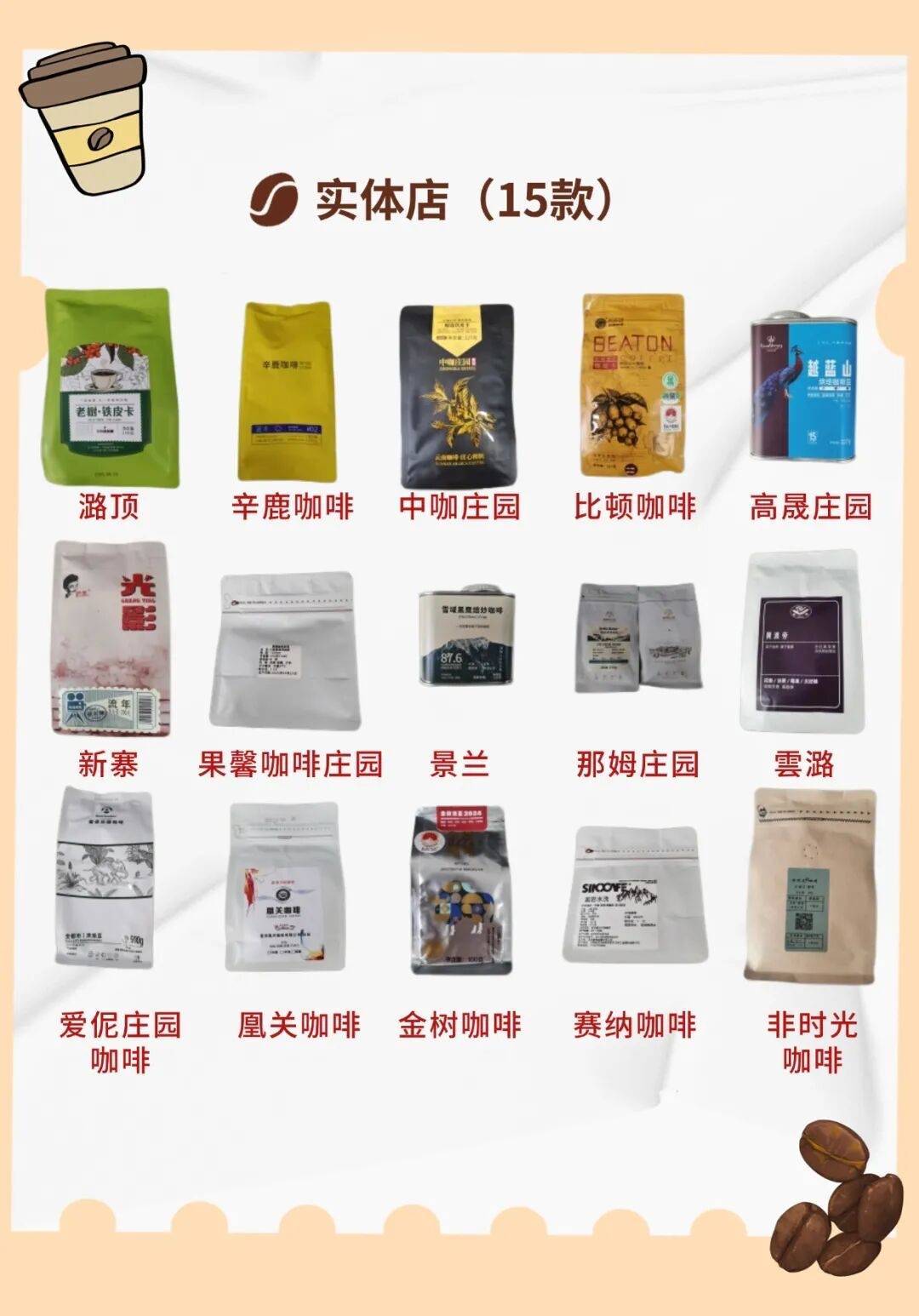
云南省消费者协会发布咖啡豆比较试验结果
Sou Hu Cai Jing· 2025-11-17 22:06
Core Insights - The Yunnan Consumer Association conducted a comprehensive analysis of 30 popular coffee bean products, including 23 brands from Yunnan and 7 from other regions, confirming that all samples met national food safety standards [1][12][18]. Group 1: Quality Assessment - The analysis included key safety indicators such as heavy metal residues, fungal toxins, pesticide residues, and pathogenic bacteria, with all results showing no detection of harmful substances, indicating the safety of the products [18]. - All 30 coffee bean samples scored 80 points or above in sensory evaluations, qualifying them as "specialty grade" according to the SCA Specialty Coffee Cup Tasting Manual. Five products, including "Biton Coffee" and "Jinshu Coffee," scored above 85 points, categorizing them as "specialty grade - excellent" [19]. Group 2: Quality Standards - Moisture content is a critical quality indicator for roasted coffee beans, affecting flavor and shelf life. The moisture content of the tested samples ranged from 0.53% for "Geo" to 2.07% for "Huangguan Coffee," all within the acceptable limits [20]. - Caffeine content varied among the samples, with the lowest being 10.2 mg/g for "Yunlu" and the highest at 22 mg/g for "Shizhi," aligning with WHO recommendations for daily caffeine intake [20]. Group 3: Consumer Guidance - Consumers are advised to prioritize products with clearly marked roasting dates and to choose beans based on brewing methods. Proper grinding and storage techniques are essential for maintaining flavor [21][22]. - It is recommended to purchase coffee beans in quantities that can be consumed within a short period to ensure optimal flavor experience [23].

财报解读|瑞幸三季度收入增长50% 业绩会回应重新上市进展
Di Yi Cai Jing· 2025-11-17 15:53
但郭谨一并不担心平台补贴力度变化带来的影响。他认为从长期看来,咖啡行业仍将以自提为核心,外 卖为补充,这是由于一方面外卖的履约成本和目前中国咖啡主流价格带并不匹配;另一方面,配送时长 会影响咖啡的口感和即时消费的体验感。此外,在基于AI导向的平台补贴策略下,外卖平台依然会倾 向于选择订单密度高、交付能力强的大品牌合作。 值得注意的是,瑞幸重新上市的进展一直备受市场关注。在近期举行的厦门企业家日大会上,郭谨一表 示正积极推动重回美国主板上市进程,也引发了外界新一轮讨论。不过在业绩会上,郭谨一也回应表 示,瑞幸在持续关注美国资本市场,但目前对于重返美国主板上市没有明确的时间表。 截至今年三季度末,瑞幸咖啡海外门店数量增长至118家,其中新加坡为68家、马来西亚45家和美国5 家,相比于国内激进地扩店发展,海外市场拓展依然较为谨慎。 瑞幸管理层认为,第三季度净收入增长主要来自于门店数量增长以及月度交易客户数增长带动。财报显 示,第三季度瑞幸咖啡单季度净新开门店3008家,同比增长11.5%,截至第三季度末,瑞幸咖啡门店总 数增至29214家。同时,平均每月交易客户数达到1.1亿,同比增长了40.6%。 瑞幸咖啡的增 ...
瑞幸咖啡Q3总净收入增长50.2%至152.87亿元,净新开门店3008家
Cai Jing Wang· 2025-11-17 15:39
Core Insights - Luckin Coffee reported a total net revenue of RMB 15.287 billion for Q3 2025, representing a year-on-year growth of 50.2% [1] - The company achieved a GAAP operating profit of RMB 1.777 billion, with an operating profit margin of 11.6% [1] - The average monthly transacting customer count reached 112 million, with a total of 29,214 stores globally by the end of Q3 [1] Revenue Breakdown - Self-operated store revenue for Q3 was RMB 11.08 billion, a year-on-year increase of 47.7% [1] - Operating profit from self-operated stores was RMB 1.941 billion, up 10.2% year-on-year, with same-store sales growth rate improving to 14.4% [1] - Revenue from partnership stores grew by 62.3% year-on-year to RMB 3.799 billion [1] Store Expansion - A total of 3,008 new stores were opened in Q3, bringing the global store count to 29,214 [1] - In the Chinese market, 2,979 new stores were added, totaling 29,096 stores, including 18,809 self-operated and 10,287 partnership stores [1] - In the international market, 29 new stores were opened, with a total of 118 stores, including 68 self-operated in Singapore, 5 in the U.S., and 45 franchise stores in Malaysia [1] Customer Growth - Over 42 million new transacting customers were added in Q3, with a year-on-year increase of 40.6%, reaching an average monthly customer count of 112 million [2] - The cumulative number of transacting customers surpassed 420 million by the end of Q3 [2]
Luckin Coffee Inc. 2025 Q3 - Results - Earnings Call Presentation (OTCMKTS:LKNCY) 2025-11-17
Seeking Alpha· 2025-11-17 15:33
To ensure this doesn’t happen in the future, please enable Javascript and cookies in your browser.If you have an ad-blocker enabled you may be blocked from proceeding. Please disable your ad-blocker and refresh. ...

瑞幸Q3总净收入近153亿,净增3008家门店:要紧抓咖啡市场的时代红利
Xin Lang Cai Jing· 2025-11-17 15:32
Core Insights - The current strategic focus of the company is on business growth and market share expansion, as highlighted by the strong financial performance in Q3 2025 [2][10] - The company reported a total net revenue of 15.287 billion RMB in Q3 2025, representing a year-on-year growth of 50.2% [2][3] - The company achieved a GAAP operating profit of 1.777 billion RMB with an operating profit margin of 11.6% [2][3] Financial Performance - Total net revenue for Q3 2025 was 15.287 billion RMB, up from 10.181 billion RMB in Q3 2024, marking a 50.2% increase [3] - Same-store sales growth for self-operated stores in Q3 2025 was 14.4% [3] - The average monthly transaction customer count reached over 112 million, a 40.6% increase from 79.85 million in Q3 2024 [3][4] Customer Metrics - The company added over 42 million new transaction customers in Q3 2025, with a cumulative transaction customer count exceeding 420 million [4] - The monthly average transaction customer count surpassed 100 million for the first time, marking a significant milestone [4] Store Expansion - The company maintained a leading store opening pace, with a net increase of 2,979 stores in China, bringing the total to 29,096 stores [6] - The number of self-operated stores reached 18,809, while franchise stores exceeded 10,287 [6] - Internationally, the company added 29 stores, bringing the total to 118, with a focus on Singapore and the U.S. markets [7] Market Strategy - The company is focused on expanding its store network in high-tier cities while also penetrating lower-tier markets [4][6] - The CEO emphasized the importance of product innovation and brand value enhancement to meet diverse customer needs and support long-term growth [4][9] Industry Context - The coffee market in China is still in its early stages, with significant growth potential as consumer demand continues to rise [10] - The company is adapting to market changes, including the impact of reduced subsidies from delivery platforms, while maintaining a focus on long-term development [8][9] - The CEO noted that the coffee business will gradually return to a self-pickup model as the primary consumption method, despite the current reliance on delivery services [9]

瑞幸Q3总净收入近153亿,净增3008家门店:要紧抓咖啡市场的时代红利
IPO早知道· 2025-11-17 15:14
Core Viewpoint - The current strategic focus of the company is on business growth and market share expansion, with a strong emphasis on maintaining a competitive edge in the coffee market [17]. Financial Performance - In Q3 2025, the company's total net revenue reached 15.287 billion RMB, representing a year-on-year growth of 50.2%. The GAAP operating profit was 1.777 billion RMB, with an operating profit margin of 11.6%. The Gross Merchandise Volume (GMV) for the quarter was approximately 17.32 billion RMB [3]. - The company achieved a record high of over 42 million new transaction customers in Q3, with an average monthly transaction customer count exceeding 110 million, bringing the total cumulative transaction customer count to over 420 million by the end of the quarter [5]. Business Strategy - The CEO emphasized a core strategy focused on scale growth, which has yielded positive results. The company continues to expand its store network, enhancing delivery capabilities to meet growing user demand [6]. - The company maintains an industry-leading pace of store openings, with a net increase of 2,979 stores in the Chinese market, bringing the total to 29,096 stores, including 18,809 self-operated and 10,287 franchised stores [12]. Market Expansion - In the international market, the company added 29 new stores, bringing the total to 118, with a focus on Singapore and the United States. The Singapore market has shown promising performance, while the U.S. market is still in the early exploration phase [13]. - The CEO noted that the coffee market in China is still in its early stages, with significant growth potential. The company aims to leverage its strong brand and digital capabilities to meet customer needs effectively [12]. Future Outlook - The CEO acknowledged challenges ahead, including seasonal demand fluctuations and the potential reduction of platform subsidies. The company plans to focus on long-term development and strategic adjustments to navigate these changes [14]. - The company believes that the coffee business will gradually return to a self-pickup model as the primary consumption method, despite the current reliance on delivery channels [16]. Competitive Advantage - The company is positioned as a preferred choice for delivery platform subsidies due to its extensive store network and efficient operations, which are expected to enhance its competitive edge in the market [15].