Nomura (NMR)

Search documents
A股能否延续涨势?金价还有多少上行空间?四大国际投行研判2026年
天天基金网· 2026-01-04 01:06
Group 1 - Morgan Stanley anticipates a more proactive fiscal policy in China for 2026, driven by the "14th Five-Year Plan" and supportive measures in fiscal and real estate policies [3] - Key positive changes include flexible policies, resilient corporate performance in sectors like AI and biopharmaceuticals, and increased interest from overseas investors in Chinese assets [3] - The outlook for China's exports remains strong, with domestic demand policies being a critical variable for 2026 [3] Group 2 - UBS is optimistic about the continued upward trend of the Chinese stock market in 2026, driven by advanced manufacturing and technological self-reliance [4] - Structural changes are expected to support the rise of Chinese stocks, with AI and technology being key long-term growth drivers [4] - UBS forecasts a 37% growth in earnings per share for the Hang Seng Tech Index by 2026, supported by strong liquidity and favorable policies [5] Group 3 - Goldman Sachs predicts that gold prices may rise to $4,900 per ounce by December 2026, driven by central bank demand and a potential interest rate cut cycle [6] - Central banks are expected to purchase an average of 70 tons of gold monthly in 2026, contributing approximately 14 percentage points to gold price increases [6] - Goldman Sachs also sees copper prices strengthening due to supply constraints and sustained demand, maintaining a long-term price target of $15,000 per ton by 2035 [6] Group 4 - Nomura expects that the investment boom driven by AI and supportive monetary and fiscal policies will continue to propel global economic growth in 2026 [7] - Despite challenges such as reduced global cooperation and tight fiscal policy space, the AI-led investment trend is anticipated to provide a strong foundation for economic performance [7] - Nomura forecasts stable and accelerating growth in the global economy for 2026, although growth will be uneven across regions [7]



四大国际投行研判2026年:A股看涨 金价走高
Zhong Guo Zheng Quan Bao· 2026-01-03 13:44
Group 1: Economic Outlook - Morgan Stanley anticipates a more proactive fiscal policy in China for 2026, driven by the "14th Five-Year Plan" and supportive measures in fiscal and real estate policies [2] - UBS expects the Chinese stock market to continue its upward trend in 2026, with advanced manufacturing and technological self-reliance as new growth engines [3] - Nomura forecasts that the investment boom driven by artificial intelligence, along with supportive monetary and fiscal policies, will sustain strong global economic growth in 2026 [6] Group 2: Market Trends - Morgan Stanley highlights three positive changes boosting confidence: flexible policies, resilient enterprises in key sectors, and increased foreign investment interest in Chinese assets [2] - UBS notes that the technology sector, particularly in AI, is becoming a key driver of long-term profit growth, with the Hang Seng Tech Index expected to see a 37% increase in earnings per share by 2026 [3] - Goldman Sachs predicts gold prices will rise to $4,900 per ounce by December 2026, supported by central bank demand and a potential increase in personal investment in gold [4] Group 3: Sector-Specific Insights - Goldman Sachs identifies copper as a long-term favorite due to constrained supply and growing demand, maintaining a price forecast of $15,000 per ton by 2035 [4] - Nomura emphasizes that the AI-driven investment trend will continue to shape economic performance, despite challenges from reduced global cooperation and tight fiscal spaces [6]
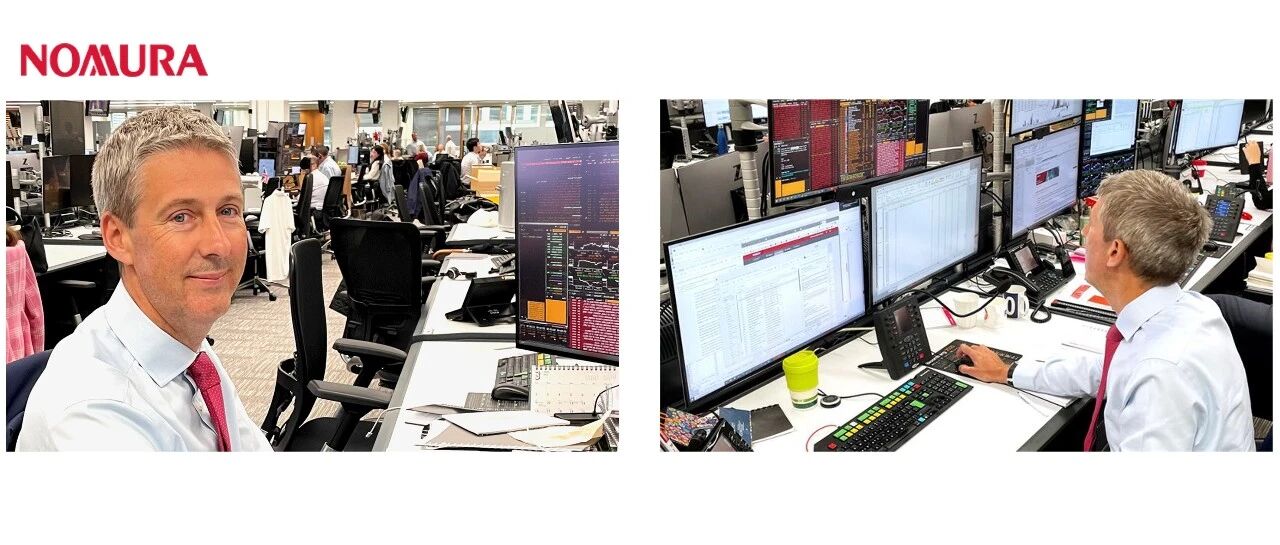
从大学讲台到市场前沿:野村欧洲首席经济学家George Buckley的25年实践之路
野村集团· 2025-12-23 04:01
Core Insights - The article features an interview with George Buckley, the Chief Economist for Europe at Nomura, discussing his career journey and the unique aspects of Nomura's research [1][2]. Group 1: Career Background - George Buckley has over 25 years of experience as a market economist and has been with Nomura for more than eight years, applying academic economic theories in practical settings [3][4]. - He holds a PhD and a Master's degree from the University of Bristol, where he also taught macroeconomics and econometrics [2]. Group 2: Passion for Economics - Buckley emphasizes the importance of applying economic knowledge to real-world scenarios to assist various stakeholders, including clients and media [4]. - He believes that explaining the analytical process is as crucial as presenting the final conclusions, akin to demonstrating the steps in solving a math problem [4]. Group 3: Unique Services at Nomura - Nomura offers distinctive services in Europe, including a podcast series designed for relaxed listening, which has received positive feedback from clients [6]. - The company balances speed and depth in data interpretation, providing both quick updates and in-depth analysis that uncovers overlooked insights [6]. Group 4: Focus on Asian Markets - Nomura's research heavily emphasizes Asian markets, supported by a robust research framework covering stocks and industries across Asia [8]. - The company values localized perspectives, with economists like Buckley focusing on the UK economy, enhancing client engagement through their local expertise [8].
India fast-tracks key reforms to shield itself from US tariffs
The Economic Times· 2025-12-20 03:09
Economic Reforms - The Indian Parliament approved significant bills to open the nuclear industry to private firms and allow full foreign ownership of insurance companies, aiming to modernize the financial framework and encourage market participation [1][2] - The finance minister proposed unifying India's securities market laws under a single code, which is expected to attract more investments [1][2] Investment Potential - These reforms could unlock hundreds of billions of dollars in investments, supporting Prime Minister Modi's goal of transforming India into a developed nation within the next two decades [2] - The Adani Group is already planning to capitalize on these changes by developing a commercial nuclear energy project in northern India [2] Economic Growth Projections - Economists predict a growth rate of 6.9% for 2026, with a steady pace of 6.5% expected for the fiscal year through March, although this is below the 8% growth needed for India to achieve developed-nation status by 2047 [6][7] - The recent policy actions are seen as a shift towards diversification and structural reforms, aimed at attracting long-term capital [6] Trade Relations - India's exports to the US have weakened due to higher tariffs imposed by the Trump administration, with ongoing negotiations for a trade deal lacking clarity [8] - Tamil Nadu, a key export-reliant state, has reported significant losses due to high tariffs, highlighting the impact on local businesses [10] Legislative Activity - December's parliamentary session was the most productive in five years, with 61.7 hours spent on legislation and eight bills passed, indicating a proactive legislative environment [11][14] - The burst of policy action is expected to energize Modi's Bharatiya Janata Party ahead of upcoming state elections [12][14]

今日焦点:日本加息“已被市场消化”,央行表态决定日元走向
Hua Er Jie Jian Wen· 2025-12-19 00:37
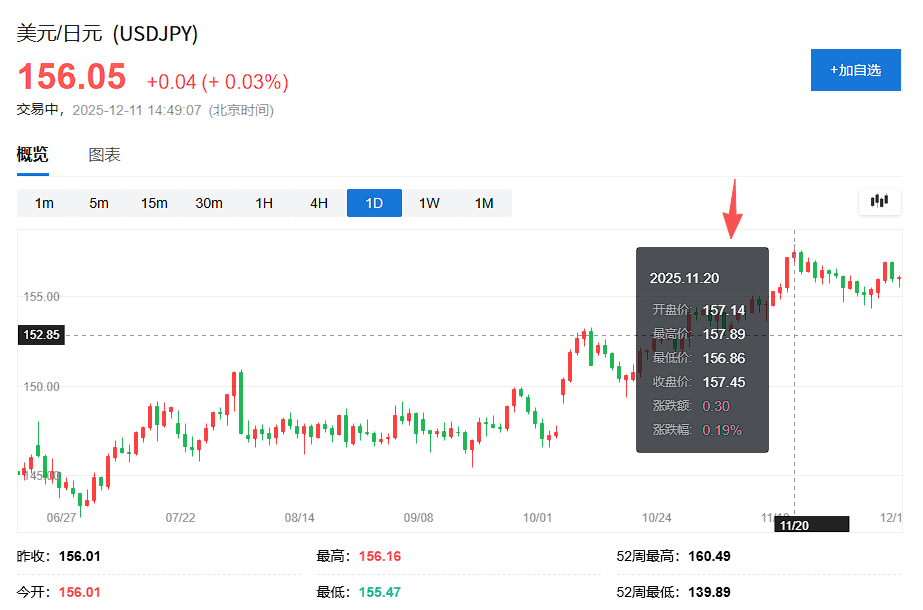
Core Viewpoint - The focus of investors is shifting from the interest rate decision to the guidance on the future tightening path from the Bank of Japan, particularly comments from Governor Kazuo Ueda after the meeting [1][2]. Group 1: Interest Rate Expectations - The market anticipates the Bank of Japan will raise the overnight lending rate by 25 basis points to 0.75%, the highest level in thirty years [1]. - Nomura's analysis suggests that the rate hike decision alone may not catalyze further increases in yields, as the market has already priced in these expectations [1][2]. - There is skepticism regarding whether Ueda will indicate a significantly higher neutral rate than the current market pricing of 1.5% [2]. Group 2: Future Rate Guidance - Analysts believe that if the Bank of Japan fails to convey a faster tightening pace than the market expects, the meeting could be perceived as a "non-event" [1]. - The consensus indicates that the policy rate may reach 1.0% by mid-2026, and any signals of continued rate hikes in 2026 would not surprise the market [2]. Group 3: Market Reactions and Currency Implications - A simple rate hike may not be sufficient to support a stronger yen; Ueda would need to suggest an accelerated pace of rate increases to prevent yen depreciation [3]. - The current average rate hike pace since the end of negative interest rates is approximately every seven months, with market expectations for the next increase to occur by the third quarter of 2026 [3]. Group 4: Fiscal Policy Considerations - While the focus is on the central bank meeting, fiscal policy developments are also important, with key tax reform outlines and preliminary budget proposals expected around December 19 and 26 [4]. - The potential removal of income limits proposed by the Democratic Party for the People could lead to significant tax revenue losses, impacting yields and the yen [5]. - If the initial budget for fiscal year 2026 can be kept below 122.4 trillion yen, it may be viewed positively by the bond market; exceeding 125 trillion yen would have negative implications [5].
Nomura seeking private debt acquisitions in alternatives push, CEO says
Reuters· 2025-12-14 23:03
Core Viewpoint - Japan's Nomura Holdings is actively seeking acquisitions in the private debt asset management sector to enhance its alternative assets business, as stated by CEO Kentaro Okuda in a Reuters interview [1] Group 1 - Nomura Holdings is focusing on expanding its alternative assets business through potential acquisitions [1] - The company is particularly interested in the private debt asset management market [1] - CEO Kentaro Okuda emphasized the strategic importance of these acquisitions for the company's growth [1]

Nomura (NMR) - 2026 Q2 - Quarterly Report
2025-12-12 11:05
Table of Contents FORM 6-K U.S. SECURITIES AND EXCHANGE COMMISSION Washington, D.C. 20549 Report of Foreign Private Issuer Pursuant to Rule 13a-16 or 15d-16 of the Securities Exchange Act of 1934 Commission File Number: 1-15270 For the month of December 2025 NOMURA HOLDINGS, INC. (Translation of registrant's name into English) 13-1, Nihonbashi 1-chome Chuo-ku, Tokyo 103-8645 Japan (Address of principal executive offices) Indicate by check mark whether the registrant files or will file annual reports under c ...
野村首席观点 | 媒体专访Sonal Varma:中国东盟数字经济合作将加速
野村集团· 2025-12-11 09:03
Group 1 - Southeast Asian exporters have increased prices for goods exported to the U.S., transferring some cost pressures to American consumers [1][5] - The UNDP predicts a potential 9.7% decline in Southeast Asia's total exports to the U.S. due to tariff-induced price increases [1][5] - Despite facing cost and profit margin pressures, Asian exports are expected to remain robust, with many countries diversifying their markets away from the U.S. [1][5][6] Group 2 - The China-ASEAN Free Trade Area 3.0 upgrade is expected to enhance cooperation in emerging fields, particularly in the digital economy [2][6] - Southeast Asian countries are looking to leverage China's expertise in green technology and high-value manufacturing to diversify their exports [2][6] Group 3 - The signing of trade agreements with the U.S. and China indicates a trend towards trade diversification among Southeast Asian nations [6] - The region's internal trade is expected to grow as countries focus on boosting domestic consumption and reducing reliance on external markets [6][10] Group 4 - Southeast Asian stock markets face challenges in attracting foreign investment due to a lack of AI-related themes and concerns over export slowdowns [12][13] - Structural reforms in the region aim to enhance market liquidity and regulatory transparency, potentially improving the attractiveness of Southeast Asian markets [14][15] Group 5 - The economic outlook for Southeast Asia remains resilient despite external pressures, with a focus on structural reforms and domestic demand improvement [17] - Countries like Malaysia and Singapore are expected to perform well due to strong domestic demand and advancements in technology sectors [13][15]

日银12月加息板上钉钉?野村:加息几成定局,关键是终端利率与未来加息节奏
Hua Er Jie Jian Wen· 2025-12-11 07:40
Core Viewpoint - The Bank of Japan is expected to raise its policy interest rate from 0.50% to 0.75% during the December monetary policy meeting, with a probability of approximately 90% priced in by the market [1][2][5]. Group 1: Interest Rate Expectations - Nomura Securities predicts that the Bank of Japan will likely emphasize that "real interest rates remain very low," indicating no dovish signals suggesting an end to rate hikes [1][6]. - A recent survey shows that 90% of economists anticipate a 25 basis point increase in the interest rate during the December 18-19 meeting, with expectations for rates to rise to 1.0% by September 2026 and a terminal rate forecast of up to 1.5% [1][2][8]. - Nomura believes that the timing for reaching a 1.0% interest rate should be in January 2027, rather than the market's priced-in expectation of September 2026 [1][10]. Group 2: Economic and Political Influences - The upcoming wage negotiations and concerns over the yen's depreciation are significant factors influencing the Bank of Japan's decision to raise rates [2][5]. - Political shifts, particularly the changing stance of Prime Minister Fumio Kishida regarding aggressive fiscal expansion, are also seen as supporting the case for rate hikes [5]. Group 3: Communication Strategy - The focus post-rate hike will be on how Bank of Japan Governor Kazuo Ueda manages market expectations during the press conference [6]. - Ueda may maintain a qualitative stance that "real interest rates are very low" and a quantitative estimate of the natural interest rate range between -1% and +0.5%, while keeping future adjustments flexible [7][9]. - The market has already priced in a very aggressive rate hike path, with indicators suggesting a terminal rate expectation that may be overly hawkish [8][9].
Tower Semiconductor to Attend the Nomura's CES Technology Conference
Globenewswire· 2025-12-09 11:00
Group 1 - Tower Semiconductor will participate in the Nomura's CES Technology Conference on January 5th and 6th, 2026 [1][2] - The conference will be held at the Bellagio Hotel in Las Vegas, providing opportunities for one-on-one meetings with company representatives [2] - Tower Semiconductor is a leading foundry specializing in high-value analog semiconductor solutions, serving various growing markets including consumer, industrial, automotive, mobile, infrastructure, medical, and aerospace and defense [3] Group 2 - The company offers a wide range of customizable process platforms such as SiGe, BiCMOS, mixed-signal/CMOS, RF CMOS, CMOS image sensors, and MEMS [3] - Tower Semiconductor operates multiple facilities, including one in Israel, two in the U.S., and two in Japan, with additional access to a 300mm capacity corridor in Intel's New Mexico factory [3] - The company emphasizes long-term partnerships and aims to create a positive and sustainable impact through its advanced analog technology offerings [3]