
Qualcomm(QCOM)

Search documents
宜鼎国际推出全新"AIon Dragonwing"系列计算解决方案
Xin Lang Cai Jing· 2026-01-07 10:12
首发EXMP-Q911COM-HPC Mini模组,搭载高通SoC,构建高效边缘AI平台 AI解决方案领先品牌宜鼎国际(Innodisk)宣布推出全新"AIon Dragonwing"系列计算解决方案。该系列 由宜鼎国际与高通技术公司(QualcommTechnologies, Inc.)联合开发,专为工业级边缘AI应用打造。首 款产品EXMP-Q911COM-HPCMini模组提供高达100TOPS的AI算力,兼具低功耗设计,并支持-40°C至 85°C宽温工作环境,适用于边缘端严苛场景。此外,QualcommDragonwing™ SoC提供长达至2038年的 供货保障,确保长期部署的供应链稳定。作为宜鼎"AIon ARM"产品组合的首发产品线,"AIon Dragonwing"系列标志着宜鼎集团将携手全球合作伙伴,持续推进基于ARM架构的计算解决方案,为边 缘AI开拓更多可能性。 宜鼎国际推出全新"AIon Dragonwing"系列计算解决方案 宜鼎与高通技术公司合作成果,融合卓越算力、高速接口与完整软件支持 "AIonARM"产品组合的推出,标志着宜鼎与高通技术公司的重要合作里程碑,充分体现了双方在 ...

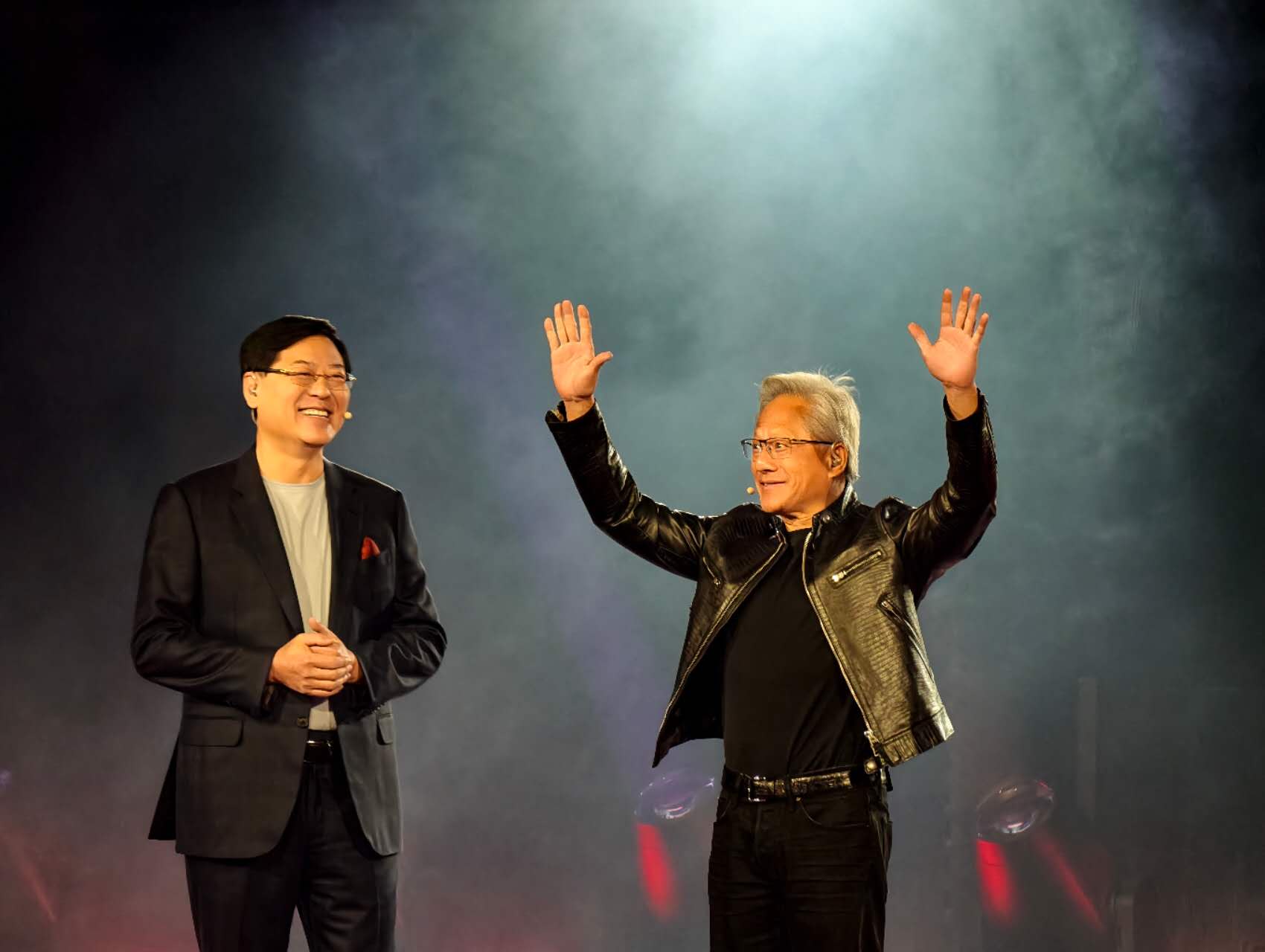
联想大秀“朋友圈”:四大芯片巨头CEO齐站台,智能体及多款硬件新品亮相
Sou Hu Cai Jing· 2026-01-07 08:56
Core Insights - Lenovo showcased its personal AI agent Qira and a range of innovative concept products at the largest global innovation technology conference in its history during CES 2026 [2] - The company aims to integrate personal, enterprise, and public intelligence through a hybrid AI model, enhancing user perception and creativity while empowering businesses to make autonomous decisions based on their data [2] Group 1: AI Collaboration and Partnerships - Lenovo announced a collaboration with NVIDIA to launch a gigawatt-level AI factory plan, marking a new milestone in their 30-year partnership, with a goal to quadruple business cooperation in the next 3 to 4 years [3] - AMD and Lenovo will work together to create rack-level AI infrastructure, focusing on providing superior performance and flexibility for enterprise users [5] - Intel and Lenovo plan to deepen their collaboration in PC, data center, and cloud computing sectors to promote responsible AI development [5] Group 2: Product Launches and Innovations - Lenovo introduced the Qira AI agent, designed to facilitate seamless interaction across devices, allowing users to continue tasks from smartphones to AI PCs [8] - The Qira agent features real-time responsiveness, emotional awareness, and cross-device execution, integrating user data while prioritizing privacy [8] - Lenovo also unveiled the ThinkPad Rollable concept AI PC, which features a flexible screen design, attracting significant attention [10] Group 3: Sports Technology Solutions - As an official technology partner for FIFA, Lenovo is preparing a series of technological solutions for the 2026 World Cup, including AI-driven products and special edition devices [10]



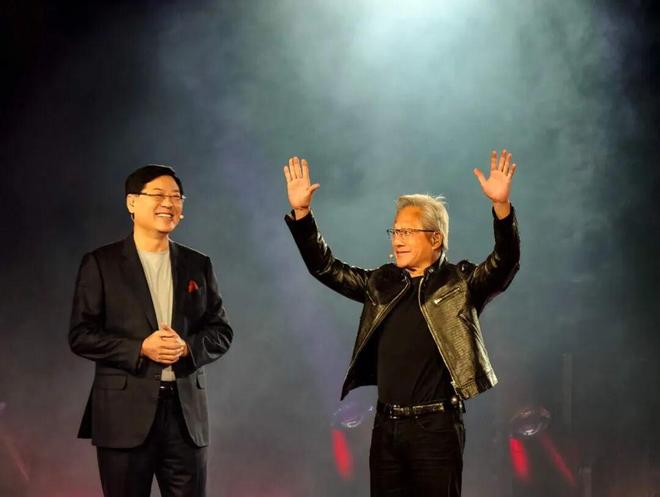
四大芯片巨头CEO罕见同台
Di Yi Cai Jing Zi Xun· 2026-01-07 08:19
Core Insights - The article highlights the collaboration and competition among four major chip companies: NVIDIA, Intel, AMD, and Qualcomm, during the Lenovo Tech World event, emphasizing the evolving landscape of the AI industry [2] - A new partnership between Lenovo and NVIDIA aims to quadruple their business collaboration over the next three years, focusing on AI infrastructure and deployment [3][4] - The shift from traditional computing to AI-driven applications is reshaping the IT industry, with an estimated investment of $10 to $15 trillion needing upgrades to accommodate new AI architectures [4] Group 1: Collaboration and Partnerships - Lenovo and NVIDIA announced a new initiative called "Lenovo AI Cloud Super Factory," which aims to standardize AI infrastructure and streamline AI deployment for clients [5] - This collaboration is expected to help cloud service providers reduce the "time to first token" for AI deployment and scale up to 100,000 GPUs [7] - Lenovo will also be one of the first adopters of AMD's Helios AI platform, indicating a strategic partnership to address enterprise needs for local inference and data security [8] Group 2: Industry Trends and Innovations - NVIDIA's focus is on GPU-accelerated computing, while AMD emphasizes system-level architecture, showcasing the need for a comprehensive computing ecosystem rather than a single chip solution [8] - Intel's new AI PC, Aura Edition, represents a shift in the traditional PC market towards AI integration, highlighting the convergence of legacy computing systems with new AI paradigms [9] - Qualcomm is targeting AI-native endpoints, collaborating with Lenovo to develop wearable devices that function as "personal intelligent companions," indicating a trend towards low-power, always-connected devices [10] Group 3: Market Potential and Future Outlook - The wearable device market is projected to exceed one billion units, showcasing significant growth potential in this segment [11] - The article emphasizes that the true value of AI lies not in having the most powerful chip but in the ability to transform computing power into usable capabilities for businesses and consumers [11]
最新:专访丨CES凸显端侧与物理AI成为人工智能重要突破方向——访美国高通公司中国区董事长孟樸
Xin Hua She· 2026-01-07 08:17
Core Insights - AI has transitioned from a conceptual phase to a fully realized stage, with edge AI and physical AI emerging as significant technological breakthroughs [2][3] - The latest CES highlights AI evolving from a mere function to the foundational basis of all experiences, indicating a shift in human-computer interaction [2] Group 1: Personal AI Developments - Personal AI is advancing through wearable devices, personal terminals, and computers, evolving into intelligent assistants for users [3] - Diverse hardware forms, including AI glasses, home appliances, jewelry, and cameras, are emerging to meet specific needs in areas like visual impairment assistance and outdoor activities [3] Group 2: Physical AI Advancements - Physical AI is rapidly integrating into automobiles, robots, and smart homes, enabling machines to perceive environments, understand intentions, and act in real-time [3] - The development of embodied intelligence is crucial for connecting AI with the physical world, transforming intelligence into executable productivity [3] - Robots are increasingly taking on high-intensity or repetitive tasks in logistics, manufacturing, and retail, potentially enhancing production efficiency [3] Group 3: Automotive AI Integration - The acceleration of AI capabilities in the automotive sector is a key trend, with human-vehicle interaction evolving from clicks to understanding [4] - Qualcomm and Google are deepening their collaboration in the automotive field to support the deployment of next-generation AI in vehicle scenarios [4] Group 4: Future AI Trends - Future AI will operate in a hybrid model across cloud, edge cloud, and endpoint, with edge AI being the mainstream form due to its advantages in real-time performance, reliability, privacy, and energy efficiency [4] - 6G technology is expected to play a vital role in connecting cloud and edge, facilitating the development of intelligent networks with perceptual capabilities [4] Group 5: Key Focus Areas for Edge AI - Future breakthroughs in edge AI are likely to concentrate on robotics and wearable devices, while smartphones, AI personal computers, and smart connected vehicles will remain significant platforms for edge AI [5]

四大芯片巨头CEO罕见同台
第一财经· 2026-01-07 08:06
Core Viewpoint - The article highlights the collaboration and competition among major chip manufacturers, including NVIDIA, Intel, AMD, and Qualcomm, during the Lenovo Tech World event, emphasizing the shift in the AI landscape from training to inference and the need for integrated systems that can leverage diverse computing power [3][4]. Group 1: Collaboration and New Opportunities - NVIDIA's CEO Jensen Huang and Lenovo's Chairman Yang Yuanqing aim to quadruple their business collaboration over the next three years, reflecting a long-standing partnership that has evolved through various technological shifts [5][6]. - The collaboration focuses on the "Lenovo AI Cloud Super Factory," which aims to standardize AI infrastructure, transforming highly customized AI deployments into industrialized solutions [6][8]. - This partnership is expected to help cloud service providers reduce the "time to first token" for AI deployment and scale up to support trillion-parameter models [8]. Group 2: Competitive Landscape - AMD's CEO Lisa Su introduced the Helios rack-level AI platform, positioning it as a challenge to NVIDIA's GPU-centric approach, emphasizing the need for robust system-level infrastructure to support larger models and higher throughput [10][11]. - Intel's new CEO Pat Gelsinger announced the Aura Edition AI PC, showcasing a shift from traditional PCs to AI-enhanced computing experiences, indicating a blend of legacy computing with new AI paradigms [11]. - Qualcomm's CEO Cristiano Amon focused on AI-native endpoints, highlighting the evolution of wearable devices into "personal intelligent companions," which aligns with Lenovo's strengths in ecosystem and global channels [12]. Group 3: Industry Trends and Insights - The article notes that the market for wearable devices is expected to exceed one billion units, indicating significant growth potential in this segment [13]. - The collaboration among the four chip giants illustrates a new industry consensus that the true value of AI lies not in having the most powerful chip, but in the ability to transform computing power into usable capabilities for businesses and users [13].

CES凸显端侧与物理AI成为人工智能重要突破方向——访美国高通公司中国区董事长孟樸
Xin Hua She· 2026-01-07 08:05
Group 1 - The core theme of the 2026 CES is the transition of AI from a conceptual phase to a fully realized stage, with a focus on edge AI and physical AI as key areas for technological breakthroughs [2] - Qualcomm showcased AI solutions across various sectors, including personal devices, industrial robots, and automotive smart cabins, indicating that AI is evolving from a feature to the foundation of all experiences [2] - The next generation of human-computer interaction is emerging, where users will rely on AI agents to perform tasks through understanding and action rather than frequent clicks and swipes [2] Group 2 - In the personal AI domain, AI is becoming an intelligent assistant integrated into wearable devices, personal terminals, and computers, with diverse products like AI glasses and AI cameras addressing specific needs in various scenarios [3] - Physical AI is rapidly entering real-world applications in cars, robots, and smart homes, enabling machines to perceive environments, understand intentions, and act in real-time, thus enhancing productivity in logistics, manufacturing, and retail [3] - Qualcomm introduced a new generation of processors for humanoid robots, autonomous mobile robots, and industrial robots to support ecosystem partners in accelerating product development [3] Group 3 - The future of AI is expected to involve a hybrid model where cloud, edge cloud, and edge AI work together, with edge AI having advantages in real-time performance, reliability, privacy, and energy efficiency [4] - 6G technology is anticipated to play a crucial role in connecting cloud and edge, facilitating the development of intelligent networks with perceptual capabilities [4] - Key breakthroughs in edge AI are likely to occur in the fields of robotics and wearable devices, while smartphones, AI personal computers, and smart connected vehicles will remain important platforms for edge AI [4]
AI泡沫退潮、落地为王,芯片巨头“拉帮结派”激战CES 2026
Tai Mei Ti A P P· 2026-01-07 08:01
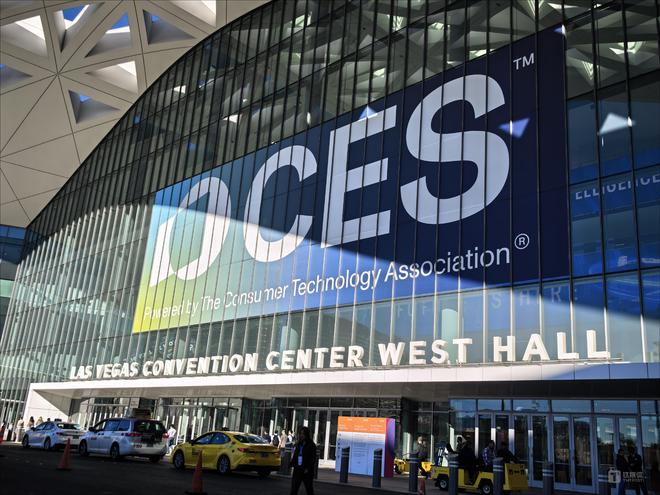
Group 1 - NVIDIA's founder Jensen Huang emphasized the shift of AI from mere model competition to practical applications, focusing on "last mile" implementations during his keynote at CES 2026 [2][6] - The industry is transitioning from a "technology demonstration phase" to a "value realization phase," centering around real user scenarios [2] - AI technology is moving from "cloud-side intelligence" to "edge-side integration," becoming a fundamental infrastructure for human-computer interaction [2][6] Group 2 - CES serves as a platform for both tech giants and startups, particularly for Chinese companies to convert algorithms and technologies into tangible hardware [3] - AMD's CEO Lisa Su highlighted that AI is becoming a default capability in PCs, with AI performance improved by 1000 times over the past four years [9] - Intel introduced its third-generation AI PC processor, showcasing advancements in energy efficiency and CPU performance [11] Group 3 - Qualcomm launched the Snapdragon X2 Plus platform, featuring a 35% increase in single-core performance and a 43% reduction in power consumption [13] - IDC predicts that global AI PC shipments will reach 150 million units by 2027, with a penetration rate of 79% [13] - Major home appliance brands are now integrating AI into their products, focusing on enhancing core functionalities rather than superficial features [18] Group 4 - Companies like Hisense and TCL are showcasing advanced display technologies and AI-integrated home appliances at CES, with Hisense's RGB-Mini LED technology expected to see a significant increase in shipments [18][20] - Samsung plans to increase the number of mobile devices equipped with Google Gemini AI to 800 million by 2026 [22] - The competition among chip manufacturers is intensifying as they seek to define the future of physical AI [17] Group 5 - The CES 2026 highlighted the emergence of embodied intelligent robots and AI+AR glasses, indicating a shift from demonstration to market-ready products [29][34] - Startups are increasingly participating in CES to showcase innovative technologies and seek market opportunities [45] - The event serves as a critical platform for companies to adapt their strategies in response to rapid industry changes [47]
一次集齐四大芯片巨头CEO,联想成了“最大公约数”
Di Yi Cai Jing· 2026-01-07 06:48
Core Insights - The gathering of the four major chip giants—NVIDIA, Intel, AMD, and Qualcomm—at the Lenovo Tech World during CES 2026 highlights the evolving dynamics of the semiconductor industry, where collaboration and competition coexist in the AI narrative [1] - The focus is shifting from individual chip manufacturers to system-level players that can integrate diverse computing power and facilitate the deployment of intelligent hardware solutions [1] Group 1: Industry Transformation - Jensen Huang, CEO of NVIDIA, emphasized the significance of AI as a foundational architecture akin to operating systems, marking a new platform shift in computing [4] - The IT industry has invested approximately $10 to $15 trillion over the past thirty years, necessitating a complete overhaul to adapt to AI applications [5] - Huang and Lenovo's CEO, Yang Yuanqing, announced a new collaboration plan to create a "Lenovo AI Cloud Super Factory," aiming to standardize AI infrastructure and transition from highly customized deployments to industrialized solutions [5][7] Group 2: Competitive Landscape - AMD's CEO, Lisa Su, introduced the Helios rack-level AI platform, positioning it as a direct challenge to NVIDIA's GPU-centric approach, highlighting the need for robust system-level infrastructure to support larger models and higher throughput [8] - Intel's new CEO, Pat Gelsinger, showcased the Aura Edition AI PC, which integrates the latest Intel processors, indicating a shift from traditional PCs to data centers and cloud computing [9][10] - Qualcomm's focus on AI-native endpoints, particularly in wearable devices, reflects a broader trend towards personal intelligent companions that require low power consumption and continuous connectivity [10] Group 3: Collaborative Ecosystem - The collaboration among the four chip giants illustrates a new industry consensus that the true value of AI lies not in possessing the most powerful chip but in transforming computing power into usable capabilities for enterprises and users [11] - Lenovo's role as a "system integrator" and "scene amplifier" is crucial in this collaborative ecosystem, as it bridges the various offerings from NVIDIA, AMD, Intel, and Qualcomm [11] - The wearable device market is projected to exceed one billion units, showcasing the potential for growth in AI-driven consumer technology [11]
专访|CES凸显端侧与物理AI成为人工智能重要突破方向——访美国高通公司中国区董事长孟樸
Xin Hua She· 2026-01-07 05:08
Core Insights - Artificial Intelligence (AI) has transitioned from a conceptual phase to a fully realized stage, with edge AI and physical AI emerging as significant breakthrough directions [1][2] - The 2026 CES highlights AI evolving from a mere function to the foundational basis of all experiences, indicating a shift in human-computer interaction [1] Group 1: Personal AI Developments - In the personal AI domain, AI is becoming an intelligent assistant integrated into wearable devices, personal terminals, and computers, with diverse products like AI glasses and AI home appliances emerging [2] - These innovations are addressing specific needs in various scenarios, such as assisting visually impaired individuals and enhancing outdoor activities [2] Group 2: Physical AI Advancements - Physical AI is rapidly entering real-world applications in automobiles, robotics, and smart homes, enabling machines to perceive environments, understand intentions, and act in real-time [2] - The development of embodied intelligence is crucial for connecting AI with the physical world, transforming intelligence into executable productivity [2] - Robots are increasingly taking on high-intensity or repetitive tasks in logistics, manufacturing, and retail, which is expected to significantly enhance productivity [2] Group 3: Automotive AI Integration - The acceleration of AI in the automotive sector is a key trend at CES, with AI capabilities enhancing both cabin interaction and driving assistance [3] - Qualcomm and Google are deepening their collaboration in the automotive field to support the deployment of next-generation AI in vehicle scenarios [3] Group 4: Future AI Trends - Future AI development will see a collaborative operation between cloud, edge cloud, and endpoint AI, with hybrid AI becoming the mainstream form [3] - Edge AI offers advantages in real-time performance, reliability, privacy protection, and energy efficiency, making it suitable for applications in automobiles, wearables, and robotics [3] - The sixth-generation mobile communication technology (6G) will serve as a vital link between cloud and edge, aiding in the creation of intelligent networks with perceptual capabilities [3]
直击CES:AI,加速影响物理世界
Zhong Guo Zheng Quan Bao· 2026-01-07 04:44
Group 1: AI Technology and Developments - AI has become the central theme at CES 2026, with discussions focusing on extending AI into the physical world [2][3] - NVIDIA's CEO Jensen Huang announced that the company's open-source physical AI model "Cosmos" has reached one million downloads, indicating a significant shift in AI capabilities [2] - AMD introduced several new AI products, including the MI455X GPU AI chip and Ryzen AI processors, with plans to launch the MI500 series chip in 2027, aiming for a 1000-fold increase in AI performance over the next four years [2] - Qualcomm's new high-performance robot processor, the Snapdragon IQ10 series, is designed for industrial autonomous mobile robots and advanced humanoid robots [2][3] Group 2: Robotics and Smart Products - The humanoid robot TORA-ONE showcased at CES 2026 demonstrates strong adaptability in new retail scenarios, featuring advanced tactile sensors with high precision and sampling rates [4] - Companies like 松延动力 are targeting key global markets for their products, aiming for significant overseas expansion in 2026 [5] - The exhibition highlighted various smart home products, including robotic lawn mowers and pool cleaning robots, indicating a growing market for AI-integrated home appliances [6] Group 3: Autonomous Driving - The maturity of technology is pushing L4-level autonomous driving into everyday life, with significant advancements in AI driving this trend [7] - Huang announced the Alpamayo R1, an open-source VLA inference model for assisted driving, suggesting that autonomous driving may become a mainstream application of physical AI [7]
