Starbucks(SBUX)

Search documents
星巴克中国与亚朵集团推出联合会员
Bei Jing Shang Bao· 2026-01-06 06:16
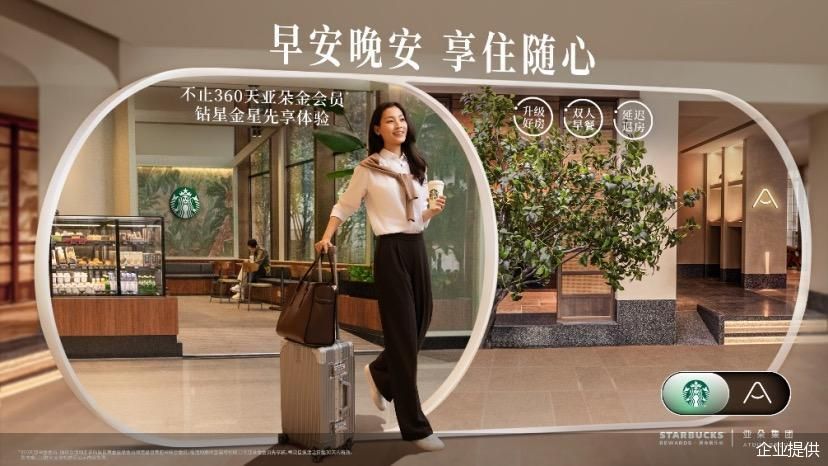
Group 1 - Starbucks China has announced a partnership with Atour Group to launch a joint membership program, allowing members to enjoy up to 360 days of Atour Gold membership benefits, including perks like room upgrades, double breakfasts, and late check-outs [1][2] - Members of the Starbucks Rewards program can earn double stars when they stay at designated Atour hotels and make purchases through specified Starbucks channels, with stars redeemable for various premium services [1][2] - The joint membership benefits will be available to all levels of members from both companies, who can link their accounts through apps or WeChat mini-programs to access exclusive rewards [2] Group 2 - Starting in 2024, Starbucks plans to collaborate with Hilton Group and China Eastern Airlines to introduce additional joint membership programs [2] - Starbucks entered the Chinese market in 1999 and currently operates over 8,000 stores across more than 1,000 county-level markets [2] - Atour Group, established in 2013, is projected to have 1,948 hotels by the end of September 2025, with multiple hotel brands under its umbrella, including A.T.HOUSE and Atour S Hotel [2]



IP联名如何摆脱“预制味”?
3 6 Ke· 2026-01-06 03:27
Core Insights - The collaboration between Starbucks and Harry Potter represents a shift from traditional IP partnerships to immersive experiences that evoke emotional connections with consumers [2][3][5] - The initiative successfully engages a wide demographic, appealing to both younger and older generations, thus enhancing brand familiarity and reducing the cost of trying new products [5][6] Group 1: Emotional Consumption Era - The traditional approach to IP collaborations has become less effective due to oversaturation and lack of narrative depth, leading to consumer fatigue [2] - Consumers are increasingly seeking emotional value, aesthetic recognition, and cultural belonging, moving beyond mere purchasing behavior [2] Group 2: Starbucks and Harry Potter Collaboration - Starbucks launched three limited-edition drinks and various themed merchandise, effectively tapping into nostalgic sentiments during the winter season [3][4] - The collaboration generated significant social media engagement, with customers sharing their experiences and emotional reactions [4] Group 3: Store as an Immersive Experience - Starbucks stores are designed as "third spaces" that encourage interaction and prolonged engagement, making them ideal for themed transformations [7][8] - The Guangzhou and Tianjin stores were specifically chosen for their architectural compatibility with the Harry Potter theme, enhancing the immersive experience [8][9] Group 4: Human Element in Experience - The involvement of Starbucks employees, referred to as "partners," in creating a memorable experience is crucial, as they actively engage with customers and enhance the emotional connection [11][12] - Unique activities and spontaneous interactions by employees contribute to the warmth and authenticity of the collaboration [13][14] Group 5: Sustainable Immersive IP Collaborations - Successful collaborations share common elements: high-quality products, well-designed stores, and engaged employees that facilitate emotional connections [15][16] - The challenge remains in managing rising costs and consumer sensitivity to IP collaborations, necessitating a long-term strategy rather than short-term marketing tactics [17]
星巴克中国与亚朵集团推出联合会员计划
Mei Ri Jing Ji Xin Wen· 2026-01-06 01:27
(文章来源:每日经济新闻) 每经AI快讯,据星巴克中国官微1月6日消息,星巴克中国宣布与亚朵集团达成合作,推出联合会员计 划。此次星巴克与亚朵推出的联合会员权益将覆盖双方全等级会员。截至2025年11月,星巴克中国会员 规模已突破1.6亿,其中90天活跃会员达2500万。 ...
Rewards programs are turning into data-harvesting machines. Why companies now profit more from your habits than you do
Yahoo Finance· 2026-01-05 19:30
Core Insights - Loyalty programs are shifting from rewarding customers to employing "surveillance pricing," which may penalize loyal consumers instead of benefiting them [1][5] Group 1: Surveillance Pricing - The concept of "surveillance pricing" involves collecting extensive consumer data to create individualized pricing, which can lead to different prices for the same product based on customer behavior [3][5] - A report by the FTC indicates that factors such as location and browsing history can influence pricing strategies, raising concerns about fairness in loyalty programs [3][5] Group 2: Customer Experience - A technology columnist's experience with Starbucks revealed that frequent visits resulted in fewer promotions, suggesting that loyal customers may not receive the best deals [2][4] - Starbucks utilizes an AI tool named Deep Brew to analyze customer data, which may lead to assumptions that frequent customers will pay full price, resulting in unequal pricing for similar products [4] Group 3: Industry Implications - Former FTC officials warn that loyalty programs are becoming "backdoor laboratories for pricing," using large datasets to infer customer characteristics and tailor discounts accordingly [5]
瑞幸盯上蓝瓶咖啡!咖啡头部为何扎堆换东家?
东京烘焙职业人· 2026-01-03 08:33
以下文章来源于餐饮O2O ,作者专注餐饮业创新的 餐饮O2O . 餐饮O2O是中国专注餐饮产业链新媒体,每天分享餐饮产业上下游新鲜资讯+干货案例,以媒体为入 口,为餐饮业提供咨询培训、投融资、供应链、开店选址、创业加盟等行业深度服务。 近期的咖啡行业,正在经历一场静默而深刻的地壳运动。 一连串重磅 并购与出售 传闻,已不只是商业版图的简单改写,更像一场针对 咖啡价值 本身的 " 外科手 术 " 。 从瑞幸被传竞购蓝瓶和 Costa ,到 KDP 千亿收购皮爷母公司,再到星巴克中国控股权易主博裕资本 —— 巨头们正以近乎冷静的姿态, 将业务 " 拆解 " ,保留核心,剥离负担。 这背后是一个根本性质问: 一杯咖啡的价值,究竟附着于何处?是提供空间的实体门店,还是占据心智 的品牌符号? 答案的重写,正引发一场全球性的权力交接。 01 ■ 咖啡圈并购时代: 蓝瓶、皮爷、星巴克中国齐齐 " 换东家 " 近期咖啡行业风起云涌,重磅并购消息接连落地。 从瑞幸被传竞购蓝瓶咖啡和 Costa ,到美国饮料巨头 KDP 宣布收购皮爷咖啡母公司,再到历时近一年 的星巴克中国出售案终定 ...... 一场围绕品牌、渠道与市场话语权 ...

Starbucks: Closing Underperforming Stores Is A Step In The Right Direction (NASDAQ:SBUX)
Seeking Alpha· 2026-01-02 03:23
Core Insights - Starbucks (SBUX) shares increased by over 25% following the recruitment of Brian Niccol in August 2024, indicating initial investor excitement [1] Group 1 - The initial surge in Starbucks shares was driven by optimism regarding leadership changes, specifically the hiring of Brian Niccol [1] - After the initial excitement, investors realized that the challenges facing Starbucks are complex and do not have immediate solutions [1]
Starbucks: Closing Underperforming Stores Is A Step In The Right Direction
Seeking Alpha· 2026-01-02 03:23
Core Insights - Starbucks (SBUX) shares increased by over 25% following the recruitment of Brian Niccol in August 2024, indicating initial investor excitement [1] Group 1: Company Performance - The initial surge in Starbucks shares was followed by a realization among investors that the challenges facing the company do not have a quick resolution [1] Group 2: Investment Strategy - The focus is on investing in companies with strong qualitative attributes, purchasing them at favorable prices based on fundamentals, and maintaining long-term holdings [2] - The investment approach emphasizes a concentrated portfolio aimed at minimizing losses while maximizing exposure to high-potential winners, often resulting in a 'Hold' rating for companies with limited growth opportunities or high downside risks [2]
It’s New Year’s Day 2026. What’s open and closed?
Fortune· 2026-01-01 11:00
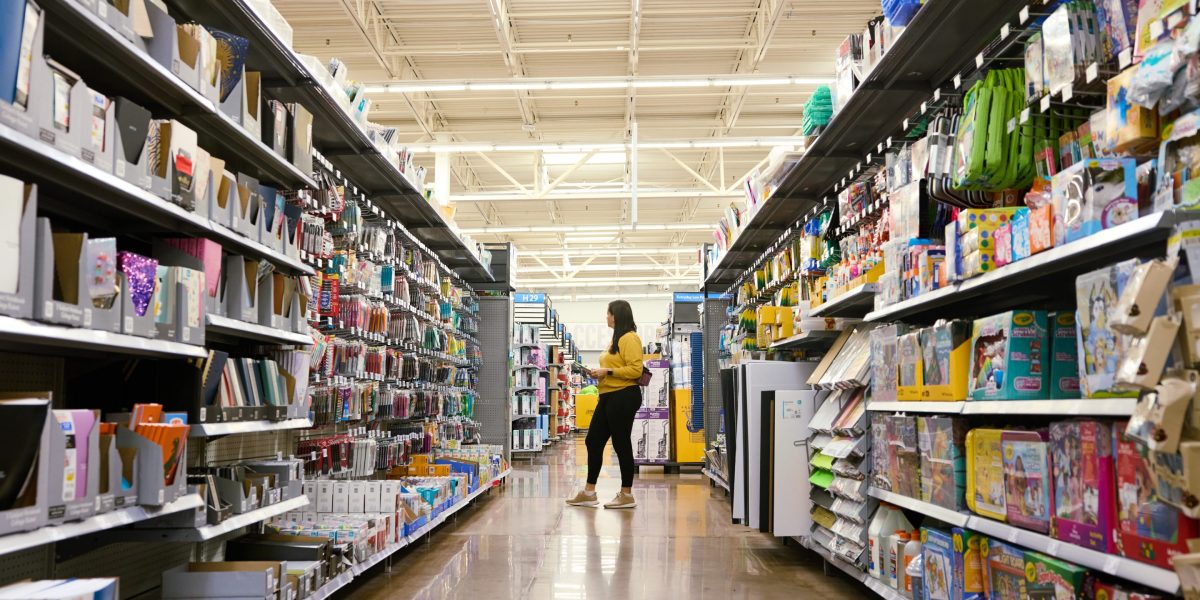
Federal Services - Non-essential federal offices, including Social Security Administration field offices and passport agencies, will be closed on New Year's Day [2] - IRS services will also be unavailable, requiring individuals to wait until the following day for assistance [2] Financial Markets - Major U.S. exchanges, including the New York Stock Exchange and Nasdaq, will be closed for trading on New Year's Day, with operations resuming on January 2 [3][6] Mail and Delivery Services - The U.S. Postal Service will not operate on New Year's Day, with only Priority Mail Express deliveries being made [4] - FedEx and UPS will also pause operations, with limited services available for urgent shipments [5] Banking Sector - Most major banks, including Bank of America and Wells Fargo, will be closed for the holiday, although mobile banking and ATMs will remain accessible [7] Retail and Grocery - Major retailers like Walmart and Target will operate on New Year's Day, while grocery stores show a mixed picture with some chains open and others closed [8][9] - Discount grocers such as Aldi and Trader Joe's will remain closed, while convenience stores and pharmacies like CVS and Walgreens will generally stay open [10] Restaurants - Fast-food chains, including McDonald's and Starbucks, will have many locations open, although hours may vary by franchisee [12]


Why Starbucks (SBUX) Dipped More Than Broader Market Today
ZACKS· 2025-12-31 23:45
Core Viewpoint - Starbucks is facing challenges with a projected decline in earnings per share (EPS) and a mixed performance compared to the broader market, indicating potential concerns for investors [1][2][5]. Financial Performance - Starbucks ended the recent trading session at $84.21, reflecting a -1.22% change from the previous day's closing price, underperforming the S&P 500's daily loss of 0.74% [1]. - The company is expected to report an EPS of $0.59, down 14.49% from the prior-year quarter, while net sales are projected at $9.65 billion, up 2.65% from the year-ago period [2]. - For the entire fiscal year, earnings are estimated at $2.35 per share and revenue at $38.39 billion, indicating increases of +10.33% and +3.24%, respectively, from the previous year [3]. Analyst Estimates and Ratings - Recent revisions to analyst estimates for Starbucks have shown a decrease of 3.01% in the Zacks Consensus EPS estimate over the past month, leading to a Zacks Rank of 5 (Strong Sell) [5]. - The Zacks Rank system, which ranges from 1 (Strong Buy) to 5 (Strong Sell), has a strong historical performance, with 1 stocks averaging an annual return of +25% since 1988 [5]. Valuation Metrics - Starbucks is currently trading at a Forward P/E ratio of 36.34, significantly higher than the industry average of 19.8, indicating a premium valuation [6]. - The company holds a PEG ratio of 1.77, which is lower than the average PEG ratio of 2.3 for the Retail - Restaurants sector [7]. Industry Context - The Retail - Restaurants industry is ranked 212 in the Zacks Industry Rank, placing it in the bottom 15% of over 250 industries, suggesting underperformance relative to other sectors [7][8].
Starbucks CEO Brian Niccol Points To Reddit Feedback As Proof Of Service Culture Revival - Starbucks (NASDAQ:SBUX)
Benzinga· 2025-12-31 10:14
Core Insights - Starbucks CEO Brian Niccol's turnaround plan, "Back to Starbucks," is showing positive results as confirmed by a recent Reddit thread discussing job applicants' experiences [1][2][4] Group 1: Turnaround Plan - Niccol's plan aims to create a warm and inviting atmosphere in Starbucks cafes, including changes like returning condiment bars, baristas writing on coffee cups, offering more ceramic mugs, eliminating non-dairy milk upcharges, and revising the code of conduct [5] - The plan was officially launched in September 2024 and is a response to challenges such as growing competition and changing consumer preferences for more affordable beverages [6] Group 2: Service Standards - The Reddit thread highlighted that job applicants are now asking about customer service, indicating that service standards are being internalized within the company [3][4] - Niccol expressed optimism about the progress being made in establishing these service standards [4] Group 3: Financial Performance - Starbucks reported a 1% increase in global comparable sales for Q4 compared to the same period last year, with Q4 revenue reaching $9.57 billion, exceeding forecasts [7] - However, adjusted EPS of 52 cents fell short of the 56-cent consensus [7] Group 4: Stock Performance - Year-to-date, Starbucks stock has fallen 6.58%, with a market capitalization of $96.94 billion [8] - The stock has traded between a 52-week high of $117.46 and a low of $75.50, closing at $85.25, down 0.37% [8]