
TI(TXN)

Search documents
9份料单更新!出售Microchip、ROHM、MELEXIS等芯片
芯世相· 2025-06-30 04:29
Group 1 - The company "Chip Superman" has a 1,600 square meter intelligent warehouse for chips, with over 1,000 stock models and around 100 brands, totaling 50 million chips in stock valued at over 100 million [1] - The company has an independent laboratory in Shenzhen where each material undergoes QC inspection [1] - The company has served a total of 19,200 users and can complete transactions in as fast as half a day [4] Group 2 - The company is currently seeking to purchase specific chip models, including ON's NCP1096PAG (9K), ST's STM32H750VBT6 (10K), and NEXPERIA's PESD3V3W1BCSFYL (110K) [2] - The company is offering discounted sales on advantageous materials, including Microchip's SY88349NDLMGTR (11K) and ROHM's BU27030NUC-E2 (24K) [3] - The company provides a platform for users to find unsold inventory and better pricing options through their mini-program [5]



华泰证券|AIDC产业更新
2025-06-30 01:02
Summary of AIDC Industry Update and Q&A Industry Overview - The AIDC (Artificial Intelligence Data Center) industry is experiencing a recovery in overseas computing infrastructure, with companies like Nvidia and Corewave showing positive performance focused on training and inference demand [1][2] - Domestic AIDC is constrained by chip limitations, model breakthroughs, and application deployment, but major data centers like GDS and Century Internet are maintaining stable deployment rates despite the H20 ban [1][2][3] Key Insights - **Overseas Market Recovery**: Nvidia's focus is on training demand, while Corewave caters to large enterprises like Microsoft. Companies such as Broadcom and Marvell have optimistic revenue expectations for ASICs, and Oracle's OCI business reflects growth in inference demand [1][2][5] - **Domestic Market Dynamics**: Despite short-term impacts from trade wars, major Chinese internet companies like Alibaba and ByteDance are investing heavily in AI. Long-term solutions for domestic AI challenges include breakthroughs in chips (e.g., Cambricon, Huawei Cloud Matrix 384) and improvements in model capabilities [1][3][4] - **Investment Recommendations**: Companies with stable deployment rates and core leading customer orders, such as Runze Technology, Aofei Data Port, Century Internet, and GDS, are recommended for investment due to their low valuations and potential for significant improvement [1][4] Performance Trends - **Overseas Demand Trends**: The overseas computing market is showing strong growth, particularly in GPU and ASIC demand. Nvidia has launched new GB series chips, and companies like Marvell and Broadcom have revised their market demand expectations upward [7][8] - **Domestic Market Performance**: The domestic computing market faced some disruptions in Q2 due to geopolitical factors and chip restrictions, but overall guidance remains stable. The AIDC sector is expected to see improved order visibility and capital expenditure growth in the coming quarters [8][9] Future Outlook - **Upcoming Quarters**: The outlook for the domestic computing market in the next two quarters is positive, with expectations of accelerated capital expenditure and construction progress, particularly in the AIDC core hardware supply chain [9] - **AI Data Center Growth**: AI data center-related sectors are showing good business growth elasticity, with significant order increases in server power supplies and UPS systems [10][14] - **HVDC Development**: Both domestic and international markets are seeing increased adoption of HVDC solutions, with major Chinese internet companies pushing for its application [11][12] Global AI Demand - **Inference Demand Growth**: Global inference demand is rapidly increasing, with companies like Google and ByteDance significantly ramping up their requirements [16] - **US vs. China AI Demand**: The US is entering a new model iteration cycle with large clusters, while China's AI demand is primarily focused on inference due to limited resources for training [17] Market Sentiment - **US AI Industry Expectations**: The US AI industry is expected to see significant changes in the next six months, with rapid stock price increases in sectors like NV and ASIC, indicating a potential expansion from overseas to domestic supply chains [18] - **AI Business Models**: The US has a stronger likelihood of successful AI business models due to higher payment willingness, while China's market faces challenges in this regard, potentially affecting profit margins [19] Conclusion - The AIDC industry is poised for growth, driven by both domestic and international demand for AI capabilities. Investment in key players with stable growth prospects is recommended, while monitoring the evolving landscape of AI business models and market dynamics is crucial for future success [20]




瑞银:半导体经销商追踪-更多积极指标
瑞银· 2025-06-27 02:04
Investment Rating - The report maintains a positive outlook on the semiconductor industry, highlighting reassuring pricing trends and improving inventory levels [2][3]. Core Insights - The semiconductor market is experiencing a continued digestion of MCU inventory, with a 5% month-over-month decline and a 24% decrease compared to the previous month [3][4]. - Pricing across all product categories has remained stable, with an average increase of 1% month-over-month and 13% year-over-year [3][8]. - The report emphasizes the positive trends in pricing and inventory, particularly for companies like TI, Renesas, and Infineon, while also noting improvements for STM and other industrial MCU names [2][4]. Summary by Relevant Sections Inventory Trends - MCU inventory has decreased by 5% month-over-month, following a 4% decline the previous month, indicating a healthy destocking process [3][4]. - Other categories such as Sensors and Diodes also saw inventory reductions of 5% and 4% respectively, while overall inventory trends are generally stable [3][4]. Pricing Trends - Pricing for MCUs remained flat month-over-month and year-over-year, while transistors saw a 2% increase month-over-month and a 17% increase year-over-year [4][14]. - Capacitors, Diodes, and Sensors experienced price increases of 2-3%, contributing to an overall stable pricing environment [4][14]. Company Observations - Infineon and STM showed varied pricing trends, with Infineon down 4% and STM up 4% in June compared to May, reflecting a mix-driven pricing environment [5][8]. - The report indicates that inventory levels are stable, with significant destocking in MCUs, previously driven by MCHP and now also by STM [5][11].


Geopolitics, Tariffs Offset AI Prospects in Semis: 2 Stocks
ZACKS· 2025-06-24 21:36
Industry Overview - The semiconductor industry is crucial for technological advancements in HPC, AI, automated driving, and IoT, with a bright long-term outlook due to the essential role of semiconductors in cloud functionality and data analysis [1] - Global semiconductor sales are projected to grow by 11.2% this year, following a 19% increase in 2024, driven by AI workloads demanding high-end logic chips and high-bandwidth memory [4] - Advanced nodes (below 20nm) capacity is expected to increase by 12%, with utilization remaining above 90%, while mature nodes utilization is projected to rise from 70% in 2024 to above 75% this year [5] Market Challenges - Geopolitical instability and U.S. tariffs are creating challenges, disrupting supply chains, delaying deliveries, and increasing prices, which may lead to a rich valuation despite the industry's long-term potential [2][3] - The ongoing geopolitical tensions, particularly regarding China and Taiwan, are raising concerns about supply chain disruptions and national security implications [9][17] Company Insights - NVIDIA Corp. is highlighted as a strong investment opportunity, with its GPUs leading in gaming and significant growth in enterprise, data center, and automotive sectors [24][27] - Texas Instruments (TXN) is also recommended for tracking, focusing on internal manufacturing capacity expansion and benefiting from U.S. semiconductor manufacturing incentives [31][34] Financial Performance - The semiconductor industry has gained 17.9% over the past year, outperforming the broader technology sector and S&P 500 index [18] - The industry is currently trading at a forward P/E ratio of 32.79X, which is below its median value but appears overvalued compared to the S&P 500 and broader sector [21][22] Future Growth Drivers - The industrial IoT market is expected to grow at a 12.7% CAGR between 2025 and 2033, driven by advancements in connectivity and AI adoption [7] - AI is identified as the largest driver of the semiconductor industry, transforming efficiency and competitiveness across various sectors [11][12]
国补后续资金将分批下达,Labubu预售放量二手价暴跌 | 财经日日评
吴晓波频道· 2025-06-19 17:04
Group 1: Federal Reserve and Economic Outlook - The Federal Reserve has paused interest rate cuts for four consecutive meetings, maintaining the federal funds rate target range at 4.25% to 4.5% [1] - There is a division among Federal Reserve officials regarding future rate cuts, with some supporting two cuts this year while others oppose them [2] - Market expectations suggest that the Federal Reserve may restart rate cuts in September, influenced by the impact of tariffs on macroeconomic data [1][2] Group 2: Foreign Investment in China - The profits of foreign-invested industrial enterprises in China are projected to increase from 1.6 trillion yuan to 1.8 trillion yuan from 2019 to 2024, with profit margins leading the national average [3] - High-tech sectors are expected to account for 43.7% of foreign investment in manufacturing by 2024, with foreign enterprises nearing 50% of high-tech product exports [3] - China's policies to stabilize foreign investment are aimed at enhancing confidence and attracting quality resources, which will invigorate domestic economic growth [4] Group 3: National Subsidy Policies - A total of 138 billion yuan in central funding will be distributed in batches in the third and fourth quarters to support consumption upgrades, despite some regions temporarily halting subsidy programs [5] - The "old for new" consumption policy has expanded to include more product categories, with the special national bond funding increasing from 150 billion yuan to 300 billion yuan this year [5] - The suspension of subsidies may lead to a decline in consumer spending, as seen during the "618" shopping festival [6] Group 4: Market Trends and Company Developments - The secondary market for Labubu collectibles has seen a significant price drop, with average transaction prices halving from 2279.7 yuan to 1181.3 yuan due to pre-sale strategies [7] - Texas Instruments announced a historic investment plan of over 60 billion USD to build seven chip factories, focusing on analog and embedded processing chips [9][10] - Audi has reversed its plan to stop developing and selling internal combustion engine vehicles, acknowledging market differences in the transition to electric vehicles [13][14]

投资600亿美元!德州仪器扩建7座晶圆厂!
国芯网· 2025-06-19 13:04
Core Viewpoint - Texas Instruments announced a historic investment of over $60 billion to build seven chip factories in Texas and Utah, marking the largest investment in semiconductor manufacturing in U.S. history [2]. Group 1: Investment and Expansion Plans - The investment will create 60,000 jobs and includes the construction and expansion of factories in Sherman, Richardson, and Lehi [2][3]. - The company plans to produce billions of chips daily at these new facilities, focusing on reliable and low-cost 300mm wafer production for essential analog and embedded processing chips [3]. Group 2: Financial Performance - Texas Instruments reported a revenue of $4.07 billion for Q1 2025, a 2% increase quarter-over-quarter and an 11% increase year-over-year, marking the first year-over-year revenue growth since Q4 2022 [3].
美国史上最大基础芯片制造投资,超600亿美元,创造超60000个新岗位
3 6 Ke· 2025-06-19 04:14
Group 1 - Texas Instruments plans to invest over $60 billion in seven semiconductor factories in the U.S., marking the largest investment in basic semiconductor manufacturing in U.S. history [1][2] - The investment will include three major manufacturing plants in Texas and Utah, producing billions of chips daily and creating over 60,000 new jobs in the U.S. [1] - Texas Instruments is the largest basic chip manufacturer in the U.S., producing essential chips for smartphones, vehicles, data centers, satellites, and nearly all electronic devices [1] Group 2 - The specific timeline for this significant investment has not yet been disclosed by Texas Instruments [2] - The investment aligns with the U.S. government's push for semiconductor supply chain reshoring and revitalizing domestic manufacturing, with other companies like GlobalFoundries and Micron also announcing similar spending plans [2] - U.S. Secretary of Commerce Howard Lutnick emphasized the importance of Texas Instruments in driving technological and manufacturing innovation in the U.S. [2]
汽车芯片五巨头,求变!
半导体行业观察· 2025-06-19 00:50
Core Viewpoint - The automotive chip market is undergoing unprecedented changes, driven by the slow growth of electric vehicles (EVs), geopolitical tensions, and the rise of Chinese manufacturers in the SiC and power device sectors. Major IDM players are making significant adjustments in production, technology, and localization strategies to navigate these challenges [1]. Group 1: NXP's Strategic Shift - NXP has announced the closure of four 8-inch wafer fabs, transitioning entirely to 12-inch production, marking a significant strategic shift [2]. - The closure includes the notable Nijmegen facility in the Netherlands, which has a history dating back to Philips and is NXP's largest production base for automotive chips [2]. - NXP's Q1 2025 revenue was $2.835 billion, down 9% year-over-year, with a net profit of $490 million, down 23%, indicating challenges in its transformation journey [3]. Group 2: Renesas's Challenges - Renesas has abandoned its plans to produce SiC power chips internally due to slowing EV market growth and competition from Chinese manufacturers [4]. - The company is shifting to a model of self-design and outsourcing manufacturing, which reduces capital expenditure but increases reliance on foundries [5]. Group 3: STMicroelectronics's Global Restructuring - STMicroelectronics is undergoing a major restructuring of its global manufacturing strategy, aiming to enhance competitiveness by 2027 through regional specialization and AI automation [6]. - The company is focusing on different regions for specific technologies, such as digital products in France and power technologies in Italy [6]. Group 4: Texas Instruments's Stability - Texas Instruments (TI) has maintained a stable position in the market, benefiting from its early transition to 12-inch wafers [7]. - TI's Sherman facility, set to begin production in May 2025, represents a $30 billion investment and aims to produce over 100 million chips daily across various sectors [7]. - The Sherman plant is expected to create 3,000 jobs and significantly boost local economic growth [7]. Group 5: Infineon's Localization Strategy - Infineon is increasingly focusing on local production in China, with plans to localize various products by 2027 to meet the growing demand in the automotive and industrial markets [9]. - The company has sold two backend testing facilities to ASE, ensuring stable capacity while optimizing resource allocation [9]. Group 6: Industry Trends - The shift to 12-inch wafers is becoming mainstream as automotive chip demand for high performance and low cost increases, marking a transition to a "scale + efficiency" era in manufacturing [10]. - The competition between SiC and GaN semiconductors is intensifying, with companies like ST and Infineon aiming to capture market share in EV and industrial applications [10]. - Global supply chain diversification is emerging as a key strategy for IDM manufacturers to enhance resilience against geopolitical risks [10][11]. Group 7: Future Directions - Future competition among IDM manufacturers will focus on technological innovation and cost control, with significant attention on AI, automation, and Chiplet technology [11][12]. - The integration of AI and automation in manufacturing processes is expected to improve efficiency and optimize supply chain management [12].
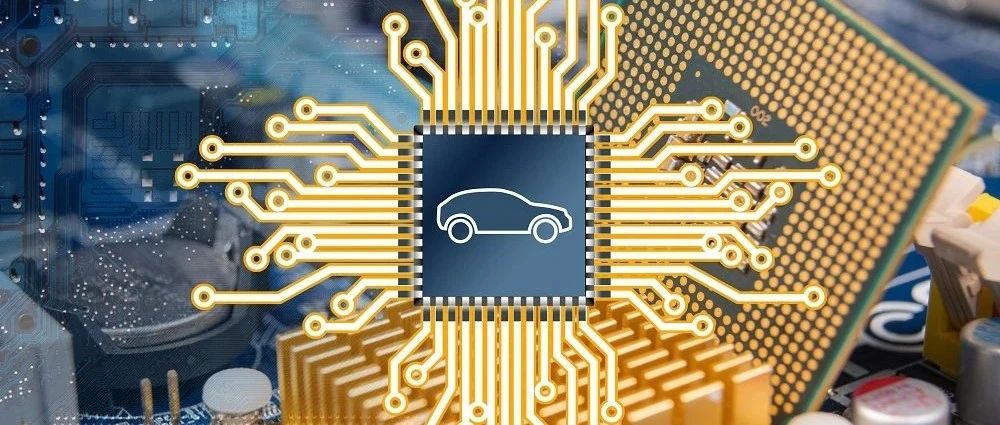
TI投资600亿美元,大力扩产12英寸产能
半导体行业观察· 2025-06-19 00:50
Core Viewpoint - Texas Instruments (TI) plans to invest over $60 billion to expand its manufacturing capabilities in the United States, marking the largest investment in the U.S. semiconductor manufacturing history [2][4]. Group 1: Investment Details - TI's investment includes the construction of new wafer fabs in Texas and Utah, with a significant portion of the budget allocated to a manufacturing park in Sherman, Texas, costing up to $40 billion [3][5]. - The project aims to create over 60,000 jobs in the U.S. and will produce "billions" of chips for various applications [4][5]. - TI's Sherman facility will have two existing fabs, with plans to build two additional fabs to meet future demand [3][5]. Group 2: Product and Market Focus - TI specializes in analog chips that handle a wider range of electrical signals compared to digital chips, which only represent binary values [2]. - The company produces over 100,000 products across various segments, including power management chips for data centers and specialized chips for applications like ultrasonic cleaning [2][3]. - TI's chips are critical for numerous industries, including automotive, smartphones, and data centers, reinforcing its position as the largest foundational semiconductor manufacturer in the U.S. [4][5]. Group 3: Strategic Partnerships - TI collaborates with NVIDIA to develop more efficient power management hardware for AI clusters, highlighting its commitment to advancing AI infrastructure in the U.S. [2][3]. - The partnership aims to revitalize U.S. manufacturing by building more AI factories [3].

德州仪器宣布投600亿美元在美扩建半导体工厂
news flash· 2025-06-19 00:32
Core Points - Texas Instruments plans to invest over $60 billion to expand semiconductor manufacturing in the United States [1] - The investment will be used for upgrading existing facilities and new projects, including the construction of two new factories in Sherman, Texas [1] - The timeline for these projects will depend on market demand [1]