华润啤酒

Search documents
当前时点如何看酒类投资
2026-01-30 03:11
Summary of Key Points from Conference Call Records Industry Overview: Baijiu (Chinese Liquor) - **Strong Sales Performance**: Moutai's sales velocity is robust, with prices recovering to over 1,600 RMB, exceeding market expectations. From January 1 to January 9, over 400,000 transactions occurred, with an average daily supply exceeding 50 tons, indicating strong market demand [1][2]. - **Market Bottom Indicators**: The baijiu industry is showing signs of bottoming out, with the 1,499 RMB Moutai indicating clear volume and price bottom characteristics. Historical data suggests that Moutai and Wuliangye's volume increases signal industry recovery [1][6]. - **Investment Recommendation**: Guizhou Moutai is the preferred investment target, historically outperforming in price, stock performance, and earnings when the industry enters a recovery phase. Revenue growth rates exceeded 20% in 2016 and over 50% in 2017 [1][7]. - **Valuation of Other Baijiu Companies**: Leading baijiu companies like Wuliangye, Luzhou Laojiao, Fenjiu, and Gujing Gongjiu are currently undervalued, with valuations around 15 times earnings or lower. These companies also have high dividend yields, making them attractive for investment [1][10]. Yellow Wine Sector - **Market Expansion**: The yellow wine sector is expanding through price increases, new product launches, and innovative marketing strategies. Leading companies like Kuaijishan are performing well, and Guolongshan is actively pursuing high-end, youth-oriented, and national strategies [1][12]. Beer Industry Insights - **Resilience in Sales**: The beer industry is showing resilience with positive sales growth, particularly as the restaurant sector recovers, which is expected to positively impact beer consumption. Yanjing Beer has high expectations for operational improvement, with significant profit contributions from its health product line [1][4][14]. - **Investment Opportunities**: Yanjing Beer is recommended due to its improving operational metrics and expansion into health products, with projected profit growth. Qingdao Beer and China Resources Beer are also noteworthy, with attractive dividend yields and low valuations [1][15]. Cost Factors - **Cost Management**: The cost of aluminum cans is under control, and there are signs of improvement in malt costs. The overall impact on ton costs is minimal, suggesting a focus on revenue recovery and price increases is essential [1][16]. Conclusion - **Overall Market Sentiment**: The baijiu industry is at a critical juncture, with Moutai leading the recovery. Other sectors like yellow wine and beer are also showing potential for growth, driven by strategic initiatives and market recovery trends. Investors are encouraged to consider both Moutai and other leading brands for their strong fundamentals and growth prospects [1][9][10].




国泰海通:食饮获配比例回落 乳品、零食板块加配
智通财经网· 2026-01-30 00:00
投资建议:把握五条主线、重视供需出清下的拐点机会。1)具备价格弹性标的;2)饮料受益出行良好 景气度,重视低估值高股息;3)零食及食品原料成长标的;4)啤酒;5)调味品平稳、牧业产能去 化,餐供有望恢复。 智通财经APP获悉,国泰海通证券发布研报称,2025Q4食品饮料板块获配比例环比回落,细分来看白 酒、非白酒板块重仓环比下降,其他板块配比均呈环比回升,其中饮料乳品及休闲食品增幅居前。 2025Q4主动偏股类公募基金食品饮料重仓配置比例延续环比下行。从主动偏股类公募基金重仓配置比 例来看,2025Q4食品饮料重仓股配置比例环比-0.14pct至4.04%,位列各行业第九。其他前五获配板块 分别为电子、电力设备、通信、医药生物以及有色金属,对应2025Q4配置比例分别为21.47%(环 比-1.84pct)、9.87%(-0.32pct)、9.83%(+1.78pct)、9.16%(-1.92pct)及7.83%(+2.12pct)。 把握五条主线、重视供需出清下的拐点机会。1)具备价格弹性标的;2)饮料受益出行良好景气度,重 视低估值高股息;3)零食及食品原料成长标的;4)啤酒;5)调味品平稳、牧业产能去化 ...

国泰海通|食饮:食饮获配比例回落,乳品、零食板块加配——2025Q4机构持仓总结
国泰海通证券研究· 2026-01-29 14:05
Core Viewpoint - The allocation ratio of the food and beverage sector is expected to decline in Q4 2025, with a notable decrease in both the liquor and non-liquor segments, while other sectors such as beverages, dairy, and snacks show an increase in allocation [1][2]. Group 1: Investment Recommendations - Focus on five main investment lines: 1) Stocks with price elasticity; 2) Beverages benefiting from travel demand; prioritize low valuation and high dividend yields; 3) Growth stocks in snacks and food raw materials; 4) Beer; 5) Stable condiments and livestock capacity reduction, with a recovery expected in food service [2]. - The allocation ratio of actively managed equity public funds in the food and beverage sector decreased by 0.14 percentage points to 4.04%, ranking ninth among all sectors [2]. Group 2: Sector Analysis - In Q4 2025, the allocation ratio for liquor stocks decreased by 0.29 percentage points to 2.92%, driven by declines in leading liquor companies such as Wuliangye and Shanxi Fenjiu [3][4]. - Non-liquor segments, including food processing, beverage dairy, and snacks, saw an increase in allocation ratios, with notable gains in the dairy sector led by Yili and Mengniu, and in snacks led by companies like Wancheng Group and Ximai Foods [3][4]. - The condiment sector also experienced an increase in allocation, with significant rises in stocks like Angel Yeast and Zhongju High-tech, while Haitian Flavoring saw a decrease [4].


2025Q4机构持仓总结:食饮获配比例回落,乳品、零食板块加配
GUOTAI HAITONG SECURITIES· 2026-01-29 09:34
Investment Rating - The report rates the food and beverage sector as "Overweight" [4][6]. Core Insights - The allocation ratio for the food and beverage sector has decreased quarter-on-quarter, with significant reductions in the allocation for both liquor and non-liquor segments. Conversely, other segments such as beverages, dairy products, and snacks have seen an increase in allocation [2][16]. - The report suggests focusing on five main investment lines, emphasizing opportunities arising from supply-demand clearing. Recommended stocks include Guizhou Moutai, Wuliangye, and Luzhou Laojiao for liquor; Eastroc Beverage and Nongfu Spring for beverages; and various companies in the snack and food processing sectors [6][32]. Summary by Sections 1. Sector Allocation Trends - The allocation ratio for food and beverage stocks among actively managed equity mutual funds has continued to decline for seven consecutive quarters, reaching 4.04% in Q4 2025, ranking ninth among all sectors [8][11]. - The allocation for liquor stocks decreased to 2.92%, driven by declines in leading brands such as Wuliangye and Shanxi Fenjiu [16][18]. 2. Sub-Sector Performance - Liquor and non-liquor segments saw a reduction in allocation, while other segments like snacks and dairy products experienced increases. The allocation for snacks rose to 0.26%, and dairy products to 0.44% [16][17]. - Specific stock movements include a decrease in holdings for major liquor brands, while dairy leaders like Yili and Mengniu saw increases in their allocation ratios [23][24]. 3. Individual Stock Analysis - Major liquor stocks such as Guizhou Moutai and Wuliangye experienced significant reductions in their mutual fund holdings, with Moutai down by 0.8% and Wuliangye down by 13.2% [19][20]. - In the beverage sector, Eastroc Beverage's holdings decreased by 4.16%, while Yili's increased by 3.42% [23][24]. - Snack companies like Wancheng Group and Ximai Foods saw increases in their allocation ratios, indicating a positive trend in the snack segment [26][27]. 4. Valuation and Earnings Forecast - The report includes a section on earnings forecasts and valuations, indicating a cautious outlook for the food and beverage sector amidst changing consumer preferences and market dynamics [32].


以足球为支点 “东北超”杠杆效应显现
Xin Lang Cai Jing· 2026-01-28 22:02
Group 1 - The core idea of the Northeast Super League ("东北超") is to leverage football as a means to stimulate economic growth and regional collaboration among the four provinces and regions in Northeast China [1][2] - The event has attracted significant commercial interest, with over 100 companies engaged and 19 sponsorship agreements totaling more than 50 million yuan established in the first phase of the fundraising efforts [1] - The initiative aims to create a new model for regional sports events, breaking administrative boundaries and fostering a collaborative approach among the participating provinces [2] Group 2 - The Northeast Super League focuses on grassroots participation, emphasizing local non-professional players to enhance community engagement and excitement around the event [2] - Liaoning province is using the league as an opportunity to activate the entire football development chain, aiming to upgrade regional sports events into cultural and economic IPs [3] - The event is designed to integrate tourism and consumption, offering packages that combine match attendance with local sightseeing, thereby enhancing the overall economic impact [3]
GDP万亿元目标落空,厦门何以破局?
Mei Ri Jing Ji Xin Wen· 2026-01-28 13:27
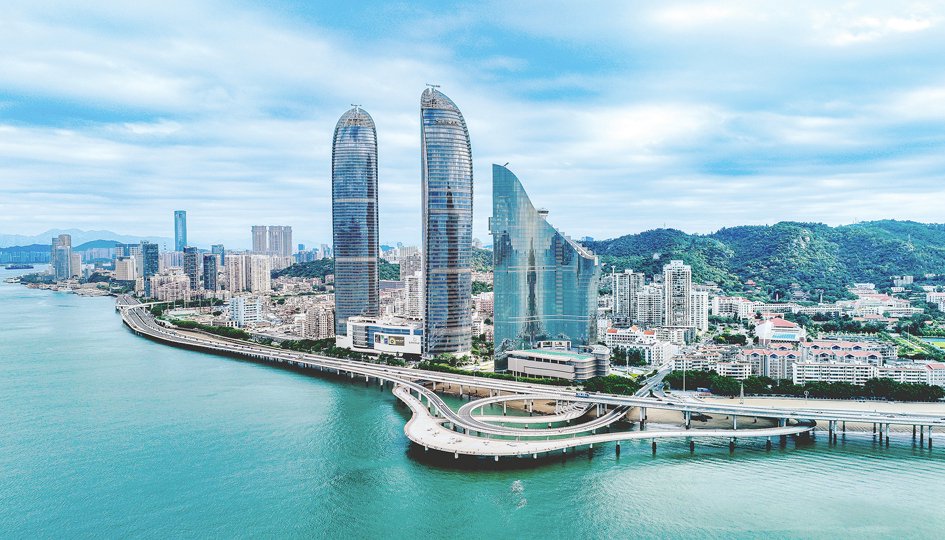
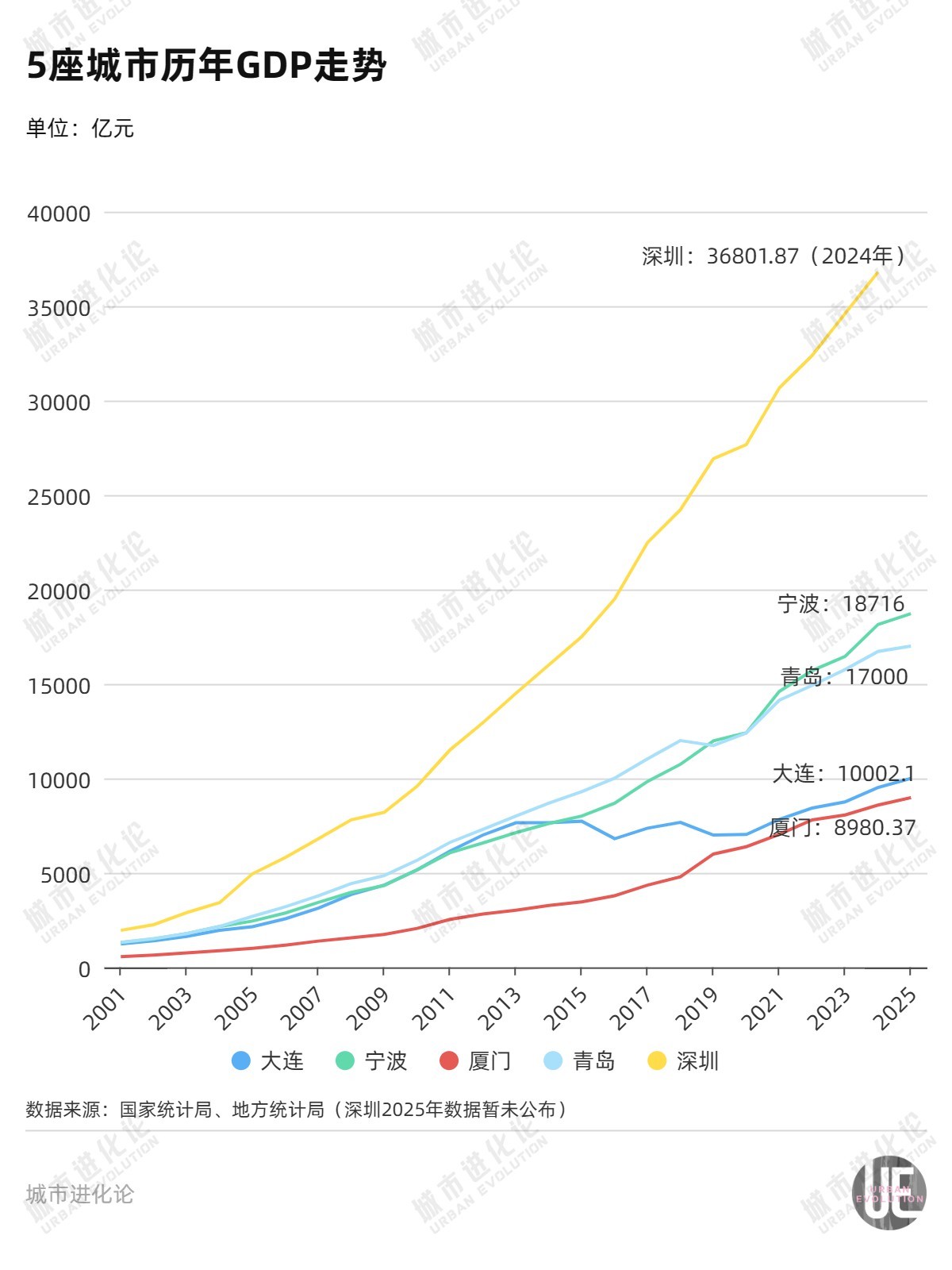
每经记者|刘旭强 每经编辑|刘艳美 随着大连正式跻身"GDP万亿俱乐部",厦门已成为5个计划单列市中唯一尚未跨过GDP万亿元门槛的城市,发展压力不言而喻。 此前厦门曾多次提出,力争到2025年GDP突破万亿元大关。然而,根据厦门市统计局公布的最新数据,2025年厦门GDP为8980.37亿 元,同比增长5.7%,未能如期实现目标。按照此前经济走势,预计还需要两到三年时间,厦门才能完成这一跨越。 新华社图 与另外4个计划单列市相比,厦门工业体量偏小、产业结构相对单一,是其经济发展的突出短板。而在当下,制造业尤其是先进制造 业,不仅是全球科技竞争与产业博弈的关键变量,更直接关乎区域竞争力的强弱。 面对差距,厦门已在"十五五"规划建议中提出,深入实施先进制造业倍增计划。以科技创新为引擎,以先进制造业为支撑,这座城市 能否在未来几年迎头赶上,实现能级跃升,备受关注。 布局产业新赛道 GDP破万亿元,是厦门早在2021年就定下的"十四五"发展目标。随着2025年经济数据公布,厦门未能如期完成任务,GDP破万亿元的 时间线也将进一步延后。 当地主政者的表态中,将新的时间线划在"十五五"期间——厦门市委副书记、市长伍斌在接 ...
菏泽|菏泽“智改数转”打通竞速新赛道
Da Zhong Ri Bao· 2026-01-28 01:30
Core Viewpoint - The article highlights the transformation of traditional industries in Heze through "intelligent transformation and digital upgrading," showcasing how local enterprises leverage technology and innovation to enhance productivity and competitiveness [2][4]. Group 1: Company Innovations - Shandong Dazecheng Biotechnology Co., Ltd. has implemented an automated and digitalized production line for maltose, leading to improved production efficiency and product competitiveness. The company plans to invest an additional 2.45 billion yuan in new projects over the next three years, aiming for an output value exceeding 10 billion yuan [2]. - XinSen Apparel Co., Ltd. has adopted a fully automated production system, addressing traditional pain points such as low efficiency and high labor costs. This transformation has enabled the company to create a flexible manufacturing system that can quickly respond to market changes and consumer demands [3]. - Pingnai New Materials Technology (Shandong) Co., Ltd. focuses on high-performance coating materials, achieving breakthroughs in technology that replace imports and fill gaps in key areas. The company integrates digital management tools to enhance operational efficiency [4]. Group 2: Industry Trends - Heze is actively promoting the optimization and upgrading of traditional industries, with industrial technological transformation investments increasing by 9.1%. The coverage rate of transformation among regulated industrial enterprises has reached 85.5% [4]. - The city has seen a 22.4% increase in overall R&D investment, maintaining the highest growth rate in the province for two consecutive years. This reflects a strong emphasis on integrating technological and industrial innovation [4]. - The promotion of a "pay after use" mechanism for technological achievements has led to the emergence of three new specialized "little giant" enterprises and six provincial champions, marking significant progress in the local innovation landscape [4].
万亿目标落空,“吊车尾”的计划单列市等不起了
Mei Ri Jing Ji Xin Wen· 2026-01-27 15:04
每经记者|刘旭强 每经编辑|刘艳美 随着大连正式跻身"GDP万亿俱乐部",厦门已成为五个计划单列市中唯一尚未跨过万亿门槛的城市,发展压力不言而喻。 此前厦门曾多次提出,力争到2025年GDP突破万亿元大关。然而,根据厦门统计局公布的最新数据,2025年厦门GDP为8980.37亿元,同比增长5.7%,未能 如期实现目标。按照此前经济走势,预计还需要两三年时间,厦门才能完成这一跨越。 与另外四个计划单列市相比,厦门工业体量偏小、产业结构相对单一,是其经济发展的突出短板。而在当下,制造业尤其是先进制造业,不仅是全球科技竞 争与产业博弈的关键变量,更直接关乎区域竞争力的强弱。 面对差距,厦门已在"十五五"规划建议中提出,深入实施先进制造业倍增计划。以科技创新为引擎,以先进制造业为支撑,这座城市能否在未来几年迎头赶 上,实现能级跃升,备受关注。 GDP破万亿,是厦门早在2021年就定下的"十四五"发展目标。随着2025年经济数据公布,厦门未能如期完成任务,破万亿时间线也将进一步延后。 当地主政者的表态中,将新的时间线划在"十五五"期间——厦门市委副书记、市长伍斌在接受媒体采访时表示,再经过五年的共同奋斗,厦门经济总量 ...
招商证券:1月港股消费观察:外卖反垄断如何影响港股消费股前景?
CMS· 2026-01-27 03:31
Investment Rating - The report provides a positive outlook on the food and beverage sector, recommending leading companies in snacks and condiments [7][9]. Core Insights - The report highlights a decline in retail sales growth, with December's year-on-year growth at 0.9%, down 0.4 percentage points from November, indicating a potential slowdown in consumer spending [8]. - The food and beverage sector shows positive signals, particularly for Moutai, which is expected to maintain stable pricing due to supply-side constraints and increasing demand [9][10]. - The report anticipates that service consumption will be the main growth driver for 2026, with an expected overall consumption growth rate of 5.1% [8]. Industry Size - The industry comprises 1,216 stocks, with a total market capitalization of 17,809.1 billion and a circulating market capitalization of 16,466.7 billion [3]. Performance Metrics - The absolute performance over 1 month, 6 months, and 12 months is 4.4%, 7.0%, and 27.3% respectively, while the relative performance is 3.4%, -7.1%, and 4.5% [5]. Sector Recommendations - The report recommends focusing on leading companies in various sectors, including: - Food and beverage: Emphasis on Moutai and other snack brands [9]. - Textile: Anticipation of a turnaround for Li Ning in 2026 [13][14]. - E-commerce: Positive outlook on Alibaba due to its cloud business growth potential [24]. - Agriculture: Continued recommendation of leading pig farming companies and attention to planting policy catalysts [30]. Specific Company Insights - Moutai is expected to see stable pricing and growth in demand, with a focus on core products [9]. - Li Ning is actively launching new products and expanding its retail presence, aiming for a rebound in 2026 [13][14]. - Alibaba's cloud business is projected to accelerate growth driven by AI advancements [24]. - The agricultural sector is advised to focus on leading pig farming companies and the implications of planting policies [30].
智通港股沽空统计|1月27日
智通财经网· 2026-01-27 00:24
Group 1 - The top short-selling ratios are recorded for China Resources Beer (100.00%), Anta Sports (100.00%), and Li Ning (100.00%) [1][2] - The highest short-selling amounts are for Pop Mart (1.209 billion), Xiaomi Group (1.075 billion), and Alibaba (0.974 billion) [1][2] - The highest deviation values are for CRRC (42.51%), Li Ning (38.82%), and Ping An Insurance (30.07%) [1][2] Group 2 - The top short-selling amounts list includes Pop Mart (1.209 billion), Xiaomi Group (1.075 billion), and Alibaba (0.974 billion) with respective short-selling ratios of 28.53%, 19.43%, and 8.66% [2] - The top short-selling ratio rankings show China Resources Beer, Anta Sports, and Li Ning all at 100.00% with short-selling amounts of 19.28 thousand, 9.50 thousand, and 10.09 thousand respectively [2] - The deviation values indicate that CRRC has a significant deviation of 42.51%, followed by Li Ning at 38.82% and Ping An at 30.07% [2][3]