
清陶能源

Search documents
固态电池,外卖小哥可能要比你先用上了
汽车商业评论· 2025-08-18 23:04
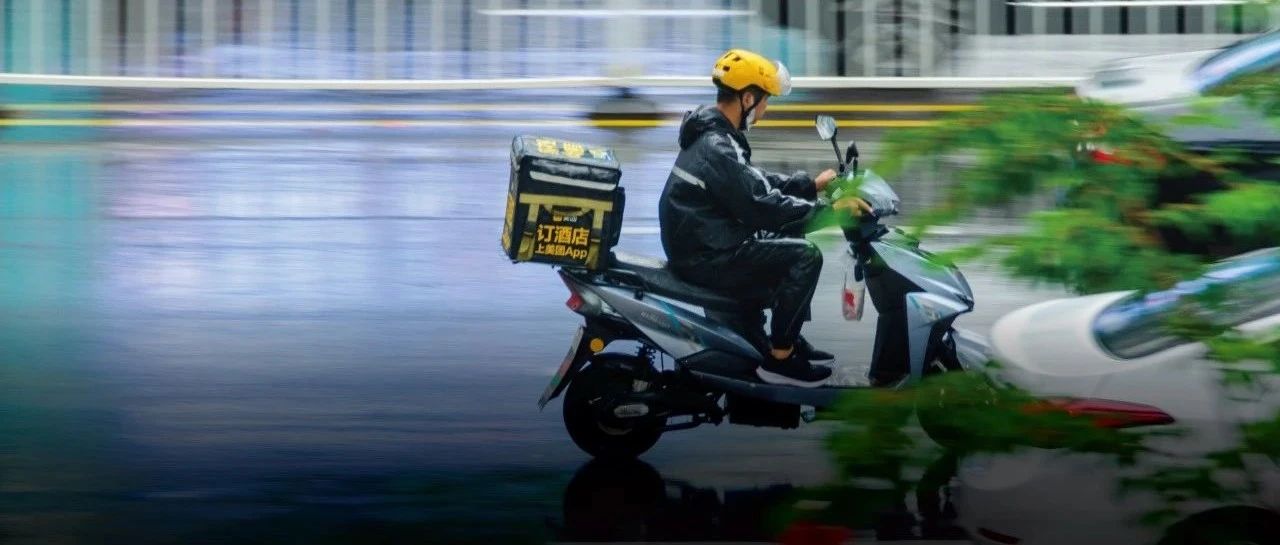
Core Viewpoint - The automotive industry is eagerly awaiting solid-state batteries, with mass production timelines being pushed from 2025 to 2027, while semi-solid batteries are being introduced as a precursor to full solid-state technology [4][6][11]. Group 1: Semi-Solid Battery Developments - SAIC's MG4 model is set to feature a semi-solid battery version, with pricing to be announced in September and deliveries expected within the year [4]. - The semi-solid batteries for both MG4 and the delayed IM L6 Max are developed in collaboration between SAIC and Qingtao Energy, indicating a competitive landscape for early adoption [6]. - Hive Energy plans to supply semi-solid batteries for BMW's next-generation MINI models, with large-scale production expected by the end of 2026, marking a significant milestone in the industry [6]. Group 2: Technological Innovations - The first generation of semi-solid batteries from SAIC Qingtao utilizes traditional lithium iron phosphate and ternary materials, achieving a range of 1000 kilometers [8]. - The second generation of semi-solid batteries aims to improve safety, energy density, and lifecycle, with a reduction in liquid electrolyte content from 10% to 5% [8][10]. - Innovations in core materials and collaborative efforts between vehicle manufacturers and component suppliers are crucial for the successful commercialization of new battery technologies [10]. Group 3: Full Solid-State Battery Production Plans - The industry consensus suggests that full solid-state battery mass production is likely to commence around 2027, with various companies providing timelines that align closely with this date [11][12]. - Companies like Aulton and Guoxuan High-Tech are actively working on solid-state battery production lines, with Guoxuan achieving a 90% yield rate on its pilot line [11][12]. - SAIC Qingtao aims to achieve full solid-state battery production by 2026, with energy density targets exceeding 400Wh/kg [11][14]. Group 4: Alternative Applications for Solid-State Batteries - The demand for solid-state batteries is not limited to the automotive sector; applications in eVTOL and humanoid robots are emerging as significant opportunities [15][18]. - Companies like Hive Energy and Funeng Technology are already engaging with clients in these new fields, indicating a broader market potential for solid-state technology beyond traditional vehicles [15][18]. - The introduction of solid-state batteries in two-wheeled vehicles is also gaining traction, with companies like Tianneng launching new products that significantly enhance performance metrics compared to traditional lithium batteries [18].






固态电池行业周报(第十期):南都电源签署全球最大半固态储能电池订单 清陶能源三款半固态电池配套车型入围工信部目录
Xin Lang Cai Jing· 2025-08-17 08:35
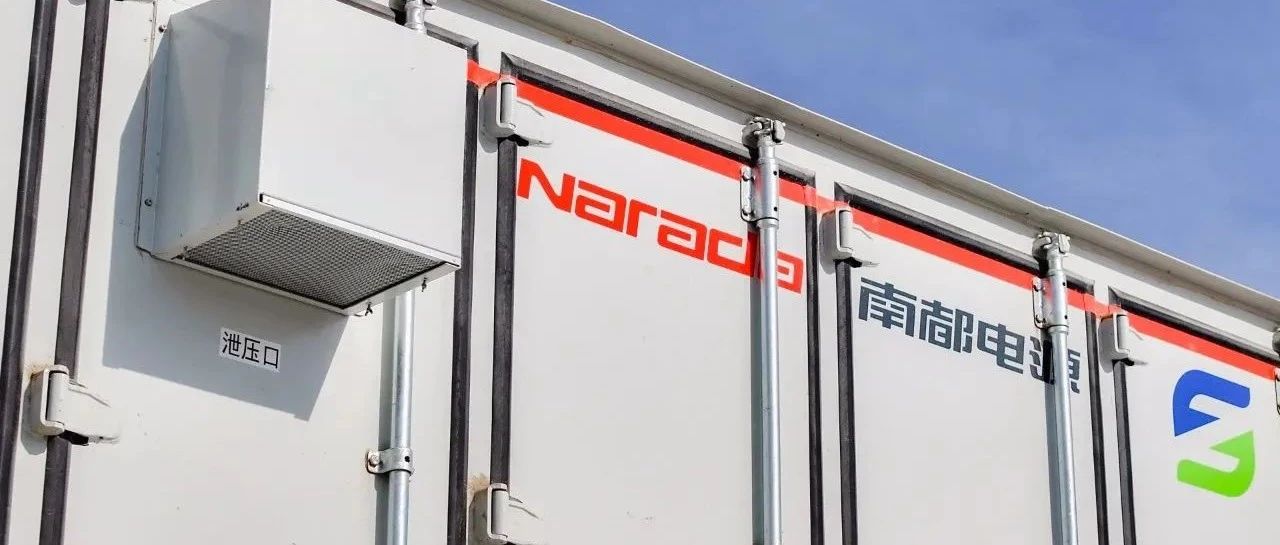
Group 1 - Nandu Power signed the world's largest semi-solid state battery order with a total capacity of 2.8GWh, utilizing self-developed 314Ah semi-solid state batteries [1] - The battery employs an oxide system with a solid-liquid mixed electrolyte, which suppresses lithium dendrite growth and reduces thermal runaway risks, ensuring long life and high safety [1] - The solid-state battery sector is transitioning from laboratory to mass production validation, with small-scale vehicle trials expected by the end of 2025 and widespread trials anticipated in 2026-2027 [1] Group 2 - The solid-state battery index increased by 4% from August 11 to August 15, with a cumulative increase of 30% expected by 2025, while the CSI 300 index rose by 6.8% during the same period [2] - All segments within the solid-state battery sector experienced growth, particularly the current collector segment, which rose by 11.9% [2] - The top five gainers in the sector included Defu Technology (+22.9%), Haichen Pharmaceutical (+22.8%), Anfu Technology (+20.7%), Yuanhang Precision (+18.3%), and Zhongyi Technology (+16.9%) [2]

半固态电池迎2.8GWh订单,需求、成本两大维度“拆解”
高工锂电· 2025-08-12 10:57
Core Viewpoint - The article highlights the significant advancement of semi-solid battery technology, particularly through a major order from Nandu Power for a 2.8 GWh independent energy storage project, marking a shift from concept validation to large-scale commercial deployment [2][3][19]. Group 1: Market Dynamics - The order represents the largest application of semi-solid battery technology to date, indicating a transition to mass production capabilities and raising critical commercial questions regarding demand sustainability and supply challenges [3][4]. - The Chinese energy storage market is evolving from a compliance cost model to an independent storage model, allowing for profitability and participation in market transactions [4][5]. Group 2: Economic Advantages - The new business model encourages investors to consider the total lifecycle cost of energy storage systems, where higher initial costs may be offset by lower operational and maintenance costs due to enhanced safety and efficiency [5][7]. - The safety premium associated with semi-solid batteries translates into quantifiable economic benefits, such as reduced auxiliary equipment costs and improved land utilization in high-value areas like Shenzhen [5][6]. Group 3: Regional Insights - Guangdong province, with its significant peak-valley price difference of approximately 1.3 yuan/kWh, presents a lucrative environment for independent energy storage projects, potentially achieving internal rates of return exceeding 10% [6][7]. Group 4: Production Challenges - The transition to mass production of semi-solid batteries faces challenges in manufacturing costs, production feasibility, and maintaining high yield rates, particularly with large capacity cells like the 314Ah [8][15]. - Key manufacturing challenges include achieving uniformity in the solid electrolyte coating, ensuring electrochemical stability, and managing thermal dynamics during high-rate charge and discharge cycles [8][9][10]. Group 5: Technological Innovations - Innovations in production processes, such as the use of in-situ curing techniques and advanced assembly lines, are being explored to enhance efficiency and yield in semi-solid battery manufacturing [10][12][13]. - The development of new battery management systems (BMS) is crucial for accurately monitoring the performance and health of semi-solid batteries, necessitating the integration of advanced algorithms and real-time data analytics [16][17][18]. Group 6: Future Trends - The semi-solid battery market is expected to diversify, with different technologies catering to various energy storage needs, indicating a shift towards a more complex and varied market landscape [19][20].

半固态电池装车:已破冰 待破局
Zhong Guo Qi Che Bao Wang· 2025-08-12 03:40
Core Insights - The launch of the new MG4 model with a self-developed semi-solid-state battery marks a significant step in the automotive industry's transition towards advanced battery technologies [2][3] - The semi-solid-state battery is gaining traction as a safer and more efficient alternative to traditional lithium-ion batteries, with various automakers planning to adopt this technology [3][5] Group 1: Product Launch and Features - The MG4 will feature a 70kWh semi-solid-state battery, which contains only 5% liquid electrolyte, achieving an energy density of 180Wh/kg and a range of 537 kilometers under CLTC conditions [3] - The battery has shown a 13.8% improvement in low-temperature range retention compared to traditional lithium iron phosphate batteries [3] - The semi-solid-state battery is designed to prevent combustion, having passed rigorous safety tests without catching fire [3] Group 2: Industry Trends and Projections - The market for semi-solid-state batteries is expected to grow significantly, with predictions indicating a penetration rate of up to 12% in the pure electric vehicle market by 2027 [13][14] - By 2025, multiple models from brands like Zhiji, Feifan, Roewe, and MG are expected to be equipped with semi-solid-state batteries, enhancing their market competitiveness [4] - The semi-solid-state battery technology is seen as a bridge towards full solid-state batteries, with a three-phase strategy outlined by SAIC Group [4][10] Group 3: Safety and Regulatory Environment - New safety regulations for electric vehicle batteries will come into effect in July 2026, emphasizing the importance of fire and explosion prevention, which semi-solid-state batteries are well-positioned to address [11][12] - The increasing focus on battery safety and performance is driving the demand for semi-solid-state batteries, which are perceived as a viable solution to meet these requirements [10][12] Group 4: Market Dynamics and Competitive Landscape - The semi-solid-state battery market is anticipated to reshape the competitive landscape of the battery industry, with traditional battery manufacturers and new entrants both investing in this technology [17] - The transition to semi-solid-state batteries is expected to create new opportunities for material suppliers and equipment manufacturers, while traditional liquid battery suppliers may face challenges [16][17] - The overall battery supply chain is likely to undergo significant transformation, with semi-solid-state batteries becoming a mainstream technology in the coming years [16][17]

清陶装车上汽10万级新车,半固态电池产业化“新赛点”
高工锂电· 2025-08-11 12:09
Core Viewpoint - The article discusses the advancements and market integration of semi-solid state batteries, highlighting their cost reduction, efficiency improvements, and safety features, particularly in the context of the automotive and energy storage sectors [4][12][24]. Group 1: Market Developments - SAIC MG4 has launched a semi-solid state battery version, with mass production expected within the year, marking a significant step in the commercialization of this technology [3][8]. - The semi-solid state battery is being adopted in various applications, including commercial vehicles and energy storage projects, indicating a shift towards broader market acceptance [3][9][10]. Group 2: Technical Advancements - The semi-solid state battery features a reduced electrolyte content of 5%, enhancing safety and performance, particularly in low-temperature conditions [3][4]. - The introduction of manganese-based composite cathode materials improves lithium-ion conductivity and battery performance, while the solid electrolyte layer mitigates manganese leaching, enhancing battery longevity [5][6]. Group 3: Performance Metrics - The semi-solid state battery demonstrates superior low-temperature discharge capabilities, with over 100% capacity retention at -20°C and significantly reduced charging times [6][9]. - The safety features of the semi-solid state battery have been validated through puncture tests, showcasing its robustness against potential hazards [4][7]. Group 4: Industry Trends - The industry is focusing on cost reduction and efficiency improvements for semi-solid state batteries, with current production costs still approximately 50% higher than traditional liquid lithium batteries [12][21]. - Multiple companies are investing in the production of solid-state electrolytes, indicating a growing trend towards the industrialization of this technology [13][17][21]. Group 5: Future Outlook - The semi-solid state battery is expected to penetrate the mainstream market, with significant implications for the future of electric vehicles and energy storage solutions [24][25]. - The dual-track development of semi-solid and solid-state batteries will be defined by market demand and technological maturity, rather than strict definitions based on electrolyte content [26].

2.8GWh!半固态电池储能大单来袭
行家说储能· 2025-08-11 11:49
Core Viewpoint - Nandu Power has secured a significant order for 2.8GWh of semi-solid state battery energy storage projects, marking a milestone in the commercialization of solid-state battery technology on a gigawatt scale [3][4]. Group 1: Project Details - The order consists of three independent energy storage projects located in Shenzhen (1.2GWh) and Shanwei (two projects of 800MWh each) [3]. - Upon completion, these projects are expected to consume over 1 billion kWh of renewable energy annually and reduce carbon dioxide emissions by approximately 1 million tons each year [3]. Group 2: Technology Innovations - Nandu Power's 314Ah semi-solid state battery utilizes "oxide solid-liquid hybrid technology" and "high melting point polymer separator" to significantly suppress lithium dendrite growth, reducing thermal runaway risks while ensuring high ionic conductivity and battery longevity [6]. - This is the first commercial application of solid-state battery technology in gigawatt-level energy storage projects globally [4]. Group 3: Industry Landscape - The semi-solid state battery technology is gaining traction, with over 6.2GWh of semi-solid state battery projects announced this year alone [14]. - Various companies are exploring different solid-state battery technologies, including polymer, oxide, sulfide, and halide types, with notable players in each category [9][10]. Group 4: Market Dynamics - The current price range for semi-solid state batteries is approximately 0.8-1.2 yuan/Wh, with system prices around 1-1.5 yuan/Wh, indicating a narrowing cost gap with liquid lithium iron phosphate batteries [15][16]. - As the cost differences decrease, semi-solid state batteries may emerge as a new favorite in the energy storage market [16].
矿山停产,锂价飞升?
Sou Hu Cai Jing· 2025-08-11 04:24
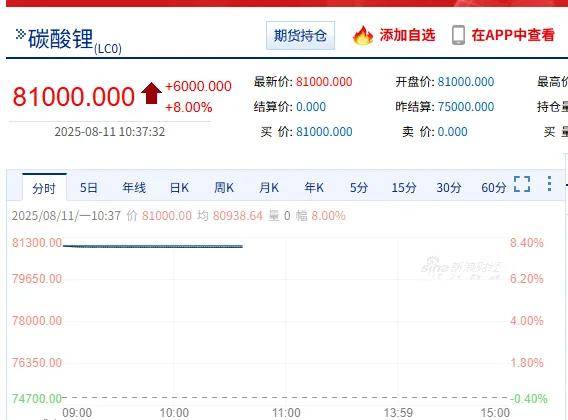
Group 1 - The core viewpoint of the articles highlights a significant surge in lithium carbonate futures prices, with the main contract rising by 8% to 81,000 yuan/ton, driven by supply constraints and increasing demand across multiple sectors [1][5][10] - The suspension of operations at the Jiangxi lithium mine, which has an annual production capacity of approximately 42,000 tons of lithium carbonate, is expected to create a supply gap of around 30,000 tons over the next three months [2][5] - Despite a total inventory of 140,000 tons in the lithium carbonate supply chain, the effective inventory for battery-grade lithium carbonate is only 43,000 tons, indicating a tight supply situation that cannot meet battery production needs [3][5] Group 2 - Demand for lithium carbonate is surging in three key areas: 1. Power batteries, with BYD's second-generation blade battery increasing production by 15%, leading to a demand increase of 3,500 tons 2. Energy storage, with the State Grid's new storage plan raising capacity to 50GWh, resulting in a demand increase of over 4,000 tons 3. Solid-state batteries, with a 25% increase in demand due to advancements in production lines [4][5] - The market's response to these developments has been immediate, with futures prices rising sharply and spot prices expected to reach between 90,000 to 100,000 yuan/ton [5][10] - The current situation reflects a broader crisis in domestic lithium mica mining, where high production costs and regulatory challenges are leading to a systemic contraction in capacity [6][9] Group 3 - The average grade of lithium mica in the Jiangxi mine is only 0.27%, significantly lower than the 1.5% grade of Australian spodumene, resulting in high processing costs [7][8] - Environmental regulations have further increased production costs, with the total cost of producing one ton of lithium carbonate approaching 150,000 yuan, while market prices hover around 70,000 yuan, leading to losses for producers [8] - The current supply chain dynamics are reshaping the global lithium resource landscape, with domestic resources facing challenges in converting reserves into production advantages due to high costs [9][10] Group 4 - Analysts have differing views on future price movements, with some predicting continued upward pressure on prices until overseas supply can compensate for domestic shortages, while others believe the impact will be less significant than previous supply disruptions [10] - The market is also witnessing advancements in battery recycling technologies, which can extract up to 90% of lithium from retired batteries at lower costs, potentially altering the competitive landscape [9]


浙数文化20250809
2025-08-11 01:21
Summary of Conference Call for Zhejiang Shuculture (浙数文化) Company Overview - The company reported significant growth in revenue and profit for the first half of 2025, with notable improvement in net cash flow from operating activities [2][4][7]. - The gaming business remains stable, while the digital marketing segment shows rapid growth. However, revenue from Fuchun Cloud has slightly declined due to price reductions in IDC services and ongoing transformation [2][4]. Key Business Segments Gaming Business - The gaming segment is a major contributor to revenue and profit, maintaining stability [4][18]. - Expected to continue its growth trend throughout the year, although sequential growth may not be substantial [18]. Digital Marketing - The digital marketing segment has experienced growth of approximately 10% [4]. - Anticipated to perform better in the second half of the year due to seasonal factors and major marketing events [21]. Fuchun Cloud - Revenue from Fuchun Cloud decreased by 19 million due to IDC business price pressures and transformation challenges [4][6]. - The company expects to improve client acquisition and utilization rates in the second half of the year [20]. Digital Culture - The digital culture segment has undergone structural adjustments, with new initiatives in online social and cultural tourism [5]. - The 45-degree APP business model has been validated, and the original story community platform is seeing increased consumption [2][5]. Financial Performance - The company achieved a net profit of 374 million, a year-on-year increase of 156% [7]. - Non-recurring net profit slightly increased to 203 million, with significant contributions from the gaming and digital marketing sectors [7][11]. - Cash flow improved significantly, turning from a negative 80 million to a positive 250 million [7][12]. AI and Innovation - The company has developed an AI application matrix with seven mature models and algorithms, two of which have been submitted for record [13][16]. - A new innovation R&D center has been established in Guangzhou, focusing on light casual games [13]. Infrastructure Development - The company has completed the first phase of the cultural computing center in Hangzhou and established a 5,000-card computing center in Beijing, with plans for further expansion [3][14]. - The domestic card ecosystem is improving, with an expected increase in the proportion of new domestic cards [15]. Strategic Investments - The company is strategically investing in innovative sectors, including energy and robotics, with plans to increase shareholding in these ventures [2][16]. - Collaborations with various companies, including Alibaba, are ongoing to enhance capabilities in data and AI applications [16]. Market Outlook - The company anticipates strong performance in the second half of 2025, driven by new provincial-level projects and central government initiatives [10][18]. - The digital operation and marketing sectors are expected to see significant revenue releases, particularly in the fourth quarter due to major marketing events [21]. Regulatory Environment - Recent policy changes from the tax bureau are expected to create new opportunities for the industry, particularly in data trading and compliance [25][26]. - The company is actively engaging in the development of data elements and AI, with a focus on high-quality data acquisition and utilization [22][23]. Conclusion - Overall, the company is positioned for growth with a diversified portfolio across gaming, digital marketing, and innovative technologies, while navigating challenges in certain segments like Fuchun Cloud. The strategic focus on AI and data-driven initiatives is expected to enhance future performance and market competitiveness [28].

鑫椤锂电一周观察 | 周中碳酸锂又现“波动”
鑫椤锂电· 2025-08-08 08:43
Industry Highlights - China's salt lake lithium carbonate project has officially launched sales, with an annual production capacity of 20,000 tons and first batch purity exceeding 99.6% [1] - Jiangsu Nona New Materials is set to begin trial production of a 200,000-ton electrolyte project in October, with an investment of approximately 1.8 billion yuan [2] - SK On is undergoing restructuring, merging with SK Enmove to enhance competitiveness in the electric vehicle battery sector, with the new entity expected to be established by November 2025 [3] - German silicon-based anode company NorcSi has completed a financing round of 10.7 million euros to commence industrial production of pure silicon anode materials [4] Lithium Battery Material Market Lithium Carbonate - Domestic lithium carbonate prices are fluctuating around 68,000 yuan per ton, with market speculation about a potential 30-day shutdown of a lithium mine in Jiangxi [7] - Latest prices for lithium carbonate as of August 7: Battery-grade 99.5%: 71,000-73,000 yuan/ton; Industrial-grade 99.2%: 68,500-69,500 yuan/ton [8] Ternary Materials - Ternary material prices have seen a slight increase, with a projected 1,000 tons of additional supply from two major suppliers [9] - Current prices for ternary materials as of August 7: 5-series single crystal: 123,000-129,000 yuan/ton; 8-series 811 type: 142,000-148,000 yuan/ton [9] Lithium Iron Phosphate - The lithium iron phosphate market remains stable, with an expected production capacity of 300,000 tons by the end of the year, including a significant expansion by Bangpu [10] - Latest prices for lithium iron phosphate as of August 7: Power type: 32,100-33,200 yuan/ton; Energy storage type: 30,800-31,500 yuan/ton [10] Anode Materials - The anode materials market is stable, with prices closely aligned with production costs, and limited new orders for needle coke [11] - Latest prices for anode materials as of August 7: Natural graphite high-end products: 50,000-65,000 yuan/ton; Artificial graphite high-end: 31,800-64,800 yuan/ton [12] Separator - The separator market is stable, with a decline in orders from energy storage sectors due to reduced procurement from two major companies [13] - Latest prices for separators as of August 7: Base film 9μm/wet: 0.55-0.825 yuan/sqm; Base film 16μm/dry: 0.35-0.5 yuan/sqm [13] Electrolyte - The electrolyte market shows stable prices, with a slight increase in orders from energy storage applications [14] - Latest prices for electrolytes as of August 7: Lithium hexafluorophosphate electrolyte: 49,000-51,500 yuan/ton; Power ternary electrolyte: 19,000-23,400 yuan/ton [14] Lithium Battery Demand Battery Production - The domestic battery market is stable, with a slight increase in production driven by export preparations [15] - Latest prices for lithium batteries as of August 7: Square ternary power cell: 0.38-0.45 yuan/Wh; Square lithium iron phosphate power cell: 0.26-0.355 yuan/Wh [16] New Energy Vehicles - Passenger car sales reached 462,000 units, with new energy vehicle sales at 245,000 units, showing a year-on-year increase [16] - Notable developments include BYD's fifth-generation DM upgrade and Tesla's declining sales in Europe [16] Energy Storage - The energy storage battery market is performing well, with leading companies operating at full capacity and small manufacturers taking on contract orders [17] - Increased demand for energy storage orders is noted in Europe and Australia, while the U.S. market remains stable despite tariff disruptions [18]
一周聚焦:人工智能赛道升温,长三角多地密集“落子”
Xin Hua Cai Jing· 2025-08-07 09:38
Core Insights - The artificial intelligence (AI) industry in China is projected to exceed 700 billion yuan by 2024, maintaining a growth rate of over 20% annually [1] - By April 2025, China is expected to have filed 1.576 million AI-related patents, accounting for 38.58% of the global total, ranking first in the world [1] Group 1: AI Developments - The "Wukong" brain-like computer, developed by Zhejiang University, is the first in the world to have over 2 billion neurons and is based on specialized neuromorphic chips, marking a significant advancement in the field [2] - "Wukong" can run large brain-like models and perform tasks such as logical reasoning, content generation, and mathematical problem-solving, providing new tools for brain science research [1][2] Group 2: Regional Initiatives - The 2025 Yangtze River Delta (Kunshan) Embodied Intelligence Industry Development Conference introduced an action plan to create a new trillion-yuan industry cluster focusing on AI servers, intelligent robots, smart connected vehicles, and low-altitude aircraft [2] - Kunshan has initiated an advanced computing industry innovation cluster, aiming to enhance AI applications in manufacturing and create smart manufacturing demonstration factories [3] Group 3: Talent and Infrastructure - Kunshan launched 50 innovation demands across various sectors, including high-end manufacturing and smart city services, and established several industry bases and alliances to foster collaboration [4] - Shanghai's implementation plan for embodied intelligence aims to gather 100 key industry enterprises, establish 100 innovative application scenarios, and promote 100 internationally leading products, targeting a core industry scale of over 50 billion yuan [5][6]